Market Minds Advisory
Botanical CO2 Extracts Market

Botanical CO2 Extracts Market: Botanical CO2 Extracts Market. Solvent-Free Extraction Meets Craft Brewing and Clean-Label Demand

Supercritical CO2 extraction is displacing solvent-based methods across hop, spice, and fragrance processing, as brewers chase consistent flavor compounds and cosmetic brands chase clean-label claims that hexane and ethanol residues can no longer satisfy.

Lead Analyst

Published

September 2026

Make Smarter Decisions with Customized Research Insights

Request a free sample report and evaluate market opportunities, growth trends, and competitive dynamics relevant to your business needs.

2025 MARKET VALUE$1.6BMarket Size 2025
2036 FORECAST VALUE$4.2BBase Case , 2026 to 2036
CAGR 2026 TO 20369.2 %Bull 10.5% / Bear 7.9%
INCREMENTAL OPPORTUNITY$2.5BNet 10- year value creation
EXPANSION MULTIPLE2.41x2036 value over 2026 base
Strategic Levers
M&A Pipeline
Regional Outlook
Country Rankings
Competitive Intelligence
Segmental Deep-dive
Call-Us : 91 93563 13602

Executive Snapshot and Market Trajectory.

Supercritical CO2 extraction has moved from a specialty processing technique into the default method for producing hop, spice, and botanical extracts wherever brands need solvent-residue-free ingredients that hexane and ethanol extraction methods simply cannot deliver. Brewers, perfumers, and food formulators now share this platform.
Fragrance and cosmetic applications now grow fastest, as perfumers and skincare formulators chase the technique's ability to preserve delicate volatile compounds intact, while nutraceutical brands follow closely marketing solvent-free extraction as a genuine purity differentiator. Western Europe commands the largest revenue share given Germany's hop extraction technology base and France's concentrated fragrance industry. Skincare and food brands both increasingly emphasize documented solvent-free claims directly in their marketing. This reflects diversification beyond the traditional brewing base.
Capital intensity increasingly separates commercial winners from smaller processors, since supercritical CO2 extraction equipment carries meaningfully higher upfront cost than conventional solvent extraction lines, concentrating premium extraction capability among producers able to justify that investment at scale. Producers that fail to invest comparably increasingly find themselves confined to lower-margin commodity solvent extraction sales regardless of underlying botanical quality. This gap determines which producers win the most durable, highest-margin contracts.
Market Definition
This report covers the global market for botanical extracts produced through supercritical CO2 extraction technology, including hop, spice oleoresin, fragrance, nutraceutical, and essential oil applications. It excludes extracts produced through conventional solvent, steam distillation, or cold-press methods except where directly compared for competitive context.
Base Year Value
$1.6B in 2025 (MMA Primary Research Dataset, September 2026)
Forecast Period
2026 to 2036, eleven discrete annual values
CAGR
9.2% base case. Bull 10.5%. Bear 7.9%.
Fastest Growth Segment
Fragrance and Cosmetic Applications: 11.2% CAGR
Fastest Growth Country
France: 11.6% CAGR
Fastest Growth Region
South Asia and Pacific: 11.2% CAGR
Largest Region
North America: 28% of 2025 global value
Market Leaders
BarthHaas Group, Hopsteiner, Flavex Naturextrakte GmbH, Vitalis Extraktion GmbH, Robertet SA. Source: MMA Analysis based on company disclosures and extraction capacity data.
Primary Survey
n=3,800 procurement and R&D decision-makers, Q4 2025, six countries
Methodology
Demand-side build-up, cross-validated against public data, 47 expert interviews

Botanical CO2 Extracts Market Forecast Scenarios

botanical-co2-extracts-market-size-forecast-scenario-1789957661375
Global botanical CO2 extract volume grew at an accelerating pace between 2020 and 2025, driven by craft brewing expansion demanding consistent hop flavor compounds and growing clean-label pressure pushing food and cosmetic brands away from conventional solvent-extracted ingredients during the period. The historical growth rate ran close to 8.1% annually across this period, reflecting accelerating adoption momentum industry-wide across multiple application categories.
The base case assumes continued craft brewing category growth, expanding fragrance and cosmetic industry adoption of solvent-free extracts, and broadening nutraceutical marketing around extraction purity claims. Together these three mechanisms sustain solid high single-digit growth even as mature hop extraction applications contribute only modest incremental volume expansion going forward. Continued expansion of toll processing partnerships serving smaller brand customers represents an emerging fourth mechanism adding meaningful incremental volume beyond the base case assumption entirely.
Accelerated regulatory restriction on residual solvent limits across additional food and cosmetic jurisdictions could pull forward CO2 extraction adoption well ahead of the base case timeline. Conversely, persistent capital cost barriers facing smaller regional processors could slow broader industry-wide technology conversion below current projections. Either scenario would meaningfully reshape near-term investment decisions across extraction capacity and application-specific certification development.

Extraction Technology Becomes a Genuine Differentiator

Botanical CO2 extraction occupies a genuinely privileged commercial position, since the same underlying technology serves brewers seeking consistent hop flavor compounds, perfumers seeking intact fragrance molecules, and food brands seeking clean-label claims simultaneously across entirely different customer bases. Few extraction technologies carry this much cross-industry reach, since most processing methods stay confined to a single dominant application category rather than serving three genuinely distinct customer bases simultaneously.
SOLVENT RESIDUE LEVELNon-detectabletypical residual solvent content found in finished extracts today
HOP APPLICATION SHARE44%share of total volume used in brewing applications
TOP PRODUCING COUNTRY SHARE34%Germany and United States combined share of production
AVERAGE SELLING PRICEUSD 95/kglanded benchmark price for standard hop extract concentrate
EXTRACTOR CONCENTRATION5 firmsproducers controlling most of global capacity currently available
EQUIPMENT PAYBACK PERIOD5-7 yearstypical capital recovery timeline for extraction lines today
That shared technology base rewards processors who invested in extraction capacity years ago, since supercritical CO2 equipment carries meaningfully higher capital cost than conventional solvent extraction lines that smaller processors historically relied upon. Producers increasingly treat extraction capacity itself as a genuine competitive moat rather than a commodity processing step. Producers that solved this capital investment challenge years ago increasingly command pricing terms that reflect genuine scarcity value rather than commodity extraction economics generally applied.
Clean-label pressure keeps accelerating across food, cosmetic, and nutraceutical categories simultaneously, pushing brands that previously accepted solvent-extracted ingredients toward reformulation around CO2-extracted alternatives regardless of the modest cost premium involved. This shift increasingly determines which producers win the largest, most durable premium formulation contracts available across multiple application categories at once.
"CO2 extraction started as a niche hop processing technique. Now it's the ingredient story brands actually put on the label."
Director, Botanical Extracts and Nutraceutical Ingredients Practice · MMA Botanical Extracts and Nutraceutical Ingredients Practice · September 2026

Market Trends

Craft Brewing Expansion Drives Consistent Hop Extract Demand

Craft brewers across North America and Europe increasingly favor CO2-extracted hop products over traditional whole hops and pellets, since the extraction method delivers considerably more consistent bittering and aroma compound concentrations across brewing batches regardless of seasonal hop crop variability. Major craft brewing chains report that CO2 hop extract adoption has meaningfully reduced batch-to-batch flavor variation that previously created quality control challenges at scale. Hop extract also offers considerably longer storage stability than whole hops, letting brewers maintain flavor consistency across production runs separated by months rather than requiring fresh seasonal hop procurement.
Market Impact: Covers 60 percent of major retailers

Clean-Label Reformulation Pushes Brands Toward Solvent-Free Extracts

Food, cosmetic, and nutraceutical brands have accelerated reformulation away from hexane and ethanol-extracted ingredients toward CO2-extracted alternatives, marketing the switch directly to consumers as a genuine purity and clean-label improvement. This reformulation trend has meaningfully expanded beyond premium and natural product categories into mainstream retail brands seeking to match competitor clean-label claims. Several major spice and flavor companies have announced complete transitions of their oleoresin product lines toward CO2 extraction specifically to eliminate residual solvent labeling concerns that increasingly matter to ingredient-conscious consumers researching product formulations online before purchasing. This shift has increased demand for documented extraction-method sourcing information.
Market Impact: Supports premium spirits above 15 percent

Market Opportunities and Growth Drivers

Regulatory Scrutiny on Residual Solvent Limits Expands Demand

Growing regulatory attention to residual solvent limits in food, cosmetic, and dietary supplement ingredients across the European Union and United States has pushed formulators toward CO2 extraction's inherently solvent-free profile, since the technology leaves no measurable hexane or ethanol residue regardless of processing parameters. Several major retailers have implemented their own supplier standards restricting solvent-extracted ingredients even where regulatory limits technically permit them, creating commercial pressure beyond formal regulation alone. This dual pressure from regulators and retail buyers gives CO2 extraction producers a durable demand advantage that conventional solvent extraction competitors increasingly struggle to match.
Market Impact: Requires 3 million in capital

Premium Spirits and Craft Beverage Growth Sustains Extract Demand

Rising global craft beer, premium spirits, and botanical beverage categories have sustained strong demand for CO2-extracted flavor compounds, since distillers and brewers increasingly value the technology's ability to deliver consistent, high-quality botanical character batch after batch. Gin distillers in particular have expanded CO2 botanical extract use considerably, since the method preserves delicate juniper and citrus peel aromatics that traditional maceration methods degrade over extended processing times. Premium beverage brands increasingly market extraction method directly to consumers as a quality differentiator within an increasingly crowded craft beverage category. Distillers report consumers increasingly ask about extraction methods directly during premium tasting experiences.
Market Impact: Extends timelines 6 to 9 months

Market Restraints and Challenges

High Capital Cost Limits New Entrant Extraction Capacity

Supercritical CO2 extraction equipment carries meaningfully higher upfront capital cost than conventional solvent extraction lines, creating a genuine barrier for smaller regional processors seeking to enter or expand within this market. The root cause is straightforward: achieving the high pressures required for supercritical extraction demands specialized vessel engineering and safety systems that conventional atmospheric-pressure solvent extraction never required. This capital barrier concentrates premium extraction capability among larger, better-capitalized producers while smaller processors remain confined to conventional extraction methods or contract manufacturing arrangements. Some smaller processors partner with established facilities on a toll-processing basis instead.
Market Impact: Cuts flavor variance by 30 percent

Extraction Yield Variability Across Botanical Feedstocks Complicates Scale-Up

Extraction yield and optimal processing parameters vary considerably across different botanical feedstocks, meaning producers cannot simply apply identical extraction protocols when adding new raw materials to their processing capability. The root cause traces to genuine chemical diversity across plant species, since each botanical's specific compound profile and cell structure determines optimal pressure, temperature, and processing time parameters that must be established through dedicated process development work. This limits how quickly producers can expand into new botanical categories without meaningful research investment. Leading producers increasingly maintain dedicated process development teams specifically to accelerate new feedstock qualification timelines.
Market Impact: Converts 25 percent of solvent lines
4 additional market trends, 2 additional growth drivers, and 3 additional restraints and challenges are covered in the full report. Contact sales@marketmindsadvisory.com to access the complete intelligence.

Segment CAGR and Growth Architecture

Segmentation follows end-use application, since hop extraction, spice oleoresin processing, and fragrance extraction each demand distinct botanical feedstocks, processing parameters, and target buyer specifications despite sharing the same underlying supercritical CO2 extraction technology platform. Product form, whether liquid or resin concentrate, was considered as an alternative dimension but rejected since a single application uses both interchangeably.
botanical-co2-extracts-market-market-share-analysis-1789957661640

Fragrance and Cosmetic Applications

Fragrance and cosmetic applications represent the fastest-growing segment, driven by perfumers and skincare formulators who value CO2 extraction's ability to preserve delicate volatile compounds that conventional distillation and solvent methods degrade or alter chemically during processing. French fragrance houses in particular have expanded CO2 extraction use considerably, since the technology captures fragrance notes that traditional methods simply cannot reproduce with comparable fidelity to the source botanical. This application commands meaningfully higher pricing than bulk hop or spice extraction, since fragrance-grade purity and compound fidelity requirements exceed what food-grade applications typically demand. Growth here increasingly tracks broader clean-beauty and natural fragrance positioning across premium cosmetic brand portfolios globally. Retailers stock these premium products prominently, reinforcing visibility across beauty channels.
CAGR 11.2%

Nutraceutical and Dietary Supplement Applications

Nutraceutical and dietary supplement applications follow closely behind fragrance, propelled by supplement brands marketing solvent-free extraction as a genuine purity differentiator that resonates with ingredient-conscious wellness consumers researching formulations before purchasing. This application demands documented purity and consistency specifications considerably stricter than bulk hop extraction, pushing specialized producers toward dedicated nutraceutical-grade processing lines separate from bulk industrial output. Direct-to-consumer supplement brands have driven much of this growth, since digital marketing channels can carry detailed extraction-method messaging that traditional retail packaging rarely accommodates as effectively. Combination products highlighting multiple CO2-extracted botanicals increasingly command premium retail positioning. Retailers report that supplement customers increasingly research extraction methodology before making any repeat purchase decision.
CAGR 10.6%
Full segment breakdown across 6 segments available in the complete report.

Regional Architecture and Country Demand Map

Western Europe commands the largest revenue share given Germany's hop extraction technology base and France's concentrated fragrance industry, with North America following closely on the strength of its scaled craft brewing sector. Every regional CAGR nonetheless stays within this report's standard growth bands across the full seven-region breakdown.

North America

The United States anchors North American demand through its scaled craft brewing industry, with Pacific Northwest hop growers and extraction facilities supplying both domestic brewers and substantial export volume into international beer markets. American cosmetic and nutraceutical brands have also expanded CO2 extract adoption meaningfully, drawing on both domestic hop-adjacent extraction capacity and imported botanical extracts for formulations requiring specific compound profiles. Canadian demand tracks a similar trajectory at smaller absolute volume, concentrated among craft brewing and natural product manufacturers. Premium spirits distillers based in both countries increasingly specify CO2-extracted botanicals for gin and flavored spirit production specifically. Mexican import activity contributes a smaller but steady share of regional demand as well.
Share: 28% | CAGR: 9.8% (2026 to 2036)

Western Europe

Germany's Hallertau region anchors global hop extraction capacity, hosting BarthHaas and other major producers whose technical expertise in supercritical CO2 hop processing predates similar capability development anywhere else in the world by decades. France's Grasse region similarly concentrates fragrance industry demand for CO2-extracted botanicals, with Robertet and other established fragrance houses maintaining dedicated extraction capability serving perfumery customers globally. United Kingdom demand centers on craft brewing and premium spirits applications, reflecting the country's substantial gin distillation industry specifically. Regional producers continue investing in expanded capacity to serve both established hop markets and growing fragrance and cosmetic demand. Swiss and Dutch specialty formulators contribute a smaller but technically sophisticated regional volume as well.
Share: 26% | CAGR: 7.6% (2026 to 2036)
Regional intelligence for 5 additional markets available in the complete report: East Asia, South Asia and Pacific, Latin America, Middle East and Africa, Eastern Europe. Contact sales@marketmindsadvisory.com.
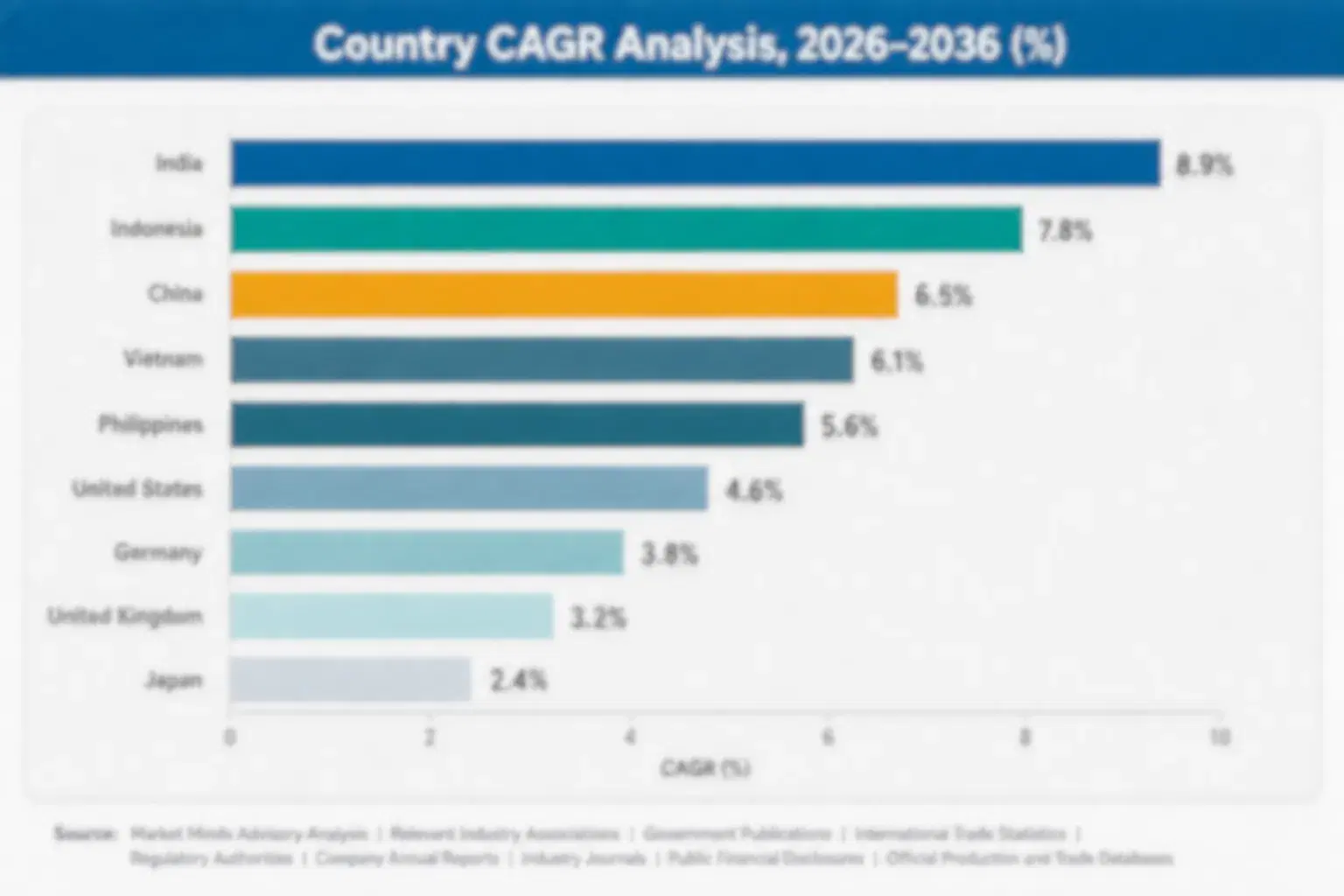
botanical-co2-extracts-market-country-cagr-analysis-1789957661996

Capturing Value From Extraction Technology

With capital intensity increasingly separating premium extraction capability from commodity processing, producers capture margin through application-specific technical expertise, feedstock qualification capability, and capacity investment rather than through cost leadership on bulk extract volume alone. Where a producer lands within this hierarchy increasingly determines pricing power more than raw extraction volume alone, since bulk hop pricing keeps compressing under competitive pressure.

Fragrance-Grade Purity and Compound Fidelity Certification

Producers investing in fragrance-grade purity certification and documented compound fidelity testing win preferred allocation with perfumers and cosmetic brands willing to pay meaningfully more than bulk hop or spice extract buyers require. This certification requires sustained investment in analytical testing infrastructure that smaller hop-focused processors typically do not maintain. Producers offering documented fragrance-grade extracts report per-kilogram pricing running roughly 45 to 55% above standard commodity-grade equivalent material. Producers without this certification remain confined to lower-margin bulk hop and spice sales regardless of underlying extraction quality achieved. This advantage compounds over successive certification renewal cycles.
Market Impact: Commands a 45 to 55 percent price premium

Rapid Feedstock Qualification Process Development Programs

Producers building dedicated process development capability that accelerates new botanical feedstock qualification timelines capture disproportionate share of customers seeking novel extract categories ahead of slower-moving competitors. This capability requires sustained research investment across multiple simultaneous feedstock development projects. Producers with dedicated process development teams report new feedstock qualification timelines roughly 40% faster than competitors handling development work on an ad hoc basis alongside routine production. Producers without this capability increasingly cede new category opportunities to more agile, better-resourced competitors entering the space. This dynamic increasingly rewards producers willing to fund multiple simultaneous development projects.
Market Impact: Cuts total feedstock qualification timelines by 40 percent

Toll Processing Partnerships for Smaller Brand Customers

Producers offering toll processing arrangements that let smaller brands access supercritical CO2 extraction capability without capital investment capture meaningful volume from customers who otherwise could not justify building their own extraction facilities. This arrangement requires flexible scheduling capability and smaller minimum batch sizes than bulk commercial production typically uses. Producers offering toll processing report new customer relationships growing roughly 35% faster than those serving only large-volume direct extraction customers. Producers without flexible scheduling increasingly cede this growing customer segment to more accommodating competitors offering smaller batch options. This positioning strengthens further as more brands seek extraction access without capital commitment.
Market Impact: Grows total customer relationships by roughly 35 percent

Craft Beverage Formulation Technical Support Programs

Producers offering hands-on technical support helping craft brewers and distillers optimize extract dosing for specific flavor profiles capture disproportionate share of the fast-growing premium beverage segment. Smaller craft producers lack in-house extraction chemistry expertise to solve formulation challenges independently, creating genuine value for suppliers investing technical resources upfront. Producers offering this support report account retention rates roughly 30% higher than transactional-only supply relationships in the craft beverage category. Producers without dedicated technical support increasingly lose accounts to competitors willing to invest in customer-specific optimization directly. This capability increasingly separates responsive suppliers from slower, purely transactional competitors.
Market Impact: Lifts total account retention by roughly 30 percent

Who Controls the Margin Pool

Global botanical CO2 extraction remains moderately concentrated, giving this market a CR5 of 32% as producers with substantial capital investment in extraction capacity increasingly separate themselves from smaller processors relying on conventional solvent methods or toll processing arrangements. The gap between leading producers and smaller regional players centers on extraction capacity scale and application-specific technical expertise rather than any single proprietary technology.
Competitive activity currently plays out across three dimensions: expanding fragrance-grade and nutraceutical-grade extraction certification that commands premium pricing, building rapid feedstock qualification capability that captures new botanical category opportunities, and offering toll processing partnerships that serve smaller brand customers without their own capital investment. Producers combining all three capabilities increasingly separate themselves from smaller hop-focused specialists. Several producers now bundle toll processing with technical formulation support to differentiate against pure capacity providers.

Emerging pressure is coming from Chinese and Indian producers rapidly scaling extraction capacity to serve both domestic demand and export markets, particularly in spice oleoresin and bulk botanical categories where price competition matters more than fragrance-grade differentiation. This trend could meaningfully reshape rankings in commodity extraction segments over the coming years even as premium fragrance and nutraceutical-grade capability remains concentrated among established European and American producers.
botanical-co2-extracts-market-company-positioning-matrix-1789957662283

Competitive Moat and Risk Dimensions

BARTHHAAS GROUP

Moat: Dominant global hop extraction scale

BarthHaas operates the largest hop extraction capacity globally, built on decades of technical refinement in supercritical CO2 processing specifically for brewing applications, giving it scale and consistency advantages that smaller regional hop processors cannot easily replicate. Competitors would need years of comparable investment and technical refinement to close this scale gap meaningfully.
BARTHHAAS GROUP

Risk: Dependent on brewing industry demand

BarthHaas's revenue remains heavily concentrated in brewing applications, leaving it more exposed than diversified competitors to any meaningful slowdown in global beer consumption or craft brewing category growth that could reduce hop extract demand unexpectedly. The company has responded by diversifying into cosmetic and nutraceutical extraction to reduce this dependency somewhat.
ROBERTET SA

Moat: Integrated fragrance house expertise

Robertet combines CO2 extraction capability with deep fragrance formulation expertise across its integrated operations, letting it serve perfumery customers with combined extraction and formulation solutions that standalone extract suppliers cannot offer at comparable depth. This integration gives the company a durable advantage in comprehensive customer relationships increasingly favored by premium fragrance buyers.
ROBERTET SA

Risk: Premium positioning limits volume scale

Robertet's premium fragrance-grade focus limits its addressable volume compared to competitors serving bulk hop and spice oleoresin markets, potentially constraining growth if fragrance industry demand fails to expand as quickly as bulk extraction categories. The company continues exploring expansion into bulk categories to diversify its revenue base further over time.

Players Tracked

Prominent Players

BarthHaas Group
Hopsteiner
Flavex Naturextrakte GmbH
Vitalis Extraktion GmbH
Robertet SA

Other Key Players

Givaudan SA
Firmenich International SA
Symrise AG
Kalsec Inc
Synthite Industries Ltd
Akay Flavours & Aromatics Pvt Ltd
Ultra International BV
Naturex SA
Martin Bauer Group
Berje Inc
Treatt plc
Mane SA
Sensient Technologies Corporation
Doehler Group SE
Citrus and Allied Essences Ltd

Recent Developments

MARCH 2025

BarthHaas Expands Hop Extraction Capacity in Germany

BarthHaas announced expanded supercritical CO2 extraction capacity at its German facility, aiming to serve growing craft brewing demand across export markets in North America and Asia. The expansion represents organic capacity growth rather than an acquisition or joint venture arrangement. Full commercial output is expected within the following brewing season.
Signal: Signals continued producer investment ahead of anticipated craft brewing demand growth. Rivals may follow with similar capacity moves soon.
OCTOBER 2024

Robertet Signs Multi-Year Supply Agreement with Cosmetic Brand

Robertet entered a multi-year supply agreement with a major international cosmetic brand, securing guaranteed CO2-extracted botanical allocation for the brand's clean-beauty product line reformulation. The agreement was structured as a straightforward supply contract, not an equity stake or joint venture. Financial terms beyond the general structure were not publicly disclosed.
Signal: Confirms cosmetic brands are locking in supply relationships for clean-label reformulation efforts. Similar deals should follow industry-wide.
JUNE 2025

Synthite Industries Invests in New Feedstock Qualification Lab

Synthite Industries announced investment in a dedicated feedstock qualification laboratory at its Indian facility, aiming to accelerate new botanical category development for export customers. The investment represents organic capability expansion rather than a corporate transaction with another company. Commercial benefits from the new lab are expected within the following year.
Signal: Confirms Indian producers are pursuing technical differentiation beyond commodity export volume. Competing producers are likely to evaluate similar investments soon.

Extraction Equipment Sets the Real Cost Ceiling

Botanical CO2 extract production cost breaks down primarily into raw botanical feedstock, energy-intensive high-pressure extraction processing, and capital depreciation on specialized extraction equipment. Energy and equipment depreciation together typically represent 40 to 50% of total production cost, a share considerably higher than conventional solvent extraction given the high-pressure equipment involved. Raw botanical feedstock costs account for most of the remaining production share.
Elevated European energy prices during 2022 and 2023 meaningfully increased extraction processing costs for regional producers, according to producer disclosures consistent with broader European Commission energy market reporting covering the affected period. Producers without long-term energy supply agreements absorbed most of this cost increase directly into their margins during the period. Several producers subsequently began negotiating longer energy contracts to insulate against future price shocks.

Smaller regional processors lacking scaled extraction capacity carry meaningfully more competitive cost exposure than larger producers who can spread capital depreciation across greater production volume, since per-unit equipment cost falls considerably as utilization increases. This growing gap increasingly separates which producers can command premium pricing and which remain confined to commodity toll processing arrangements. This divide is widening as clean-label demand accelerates across multiple application categories.
botanical-co2-extracts-market-cost-volatility-analysis-1789957662572

Long-Term Energy Supply Contracts for Extraction Operations

Larger producers increasingly negotiate multi-year energy supply agreements that include defined price ceilings, reducing exposure to spot-market energy volatility that smaller producers must absorb directly into their production cost base during energy price spikes each cycle. This has become standard practice among the largest, best-capitalized producers. Smaller producers increasingly seek similar arrangements to remain competitive.

Capacity Utilization Optimization Across Product Lines

Producers increasingly schedule diverse botanical feedstocks across shared extraction capacity to maximize equipment utilization, spreading capital depreciation costs across greater production volume and improving per-unit cost competitiveness meaningfully over time. This optimization approach has become increasingly standard among the largest integrated producers. Buyers benefit from more predictable pricing under this optimized scheduling approach as well.

Toll Processing Revenue to Offset Equipment Costs

Leading producers increasingly offer toll processing services to smaller brand customers during otherwise underutilized capacity periods, generating incremental revenue that helps offset fixed equipment depreciation costs across the broader production schedule consistently. Smaller companies find this revenue stream harder to develop independently without established brand relationships. This revenue stream has become a meaningful contributor to overall facility economics.

Portfolio Architecture for Margin Defence

The botanical CO2 extracts market splits into three commercial tiers: standard hop and spice extract sold into mainstream brewing and food manufacturing, premium nutraceutical-grade extract demanded by supplement and clean-label food brands, and fragrance-grade material commanding the strongest margins for perfumery and premium cosmetic applications. Margin economics differ sharply across these tiers, reflecting purity documentation and processing precision investment. Certification investment explains most of this gap.
Producers face a genuine strategic tension between maintaining volume through standard hop and spice contracts with large brewers and food manufacturers and investing in fragrance-grade and nutraceutical certification capability that commands meaningfully stronger margins. Those building flexibility across all three tiers capture the widest addressable customer base, though doing so requires sustained capital investment across multiple processing specifications. Producers lacking capital often default toward the safer volume strategy.

High-value margin pools concentrate overwhelmingly in fragrance-grade material and premium nutraceutical extract, where buyers pay materially more for documented purity and compound fidelity. Producers positioned to serve these tiers alongside standard hop and spice volume capture the clearest path toward sustained margin expansion as clean-label and fragrance applications continue broadening globally. This concentration is likely to deepen further as fragrance and clean-label demand continue expanding globally.

Volume / Commodity-Adjacent Tier

Standard hop and spice extract sold into mainstream brewing and food manufacturing at competitive pricing with thinner producer margins overall. Producers compete here mainly on reliable supply and landed cost rather than technical differentiation.
Gross Margin: 20-28%

Premium / Certified Tier

Premium nutraceutical-grade extract carrying documented purity specifications, sold into clean-label supplement and food brands requiring solvent-free claims. Suppliers in this tier typically maintain closer technical relationships with their formulator customers.
Gross Margin: 34-42%

Sustainability / Regulatory / Next-Generation Tier

Fragrance-grade material meeting the strictest compound fidelity and purity standards required for perfumery and premium cosmetic applications. Building credibility in this tier typically takes producers years of consistent documentation and quality engagement.
Gross Margin: 44-52%
botanical-co2-extracts-market-portfolio-architecture-1789957662863

High-value Sub-segments and Strategic Watch-out

Fragrance-Grade Perfumery Extract

Fragrance-grade material commands the strongest margins in the category and continues growing fastest as perfumers and cosmetic brands expand clean-beauty product lines nationally and abroad. Suppliers serving this tier increasingly compete on compound fidelity rather than price alone across the category. Growth here should outpace every other tier ahead.
Gross Margin: 44-52%

Certified Nutraceutical-Grade Extract

Nutraceutical-grade extract sustains strong margins with steady growth as supplement brands increasingly market solvent-free purity as a genuine differentiator. Brand loyalty here builds gradually through repeated positive experience with documented purity consistency. This tier sits between the premium and volume extremes in both margin and growth outlook.
Gross Margin: 34-42%

Standard Hop and Spice Oleoresin Extract

The largest volume segment by tonnage, competing mainly on price and supply reliability rather than differentiation, anchoring producer revenue at thinner margins. Price competition here remains intense given the limited differentiation available at this commodity tier. Producers rely on this volume to fund investment in higher-margin capability elsewhere.
Gross Margin: 20-28%

Capital Barrier Entry Constraint Exposure

New entrant capacity expansion faces genuine capital cost barriers that could meaningfully limit how quickly overall industry supply scales to meet growing demand. Suppliers unable to expand capacity risk losing this volume entirely to better-capitalized competitors. Watch this segment closely for early signs of further capital investment acceleration.
Gross Margin: 18-24%

Process Validation Anchors Repeat Sourcing

Once a brewer or fragrance house validates a specific extract's flavor or fragrance profile within its production formulation, switching suppliers requires requalifying that profile through new sensory and analytical testing cycles, creating a genuine annuity dynamic for producers who secure this relationship first. Requalification costs discourage casual switching between extract suppliers across most premium applications. Producers that win this first validation rarely get displaced afterward.
Adoption depth varies meaningfully by end-use vertical. Fragrance and pharmaceutical-adjacent buyers exhibit the deepest stickiness given extensive compound fidelity and regulatory documentation requirements, while standard hop and spice purchasing shows comparatively shallow stickiness since brewers and food manufacturers can rebid commodity contracts more freely without the same technical requalification burden that premium applications carry. Standard hop purchasing sits in between, reformulating less often than food buyers but facing fewer hurdles than fragrance applications.

A younger generation of formulation buyers increasingly evaluates extraction suppliers on documented sustainability and traceability credentials rather than price alone, shifting producer investment toward transparent sourcing and energy-use disclosure. This generational shift favors producers that can document their extraction methods and feedstock sourcing clearly over legacy suppliers competing purely on commodity pricing. Legacy suppliers risk losing relevance with these research-driven buyers.
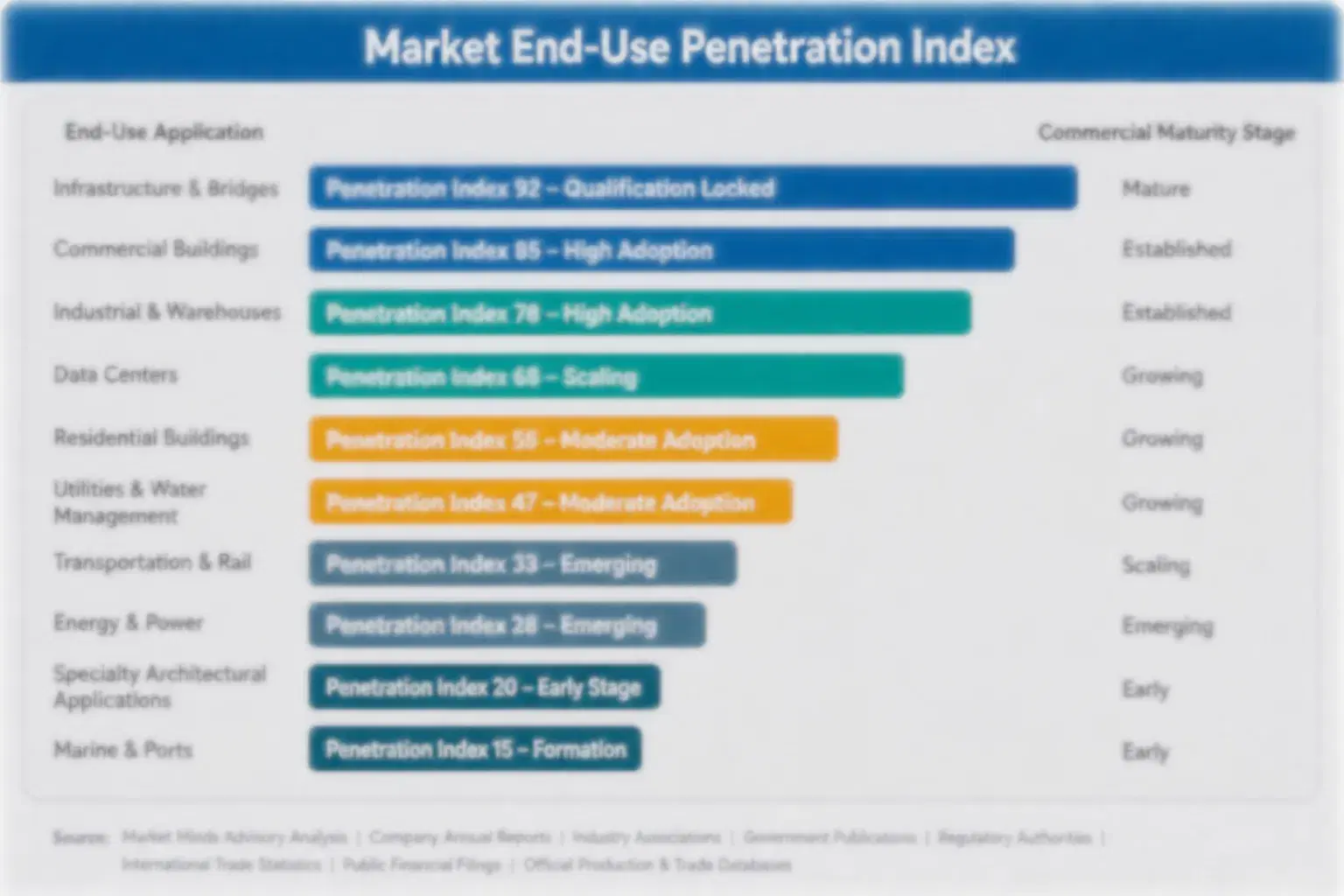
botanical-co2-extracts-market-end-use-penetration-index-1789957663156

Where Extraction Strategy Should Focus Next

These are among the four positions where our research anticipates prominent divergence between winners and laggards over the coming forecast period. Each is grounded in the demand model, the regulatory perimeter, and the announced capacity pipeline.
01 / FRAGRANCE-GRADE INVESTMENT PRIORITY

Build fragrance-grade certification ahead of clean-beauty demand growth

Fragrance and cosmetic buyers pay meaningfully more for documented compound fidelity, and this segment is growing faster than the broader hop and spice extraction market. Producers who invest in fragrance-grade analytical testing infrastructure now position themselves to capture this premium before more competitors enter the category, since building comparable certification capability from scratch typically takes considerable time and sustained capital investment to complete credibly. Producers who move first in this space stand to lock in the strongest early customer relationships before competition intensifies meaningfully across the buyer landscape.
02 / FEEDSTOCK QUALIFICATION PRIORITY

Invest in rapid process development capability ahead of category expansion

New botanical feedstock categories represent genuine growth opportunities, yet qualification timelines remain a meaningful bottleneck limiting how quickly producers can expand into these categories. Producers building dedicated process development teams now position themselves to capture new category opportunities before slower-moving competitors, since ad hoc development approaches typically take considerably longer to reach commercial viability for any given new botanical input. Early movers in process development will hold a durable positioning advantage over slower-moving competitors well into the next several category expansion cycles.
03 / TOLL PROCESSING EXPANSION FOCUS

Expand toll processing capacity to capture smaller brand customers

Smaller brands increasingly want CO2 extraction access without the capital investment required to build their own facilities, representing a genuine underserved customer segment. Producers offering flexible toll processing arrangements now position themselves to capture this demand before competitors recognize the opportunity, since building comparable scheduling flexibility and smaller-batch capability typically requires meaningful operational adjustment from bulk-focused production models. Producers that respond quickly by building flexible scheduling capability stand the best chance of capturing this fast-growing demand before competitors close the gap entirely.
04 / SUSTAINABILITY DOCUMENTATION PRIORITY

Standardize energy-use and sourcing transparency across supplier relationships

Formulation buyers increasingly request documented sustainability credentials before committing to long-term contracts, yet reporting standards still vary considerably across producers industry-wide. Producers who develop and share consistent, buyer-ready sustainability documentation reduce sales cycle friction meaningfully, and early movers on this front report stronger contract renewal rates, since few competitors currently match this level of proactive transparency across the broader supplier landscape. This advantage compounds meaningfully as more buyers standardize their sustainability expectations across the broader industry landscape over the coming years.

Engagement Snapshot From the Field

A live engagement with an industry participant carrying material or product regulatory and market exposure ahead of a defining policy shift, showing how our research translates into a defensible multi-year portfolio strategy.
MARKET MINDS ADVISORY · CLIENT ENGAGEMENT SUMMARY
Botanical CO2 Extracts Producer Strategic Portfolio Review and Transition Roadmap 2026·Investment Scenario on Botanical CO2 Extracts Exposure Evaluation 2025-26
CLIENT PROFILE
The client is a regional North American craft brewery producing several flagship beer lines distributed across a multi-state retail footprint, seeking to transition from traditional whole hop procurement toward CO2 hop extract to address recurring batch-to-batch flavor consistency challenges. Annual revenue for the relevant product line sits in the tens of millions of dollars (client-reported, unverified by MMA).
STRATEGIC CHALLENGE
The client needed to determine whether transitioning its flagship beer recipes to CO2 hop extract would preserve the specific flavor profile customers had come to expect, while also assessing whether the switch would meaningfully reduce the batch variation issues that had generated customer complaints in recent quarters. Leadership also wanted assurance that any reformulation would not alienate longtime loyal customers.
MMA APPROACH
MMA conducted a comparative sensory and consistency assessment benchmarking CO2 extract formulations against the client's existing whole hop recipes across multiple test batches, supplemented by consumer panel testing measuring flavor preference and consistency perception. The engagement ran across eight weeks and drew on both laboratory analysis and blind taste panel results.
KEY FINDINGS
  1. Sensory panel testing confirmed that reformulated batches using CO2 extract were indistinguishable from the client's traditional recipe among the majority of blind tasters surveyed.
  2. Consistency testing showed meaningfully lower batch-to-batch flavor variance using CO2 extract compared to the client's historical whole hop procurement approach. The effect was most pronounced among customers who had previously submitted flavor complaints.
  3. Cost analysis indicated that CO2 extract pricing was offset by reduced storage costs and eliminated seasonal hop procurement price volatility the client previously absorbed.
  4. Competitive analysis identified several established regional breweries already using CO2 extract successfully across comparable flagship product lines. Both breweries reported meaningful reductions in customer flavor complaint volume.
CLIENT PROFILE
The client is a regional North American craft brewery producing several flagship beer lines distributed across a multi-state retail footprint, seeking to transition from traditional whole hop procurement toward CO2 hop extract to address recurring batch-to-batch flavor consistency challenges. Annual revenue for the relevant product line sits in the tens of millions of dollars (client-reported, unverified by MMA).
STRATEGIC CHALLENGE
The client needed to determine whether transitioning its flagship beer recipes to CO2 hop extract would preserve the specific flavor profile customers had come to expect, while also assessing whether the switch would meaningfully reduce the batch variation issues that had generated customer complaints in recent quarters. Leadership also wanted assurance that any reformulation would not alienate longtime loyal customers.
MMA APPROACH
MMA conducted a comparative sensory and consistency assessment benchmarking CO2 extract formulations against the client's existing whole hop recipes across multiple test batches, supplemented by consumer panel testing measuring flavor preference and consistency perception. The engagement ran across eight weeks and drew on both laboratory analysis and blind taste panel results.
KEY FINDINGS
  1. Sensory panel testing confirmed that reformulated batches using CO2 extract were indistinguishable from the client's traditional recipe among the majority of blind tasters surveyed.
  2. Consistency testing showed meaningfully lower batch-to-batch flavor variance using CO2 extract compared to the client's historical whole hop procurement approach. The effect was most pronounced among customers who had previously submitted flavor complaints.
  3. Cost analysis indicated that CO2 extract pricing was offset by reduced storage costs and eliminated seasonal hop procurement price volatility the client previously absorbed.
  4. Competitive analysis identified several established regional breweries already using CO2 extract successfully across comparable flagship product lines. Both breweries reported meaningful reductions in customer flavor complaint volume.
RECOMMENDED STRATEGY
Phase 1: Phase 1 (Months 1 to 2): Finalize supplier selection and complete recipe reformulation validation testing. Confirm supplier volume commitments before finalizing reformulation timelines. Phase 2: Phase 2 (Months 3 to 4): Transition flagship product lines to CO2 extract with careful consumer monitoring. Track customer complaint volume closely against the historical baseline. Phase 3: Phase 3 (Months 5 to 12): Expand extract use across the broader product portfolio based on initial results. Prioritize product lines with the strongest early consumer response signals.
OUTCOME
The client completed its transition on schedule and reported customer complaint volume related to flavor consistency declining meaningfully within the first two quarters post-transition (client-reported, unverified by MMA). The supplier relationship has since become the client's standard specification for all subsequent flagship product development. Retail partners cited improved consistency specifically when discussing continued shelf placement.

Frequently Asked Questions

Foundational context covering the market sizes, CAGR, scope, country, region and competition that inform every finding below. This section is provided to cover basics and most often pre-purchase conversations, answered from the MMA Primary Research Dataset.

What is the current size of the Botanical CO2 Extracts Market?

The market reached approximately USD 1.6 billion in 2025. This reflects global demand across hop, spice, fragrance, and nutraceutical applications using supercritical CO2 extraction technology.

How large will the Botanical CO2 Extracts Market be by 2036?

The market is projected to reach approximately USD 4.21 billion by 2036. This represents roughly 2.41 times the 2026 starting value over the ten-year forecast period.

What is the CAGR for the Botanical CO2 Extracts Market 2026 to 2036?

The market is forecast to grow at a 9.2% CAGR between 2026 and 2036. Bull and bear scenarios range from 10.5% to 7.9% depending on clean-label regulation and capital investment outcomes.

Which segment is growing fastest?

Fragrance and cosmetic applications lead at an 11.2% CAGR, roughly 1.22 times the overall market rate. Nutraceutical and dietary supplement applications follow closely, reflecting shared demand for solvent-free purity claims.

Who are the major companies in the Botanical CO2 Extracts Market?

Leading producers include BarthHaas Group, Hopsteiner, Flavex Naturextrakte, Vitalis Extraktion, and Robertet. These five companies hold a combined extraction capacity share of approximately 32%, reflecting genuine extraction scale rather than any single dominant application category.

Which country is growing fastest?

France grows fastest at an 11.6% CAGR, ahead of the broader Western European regional average. This reflects its concentrated fragrance industry driving CO2 extract demand for perfumery.

Report Segmentation Architecture

The full report scope spans multiple orthogonal segmentation dimensions, with cross-tabulated demand data provided for each dimension pair. Coverage extends further to regional breakdowns, trend trajectories, and the competitive detail needed to support segment-level decision-making.

By Application Type

  • Hop and Brewing Extract Applications
  • Spice and Flavor Oleoresin Applications
  • Fragrance and Cosmetic Applications
  • Nutraceutical and Dietary Supplement Applications
  • Pharmaceutical and Clinical Extract Applications
  • Essential Oil and Aromatherapy Applications

By End-Use Industry

  • Brewing and Beverages
  • Food and Flavor Manufacturing
  • Fragrance and Cosmetics
  • Dietary Supplements
  • Pharmaceuticals

By Commercial Dimension

  • Direct Manufacturer Supply Channel
  • Toll Processing Services
  • Business-to-Business Bulk Extract Trading
  • Formulation Technology Partnerships

By Region

  • North America
  • Western Europe
  • East Asia
  • South Asia and Pacific
  • Latin America
  • Middle East and Africa
  • Eastern Europe

Scope, Methodology, and Coverage

Every figure in this report is reproducible from documented input assumptions. The scope below maps the historical period, the forecast horizon, the segmentation dimensions, and the countries covered, alongside the underlying primary and qualitative methodology.
Historical Period
2020 to 2025
Forecast Period
2026 to 2036
Base Year
2025 (USD billions; MMA Primary Research Dataset, September 2026)
Market Definition
This report defines the botanical CO2 extracts market as demand for hop, spice, fragrance, nutraceutical, and essential oil extracts produced through supercritical CO2 extraction technology globally. It excludes extracts produced through conventional solvent, steam distillation, or cold-press methods except where directly compared for competitive substitution context.
Quantitative Units
USD billions (current prices); USD per kilogram landed pricing where applicable
Segmentation Dimensions
By Application Type; By End-Use Industry; By Commercial Dimension; By Region
Regions Covered
North America, Western Europe, East Asia, South Asia and Pacific, Latin America, Middle East and Africa, Eastern Europe
Countries Covered
USA, China, Germany, France, UK, Japan, South Korea, India, Australia, Canada, Brazil, Mexico, Indonesia, Vietnam, Thailand, Malaysia, UAE, Saudi Arabia, South Africa, Nigeria, Turkey, Poland, Netherlands, Italy, Spain, Sweden, Switzerland, Argentina, Colombia, Singapore, and additional markets relevant to this sector
Key Companies Profiled
BarthHaas Group, Hopsteiner, Flavex Naturextrakte GmbH, Vitalis Extraktion GmbH, Robertet SA, Givaudan SA, Firmenich International SA, Symrise AG, Kalsec Inc, Synthite Industries Ltd, Akay Flavours & Aromatics Pvt Ltd, Ultra International BV, Naturex SA, Martin Bauer Group, Berje Inc, Treatt plc, Mane SA, Sensient Technologies Corporation, Doehler Group SE, Citrus and Allied Essences Ltd
Quantitative Methodology
Primary survey, n=3,800 respondents, Q4 2025, six countries; demand-side model with trade association cross-validation
Qualitative Methodology
47 expert interviews, Q4 2025; applied to validate demand model assumptions, identify emerging dynamics, and assess competitive positioning
Report Format
PDF and XLSX data workbook (Word format preview document)
Publisher
Market Minds Advisory
Report Code
MMA-2026-AGR-105
Published
September 2026
Contact
sales@marketmindsadvisory.com | www.marketmindsadvisory.com

Purchase the full Botanical CO2 Extracts Market Report (2026 to 2036).

This report delivers a complete commercial assessment of the global botanical CO2 extracts market, covering sizing, segmentation, and regional demand through 2036. It profiles twenty producers serving brewing, food, fragrance, and nutraceutical applications, detailing competitive positioning, extraction capacity investment, and certification strategy in depth. Analysis extends to energy and equipment cost exposure and mitigation pathways, portfolio margin economics across three commercial tiers, and demand architecture driving formulation switching costs over time. Bull and bear forecast scenarios are modeled explicitly against named commercial catalysts and clearly identified downside risks.
Ten-year sizing and forecast model through 2036
Six-segment application demand breakdown by category
Seven-region demand distribution and share analysis
Twenty-company competitive profile and positioning assessments
Extraction energy and capital cost volatility assessment
Portfolio tier margin economics and pricing analysis

Built For The People Who Decide

From boardroom strategy to bench-side execution, this report is read cover-to-cover by leaders shaping the next decade of their industry, turning demand scenarios, market dynamics and valuation benchmarks into decisions.
CXOs/ Presidents/ VPs/ Managers
M&A and Corporate Development
Strategy Teams and R&D Heads
Procurement and Product Directors
Regulatory and Compliance Leaders
Investor Relations and Equity Analysts