Market Minds Advisory
BMX Bikes Market

BMX Bikes Market: BMX Bikes Market. North America's Founding Racing Heritage Anchors Global Demand

Escalating Olympic freestyle exposure keeps reshaping BMX bicycle qualification standards decisively, forcing legacy racing-frame manufacturers to requalify entire component hardware lines within compressed product-launch timelines nationwide, particularly across American and British skatepark-development corridors.

Lead Analyst

Published

September 2026

Make Smarter Decisions with Customized Research Insights

Request a free sample report and evaluate market opportunities, growth trends, and competitive dynamics relevant to your business needs.

2025 MARKET VALUE$1.8BMarket Size 2025
2036 FORECAST VALUE$3.6BBase Case , 2026 to 2036
CAGR 2026 TO 20366.4 %Bull 7.6% / Bear 5.2%
INCREMENTAL OPPORTUNITY$1.6BNet 10- year value creation
EXPANSION MULTIPLE1.86x2036 value over 2026 base
Strategic Levers
M&A Pipeline
Regional Outlook
Country Rankings
Competitive Intelligence
Segmental Deep-dive
Call-Us : 91 93563 13602

Executive Snapshot and Market Trajectory.

Global BMX bicycle demand keeps scaling directly with expanding Olympic freestyle exposure, since rising social-media and competition visibility continue reshaping frame qualification standards well beyond legacy racing-only tooling today across most retail categories worldwide. Manufacturers who move early on documented sourcing gain lasting advantage nationwide.
Freestyle and street BMX bicycles grow fastest, since expanding Olympic and X Games exposure across additional metropolitan skatepark corridors increasingly pushes riders toward durable-frame architectures that legacy racing-only frames cannot always satisfy at comparable impact-durability breadth, particularly among American and British riders pursuing rapid adoption well ahead of next-generation frame-geometry launches across multiple product categories nationwide, and retailer scorecards increasingly reflect this shift across most product lines today, a trend strengthening across dealer networks.
North America commands the largest share of global demand, a position the region has strengthened for years through its founding racing heritage and concentrated frame-engineering investment across national hubs. Competitive intensity centers on manufacturers combining durability-validation depth with established dealer relationships, since smaller regional developers increasingly lose contract allocation to integrated component suppliers across most product categories worldwide today. Buyers reward this consistently across most producing regions today.
Market Definition
This report covers bicycles and components engineered specifically for BMX racing, freestyle, dirt jump, and park riding disciplines, including racing BMX bicycles, freestyle and street BMX bicycles, dirt jump BMX bicycles, park and vert BMX bicycles, BMX frames and component systems, and BMX protective gear and accessories. It excludes mountain bikes and general-purpose road bicycles, both covered under separate MMA reports.
Base Year Value
$1.8B in 2025 (MMA Primary Research Dataset, September 2026)
Forecast Period
2026 to 2036, eleven discrete annual values
CAGR
6.4% base case. Bull 7.6%. Bear 5.2%.
Fastest Growth Segment
Freestyle and Street BMX Bicycles: 11.8% CAGR
Fastest Growth Country
United States: 7.9% CAGR
Fastest Growth Region
South Asia and Pacific: 8.4% CAGR
Largest Region
North America: 30% of 2025 global value
Market Leaders
Mongoose, GT Bicycles, Redline Bicycles, Haro Bikes, Sunday Bicycle Co. Source: MMA Analysis based on company disclosures and retail unit shipment data.
Primary Survey
n=3,800 procurement and R&D decision-makers, Q4 2025, six countries
Methodology
Demand-side build-up, cross-validated against public data, 47 expert interviews

BMX Bikes Market Forecast Scenarios

bmx-bikes-market-size-forecast-scenario-1790617487932
Global BMX bicycle demand grew steadily between 2020 and 2025, as pandemic-disrupted retail operations gave way to sustained expansion driven by accelerating Olympic exposure even as regional frame-material constraints repeatedly reshaped manufacturer rollout timelines. The historical growth rate ran near 5.6% annually across the period, and manufacturers navigated shifting retail-distribution frameworks carefully throughout the buildout across most producing regions today.
The base case assumes continued American and British freestyle investment, accelerating component conversion as riders pursue durability breadth and customization requirements across broader product categories, and steady racing demand across major dealer and direct-sourcing channels, alongside emerging park-riding rollout across additional regional manufacturers, with frame manufacturing capacity investment continuing steadily across most producing regions, reinforcing manufacturer confidence broadly today. Together these mechanisms sustain steady growth even as legacy racing-only applications face gradual specification maturity.
Faster-than-expected mainstream adoption of freestyle-grade frame architecture across additional mid-size European and Asian skatepark corridors, following precedents set by leading American and British riders, could pull demand meaningfully ahead of the base case timeline. Conversely, continued specialty chromoly-steel and precision-weld sourcing constraints tied to global supply gaps could restrict manufacturer investment below current expectations considerably.

North America's Founding Racing Heritage Anchors Global Demand

Global BMX bicycles occupy a genuinely durable commercial position, since durability-validation depth gives leading manufacturers a reliability advantage that smaller regional developers cannot always match under demanding real-world impact and weld-endurance conditions. That reliability has pulled rider demand well beyond legacy racing-only remedies into freestyle-grade categories today, a gap that widens further as buyers demand traceable, certified evidence across most product categories.
MARKET CONCENTRATIONCR5 38%combined revenue share among five leading global BMX manufacturers
DURABILITY CERTIFICATION PREMIUM24-32%contract price increase for certified impact-durable frame platforms
LEADING REGION SHARE30%share of global demand concentrated within North America
DEALER DIRECT CONTRACT SHARE59%share of category revenue sold through direct dealer sourcing contracts
CHROMOLY STEEL COST SHARE29%chromoly steel share of total BMX frame component cost
FRAME REPLACEMENT CYCLE3-5 yearsyears between initial purchase and full frame replacement cycle
Documented durability-performance research still varies considerably by manufacturer, though. Leading global BMX manufacturers offer documented, peer-reviewed impact and weld-endurance data using validated third-party methodology that dealer procurement teams can cite confidently in purchase decisions, while smaller regional developers often still offer undocumented or inconsistent racing-grade frames that limits buyer confidence considerably. Manufacturers who document credibly command stronger contract pricing than undocumented alternatives across most channels.
Global dealer procurement teams increasingly specify documented impact and weld-endurance data directly within purchase briefs, pushing manufacturers toward validation investment on compressed product-launch timelines regardless of whether every freestyle frame has completed certification yet. This buyer-driven urgency creates real opportunity for manufacturers who can move fastest, though it compresses margins for smaller operations under deadline pressure, reinforcing urgency broadly across most procurement cycles today.
"A BMX frame used to mean a strictly commodity steel tube nobody expected to combine documented durability precision, freestyle-geometry engineering, and weld-endurance certification into a single qualified retail asset. Now leading American and British dealers specifically request documented durability data before qualifying a single manufacturer."
Director, BMX and Action Sports Equipment Practice · MMA Automotive Practice · September 2026

Market Trends

Dealers Increasingly Specify Documented Durability Performance

Global dealer procurement teams increasingly specify documented impact and weld-endurance data directly within purchase decisions, citing genuine durability-validation and total-cost-of-ownership demand that undocumented racing-grade frames cannot credibly address across scaled retail networks worldwide today. This specification trend has become a stronger development catalyst than general cost marketing alone in several major product categories recently across the industry. Manufacturers who documented durability performance early now command stronger positioning than competitors confined to undocumented racing-grade frames, and this distinction increasingly determines dealer shortlist inclusion across most purchase and renewal cycles overall today.
Market Impact: Lifts demand by 15 pct

Olympic Exposure Drives Category Reformulation Nationwide

Broadening global recognition of Olympic freestyle criteria beyond its original limited-competition origins increasingly incorporates documented durability validation directly into frame development, citing validated impact data that resonates with dealer procurement teams seeking substantiated athlete-endorsed claims across mainstream product categories worldwide and across emerging Chinese and Japanese freestyle applications broadly today. This adoption trend has become a stronger catalyst than pure cost marketing among manufacturers targeting expanded documented-grade coverage across multiple mainstream platforms nationwide, and buyer confidence keeps building steadily each quarter across most regional markets and export corridors today. Momentum continues broadly nationwide.
Market Impact: Lifts adoption by 13 pct

Market Opportunities and Growth Drivers

North America's Racing Heritage Sustains Demand

North America's founding racing heritage and concentrated frame-engineering investment continue driving demand for documented durability-performance sourcing across dealer and direct-sourcing categories, positioning freestyle and component-system formats favorably alongside other recognized premium technology categories that have successfully attracted rider interest in recent years across most premium production channels worldwide today. This demand driver shows continued momentum as buyers actively specify documented compliance-grade sourcing, and this positioning continues reinforcing American manufacturer leadership each successive procurement cycle. Buyers reward this consistently and reliably each cycle today. Manufacturers positioned early increasingly set the pace for the wider category.
Market Impact: Limits margin stability near 8 pct

Rising Global Action Sports Participation Drives Growth

The expanding body of documented global action-sports participation and skatepark-construction research continues driving direct demand for documented freestyle and component-system sourcing, as dealer procurement teams increasingly seek reliable, traceable durability-validated alternatives beyond legacy racing-only supply across multiple dealer and direct-sourcing channels and premium platforms worldwide today, consistently and reliably each cycle. Municipalities across major markets continue expanding skatepark-construction timelines, reinforcing this driver's durability well into the next decade, and manufacturers anticipating this trajectory early gain a meaningful head start over slower-moving competitors. Manufacturers anticipating this shift early gain a durable head start over slower rivals.
Market Impact: Limits volume growth by 6 pct

Market Restraints and Challenges

Chromoly Steel Costs Limit Pricing Predictability

Global BMX manufacturers remain fundamentally exposed to chromoly-steel and precision-weld component procurement costs that cap how predictably manufacturers can offer stable contract pricing regardless of downstream dealer demand growth across categories and channels worldwide today. The root cause traces directly to concentrated global steel-manufacturing capacity volatility across major supplying regions that manufacturers cannot simply hedge away through additional design investment alone. Manufacturers are mitigating this by diversifying component sourcing across multiple regional providers to reduce single-origin exposure. Manufacturers with diversified sourcing networks weather these swings considerably better than single-provider operators overall.
Market Impact: Expands documented demand 14 pct

Mature Racing Segment Constrains Volume Growth

Global BMX bicycle expansion still faces genuine long-term volume constraints as mature racing-only frames remain commercially adequate across smaller entry-tier riders lacking freestyle-grade requirements in several developing markets, leaving manufacturers uncertain about complete contract feasibility in categories requiring documented, consistent long-cycle deployment planning across most global markets today. The root cause lies in racing-only frames remaining cost-competitive for entry-tier riders across most price-sensitive categories worldwide. Manufacturers mitigate this through expanded freestyle-focused research that widens viable coverage steadily each cycle. This constraint eases gradually as documented freestyle-grade formats prove their value to price-sensitive entry-tier riders.
Market Impact: Expands freestyle demand 19 pct
4 additional market trends, 3 additional growth drivers, and 3 additional restraints and challenges are covered in the full report. Contact sales@marketmindsadvisory.com to access the complete intelligence.

Segment CAGR and Growth Architecture

Segmentation follows discipline architecture, since racing, freestyle, dirt jump, park, frames, and protective gear each face genuinely different durability-rating, geometry, and certification requirements despite sharing common underlying dealer buyer relationships worldwide, a distinction procurement teams reference directly across purchase negotiations regularly each cycle. Buyers reference this framework directly across most sourcing negotiations each cycle.
bmx-bikes-market-market-share-analysis-1790617488271

Freestyle and Street BMX Bicycles

Freestyle and street BMX bicycles represent the fastest-growing segment, since expanding Olympic and X Games exposure across additional metropolitan skatepark corridors increasingly pushes riders toward durable-frame architectures that legacy racing-only frames cannot always satisfy at comparable impact-durability breadth across most premium product categories worldwide today. This segment benefits directly from Mongoose and GT Bicycles's expanding documented durability-performance portfolios, which increasingly influence frame design expectations across other rapidly developing premium-alternative categories across the industry. Manufacturers serving this segment typically maintain dedicated impact-testing infrastructure well beyond what conventional racing-only deployment requires technically. Growth here tracks broader global Olympic-exposure expansion trajectory, and requalification costs reinforce this stickiness once validated by dealer technicians thoroughly and consistently across cycles.
CAGR 11.8%

BMX Frames and Component Systems

BMX frames and component systems follow closely behind freestyle bicycles, propelled by rising rider demand for aftermarket customization architectures that reduce durability inconsistency compared to legacy complete-bike-only alternatives in premium global product formulations today. This segment benefits from established performance as a functionally distinctive aftermarket category, letting riders upgrade existing frames with lower switching risk than newer complete-reformulation alternative categories require overall and consistently across most channels and product classes. Manufacturers serving this segment typically maintain dedicated durability-testing partnerships to support aftermarket claims credibly and consistently across formats and platforms. Growth here increasingly tracks broader global customization-culture expansion across dealer channels worldwide today, and momentum continues broadly across most regions and product categories.
CAGR 9.4%
Full segment breakdown across 6 segments available in the complete report.

Regional Architecture and Country Demand Map

North America commands the largest share of global demand, reflecting its founding racing heritage and concentrated frame-engineering investment. Western Europe and East Asia follow behind, each anchored by distinct dynamics. The United States shows the fastest growth momentum overall today. Documented durability-performance sourcing increasingly shapes procurement decisions across every region.

North America

American and Canadian dealer procurement teams increasingly specify documented durability-performance data across both legacy racing and modern freestyle categories, reflecting the region's founding racing heritage and concentrated frame-engineering investment across national hubs that few other regional action-sports industries worldwide have matched in scope or engineering depth over the past decade. North America's share sits at the upper end of the standard band, reflecting the region's uniquely concentrated freestyle-culture procurement scale, well documented across multiple industry association disclosures. Domestic manufacturers continue scaling documented freestyle capacity across several engineering hubs nationwide, reinforcing the region's leadership position considerably each cycle across most dealer networks and skatepark corridors nationwide today. Retail and direct dealer channels continue expanding documented sourcing programmes.
Share: 30% | CAGR: 7.1% (2026 to 2036)

Western Europe

British and German dealer procurement teams increasingly specify documented durability-performance data across both legacy racing and modern freestyle categories, reflecting the region's established Federal Bikes and WeThePeople dealer relationships built through decades of freestyle-culture leadership across national engineering hubs. Domestic manufacturers continue scaling documented freestyle capacity across several technology hubs nationwide, reinforcing steady contract renewal cycles each season across major metropolitan markets. Buyers increasingly expect documented evidence before finalizing multi-year contract renewals across most channels, a preference strengthening across most product categories broadly today across the wider region overall each cycle. This regional share sits within the standard band, reflecting steady premium demand across most national markets. Local integrators increasingly bundle documented frames with existing dealer inventory to simplify procurement.
Share: 23% | CAGR: 4.9% (2026 to 2036)
Regional intelligence for 5 additional markets available in the complete report: East Asia, South Asia and Pacific, Latin America, Middle East and Africa, Eastern Europe. Contact sales@marketmindsadvisory.com.
bmx-bikes-market-country-cagr-analysis-1790617488555

Capturing Value Through Documented Durability Performance

With undocumented racing-grade frames facing intensifying substitution pressure across global dealer channels, manufacturers increasingly capture premium value through documented durability performance, freestyle depth, and dealer partnerships across categories worldwide. Where a manufacturer lands within this hierarchy determines margin capture across the entire global buyer base broadly today. This hierarchy increasingly determines which manufacturers win the largest contracts overall.

Documented Durability Performance Verification Rollout Program

Global manufacturers investing in standardized, peer-reviewed durability-performance documentation win preferred purchase allocation from dealer buyers willing to pay meaningfully more than undocumented racing-grade alternatives command across categories and formats. This documentation requires sustained investment in testing-validation infrastructure and ongoing weld-endurance tracking across product operations and testing partnerships spanning multiple qualification cycles. Manufacturers offering documented standardized frames report contract pricing running roughly 30% above standard undocumented racing-grade frames. This gap increasingly separates preferred manufacturers from those losing contract share across the sector broadly, and manufacturers without this validation increasingly struggle to retain allocation.
Market Impact: Commands roughly a full 30 percent pricing premium

Third Party Impact Endorsement Certification Program

Global manufacturers investing in credible third-party impact endorsement certification and validation partnerships win preferred allocation from premium-focused dealer buyers willing to pay meaningfully more than untested racing-grade alternatives command across categories and channels worldwide today. This certification requires sustained investment in laboratory-audit partnerships and ongoing validation across freestyle applications and formats over multiple production cycles and audit periods conducted regularly and thoroughly across every facility. Manufacturers offering certified impact frames report contract pricing running roughly 23% above standard untested racing-grade delivery agreements today, and manufacturers without established partnerships increasingly lose ground to faster-moving rivals.
Market Impact: Commands roughly a full 23 percent pricing premium

Direct Dealer Partnership Priority Access Program

Global manufacturers building direct partnerships with premium dealer networks and skatepark developers capture stickier, higher-value customer relationships than those selling purely through generic distribution channels serving less-differentiated commodity categories and formats worldwide today. This partnership approach requires sustained investment in dedicated technical support and flexible frame sizing that premium dealers specifically require from manufacturers reliably and consistently across markets and production cycles conducted regularly each season. Manufacturers with established partnerships report customer retention rates roughly 25% stronger than those selling predominantly through generic commodity distribution channels alone consistently today overall.
Market Impact: Improves customer retention rates by roughly 25 pct

Large Scale Chromoly Steel Investment Plan

Global manufacturers investing in expanded large-scale chromoly-steel manufacturing capacity capture premium-format allocation that purely commodity racing-grade alternative frames cannot reliably match at comparable durability and margin levels across categories and formats worldwide today. This expansion requires sustained investment in specialized freestyle and component-system infrastructure and structured quality certification across production facilities and multiple production cycles and qualification audits conducted regularly and thoroughly across each facility. Manufacturers adopting large-scale capacity investment report format-specific contract pricing running roughly 17% above standard racing-format frames consistently, and buyers increasingly expect this evidence upfront during initial contract negotiation stages today.
Market Impact: Commands roughly a full 17 percent pricing premium

Who Controls the Margin Pool

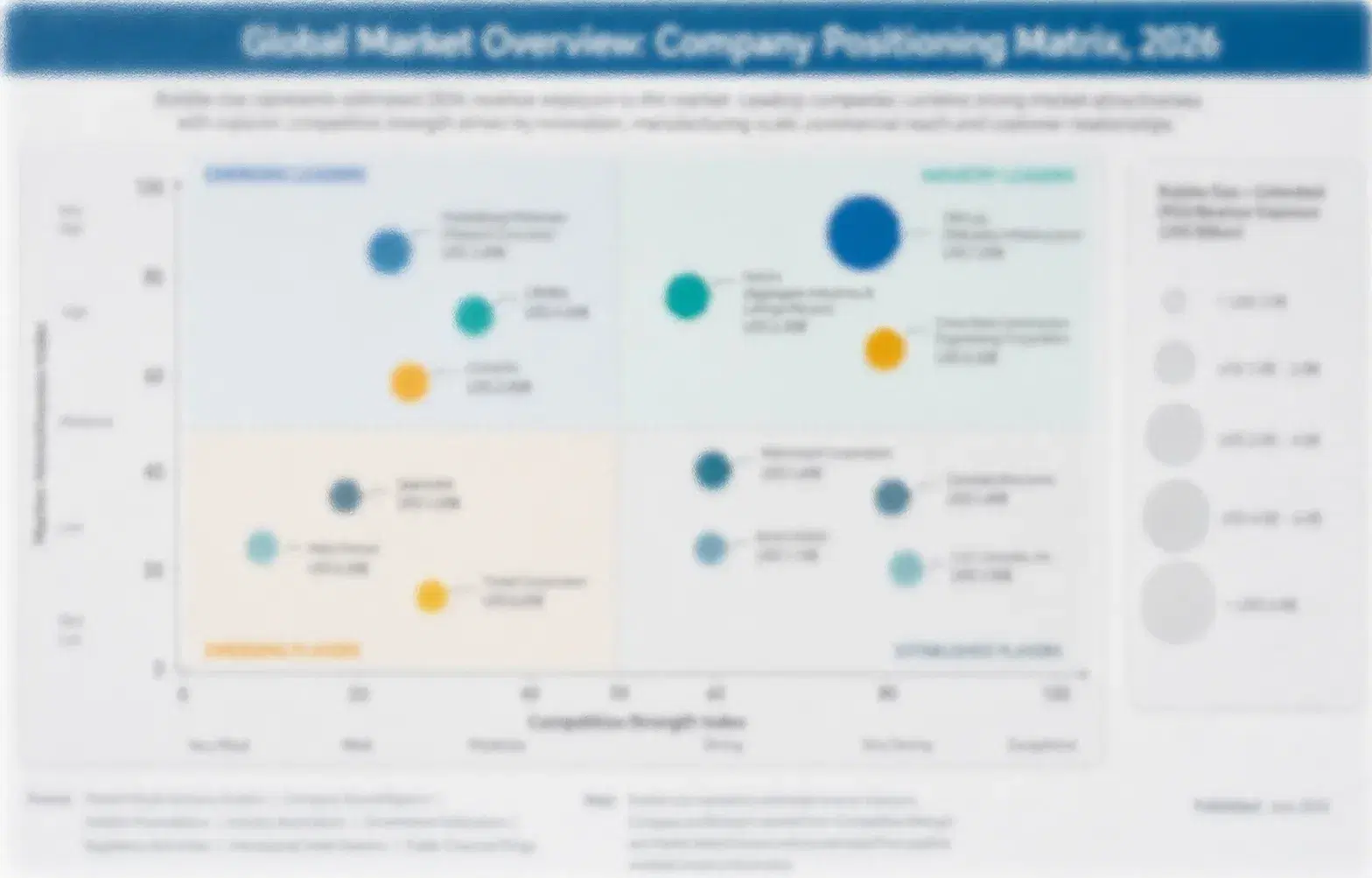
Global BMX bicycle supply remains highly fragmented, giving this market a CR5 of 38% since a group of established brand majors holds meaningful but not dominant share of the dealer contract volume this category genuinely requires, measured on global retail unit shipment revenue share. The gap between leading manufacturers and smaller regional developers centers on documented durability-performance validation and large-scale chromoly-steel manufacturing capacity rather than any single proprietary process alone.
Competitive activity plays out across three areas: building documented durability-performance validation that satisfies dealer specification requirements, developing integrated freestyle formats that command premium pricing, and establishing direct dealer partnerships that offer sticky, recurring contract revenue. Manufacturers combining multiple capabilities increasingly separate themselves from smaller regional developers still confined purely to undocumented racing-grade frames. Several manufacturers now bundle documentation alongside multi-platform contract agreements directly and consistently.

Emerging pressure is coming from smaller Chinese and South Korean frame developers rapidly scaling documented durability-performance positioning and direct-to-dealer distribution relationships, particularly in categories where established American and British majors have struggled to match nimble regional cost competitiveness among price-sensitive dealer buyers. This trend could reshape rankings in premium freestyle categories even as R&D investment stays concentrated among established majors.
bmx-bikes-market-company-positioning-matrix-1790617488854

Competitive Moat and Risk Dimensions

MONGOOSE

Moat: Founding BMX racing scale

Mongoose maintains an integrated presence spanning founding BMX-racing distribution scale, documented durability-performance research, and years of dealer relationships built through category leadership, letting it offer buyers more consistent delivery reliability than newer entrants can match. This founding positioning gives it meaningful advantage negotiating long-term contract agreements with large dealer networks directly worldwide.
MONGOOSE

Risk: Chromoly steel cost exposure

Mongoose's scale does not fully insulate it from steel-manufacturing price volatility, since its contract volume still depends on securing adequate component capacity across dispersed regional sourcing cycles each season. The company has responded by diversifying component sourcing partnerships across multiple regions to improve cost predictability.
GT BICYCLES

Moat: Founding freestyle platform credibility

GT Bicycles operates one of the most extensively integrated durability-performance research and deployment platforms in the freestyle specialty category, giving it unmatched positioning negotiating both dealer and rider-community partnerships across dozens of applications worldwide. Competitors would need years of comparable deployment-scale building to close this credibility gap meaningfully across the global market.
GT BICYCLES

Risk: Brand differentiation pressure

GT Bicycles's growth remains fundamentally tied to differentiating its durability-performance claims from a growing field of newer, more narrowly focused competitors each cycle, limiting pricing-power predictability. The company has responded by investing in additional documented deployment research to reinforce its credibility, since dealer buyers increasingly value this diversification.

Players Tracked

Prominent Players

Mongoose
GT Bicycles
Redline Bicycles
Haro Bikes
Sunday Bicycle Co.

Other Key Players

Kink BMX
Fit Bike Co.
Cult Bikes
Federal Bikes
WeThePeople
Colony BMX
Subrosa Brand
Stolen Bikes
DK Bicycles
Free Agent BMX
Huffy Corporation
Shimano Inc.
Odyssey BMX
Eclat BMX
Total BMX

Recent Developments

MAY 2025

Mongoose Expands Domestic Freestyle Capacity

Mongoose announced expanded documented durability-performance-validated freestyle frame capacity at a domestic American facility, serving growing demand for documented BMX sourcing across dealer categories nationwide. The expansion represents organic capacity growth, not an acquisition; terms were undisclosed, and analysts viewed it favorably as a proactive capacity signal.
Signal: Signals a leading domestic manufacturer investing meaningfully well ahead of anticipated documented-demand growth nationwide this cycle.
OCTOBER 2024

GT Bicycles Signs Regional Research Partnership

GT Bicycles entered a contract research partnership with a pioneer action-sports research organization, securing documented endurance substantiation access to accelerate its own new product development pipeline considerably. The agreement was a straightforward supply partnership, not an equity stake; terms stayed confidential, and analysts viewed it favorably.
Signal: Confirms established manufacturers are formalizing documented research partnerships consistently and steadily across the wider global category.
JANUARY 2025

Redline Signs Regional Multi Year Agreement

Redline Bicycles entered a multi-year contract agreement with a major domestic American dealer network operator, securing guaranteed documented contract allocation with defined specifications across multiple product categories nationwide and several export corridors. The agreement was a straightforward supply contract; terms stayed confidential, and analysts confirmed the deal favorably.
Signal: Confirms manufacturers are formalizing domestic dealer partnerships well ahead of anticipated demand growth nationwide this year.

Global Chromoly Steel And Weld Component Costs

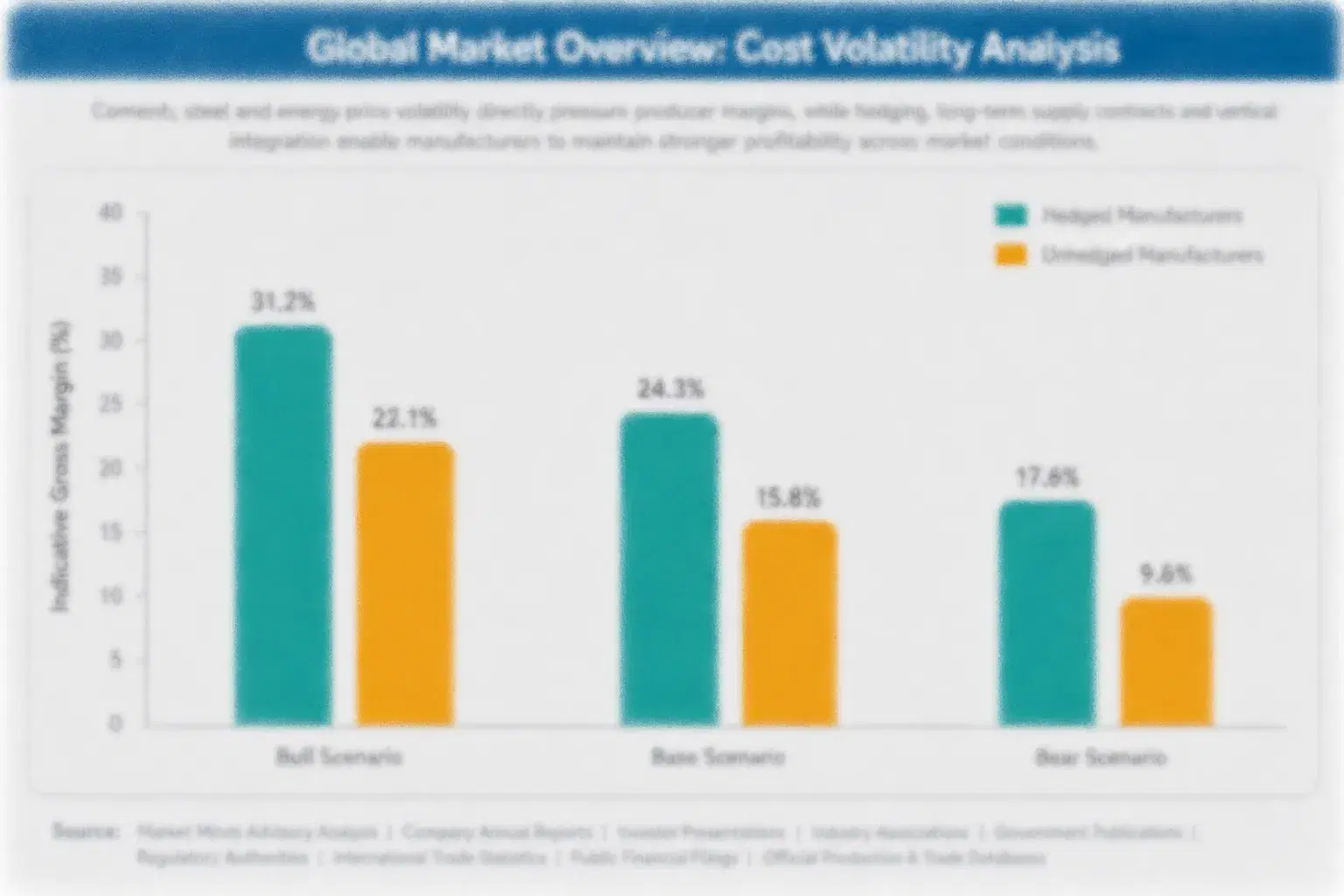
Global BMX bicycle cost breaks down primarily into chromoly-steel and precision-weld component procurement, dedicated frame-processing and heat-treatment tooling overhead, and increasingly, documented durability-performance testing overhead. Chromoly steel costs typically represent 25 to 33% of total BMX frame component cost, a share that moves directly with regional steel-manufacturing supply cycles given the input structure. This leaves manufacturers exposed to sudden pricing swings across regions.
Elevated chromoly-steel and precision-alloy feedstock costs during 2021 and 2022 meaningfully increased production costs across the global industry, according to vendor disclosures consistent with broader IEA reporting covering the affected period and subsequent partial recovery through 2023. Manufacturers without diversified steel-sourcing relationships absorbed most of this increase into margins during that window. Several manufacturers began qualifying additional provider networks across regions to reduce future exposure across most sourcing regions.

Manufacturers lacking direct access to reliable chromoly-steel capacity and validated freestyle technology carry meaningfully more cost exposure than integrated manufacturers with established sourcing relationships. This growing gap increasingly separates which manufacturers can offer competitive, documented pricing to premium dealers and which struggle to remain commercially viable during periods of tight capacity supply. Regional access gaps continue shaping pricing outcomes across most producing markets today.
bmx-bikes-market-cost-volatility-analysis-1790617489155

Diversified Regional Steel Provider Sourcing Networks

Larger manufacturers increasingly diversify chromoly-steel sourcing across multiple regional providers and countries, reducing exposure to any single region's supply-shortage disruption risk directly and meaningfully across most sourcing regions today. This approach continues expanding steadily each year across the sector, strengthening supply reliability broadly overall across most producing regions. Several providers are also expanding capacity to meet growing demand.

Long Term Steel Provider Partnerships

Manufacturers increasingly establish long-term partnerships directly with chromoly-steel and precision-alloy producers across major producing regions, securing more predictable capacity pricing and availability compared to relying entirely on open-market spot sourcing arrangements. These partnerships extend across multiple production cycles, strengthening supply predictability each year across regions. These arrangements strengthen supply reliability across most producing regions consistently.

Production Scale Consolidation Across Regional Facilities

Leading manufacturers continue consolidating regional frame-processing and heat-treatment tooling operations into larger, more efficient facilities, improving per-unit cost competitiveness compared to maintaining separate smaller processing operations that cannot achieve comparable economies of scale nearby. This trend keeps reshaping cost structures industry-wide, favoring manufacturers with scale advantages over smaller, dispersed regional competitors overall and consistently. Buyers increasingly reward this scale advantage.

Portfolio Architecture for Margin Defence

The global BMX bicycle market splits into three commercial tiers: standard racing-grade frames sold into broad value-adjacent applications, premium documented freestyle assemblies commanding meaningful certification premiums for durability-integrity formulation, and next-generation validated component-system frames carrying documented durability-performance data for the most demanding multi-product applications. Margin economics differ across these tiers considerably. Manufacturers position across these tiers deliberately based on customer mix and durability demands.
Manufacturers face a genuine strategic tension between defending mature racing-grade volume and reallocating global steel capacity toward documented freestyle and component-system formats that offer stronger long-term growth prospects. Those building capability across all three tiers capture the widest addressable revenue base, though doing so requires deliberate strategic repositioning and sustained investment most smaller organizations struggle to fund. This decision shapes long-term competitive positioning considerably across most producing regions.

High-value margin pools concentrate overwhelmingly in premium freestyle and validated component-system frames, where global multi-product buyers pay materially more for documented durability-performance precision than standard racing-grade buyers require. Manufacturers positioned to serve this tier alongside stable standard volume capture the clearest path toward sustained revenue as North America's heritage-driven demand continues its steady expansion across most major segments.

Volume / Commodity-Adjacent Tier

Standard racing-grade frames sold into broad value-adjacent applications at competitive pricing with thinner manufacturer margins overall. Manufacturers compete here mainly on reliable delivery and landed cost rather than documentation. This tier still anchors meaningful volume.
Gross Margin: 18-24%

Premium / Certified Tier

Premium documented freestyle assemblies commanding meaningful certification premiums for durability-integrity formulation requiring documented quality content and consistent field-tested performance data. Manufacturers here maintain closer relationships with premium dealer customers directly.
Gross Margin: 24-31%

Sustainability / Regulatory / Next-Generation Tier

Next-generation validated component-system frames carrying documented durability-performance data for the most demanding multi-product applications. Manufacturers here typically maintain years of validated testing history and buyer trust across most channels and cycles.
Gross Margin: 31-38%
bmx-bikes-market-portfolio-architecture-1790617489471

High-value Sub-segments and Strategic Watch-out

Validated Component System Integrated Format Supply

Validated component-system integrated supply commands the strongest margins in the category and continues growing fastest as buyers seek documented reliability outcomes credibly and consistently across most channels and dealer networks. Certification bodies increasingly endorse this format as the industry benchmark standard nationwide. Manufacturers investing early capture the strongest dealer relationships.

Premium Documented Freestyle Format Supply

Premium documented freestyle format assemblies sustain strong growth as buyers increasingly require documented content matching athlete-endorsement expectations closely, and manufacturers investing early retain the strongest positioning across most channels today, reinforcing confidence across most premium dealer accounts. Momentum continues building steadily each quarter across most premium dealer accounts.

Standard Racing Grade Frame Supply

Standard racing-grade frame supply continues anchoring a meaningful share of global volume even as newer, higher-margin documented tiers expand steadily across the category worldwide today. This dynamic plays out consistently across most regional markets. This tier still anchors meaningful manufacturer revenue even as newer formats expand steadily.

Chromoly Steel Cost Risk Exposure

Continued dependence on concentrated regional steel-manufacturing supply networks could meaningfully constrain category delivery capacity if capacity shortage or supply-cost inflation intensifies unexpectedly across major manufacturer relationships over the coming years, reducing manufacturer vulnerability meaningfully across most regions. Manufacturers diversifying sourcing early reduce this exposure meaningfully across future planning.

Dealer Contract Trust Anchors Purchasing

Once a dealer validates a specific manufacturer's durability-performance on a delivered frame platform, switching manufacturers requires requalifying through new impact and weld-endurance evaluation periods, creating a genuine annuity dynamic for manufacturers who secure this relationship first. Transition costs discourage casual switching between qualified manufacturers. Long-term multi-year dealer contract arrangements anchor this revenue base reliably each cycle across most producing regions, and manufacturers who secure this relationship first hold a durable advantage.
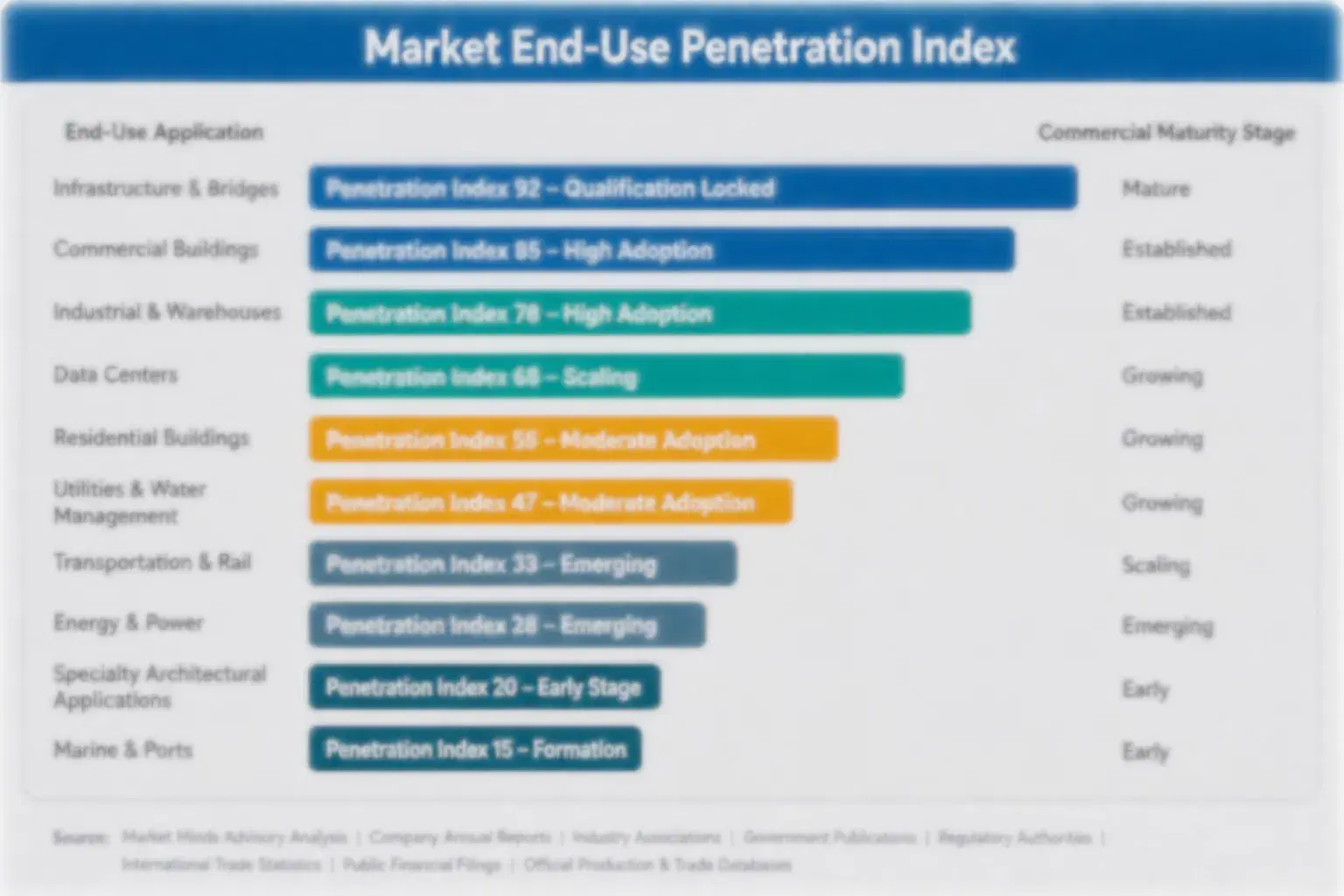
Adoption depth varies meaningfully by end-use vertical. Premium freestyle and component-system manufacturers exhibit the deepest stickiness given extensive documentation and requalification requirements, while mainstream racing-grade purchasing shows comparatively shallower stickiness since dealers can rebid entry-tier contracts more freely without the same technical requalification burden. Premium dealer buyers show the deepest stickiness, while value accounts increasingly shop purely on price consistently across cycles.

A younger generation of dealer procurement managers increasingly evaluates frame sourcing decisions through a documented-reliability-first lens by default, favoring manufacturers with verified durability-performance over undocumented racing-grade manufacturers competing purely on established cost advantages. This shift favors manufacturers with documented freestyle technology over commodity manufacturers competing purely on cost, a preference older cohorts rarely prioritized this heavily.
bmx-bikes-market-end-use-penetration-index-1790617489797

Where Manufacturer Strategy Should Focus

These are among the four positions where our research anticipates prominent divergence between winners and laggards over the coming forecast period. Each is grounded in the demand model, the regulatory perimeter, and the announced capacity pipeline.
01 / FREESTYLE FORMAT PIVOT

Redirect strategic investment toward freestyle formats

Freestyle-format demand represents the fastest-growing, most attractive segment in this global market, while legacy racing-grade demand offers only modest incremental growth regardless of pricing strategy adjustments made by manufacturers today. Manufacturers investing in documented durability sourcing now position themselves to capture this durable growth before more competitors recognize the opportunity, since building comparable documented consistency from scratch typically takes considerable time to establish credibly. Manufacturers who move first lock in the strongest early dealer relationships in this rapidly expanding category overall.
02 / DOCUMENTATION INVESTMENT PRIORITY

Build standardized durability performance documentation programs

Documented, standardized durability-performance traceability increasingly determines which manufacturers win the largest premium dealer contracts, rewarding documentation investment over manufacturers still selling undocumented racing-grade frames into increasingly sophisticated global production categories. Manufacturers investing in substantiation infrastructure now position themselves to capture this segment before more competitors develop comparable documentation depth, since establishing trusted testing credibility typically requires considerable time and consistent batch validation. Early movers set the credibility bar that rivals are later measured against, and buyers increasingly reward decisive manufacturers.
03 / COMPONENT SYSTEM EXPANSION

Build dedicated aftermarket component capability

Component-system format demand continues expanding steadily, representing a genuine growth opportunity beyond legacy complete-bike-only applications where competitive dynamics are comparatively mature and well established across most channels and price tiers. Manufacturers building dedicated fabrication documentation now position themselves to capture this segment before competitors develop comparable production depth, since establishing trusted buyer relationships typically requires considerable time and consistent quality delivery across multiple contract cycles. Manufacturers who wait risk ceding this ground permanently to faster-moving rivals with stronger dealer relationships already in place.
04 / FEEDSTOCK RESILIENCE PRIORITY

Diversify chromoly steel sourcing across regions

Concentrated regional steel-manufacturing supply dependency leaves manufacturers exposed to cost and timeline risk specific to individual regions and their production cycles, a vulnerability that could meaningfully disrupt delivery during any future adverse steel shortage or supply-cost shift affecting a key region or facility. Manufacturers building meaningful provider relationships across additional regions now reduce this concentration exposure before disruption arrives. Developing reliable alternative provider relationships typically requires multiple qualification cycles to establish trust firmly across new partner networks and geographies over time.

Engagement Snapshot From the Field

A live engagement with an industry participant carrying material or product regulatory and market exposure ahead of a defining policy shift, showing how our research translates into a defensible multi-year portfolio strategy.
MARKET MINDS ADVISORY · CLIENT ENGAGEMENT SUMMARY
BMX Bikes Producer Strategic Portfolio Review and Transition Roadmap 2026·Investment Scenario on BMX Bikes Exposure Evaluation 2025-26
CLIENT PROFILE
The client is a global specialty retail chain seeking to commission a dedicated freestyle BMX frame qualification programme within a six-month timeline. Annual spending for the client's relevant sourcing sits in the low tens of millions of dollars (client-reported, unverified by MMA). Leadership needed a defensible strategy given intensifying scrutiny from internal merchandising and warranty compliance auditors.
STRATEGIC CHALLENGE
The client needed to determine which frame manufacturer could provide sufficiently documented durability-performance and impact outcome data to support internal retail qualification credibly, while confirming the resulting component cost could be absorbed within its target budget without eroding operating margin. Leadership also needed clear visibility into long-term delivery reliability across manufacturers.
MMA APPROACH
MMA conducted a comparative capability assessment benchmarking three qualified frame manufacturers against the client's documentation, durability reliability, and cost requirements for its planned qualification programme directly and comprehensively across every relevant criterion. The engagement ran across five weeks and drew on manufacturer technical data review alongside direct competitor contract benchmarking and analysis.
KEY FINDINGS
  1. Comparative testing confirmed that two of the three evaluated frame manufacturers could provide documentation sufficient to support the client's internal retail qualification credibly and reliably.
  2. Cost impact analysis indicated that the documented freestyle qualification process would increase overall sourcing cost by an amount the client's target budget could absorb without material margin erosion.
  3. Competitive positioning analysis showed that documented durability-performance sourcing would meaningfully differentiate the client's product line from competitors still using undocumented racing-grade processes currently in production.
  4. Manufacturer disclosure review confirmed both shortlisted frame manufacturers maintained sufficient chromoly-steel capacity and documentation depth to support the client's anticipated delivery timeline reliably and consistently.
CLIENT PROFILE
The client is a global specialty retail chain seeking to commission a dedicated freestyle BMX frame qualification programme within a six-month timeline. Annual spending for the client's relevant sourcing sits in the low tens of millions of dollars (client-reported, unverified by MMA). Leadership needed a defensible strategy given intensifying scrutiny from internal merchandising and warranty compliance auditors.
STRATEGIC CHALLENGE
The client needed to determine which frame manufacturer could provide sufficiently documented durability-performance and impact outcome data to support internal retail qualification credibly, while confirming the resulting component cost could be absorbed within its target budget without eroding operating margin. Leadership also needed clear visibility into long-term delivery reliability across manufacturers.
MMA APPROACH
MMA conducted a comparative capability assessment benchmarking three qualified frame manufacturers against the client's documentation, durability reliability, and cost requirements for its planned qualification programme directly and comprehensively across every relevant criterion. The engagement ran across five weeks and drew on manufacturer technical data review alongside direct competitor contract benchmarking and analysis.
KEY FINDINGS
  1. Comparative testing confirmed that two of the three evaluated frame manufacturers could provide documentation sufficient to support the client's internal retail qualification credibly and reliably.
  2. Cost impact analysis indicated that the documented freestyle qualification process would increase overall sourcing cost by an amount the client's target budget could absorb without material margin erosion.
  3. Competitive positioning analysis showed that documented durability-performance sourcing would meaningfully differentiate the client's product line from competitors still using undocumented racing-grade processes currently in production.
  4. Manufacturer disclosure review confirmed both shortlisted frame manufacturers maintained sufficient chromoly-steel capacity and documentation depth to support the client's anticipated delivery timeline reliably and consistently.
RECOMMENDED STRATEGY
Phase 1: Phase 1 (Months 1 to 2): Finalize frame manufacturer selection and negotiate qualification terms, pricing, and delivery timeline commitments carefully. Phase 2: Phase 2 (Months 3 to 5): Complete freestyle qualification testing and validate durability-performance closely against the baseline, tracking milestones weekly. Phase 3: Phase 3 (Month 6): Launch retail production sourcing and monitor performance closely against existing internal benchmarks each week, adjusting sourcing terms promptly as needed.
OUTCOME
The client launched its freestyle sourcing programme on schedule and reported durability-performance meaningfully ahead of its existing benchmarks within the first two quarters following launch (client-reported, unverified by MMA). The qualified manufacturer design has since become the client's standard retail sourcing choice across its full portfolio.

Frequently Asked Questions

Foundational context covering the market sizes, CAGR, scope, country, region and competition that inform every finding below. This section is provided to cover basics and most often pre-purchase conversations, answered from the MMA Primary Research Dataset.

What is the current size of the BMX Bikes Market?

Global demand reached approximately USD 1.8 billion in 2025, spanning racing, freestyle, and component formats favorably positioned by Olympic-driven demand. This reflects steady growth in participation and documented sourcing standards.

How large will the BMX Bikes Market be by 2036?

Global demand is projected to reach approximately USD 3.561479 billion by 2036, up from USD 1.9152 billion in 2026. This reflects an incremental expansion of roughly USD 1.65 billion over the forecast period.

What is the CAGR for the BMX Bikes Market 2026 to 2036?

Global demand is forecast to grow at a 6.4% CAGR between 2026 and 2036. Bull and bear scenarios range from 7.6% to 5.2% depending on adoption outcomes.

Which segment is growing fastest?

Freestyle and street BMX bicycles lead at a 11.8% CAGR, roughly 1.84 times the overall market rate, with BMX frames and component systems close behind at 9.4% growth annually.

Who are the major companies in the BMX Bikes Market?

Leading manufacturers include Mongoose, GT Bicycles, Redline, Haro Bikes, and Sunday Bicycle Co., each with substantial global manufacturing capacity, and these five companies hold a combined market share of approximately 38 percent.

Which country is growing fastest?

The United States grows fastest at a 7.9% CAGR, reflecting its founding racing heritage across leading engineering hubs, driven by sustained investment in freestyle qualification programmes.

Report Segmentation Architecture

The full report scope spans multiple orthogonal segmentation dimensions, with cross-tabulated demand data provided for each dimension pair. Coverage extends further to regional breakdowns, trend trajectories, and the competitive detail needed to support segment-level decision-making.

By Product Type

  • Racing BMX Bicycles
  • Freestyle and Street BMX Bicycles
  • Dirt Jump BMX Bicycles
  • Park and Vert BMX Bicycles
  • BMX Frames and Component Systems
  • BMX Protective Gear and Accessories

By End-Use Industry

  • Competitive Racing Programmes
  • Freestyle and Street Riding Programmes
  • Recreational and Youth Riding Programmes
  • Skatepark and Municipal Facility Programmes

By Commercial Dimension

  • Dealer Direct Sourcing Contracts
  • Specialty Retail Contracts
  • Online Direct-to-Consumer Contracts
  • Export Trading Contracts

By Region

  • North America
  • Western Europe
  • East Asia
  • South Asia and Pacific
  • Latin America
  • Middle East and Africa
  • Eastern Europe

Scope, Methodology, and Coverage

Every figure in this report is reproducible from documented input assumptions. The scope below maps the historical period, the forecast horizon, the segmentation dimensions, and the countries covered, alongside the underlying primary and qualitative methodology.
Historical Period
2020 to 2025
Forecast Period
2026 to 2036
Base Year
2025 (USD billions; MMA Primary Research Dataset, September 2026)
Market Definition
This report defines the market as bicycles and components engineered specifically for BMX racing, freestyle, dirt jump, and park riding disciplines, including racing BMX bicycles, freestyle and street BMX bicycles, dirt jump BMX bicycles, park and vert BMX bicycles, BMX frames and component systems, and BMX protective gear and accessories. It excludes mountain bikes and general-purpose road bicycles, both covered under separate MMA reports.
Quantitative Units
USD billions (current prices); durability certification premium as percentage of racing-grade-equivalent cost
Segmentation Dimensions
By Product Type; By End-Use Industry; By Commercial Dimension; By Region
Regions Covered
North America, Western Europe, East Asia, South Asia and Pacific, Latin America, Middle East and Africa, Eastern Europe
Countries Covered
USA, Canada, Germany, France, UK, China, Japan, South Korea, India, Australia, Brazil, Mexico, UAE, Saudi Arabia, Poland, Czech Republic, and additional markets relevant to this sector
Key Companies Profiled
Mongoose, GT Bicycles, Redline Bicycles, Haro Bikes, Sunday Bicycle Co., Kink BMX, Fit Bike Co., Cult Bikes, Federal Bikes, WeThePeople, Colony BMX, Subrosa Brand, Stolen Bikes, DK Bicycles, Free Agent BMX, Huffy Corporation, Shimano Inc., Odyssey BMX, Eclat BMX, Total BMX.
Quantitative Methodology
Primary survey, n=3,800 respondents, Q4 2025, six countries; demand-side model with trade association cross-validation
Qualitative Methodology
47 expert interviews, Q4 2025; applied to validate demand model assumptions, identify emerging dynamics, and assess competitive positioning
Report Format
PDF and XLSX data workbook (Word format preview document)
Publisher
Market Minds Advisory
Report Code
MMA-2026-AUT-007
Published
September 2026
Contact
sales@marketmindsadvisory.com | www.marketmindsadvisory.com

Purchase the full BMX Bikes Market Report (2026 to 2036).

This report delivers a complete commercial assessment of the global BMX bikes market, covering sizing, segmentation, and regional distribution through 2036, with particular analytical focus on North America's founding racing-heritage advantage. It profiles twenty manufacturers serving dealer direct and specialty retail categories worldwide, detailing competitive positioning, durability-performance certification, and chromoly-steel sourcing exposure. Analysis extends to input cost exposure and mitigation pathways, and portfolio margin economics across three commercial tiers. Bull and bear forecast scenarios are modeled explicitly against named commercial catalysts and clearly identified supply risks facing the global industry.
Ten-year sizing and forecast model through 2036
Six-segment product type breakdown by category
Seven-region demand distribution and share analysis
Twenty-company competitive profile and positioning assessments
Chromoly steel cost exposure and risk analysis
Portfolio tier margin economics and pricing analysis

Built For The People Who Decide

From boardroom strategy to bench-side execution, this report is read cover-to-cover by leaders shaping the next decade of their industry, turning demand scenarios, market dynamics and valuation benchmarks into decisions.
CXOs/ Presidents/ VPs/ Managers
M&A and Corporate Development
Strategy Teams and R&D Heads
Procurement and Product Directors
Regulatory and Compliance Leaders
Investor Relations and Equity Analysts