Market Minds Advisory
Black Cumin Seed Oil Market

Black Cumin Seed Oil Market: Black Cumin Seed Oil Market. Thymoquinone Standardization and Traditional Wellness Demand Reshape Specialty Oil Economics.

Black cumin seed oil is moving from a traditional remedy into standardized thymoquinone supplements and functional foods, while seed origin concentration, adulteration risk, and extraction quality decide which suppliers earn contracts with nutraceutical brands.

Lead Analyst

Published

September 2026

Make Smarter Decisions with Customized Research Insights

Request a free sample report and evaluate market opportunities, growth trends, and competitive dynamics relevant to your business needs.

2025 MARKET VALUE$0.8BMarket Size 2025
2036 FORECAST VALUE$2.0BBase Case , 2026 to 2036
CAGR 2026 TO 20368.6 %Bull 9.9% / Bear 7.3%
INCREMENTAL OPPORTUNITY$1.1BNet 10- year value creation
EXPANSION MULTIPLE2.28x2036 value over 2026 base
Strategic Levers
M&A Pipeline
Regional Outlook
Country Rankings
Competitive Intelligence
Segmental Deep-dive
Call-Us : 91 93563 13602

Executive Snapshot and Market Trajectory.

Black cumin seed oil carries centuries of traditional use across the Middle East and South Asia, and it is now being repositioned as a measurable nutraceutical. Brands want thymoquinone content stated on the label, buyers demand proof against adulteration, and tested suppliers are pulling ahead. Trust is the constraint.
Supercritical CO2-extracted and thymoquinone-standardized oils are growing fastest, helped by clinical interest in glycemic, inflammatory, and immune support, while cold-pressed virgin oil anchors traditional retail volume. South Asia holds the largest share because India, Pakistan, and Bangladesh combine seed cultivation, Ayurvedic and Unani demand, and rapidly growing export processing capacity for global supplement brands. Egypt and Turkey add seed and pressing volume for export, while Gulf buyers pay premiums for verified halal-certified oil.
The competitive field mixes global supplement brands, South Asian herbal companies, and small regional pressers that supply crude oil. Advantage comes from controlled seed origin, verified thymoquinone content, and clean flavor rather than price. Regulation cuts both ways, since claims rules and novel food reviews limit marketing while rewarding suppliers with audited quality systems and third-party assay documentation. Buyers reward documented traceability and consistent batches above price.
Market Definition
Black cumin seed oil is the oil obtained from Nigella sativa seeds by cold pressing, expeller pressing, solvent extraction, or supercritical CO2 extraction, sold as crude, refined, or thymoquinone-standardized oil to supplement makers, food and cosmetic-adjacent manufacturers, and retailers. The scope excludes whole seeds and seed powder, essential oil sold for fragrance, cosmetic finished products, and encapsulated finished supplements.
Base Year Value
$0.8B in 2025 (MMA Primary Research Dataset, September 2026)
Forecast Period
2026 to 2036, eleven discrete annual values
CAGR
8.6% base case. Bull 9.9%. Bear 7.3%.
Fastest Growth Segment
Supercritical CO2-Extracted Oil: 12.0% CAGR
Fastest Growth Country
India: 11.0% CAGR
Fastest Growth Region
South Asia and Pacific: 10.6% CAGR
Largest Region
South Asia and Pacific: 24% of 2025 global value
Market Leaders
NOW Foods, Amazing Herbs, Hemani Herbals, Dabur India, Patanjali Ayurved. Source: MMA Analysis, company annual reports.
Primary Survey
n=3,800 procurement and R&D decision-makers, Q4 2025, six countries
Methodology
Demand-side build-up, cross-validated against public data, 47 expert interviews

Black Cumin Seed Oil Market Forecast Scenarios

black-cumin-seed-oil-market-size-forecast-scenario-1789754915789
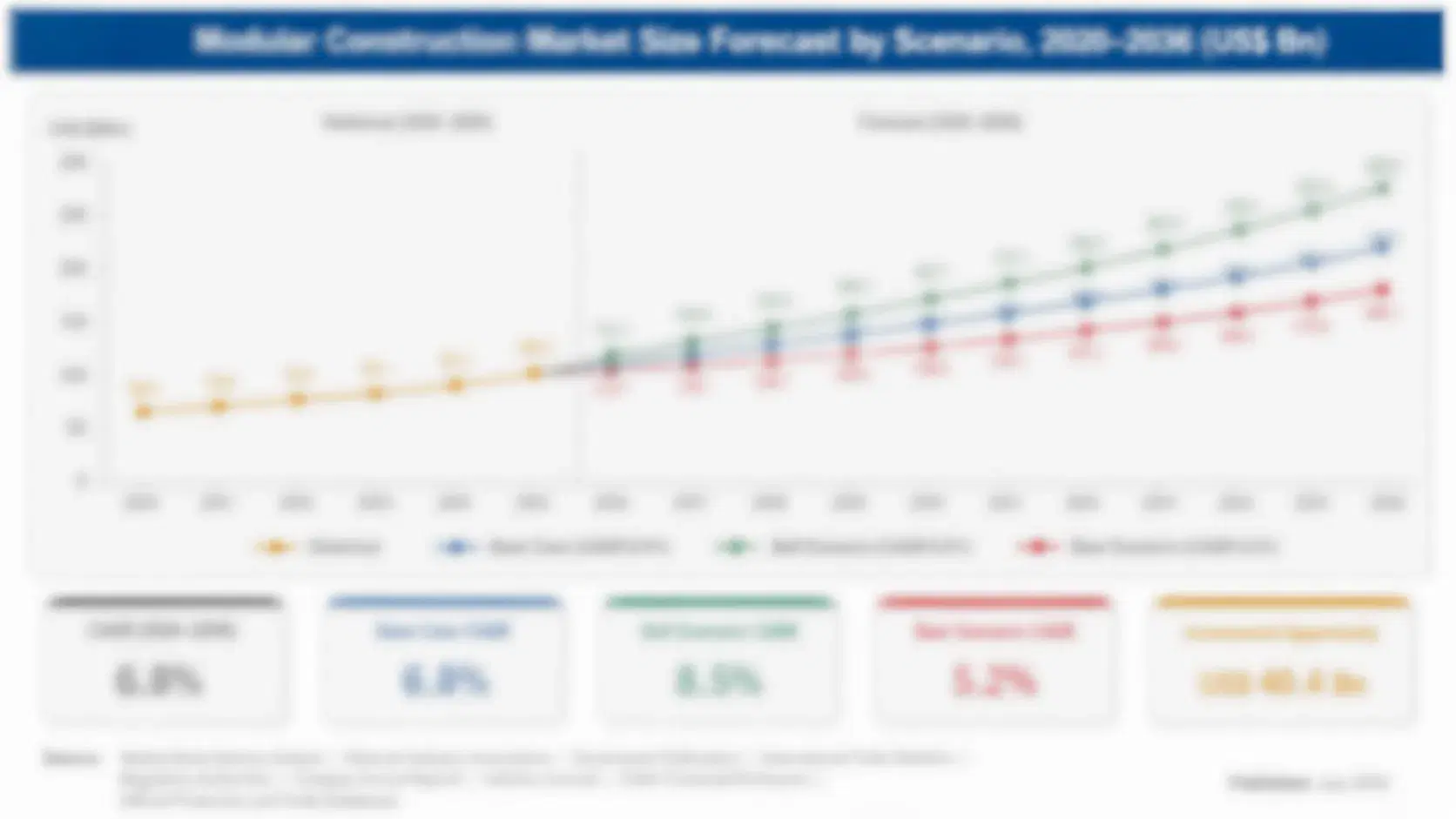
Between 2020 and 2025, black cumin seed oil grew steadily as pandemic interest in immunity products spread the ingredient beyond diaspora markets, and clinical studies on glycemic and inflammatory markers gave brands scientific language. Growth averaged 7.8% a year, with CO2-extracted and standardized grades outpacing cold-pressed oil, though seed price swings and adulteration scandals disrupted supply in some quarters.
The base case assumes 8.6% annual growth through 2036, built on three named mechanisms: wider use of thymoquinone-standardized oil in supplements backed by published trials, expansion of supercritical CO2 and cold-press capacity in India, Egypt, and Turkey that raises quality and lowers unit cost, and rising acceptance among Western consumers who already buy other traditional botanical oils. Halal and organic certification widens the buyer base across Muslim-majority and Western markets.
The bull case, at 9.9%, needs a broader health claim and stable seed harvests. The bear case, at 7.3%, reflects another adulteration scandal, weak trial results, and competition from cheaper omega-3 and turmeric ingredients in immune and inflammation products. Either scenario leaves the underlying demand base intact, though pricing and mix would differ noticeably from the base path.

Seed Origin Control and Assay Proof Determine Oil Value

Black cumin seed oil is pressed or extracted from the small black seeds of Nigella sativa, and its value lies in thymoquinone and related compounds. Cold pressing keeps flavor and aroma but leaves yield low, supercritical CO2 extraction gives cleaner oil and higher standardization at higher cost, and solvent extraction serves cheaper industrial grades. Seed origin and handling strongly affect oil quality. Quality varies widely by supplier.
MARKET CONCENTRATION19% CR5Leading five suppliers hold a small combined share
AVERAGE SELLING PRICE$28 per kgStandardized grades sell far above crude pressed oil
TOP PRODUCING COUNTRY31% shareEgypt supplies nearly a third of world seed volume
OIL YIELD30%Pressing recovers under one third of seed weight
SEED COST SHARE46% of COGSSeed price dominates production cost and margin swings
TYPICAL THYMOQUINONE CONTENT2%Standard oils carry a small share of the key active
Buyers use the oil in different ways. Supplement brands sell it in softgels and liquids for immune and metabolic support, food makers add it to dressings and functional beverages, and traditional retail sells bottled cold-pressed oil to households. Specifications cover thymoquinone percentage, peroxide value, fatty acid profile, and pesticide residues, and buyers increasingly ask for organic, halal, and non-GMO certification.
The industry is fragmented and geographically split. Egyptian, Turkish, Ethiopian, and Indian farmers grow the seed, small mills produce crude oil, and larger herbal companies and Western supplement brands refine, standardize, and brand it. Adulteration with cheaper oils, unstable seed prices, and uneven testing capacity shape investment, and consolidation is starting as scale suppliers acquire regional pressers to secure origin and quality.
"The trouble with black cumin oil has never been demand. It has been trust. Suppliers who can prove what is in the bottle, batch by batch, will collect the premium that adulterated village oil has been quietly costing the whole category."
Practice Lead, Nutraceutical Ingredients and Specialty Oils Practice · MMA Nutraceutical Ingredients and Specialty Oils Practice · September 2026

Market Trends

Thymoquinone-Standardized Supplements Replace Generic Oil Labels in Retail

Supplement brands are building products around thymoquinone content, selling black cumin oil softgels labeled with milligrams of active rather than generic oil weight. Clinical trials in Iran, Pakistan, and Saudi Arabia report effects on blood sugar, blood pressure, and inflammatory markers, and Western brands now cite these studies. Suppliers add HPLC testing, publish certificates of analysis, and sign annual contracts, because standardized grades earn far higher prices than crude pressed oil. Retail buyers report that brands showing thymoquinone content on the front label see faster sell-through, and pharmacies favor those products because staff can explain the dosage.
Market Impact: halal wellness spending grows 9% annually

Supercritical CO2 Extraction Capacity Scales Across India, Egypt, and Turkey

Processors are installing supercritical CO2 extraction lines in India, Egypt, and Turkey, replacing part of the solvent and village pressing capacity. CO2 extraction leaves no solvent residue, gives clean flavor, and concentrates thymoquinone, so brands pay premiums of 40% to 70% over cold-pressed grades. Equipment cost is high, and plants need volume commitments, so suppliers sign multi-year agreements with brands and seed cooperatives before committing capital to new extraction capacity. Plants also produce a defatted seed cake that finds use in feed and cosmetics, which improves overall economics and supports pricing discipline when buyers negotiate on the oil itself.
Market Impact: 1 in 10 adults have diabetes

Market Opportunities and Growth Drivers

Traditional Household Use Builds Large Halal Wellness Repeat Demand

Traditional use in Muslim-majority and South Asian households gives black cumin oil a large baseline of repeat buyers, and halal wellness spending is rising quickly across the Gulf, Southeast Asia, and diaspora communities in Europe and North America. Retailers and pharmacies stock the oil as a daily wellness product, and consumers trust its heritage. This baseline demand cushions the category against short trend cycles that affect newer botanical ingredients. Muslim consumers often buy the oil for Ramadan and family use, and retailers in the Gulf and South Asia report stable year-round sales, which gives suppliers predictable volume for annual planning.
Market Impact: over 20% of tested bottles failed

Rising Metabolic Disease Prevalence Expands Preventive Supplement Demand

Chronic disease prevalence is pushing consumers toward preventive supplements, and diabetes and metabolic syndrome affect roughly one in ten adults worldwide according to the International Diabetes Federation and WHO data. Black cumin oil is marketed for glucose and lipid support, and physicians in South Asia and the Middle East often recommend it. Growing clinical evidence supports premium positioning, and brands that publish trial data win shelf space and longer contracts. Clinical trials in several countries report modest glycemic and lipid improvements, and pharmacists increasingly answer consumer questions about dosage, which makes the ingredient easier to sell through professional channels.
Market Impact: seed costs rose 35% in 2022

Market Restraints and Challenges

Widespread Adulteration Undermines Buyer Trust and Compresses Honest Suppliers

Adulteration with cheaper oils such as sunflower and soybean is widespread, and independent tests of retail bottles in several markets have found failure rates above 20%, according to trade and consumer group reports. The root cause is high price gaps, weak enforcement, and limited assay capacity in small mills. Fraud erodes trust and lowers prices for honest suppliers. Mitigation includes HPLC testing, seed traceability, and third-party certification. Honest suppliers cannot match adulterated prices and lose bids to sellers whose oil is diluted, so retailers and trade groups now push for standardized test methods any accredited laboratory can run.
Market Impact: standardized launches up 21% annually

Volatile Seed Prices and Export Policy Disrupt Raw Material Supply

Seed prices swing with weather and export policy, and Egyptian and Ethiopian harvest shortfalls and currency devaluations raised seed costs sharply in 2022, according to USDA Foreign Agricultural Service and IMF reports. The root cause is smallholder production with limited storage and volatile export rules. Higher seed prices cut margins and delay contracts. Processors respond with grower contracts, multi-country sourcing, and storage investment. Small mills cannot hold stock through price spikes, so they sell forward at low prices and then struggle to fill orders, while larger buyers with cash reserves purchase seed and store it for pressing.
Market Impact: CO2 grades earn 40-70% premiums
3 additional market trends, 4 additional growth drivers, and 3 additional restraints and challenges are covered in the full report. Contact sales@marketmindsadvisory.com to access the complete intelligence.

Segment CAGR and Growth Architecture

Black cumin seed oil is segmented by extraction method and standardization level, because process, purity, and active content determine price, flavor, and buyer type more directly than pack size does. Supercritical CO2-extracted oil attracts the most new investment as supplement brands convert clean-solvent and thymoquinone claims into multi-year purchase specifications. Purity and assay proof drive premiums.
black-cumin-seed-oil-market-market-share-analysis-1789754915962

Supercritical CO2-Extracted Oil

Supercritical CO2-extracted oil is the fastest-growing segment, produced by extracting seed with pressurized carbon dioxide, which leaves no solvent residue and gives cleaner flavor. Thymoquinone content can be concentrated to defined levels between 3% and 10%, and buyers pay premiums of 40% to 70% over cold-pressed oil. Equipment cost is high and only a few plants exist, so suppliers with capacity, testing, and grower contracts hold pricing power and win long-term supplement brand customers. Seed quality matters, since fresh seed with low moisture and intact oil cells gives higher thymoquinone yield. Contracts run one to three years, and brands audit plants for solvent-free operation, so documented process controls win shortlists faster than verbal assurances.
CAGR 12.0%

Thymoquinone-Standardized Oil

Thymoquinone-standardized oil is the second-fastest segment, blended or fractionated to a stated thymoquinone percentage and verified by chromatography. Supplement brands use it for dose-defined softgels and cite clinical trials, and pharmacies favor it for traceability. Standardization can rely on CO2 or cold-pressed base oil, so competition is broader, but suppliers with published assay methods and consistent batches earn annual contracts, while producers without testing capacity are pushed toward commodity trade. Supplement brands typically request 2% to 5% thymoquinone and a certificate for every batch, and pharmacies favor products with published assay methods. Adulterated oil is easy to dilute below label claims, so suppliers that test each lot and publish results build trust.
CAGR 10.6%
Full segment breakdown across 6 segments available in the complete report.

Regional Architecture and Country Demand Map

Black cumin oil value follows seed origin and traditional demand. South Asia leads through Indian, Pakistani, and Bangladeshi consumption and export processing, the Middle East and Africa follow through Egyptian supply and Gulf spending, and North America dominates premium supplement demand. Traditional household demand persists there.

North America

North America holds 22% share, led by the United States, where NOW Foods, Amazing Herbs, and dozens of supplement brands sell black cumin oil online, through natural retailers, and in ethnic grocery channels serving Arab, South Asian, and African communities. Structure-function rules let brands describe wellness benefits without preapproval, though the FDA requires substantiation. Most oil is imported from Egypt, India, and Turkey, so freight, tariffs, and assay documentation shape buyer choices. Ethnic grocers serving Arab, South Asian, and African communities anchor volume in cities such as Chicago, Houston, and Toronto, and online subscriptions add premium standardized products. Retailers require third-party tested supplements, so brands print assay results and certificate numbers.
Share: 22% | CAGR: 9.0% (2026 to 2036)

Western Europe

Western Europe holds 18% share, with Germany, France, the United Kingdom, and the Netherlands buying black cumin oil for supplements, natural cosmetics-adjacent lines, and diaspora retail. Regulators restrict health claims, so brands emphasize traditional use and standardized content, and pharmacies favor documented quality. Turkish and Egyptian suppliers ship through European distributors, and pesticide residue and contaminant rules exclude weaker lots, favoring audited exporters with laboratory capability. German and French pharmacies sell tested capsules and liquids, while Turkish and Arab communities support large ethnic retail networks in Berlin, Paris, and London. Novel food and health claim rules mean brands avoid disease language, so suppliers with regulatory files and assay documents grow share over informal importers and pressers.
Share: 18% | CAGR: 7.0% (2026 to 2036)
Regional intelligence for 5 additional markets available in the complete report: East Asia, South Asia and Pacific, Latin America, Middle East and Africa, Eastern Europe. Contact sales@marketmindsadvisory.com.
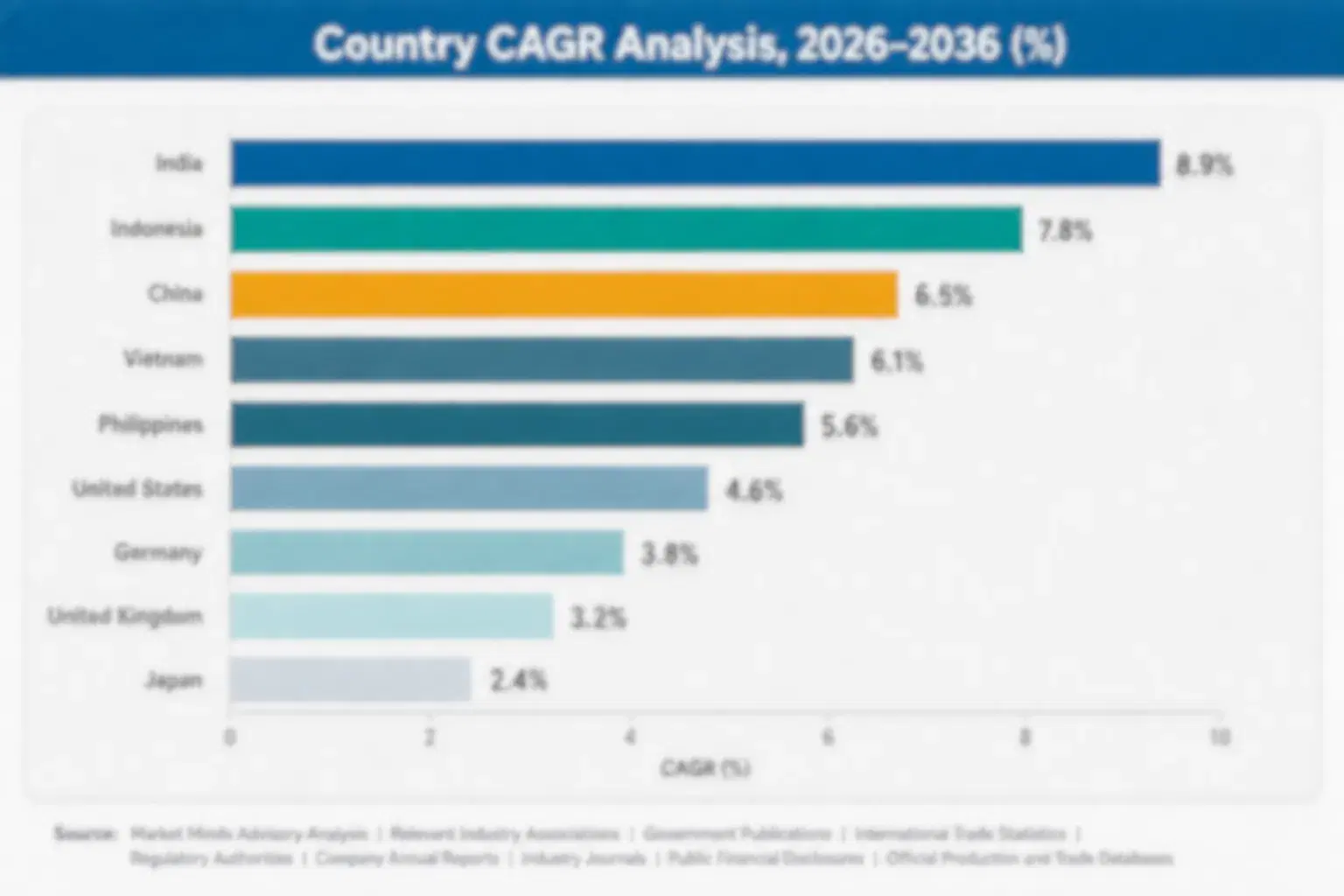
black-cumin-seed-oil-market-country-cagr-analysis-1789754916140

Four Profit Levers for Black Cumin Oil Suppliers

Margin in black cumin oil comes from moving beyond crude pressed oil toward CO2-extracted and standardized grades with proven purity that brands cannot easily replace. Suppliers that secure seed origin, invest in extraction, prove authenticity by assay, and build finished-format partnerships earn more per kilogram than pressers competing only on price. Each route needs different capital.

Investing in Supercritical CO2 Extraction for Premium Grades

CO2-extracted oil earns 40% to 70% more per kilogram than cold-pressed oil, because supplement brands pay for clean flavor, no solvent residue, and concentrated thymoquinone. A plant costs several million dollars and needs steady seed supply, but returns justify investment for suppliers with brand contracts. Payback runs four to five years when utilization exceeds 70%, and patented process settings protect against imitation. Utilization matters, because idle equipment erodes returns, so suppliers sign volume commitments with three or four anchor brands before ordering equipment, and they keep a share of capacity for toll processing for smaller clients seeking clean extraction.
Market Impact: CO2 grades earn 40% to 70% more per kilogram

Proving Authenticity Through HPLC Testing and Traceability

Adulteration fears depress prices, so suppliers that publish batch assays and trace seed to farm win contracts and premiums of 10% to 18%. HPLC equipment costs under $150,000 and pays back quickly when it prevents a single rejected shipment. Third-party certification adds credibility, and brands that market authenticity report higher repeat rates, which makes testing capability the cheapest form of market access insurance. Brands that print batch numbers and QR codes linking to certificates report stronger repeat purchase, and retailers reward such transparency with better shelf placement, while suppliers that cannot document authenticity are increasingly dropped from tenders.
Market Impact: authenticated oil earns 10% to 18% higher prices

Locking In Seed Origin Through Grower Cooperatives

Seed is about 46% of cost, so multi-year contracts with cooperatives in Egypt, Ethiopia, and India reduce exposure to spot price swings that added 35% in 2022. Suppliers that provide seed, agronomy support, and storage secure better quality and volume. Growers accept modest price ceilings for certainty, and buyers reward supply security with annual agreements that protect processor margin of 3 to 5 points. Some cooperatives also share storage, so seed is held after harvest and sold when prices recover, and lenders offer working capital against warehouse receipts, which helps smallholders avoid distress sales and improves supply consistency.
Market Impact: seed contracts protect 3 to 5 margin points

Building Finished-Format Partnerships With Supplement Brands

Supplying softgel-ready or encapsulated oil, rather than bulk crude, lets suppliers keep 15% to 22% more margin and shorten customer development time. Brands lacking formulation skill value stability data, taste masking, and quality systems. Suppliers must invest in encapsulation partners, stability testing, and certification, and the step builds loyalty through shared product development and consistent batch performance. Contract manufacturers in Europe and North America offer encapsulation and stability testing, so suppliers can enter finished formats without owning softgel lines, and joint development with brands shortens time to market from about eighteen months to roughly nine months in many cases.
Market Impact: finished formats add 15% to 22% margin for suppliers

Who Controls the Margin Pool

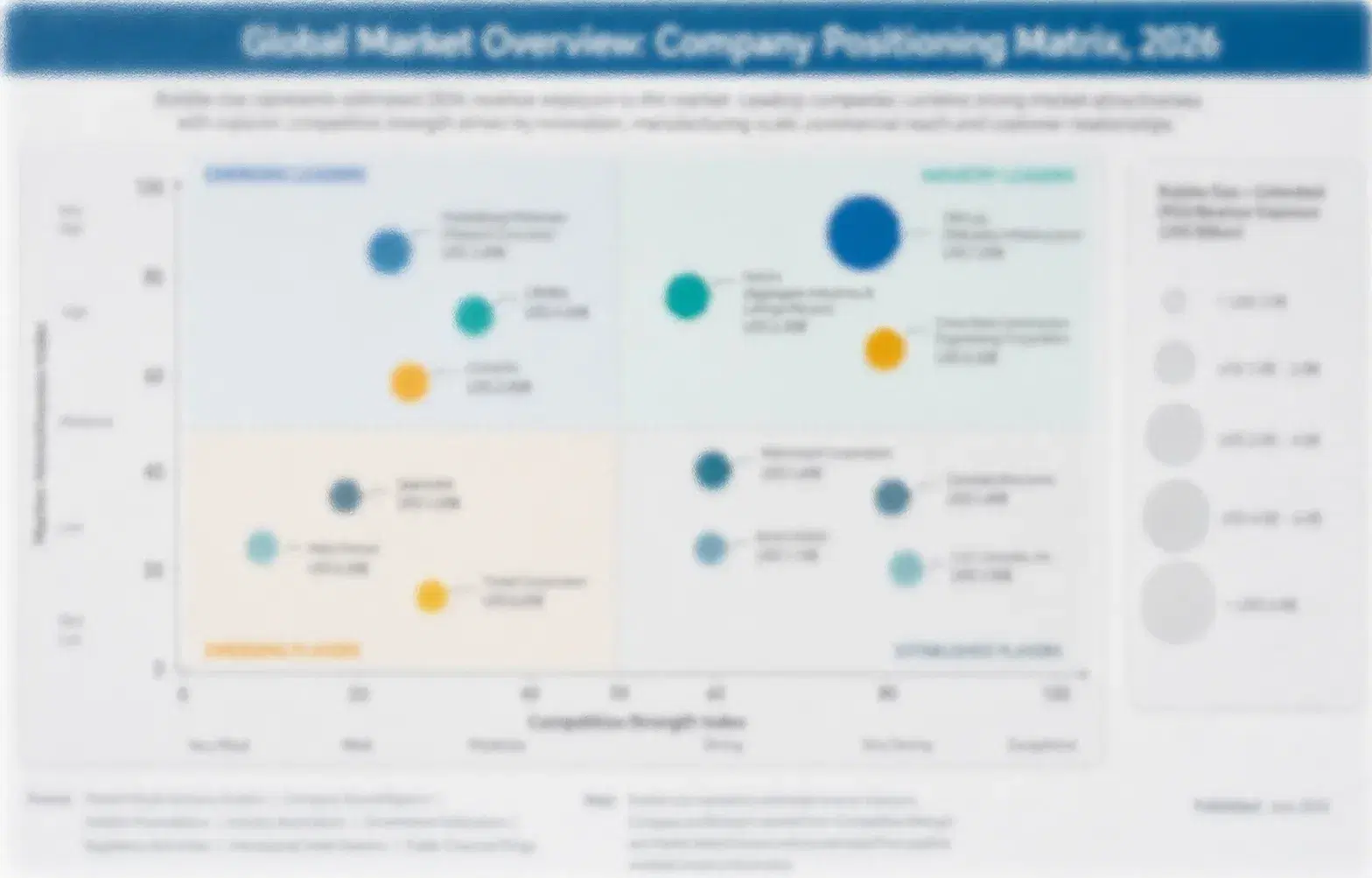
Black cumin seed oil is fragmented, with the top five suppliers holding about 19% of global revenue, the basis used throughout this section. NOW Foods, Amazing Herbs, Hemani Herbals, Dabur India, and Patanjali Ayurved lead through brand strength, distribution, and quality systems, while thousands of small pressers and blenders across Egypt, India, Pakistan, and Turkey supply crude oil. The gap between leaders and challengers is wide in standardized grades. Concentration reflects brand trust, not scale.
Competition centers on three dimensions: secure access to authenticated seed, extraction capability and verified thymoquinone content, and brand trust with supplement retailers and pharmacies. Leaders sign annual contracts and publish assay results, while challengers compete on price and flexible bottle sizes. Halal, organic, and third-party purity certifications add another layer of differentiation.

Emerging pressure comes from Egyptian and Indian extractors selling directly to Western brands, from cheaper omega-3 and turmeric ingredients in immune products, and from retailers building private label programs. Rankings shift where suppliers win standardized oil contracts, secure seed origin, or suffer adulteration scandals. Acquisitions of regional extractors and licensing of CO2 process settings will reorder positions faster than organic capacity growth.
black-cumin-seed-oil-market-company-positioning-matrix-1789754916321

Competitive Moat and Risk Dimensions

NOW FOODS

Moat: Testing Scale and Retail Reach

NOW Foods runs in-house laboratories, tests incoming oil lots, and sells through natural retailers and online channels across North America and beyond. That quality reputation supports premium pricing and repeat purchase, and its scale lets it buy seed and oil under multi-origin contracts, absorb harvest swings, and invest in packaging and stability testing that smaller brands cannot afford.
NOW FOODS

Risk: Reliance on Outside Oil Sourcing

NOW Foods depends on third-party suppliers in Egypt, India, and Turkey for crude and standardized oil, so adulteration, price swings, and export rules can disrupt supply. Competing brands with owned extraction or direct seed contracts may hold cost and quality advantages, and consumers shift quickly to private label or competing wellness ingredients.
HEMANI HERBALS

Moat: Regional Heritage and Distribution

Hemani Herbals is a Pakistani herbal brand with strong presence in South Asia, the Middle East, and diaspora markets, where black cumin oil carries deep consumer trust. Its distribution network, heritage positioning, and halal credentials support repeat purchases, and proximity to seed growers and processors gives it cost and supply advantages over Western brands that rely on intermediaries.
HEMANI HERBALS

Risk: Export Regulation and Perception Risk

Hemani faces regulatory scrutiny and quality perception issues when entering Europe and North America, where assay documentation and residue limits are strict. Political and currency volatility in Pakistan affect costs and shipments, and Western competitors with laboratory capability and clinical dossiers may win premium standardized oil contracts that need documented proof of potency.

Players Tracked

Prominent Players

NOW Foods
Amazing Herbs
Hemani Herbals
Dabur India
Patanjali Ayurved

Other Key Players

Himalaya Wellness Company
Organic India
Nature's Way
Mountain Rose Herbs
Nutiva
Swanson Health Products
Jarrow Formulas
Solgar
Herbal Hills
Zandu
Baidyanath
Amway
Herbalife Nutrition
Life Extension
Vitacost

Recent Developments

FEBRUARY 2026

Amazing Herbs Adds CO2-Extracted Black Cumin Oil Line

Amazing Herbs completed an organic capacity expansion by commissioning a supercritical CO2 extraction line, adding black cumin oil with defined thymoquinone content. The project is internal spending, not an acquisition. It broadens the premium range, secures authenticated seed, and supports supply contracts with Western supplement retailers.
Signal: Shows leading brands investing in CO2 extraction to serve demand for standardized, solvent-free black cumin oil.
NOVEMBER 2025

Dabur India Signs Seed Sourcing Agreements With Farmer Groups

Dabur India signed multi-year seed sourcing agreements with farmer producer groups to secure Nigella sativa for oil production. The deals are supply contracts, not equity stakes. They give farmers price certainty, secure seed for Dabur's herbal range, and support investment in laboratory testing and storage capacity.
Signal: Confirms multi-year seed contracts are becoming standard for securing authenticated black cumin supply for oil production.
MAY 2026

NOW Foods Acquires Egyptian Black Cumin Oil Producer

NOW Foods completed the acquisition of an Egyptian black cumin oil producer, adding owned seed sourcing, pressing capacity, and laboratory testing. The purchase gives NOW Foods direct control over origin and quality. Management said the plant will follow NOW Foods quality systems and expand standardized oil output.
Signal: Reflects leading supplement brands buying origin processors to secure authenticated supply and control oil quality directly.

What Drives Black Cumin Oil Costs

Seed accounts for roughly 46% of cost of goods, sourced from farmers in Egypt, Ethiopia, Turkey, India, and Iran. Pressing or extraction energy adds about 12%, with testing, packaging, labor, and freight making up most of the remainder, so seed prices and oil recovery rates together determine gross margin for most processors and brand owners.
Egyptian pound devaluation and freight disruption raised seed and oil export costs sharply in 2022, according to IMF and USDA Foreign Agricultural Service reports, while drought in Ethiopia and Turkey cut seed harvests. Processors reported spot seed prices rising by roughly a third, added surcharges to contracts, and in some cases delayed shipments, while brands absorbed part of the increase to protect shelf prices during the period.

Exposure varies by player type and geography. Integrated processors with grower contracts and CO2 capacity absorb shocks better than small pressers buying spot seed. Egyptian and Indian suppliers benefit from local seed access but carry currency and regulatory risk, while Western brands rely on imported oil and manage inventory risk, and premium standardized grades pass costs through more easily than commodity crude oil.
black-cumin-seed-oil-market-cost-volatility-analysis-1789754916508

Signing Multi-Year Grower Cooperative Contracts

Processors negotiate three to five year agreements with cooperatives, supply seed and agronomy support, and fix price bands. Contracts reduce spot exposure and improve quality, though they lock in prices when harvests are strong. Growers gain predictable income and better practices, which builds loyalty and protects processors against poaching by rival buyers offering marginally higher spot prices.

Diversifying Seed Origin Across Countries and Harvest Calendars

Sourcing from Egypt, Ethiopia, Turkey, and India smooths supply through weather and policy shocks. Each origin has different flavor and thymoquinone profiles, so blending requires testing capacity, and buyers may need approval. Multi-origin sourcing raises testing cost, but it protects customer commitments during shortages and improves negotiating leverage with regional mills and exporters. Both steps protect margins.

Investing in Higher-Recovery Extraction and Storage Technology

Improved presses, CO2 extraction, and seed storage lift oil recovery and reduce waste from moisture and pests. Gains of 10% to 15% in yield are common with upgraded equipment. Capital cost is meaningful, but processors also gain higher purity grades that command better prices and support premium customer contracts through the harvest cycle. This supports steady delivery.

Portfolio Architecture for Margin Defence

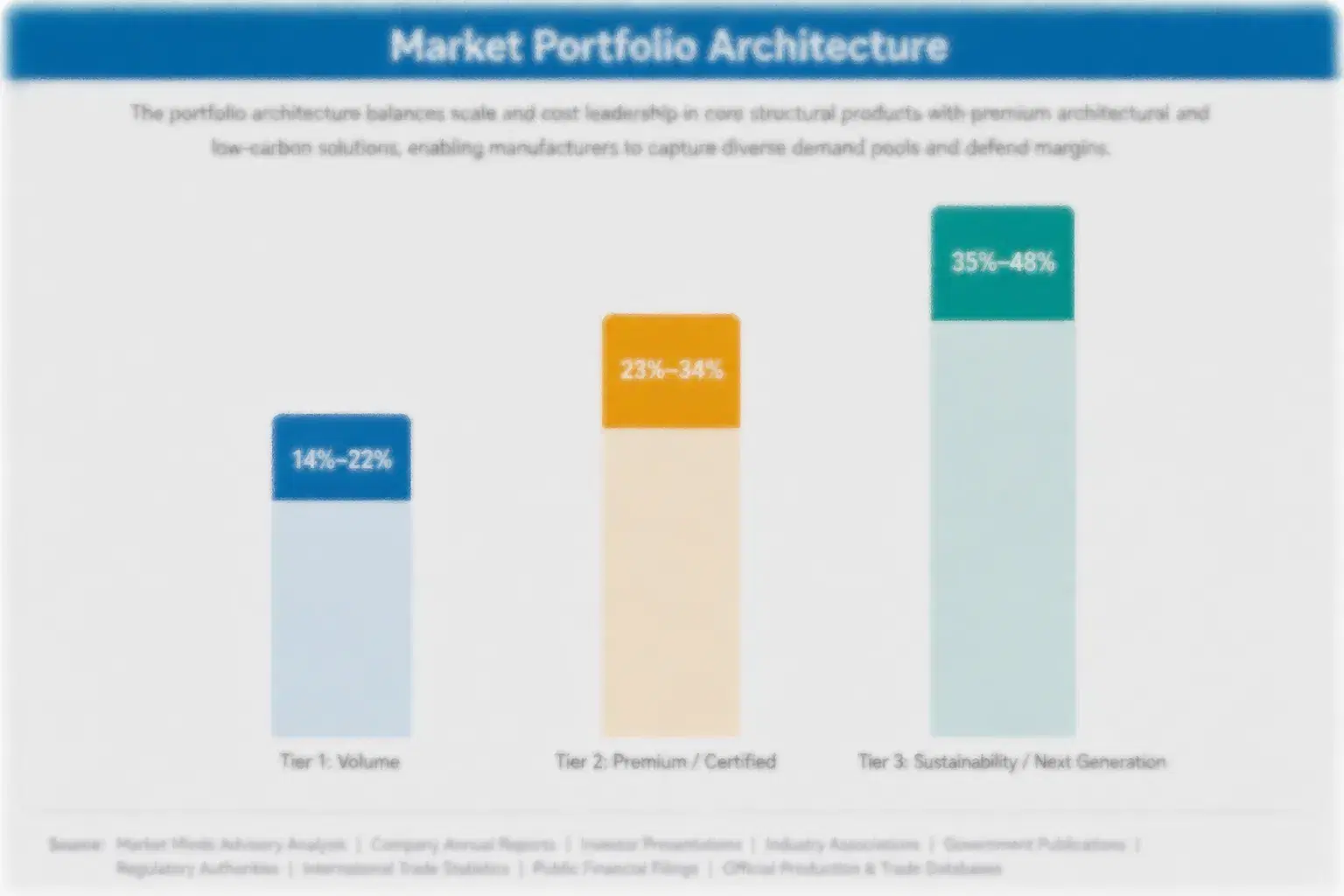
Margins run from thin returns on crude pressed and blended oil to strong profits on CO2-extracted and standardized grades sold with assay proof, with gross margin roughly doubling between the volume tier and the top tier. Purity, authentication, and clinical support add pricing power over what starts as the same seed, and buyers pay for reliability because supplement brands cannot afford failed potency tests or fraud disputes. Certification also cushions margin during seed shocks.
Volume and premium pull in different directions. Crude and blended oils sell in large lots to price-sensitive buyers at thin margins and face competition from adulterated oil and cheaper botanicals. Standardized and certified grades sell in smaller lots at much higher margins but need extraction equipment, testing, and documentation, so suppliers must choose how much capital to commit to premium positioning.

High-value pools concentrate in thymoquinone-standardized oil for dose-defined supplements, CO2-extracted oil for clean-label brands, and organic and halal-certified grades for premium retail. These segments benefit from documented evidence, recurring orders, and limited competition from small pressers. Suppliers combining seed security, extraction capability, and authenticated batches hold advantages that are difficult to replicate quickly.

Volume / Commodity-Adjacent Tier

Crude pressed, solvent-extracted, and blended black cumin oils for household retail and industrial buyers, sold on price through distributors, with thin margins, adulteration exposure, and competition from regional pressers worldwide.
Gross Margin: 12%-22%

Premium / Certified Tier

Cold-pressed virgin oil with organic and halal certification and audited seed origin, sold under annual contracts to retailers and brands that require documented authenticity, consistent flavor, and reliable delivery throughout the year.
Gross Margin: 25%-35%

Sustainability / Regulatory / Next-Generation Tier

Supercritical CO2-extracted and thymoquinone-standardized oil with published assays and clinical dossiers, positioned for dose-defined supplements, solvent-free claims, and next-generation wellness products across developed and emerging markets, backed by published batch assay results.
Gross Margin: 35%-50%
black-cumin-seed-oil-market-portfolio-architecture-1789754916699

High-value Sub-segments and Strategic Watch-out

Supercritical CO2-Extracted Oil

CO2-extracted oil combines the fastest growth with strong pricing, as supplement brands pay for clean flavor, no solvent residue, and concentrated thymoquinone. Equipment cost and scarce capacity protect margins, though suppliers must keep seed supply stable and document potency to honor annual contracts and keep premium customers.
Gross Margin: 35%-50%

Thymoquinone-Standardized Oil

Standardized oil offers solid growth and healthy premiums, because brands market dose-defined softgels and cite published trials. Assay methods and consistent batches build barriers, while competition from multiple base oil sources keeps pressure on pricing, so suppliers need constant testing discipline and technical support to keep customers.
Gross Margin: 30%-42%

Cold-Pressed Virgin Oil

Cold-pressed virgin oil remains the volume core, moving the largest tonnage to retail, traditional, and food channels at moderate prices. Margins depend on seed cost, pressing yield, and brand trust, and adulteration risk pressures pricing, so returns rely on traceable origin and consistent quality rather than differentiation.
Gross Margin: 20%-30%

Competing Botanical Ingredients

Omega-3, turmeric, and berberine ingredients are the main strategic watch-out, since they target the same immune, inflammation, and metabolic buyers at lower cost and with stronger evidence in some cases. If trial results weaken or claims stall, brands may switch, slowing premium growth and pressuring supplier pricing.
Gross Margin: n/a (substitution risk)

Why Brands Keep Oil Suppliers

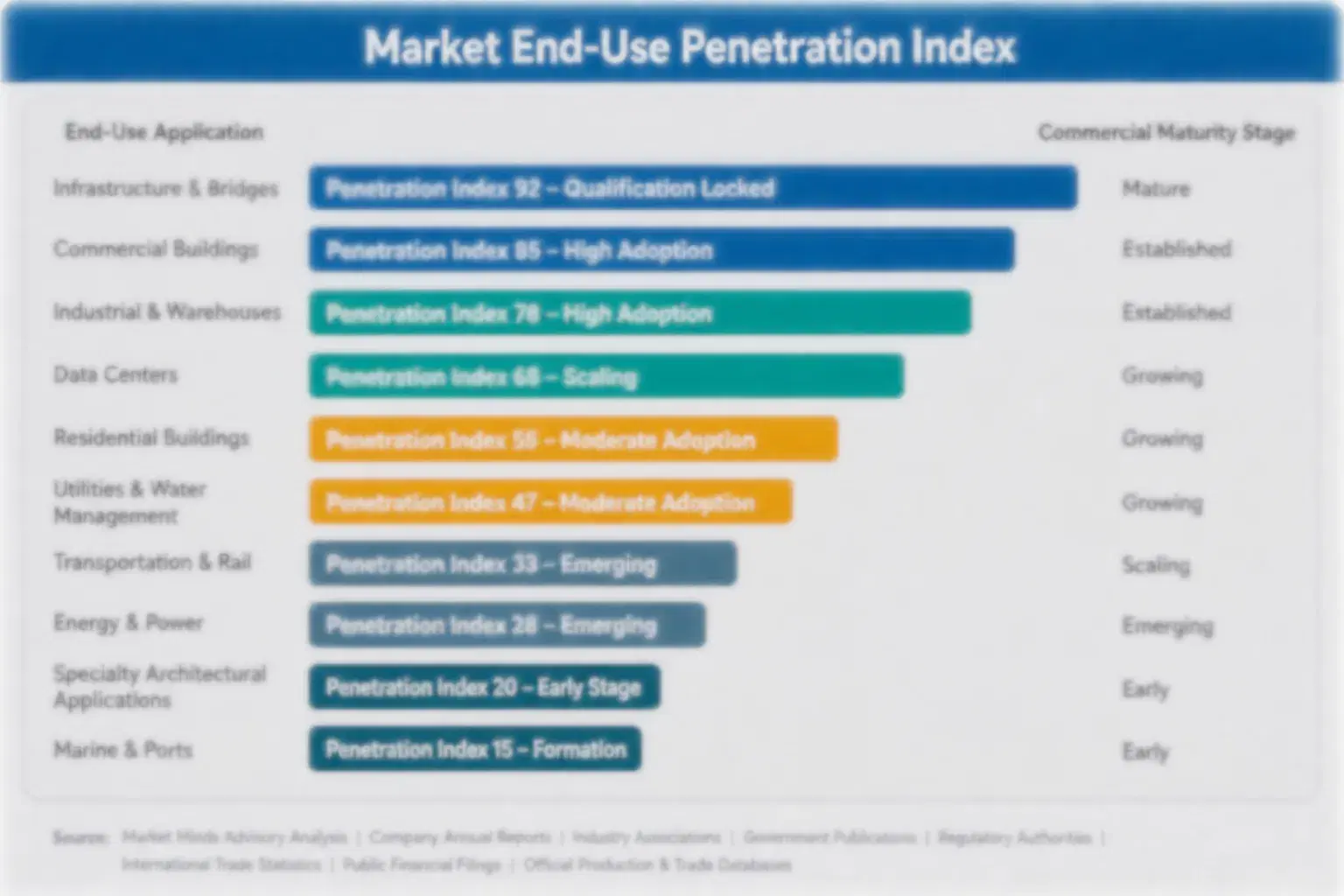
Black cumin oil demand behaves like an annuity once a supplement brand or household retailer approves a supplier. Thymoquinone content, flavor, and label claims are tied to a specific oil profile, so switching means new assays, possible stability studies, and risk of customer complaints. Annual agreements reinforce repeat orders, and buyers often accept modest price increases to protect supply continuity and consistent product quality.
Stickiness varies by end-use vertical. Supplement brands with clinical positioning show the deepest loyalty because marketing depends on the ingredient's published evidence. Traditional household buyers repurchase the same bottle brand for years, while food makers switch more often on taste and price. Cosmetic-adjacent and private label buyers rebid frequently, making that group the most price sensitive and least attractive for long-term capacity planning.

Buyer profiles are changing. Younger consumers and digitally native brands look for standardized, tested, and traceable oils with visible assay results, and they favor suppliers that publish batch data and origin. Older buyers anchor on tradition, brand familiarity, and price. Suppliers must serve both groups, but growth concentrates among brands that market wellness through subscriptions and content-driven education.
black-cumin-seed-oil-market-end-use-penetration-index-1789754916883

MMA Verdict on Black Cumin Oil

These are among the four positions where our research anticipates prominent divergence between winners and laggards over the coming forecast period. Each is grounded in the demand model, the regulatory perimeter, and the announced capacity pipeline.
01 / EXTRACTION CAPACITY INVESTMENT

Invest in CO2 Extraction to Capture Premium Grades

Supercritical CO2-extracted oil grows about 1.40 times faster than the market and earns 40% to 70% more per kilogram than cold-pressed oil, with recurring demand from supplement brands. A plant costs several million dollars but pays back within four to five years at 70% utilization. MMA recommends committing capital within the next two years, before rivals build competing capacity and secure the best seed cooperatives, because rivals are already approaching the same seed cooperatives with longer agreements and early movers set the quality benchmark.
02 / AUTHENTICITY AND ASSAY PROOF

Prove Authenticity Through Batch Testing and Traceability

Adulteration fears depress prices, and independent tests found failure rates above 20% in some retail samples. Suppliers that publish HPLC assays and trace seed to farm earn premiums of 10% to 18%, and testing equipment pays back quickly. MMA regards authentication as the cheapest insurance against market access loss, especially for exporters targeting Western supplement brands that audit suppliers, and buyers that discover adulteration in a supplier's oil rarely return, which is why testing capability earns priority in capital budgets before any new extraction plant.
03 / SEED ORIGIN SECURITY

Lock In Seed Supply Through Multi-Country Cooperatives

Seed is about 46% of cost, and spot prices rose roughly 35% in 2022, hitting unprotected processors hard. Multi-year cooperative contracts across Egypt, Ethiopia, and India protect 3 to 5 margin points and improve quality. MMA advises diversifying origin early, because supply security decides which suppliers can honor annual commitments to brands during shortages and currency shocks, and suppliers without cooperative contracts risk losing annual commitments to brands when currency shocks and harvest shortfalls hit the same season together across markets.
04 / FINISHED-FORMAT PARTNERSHIP STRATEGY

Build Softgel-Ready Partnerships With Supplement Brands

Supplying encapsulated or softgel-ready oil lets suppliers keep 15% to 22% more margin than bulk crude and shortens customer development cycles. Brands lacking formulation skill value stability data, taste masking, and quality systems. MMA advises starting with two anchor customers, then extending the range as evidence and volumes grow, while preserving the quality controls needed for regulated markets, and joint development with brands builds loyalty that pure bulk sellers cannot replicate through price cuts alone, especially in regulated European pharmacy channels where documentation decides listings.

Engagement Snapshot From the Field

A live engagement with an industry participant carrying material or product regulatory and market exposure ahead of a defining policy shift, showing how our research translates into a defensible multi-year portfolio strategy.
MARKET MINDS ADVISORY · CLIENT ENGAGEMENT SUMMARY
Black Cumin Seed Oil Producer Strategic Portfolio Review and Transition Roadmap 2026·Investment Scenario on Black Cumin Seed Oil Exposure Evaluation 2025-26
CLIENT PROFILE
The client is a mid-sized Egyptian black cumin oil producer with two pressing plants and roughly $22 million in annual revenue (client-reported, unverified by MMA), selling crude and cold-pressed oil to distributors and regional brands. About 85% of volume was crude grade, gross margin sat near 14% (client-reported, unverified by MMA), and the company had no laboratory or export certification.
STRATEGIC CHALLENGE
Adulterated competitors were eroding prices, and seed cost spikes had compressed margin, while European and North American brands asked for authenticated, standardized oil the client could not supply. Leadership needed a plan that proved authenticity, moved volume toward premium grades, and secured seed supply without overextending capital. The board wanted a decision within a year.
MMA APPROACH
MMA benchmarked 12 producers on cost structure and grade mix, interviewed supplement brand formulators and pharmacy buyers about specifications and price points, and modeled the economics of an HPLC laboratory, a CO2 extraction partnership, and grower cooperative contracts under bull, base, and bear seed price scenarios across both plants. The work covered both plants.
KEY FINDINGS
  1. An HPLC laboratory costing about $120,000 could support authenticated grades priced roughly 15% higher and pay back within one year, according to interviews.
  2. Three Western brands indicated they would sign annual contracts if potency was verified and seed origin traced to farm level, subject to contract terms.
  3. CO2 extraction through a contract partner would earn premiums of about 50% without the client owning capital-heavy equipment, based on partner quotations received.
  4. Crude volume would remain necessary to fill plants, so the client should keep regional distributor contracts at about 45% of volume, which keeps plants running.
CLIENT PROFILE
The client is a mid-sized Egyptian black cumin oil producer with two pressing plants and roughly $22 million in annual revenue (client-reported, unverified by MMA), selling crude and cold-pressed oil to distributors and regional brands. About 85% of volume was crude grade, gross margin sat near 14% (client-reported, unverified by MMA), and the company had no laboratory or export certification.
STRATEGIC CHALLENGE
Adulterated competitors were eroding prices, and seed cost spikes had compressed margin, while European and North American brands asked for authenticated, standardized oil the client could not supply. Leadership needed a plan that proved authenticity, moved volume toward premium grades, and secured seed supply without overextending capital. The board wanted a decision within a year.
MMA APPROACH
MMA benchmarked 12 producers on cost structure and grade mix, interviewed supplement brand formulators and pharmacy buyers about specifications and price points, and modeled the economics of an HPLC laboratory, a CO2 extraction partnership, and grower cooperative contracts under bull, base, and bear seed price scenarios across both plants. The work covered both plants.
KEY FINDINGS
  1. An HPLC laboratory costing about $120,000 could support authenticated grades priced roughly 15% higher and pay back within one year, according to interviews.
  2. Three Western brands indicated they would sign annual contracts if potency was verified and seed origin traced to farm level, subject to contract terms.
  3. CO2 extraction through a contract partner would earn premiums of about 50% without the client owning capital-heavy equipment, based on partner quotations received.
  4. Crude volume would remain necessary to fill plants, so the client should keep regional distributor contracts at about 45% of volume, which keeps plants running.
RECOMMENDED STRATEGY
Phase 1: Phase 1 (Months 1-6): Install an HPLC laboratory and sign cooperative seed contracts covering 400 hectares across two governorates, with progress reviewed monthly. Phase 2: Phase 2 (Months 7-15): Complete organic and halal certification and qualify authenticated cold-pressed grades with three Western brands, with audits scheduled first. Phase 3: Phase 3 (Months 16-30): Launch CO2-extracted and standardized grades through a contract partner and expand to Gulf pharmacy chains while tracking margin monthly.
OUTCOME
Within 30 months, the client moved about 33% of volume into authenticated and CO2-extracted grades and raised gross margin from 14% to an estimated 25% (client-reported, unverified by MMA). Three brand contracts were signed, seed contracts held costs stable through a weak harvest, and revenue reached roughly $31 million (client-reported, unverified by MMA).

Frequently Asked Questions

Foundational context covering the market sizes, CAGR, scope, country, region and competition that inform every finding below. This section is provided to cover basics and most often pre-purchase conversations, answered from the MMA Primary Research Dataset.

What is the current size of the Black Cumin Seed Oil Market?

The global black cumin seed oil market was valued at $0.8 billion in 2025. This covers crude, refined, and thymoquinone-standardized oil sold to supplement makers, food manufacturers, and retailers.

How large will the Black Cumin Seed Oil Market be by 2036?

MMA projects the market will reach approximately $2.0 billion by 2036. This represents cumulative growth of roughly $1.1 billion over the full ten-year forecast window.

What is the CAGR for the Black Cumin Seed Oil Market 2026 to 2036?

The market is forecast to grow at an 8.6% compound annual rate between 2026 and 2036. The bull case reaches 9.9% while the bear case falls to 7.3%.

Which segment is growing fastest?

Supercritical CO2-Extracted Oil is the fastest-growing segment at 12.0% CAGR, roughly 1.40 times the overall market rate. Thymoquinone-Standardized Oil follows as the second-fastest segment at 10.6%.

Who are the major companies in the Black Cumin Seed Oil Market?

Leading companies include NOW Foods, Amazing Herbs, Hemani Herbals, Dabur India, and Patanjali Ayurved. These five suppliers together hold an estimated 19% of total global market revenue today.

Which country is growing fastest?

India is the fastest-growing major market, expanding at approximately 11.0% CAGR each year. Rising Ayurvedic wellness demand and new export processing capacity are driving this above-market growth.

Report Segmentation Architecture

The full report scope spans multiple orthogonal segmentation dimensions, with cross-tabulated demand data provided for each dimension pair. Coverage extends further to regional breakdowns, trend trajectories, and the competitive detail needed to support segment-level decision-making.

By Primary Market Dimension

  • Supercritical CO2-Extracted Oil
  • Thymoquinone-Standardized Oil
  • Cold-Pressed Virgin Oil
  • Expeller-Pressed Refined Oil
  • Solvent-Extracted Oil
  • Blended Black Cumin Oils

By End-Use Industry

  • Dietary Supplements
  • Food and Functional Beverages
  • Traditional Medicine and Household Use
  • Pharmacy and Wellness Retail
  • Cosmetic-Adjacent Ingredients

By Commercial Dimension

  • Direct Brand Supply Contracts
  • Ingredient Distributor Channels
  • Private Label Programs
  • Export Trade Channels

By Region

  • North America
  • Western Europe
  • East Asia
  • South Asia and Pacific
  • Latin America
  • Middle East and Africa
  • Eastern Europe

Scope, Methodology, and Coverage

Every figure in this report is reproducible from documented input assumptions. The scope below maps the historical period, the forecast horizon, the segmentation dimensions, and the countries covered, alongside the underlying primary and qualitative methodology.
Historical Period
2020 to 2025
Forecast Period
2026 to 2036
Base Year
2025 (USD billions; MMA Primary Research Dataset, September 2026)
Market Definition
Black cumin seed oil is the oil obtained from Nigella sativa seeds by cold pressing, expeller pressing, solvent extraction, or supercritical CO2 extraction, sold as crude, refined, or thymoquinone-standardized oil to supplement makers, food and cosmetic-adjacent manufacturers, and retailers. The scope excludes whole seeds and seed powder, essential oil sold for fragrance, cosmetic finished products, and encapsulated finished supplements.
Quantitative Units
USD billions (current prices); metric tons for volume references
Segmentation Dimensions
By Extraction Method and Standardization; By End-Use Industry; By Commercial Dimension; By Region
Regions Covered
North America, Western Europe, East Asia, South Asia and Pacific, Latin America, Middle East and Africa, Eastern Europe
Countries Covered
USA, Canada, Mexico, Brazil, Argentina, Germany, France, UK, Netherlands, Spain, Poland, Romania, Turkey, Egypt, Ethiopia, Sudan, Saudi Arabia, UAE, Morocco, South Africa, India, Pakistan, Bangladesh, Indonesia, Malaysia, China, Japan, South Korea, Australia, Vietnam, and additional markets relevant to this sector
Key Companies Profiled
NOW Foods, Amazing Herbs, Hemani Herbals, Dabur India, Patanjali Ayurved, Himalaya Wellness Company, Organic India, Nature's Way, Mountain Rose Herbs, Nutiva, Swanson Health Products, Jarrow Formulas, Solgar, Herbal Hills, Zandu, Baidyanath, Amway, Herbalife Nutrition, Life Extension, Vitacost
Quantitative Methodology
Primary survey, n=3,800 respondents, Q4 2025, six countries; demand-side model with trade association cross-validation
Qualitative Methodology
47 expert interviews, Q4 2025; applied to validate demand model assumptions, identify emerging dynamics, and assess competitive positioning
Report Format
PDF and XLSX data workbook (Word format preview document)
Publisher
Market Minds Advisory
Report Code
MMA-2026-AGR-252
Published
September 2026
Contact
sales@marketmindsadvisory.com | www.marketmindsadvisory.com

Purchase the full Black Cumin Seed Oil Market Report (2026 to 2036).

The full report delivers a detailed assessment of global black cumin seed oil production, extraction mix, and competitive positioning through 2036. It includes segment forecasts by extraction method and standardization, country-level data for all seven world regions, and profiles of the twenty companies most relevant to processing and brand supply. Analysts also receive input cost modeling and portfolio margin benchmarking built from MMA's primary research dataset. A scenario planning module lets subscribers stress-test bull and bear assumptions against seed price and authenticity outcomes. Quarterly updates keep the whole dataset current throughout.
Ten-year segment and regional demand forecasts
Seed origin and extraction capacity tracking
Competitive benchmarking of top twenty suppliers
Seed price and currency sensitivity modeling tools
Regional demand mechanism comparative analysis included
Quarterly primary survey data update access

Built For The People Who Decide

From boardroom strategy to bench-side execution, this report is read cover-to-cover by leaders shaping the next decade of their industry, turning demand scenarios, market dynamics and valuation benchmarks into decisions.
CXOs/ Presidents/ VPs/ Managers
M&A and Corporate Development
Strategy Teams and R&D Heads
Procurement and Product Directors
Regulatory and Compliance Leaders
Investor Relations and Equity Analysts