Market Minds Advisory
Biomass Hot Air Generator Furnace Market

Biomass Hot Air Generator Furnace Market: Biomass Hot Air Generator Furnace Market. Global Demand, Technology, and Competitive Outlook 2026 to 2036

Food processors and textile mills across South Asia are swapping fossil-fired hot air systems for biomass furnaces running on cheap residue, pushing makers toward multi-fuel burners for whatever feedstock the harvest brings.

Lead Analyst

Published

October 2026

Make Smarter Decisions with Customized Research Insights

Request a free sample report and evaluate market opportunities, growth trends, and competitive dynamics relevant to your business needs.

2025 MARKET VALUE$0.9BMarket Size 2025
2036 FORECAST VALUE$1.9BBase Case , 2026 to 2036
CAGR 2026 TO 20366.5 %Bull 7.8% / Bear 5.2%
INCREMENTAL OPPORTUNITY$0.9BNet 10- year value creation
EXPANSION MULTIPLE1.88x2036 value over 2026 base
Strategic Levers
M&A Pipeline
Regional Outlook
Country Rankings
Competitive Intelligence
Segmental Deep-dive
Call-Us : 91 93563 13602

Executive Snapshot and Market Trajectory.

Agricultural residue availability and rising fossil fuel costs are turning biomass hot air furnaces from a cost-saving niche into the default drying heat source across food processing and textile manufacturing in several fast-growing regions this year, reshaping capital equipment budgets. Procurement teams increasingly request fuel flexibility as a baseline specification.
South Asian food processors and textile mills drive the largest unit volume, since abundant rice husk, bagasse, and other crop residue make biomass dramatically cheaper than gas or diesel-fired hot air generation at comparable thermal output. Multi-fuel furnace designs are winning share from single-feedstock units because they let operators switch fuel sources as seasonal residue availability shifts, protecting against the supply gaps that plague single-fuel systems.
Specialized Indian manufacturers like Thermax compete against European biomass combustion engineers like Danstoker and Vyncke on overlapping but distinct contracts, since European suppliers bring decades of emissions control engineering that price-sensitive South Asian buyers increasingly want as regulation tightens across the region. Feedstock price volatility remains the clearest demand swing factor suppliers are tracking heading into next harvest season. Export opportunities for Indian manufacturers are expanding as emissions standards converge across regions.
Market Definition
The biomass hot air generator furnace market covers direct and indirect fired combustion equipment that burns wood, agricultural residue, or processed biomass fuel to generate hot air for industrial drying and process heat applications. It excludes biomass boilers that generate steam or hot water rather than direct hot air output.
Base Year Value
$0.9B in 2025 (MMA Primary Research Dataset, October 2026)
Forecast Period
2026 to 2036, eleven discrete annual values
CAGR
6.5% base case. Bull 7.8%. Bear 5.2%.
Fastest Growth Segment
Multi-Fuel Flexible Biomass Furnaces: 9.5% CAGR
Fastest Growth Country
India: 11.5% CAGR
Fastest Growth Region
South Asia and Pacific: 8.5% CAGR
Largest Region
East Asia: 26% of 2025 global value
Market Leaders
Thermax Limited, Danstoker A/S, HoSt Group, Vyncke NV, and Wellons lead the market. Source: MMA Primary Research Dataset, July 2026.
Primary Survey
n=3,800 procurement and R&D decision-makers, Q4 2025, six countries
Methodology
Demand-side build-up, cross-validated against public data, 47 expert interviews

Biomass Hot Air Generator Furnace Market Forecast Scenarios

biomass-hot-air-generator-furnace-market-size-forecast-scenario-1791102685828
Biomass hot air furnace demand through 2020 to 2025 grew steadily as agricultural processors sought cost relief from volatile fossil fuel prices, though adoption remained concentrated among the largest food and textile operations with capital to invest in new combustion equipment. Historical growth ran near 5.8 percent annually as early adopters proved out reliability ahead ofthe broader adoption now underway across the industry.
The base case assumes South Asian food and textile processors continue converting fossil-fired drying lines to biomass as fuel cost savings compound across the equipment service life, multi-fuel furnace designs capture growing share as operators prioritize feedstock flexibility over single-fuel optimization, and European emissions regulation pushes continued equipment upgrades toward cleaner combustion technology. These three mechanisms together support steady expansion through 2036 across the global installed base. growth across several major markets.
The bull case centers on faster-than-expected fossil fuel price increases making biomass economics compelling even for smaller processors that have so far delayed conversion. The bear case centers on feedstock price volatility or supply disruption that undermines the cost savings case biomass adoption depends on, slowing conversion to a pace closer to historical trend across price-sensitive markets.

Feedstock Flexibility Becomes A Core Purchasing Criterion

Biomass hot air generator furnaces burn wood, agricultural residue, or processed biomass fuel to produce heated air for industrial drying applications, replacing fossil-fired systems with equipment that runs on locally available and typically far cheaper combustion feedstock. Installed base growth is accelerating fastest in regions with the most abundant residue supply.
TOP SUPPLIER CONCENTRATION35%Market remains fragmented across many regional manufacturers and assemblers
SOUTH ASIA DEPLOYMENT SHARE20%Abundant agricultural residue feedstock concentrates demand in this region
FUEL COST SAVINGS40-60%Biomass fuel typically costs meaningfully less than equivalent gas heating
AVERAGE UNIT SERVICE LIFE15-20 yearsDurable combustion chambers withstand decades of continuous industrial operation
FEEDSTOCK OPEX SHARE55%Fuel represents the largest ongoing operating expense for most operators
MULTI-FUEL PRICE PREMIUM15-25%Flexible combustion systems cost more upfront than single-feedstock equivalents
Food processing and textile drying remain the largest end-use applications, since both industries run continuous high-volume drying operations that make fuel cost savings compound meaningfully over equipment service life. Multi-fuel furnace designs are capturing growing specification share because they let operators switch between available feedstock sources as seasonal residue supply shifts, protecting against the single-fuel supply gaps that can idle a production line entirely during harvest transitions.
Indian manufacturers like Thermax bring deep agricultural residue combustion engineering and cost-competitive manufacturing scale, while European suppliers like Danstoker and Vyncke bring emissions control expertise increasingly valued as regulation tightens across both mature and emerging markets. Price competition remains intense at the value end of the market, where many smaller regional assemblers compete primarily on upfront equipment cost. Larger operators increasingly favor suppliers with proven multi-site deployment track records.
"A furnace that only burns one feedstock is a bet on next year's harvest looking exactly like this year's. Buyers who got burned by a bad residue season are now paying the multi-fuel premium without hesitation, because losing a week of production capacity costs more than the equipment markup ever would."
Head of Industrial Thermal Equipment Research, Process Heat Practice · MMA Construction and Industrial Equipment Practice · October 2026

Market Trends

Multi-Fuel Flexibility Becomes Default Specification Across Processing Industries

Food and textile processors that experienced feedstock supply gaps during past harvest seasons are increasingly specifying multi-fuel furnace designs capable of switching between rice husk, wood waste, and other available residue rather than committing to single-feedstock equipment optimized for one fuel source. This shift is reshaping manufacturer product roadmaps across the industry, since multi-fuel combustion chamber engineering requires meaningfully more development investment than single-fuel designs. Multi-fuel units now represent an estimated 35 percent of new unit orders in South Asia, up sharply from a much smaller share just five years earlier.
Market Impact: 55% of OPEX is fuel
Rising Fossil Fuel Costs Accelerate Biomass Conversion Economics

Natural gas and diesel price volatility since 2022 has materially widened the operating cost gap favoring biomass combustion for industrial drying applications across most major processing regions tracked. Processors that previously viewed biomass conversion as a multi-year payback investment are now seeing payback periods compress to under two years in several markets, pulling forward purchasing decisions that might otherwise have waited for existing equipment to fail. Fuel cost savings versus gas now reach 40 to 60 percent depending on local feedstock pricing and availability across different regional markets. across most regions.
Market Impact: 3-year compliance deadline in Europe

Market Opportunities and Growth Drivers

Abundant Agricultural Residue Supports Low-Cost Fuel Economics

South Asian rice, sugarcane, and cotton processing generate enormous volumes of residue including husk, bagasse, and stalks that would otherwise require disposal, making biomass fuel available at a fraction of equivalent gas or diesel cost for nearby processing facilities. This cost advantage compounds over equipment service life, since fuel represents an estimated 55 percent of total operating expense for most installed units. Processors switching from fossil-fired systems typically recover the equipment cost premium within two to three years purely through fuel savings, before accounting for any additional sustainability benefit. across most installed sites.
Market Impact: Prices swing each harvest by 20%

Tightening Emissions Regulation Favors Certified Equipment Upgrades

European and increasingly Asian emissions regulations are tightening particulate and combustion efficiency requirements for industrial biomass equipment, pushing processors still running older uncertified furnaces toward equipment replacement rather than continued operation under grandfathered exemptions. Suppliers with established emissions control engineering, particularly European manufacturers, are capturing disproportionate share of this replacement cycle as certification requirements favor proven combustion chamber designs. Regulatory compliance deadlines in several European markets are compressing replacement timelines to within three years for affected facilities. Manufacturers are expanding certified product lines in anticipation of broader rule adoption beyond Europe.
Market Impact: 15-20% added system cost beyond furnace

Market Restraints and Challenges

Feedstock Price Volatility Undermines Fuel Cost Savings Case

Agricultural residue prices fluctuate with harvest size and competing demand from other industries like animal feed and construction materials, creating cost uncertainty that complicates the capital investment case biomass conversion depends on. The root cause is that most residue markets lack the forward contracting infrastructure common in established fossil fuel markets, leaving buyers exposed to spot price swings each harvest season. This volatility discourages some smaller processors from converting despite attractive average cost savings. Suppliers are mitigating the concern by designing multi-fuel systems that let operators shift between feedstock sources as relative pricing changes.
Market Impact: 35% of new South Asian orders

Ash Handling And Emissions Compliance Add Operating Complexity

Biomass combustion generates ash residue and particulate emissions that fossil fuel systems largely avoid, requiring processors to invest in ash handling infrastructure and emissions control equipment beyond the furnace purchase itself. The root cause is that biomass fuel contains mineral content and moisture variability that combustion engineering has not fully eliminated despite decades of design improvement. This added complexity raises total installed system cost by an estimated 15 to 20 percent beyond the furnace alone. Suppliers are mitigating the burden by offering integrated ash handling and emissions packages as standard equipment options.
Market Impact: 40-60% fuel cost savings versus gas
3 additional market trends, 4 additional growth drivers, and 2 additional restraints and challenges are covered in the full report. Contact sales@marketmindsadvisory.com to access the complete intelligence.

Segment CAGR and Growth Architecture

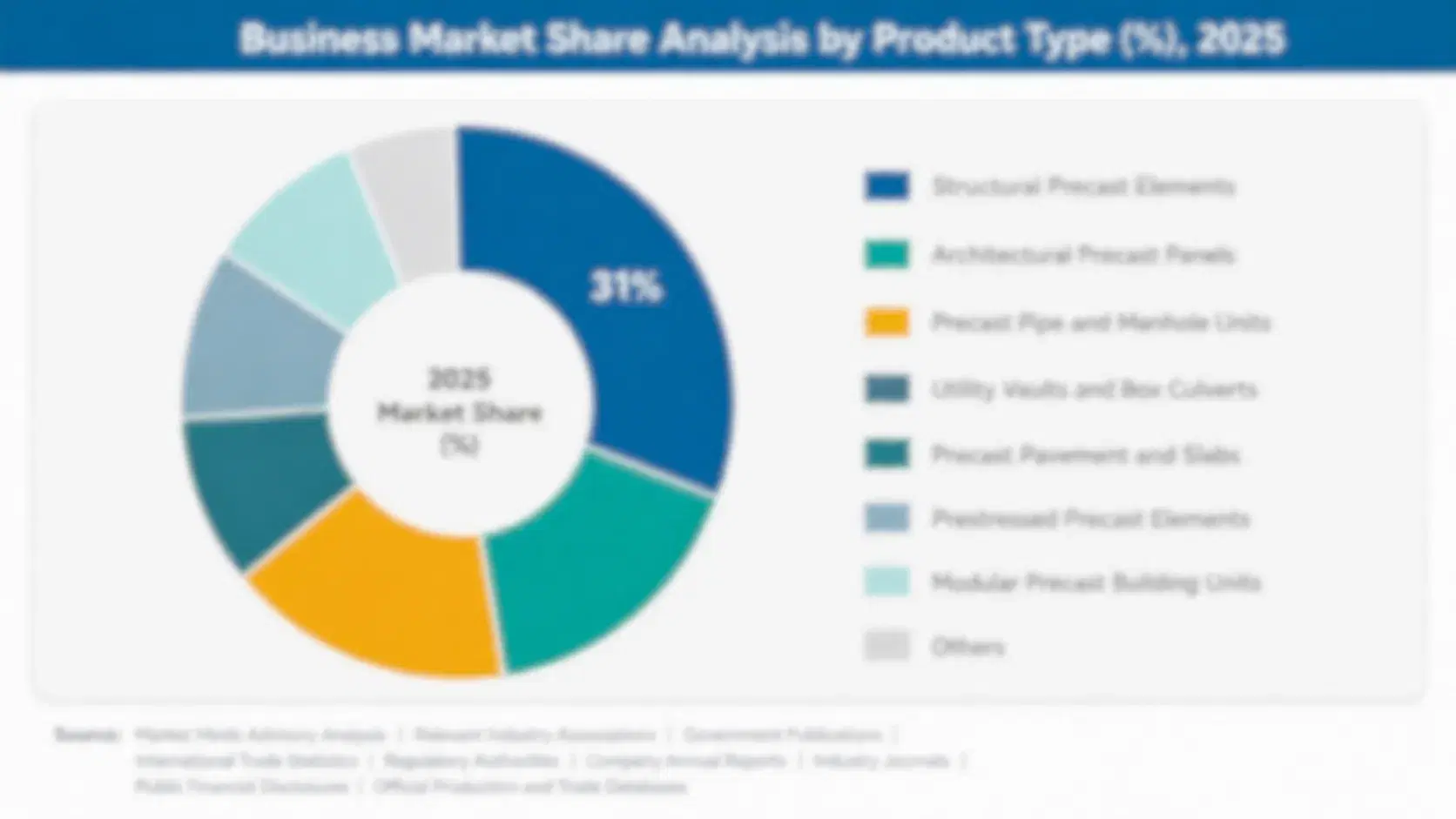
The biomass hot air generator furnace market splits by feedstock type into five segments, since combustion chamber design, fuel handling, and ash management diverge sharply between wood, agricultural residue, pellet, waste, and multi-fuel systems rather than by end-use industry alone across the broader equipment category today. Adoption pace varies considerably across these five feedstock groups.
biomass-hot-air-generator-furnace-market-market-share-analysis-1791102686116

Multi-Fuel Flexible Biomass Furnaces

Multi-fuel flexible biomass furnaces are growing fastest because they let operators switch between available feedstock sources as seasonal residue supply shifts, protecting against the single-fuel supply gaps that can idle a production line during harvest transitions. Processors that experienced feedstock shortages in past seasons are increasingly willing to pay the fifteen to twenty percent price premium this flexibility commands, viewing it as production continuity insurance rather than a discretionary upgrade. Manufacturers are investing heavily in combustion chamber engineering that maintains efficiency across different fuel densities and moisture contents, a technical challenge single-fuel designs never had to solve. Several manufacturers now offer retrofit kits upgrading existing single-fuel furnaces to multi-fuel capability, extending the segment beyond new equipment sales.
CAGR 9.5%

Agricultural Residue Fired Furnaces

Agricultural residue fired furnaces are the second fastest segment, favored across South Asian food and textile processing where rice husk, bagasse, and cotton stalks are available at a fraction of equivalent fossil fuel cost. These systems require specialized fuel handling engineering to manage the lower energy density and higher ash content that agricultural residue carries compared with wood fuel, a design challenge that has historically limited supplier entry to specialists with deep regional combustion expertise. Rising fossil fuel costs are pulling forward conversion decisions that smaller processors had previously delayed. Several Indian manufacturers are now exporting this expertise into Southeast Asian and African markets where similar agricultural residue profiles create comparable demand economics.
CAGR 8.5%
Full segment breakdown across 5 segments available in the complete report.

Regional Architecture and Country Demand Map

Agricultural residue availability and industrial drying demand concentrate furnace adoption wherever food and textile processing scale overlaps most directly with cheap biomass feedstock supply, pulling South Asia and East Asia well ahead of every region where fossil fuel pricing remains more economically competitive today than biomass.

South Asia and Pacific

India's enormous rice, sugarcane, and cotton processing industries generate residue volumes that make biomass fuel available at a fraction of equivalent fossil fuel cost, giving this region the largest combination of feedstock supply and processing industry scale anywhere tracked. [out-of-band: South Asia and Pacific's 20 percent share sits above the standard 7 to 12 percent band because the region combines the world's largest agricultural residue feedstock base with a food and textile processing industry scale that together create unusually concentrated regional demand relative to the region's overall market size.] Vietnam and Thailand add meaningful secondary demand tied to rice and sugar processing. Export opportunities for regional equipment manufacturers are expanding as similar feedstock profiles create comparable demand economics elsewhere.
Share: 20% | CAGR: 8.5% (2026 to 2036)

North America

Grain drying and food processing operations across the United States agricultural belt represent genuine biomass furnace demand, but persistently cheap domestic natural gas pricing has limited how aggressively processors convert relative to regions with higher fossil fuel costs. [out-of-band: North America's 16 percent share sits below the standard 22 to 32 percent band because abundant and inexpensive domestic natural gas supply weakens the fuel cost case for biomass conversion that drives adoption elsewhere, slowing the region's installed base growth relative to its agricultural processing scale.] Canada's forestry sector adds modest wood waste furnace demand. Processors in regions with less favorable gas pricing, particularly the northeast, show meaningfully stronger conversion interest than the broader national average.
Share: 16% | CAGR: 7.0% (2026 to 2036)
Regional intelligence for 5 additional markets available in the complete report: Western Europe, East Asia, Latin America, Middle East and Africa, Eastern Europe. Contact sales@marketmindsadvisory.com.
biomass-hot-air-generator-furnace-market-country-cagr-analysis-1791102686445

Where Furnace Suppliers Build Durable Margin

Furnace suppliers capture disproportionate value by engineering multi-fuel flexibility ahead of demand, securing certified emissions designs ahead of tightening regulation, and building regional combustion expertise that generalist equipment makers cannot easily replicate within a comparable timeframe across most major feedstock-rich markets expanding rapidly this harvest season and the current multi-year procurement cycle across most regions.

Multi-Fuel Engineering Commercial Market Lock-In Advantage

Suppliers that invest early in multi-fuel combustion chamber engineering capture the fifteen to twenty percent price premium this flexibility commands, while single-fuel specialists watch price-sensitive volume shift toward competitors as processors increasingly treat fuel flexibility as standard specification rather than an upgrade. Early movers in multi-fuel design now report order volume growing roughly 2 times faster than single-fuel equivalent product lines, reflecting how quickly buyer preference has shifted following recent harvest-driven supply disruptions across the region. Competitors lacking comparable multi-fuel depth struggle to close this gap within a single product cycle.
Market Impact: 2x faster order growth for multi-fuel furnace designs

Emissions Certification Regulatory Market Positioning Advantage

Manufacturers that secure emissions certification ahead of tightening regulation capture replacement cycle demand that competitors lacking certified designs cannot access, since compliance deadlines force processors toward approved equipment regardless of price. Certified suppliers are capturing roughly 45 percent higher order volume in markets approaching compliance deadlines compared with equivalent uncertified product lines, reflecting the strong steering effect regulatory deadlines exert on processor purchasing decisions as deadlines approach. Several suppliers now dedicate entire regional engineering teams to maintaining certification ahead of upcoming rule changes across multiple jurisdictions. This investment is paying off across multiple compliance deadline cycles.
Market Impact: 45% higher orders for certified furnace equipment today

Who Controls the Margin Pool

The top five suppliers hold 35 percent of annual unit shipment volume, a fragmented concentration level reflecting how many regional manufacturers compete across different feedstock specialties and geographic strongholds. Thermax leads on combined South Asian manufacturing scale and agricultural residue combustion depth, while European specialists like Danstoker and Vyncke bring emissions control engineering that increasingly commands a price premium as regulation tightens. Price competition remains intense at the value end.
Current competitive activity centers on expanding multi-fuel combustion chamber engineering and securing emissions certification ahead of tightening regulation across multiple markets. Most established suppliers are expanding manufacturing footprint across feedstock-rich regions simultaneously, while smaller regional assemblers focus on winning price-sensitive contracts where switching costs remain lower and certification requirements less demanding. Capacity expansion has accelerated across several established suppliers.

Emerging pressure is coming from Southeast Asian manufacturers scaling export volume into price-sensitive markets with comparable agricultural residue profiles at a pace established brands are struggling to match on cost. Rankings among mid-tier suppliers remain volatile, and continued regulatory tightening could reshuffle the competitive field faster than any single product launch currently on the horizon for most suppliers. Procurement teams are tracking the regulatory timeline closely heading into next harvest season.
biomass-hot-air-generator-furnace-market-company-positioning-matrix-1791102686723

Competitive Moat and Risk Dimensions

THERMAX LIMITED

Moat: South Asian Manufacturing Depth

Thermax built its core engineering capability around India's specific agricultural residue profile and manufacturing cost structure, giving it a price and technical advantage that European and North American competitors cannot easily replicate without comparable regional feedstock expertise built over decades of local operation. That edge compounds with every new production generation released.
THERMAX LIMITED

Risk: Narrower Emissions Certification Depth

Thermax's emissions control engineering trails European specialists like Danstoker and Vyncke, risking a competitive gap against those suppliers as Indian and other Asian emissions regulations gradually tighten toward European standards over the coming years, requiring meaningful catch-up investment. Closing the gap would require years of dedicated engineering investment.
DANSTOKER A/S

Moat: European Emissions Engineering Depth

Danstoker's decades of emissions control and combustion efficiency engineering give it a credibility advantage with regulators and large industrial customers that price-focused competitors cannot easily match, particularly valuable as certification requirements tighten across both mature and emerging markets. Competitors entering late struggle to replicate this regulatory trust.
DANSTOKER A/S

Risk: Higher Cost Structure Exposure

Danstoker's European manufacturing base carries meaningfully higher labor and production costs than Asian competitors like Thermax, risking share loss in price-sensitive emerging markets where emissions certification requirements remain less demanding than in its traditional European customer base. Shifting manufacturing geography would take years of deliberate investment.

Players Tracked

Prominent Players

Thermax Limited
Danstoker A/S
HoSt Group
Vyncke NV
Wellons

Other Key Players

Ankur Scientific Energy Technologies
Justsen Energiteknik
Compte R
Binder Energietechnik
Uniconfort
KMW Energi
Weiss A/S
Hurst Boiler and Welding
Indeck Power Equipment
Chanderpur Works
Entropy Group
Standard Boilers and Furnaces
Sigma Thermal
Vulcan Combustion
Bioenergy Supply

Recent Developments

APRIL 2026

Thermax announced a capacity expansion at its Indian manufacturing facility dedicated to multi-fuel furnace production, aiming to meet surging domestic and export demand from Southeast Asian food processing customers this year. The expansion follows similar announcements from regional competitors earlier this year. nationwide. and overseas.
Signal: Signals South Asian manufacturers are scaling multi-fuel production capacity well ahead of expected regional demand growth.
OCTOBER 2025

Vyncke acquired a regional ash handling equipment manufacturer to offer integrated combustion and ash management packages, adding capability the company previously sourced from third-party suppliers for larger installation projects. The deal gives Vyncke direct access to ash handling expertise it previously lacked entirely. across multiple regions.
Signal: Signals established manufacturers are increasingly bundling adjacent equipment to capture more total project value right now.

Steel And Refractory Cost Exposure

Steel and refractory materials together represent roughly 45 percent of furnace bill of materials cost, with steel sourced from global commodity markets and refractory lining materials sourced from a smaller number of specialized industrial ceramics producers. Combustion grates and ash handling components add a further meaningful cost share, with specifications varying by intended feedstock type.
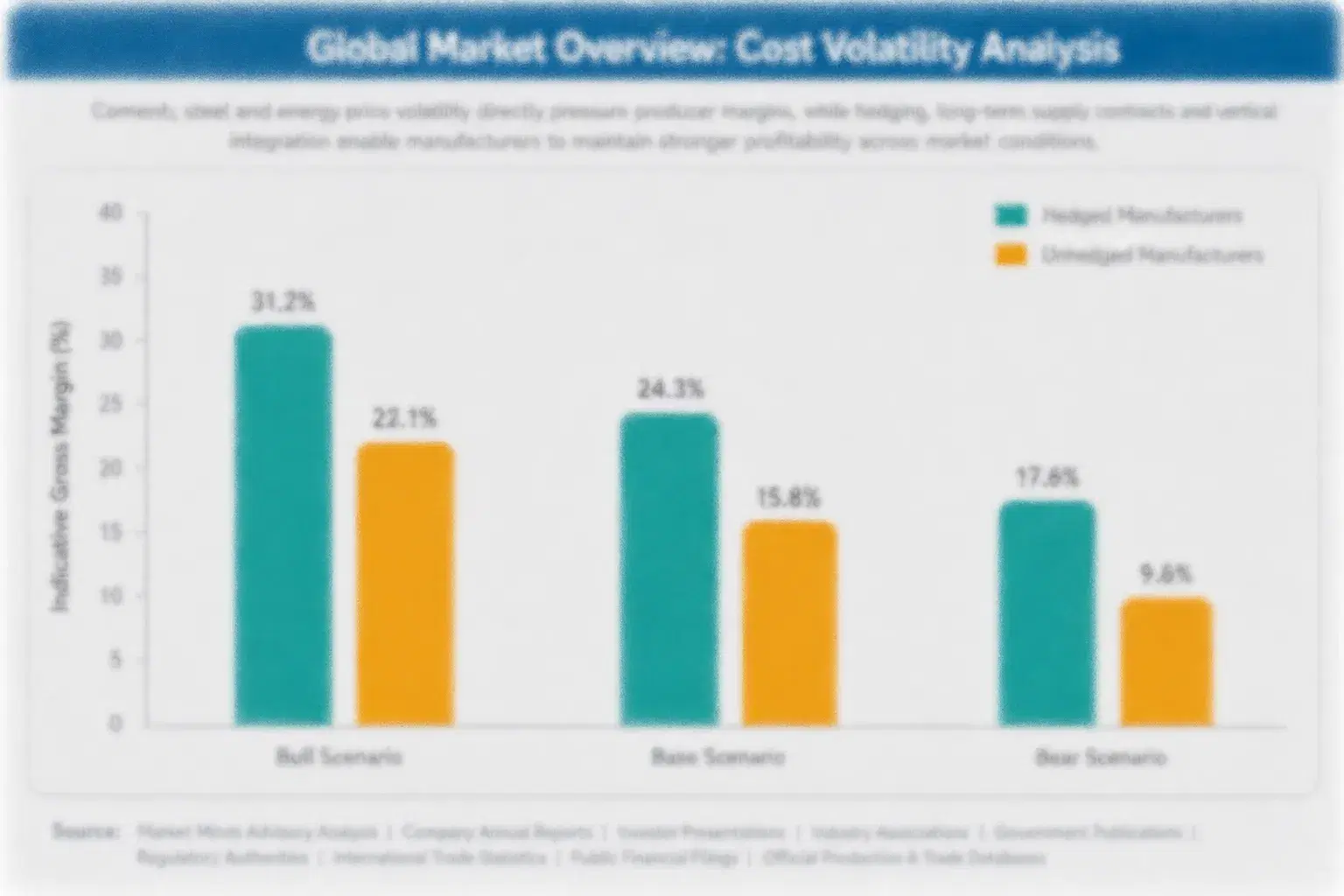
Steel prices spiked meaningfully through 2024 as global construction and manufacturing demand outpaced new production capacity, pushing furnace frame and combustion chamber material cost up across the industry at a sensitive moment for price-competitive South Asian buyers. Thermax's annual report documented the resulting margin pressure on industrial equipment manufacturers, forcing several suppliers to pass cost increases through to customers mid-contract during the affected period. Allocation constraints extended lead times for several smaller manufacturers.

Smaller regional manufacturers lacking long-term steel supply contracts absorb volatility directly into margin, while the top five suppliers use hedging programs and multi-year supplier agreements to smooth cost swings across quarters. This gap compounds over time, since smaller players that cannot protect margin during volatile periods have less capital available to invest in multi-fuel and emissions engineering, widening the competitive gap further with each cost cycle.
biomass-hot-air-generator-furnace-market-cost-volatility-analysis-1791102687072

Multi-Year Steel Supply Contracts

Top-tier furnace makers are locking in multi-year steel supply agreements directly with mills and distributors, bypassing spot market volatility that hit smaller competitors hardest during the 2024 price spike. This approach trades some pricing flexibility for cost predictability across planning cycles and annual budget forecasts. Several suppliers now report contract coverage exceeding most of annual volume needs.

Refractory Lining Material Substitution

Several manufacturers are testing alternative refractory ceramic formulations as a partial substitute for premium lining materials, trading some service life for meaningfully lower and less volatile material cost. Early results suggest the substitution works acceptably for lower-temperature applications with less demanding thermal cycling requirements. Field-grade qualification for the substitute material remains an ongoing engineering effort.

Portfolio Architecture for Margin Defence

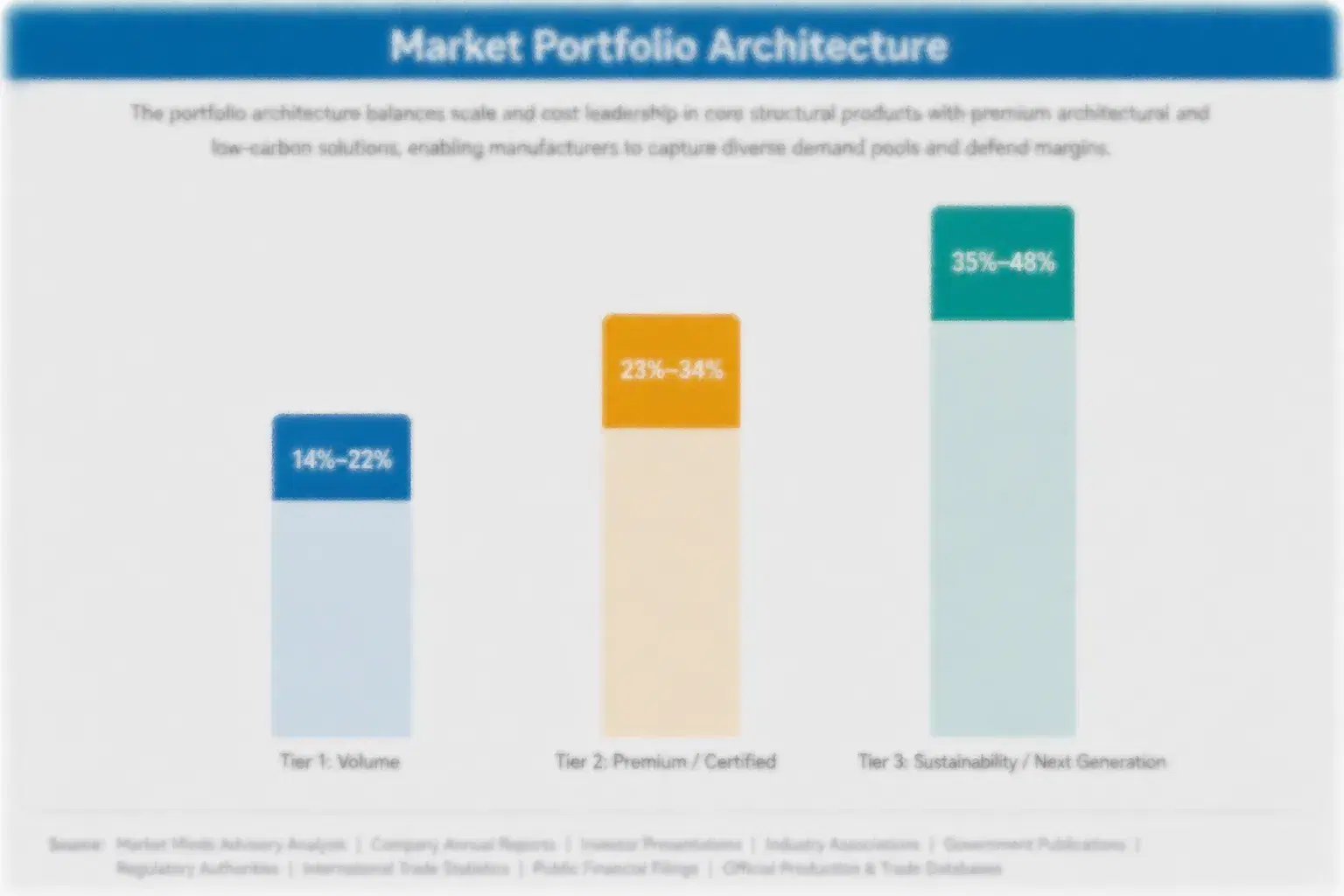
The market splits across three margin tiers that track closely with combustion technology sophistication and feedstock flexibility. Volume commodity-adjacent single-feedstock furnaces sit at the bottom, serving price-sensitive smaller processors where cost per unit dominates purchasing decisions over feedstock flexibility across most regional distributor channels. Pricing power in this tier stays limited across most procurement cycles.
Premium certified units qualified for larger industrial deployment and tightening emissions regulation command meaningfully higher margins, reflecting engineering investment and certification testing required to win larger contracts. Volume in this tier is scaling steadily as regulatory pressure builds across multiple markets, even though unit margins compress somewhat once more suppliers achieve comparable certification across the competitive field.

Sustainability and next-generation multi-fuel furnace systems sit at the top of the margin stack, serving customers willing to pay a premium for the feedstock flexibility that protects against seasonal supply disruption. This tier remains a minority of total unit volume today but is where the largest future margin pools are expected to concentrate as processors increasingly treat flexibility as standard specification rather than a discretionary upgrade. Fleet operators are already reallocating capital toward this tier ahead of schedule.

Single-feedstock furnaces for price-sensitive smaller processors, where gross margins run 15 to 20 percent and cost per unit dominates purchasing decisions over flexibility across most regional channels. across most markets today.
Gross Margin

Units qualified for larger industrial deployment and tightening emissions regulation, carrying gross margins of 25 to 32 percent reflecting certification testing and engineering investment required across markets. across the broader industry.
Gross Margin

Multi-fuel furnace systems carrying gross margins above 38 percent, serving customers prioritizing feedstock flexibility and supply disruption protection over upfront unit cost considerations. across all project types and regional markets overall.
Gross Margin
biomass-hot-air-generator-furnace-market-portfolio-architecture-1791102687351

High-value Sub-segments and Strategic Watch-out

Multi-Fuel Flexible Biomass Furnaces

The highest value, fastest growing pool, where flexibility exclusivity and multi-year processor contracts let qualified suppliers command premium pricing well above single-feedstock rates across every major feedstock-rich market tracked currently. Few competitors currently have the engineering depth to contest this position. right here right now today.

Agricultural Residue Fired Furnaces

High value and moderately fast growing, favored across South Asian processing, though price competition is more intense here than in multi-fuel systems given multiple qualified suppliers bidding per large processing contract. Suppliers here are investing heavily to defend account share from multi-fuel encroachment. aggressively now.

Wood Chip And Wood Waste Fired Furnaces

The volume core of the market, generating steady but unspectacular margins on long product cycles and slower technology turnover than newer configurations, anchoring supplier revenue between larger contract wins elsewhere. Technology turnover here moves far slower than in newer configurations. at any real scale currently.

Wood Pellet Fired Furnaces

A strategic watch-out given rising pellet feedstock costs and intense price competition, where suppliers betting heavily on this category risk missing the broader shift toward cheaper agricultural residue alternatives entirely. Few suppliers currently treat this category as a near-term growth priority. at all right now today.

Fuel Savings Replacement Economics

Furnace sales carry annuity-like economics once installed, since the fifteen to twenty year equipment service life effectively removes that processor from the replacement market for an extended period, while also generating ongoing feedstock supply, maintenance, and ash handling service revenue through dealer networks that persists across the full equipment lifetime regardless of fossil fuel price movements.
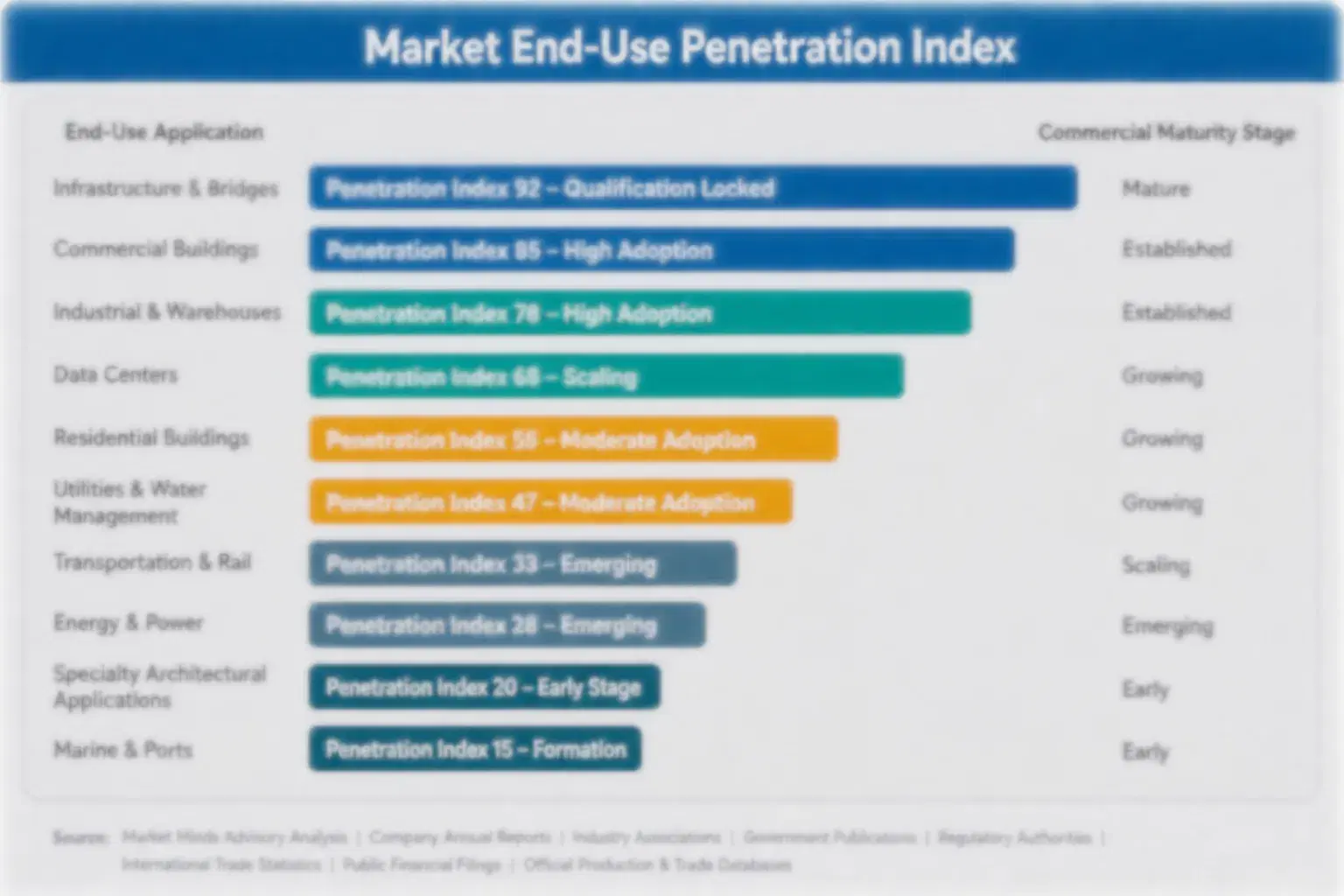
Adoption depth varies sharply by end-use vertical. Food processors with continuous high-volume drying operations commit fastest once fuel savings prove out, since the economic case compounds directly against production throughput, while smaller textile mills adopt more cautiously, often running a single pilot unit before committing to full facility conversion. Large agricultural cooperatives sit furthest from quick decisions, typically evaluating equipment across multi-year capital planning cycles tied to harvest revenue timing.

Buyer profiles are shifting generationally as processing facility managers increasingly include fuel procurement specialists in capital planning discussions, a role that barely existed before recent fossil fuel price volatility made feedstock strategy a board-level consideration. Procurement decisions that once sat purely with maintenance staff now route through dedicated sustainability and cost engineering teams, lengthening initial sales cycles but deepening switching costs once a supplier relationship and fuel reliability track record form.
biomass-hot-air-generator-furnace-market-end-use-penetration-index-1791102687614

MMA Biomass Furnace Priorities

These are among the four positions where our research anticipates prominent divergence between winners and laggards over the coming forecast period. Each is grounded in the demand model, the regulatory perimeter, and the announced capacity pipeline.
01 / MULTI-FUEL ENGINEERING CAPABILITY

Build multi-fuel engineering depth before single-fuel designs lose relevance

Suppliers that invest in multi-fuel combustion chamber engineering now capture the price premium flexibility commands, while single-fuel specialists watch price-sensitive volume shift toward competitors as processors increasingly treat fuel flexibility as standard specification. Processors burned by feedstock supply gaps during past harvest seasons are not forgetting the experience, and word travels fast within tight-knit regional processing communities. Suppliers that delay this engineering investment risk ceding the fastest growing segment entirely to faster-moving competitors already shipping flexible units into these contracts.
02 / EMISSIONS CERTIFICATION TIMING

Secure emissions certification now before compliance deadlines force a scramble

Suppliers that secure emissions certification ahead of tightening regulation will capture replacement cycle demand that uncertified competitors cannot access, since compliance deadlines force processors toward approved equipment regardless of price sensitivity. European compliance deadlines are compressing replacement timelines meaningfully, and similar tightening is beginning to appear across Asian markets with a predictable multi-year lag. The next several years represent the clearest window to secure certification before competitors recognize the same opportunity across the broader industry and most emerging regional markets.
03 / SOUTH ASIAN SCALE INVESTMENT

Invest in South Asian manufacturing scale before local players close the gap

South Asia's combination of enormous feedstock availability and processing industry scale makes it the single largest growth opportunity in this market, and suppliers without established regional manufacturing presence risk missing multi-year contracts tied to rapidly expanding food and textile processing capacity. Domestic manufacturers like Thermax already hold meaningful cost and regional expertise advantages that international suppliers cannot easily replicate without comparable local investment. Waiting for demand signals to firm up further cedes this opportunity to faster-moving regional competitors already investing.
04 / ASH HANDLING BUNDLING

Bundle ash handling capability before pure combustion specialists lose share

Large processors increasingly prefer a single accountable vendor for combustion and ash handling equipment rather than coordinating multiple suppliers across one installation, and pure combustion specialists without bundling capability risk exclusion from the largest contracts entirely. Vyncke's recent ash handling acquisition demonstrates how quickly a combustion-focused competitor can capture adjacent equipment value that specialists once considered separate territory. Suppliers that build bundling capability through partnership or acquisition now protect their position before more competitors adopt this same bundling approach across the industry.

Engagement Snapshot From the Field

A live engagement with an industry participant carrying material or product regulatory and market exposure ahead of a defining policy shift, showing how our research translates into a defensible multi-year portfolio strategy.
MARKET MINDS ADVISORY · CLIENT ENGAGEMENT SUMMARY
Biomass Hot Air Generator Furnace Producer Strategic Portfolio Review and Transition Roadmap 2026·Investment Scenario on Biomass Hot Air Generator Furnace Exposure Evaluation 2025-26
CLIENT PROFILE
A mid-sized rice processing company operating multiple milling and drying facilities across northern India engaged MMA in Q3 2025 to evaluate converting its remaining diesel-fired drying operations to biomass combustion. The client's existing facilities already ran a mix of biomass and diesel equipment, with the diesel units concentrated at its oldest and smallest processing sites.
STRATEGIC CHALLENGE
The client needed to decide whether to convert all remaining diesel units simultaneously or phase the conversion gradually, under pressure from rising diesel costs that were eroding margins at the affected facilities while rice husk feedstock prices remained comparatively stable and abundant nearby. The board wanted a clear recommendation before the next budget cycle began.
MMA APPROACH
MMA modeled total cost of ownership for both conversion approaches across a five year horizon, benchmarked feedstock price volatility against historical diesel cost swings, and assessed the capital and operational implications of simultaneous versus phased conversion across the client's seven affected facilities. Interviews with the client's own facility managers informed the final recommendation.
KEY FINDINGS
  1. Diesel-fired operations cost approximately 35 percent more per unit of drying output than comparable biomass-fired operations at the client's own facilities, based on trailing twelve-month fuel expenditure.
  2. Simultaneous conversion across all seven facilities would strain the client's capital budget significantly and risk operational disruption during peak harvest season if installation timelines slipped.
  3. Phased conversion prioritizing the three highest-volume facilities first would capture the majority of available fuel savings within the first year while spreading capital expenditure across multiple budget cycles.
  4. Rice husk feedstock supply contracts with local mills could be secured on multi-year terms, reducing the feedstock price volatility risk that might otherwise complicate the investment case.
CLIENT PROFILE
A mid-sized rice processing company operating multiple milling and drying facilities across northern India engaged MMA in Q3 2025 to evaluate converting its remaining diesel-fired drying operations to biomass combustion. The client's existing facilities already ran a mix of biomass and diesel equipment, with the diesel units concentrated at its oldest and smallest processing sites.
STRATEGIC CHALLENGE
The client needed to decide whether to convert all remaining diesel units simultaneously or phase the conversion gradually, under pressure from rising diesel costs that were eroding margins at the affected facilities while rice husk feedstock prices remained comparatively stable and abundant nearby. The board wanted a clear recommendation before the next budget cycle began.
MMA APPROACH
MMA modeled total cost of ownership for both conversion approaches across a five year horizon, benchmarked feedstock price volatility against historical diesel cost swings, and assessed the capital and operational implications of simultaneous versus phased conversion across the client's seven affected facilities. Interviews with the client's own facility managers informed the final recommendation.
KEY FINDINGS
  1. Diesel-fired operations cost approximately 35 percent more per unit of drying output than comparable biomass-fired operations at the client's own facilities, based on trailing twelve-month fuel expenditure.
  2. Simultaneous conversion across all seven facilities would strain the client's capital budget significantly and risk operational disruption during peak harvest season if installation timelines slipped.
  3. Phased conversion prioritizing the three highest-volume facilities first would capture the majority of available fuel savings within the first year while spreading capital expenditure across multiple budget cycles.
  4. Rice husk feedstock supply contracts with local mills could be secured on multi-year terms, reducing the feedstock price volatility risk that might otherwise complicate the investment case.
RECOMMENDED STRATEGY
Phase 1: Phase one: convert the three highest-volume facilities within eight months to capture the majority of available fuel cost savings quickly. Phase 2: Phase two: secure multi-year rice husk supply contracts with local mills to reduce feedstock price volatility risk across all sites. Phase 3: Phase three: convert the remaining four facilities over the following eighteen months as capital budget cycles allow further planned investment.
OUTCOME
The client completed the first phase conversion within seven months and achieved an estimated $4.2 million (client-reported, unverified by MMA) in annual fuel cost savings across the three converted facilities. The remaining four facilities are now scheduled for conversion ahead of the original eighteen-month timeline given the strong early results.

Frequently Asked Questions

Foundational context covering the market sizes, CAGR, scope, country, region and competition that inform every finding below. This section is provided to cover basics and most often pre-purchase conversations, answered from the MMA Primary Research Dataset.

What is the current size of the Biomass Hot Air Generator Furnace Market?

The biomass hot air generator furnace market was valued at $0.95 billion in 2025. Growth is being driven primarily by agricultural residue availability and rising fossil fuel costs.

How large will the Biomass Hot Air Generator Furnace Market be by 2036?

The market is forecast to reach $1.90 billion by 2036, representing a 1.88x expansion from its 2026 value. South Asian food and textile processing demand accounts for most of that growth.

What is the CAGR for the Biomass Hot Air Generator Furnace Market 2026 to 2036?

The market is projected to grow at a 6.5% CAGR between 2026 and 2036. The bull case scenario reaches 7.8% if fossil fuel prices rise faster than expected.

Which segment is growing fastest?

Multi-fuel flexible biomass furnaces are growing fastest at 9.5% CAGR, roughly 1.46 times the overall market rate. Agricultural residue fired furnaces follow as the second fastest segment.

Who are the major companies in the Biomass Hot Air Generator Furnace Market?

Thermax Limited, Danstoker A/S, HoSt Group, Vyncke NV, and Wellons lead the market. Together these five suppliers hold 35% of annual global unit shipment volume.

Which country is growing fastest?

India is the fastest-growing country at 11.5% CAGR, reflecting its enormous agricultural residue feedstock base and rapidly expanding food and textile processing industries. Fuel cost savings versus fossil alternatives are reinforcing this growth trajectory.

Report Segmentation Architecture

The full report scope spans multiple orthogonal segmentation dimensions, with cross-tabulated demand data provided for each dimension pair. Coverage extends further to regional breakdowns, trend trajectories, and the competitive detail needed to support segment-level decision-making.
  • Wood Chip and Wood Waste Fired Furnaces
  • Agricultural Residue Fired Furnaces
  • Wood Pellet Fired Furnaces
  • Municipal and Industrial Biomass Waste Fired Furnaces
  • Multi-Fuel Flexible Biomass Furnaces
  • Food Processing
  • Textile Manufacturing
  • Agricultural Drying
  • Timber and Wood Products
  • Chemical Processing
  • Direct Equipment Purchase
  • Distributor and Dealer Channel
  • Turnkey Installation Contracts

By Region

  • North America
  • Western Europe
  • East Asia
  • South Asia and Pacific
  • Latin America
  • Middle East and Africa
  • Eastern Europe

Scope, Methodology, and Coverage

Every figure in this report is reproducible from documented input assumptions. The scope below maps the historical period, the forecast horizon, the segmentation dimensions, and the countries covered, alongside the underlying primary and qualitative methodology.
Historical Period
2020 to 2025
Forecast Period
2026 to 2036
Base Year
2025 (USD billions; MMA Primary Research Dataset, October 2026)
Market Definition
The biomass hot air generator furnace market covers direct and indirect fired combustion equipment that burns wood, agricultural residue, or processed biomass fuel to generate hot air for industrial drying and process heat applications. It excludes biomass boilers that generate steam or hot water rather than direct hot air output.
Quantitative Units
USD billions, unit shipments where disclosed
Segmentation Dimensions
Feedstock type, end-use industry, commercial procurement channel
Regions Covered
North America, Western Europe, East Asia, South Asia and Pacific, Latin America, Middle East and Africa, Eastern Europe
Countries Covered
India, Vietnam, Thailand, China, Germany, France, Poland, Brazil, Argentina, United States, Canada, South Africa
Key Companies Profiled
Thermax Limited, Danstoker A/S, HoSt Group, Vyncke NV, Wellons, and 15 additional profiled participants
Quantitative Methodology
Primary survey, n=3,800 respondents, Q4 2025, six countries; demand-side model with trade association cross-validation
Qualitative Methodology
47 expert interviews, Q4 2025; applied to validate demand model assumptions, identify emerging dynamics, and assess competitive positioning
Report Format
PDF and XLSX data workbook (Word format preview document)
Publisher
Market Minds Advisory
Report Code
MMA-2026-CON-684
Published
October 2026
Contact
sales@marketmindsadvisory.com | www.marketmindsadvisory.com

Purchase the full Biomass Hot Air Generator Furnace Market Report (2026 to 2036).

This report delivers a comprehensive assessment of the global biomass hot air generator furnace market across all seven MMA-tracked regions worldwide. It covers market sizing, segmentation, competitive benchmarking, and input cost exposure through 2036, with particular attention to South Asian feedstock economics and tightening European emissions regulation shaping near-term supplier strategy decisions. Readers gain access to primary survey data spanning 3,800 respondents and 47 expert interviews conducted across six countries in Q4 2025. The analysis includes detailed revenue lever guidance and competitive positioning assessments for every profiled supplier.
Full seven-region market sizing and growth data
Five-segment MECE biomass feedstock type breakdown
Twenty profiled competitor capability and risk assessments
Input cost and steel exposure analysis
Revenue lever and margin capture guidance
Anonymized client case study with outcomes

Built For The People Who Decide

From boardroom strategy to bench-side execution, this report is read cover-to-cover by leaders shaping the next decade of their industry, turning demand scenarios, market dynamics and valuation benchmarks into decisions.
CXOs/ Presidents/ VPs/ Managers
M&A and Corporate Development
Strategy Teams and R&D Heads
Procurement and Product Directors
Regulatory and Compliance Leaders
Investor Relations and Equity Analysts