

Market Minds Advisory
Bio-Based PE Skincare Tubes Market

Bio-Based PE Skincare Tubes Market Size, Share & Trends 2026-2036

Brazil's near-total concentration of global sugarcane-derived bio-polyethylene supply keeps Latin America at the center of this market, while premium skincare brands increasingly specify certified bio-PE tubes for clean beauty positioning.

Lead Analyst

Bilal Shaikh

Published

November 2026

Make Smarter Decisions with Customized Research Insights

Request a free sample report and evaluate market opportunities, growth trends, and competitive dynamics relevant to your business needs.

2025 MARKET VALUE$0.5BMarket Size 2025
2036 FORECAST VALUE$1.5BBase Case , 2026 to 2036
CAGR 2026 TO 203610.8 %Bull 12.1% / Bear 9.5%
INCREMENTAL OPPORTUNITY$0.9BNet 10- year value creation
EXPANSION MULTIPLE2.79x2036 value over 2026 base
Strategic Levers
M&A Pipeline
Regional Outlook
Country Rankings
Competitive Intelligence
Segmental Deep-dive
Call-Us : 91 93563 13602

Bio-Based PE Skincare Tubes Market Overview

Premium clean beauty brands racing to certify renewable packaging content are becoming the single most important source of new bio-based PE tube demand right now, as skincare manufacturers increasingly specify certified sugarcane-derived polyethylene across their product lines this cycle nationwide across most categories and accounts tracked today nationwide.
Custom printed and airless pump tube formats are growing fastest as premium skincare brands specify certified bio-PE formulations across expanding account networks. Latin America anchors an outsized regional share given Brazil's near-total concentration of global sugarcane-derived bio-PE production capacity, with North America following as the second-largest contributor through its established premium skincare brand base, with challengers competing mainly on certified allocation security rather than price alone across most channels tracked today overall.
Competitive character remains highly concentrated given the resin supply chain, with Braskem S.A. holding an exceptional share of global bio-PE feedstock supply ahead of tube converters like Albéa Group and Essel Propack Limited across most application channels tracked closely. Smaller regional converters increasingly struggle to secure consistent certified resin allocation as premium brand compliance expectations tighten each cycle, a pressure that is intensifying as premium.
Market Definition
The bio-based PE skincare tubes market covers squeeze tubes, laminate tubes, caps, and closures manufactured using sugarcane-derived bio-polyethylene for skincare, lotion, and serum packaging applications. This report excludes bio-PE used in other packaging formats such as bags, films, and bottles, covered under separate bio-PE materials reports, and skincare tubes made from bio-based polypropylene or recycled content rather than bio-derived polyethylene specifically.
Base Year Value
$0.5B in 2025 (MMA Primary Research Dataset, October 2026)
Forecast Period
2026 to 2036, eleven discrete annual values
CAGR
10.8% base case. Bull 12.1%. Bear 9.5%.
Fastest Growth Segment
Custom Printed Bio-PE Tubes for Premium Skincare Brands: 14.5% CAGR
Fastest Growth Country
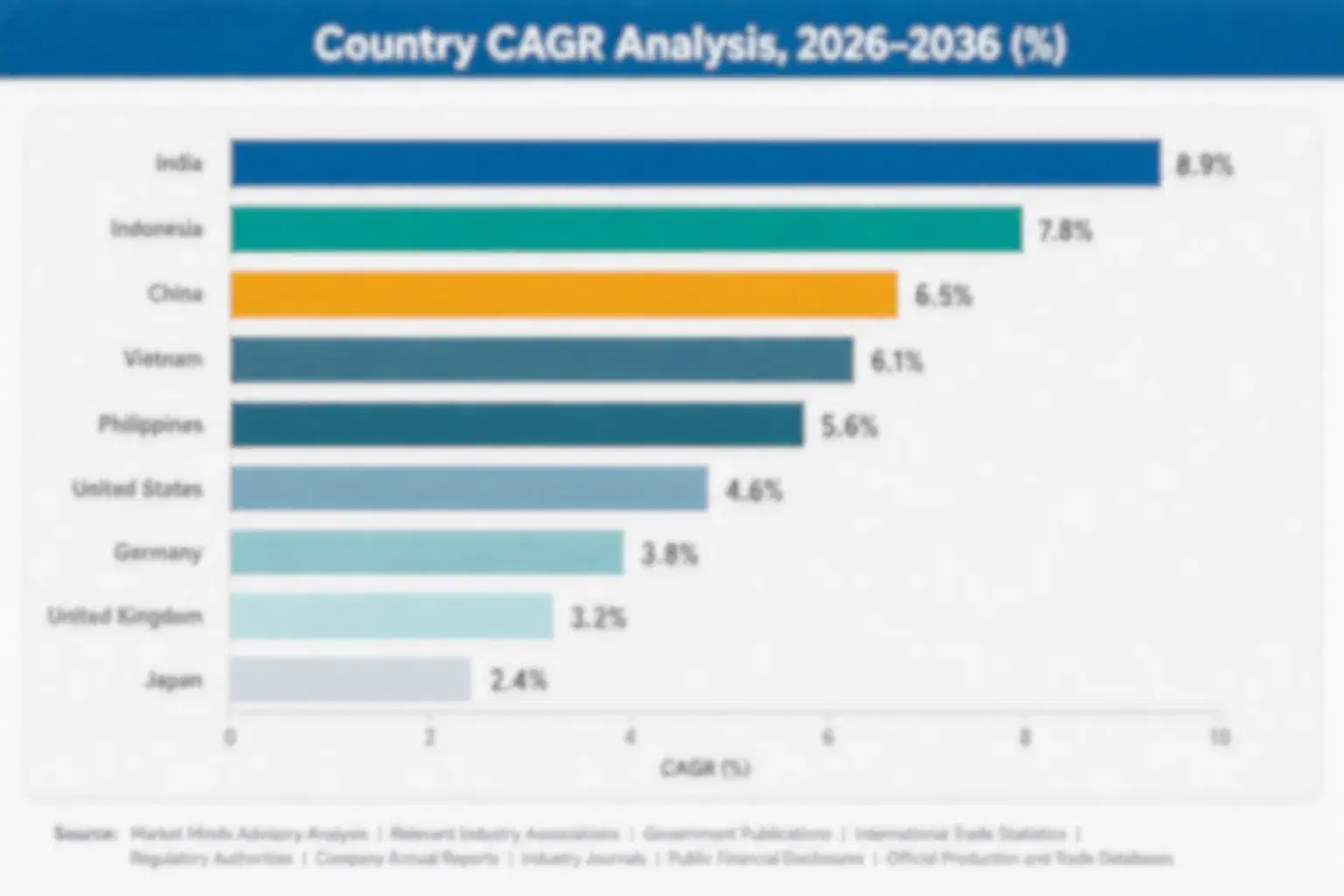
Brazil: 11.5% CAGR
Fastest Growth Region
South Asia and Pacific: 12.8% CAGR
Largest Region
Latin America: 24% of 2025 global value
Market Leaders
Braskem S.A., Albéa Group, Essel Propack Limited, Berry Global, Inc., and Cosmogen SAS lead by production and conversion capacity. Source: MMA Analysis based on company disclosures.
Primary Survey
n=3,800 procurement and R&D decision-makers, Q4 2025, six countries
Methodology
Demand-side build-up, cross-validated against public data, 47 expert interviews

Bio-Based PE Skincare Tubes Market Forecast to 2036

bio-based-pe-skincare-tubes-market-size-forecast-scenario-1791649266420
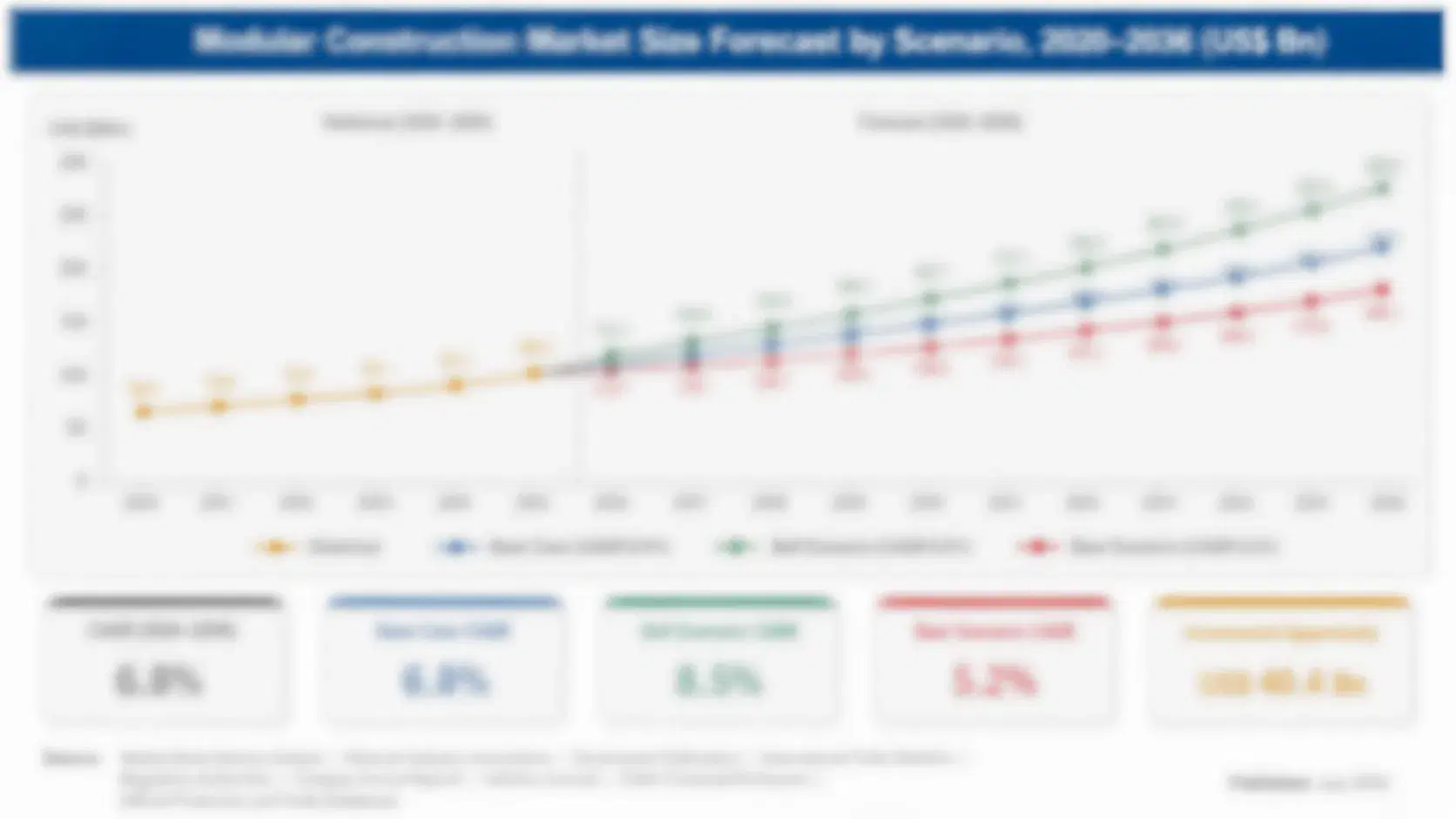
Between 2020 and 2025 the market grew at an estimated 9.5% annually, a period shaped by steady premium brand adoption before custom printed and airless pump formats broadened meaningfully during the final two years as skincare manufacturers began specifying certified bio-PE more consistently across product lines, with momentum building steadily throughout this period nationwide across most product lines nationwide.
The base case assumes 10.8% compound growth through 2036, driven by three reinforcing mechanisms: first, premium skincare brands standardizing certified bio-PE specification as clean beauty positioning widens across more product categories; second, tube converters scaling airless pump capacity as premium dispensing format demand broadens across delivery channels; and third, Brazilian bio-PE producers expanding dedicated resin capacity as global converter demand continues building through the decade ahead, a combination expected to keep.
The bull case rests on faster-than-expected clean beauty adoption pushing more skincare brands toward certified bio-PE formats sooner than currently modeled. The bear case centers on continued reliance on lower-cost conventional petroleum-based PE among price-sensitive mass-market brands, even as overall demand keeps building steadily toward broader certified adoption this cycle nationwide, with early movers positioned to capture disproportionate share as the gap between scenarios becomes clearer over the coming years.

Resin Supply Concentration Decides the Tube Standard

Resin supply reliability and certification consistency, once secondary considerations behind basic tube unit price, have become primary criteria premium skincare brands use to evaluate competing bio-PE tube converters, since a brand recovers a certified converter's modest price premium through fewer costly allocation shortages and fewer production delays tied to inconsistent resin supply across larger order volumes, a dynamic brands increasingly treat as a genuine sourcing risk.
MARKET CONCENTRATION (CR5)48%Top five participants hold this combined share by capacity
AVERAGE SELLING PRICE$0.18Typical wholesale cost a single certified bio-PE tube carries
TOP PRODUCING COUNTRY SHARE61%Brazil's share of global certified bio-PE resin production
CAPACITY UTILIZATION74%Typical utilization rate across certified bio-PE conversion facilities
EXPORT TRADE INTENSITY52%Share of total resin output exported rather than converted domestically
RESIN COST SHARE34-41%Typical bio-PE resin share of total tube production cost
Commercially, the market increasingly rewards converters who can validate consistent resin allocation and certification across varied product lines, since a brand sourcing across several skincare categories avoids costly requalification by standardizing certified specification through a single converter relationship rather than qualifying separate suppliers per category. This standardization advantage is becoming a genuine edge for established converters facing growing entry from smaller regional molders.
Over the next decade, expect continued expansion toward custom printed and airless pump formats, broader mass-market channel penetration beyond premium positioning, and growing demand for converters capable of serving multiple skincare brand accounts from a shared certified resin allocation rather than account-specific capital investment. Converters slow to secure allocation risk losing accounts to better-prepared competitors this decade ahead. The pump tubes market is a useful reference point here, growing from USD 1.3 billion in 2025 to USD 3.16 billion by 2036 at an 8.4% CAGR, according to MMA.
"A skincare brand used to pick tube suppliers mainly on unit cost and basic print quality. Now a single resin allocation shortage can trigger a full supply chain review across an entire product launch calendar, and that shift is reshaping which converters win the next generation of premium beauty contracts."
Director, Cosmetics Packaging Materials Practice · MMA Mono-Material Bio-PE Squeeze Tubes Practice · October 2026

Bio-Based PE Skincare Tubes Adoption Trends

Premium Brands Rapidly Adopt Certified Airless Pump Tube Formats

Major premium skincare brands pursuing clean beauty positioning and renewable content certification are increasingly specifying certified bio-PE airless pump tubes with documented sugarcane-derived content verification, rather than the conventional squeeze tube formats that dominated the category when certified resin supply was smaller in prior years. This shift commands meaningfully higher unit cost than conventional tubes given the added resin certification and dispensing mechanism complexity involved across most qualified converters. Brands report certified airless pump orders now outpacing conventional squeeze tube orders across several major premium accounts tracked this cycle, a clear reversal from just a few years earlier.
Market Impact: Drives roughly 6% of demand

Mid-Tier Converters Rapidly Expand Custom Printed Tube Capacity

Mid-tier tube converters expanding custom printed bio-PE tube capacity to serve growing numbers of premium skincare brand accounts are increasingly specifying dedicated printing and certification infrastructure that enables faster brand qualification, rather than the generic unbranded tube formats originally common among smaller regional molders in prior operating years. This printing shift matters most for converters serving multiple premium brand accounts facing tightening certification expectations across several regional markets. Larger converters are responding with dedicated printing lines that let smaller converters transition without building redundant infrastructure of their own, shortening qualification timelines for converters under brand pressure.
Market Impact: Adds roughly 5% baseline volume

Bio-Based PE Skincare Tubes Market Opportunities

Clean Beauty Positioning Sharply Lifts Certified Demand

Premium skincare brands' deeply established clean beauty positioning strategies, concentrated around renewable content certification and carbon footprint disclosure, continuing to widen certified bio-PE specification across product launches, is turning sugarcane-derived sourcing into a genuine purchasing requirement rather than an optional sustainability upgrade for brands serving premium-positioned categories. This shift has made certification a competitive necessity rather than a differentiator for converters serving multiple premium brand accounts simultaneously across several product lines. MMA estimates this clean-beauty-driven segment will continue outpacing overall market growth by a meaningful margin through the remainder of the forecast period.
Market Impact: Cuts addressable volume by 4%

Brazilian Resin Capacity Expansion Lifts Baseline Global Supply

Brazil's rapidly expanding sugarcane-derived bio-PE resin production capacity, continuing to scale certified export supply across both established and newer production clusters, is lifting baseline global supply independent of any single brand trend, as producers expand facility capacity to handle rising certified resin volumes across diverse converter markets requiring consistent allocation specification. Converters slow to secure certified allocation risk losing accounts to better-prepared competitors across several regions, a gap widening each cycle as brand certification requirements harden further this forecast period, and several converters are already investing in dedicated allocation agreements to capture this demand before competitors respond at comparable scale.
Market Impact: Caps secure allocation growth near 5%

Bio-Based PE Skincare Tubes Growth Barriers

Price Sensitivity Among Mass-Market Brands Slows Conversion

Mass-market skincare brands facing lower-cost conventional petroleum-based PE alternatives not requiring certification investment are increasingly delaying conversion to certified bio-PE formats for routine, lower-visibility product lines, creating a genuine growth ceiling for converters facing the same substitution pressure as larger competitors but lacking comparable budgets to differentiate through certification. The root cause is that conventional PE still offers meaningfully lower unit cost in price-sensitive mass-market applications. Converters are mitigating the pressure by emphasizing accounts where certified demand remains durable, and several report steady success with this targeted approach today, and this targeted focus is letting several converters sustain margin.
Market Impact: Adds 8% airless pump order share

Single-Producer Resin Concentration Complicates Supply Security

Converters scaling bio-PE adoption face a genuine supply security constraint, since certified sugarcane-derived resin supply remains concentrated overwhelmingly within a single Brazilian producer's capacity, creating an allocation risk that converters cannot simply engineer around regardless of brand demand growth. The root cause is that commercial-scale bio-PE production requires capital-intensive fermentation infrastructure that few producers have replicated at comparable scale. Converters are mitigating the constraint by securing long-term allocation agreements and exploring emerging secondary bio-PE producers, with several reporting steady success already, and several industry groups now coordinate shared investment to accelerate emerging secondary producer capacity further.
Market Impact: Cuts brand qualification time by 6%
3 additional market trends, 4 additional growth drivers, and 3 additional restraints and challenges are covered in the full report. Contact sales@marketmindsadvisory.com to access the complete intelligence.

Bio-Based PE Skincare Tubes Segment Growth Rates

The market segments by tube construction type rather than by skincare product category, since mono-material, laminate, closure, pump, and custom printed formats each carry distinct certification and conversion characteristics regardless of the specific skincare formulation packaged. Converters and brands organize sourcing decisions along this construction framework consistently today across most categories, and this framework holds steady across every brand. MMA sizes the tube closures market at USD 2.35 billion in 2025, with growth of 5.6% a year expected through 2036.
bio-based-pe-skincare-tubes-market-market-share-analysis-1791649266720

Custom Printed Bio-PE Tubes for Premium Skincare Brands

Custom printed bio-PE tubes carry documented sugarcane-derived content certification and brand-specific printing tooling for quality-sensitive premium skincare applications, representing the fastest-growing and most innovation-intensive category given the rapid expansion of clean beauty positioning demand across premium brand portfolios worldwide. Major premium skincare brands scaling certified printing programs are the primary buyers, typically justifying the tooling premium through stronger clean beauty positioning that recovers investment through improved customer retention and renewable content disclosure outcomes. Growth here outpaces every other segment because brand specifications continue broadening across new product launches and geographic markets worldwide. Converters investing early in dedicated printing and certification capacity are capturing brand accounts before competitors respond with comparable certified capacity of their own design.
CAGR 14.5%

Airless Pump Tubes with Bio-PE Components

Airless pump tubes combine documented oxidation protection certification with a premium dispensing experience advantage for brands serving high-value serum and anti-aging product categories, delivering a functional advantage that conventional squeeze tubes cannot match for brands serving expanding, compliance-sensitive categories facing rising sustainability expectations across several premium retail channels. Mid-tier premium skincare brands scaling certified pump sourcing programs are significant buyers, typically justifying the modest unit premium through improved product preservation that recovers cost through retained customer accounts and renewal cycles, a pattern expected to strengthen as more brands standardize on certified pump formats across their premium portfolios worldwide this decade MMA expects adoption to broaden further as more brands standardize pump specification across their full premium footprint over the.
CAGR 13.0%
Full segment breakdown across 5 segments available in the complete report.

Bio-Based PE Skincare Tubes Demand by Region

Latin America anchors an outsized regional share given Brazil's near-total concentration of global sugarcane-derived bio-PE resin production, while South Asia and Pacific posts the fastest regional growth rate tracked today, driven by Australia's rapidly expanding clean beauty sector and rising certification investment each year overall.

North America

The United States drives the bulk of this region's demand through its own established premium skincare and clean beauty brand base, as major brands increasingly specify certified bio-PE tubes to match their renewable content disclosure commitments across expanding product launches nationwide. Canada contributes a smaller but steady volume base tied to its own growing premium skincare sector, while Mexico's expanding converting footprint increasingly serves North American brands through certified sourcing partnerships expanding steadily each cycle and across accounts tracked, and chain-level procurement teams increasingly consolidate sourcing across multiple certified converters to simplify logistics and reduce administrative overhead nationwide, and several retail chains now coordinate joint certification audits to simplify supplier onboarding further.
Share: 23% | CAGR: 11.8% (2026 to 2036)

Western Europe

France and Germany anchor Western European demand both as leading premium skincare and cosmetics brand headquarters locations and as established tube conversion manufacturing markets, giving the region meaningful depth on both brand sophistication and converting capacity simultaneously. France's luxury cosmetics concentration is the single clearest demand mechanism, pushing certified bio-PE sourcing faster than almost anywhere else in the region today. The United Kingdom contributes meaningful demand tied to its own premium skincare brand investment underway across the country, with growing contract converting investment reinforcing the region's certified sourcing depth across most member states and categories tracked closely, and several retailers now coordinate joint certification audits to simplify supplier onboarding across the bloc.
Share: 22% | CAGR: 9.3% (2026 to 2036)
Regional intelligence for 5 additional markets available in the complete report: East Asia, South Asia and Pacific, Latin America, Middle East and Africa, Eastern Europe. Contact sales@marketmindsadvisory.com.
bio-based-pe-skincare-tubes-market-country-cagr-analysis-1791649267000

Capturing Share as Resin Scarcity Reshapes Market

Conventional tube margin has compressed as basic formats become commoditized among price-sensitive mass-market brands, so the real commercial opportunity sits in airless pump conversion capture, custom printing expansion, and allocation security innovation across several premium categories tracked. Converters treating certified allocation and printing innovation as core strategy capture new accounts, and early movers compound this edge each cycle.

Securing Long-Term Certified Resin Allocation Agreements

Converters that secure a long-term certified resin allocation agreement with Braskem early typically lock in a multi-year supply advantage worth meaningfully more than converters relying on spot-market resin purchases, since the allocation holder rarely faces the shortage risk that spot-market competitors encounter during periods of tight global bio-PE supply. Albéa and Essel Propack have both built dedicated resin sourcing teams specifically to secure expanding allocation commitments across several premium brand categories, and early movers report winning premium brand accounts at close rates roughly 12% higher than converters without secured allocation this cycle.
Market Impact: Wins premium accounts at a 12 percent higher rate

Expanding Dedicated Sugarcane Content Certification Testing Programs

Converters offering dedicated sugarcane-derived content certification testing programs alongside standard tube contracts are winning premium brand accounts that value this faster verification path above a marginally lower upfront price from a competitor offering only basic unverified bio-content claims and no testing support. This expanded service commands a meaningful premium over standard contracts across several categories tracked, and brands report this capability improving their own sustainability disclosure confidence by roughly 8% compared with brands sourcing from unverified competitors across comparable programs this cycle, and this certification advantage is becoming a standard expectation among brands evaluating new converter relationships.
Market Impact: Improves disclosure confidence by roughly 8 percent overall

Developing Secondary Bio-PE Producer Relationships Quickly

Converters developing relationships with emerging secondary bio-PE producers beyond the dominant Brazilian supplier while maintaining consistent certification commitments are capturing brands who want reliable supply without depending entirely on a single producer regardless of actual allocation conditions facing that one supplier. This diversification innovation commands a meaningful premium over single-producer dependent agreements across several contract types, and brands report this capability cutting their own supply disruption risk by roughly 7% compared with single-producer sourcing alternatives this cycle, and converters report this diversification capability is becoming an explicit shortlist requirement among brands operating across several markets simultaneously.
Market Impact: Cuts supply disruption risk by roughly 7 percent

Offering Phased Volume Pricing for Smaller Skincare Brands

Converters offering phased volume pricing programs specifically for smaller emerging skincare brands facing the same certification pressure as larger competitors but lacking comparable testing budgets are capturing accounts that would otherwise delay certified conversion or continue sourcing cheaper uncertified alternatives across their packaging programs. This phased pricing approach converts smaller brand accounts at rates roughly 8% higher than requiring full upfront capital investment, since the phased structure lets a smaller brand access validated pricing closer to large-account rates over time, and converters report phased structures becoming a standard offering across their smaller-brand sales programs.
Market Impact: Converts smaller accounts at an 8 percent higher rate

Who Captures Bio-Based PE Skincare Tubes Value

Market concentration sits at an exceptionally high CR5 of 48%, reflecting the resin supply chain's unusual structure, with Braskem S.A. holding a dominant share of global certified bio-PE resin production evaluated on resin and conversion capacity ahead of tube converters like Albéa Group and Essel Propack Limited across most application channels tracked today. That concentration reflects the capital intensity of commercial-scale bio-PE fermentation infrastructure that smaller producers cannot replicate quickly.
Current competitive activity centers on three fronts: long-term allocation agreement securing racing to capture converters expanding certified supply commitments, sugarcane content certification testing expansion responding to rising brand verification pressure, and secondary producer relationship development responding to single-supplier concentration risk. Converters increasingly compete on documented allocation security and certification consistency rather than per-unit price alone each cycle tracked closely.

Emerging pressure comes from smaller regional converters offering lower-cost conventional PE tubes without the certified allocation incumbents rely on for premium margin, appealing to price-sensitive mass-market brands across less demanding applications and emerging markets. Rankings could shift if a secondary bio-PE producer achieves comparable commercial scale before incumbents fully capture the premium conversion wave they are currently pursuing across their accounts.
bio-based-pe-skincare-tubes-market-company-positioning-matrix-1791649267312

How Bio-Based PE Skincare Tubes Suppliers Compete

BRASKEM S.A.

Moat: Dominant Global Resin Production Scale

Braskem's near-total concentration of commercial-scale sugarcane-derived bio-PE fermentation capacity gives it a genuine capacity moat that newer entrants without comparable capital-intensive infrastructure struggle to replicate quickly across global converter markets, a gap that typically takes years of accumulated investment for a newer entrant to close.
BRASKEM S.A.

Risk: Single-Point Supply Disruption Risk

Braskem's near-monopoly position leaves the entire market exposed to disruption from a single facility incident or production interruption, a concentration risk that competitors with diversified production footprints across multiple facilities do not face to the same degree, a risk that is intensifying as global demand concentrates further on this one supplier.
ALBÉA GROUP

Moat: Broad Multi-Format Conversion Range

Albéa's combined squeeze, laminate, and airless pump conversion range lets it serve premium brands across varied applications from a single converter relationship, a breadth that competitors offering only one format cannot easily match for brands running varied sourcing programs across categories and channels, a breadth advantage that becomes more valuable as brands consolidate vendor relationships across their networks.
ALBÉA GROUP

Risk: Resin Allocation Exposure Risk

Albéa's dependence on securing adequate certified resin allocation from a concentrated supplier base leaves it more exposed to allocation shortages than competitors with long-term supply agreements already in place, especially where brand demand accelerates faster than available resin supply, a risk intensifying as global brand demand accelerates faster than available certified resin supply.

Players Tracked

Prominent Players

Braskem S.A.
Albéa Group
Essel Propack Limited
Berry Global, Inc.
Cosmogen SAS

Other Key Players

HCT Group
Libo Cosmetics Company
Yonwoo Co., Ltd.
APC Packaging
TriMas Corporation
Silgan Holdings Inc.
AptarGroup, Inc.
Quadpack Industries S.A.
Linhardt GmbH & Co. KG
Tubex GmbH
Intrapac International Corporation
Amcor plc
Huhtamaki Oyj
CCL Industries Inc.
WWP Beauty

Recent Developments

MARCH 2026

Braskem Expands Certified Bio-PE Capacity in Brazil

Braskem S.A. completed a capacity expansion of certified sugarcane-derived bio-PE production infrastructure at its largest Brazilian facility, responding directly to accelerating premium brand demand across major global converter accounts this cycle. The expanded facility reached full certified output within two quarters, with additional phases under internal review.
Signal: Signals accelerating capacity expansion toward global converter demand among the dominant incumbent resin producer this cycle.
DECEMBER 2025

Albéa Forms Long-Term Resin Allocation Agreement

Albéa Group announced a long-term resin allocation agreement with Braskem to secure certified bio-PE supply for its premium skincare tube conversion lines across North American and European accounts, a move expected to reduce supply uncertainty considerably. Both partners expect the arrangement to scale across accounts.
Signal: Signals converter consolidation around secured allocation agreements accelerating among leading incumbent tube converters broadly worldwide across the certified allocation base.
AUGUST 2025

Essel Propack Secures Multi-Year Premium Brand Agreement

Essel Propack Limited signed a multi-year supply agreement with a major European premium skincare brand to deliver certified custom printed bio-PE tubes across its product range starting this year, reinforcing its growing premium account base. The agreement is expected to anchor a meaningful share of output this cycle.
Signal: Signals premium brand consolidation accelerating as skincare buyers increasingly prioritize certified multi-year agreements over spot sourcing arrangements.

Sugarcane Feedstock Supply Exposure

Sugarcane-derived bio-PE resin accounts for roughly 34% to 41% of total tube production cost, sourced almost entirely from Brazilian ethanol fermentation infrastructure concentrated around a single dominant producer's facilities, limiting converter bargaining power on pricing across most allocation negotiations and renewal cycles each year tracked closely across accounts, and converters report this concentration leaves limited room to negotiate favorable terms during allocation cycles.
The 2021 Brazilian drought disruption, driven by unusually dry growing conditions affecting sugarcane yields across major cultivation regions, pushed bio-PE resin production costs up significantly, compressing converter margin industrywide and forcing several tube manufacturers to renegotiate fixed-price allocation agreements mid-cycle during the disruption period, according to Brazil's agricultural ministry disclosures documenting the episode's severity across bio-PE resin markets broadly. This episode reshaped how several converters structure allocation contracts today.

Converters dependent entirely on the single dominant Brazilian producer carry more direct exposure to that specific weather disruption than diversified converters pursuing secondary producer relationships simultaneously, since a diversified converter can shift procurement emphasis toward whichever supplier currently offers the more favorable allocation terms across its broader supplier network. That flexibility increasingly determines which converters retain margin through future disruption cycles each year.
bio-based-pe-skincare-tubes-market-cost-volatility-analysis-1791649267612

Secondary Producer Relationship Diversification

Larger converters are diversifying certified resin procurement by developing relationships with emerging secondary bio-PE producers beyond the dominant Brazilian supplier, reducing dependence on any single production facility and simplifying allocation inventory management considerably across their broader conversion operations, a structure several converters now treat as standard practice, a structure several converters now treat as standard practice industrywide.

Long-Term Forward Allocation Agreements With Braskem

Converters increasingly structure long-term forward allocation agreements directly with Braskem, locking in certified resin supply ahead of anticipated demand growth rather than relying on spot market purchases during periods of weather-driven supply uncertainty, with several allocation partnerships reporting steadier input costs as a direct result of this arrangement, an arrangement several producers now view as mutually beneficial over the.

Portfolio Architecture for Margin Defence

The market organizes into three tiers: a volume tier built on conventional squeeze tubes sold on price, a premium tier built on certified standard bio-PE formats that command a performance-driven price premium, and a next-generation tier built on custom printed and airless pump formats expanding beyond the largest early-adopter premium brand accounts. Gross margin in the next-generation tier runs meaningfully above the volume tier's level across comparable accounts today.
Volume tier competition remains intensely price-driven, with converters competing on consistency and upfront cost, leaving little room for margin expansion absent a shift in brand sustainability priorities. Premium tier demand is growing meaningfully faster as clean beauty positioning and brand certification requirements both push specification toward certified formats, creating real tension for converters deciding how quickly to shift production allocation. Few converters operate credibly across all three tiers simultaneously at scale today.

High-value margin pools concentrate specifically around custom printed and airless pump formats sold under bundled allocation and certification service agreements to brands facing active sustainability scrutiny, a pool that rewards converters with secured resin allocation and service capability and penalizes conventional-format-only specialists regardless of production volume across accounts tracked closely this cycle.

Volume / Commodity-Adjacent Tier

Conventional squeeze tubes sold largely on price and basic function to mass-market brands not yet facing acute sustainability pressure. This tier remains sizable by production volume even as its revenue share declines steadily each year.
Gross Margin: 10-16%

Premium / Certified Tier

Certified standard bio-PE tube formats commanding a performance-driven price premium, serving brands under active sustainability scrutiny across growing categories and several export markets facing rising compliance expectations. These accounts typically commit to multi-year agreements once qualified and onboarded.
Gross Margin: 18-25%

Sustainability / Regulatory / Next-Generation Tier

Custom printed and airless pump formats bundling extended certification performance with allocation security for the largest premium brand accounts, commanding the highest margin in the category. Adoption concentrates among the largest brands facing the most acute sustainability scrutiny today.
Gross Margin: 20-27%
bio-based-pe-skincare-tubes-market-portfolio-architecture-1791649267942

High-value Sub-segments and Strategic Watch-out

Custom Printed Formats With Secured Resin Allocation

Combines the fastest unit growth with the strongest account retention in the category, as brand specifications and secured allocation accelerate conversion across major premium accounts worldwide this cycle, with converters investing early capturing disproportionate share of this expansion and strengthening retention further each cycle among competing converters.
Gross Margin: 18-25%

Sugarcane Content Certification Testing Service Programs

Commands strong margin and growing account retention together as brands increasingly value the verification-speed advantage from dedicated testing across varied categories served across several regions worldwide, with buyers rarely reverting to unverified sourcing once a validated program is established, a pattern expected to strengthen as more brands standardize on.
Gross Margin: 15-22%

Legacy Conventional Squeeze Tube Formats

Represents meaningful production volume today but carries the thinnest margin in the category, facing continuous downward price pressure and gradual, multi-year volume loss across most lower-value mass-market accounts tracked. Margin expansion depends mainly on volume scale rather than differentiation here, and volume stays sizable even so today across accounts.
Gross Margin: 5-10%

Single-Producer Resin Dependency

A genuine strategic watch-out as converters depending entirely on one dominant Brazilian producer face mounting supply disruption risk accelerating across nearly every allocation cycle today, a pattern already playing out across several smaller regional converters currently, and converters slow to diversify sourcing risk losing accounts to better-positioned rivals quickly.

Allocation Relationships Anchor Long Accounts

Once a premium skincare brand secures a certified bio-PE allocation relationship, the resulting converter relationship behaves like an annuity for many years afterward, since switching converters requires requalifying resin certification and allocation security against internal sustainability standards, a costly process most brands avoid absent a serious supply disruption prompting reconsideration of their sourcing partner. Few brands revisit this decision casually once it is made, given the operational cost of requalification involved across product lines. This dynamic strengthens further with every passing renewal cycle.
Adoption depth varies by end-use vertical: large premium and clean beauty brands facing acute sustainability scrutiny adopt certified bio-PE formats comprehensively across their entire product range, mid-size regional brands adopt selectively for their highest-visibility launches, and smaller independent operators remain price-driven and slower to convert absent direct customer pressure of their own driving the purchasing decision.

Buyer profiles are shifting as tube sourcing decisions move from pure procurement authority toward sustainability and brand teams who weigh clean beauty positioning and documented certification credibility alongside raw unit price, a change that rewards converters able to speak credibly to both allocation security and brand sustainability economics in the same conversation today.
bio-based-pe-skincare-tubes-market-end-use-penetration-index-1791649268243

Where MMA Sees the Opportunity

These are among the four positions where our research anticipates prominent divergence between winners and laggards over the coming forecast period. Each is grounded in the demand model, the regulatory perimeter, and the announced capacity pipeline.
01 / SECURED RESIN ALLOCATION CAPTURE

Back converters securing long-term resin allocation early

Secured resin allocation is becoming the clearest growth opportunity in a market where documented supply security determines which converter wins a premium brand's long-term relationship across its full product range. Converters with dedicated resin sourcing teams are identifying and securing these agreements faster than rivals waiting for supply conditions to tighten further, and this gap is widening with each passing renewal cycle. We expect this advantage to compound further as certified demand broadens, with the largest remaining accounts going to converters who invested earliest in allocation security.
02 / SUGARCANE CERTIFICATION EXPANSION

Prioritize certification testing ahead of regional rivals

Sugarcane-derived content certification testing programs are shifting from a niche offering into an explicit purchasing requirement as brands face expanding sustainability-sensitive categories across both developed and emerging export markets alike. Albéa and Essel Propack already treat this testing capability as a core differentiator in their commercial pitch to brands evaluating competing converters each cycle. Converters investing early in this service capability are capturing accounts before competitors can match the documented advantage with comparable offerings of their own design, a pattern expected to strengthen across more categories over the coming cycles.
03 / SECONDARY PRODUCER DIVERSIFICATION

Expand secondary producer relationships across accounts

Secondary bio-PE producer relationships beyond the dominant Brazilian supplier are becoming an explicit purchasing requirement as brands increasingly want reliable supply without depending entirely on a single producer regardless of the actual allocation conditions they face each procurement cycle. Converters investing early in this diversification innovation are capturing accounts before competitors can match the achievement with comparable relationships of their own design and scale. Suppliers expect this pattern to persist as more brands expand supply resilience across multiple producer relationships simultaneously over the coming years.
04 / SMALLER BRAND PHASED CONVERSION

Expand phased pricing to capture smaller skincare brands

Phased volume pricing programs targeting smaller emerging skincare brands facing the same certification pressure as larger competitors but lacking comparable testing budgets represent a reliable and growing opportunity as this pressure continues spreading across the broader brand base worldwide. Berry Global and Cosmogen have both begun piloting these phased structures with selected regional accounts already underway, especially among brands facing the sharpest sustainability exposure. We expect this approach to widen further as more converters recognize smaller accounts as a durable volume source rather than a secondary afterthought.

Engagement Snapshot From the Field

A live engagement with an industry participant carrying material or product regulatory and market exposure ahead of a defining policy shift, showing how our research translates into a defensible multi-year portfolio strategy.
MARKET MINDS ADVISORY · CLIENT ENGAGEMENT SUMMARY
Bio-Based PE Skincare Tubes Producer Strategic Portfolio Review and Transition Roadmap 2026·Investment Scenario on Bio-Based PE Skincare Tubes Exposure Evaluation 2025-26
CLIENT PROFILE
The client operates a regional premium clean beauty skincare brand distributing across North American and European retail accounts, sourcing bio-PE tubes from several converters of varying allocation security and certification credentials (client-reported, unverified by MMA). The client faced mounting pressure from retail partners to secure consistent renewable content supply ahead of an approaching product launch calendar affecting several of its highest-priority product lines.
STRATEGIC CHALLENGE
Leadership needed to decide whether standardizing on a single converter with secured long-term resin allocation across its full product portfolio would strengthen its supply security cost-effectively, or whether maintaining multiple converter relationships without secured allocation remained the more prudent near-term path forward given current budget limits and timing constraints, especially given the industrywide allocation tightness affecting the entire premium beauty segment this cycle.
MMA APPROACH
MMA conducted a supply-security and certification-gap audit across the client's current converter portfolio benchmarked against comparable brands already standardizing on secured allocation relationships, modeled projected supply disruption risk under current and projected global bio-PE demand trajectories, and built a product-line-by-product-line consolidation sequencing plan prioritizing the highest-priority launches first throughout the engagement, concluding with a final leadership readout session.
KEY FINDINGS
  1. The client's existing converter relationships faced a measurable allocation security gap across one of its highest-priority product lines compared with brands already using secured allocation relationships.
  2. Projected supply disruption risk avoidance and launch reliability gains tied to the client's highest-priority product line alone exceeded the projected annual cost premium of secured allocation.
  3. Converter consolidation reduced the client's total sourcing complexity and improved negotiating position, cutting per-unit cost by roughly 6% despite the premium allocation specification adopted.
  4. Sequencing consolidation by launch priority rather than product line size captured the largest early supply security improvement well before the final product line completed its own transition.
CLIENT PROFILE
The client operates a regional premium clean beauty skincare brand distributing across North American and European retail accounts, sourcing bio-PE tubes from several converters of varying allocation security and certification credentials (client-reported, unverified by MMA). The client faced mounting pressure from retail partners to secure consistent renewable content supply ahead of an approaching product launch calendar affecting several of its highest-priority product lines.
STRATEGIC CHALLENGE
Leadership needed to decide whether standardizing on a single converter with secured long-term resin allocation across its full product portfolio would strengthen its supply security cost-effectively, or whether maintaining multiple converter relationships without secured allocation remained the more prudent near-term path forward given current budget limits and timing constraints, especially given the industrywide allocation tightness affecting the entire premium beauty segment this cycle.
MMA APPROACH
MMA conducted a supply-security and certification-gap audit across the client's current converter portfolio benchmarked against comparable brands already standardizing on secured allocation relationships, modeled projected supply disruption risk under current and projected global bio-PE demand trajectories, and built a product-line-by-product-line consolidation sequencing plan prioritizing the highest-priority launches first throughout the engagement, concluding with a final leadership readout session.
KEY FINDINGS
  1. The client's existing converter relationships faced a measurable allocation security gap across one of its highest-priority product lines compared with brands already using secured allocation relationships.
  2. Projected supply disruption risk avoidance and launch reliability gains tied to the client's highest-priority product line alone exceeded the projected annual cost premium of secured allocation.
  3. Converter consolidation reduced the client's total sourcing complexity and improved negotiating position, cutting per-unit cost by roughly 6% despite the premium allocation specification adopted.
  4. Sequencing consolidation by launch priority rather than product line size captured the largest early supply security improvement well before the final product line completed its own transition.
RECOMMENDED STRATEGY
Phase 1: Phase 1 (Months 1 to 4): Consolidate the highest-priority product lines onto a converter with secured resin allocation using the diligence findings identified during the audit. Phase 2: Phase 2 (Months 5 to 8): Consolidate the remaining product lines while renegotiating tube supply into a single bundled multi-year agreement. Phase 3: Phase 3 (Months 9 to 12): Complete optimization and document supply security outcomes for leadership review ahead of the next product launch calendar cycle.
OUTCOME
Within twelve months the client completed consolidation across its full product portfolio, strengthening its supply security position and reporting successful launch reliability outcomes across its highest-priority product lines within the first year of secured allocation (client-reported, unverified by MMA). Leadership credits the phased sequencing with avoiding disruption to ongoing launch operations.

Frequently Asked Questions

Foundational context covering the market sizes, CAGR, scope, country, region and competition that inform every finding below. This section is provided to cover basics and most often pre-purchase conversations, answered from the MMA Primary Research Dataset.

What is the current size of the Bio-Based PE Skincare Tubes Market?

The market reached an estimated $0.48 billion globally in 2025, covering squeeze tubes, laminate tubes, and closures manufactured using sugarcane-derived bio-polyethylene for skincare packaging worldwide.

How large will the Bio-Based PE Skincare Tubes Market be by 2036?

MMA projects the market will reach approximately $1.48 billion by 2036, roughly 2.79 times its 2026 base of $0.53 billion as clean beauty positioning and resin capacity both continue expanding.

What is the CAGR for the Bio-Based PE Skincare Tubes Market 2026 to 2036?

The market is projected to grow at a 10.8% compound annual growth rate between 2026 and 2036, with a bull case of 12.1% and a bear case of 9.5% depending on adoption pace.

Which segment is growing fastest?

Custom printed bio-PE tubes for premium skincare brands are growing fastest at a 14.5% CAGR, roughly 1.3 times the overall market rate, as brands specify certified branded formats for clean beauty positioning.

Who are the major companies in the Bio-Based PE Skincare Tubes Market?

Braskem, Albéa, Essel Propack, Berry Global, and Cosmogen lead the market, together holding an estimated 48 percent combined production share across major categories tracked worldwide.

Which country is growing fastest?

Brazil is growing fastest at an estimated 11.5% CAGR as its near-total concentration of global bio-PE resin production drives expanding certified export capacity amid rising converter demand.

Bio-Based PE Skincare Tubes Segmentation by Type and Use

The full report scope spans multiple orthogonal segmentation dimensions, with cross-tabulated demand data provided for each dimension pair. Coverage extends further to regional breakdowns, trend trajectories, and the competitive detail needed to support segment-level decision-making.

By Primary Market Dimension

  • Mono-Material Bio-PE Squeeze Tubes
  • Laminate Tubes with Bio-PE Barrier Layer
  • Bio-PE Tube Caps and Closures
  • Airless Pump Tubes with Bio-PE Components
  • Custom Printed Bio-PE Tubes for Premium Skincare Brands

By End-Use Industry

  • Premium and Luxury Skincare
  • Mass-Market Skincare and Personal Care
  • Clean Beauty and Natural Cosmetics
  • Dermocosmetics and Pharmacy Skincare

By Commercial Dimension

  • Direct Brand Supply Contracts
  • Distributor Agreements
  • Resin Allocation Security Agreements
  • Phased Volume Pricing Contracts

By Region

  • North America
  • Western Europe
  • East Asia
  • South Asia and Pacific
  • Latin America
  • Middle East and Africa
  • Eastern Europe

Scope, Methodology, and Coverage

Every figure in this report is reproducible from documented input assumptions. The scope below maps the historical period, the forecast horizon, the segmentation dimensions, and the countries covered, alongside the underlying primary and qualitative methodology.
Historical Period
2020 to 2025
Forecast Period
2026 to 2036
Base Year
2025 (USD billions; MMA Primary Research Dataset, October 2026)
Market Definition
This report covers squeeze tubes, laminate tubes, caps, and closures manufactured using sugarcane-derived bio-polyethylene for skincare, lotion, and serum packaging applications. This report excludes bio-PE used in other packaging formats such as bags, films, and bottles, covered under separate bio-PE materials reports, and skincare tubes made from bio-based polypropylene or recycled content rather than bio-derived polyethylene specifically.
Quantitative Units
USD billions (current prices); tube volume in millions of units; export trade intensity by percent
Segmentation Dimensions
By Primary Market Dimension; By End-Use Industry; By Commercial Dimension; By Region
Regions Covered
North America, Western Europe, East Asia, South Asia and Pacific, Latin America, Middle East and Africa, Eastern Europe
Countries Covered
USA, Canada, Mexico, Brazil, Argentina, Germany, France, UK, China, Japan, South Korea, Australia, India, Vietnam, Thailand, UAE, Saudi Arabia, South Africa, Poland, Romania, Czech Republic, and additional markets relevant to this sector
Key Companies Profiled
Braskem S.A., Albéa Group, Essel Propack Limited, Berry Global, Inc., Cosmogen SAS, HCT Group, Libo Cosmetics Company, Yonwoo Co., Ltd., APC Packaging, TriMas Corporation, Silgan Holdings Inc., AptarGroup, Inc., Quadpack Industries S.A., Linhardt GmbH & Co. KG, Tubex GmbH, Intrapac International Corporation, Amcor plc, Huhtamaki Oyj, CCL Industries Inc., WWP Beauty
Quantitative Methodology
Primary survey, n=3,800 respondents, Q4 2025, six countries; demand-side model with trade association cross-validation
Qualitative Methodology
47 expert interviews, Q4 2025; applied to validate demand model assumptions, identify emerging dynamics, and assess competitive positioning
Report Format
PDF and XLSX data workbook (Word format preview document)
Publisher
Market Minds Advisory
Report Code
MMA-2026-PAC-780
Published
October 2026
Contact
sales@marketmindsadvisory.com | www.marketmindsadvisory.com

Purchase the full Bio-Based PE Skincare Tubes Market Report (2026 to 2036).

This report delivers a complete market model for the bio-based PE skincare tubes market, including segment-level and regional forecasts through 2036 alongside the five-year historical base across conventional and certified formats. It profiles twenty global tube converters and resin producers, benchmarking competitive positioning on allocation security, certification depth, and premium brand relationship scale. The report quantifies the clean-beauty-driven conversion opportunity by region and models bundled allocation and certification service contract economics against conventional formats. A dedicated chapter models single-producer resin concentration risk, with quantified procurement cost estimates by sourcing strategy.
Segment and regional forecasts through 2036
Twenty-converter competitive benchmarking on allocation security
Clean-beauty-driven conversion opportunity sizing by region
Bundled allocation and certification contract economics modeling
Single-producer resin concentration risk analysis chapter
Downloadable data workbook with full regional detail

Built For The People Who Decide

From boardroom strategy to bench-side execution, this report is read cover-to-cover by leaders shaping the next decade of their industry, turning demand scenarios, market dynamics and valuation benchmarks into decisions.
CXOs/ Presidents/ VPs/ Managers
M&A and Corporate Development
Strategy Teams and R&D Heads
Procurement and Product Directors
Regulatory and Compliance Leaders
Investor Relations and Equity Analysts