Market Minds Advisory
Bio-Based Fresh Food Wraps Market

Bio-Based Fresh Food Wraps Market Demand Analysis 2026-2036

PLA cling film, beeswax-coated fabric, and compostable produce bags are displacing petroleum-based plastic wrap, as plastic-bag restrictions and consumer sustainability demand converge on a category once dominated entirely by polyethylene film.

Lead Analyst

Bilal Shaikh

Published

November 2026

Make Smarter Decisions with Customized Research Insights

Request a free sample report and evaluate market opportunities, growth trends, and competitive dynamics relevant to your business needs.

2025 MARKET VALUE$0.9BMarket Size 2025
2036 FORECAST VALUE$2.7BBase Case , 2026 to 2036
CAGR 2026 TO 20369.8 %Bull 11.0% / Bear 8.5%
INCREMENTAL OPPORTUNITY$1.6BNet 10- year value creation
EXPANSION MULTIPLE2.55x2036 value over 2026 base
Strategic Levers
M&A Pipeline
Regional Outlook
Country Rankings
Competitive Intelligence
Segmental Deep-dive
Call-Us : 91 93563 13602

Bio-Based Fresh Food Wraps Demand Outlook

Bio-based fresh food wraps are moving from a niche home-sustainability purchase into standard supermarket produce-aisle packaging, as PLA cling film and compostable produce bags finally match the cling and moisture-barrier performance of plastic wrap at a cost retailers can justify at scale across most major retail categories.
Commercial pressure comes from three directions: supermarket chains replacing plastic produce bags under tightening plastic-bag restrictions, premium consumer brands building entire product lines around beeswax and PLA-based kitchen wraps, and food-service operators seeking compostable wrap film that satisfies both food-safety and sustainability requirements simultaneously. Compostable produce bag films are the fastest-growing of six tracked product types, concentrated among supermarket chains standardizing bag specifications across their full produce-aisle footprint.
Competitively, specialty bioplastics resin producers with deep formulation chemistry are defending share against consumer-brand challengers who built direct-to-consumer followings around beeswax wraps specifically. Regulatory tailwinds keep building on two fronts: expanding plastic-bag and film restrictions across North America, Europe, and parts of Asia, and retailer sustainability scorecards that increasingly reward verified compostable content over conventional polyethylene film. Several newer entrants are competing directly on certification speed alone now today across the board.
Market Definition
The bio-based fresh food wraps market covers PLA-based cling film, beeswax-coated fabric wraps, compostable produce bag film, and plant-based elastic food covers used for household, retail, and food-service fresh food wrapping. It excludes conventional petroleum-based plastic cling film and rigid bio-based containers not based on a flexible wrap format. For scale, MMA values the elastic films market at USD 3.4 billion in 2025 and expects it to reach USD 6.8 billion by 2036.
Base Year Value
$0.9B in 2025 (MMA Primary Research Dataset, October 2026)
Forecast Period
2026 to 2036, eleven discrete annual values
CAGR
9.8% base case. Bull 11.0%. Bear 8.5%.
Fastest Growth Segment
Compostable Produce Bag Films: 12.5% CAGR
Fastest Growth Country
India: 11.5% CAGR
Fastest Growth Region
South Asia and Pacific: 11.8% CAGR
Largest Region
North America: 28% of 2025 global value
Market Leaders
NatureWorks LLC, Novamont S.p.A., TIPA Corp Ltd, BioBag International AS, Bee's Wrap. Source: MMA Analysis based on company annual reports.
Primary Survey
n=3,800 procurement and R&D decision-makers, Q4 2025, six countries
Methodology
Demand-side build-up, cross-validated against public data, 47 expert interviews

Bio-Based Fresh Food Wraps Market Forecast to 2036

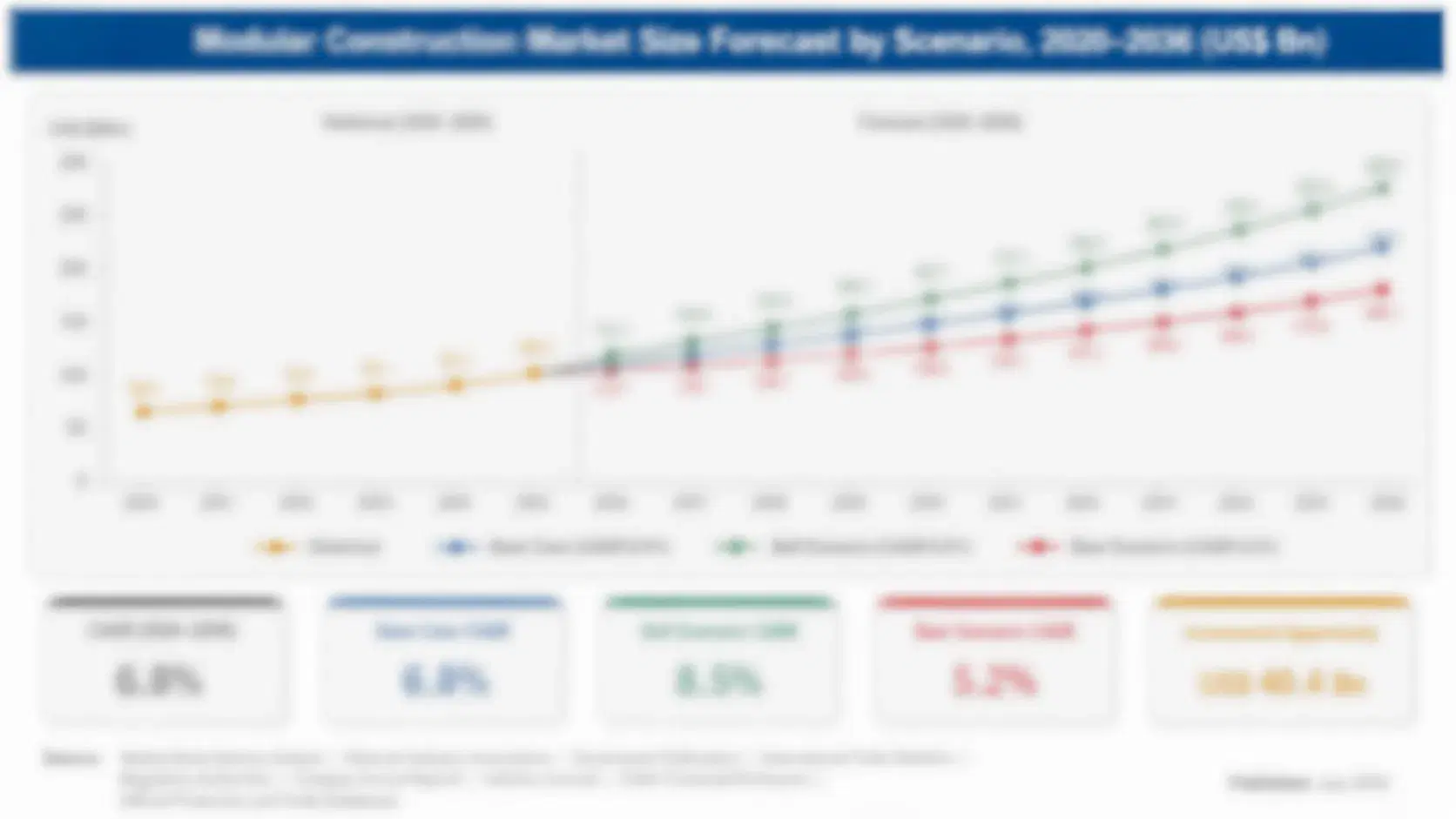
bio-based-fresh-food-wraps-market-size-forecast-scenario-1791560338749
Between 2020 and 2025, bio-based fresh food wraps grew steadily as premium consumer brands introduced beeswax and PLA-based alternatives to mainstream retail, while most supermarket produce-bag volume continued relying on conventional plastic film until plastic-bag restrictions created a clearer compliance timeline across major markets, a gradual build that set the stage for the faster standardization now underway across the category.
The base case assumes three mechanisms hold through 2036: plastic-bag and film restrictions keep expanding across North America, Europe, and parts of Asia, supermarket chains keep standardizing compostable produce-bag specifications across their full store networks, and PLA and beeswax wrap performance keeps closing the remaining gap with conventional plastic film on cling and moisture-barrier properties. Together these push bio-based wraps into a default specification across most major retail channels industry-wide.
The bull case assumes a major supermarket chain mandates compostable produce bags across its entire national footprint within two years, pulling category volume sharply higher almost overnight. The bear case assumes cheaper recycled-plastic alternatives mature faster than expected, offering retailers a lower-cost compliance option that competes directly with bio-based wraps on price, slowing bio-based adoption outside markets where regulation already mandates compostable alternatives.

Why Plastic Wrap Is Losing Its Default Status

Bio-based fresh food wraps sit downstream of three converging forces: plastic-bag restrictions pushing supermarkets away from conventional polyethylene film, consumer sustainability demand lifting premium beeswax and PLA wrap sales well beyond early-adopter households, and resin producers finally closing the cling and barrier-performance gap between bio-based and conventional plastic film. Manufacturers that once sold only conventional plastic wrap are now qualifying bio-based extrusion lines, a step that requires feedstock-sourcing and formulation expertise legacy film operations never needed. This dynamic also shapes the paper-based fresh food wraps market, valued by MMA at USD 0.7 billion in 2025 and expected to reach USD 1.46 billion by 2036.
TOP PRODUCING COUNTRY SHARE28%United States anchors the largest share of qualified production
MARKET CONCENTRATION (CR5)33%Leading five manufacturers hold well under half share
AVERAGE SELLING PRICE$4.20 per kilogramBio-based film prices well above conventional plastic wrap
CAPACITY UTILIZATION74%Specialty film lines run near full qualified capacity
FEEDSTOCK SHARE OF COGS41%Corn-derived resin and beeswax inputs dominate conversion cost
TRADE INTENSITY55% cross-borderMost finished film crosses borders before final retail sale
Commercially, this remains a specialty materials market rather than a broad commodity one. A handful of diversified bioplastics resin producers dominate qualified film volume, while consumer brands increasingly build direct-to-consumer retail relationships around beeswax and fabric-based formats resin producers do not supply directly. Average selling prices for bio-based film run well above conventional plastic wrap, and compostability certification, not unit price alone, increasingly determines which suppliers win large retail-chain contracts. Linked demand sits in the bio-based sealant films market, projected by MMA to reach USD 2.1 billion by 2036 on a 9.4% CAGR.
Over the next decade, expect bio-based wraps to move from a premium consumer specialty into a default specification across most major supermarket produce-aisle and food-service wrap categories. Regulatory convergence between North American plastic-bag restrictions and expanding Asian compostability standards will likely standardize bio-based content requirements faster than manufacturers currently expect.
"Consumers bought beeswax wraps because they liked the idea of it; supermarkets are switching produce bags because the regulation finally gives them no other option that still clears the shelf fast enough."
Director, Sustainable Packaging and Materials Practice · MMA Sustainable Packaging & Materials Practice · October 2026

What Is Changing in Bio-Based Fresh Food Wraps

Supermarket Chains Standardize Compostable Produce Bags

Several major supermarket chains have begun standardizing compostable produce bag specifications across their full store networks, extending pilots that started in flagship urban locations into suburban and rural stores that previously continued using conventional plastic bags by default. This standardization is pulling manufacturer selection toward suppliers who can guarantee consistent film performance and compostability certification across thousands of stores simultaneously, since a supply interruption at chain scale would disrupt produce-department operations broadly. Chains that completed standardization now cite it directly in corporate sustainability reporting, reinforcing the case for further expansion. Measured on its own, the bio-based produce films market is valued by MMA at USD 1.1 billion in 2025, heading to USD 2.78 billion by 2036.
Market Impact: Expands restrictions across 15+ jurisdictions
Direct-to-Consumer Brands Expand Beeswax Wrap Retail

Premium direct-to-consumer brands built around beeswax-coated fabric wraps have expanded from online-only sales into mainstream grocery and specialty retail shelf space, broadening the category beyond the early-adopter households that drove initial demand. This retail expansion is pulling manufacturer attention toward fabric-coating capability that differs meaningfully from the resin-extrusion expertise PLA film producers have traditionally built, creating a distinct competitive track within the broader category. Brands that secured major retail distribution agreements are capturing volume at a pace well beyond what direct-to-consumer sales alone could support This divergence in capability requirements is reshaping how competitors invest across the category.
Market Impact: Lifts sales by 24%

Where the Bio-Based Fresh Food Wraps Opportunity Lies

Plastic Bag Restrictions Expand Across Major Markets

Plastic bag and thin-film restrictions have expanded across North America, Europe, and parts of Asia over the past several years, creating direct compliance pressure for supermarkets and food retailers still relying on conventional plastic produce bags and wrap film across their operations. Retailers facing the broadest restriction scope are moving fastest to adopt bio-based alternatives, since compliance increasingly covers wrap film and produce bags together rather than treating them as separate packaging categories subject to different rules. This is pulling bio-based wrap adoption into categories the earliest restrictions did not target directly.
Market Impact: Adds roughly 40% cost premium

Consumer Sustainability Demand Lifts Premium Wrap Sales

Consumer demand for sustainable kitchen products has grown steadily as household sustainability awareness expands beyond early-adopter demographics into mainstream grocery shopping behavior across most developed markets. Premium beeswax and PLA-based wrap brands have captured a growing share of this expanding demand, since kitchen wrap purchases are frequent and visible enough that consumers treat the choice as a recurring sustainability statement rather than a one-time decision. This consumer-demand driver is durable rather than cyclical, giving wrap manufacturers a predictable baseline to plan retail-distribution investment against regardless of short-term economic conditions This trend is strengthening as retail distribution continues broadening nationwide.
Market Impact: Trails barrier life by 20%

Bio-Based Fresh Food Wraps Market Restraints

Cost Premium Still Limits Mainstream Household Adoption

Bio-based wraps still carry a substantial cost premium over conventional plastic cling film, a gap price-sensitive mainstream households find harder to justify than premium, sustainability-motivated early adopters. The root cause is both feedstock and manufacturing scale: bio-based resin and beeswax-coated fabric production costs more per unit than petroleum-based film extrusion, and production volume has not yet reached the scale needed to close this gap through efficiency alone. This keeps adoption concentrated among sustainability-motivated consumers. Manufacturers mitigate this with smaller, lower-cost starter packs letting price-sensitive consumers trial the format for everyday grocery purchases.
Market Impact: Adds bags across 4,000+ store locations

Performance Still Trails Plastic on Extended Moisture Barrier

Bio-based wraps, even with improved formulations, still trail conventional plastic film on extended moisture-barrier performance, particularly for long-duration refrigerated storage where plastic film's superior barrier properties matter most to consumers managing food waste. The underlying cause is material structure: PLA and beeswax-coated fabric fundamentally behave differently than petroleum-based film on long-term moisture retention, and no formulation change fully eliminates this difference for the most demanding storage applications. This limits bio-based adoption in categories requiring extended refrigerated storage specifically. Manufacturers are mitigating this with multi-layer formulations that improve barrier performance without abandoning compostability entirely.
Market Impact: Adds retail distribution across 2,000+ stores
3 additional market trends, 4 additional growth drivers, and 2 additional restraints and challenges are covered in the full report. Contact sales@marketmindsadvisory.com to access the complete intelligence.

Fastest-Growing Bio-Based Fresh Food Wraps Segments

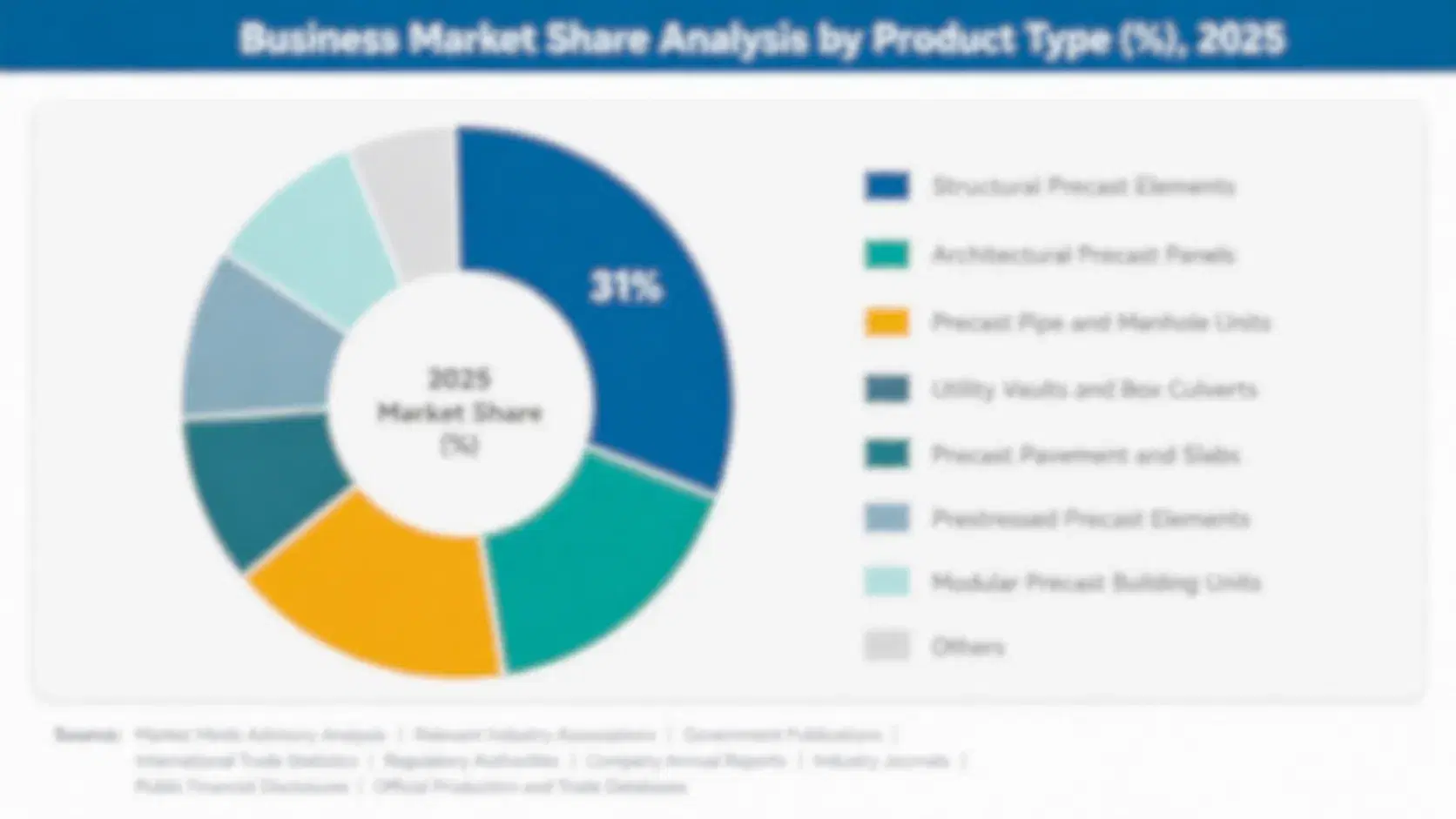
MMA segments the bio-based fresh food wraps market by product format rather than by distribution channel, since the same resin and fabric-coating technologies serve household, retail, and food-service applications once a manufacturer commits to bio-based wrap production. Six formats are tracked; compostable produce bags and supermarket wrap film are growing fastest as retail standardization scales nationwide. MMA projects the compostable produce films market to grow at an 11.0% CAGR through 2036, reaching USD 5.67 billion.
bio-based-fresh-food-wraps-market-market-share-analysis-1791560339101

Compostable Produce Bag Films

Compostable produce bag films replace conventional polyethylene produce bags with bio-based film that composts under standard municipal or home composting conditions, serving supermarket produce departments facing tightening plastic-bag restrictions across most major retail markets. Demand concentrates among large supermarket chains standardizing bag specifications across their full store networks, where a single bag format change affects millions of daily customer transactions simultaneously. Growth runs well ahead of every other tracked format as plastic-bag restrictions and retailer sustainability positioning both intensify at once, a combination pulling adoption from regulatory and commercial directions simultaneously. Manufacturers who can supply consistent film performance across thousands of stores are winning the largest multi-year supply contracts as restrictions continue to broaden.
CAGR 12.5%

Retail Supermarket Wrap Film

Retail supermarket wrap film covers deli, bakery, and meat-counter wrapping applications beyond basic produce bags, requiring different barrier and cling performance characteristics tailored to each specific food category being wrapped at the counter. Demand concentrates among supermarket chains extending bio-based specifications from produce bags into adjacent wrap categories as part of a broader packaging-sustainability programme. Growth trails produce bag films only slightly and remains well above the category average as retailers standardize bio-based formats across increasingly broad portions of their in-store wrapping operations. Manufacturers with format-specific formulation capability are winning multi-year contracts from chains consolidating their wrap-film vendor base across additional store formats as the broader rollout continues to scale nationwide.
CAGR 11.0%
Full segment breakdown across 6 segments available in the complete report.

Bio-Based Fresh Food Wraps Market by Country

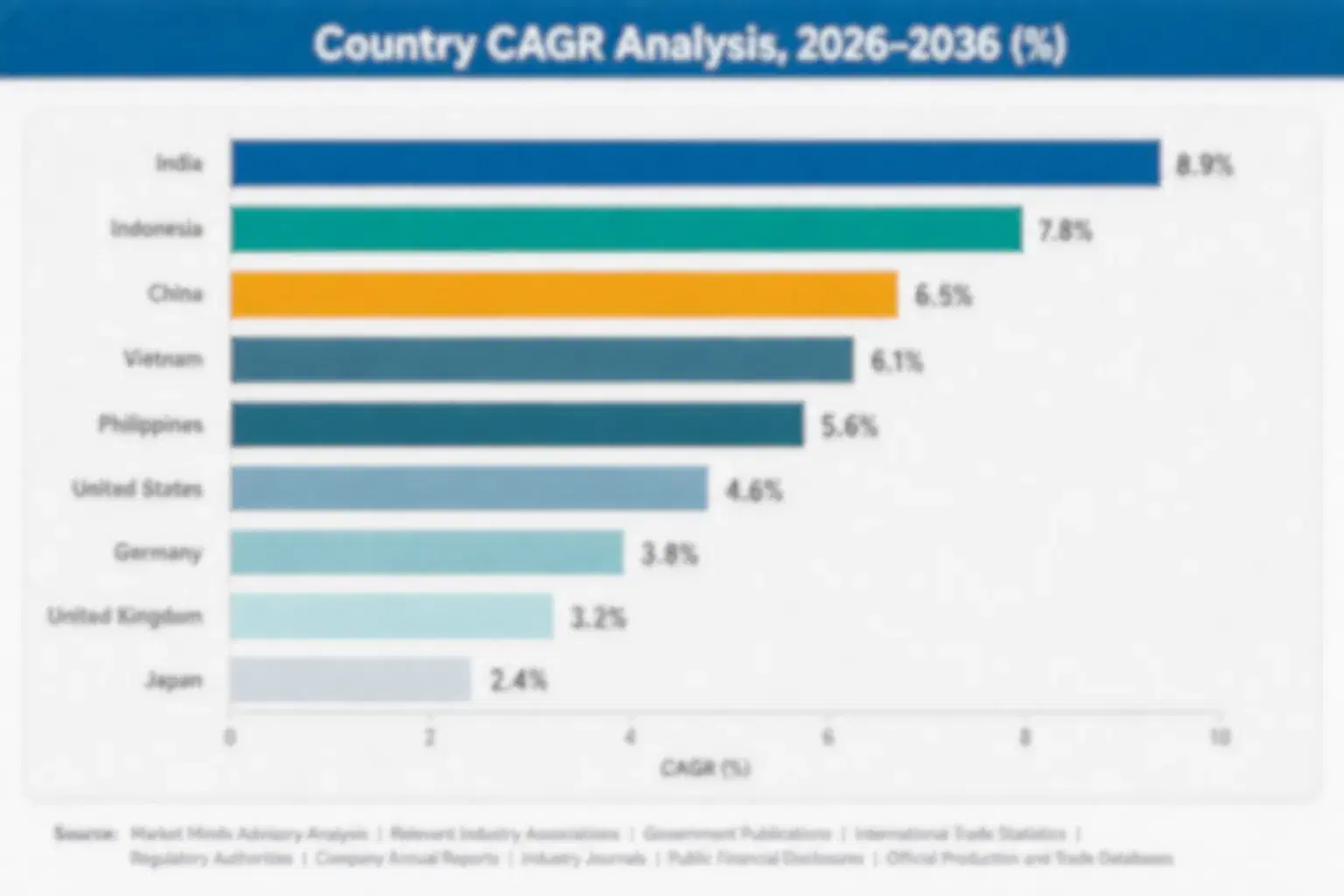
Demand concentrates where plastic-bag restrictions and premium consumer retail both scale. North America leads on premium consumer brand sales and retail standardization, East Asia follows on bio-based film manufacturing capacity, and South Asia and Pacific is expanding fastest as plastic-bag enforcement broadens across the region.

North America

The United States drives the large majority of North American demand, reflecting both the largest premium direct-to-consumer wrap brand base globally and an expanding patchwork of state and municipal plastic-bag restrictions that increasingly cover produce bags specifically. Major supermarket chains headquartered in the US have been first to standardize compostable produce-bag specifications at commercial scale, driven by both retailer sustainability positioning and compliance exposure across multiple states simultaneously. Canada's contribution is smaller but growing through its own provincial plastic restrictions, generally following specifications similar to the US given closely integrated retail supply chains. Manufacturers with proven retail-standardization track records are winning the bulk of new contracts across this market nationwide.
Share: 28% | CAGR: 10.5% (2026 to 2036)

Western Europe

Regulation, more than pure consumer-brand growth, defines Western Europe's position in this market. The European Union's single-use plastics directive has pushed compostable wrap adoption across member states on a shared compliance timeline, giving the region meaningful influence on global packaging specifications even as its premium direct-to-consumer wrap brand base remains smaller than North America's. Germany and France host the largest concentration of retail distribution infrastructure managing this transition, while the United Kingdom's separate post-Brexit plastics framework adds a further specification layer. Growth here trails East Asia and North America because unit volumes are smaller and regulatory compliance work consumes capacity that would otherwise go toward new product development across additional categories.
Share: 22% | CAGR: 8.5% (2026 to 2036)
Regional intelligence for 5 additional markets available in the complete report: East Asia, South Asia and Pacific, Latin America, Middle East and Africa, Eastern Europe. Contact sales@marketmindsadvisory.com.
bio-based-fresh-food-wraps-market-country-cagr-analysis-1791560339424

Where Manufacturers Can Capture Premium Margin

Manufacturers compete on compostability certification and retail-standardization relationships more than on unit price alone, which opens several routes to margin above the category average. The clearest paths run through supermarket chain contracts, premium direct-to-consumer branding, format-specific formulation, and multi-feedstock diversification, each commanding a premium customers pay to simplify sourcing across an increasingly competitive supplier landscape overall.

Secure Supermarket Standardization Deals Right Now

Manufacturers that negotiate standardization agreements directly with supermarket chains, rather than selling to individual stores, capture volume across the chain's entire network from a single contract, reducing sales cost per unit dramatically relative to fragmented store-by-store selling. This chain-level positioning typically prices at a premium of roughly 10 to 15% over equivalent volume sold through fragmented channels, reflecting the value chains place on a single reliable supplier managing consistent compostability certification across thousands of stores simultaneously. Manufacturers who secured these contracts early are now the default supplier as chains expand standardization into new wrap categories.
Market Impact: Prices contracts 10 to 15% above fragmented sales

Build Premium Direct-to-Consumer Brands Early Now

Manufacturers that build premium direct-to-consumer brands around distinctive formats like beeswax-coated fabric wraps capture retail shelf space and pricing power that commodity film producers selling only to supermarket chains cannot access, since consumers treat these purchases as a visible sustainability statement rather than a commodity grocery item. This branded positioning commands pricing roughly 2 to 3 times standard commodity film pricing, reflecting the premium consumers pay for recognizable, differentiated retail brands. Manufacturers who built this brand positioning earliest are capturing the largest share of premium retail shelf space as the category continues mainstream expansion.
Market Impact: Prices branded product at 2 to 3x commodity

Develop Format-Specific Formulations for Each Wrap Category

Manufacturers that develop distinct formulations optimized for produce bags, deli wrap, and bakery wrap separately, rather than offering one generic bio-based film, capture accounts that a single undifferentiated formulation cannot serve adequately across every application. This format-specific capability commands a premium of roughly 18% over generic bio-based film, reflecting the added research investment and the performance advantage each specialized formulation delivers for its specific use case. Manufacturers who developed this capability earliest are winning multi-category contracts competitors offering only one generic format cannot match Several manufacturers have expanded this capability into additional categories recently.
Market Impact: Commands roughly an 18% formulation premium right now

Diversify Feedstock Sourcing Across Multiple Crop Types

Manufacturers that secure feedstock supply contracts across corn, sugarcane, and beeswax sources simultaneously, rather than depending on a single input, reduce the seasonal and regional supply risk that single-feedstock manufacturers face and can guarantee more consistent year-round delivery to large retail customers who require it. This supply-security capability commands a premium of roughly 12% over manufacturers dependent on single-feedstock sourcing, since large buyers value guaranteed continuity enough to pay for it directly. Manufacturers who diversified feedstock sourcing earliest are winning the largest, most demanding multinational supply contracts Several manufacturers have expanded diversification into additional feedstock regions recently.
Market Impact: Commands roughly a 12% supply premium right now

Bio-Based Fresh Food Wraps Margin Pool

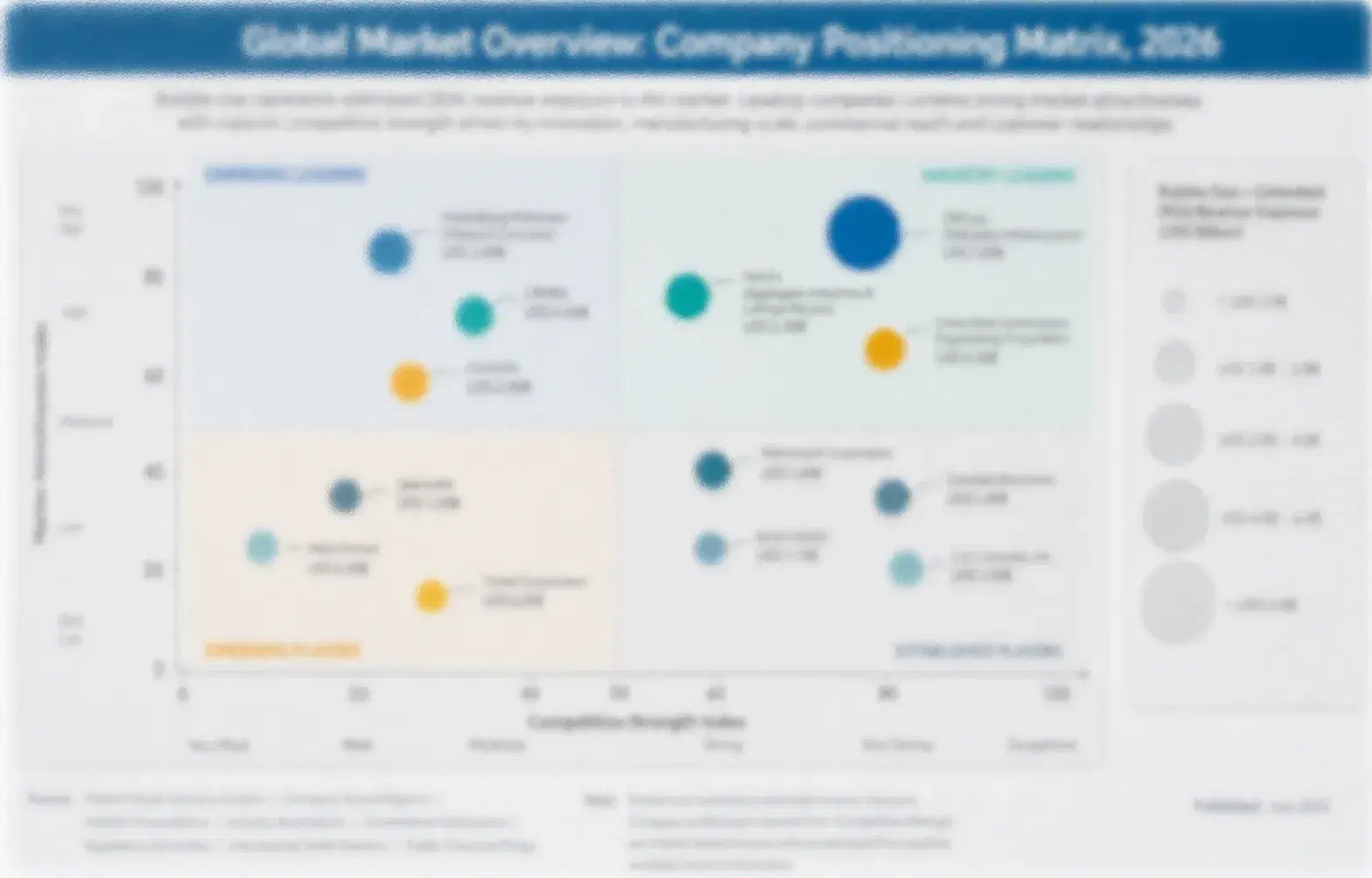
The competitive set is moderately concentrated around a handful of specialty bioplastics resin producers with deep formulation chemistry. CR5 sits at 33%, with NatureWorks and Novamont holding the leading qualified positions, while a long tail of consumer brands and regional converters compete for remaining volume. The gap between the leaders and the next tier is widening as compostability certification matters more than basic film-extrusion scale.
Current competitive activity centers on three fronts: supermarket chain standardization contracts that convert manufacturers into default infrastructure for retail networks, premium direct-to-consumer branding that captures differentiated retail shelf space, and format-specific formulation development that opens deli, bakery, and produce-wrap categories separately. Several mid-size manufacturers have also begun offering multi-feedstock diversification as a standalone reliability guarantee, treating supply-continuity assurance as a competitive differentiator.

Emerging pressure comes from consumer-brand challengers who built direct-to-consumer followings around beeswax wraps specifically, competing against diversified resin producers adding consumer-brand relationships from the other direction. Expect consolidation over the next several years as these approaches converge, with resin producers acquiring consumer brands or consumer brands acquiring film-manufacturing capacity, rather than either side building the other's core competency from scratch on a timeline neither can afford given how quickly retail standardization is expanding.
bio-based-fresh-food-wraps-market-company-positioning-matrix-1791560339727

Bio-Based Fresh Food Wraps Competition and Risks

NATUREWORKS LLC

Moat: Dominant Global PLA Resin Scale

NatureWorks' global PLA resin manufacturing scale makes it the foundational feedstock supplier for much of the broader bioplastics film industry, giving it a position competitors building resin capacity from scratch cannot replicate quickly without years of comparable capital investment and technical development This scale advantage is difficult for smaller producers to replicate quickly.
NATUREWORKS LLC

Risk: Exposure to Corn Feedstock Costs

NatureWorks' PLA resin production carries direct exposure to corn feedstock price swings tied to agricultural commodity cycles, a volatility source that affects its cost structure more directly than diversified competitors with broader feedstock options across multiple crop types, a dependency the company is actively working to offset through broader sourcing.
NOVAMONT S.P.A.

Moat: Proprietary Mater-Bi Formulation IP

Novamont's proprietary Mater-Bi bioplastics formulation portfolio, built over decades of dedicated research investment, gives it a performance and certification advantage in European markets that newer entrants would need years of comparable research to replicate at similar quality levels This research depth is difficult for newer entrants to replicate on a similar timeline.
NOVAMONT S.P.A.

Risk: Concentrated European Revenue Base

A substantial share of Novamont's revenue concentrates within European markets specifically, leaving it more exposed than globally diversified competitors if European regulatory or economic conditions shift unfavorably relative to faster-growing Asian and North American markets, a concentration the company is addressing through broader international expansion.

Players Tracked

Prominent Players

NatureWorks LLC
Novamont S.p.A.
TIPA Corp Ltd
BioBag International AS
Bee's Wrap

Other Key Players

Futamura Chemical Co. Ltd.
Taghleef Industries
Northern Technologies International Corporation
Plantic Technologies Limited
Danimer Scientific Inc.
Kingfa Sci. & Tech. Co. Ltd.
Cortec Corporation
Cardia Bioplastics Limited
Plastic Suppliers Inc.
Green Dot Bioplastics Inc.
Etee Inc.
Vegware Ltd
World Centric
BioPak Pty Ltd
Novolex Holdings LLC

Recent Developments

MARCH 2025

NatureWorks Expands PLA Resin Production Capacity

NatureWorks commissioned additional PLA resin production capacity at a US facility, responding to qualification requests from multiple wrap-film converters scaling bio-based production ahead of expanding plastic-bag restrictions. The expansion followed eighteen months of capacity planning across multiple production shifts across its broader customer base nationwide.
Signal: Signals that resin supply itself, not just film-conversion technology, is becoming a competitive bottleneck across the broader industry currently.
OCTOBER 2024

Novamont Launches Deli-Wrap Specific Mater-Bi Formulation

Novamont introduced a new Mater-Bi formulation specifically optimized for deli and bakery wrap applications, extending its product line beyond produce bags into adjacent supermarket wrap categories. Several European retailers began qualifying products on the new formulation within the following quarter across additional European retail accounts.
Signal: Signals that resin producers are developing category-specific formulations rather than one generic product across the wider resin industry now.
JUNE 2025

Major US Supermarket Chain Mandates Compostable Produce Bags

A major US supermarket chain announced it would mandate compostable produce bags across its entire national store network, extending a specification that previously applied only to flagship stores in select states. Multiple manufacturers are competing for qualification across the expanded national rollout ahead of the compliance deadline nationwide.
Signal: Signals that retail standardization is moving from state-level compliance toward voluntary national adoption across the broader retail sector currently.

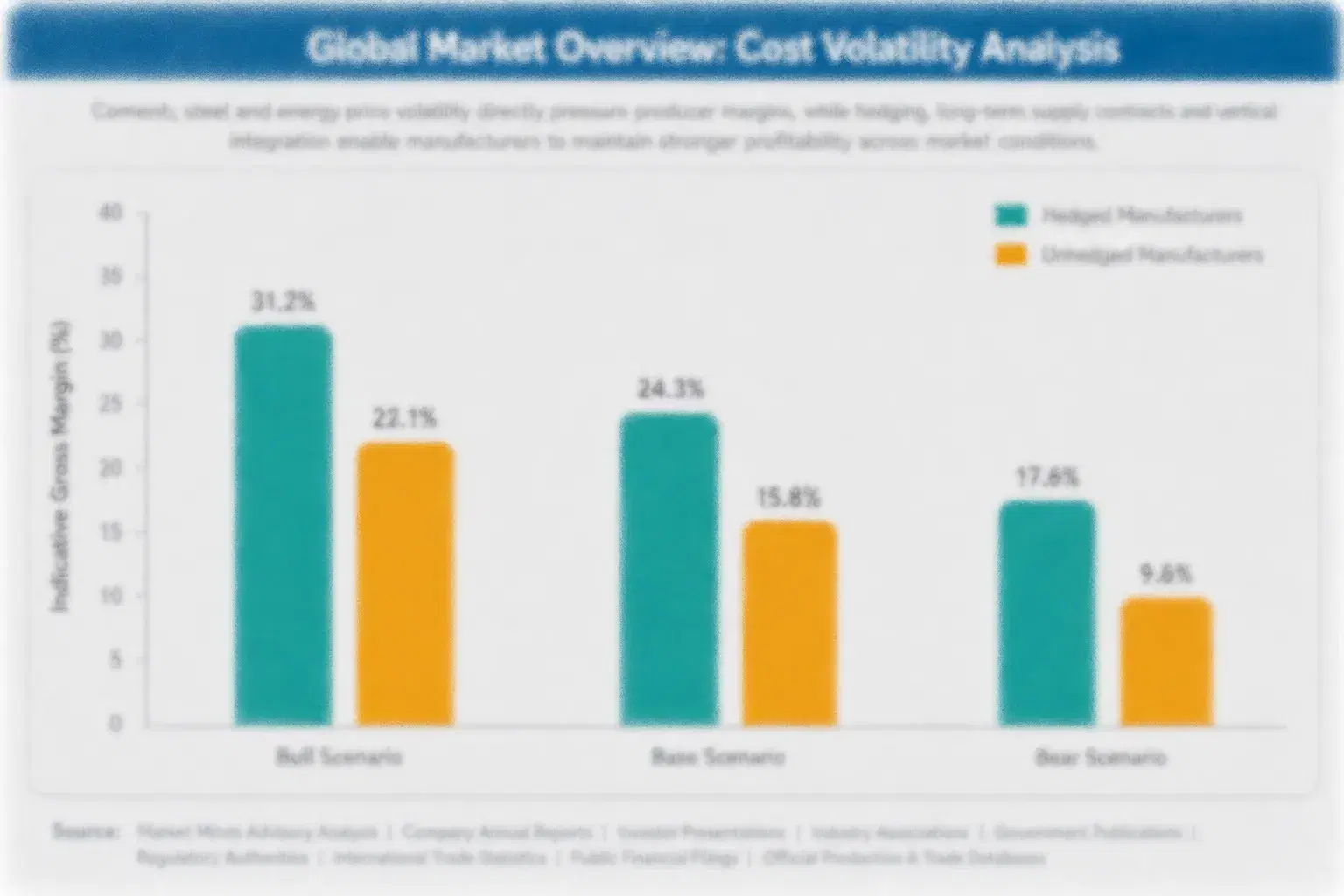
Feedstock and Resin Costs Drive Margin

Corn-derived PLA resin and beeswax inputs together account for roughly 41% of converted wrap cost, with corn sourced predominantly from US and Brazilian agricultural suppliers and beeswax sourced from apiary cooperatives across multiple regions. Film-extrusion and fabric-coating processing costs remain a secondary but meaningful input, meaning feedstock sourcing is the dominant cost variable manufacturers actively manage across their production base.
Feedstock costs have fluctuated meaningfully with broader agricultural commodity cycles over the past several years, a trend the US Department of Agriculture has tracked in its commodity price indices through long-term futures-linked data. Manufacturers who locked in multi-year feedstock supply agreements early captured more predictable cost structures than manufacturers still negotiating spot agricultural commodity purchases during periods of elevated price volatility through long-term futures-linked index agreements across major markets.

Smaller regional manufacturers without direct agricultural or apiary supplier relationships face a meaningful cost disadvantage, since they typically source feedstock through commodity traders at a markup larger manufacturers avoid through direct volume agreements. This gap is most pronounced during harvest-season supply constraints, when smaller manufacturers competing for limited available feedstock face sharper price spikes than larger manufacturers with secured multi-year contracts can avoid.
bio-based-fresh-food-wraps-market-cost-volatility-analysis-1791560340056

Lock in Multi-Year Feedstock Supply Agreements Early

Larger manufacturers increasingly negotiate multi-year feedstock supply agreements directly with agricultural and apiary suppliers rather than relying on spot commodity purchasing, capturing predictable pricing ahead of harvest-season volatility that spot-market buyers must navigate without contractual protection across their sourcing footprint This has preserved predictable margin for manufacturers who committed to these terms early across every major sourcing region.

Diversify Feedstock Sourcing Across Multiple Regions

Several manufacturers are sourcing corn and beeswax feedstock from multiple agricultural regions simultaneously, specifically to avoid single-region exposure to any future harvest disruption or agricultural commodity price spike affecting one feedstock source alone This diversification has already reduced exposure following one recent regional harvest disruption affecting competitors affecting a single feedstock source alone, protecting continuity across the broader supply chain.

Invest in Multi-Feedstock Production Flexibility

Manufacturers are investing in production technology capable of processing multiple feedstock types on shared equipment, reducing the capital cost of maintaining separate dedicated lines for each input and allowing faster switching between feedstock sources as relative pricing shifts across agricultural commodity cycles This flexibility has already proven valuable during at least one recent feedstock price spike.

Portfolio Architecture for Margin Defence

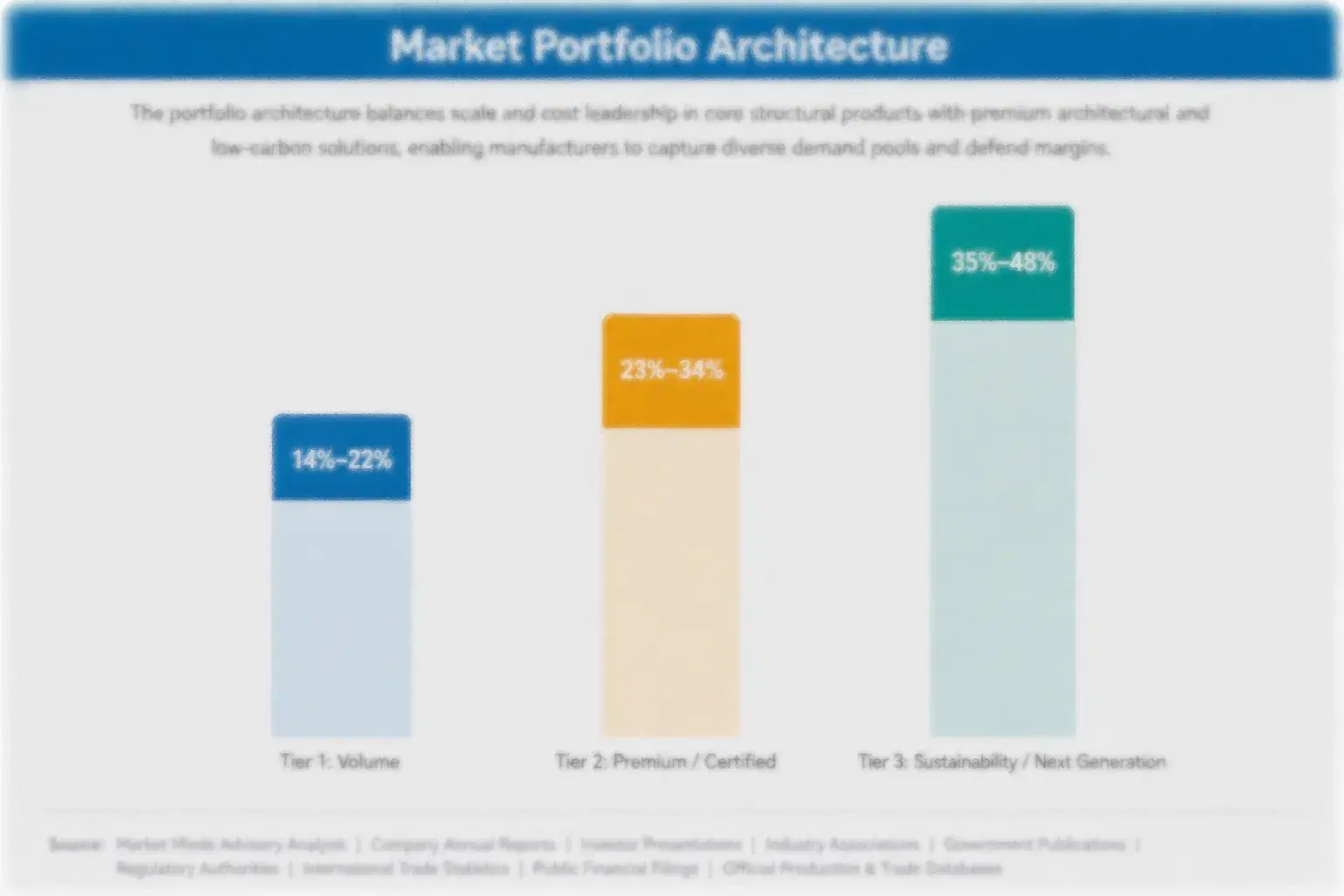
Bio-based fresh food wraps split into three commercial tiers with sharply different margin profiles. Volume commodity-adjacent film, standard produce bags and generic wrap sold largely on price, carries gross margins typical of mature specialty materials. Premium certified product, covering branded direct-to-consumer formats and format-specific supermarket wrap, commands gross margins meaningfully above that. Sustainability and next-generation formats, including multi-layer barrier-enhanced wraps, sit at the top of the margin range as customers pay for performance and brand differentiation.
The tension running through this architecture is capacity allocation. Manufacturers that invested early in premium branding and format-specific formulation can redirect production toward premium accounts paying meaningfully higher margin, while generalist manufacturers remain confined to the lower-margin commodity tier competing primarily on price. Several mid-size manufacturers are deliberately shrinking their standard produce-bag commodity book to free capacity for premium branded and format-specific work as those categories scale faster than commodity volume.

High-value margin pools concentrate in premium direct-to-consumer branded wraps and in format-specific supermarket wrap film, both growing faster than the category average. Manufacturers positioned in both pools simultaneously, rather than just one, are capturing the largest share of new premium contract wins as buyers consolidate toward fewer, more capable supply partners overall.

Volume / Commodity-Adjacent Tier

Standard produce bags and generic wrap film sold primarily on price with minimal differentiation, serving mainstream supermarket chains where buyers compete mainly on unit cost and supply reliability rather than added features.
Gross Margin: 19-23%

Premium / Certified Tier

Branded direct-to-consumer formats and format-specific supermarket wrap serving premium retail and specialty food-service accounts, where certification and brand positioning, not price, determine which manufacturers win the account across most renewal cycles each year.
Gross Margin: 32-38%

Sustainability / Regulatory / Next-Generation Tier

Multi-layer barrier-enhanced formats commanding the highest margins in the category as customers pay for performance improvements that narrow the remaining gap with conventional plastic film across their branded product lines.
Gross Margin: 38-44%
bio-based-fresh-food-wraps-market-portfolio-architecture-1791560340369

High-value Sub-segments and Strategic Watch-out

Premium Direct-to-Consumer Branded Wraps

Branded beeswax and PLA wraps sold through premium direct-to-consumer and specialty retail channels are both the highest-margin and fastest-growing segment tracked, as consumer sustainability demand and retail shelf expansion intensify simultaneously across most major developed markets today across most developed markets evaluating standardization today across the sector.
Gross Margin: 34-40%

Format-Specific Supermarket Wrap Film

Deli, bakery, and meat-counter wrap formulated specifically for each application carries strong margin from formulation overhead, but unit-volume growth is moderate relative to branded consumer wraps because adoption depends on retailers first standardizing produce-bag specifications across their networks across the broader supermarket network currently now.
Gross Margin: 30-36%

Standard Produce Bags and Generic Wrap

The largest unit-volume segment by far, serving mainstream supermarket chains on thin, price-competitive margins, remains the revenue base most manufacturers depend on even as they reinvest proceeds into higher-margin branded and format-specific categories each year even as reinvestment accelerates into premium categories elsewhere each year.
Gross Margin: 19-23%

Manufacturers Without Compostability Certification

Manufacturers still lacking recognized compostability certification face a slow-motion competitive squeeze as supermarket chains increasingly favor certified suppliers who can guarantee compliance without lengthy qualification delays each cycle before signing new multi-year supply agreements each cycle as more buyers require proof of compliance upfront each season.
Gross Margin: 21-27%

Why Retail Contracts Outlast Price Cycles

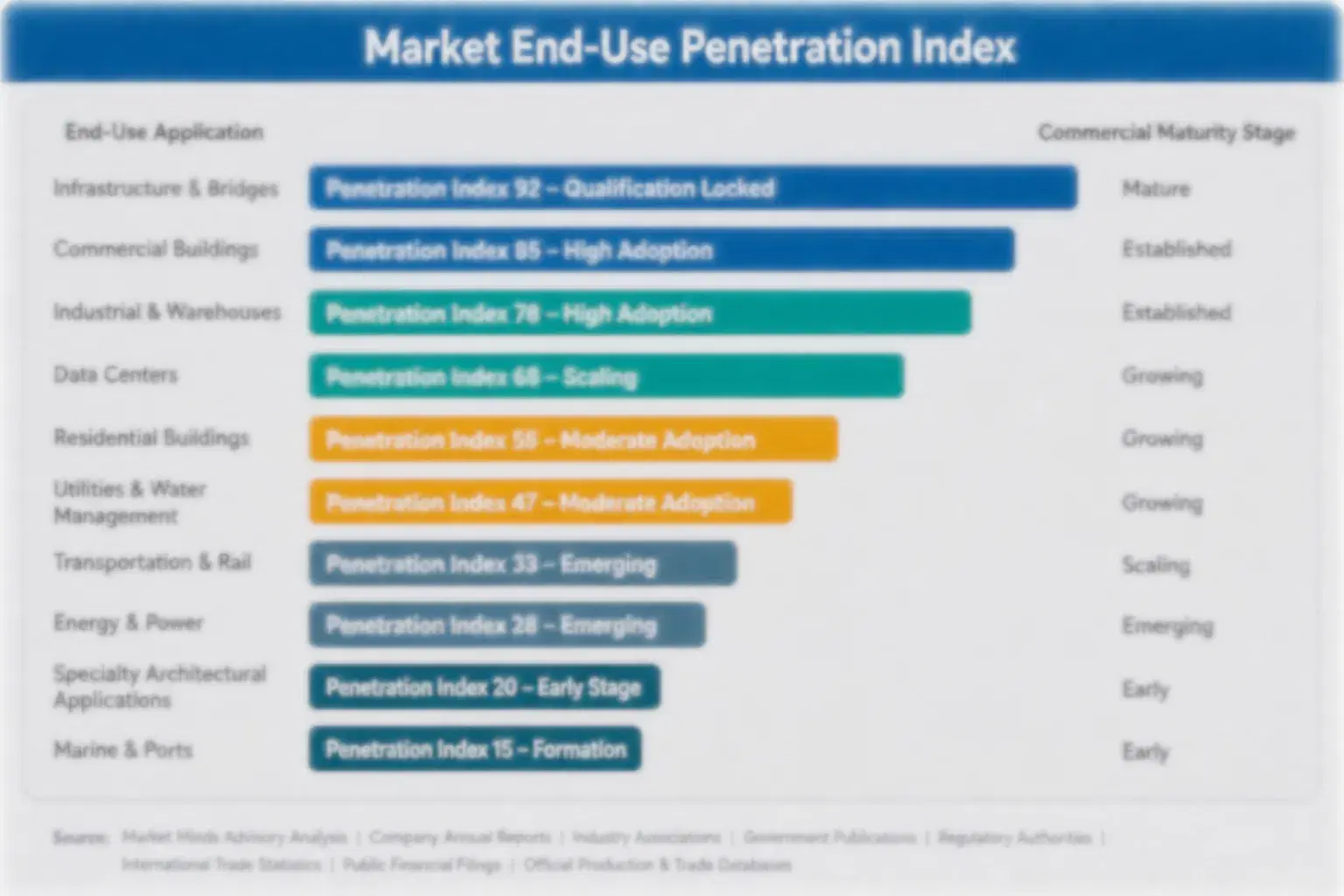
Once a manufacturer wins a supermarket chain standardization contract, the relationship behaves like an annuity rather than a one-time sale. Switching suppliers mid-contract carries certification-compliance and supply-continuity risk chains rarely accept once a programme is running smoothly across thousands of stores, so the incumbent manufacturer captures recurring volume across the contract's full term without needing to rebid the business across its full commercial life cycle.
Depth of adoption varies sharply by customer type. Large supermarket chains and premium consumer brands lock in the deepest manufacturer relationships because consistent compostability certification across huge order volumes is hard to requalify quickly, while independent grocers outside chain standardization see more frequent price-driven switching on commodity wrap products where loyalty is weaker. Mid-size regional chains sit in between, with growing sustainability interest but tighter budget constraints than major networks.

Buyer profiles are shifting as packaging decisions move earlier into retail merchandising and brand planning. A decade ago, wrap film was a routine procurement line item; today, wrap-format choices increasingly factor into retail sustainability positioning decided well ahead of the purchasing cycle, giving manufacturers with branding and format-specific capability a seat earlier than commodity suppliers traditionally occupied as sustainability credentials increasingly shape early design conversations.
bio-based-fresh-food-wraps-market-end-use-penetration-index-1791560340680

Where to Place Bets Now

These are among the four positions where our research anticipates prominent divergence between winners and laggards over the coming forecast period. Each is grounded in the demand model, the regulatory perimeter, and the announced capacity pipeline.
01 / CHAIN CONTRACT PRIORITY

Secure supermarket standardization contracts before rivals do

Supermarket chains are consolidating produce-bag volume toward fewer qualified suppliers, and manufacturers without a chain-level contract are losing access to entire store networks at once rather than competing store by store. The pricing premium for chain-level positioning is wide enough that leading manufacturers have priced it ten to fifteen percent above fragmented-channel sales. Waiting until chains finish consolidating their supplier base risks ceding this position permanently to manufacturers who already hold chain trust, a trust advantage that is proving difficult for later entrants to close quickly.
02 / PREMIUM BRAND INVESTMENT

Build premium direct-to-consumer brand positioning now

Consumer sustainability demand keeps pulling premium wrap sales beyond early-adopter households, and manufacturers without a recognizable branded position are stuck competing on price in the commodity tier. Manufacturers who have already built premium brands are pricing product at two to three times commodity film pricing, capturing margin that unbranded competitors cannot access. This advantage should widen as the category continues mainstream retail expansion over the next several years, and that advantage should widen further as the category continues mainstream retail expansion over the next several years.
03 / FORMAT SPECIFIC FORMULATION

Develop format-specific formulations for each wrap category

Retailers increasingly want wrap formulations optimized for each specific application rather than one generic bio-based film covering every use case inadequately. Manufacturers who developed this capability early are commanding an eighteen percent premium over generic product while competitors catch up on formulation research. This advantage should persist as more retailers standardize format-specific specifications across their full wrap-film categories, a dynamic that should strengthen further as more retailers standardize format-specific specifications across their wrap-film categories broadly industry-wide over the coming several years.
04 / FEEDSTOCK SUPPLY SECURITY

Diversify feedstock sourcing across multiple crop types now

Bio-based feedstock pricing fluctuates with agricultural commodity cycles, and manufacturers dependent on a single input face sharper seasonal price spikes than diversified competitors avoid through multi-source supply agreements. Manufacturers who diversified sourcing early are winning the largest, most demanding multinational contracts specifically because they can guarantee year-round delivery reliability. Manufacturers who wait risk losing these accounts to competitors who already offer that guarantee, a gap that should widen further as more buyers require guaranteed year-round delivery reliability across every major sourcing region they currently depend on.

Engagement Snapshot From the Field

A live engagement with an industry participant carrying material or product regulatory and market exposure ahead of a defining policy shift, showing how our research translates into a defensible multi-year portfolio strategy.
MARKET MINDS ADVISORY · CLIENT ENGAGEMENT SUMMARY
Bio-Based Fresh Food Wraps Producer Strategic Portfolio Review and Transition Roadmap 2026·Investment Scenario on Bio-Based Fresh Food Wraps Exposure Evaluation 2025-26
CLIENT PROFILE
The client is a regional US supermarket chain operating several hundred stores across multiple states, with annual revenue of approximately $3.2 billion (client-reported, unverified by MMA). The chain faced a looming state-level plastic-bag restriction deadline covering its produce departments and sought an independent assessment of whether compostable bag alternatives could meet performance requirements without materially raising per-store packaging costs.
STRATEGIC CHALLENGE
The chain needed to determine whether compostable produce bags could match its existing plastic bag's strength and moisture-barrier performance across its full produce assortment, and whether the transition could be completed ahead of the compliance deadline without disrupting produce-department operations at scale at this stage of its regulatory compliance planning.
MMA APPROACH
MMA conducted a structured supplier assessment benchmarking film-performance testing results, compostability certification, and volume pricing across five qualified manufacturers, modeling the cost impact of full standardization against the chain's existing packaging spend to identify a cost-neutral path forward within the chain's available decision timeline before the deadline ahead of the looming compliance deadline.
KEY FINDINGS
  1. Only two of the five manufacturers assessed could match the chain's existing bag-strength requirements across its full produce assortment without design modification.
  2. Chain-wide standardization reduced the effective per-unit packaging cost by roughly 13% relative to the chain's existing fragmented, store-by-store purchasing approach across the full chain network.
  3. Standardized volume pricing allowed the chain to absorb the compostable-bag cost premium without raising produce prices across its existing footprint at every store location.
  4. The chain's original cost assumptions understated the compostability-certified supplier premium by roughly 15%, a gap the assessment surfaced before the contract was finalized.
CLIENT PROFILE
The client is a regional US supermarket chain operating several hundred stores across multiple states, with annual revenue of approximately $3.2 billion (client-reported, unverified by MMA). The chain faced a looming state-level plastic-bag restriction deadline covering its produce departments and sought an independent assessment of whether compostable bag alternatives could meet performance requirements without materially raising per-store packaging costs.
STRATEGIC CHALLENGE
The chain needed to determine whether compostable produce bags could match its existing plastic bag's strength and moisture-barrier performance across its full produce assortment, and whether the transition could be completed ahead of the compliance deadline without disrupting produce-department operations at scale at this stage of its regulatory compliance planning.
MMA APPROACH
MMA conducted a structured supplier assessment benchmarking film-performance testing results, compostability certification, and volume pricing across five qualified manufacturers, modeling the cost impact of full standardization against the chain's existing packaging spend to identify a cost-neutral path forward within the chain's available decision timeline before the deadline ahead of the looming compliance deadline.
KEY FINDINGS
  1. Only two of the five manufacturers assessed could match the chain's existing bag-strength requirements across its full produce assortment without design modification.
  2. Chain-wide standardization reduced the effective per-unit packaging cost by roughly 13% relative to the chain's existing fragmented, store-by-store purchasing approach across the full chain network.
  3. Standardized volume pricing allowed the chain to absorb the compostable-bag cost premium without raising produce prices across its existing footprint at every store location.
  4. The chain's original cost assumptions understated the compostability-certified supplier premium by roughly 15%, a gap the assessment surfaced before the contract was finalized.
RECOMMENDED STRATEGY
Phase 1: Phase 1 (Months 1 to 2): Pilot compostable produce bags at a representative sample of stores covering the chain's full regional footprint. Phase 2: Phase 2 (Months 3 to 5): Expand to the remaining stores based on validated performance and cost data from the initial pilot. Phase 3: Phase 3 (Month 6 onward): Finalize a multi-year chain-wide supply contract ahead of the compliance deadline across every store nationwide ahead of the deadline.
OUTCOME
The chain completed chain-wide standardization ahead of the compliance deadline, and the new compostable bag specification matched performance requirements across its full produce assortment without raising produce prices. The chain reported positive customer feedback on its sustainability positioning following the rollout (client-reported, unverified by MMA).

Frequently Asked Questions

Foundational context covering the market sizes, CAGR, scope, country, region and competition that inform every finding below. This section is provided to cover basics and most often pre-purchase conversations, answered from the MMA Primary Research Dataset.

What is the current size of the Bio-Based Fresh Food Wraps Market?

The global market was valued at approximately $0.95 billion in 2025. This reflects PLA-based cling film, beeswax-coated wraps, compostable produce bags, and related formats sold across household, retail, and food-service channels.

How large will the Bio-Based Fresh Food Wraps Market be by 2036?

MMA projects the market will reach approximately $2.66 billion by 2036, more than two and a half times its 2025 starting base. Growth is driven by plastic-bag restrictions and consumer sustainability demand.

What is the CAGR for the Bio-Based Fresh Food Wraps Market 2026 to 2036?

The market is projected to grow at a compound annual growth rate of 9.8% between 2026 and 2036. Bull and bear scenarios range from roughly 8.5% to 11.0%.

Which segment is growing fastest?

Compostable produce bag films are the fastest-growing segment, expanding at approximately 12.5% annually, well above the category average. This reflects supermarket chain standardization pulling bags into mainstream specification.

Who are the major companies in the Bio-Based Fresh Food Wraps Market?

Leading companies include NatureWorks, Novamont, TIPA, BioBag International, and Bee's Wrap. These five manufacturers hold the leading qualified positions in the category, spanning both commodity and premium branded product lines.

Which country is growing fastest?

India is the fastest-growing major country, expanding at approximately 11.5% annually as plastic-bag enforcement broadens across state and municipal jurisdictions. Export-oriented manufacturing is also expanding alongside domestic demand.

Bio-Based Fresh Food Wraps Segmentation by Type and Use

The full report scope spans multiple orthogonal segmentation dimensions, with cross-tabulated demand data provided for each dimension pair. Coverage extends further to regional breakdowns, trend trajectories, and the competitive detail needed to support segment-level decision-making.

By Product Format

  • PLA-Based Cling Film Wraps
  • Beeswax-Coated Fabric Wraps
  • Compostable Produce Bag Films
  • Plant-Based Elastic Food Covers
  • Retail Supermarket Wrap Film
  • Industrial and Food Service Bulk Wrap Rolls

By End-Use Channel

  • Supermarket and Grocery Retail
  • Household and Direct-to-Consumer Sales
  • Food Service and Catering
  • Deli, Bakery, and Meat Counter Use
  • Industrial and Institutional Use

By Commercial Dimension

  • Chain-Level Standardization Supply
  • Premium Direct-to-Consumer Brand Supply
  • Distributor and Wholesale Supply
  • Format-Specific Custom Supply

By Region

  • North America
  • Western Europe
  • East Asia
  • South Asia and Pacific
  • Latin America
  • Middle East and Africa
  • Eastern Europe

Scope, Methodology, and Coverage

Every figure in this report is reproducible from documented input assumptions. The scope below maps the historical period, the forecast horizon, the segmentation dimensions, and the countries covered, alongside the underlying primary and qualitative methodology.
Historical Period
2020 to 2025
Forecast Period
2026 to 2036
Base Year
2025 (USD billions; MMA Primary Research Dataset, October 2026)
Market Definition
The bio-based fresh food wraps market covers PLA-based cling film, beeswax-coated fabric wraps, compostable produce bag film, and plant-based elastic food covers used for household, retail, and food-service fresh food wrapping. It excludes conventional petroleum-based plastic cling film and rigid bio-based containers not based on a flexible wrap format.
Quantitative Units
USD billions (current prices); volumes in million square meters where cited
Segmentation Dimensions
By Product Format; By End-Use Channel; By Commercial Dimension; By Region
Regions Covered
North America, Western Europe, East Asia, South Asia and Pacific, Latin America, Middle East and Africa, Eastern Europe
Countries Covered
USA, China, Germany, France, UK, Japan, South Korea, India, Australia, Canada, Brazil, Mexico, Indonesia, Vietnam, Thailand, Malaysia, UAE, Saudi Arabia, South Africa, Nigeria, Turkey, Poland, Netherlands, Italy, Spain, Sweden, Switzerland, Argentina, Colombia, Singapore, and additional markets relevant to this sector
Key Companies Profiled
NatureWorks LLC, Novamont S.p.A., TIPA Corp Ltd, BioBag International AS, Bee's Wrap, Futamura Chemical Co. Ltd., Taghleef Industries, Northern Technologies International Corporation, Plantic Technologies Limited, Danimer Scientific Inc., Kingfa Sci. & Tech. Co. Ltd., Cortec Corporation, Cardia Bioplastics Limited, Plastic Suppliers Inc., Green Dot Bioplastics Inc., Etee Inc., Vegware Ltd, World Centric, BioPak Pty Ltd, Novolex Holdings LLC
Quantitative Methodology
Primary survey, n=3,800 respondents, Q4 2025, six countries; demand-side model with trade association cross-validation
Qualitative Methodology
47 expert interviews, Q4 2025; applied to validate demand model assumptions, identify emerging dynamics, and assess competitive positioning
Report Format
PDF and XLSX data workbook (Word format preview document)
Publisher
Market Minds Advisory
Report Code
MMA-2026-PAC-104
Published
October 2026
Contact
sales@marketmindsadvisory.com | www.marketmindsadvisory.com

Purchase the full Bio-Based Fresh Food Wraps Market Report (2026 to 2036).

The full report delivers a complete market model spanning 2020 to 2036, with segment-level and regional revenue breakdowns across all seven tracked geographies. It includes detailed profiles of twenty companies, competitive benchmarking on a revenue basis, and an independent assessment of moat durability and risk exposure for the two leading manufacturers. Buyers receive the complete regional dataset beyond the two regions shown in this summary, along with extended commentary on feedstock cost exposure and mitigation strategies. A dedicated appendix covers retail standardization case examples, premium brand benchmarking, and feedstock-diversification strategies across the competitive set. Custom segment cuts and company-specific data extensions are available on request.
Twenty-company competitive benchmarking on a consistent basis
Full seven-region revenue and CAGR dataset
Segment-level margin and growth analysis across six formats
Feedstock cost exposure and mitigation strategy appendix
Retail standardization and premium brand benchmarking data
Custom segment and company-specific data extensions available

Built For The People Who Decide

From boardroom strategy to bench-side execution, this report is read cover-to-cover by leaders shaping the next decade of their industry, turning demand scenarios, market dynamics and valuation benchmarks into decisions.
CXOs/ Presidents/ VPs/ Managers
M&A and Corporate Development
Strategy Teams and R&D Heads
Procurement and Product Directors
Regulatory and Compliance Leaders
Investor Relations and Equity Analysts