Market Minds Advisory
Beer Glassware Market

Beer Glassware Market Growth and Demand Outlook, 2026-2036

A craft brewery will commission a custom tulip glass embossed with its logo before finalizing its can label, because on tap the glass is the only branded surface a drinker actually holds.

Lead Analyst

Bilal Shaikh

Published

November 2026

Make Smarter Decisions with Customized Research Insights

Request a free sample report and evaluate market opportunities, growth trends, and competitive dynamics relevant to your business needs.

2025 MARKET VALUE$3.1BMarket Size 2025
2036 FORECAST VALUE$6.0BBase Case , 2026 to 2036
CAGR 2026 TO 20366.2 %Bull 7.5% / Bear 4.9%
INCREMENTAL OPPORTUNITY$2.7BNet 10- year value creation
EXPANSION MULTIPLE1.82x2036 value over 2026 base
Strategic Levers
M&A Pipeline
Regional Outlook
Country Rankings
Competitive Intelligence
Segmental Deep-dive
Call-Us : 91 93563 13602

Beer Glassware Market Overview

Beer glassware functions as a marketing channel for craft breweries and global beer brands alike, since the glass a drinker holds on premise is often the only branded surface they physically touch for the entire length of a pour, Few drinkware categories give the vessel this much commercial weight.
Branded glassware sets are growing fastest as craft breweries treat custom glass design as core to taproom and bar merchandising, while tasting and snifter glasses benefit from the broader craft beer tasting culture that rewards vessel shape calibrated to specific beer styles. Western Europe anchors the largest regional market by a wide margin, reflecting German stein heritage, British pub culture, and Belgian specialty beer glass tradition concentrated nowhere else at comparable intensity.
Five producers hold roughly a third of global revenue, a figure reflecting genuine fragmentation across a tableware industry where regional producers and specialty craft glass makers both compete alongside scale leaders for brewery commissioning business. On-premise hospitality recovery and renewed craft brewery taproom investment are reshaping competitive positioning fastest, as breweries once again prioritize branded glassware spending that slowed during recent hospitality sector disruption.
Market Definition
The beer glassware market covers drinkware designed for serving and presenting beer, including pint glasses and mugs, pilsner and tulip glasses, steins and tankards, tasting and snifter glasses, branded glassware sets, and specialty craft beer glassware, sold into both on-premise hospitality and retail home-use channels. It excludes beer bottles and cans, which are primary packaging covered under the glass container market scope, as well as wine and spirits glassware and general tableware not specifically designed for beer service. MMA sizes the beer cans market at USD 14.5 billion in 2025, with growth of 5.8% a year expected through 2036.
Base Year Value
$3.1B in 2025 (MMA Primary Research Dataset, October 2026)
Forecast Period
2026 to 2036, eleven discrete annual values
CAGR
6.2% base case. Bull 7.5%. Bear 4.9%.
Fastest Growth Segment
Branded Glassware Sets: 8.8% CAGR
Fastest Growth Country
Vietnam: 9.0% CAGR
Fastest Growth Region
South Asia and Pacific: 8.2% CAGR
Largest Region
Western Europe: 35% of 2025 global value
Market Leaders
Libbey, Arc International, Rastal, Pasabahce, and Bormioli Rocco lead the market. Source: MMA Analysis based on company annual reports and investor filings.
Primary Survey
n=3,800 procurement and R&D decision-makers, Q4 2025, six countries
Methodology
Demand-side build-up, cross-validated against public data, 47 expert interviews

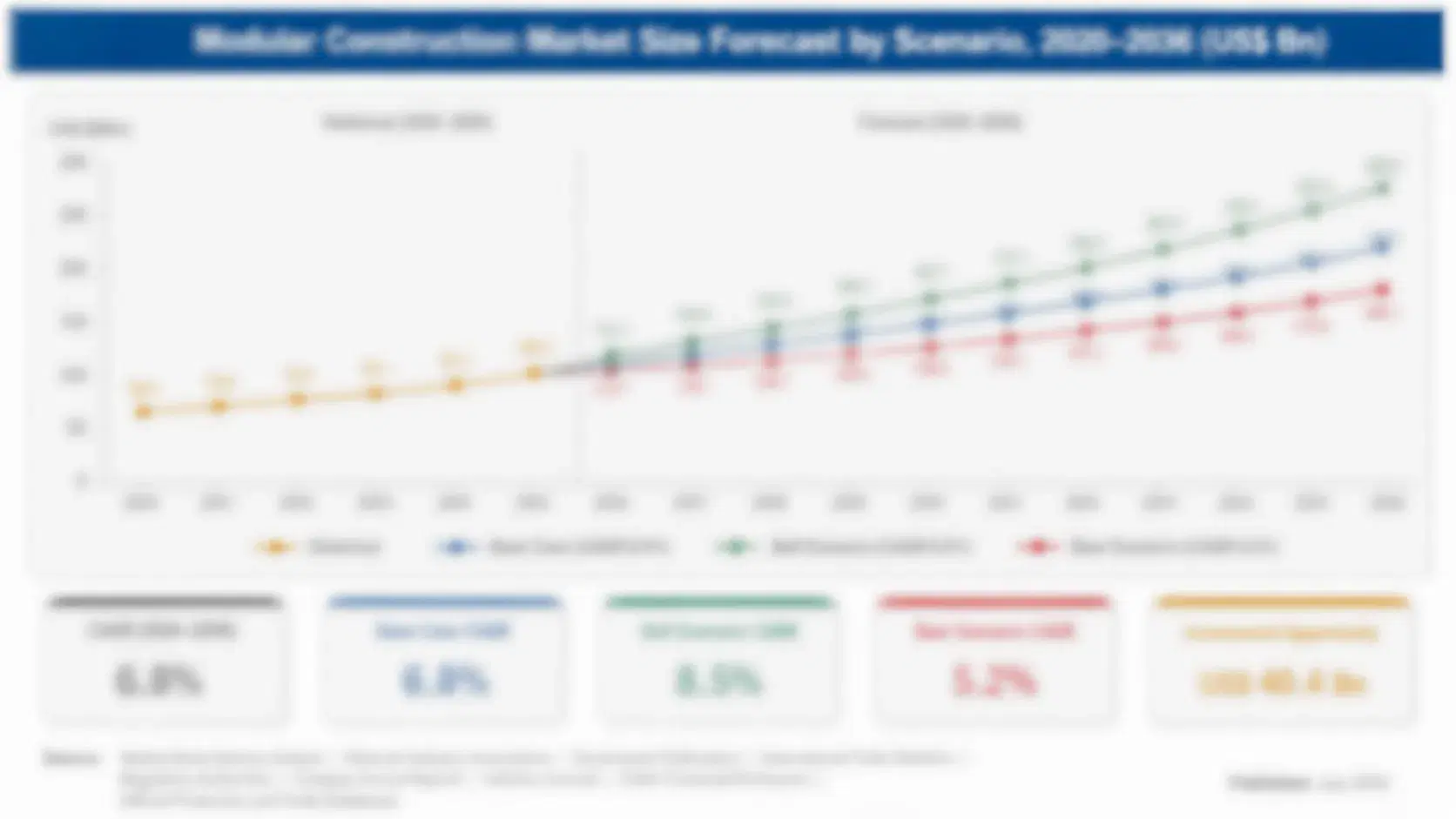
Beer Glassware Growth Scenarios to 2036

beer-glassware-market-share-analysis-size-forecast-scenario-1791419219831
Beer glassware demand recovered unevenly between 2020 and 2025 as on-premise hospitality venues faced extended disruption before rebounding strongly alongside a continued craft brewery proliferation that sustained branded glassware commissioning even through the hardest years. The market grew at a historical compound annual growth rate of 4.6%, a pace now set to climb further as hospitality recovery completes and taproom investment accelerates.
The base case assumes continued on-premise hospitality recovery sustaining pint glass replacement demand, steady craft brewery taproom investment driving branded glassware commissioning, and gradual tasting culture expansion favoring style-specific vessel shapes over generic pint glasses. Bars and breweries keep treating glassware breakage as a routine replacement cost, craft breweries keep commissioning custom branded glass to differentiate their taproom experience, and beer enthusiasts keep favoring style-matched vessels. Together these mechanisms sustain above-historical growth across a genuinely global glassware production base.
The bull case centers on faster-than-expected craft brewery taproom expansion and on-premise hospitality investment lifting branded glassware commissioning well beyond base case assumptions. The bear case is a slowdown in on-premise beer consumption as at-home drinking habits formed during past hospitality disruption persist longer than expected, dampening the replacement-driven volume that sustains the category's largest segment.

Why Breweries Treat Glass as Marketing Spend

Beer glassware occupies an unusual position among drinkware categories, since on-premise glass functions simultaneously as a serving vessel, a branding surface, and a routine replacement cost item, giving producers three distinct value propositions to sell against within a single physical product. Few other drinkware categories give the vessel itself this much commercial weight in a venue's purchasing decision. Linked demand sits in the mushroom beer market, projected by MMA to reach USD 2.5 billion by 2036 on a 13.5% CAGR.
MARKET CONCENTRATION (CR5)32%Top five producers hold roughly a third of global revenue
AVERAGE SELLING PRICE$2.40/unitBlended global average price per beer glassware unit
TOP PRODUCING COUNTRY SHARE18%Germany supplies roughly a fifth of global glassware output
ON-PREMISE CHANNEL SHARE58%Share of volume sold through bars, pubs, and breweries
MOLD TOOLING LAUNCH SHARE28%Custom mold tooling dominates new design launch investment
AVERAGE BREAKAGE REPLACEMENT RATE22%Typical annual glassware breakage replacement rate seen on-premise
Commercially, the market splits between high-volume generic pint glass replacement demand sold largely on price and breakage-resistance, and smaller but faster-growing branded and craft tasting glass segments where producers compete on custom mold design and style-specific shape engineering instead. Producers serving only generic replacement accounts face thin margins with limited differentiation opportunity. That trade-off is becoming a genuine strategic choice for most mid-sized producers in the category.
Over the next decade, the forces reshaping the category center on craft brewery taproom investment becoming a durable commissioning channel independent of broader beer volume trends, and on tasting culture maturation pushing even mainstream beer brands toward style-specific glassware that generic pint glasses cannot adequately serve. Producers slow to adapt to either shift risk losing relevance in the fastest-growing, most design-intensive parts of the market. MMA expects the related beer canning machines market to be worth USD 1.81 billion by 2036.
"A brewery will spend more thought on its tasting glass shape than most companies spend on their entire packaging redesign. That is not vanity. It is because the glass genuinely changes how the beer tastes and smells."
Director, Packaging and Materials Practice · MMA Packaging and Materials Practice · October 2026

Beer Glassware Market Trends

Craft Breweries Treat Branded Glassware as Taproom Marketing

Craft breweries increasingly commission custom branded glassware specifically designed for taproom and bar placement, treating the glass as a marketing investment comparable to signage or merchandise rather than a purely functional serving item that could be sourced generically at lower cost. This shift is creating meaningful custom mold commissioning volume that scales with the broader craft brewery proliferation trend, since each new brewery opening or taproom expansion typically commissions its own distinctive glass design rather than reusing generic shapes. Producers with flexible custom mold capability are capturing disproportionate share of this fragmented demand.
Market Impact: Adds 5 to 8% of volume
Beer Tasting Culture Pushes Style-Specific Vessel Adoption

Beer enthusiasts and increasingly mainstream consumers are adopting style-specific glassware, such as tulip glasses for Belgian ales or snifters for barrel-aged imperial stouts, rather than defaulting to generic pint glasses regardless of beer style being served. This cultural shift, borrowed partly from wine and spirits tasting traditions, is expanding the addressable glassware base beyond simple pint glass replacement into a growing premium tasting glass category. Producers with established style-specific design expertise are capturing disproportionate share of this expanding demand as both craft and mainstream brands commission matched glassware for their flagship products.
Market Impact: Adds 6 to 9% of volume

Beer Glassware Strategic Opportunities

On-Premise Breakage Sustains Durable Replacement Demand

Bars, pubs, and breweries experience consistent glassware breakage through normal operation, sustaining a durable baseline replacement demand that persists regardless of broader beer consumption trends or economic conditions, since any operating venue must continuously restock its glassware inventory simply to keep serving customers. This gives producers serving on-premise channels a demand floor retail glassware cannot match. Producers with established distribution relationships into hospitality supply channels are capturing disproportionate share of this dependable, high-frequency replacement volume. This dynamic gives producers serving the on-premise channel a demand floor craft-only producers do not share.
Market Impact: Tooling costs 20 to 35%

Craft Brewery Proliferation Expands Commissioning Demand

The continued proliferation of craft breweries and taprooms across mature beer markets sustains steady custom glassware commissioning demand, since new breweries competing for local market attention treat distinctive glass design as essential brand differentiation against both established beer brands and other craft competitors opening nearby. This driver operates largely independently of overall beer volume, tracking taproom footprint rather than production scale. Producers with flexible, accessible minimum-order custom design capability are capturing disproportionate share of this fragmented demand. Several regional brewery associations now track glassware spending as a distinct marketing budget line.
Market Impact: Shifts 8 to 12% to retail

Beer Glassware Growth Barriers

Custom Mold Tooling Cost Limits Smaller Brewery Access

Custom mold tooling for a genuinely distinctive glassware design requires upfront investment that smaller craft breweries, particularly newer entrants with limited capital, often cannot justify relative to their modest initial glassware order volume, pushing many toward modified stock shapes with simple logo printing instead. The root cause is that mold engineering carries largely fixed cost regardless of eventual order volume, making the economics punishing for breweries uncertain about their long-term taproom traffic and growth trajectory. Producers are mitigating this by offering modular platforms and lower-cost printing that let smaller breweries differentiate without full tooling investment.
Market Impact: Lifts branded price 18 to 25%

At-Home Drinking Habits Erode On-Premise Replacement Volume

At-home beer drinking habits that strengthened during recent hospitality sector disruption have persisted longer than many producers initially expected, eroding some of the durable breakage-driven replacement demand that on-premise venues historically generated at dependable, predictable volume. The underlying cause is that consumers who shifted spending toward home consumption during that period often continued buying beer for home use even after on-premise venues fully reopened, permanently redirecting some volume away from the on-premise channel. Producers are mitigating this by expanding retail home-use glassware offerings designed to capture spending shifting away from bars and taprooms specifically.
Market Impact: Adds 6 to 9 points tasting
3 additional market trends, 4 additional growth drivers, and 3 additional restraints and challenges are covered in the full report. Contact sales@marketmindsadvisory.com to access the complete intelligence.

Beer Glassware Segment CAGR Comparison

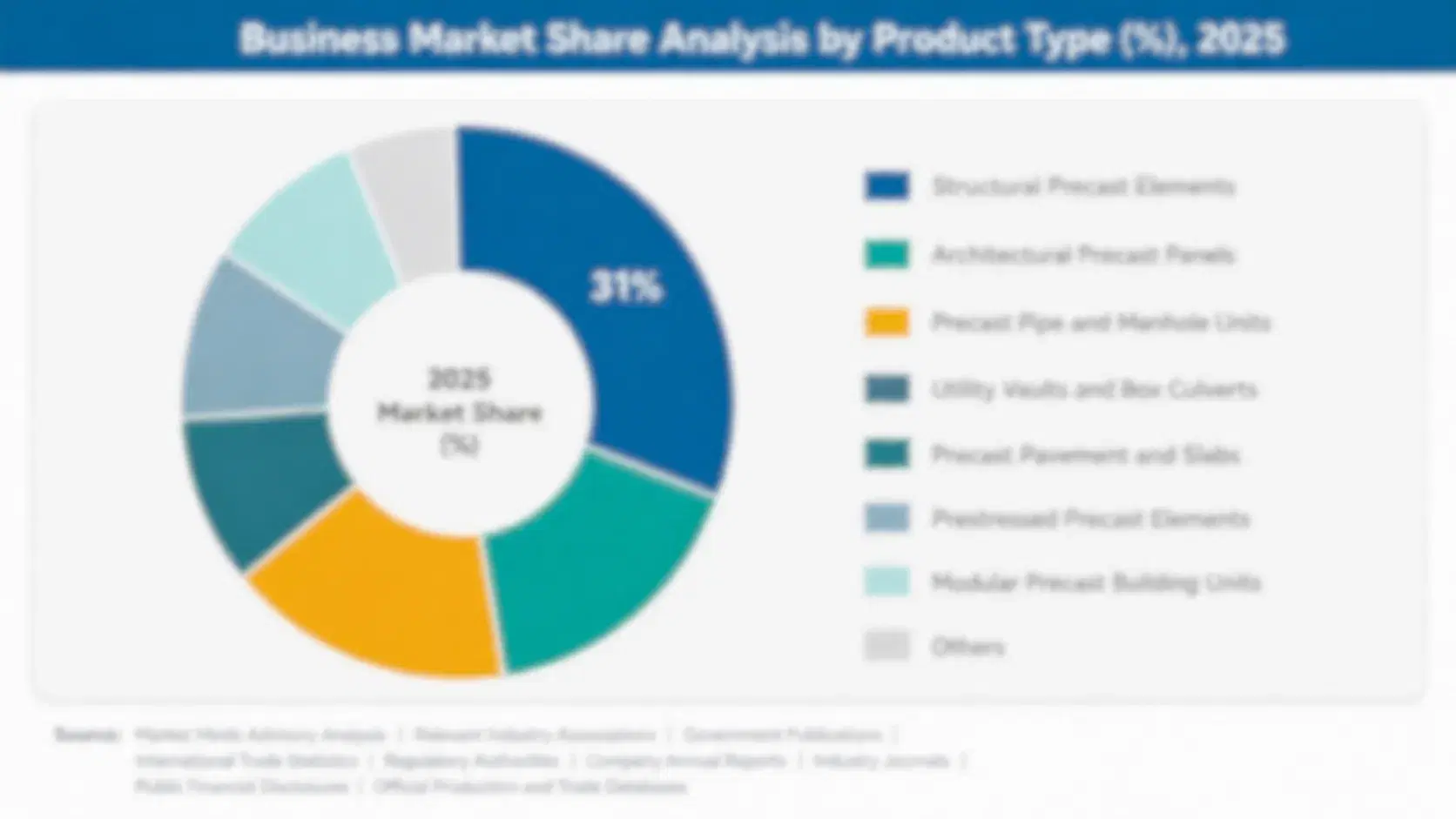
Product type, not beer style or price tier alone, is the clearest segmentation lens here, since design complexity, commissioning frequency, and channel mix all vary primarily by what kind of vessel a producer makes. Six categories cover global revenue, from high-volume pint glasses through fast-growing branded and tasting glassware. This lens holds consistently across both on-premise and retail channels.
beer-glassware-market-share-analysis-market-share-analysis-1791419220007

Branded Glassware Sets

Branded glassware sets are the fastest-growing category because craft breweries increasingly treat custom glass design as taproom marketing investment comparable to signage, commissioning distinctive shapes and embossing rather than reusing generic stock glasses available at lower cost. Producers with flexible, lower-minimum-order custom mold capability are capturing disproportionate share of this fragmented, high-touch demand as craft brewery proliferation continues across mature beer markets worldwide. Branded glassware commands meaningfully higher average selling price than generic pint glasses, reflecting both the mold investment and the marketing value breweries place on a distinctive on-premise presence. Several regional craft brewery chains have expanded taproom footprints tied to refreshed glassware programs. Mold tooling lead times remain the main constraint limiting faster commissioning among newer breweries.
CAGR 8.8%

Tasting and Snifter Glasses

Tasting and snifter glasses are the second-fastest category, growing as beer tasting culture continues maturing and rewarding style-specific vessel shapes over generic pint glasses that cannot properly concentrate aroma for barrel-aged and specialty beer styles. Producers with established style-specific design expertise are capturing disproportionate share of this expanding demand as both craft and increasingly mainstream beer brands commission matched glassware for flagship and seasonal releases. Brand owners favor this approach because style-matched glassware measurably improves the tasting experience in ways that generic vessels genuinely cannot replicate. Capacity additions are concentrated among producers already serving established craft beer customers expanding their premium tasting glassware range further. Several specialty producers have begun publishing style-pairing guides to support brewery design decisions.
CAGR 7.9%
Full segment breakdown across 6 segments available in the complete report.

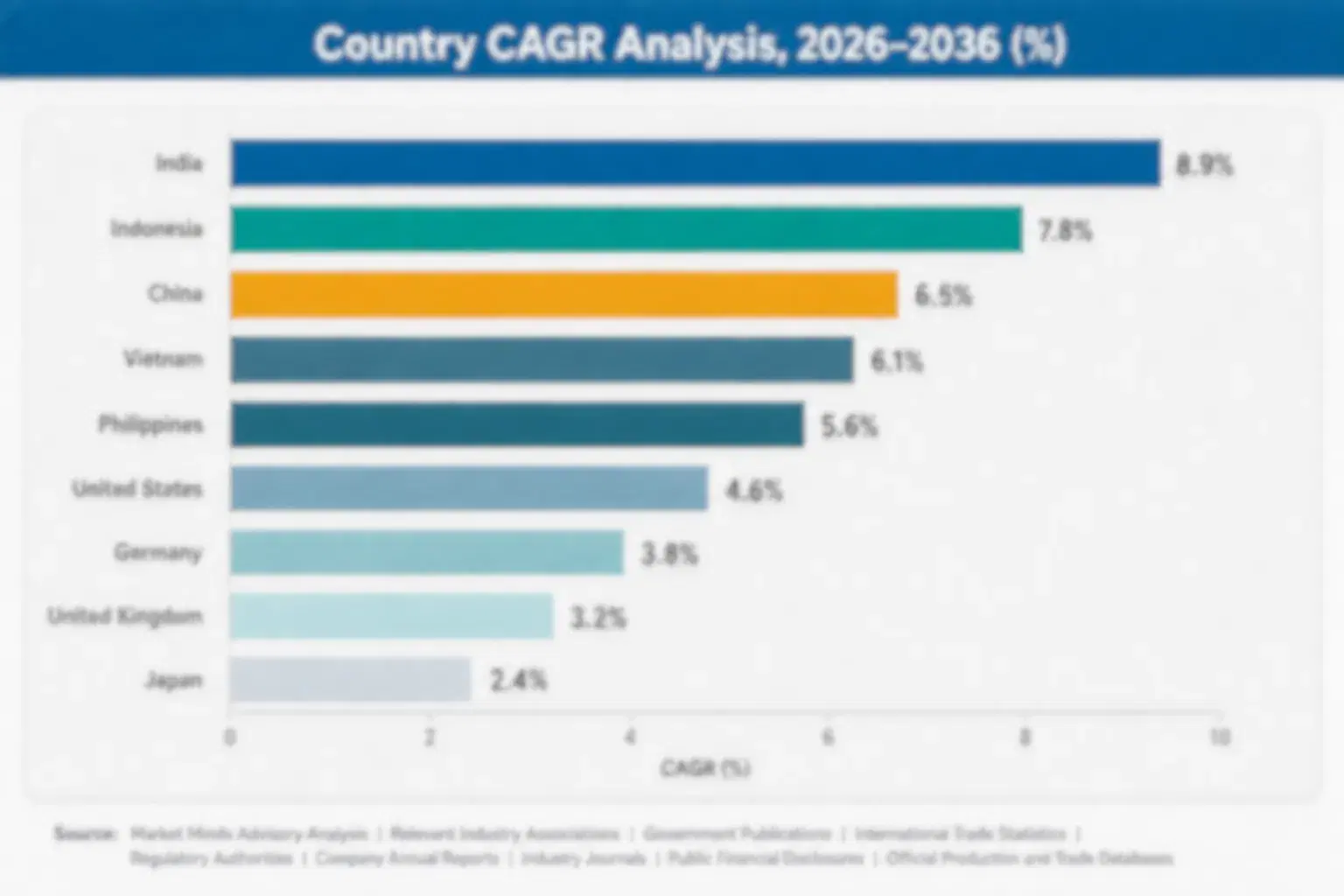
Beer Glassware Market by Country

Western Europe anchors the largest regional market by a wide margin, reflecting German stein heritage, British pub culture, and Belgian specialty beer tradition. East Asia trails on narrower commissioning culture, while South Asia and Pacific posts the fastest growth tracked here today.

North America

North America's beer glassware demand centers on craft brewery taproom investment and on-premise hospitality replacement volume, reflecting the region's dense craft brewery footprint and continued recovery of bar and restaurant traffic following past hospitality sector disruption. US producers and their glassware suppliers increasingly favor custom branded glassware commissioning for new taproom openings, reflecting intensifying competition among thousands of craft breweries for local market attention. Canada contributes meaningful craft brewery glassware demand tied to its own expanding taproom sector. Mexico's beer glassware demand benefits from a growing craft beer movement layered on top of its substantial traditional mainstream beer consumption base. US craft brewery counts continue climbing even as overall industry consolidation accelerates among larger regional players. The restaurant glassware market moves on similar drivers, with MMA projecting a 5.5% CAGR over 2026-2036.
Share: 25% | CAGR: 6.0% (2026 to 2036)

Western Europe

Western Europe anchors the largest regional beer glassware market by a wide margin, combining German stein and branded pilsner glass heritage, British pub culture built around the pint glass, and Belgian specialty beer glass tradition spanning hundreds of distinct style-specific vessel shapes. German producers including Rastal supply branded glassware to breweries across the entire continent and well beyond, reflecting decades of accumulated expertise in brewery-specific commissioning relationships. The region's share sits deliberately above the standard band, reflecting a concentration of beer glassware culture and heritage found nowhere else at comparable intensity. The United Kingdom's pub culture sustains dependable, high-frequency pint glass replacement demand independent of broader craft beer trends. Belgium's glass shapes remain a benchmark others are beginning to emulate. The USA beer filter system market is already worth USD 0.74 billion in 2025, and MMA expects a 6.0% CAGR from here to 2036.
Share: 35% | CAGR: 4.7% (2026 to 2036)
Regional intelligence for 5 additional markets available in the complete report: East Asia, South Asia and Pacific, Latin America, Middle East and Africa, Eastern Europe. Contact sales@marketmindsadvisory.com.
beer-glassware-market-share-analysis-country-cagr-analysis-1791419220202

Where Brewery Relationships Become Margin

Producers competing only on generic pint glass replacement face commoditization as breweries increasingly demand distinctive branded designs, so the clearest paths to margin expansion run through custom mold flexibility, style-specific design expertise, and hospitality distribution depth that customers will pay for directly. Four approaches stand out as genuinely available to most mid-sized producers. These suit producers without full studio capital.

Offering Modular Mold Platforms for Smaller Breweries

Producers that develop modular mold platforms, letting smaller and newer craft breweries achieve meaningful visual differentiation without fully bespoke tooling investment, can capture commissioning volume from thousands of independent breweries that fully custom producers price out of consideration entirely. This approach requires upfront investment in flexible mold engineering capability but opens a growing, high-touch volume pool that scale producers focused only on large national accounts often overlook. Producers offering this modular approach report winning roughly 20 to 30% more new brewery launches than competitors requiring fully bespoke tooling commitments. This path pays back quickly once a design wins repeat orders.
Market Impact: Wins 20 to 30 percent more new breweries

Building Style-Specific Design Expertise for Tasting Glassware

Producers that develop deep style-specific design expertise, understanding how vessel shape affects aroma concentration and head retention for distinct beer styles, can capture premium tasting glassware commissions that generic glassware producers cannot credibly compete for regardless of their manufacturing capability. A mid-sized producer winning even a modest share of this expanding tasting culture demand can generate substantial incremental revenue given typical premium tasting glass pricing. Producers with this expertise report commanding pricing premiums of 20 to 28% over standard pint glass formats. Several producers now employ dedicated flavor and aroma specialists to guide vessel shape development.
Market Impact: Commands roughly a 20 to 28 percent premium

Expanding Hospitality Distribution Network Depth Early

Producers that build dedicated distribution relationships directly into bar, pub, and brewery supply channels, rather than relying on general foodservice distributors unfamiliar with glassware-specific needs, can capture dependable replacement volume that competitors without this specialized access cannot reach as efficiently. This approach requires sustained investment in relationship management across a highly fragmented customer base of individual venues, but rewards producers with durable, recurring replacement revenue. Producers with established hospitality distribution depth report replacement revenue running 15 to 20% higher than producers relying on generalist distribution channels. This distribution depth becomes especially valuable during periods of rapid craft brewery proliferation.
Market Impact: Adds roughly 15 to 20 percent more revenue

Securing Multi-Year National Chain Glassware Contracts

Producers that secure multi-year glassware supply contracts with national pub and restaurant chains can generate dependable, predictable revenue that smooths the fragmented, project-based volatility typical of independent craft brewery commissioning, since chain contracts typically run multiple years with standardized reordering rather than one-off custom design projects. This approach suits producers with reliable, large-scale manufacturing capability that chain procurement processes specifically require before committing to a single supplier relationship. Producers with these chain contracts report revenue stability considerably higher, often 10 to 15% more predictable, than producers relying entirely on fragmented craft brewery demand.
Market Impact: Adds roughly 10 to 15 percent more stability

Beer Glassware Profit Pools

Five producers hold roughly a third of global revenue, a figure reflecting genuine fragmentation across a tableware industry where regional producers and specialty craft glass makers both compete alongside scale leaders for brewery commissioning business. Rastal and Libbey sit ahead of the next tier on brewery relationship depth and custom mold flexibility, while regional producers compete mainly on price for generic pint glass replacement volume.
Competition plays out across three dimensions: custom mold flexibility that wins fragmented craft brewery commissions, style-specific design expertise that commands premium tasting glassware pricing, and hospitality distribution depth that captures dependable replacement revenue. Producers that can credibly deliver on all three are winning the fastest-growing, highest-margin volume, while those competing purely on generic pint glass price face continuous margin pressure from lower-cost regional entrants.

Emerging pressure is coming from Asian producers adding capacity fast enough to challenge established European specialists on price within export markets, aided by lower labor and energy cost. Brewery merchandising and branding agencies are also becoming unexpected competitive factors, since companies with strong brand design expertise can partner directly with breweries on glassware concept development before a glass producer is ever brought into the process.
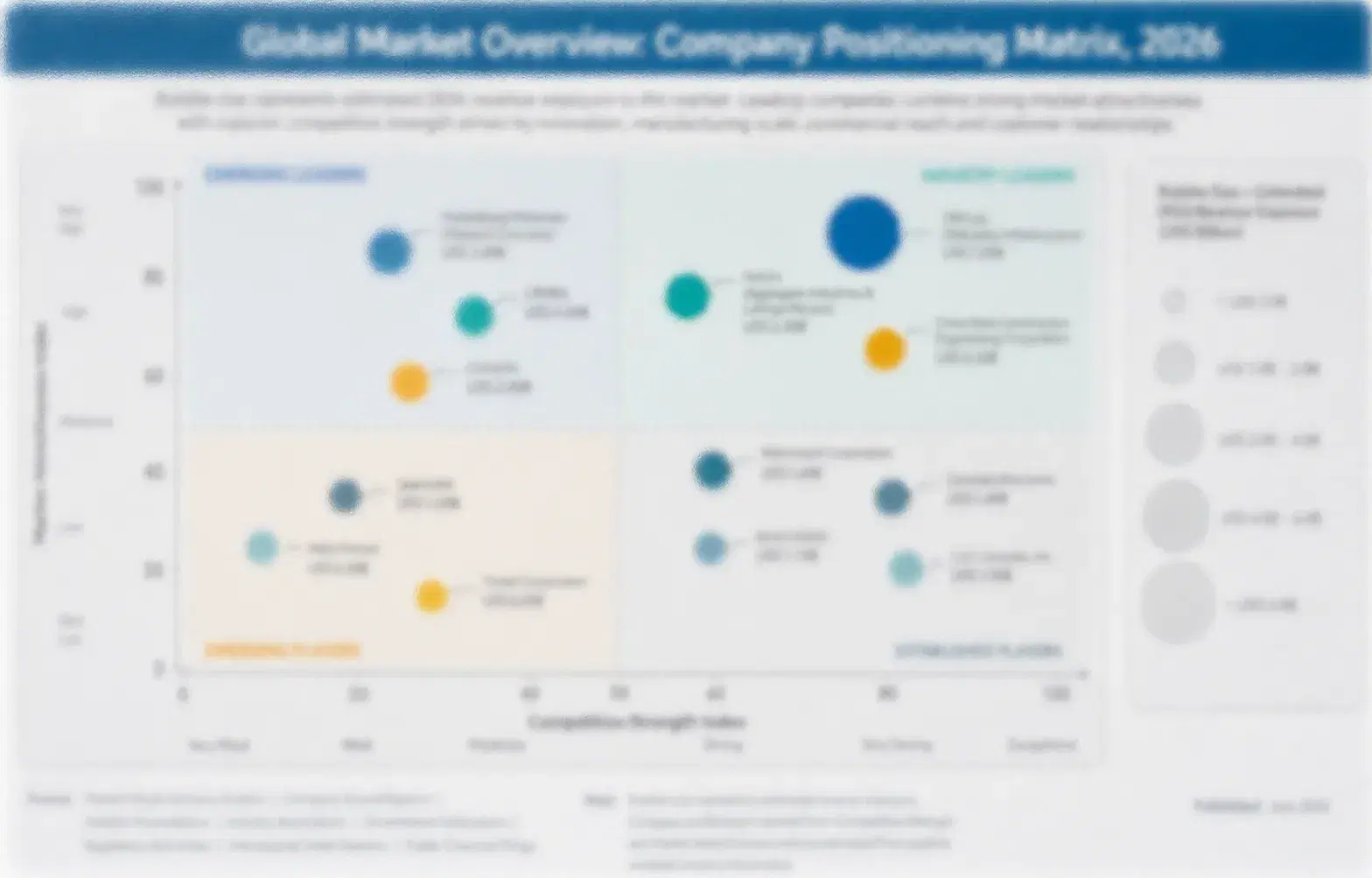
beer-glassware-market-share-analysis-company-positioning-matrix-1791419220382

Beer Glassware Supplier Positioning

RASTAL GMBH & CO KG

Moat: Deepest Brewery Commissioning Relationships

Rastal holds the deepest custom glassware commissioning relationships with craft and regional breweries across Europe, spanning decades of design collaboration that newer entrants cannot replicate quickly regardless of their manufacturing capability or pricing. That relationship depth functions as a qualification asset new entrants cannot simply purchase outright.
RASTAL GMBH & CO KG

Risk: Limited Scale Outside Europe

Rastal's manufacturing and relationship depth remains heavily concentrated in Europe, leaving it less positioned to capture faster-growing Asian and Latin American craft brewery commissioning demand than competitors with broader global manufacturing footprints already established. Closing that gap would require years of dedicated investment in markets outside its traditional European strength.
LIBBEY INC

Moat: Largest North American Distribution Network

Libbey operates the largest hospitality distribution network across North America, giving it dependable access to the fragmented bar and restaurant replacement volume that smaller regional competitors struggle to reach as efficiently across such a wide geographic footprint. That distribution reach is difficult for smaller regional competitors to replicate without years of dedicated investment.
LIBBEY INC

Risk: Commodity Exposure Pressures Margin

Libbey's large generic replacement glassware volume leaves it more exposed to regional price competition than peers weighted more heavily toward branded craft and tasting glassware, constraining its ability to expand margin as quickly as more design-focused competitors. Closing that margin gap would require a deliberate shift in sales mix toward higher-design, lower-volume accounts.

Players Tracked

Prominent Players

Libbey Inc
Arc International S.A.
Rastal GmbH & Co KG
Pasabahce
Bormioli Rocco S.p.A.

Other Key Players

Ocean Glass Public Company Limited
Luigi Bormioli S.p.A.
Spiegelau GmbH
Riedel Glas Austria GmbH
Anchor Hocking LLC
Durobor S.A.
Nachtmann GmbH
Zwiesel Kristallglas AG
Toyo Sasaki Glass Co Ltd
Borgonovo Group S.p.A.
RCR Cristalleria Italiana S.p.A.
Dartington Crystal Ltd
Stolzle-Oberglas GmbH
Vidivi S.p.A.
Crisal Alcobaca Cristais S.A.

Recent Developments

MARCH 2025

Rastal Opens New Branded Glassware Line in Germany

Rastal opened a new branded glassware production line in Germany dedicated to serving craft brewery clients, adding capacity to meet growing custom mold commissioning demand while expanding its design studio capability for next-generation taproom glassware programs across the continent. The facility reaches full output within roughly eighteen months of commissioning.
Signal: Signals established specialists are now scaling craft capacity well ahead of real demand.
AUGUST 2024

Libbey Acquires Specialty Tasting Glass Producer

Libbey acquired a specialty tasting glass producer to expand its craft beer glassware portfolio, strengthening its style-specific design capability in response to growing brewery demand for vessels calibrated to distinct beer styles and seasonal releases. The deal reflects growing brewery demand for vessels calibrated precisely to distinct beer styles.
Signal: Signals acquisition still remains the fastest route into specialized tasting glass capability.
NOVEMBER 2024

Arc International and Pasabahce Form Glassware Venture

Arc International formed a joint venture with Pasabahce to co-develop a lightweight branded glassware platform for hospitality chains, pooling design and manufacturing resources across two companies rather than competing head-on for the same national chain accounts. The structure lets both companies share development cost rather than duplicating platform engineering.
Signal: Signals established players increasingly prefer partnering over competing hard for accounts.

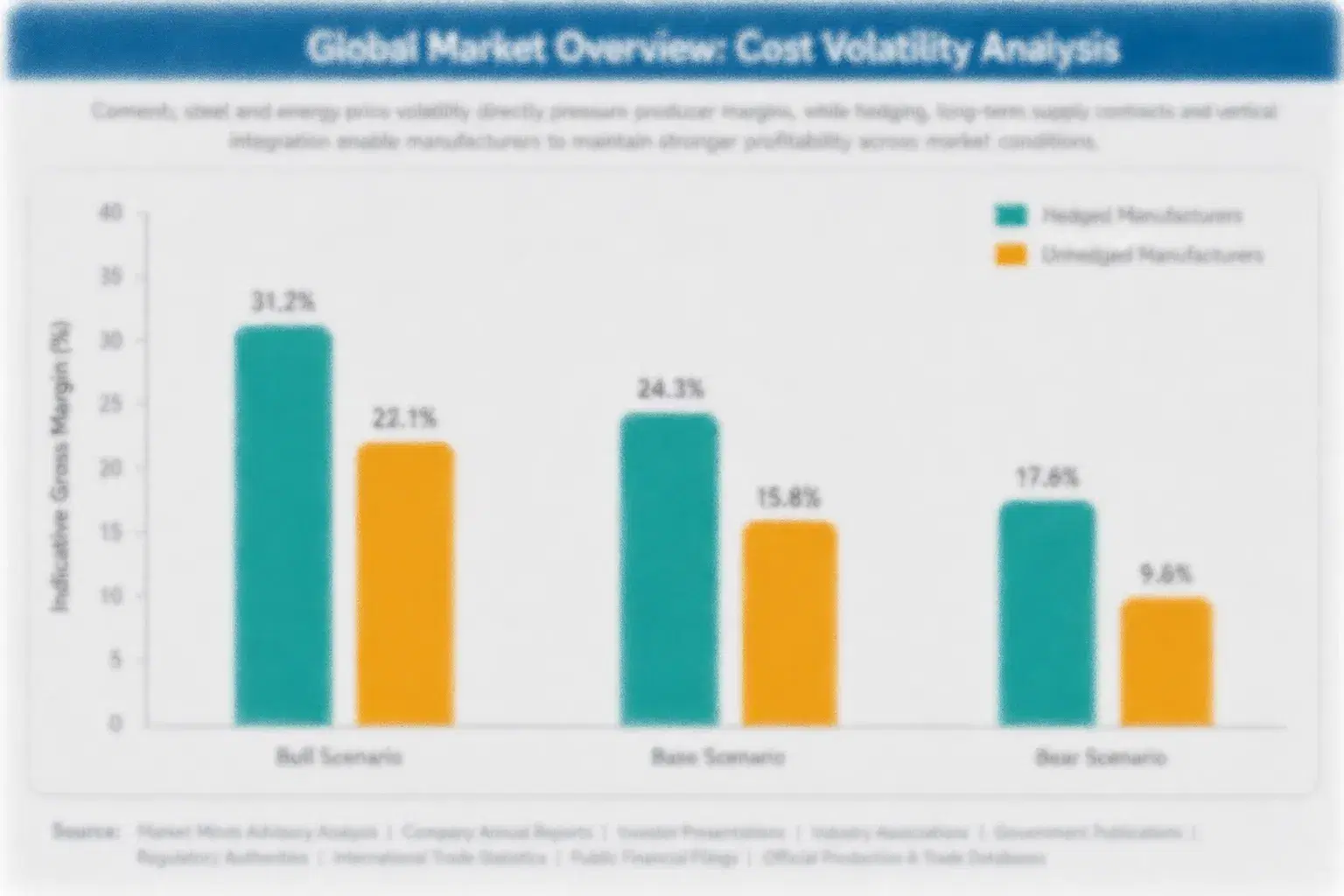
Mold Tooling and Energy Drive Glassware Cost

Custom mold tooling and decorative printing or embossing processes together account for roughly 30 to 38% of total launch cost for a new branded glassware design, alongside standard silica sand, soda ash, and furnace energy input cost that still dominates generic pint glass production specifically. This dual cost structure distinguishes beer glassware from most other packaging-adjacent categories.
Energy price volatility during 2022 compressed margins across the broader glass tableware industry according to European Commission energy market reporting from that period, with producers serving generic replacement volume absorbing the full cost increase directly since price-sensitive hospitality buyers resisted pass-through more than branded craft accounts did. Producers without long-term energy contracts faced the steepest near-term margin pressure during that window. Several producers responded by accelerating planned furnace efficiency upgrades originally scheduled for later years.

Smaller regional producers typically carry greater exposure to both energy volatility and the fixed cost burden of mold tooling investment than scale leaders, since they lack the volume to amortize tooling cost across as many units or the purchasing scale to negotiate favorable energy contracts. This disadvantage compounds for producers serving smaller craft breweries with modest order volume.
beer-glassware-market-share-analysis-cost-volatility-analysis-1791419220569

Modular Mold Platforms That Spread Tooling Cost

Producers are developing modular mold platforms that let multiple smaller brewery customers share base tooling investment while still achieving meaningful visual differentiation through logo placement and color variation, spreading fixed design cost across a broader customer base than fully bespoke tooling allows economically. This has become close to standard practice among producers serving many smaller brewery accounts.

Long-Term Energy Supply Agreements With Price Caps

Producers increasingly negotiate multi-year energy supply agreements that cap price increases within a defined band, protecting margin on generic replacement volume contracts that cannot easily pass through sudden cost increases to price-sensitive hospitality buyers mid-contract term.

Expanding Direct Hospitality Distribution to Protect Margin

Producers are building direct distribution relationships into bar and brewery supply channels, reducing reliance on general foodservice distributors who compress margin through additional markup layers while providing limited glassware-specific sales expertise. Several producers now employ dedicated hospitality account managers separate from general sales teams.

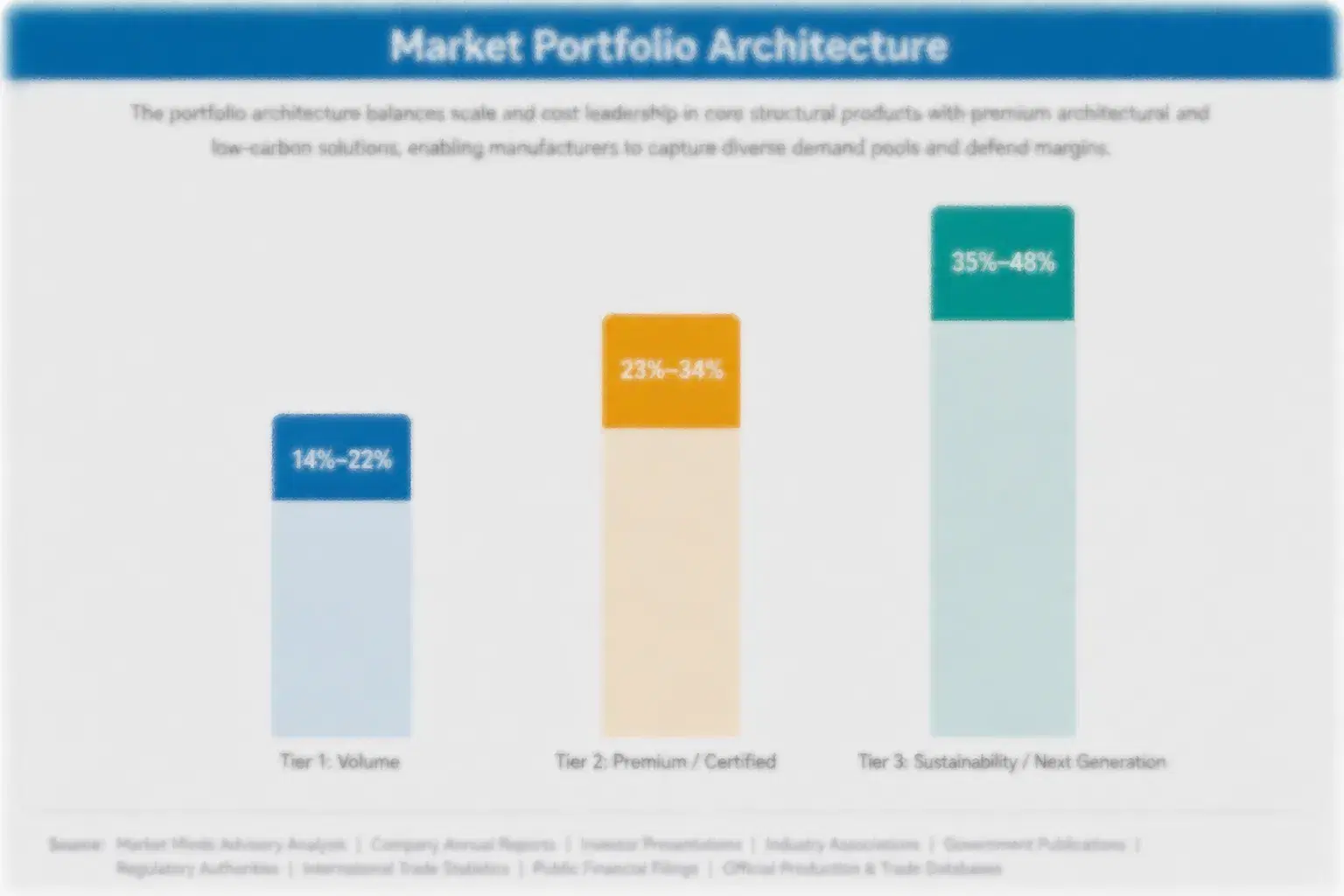
Portfolio Architecture for Margin Defence

Producers generally run a three-tier portfolio spanning generic pint glass and mug replacement volume sold mainly on price and breakage resistance, premium branded and style-specific tasting glassware commanding better economics tied to design and commissioning relationships, and next-generation lightweight branded platforms still scaling toward broader commercial adoption. Gross margin varies substantially across these tiers, with generic replacement volume competing hardest on price.
The tension between generic replacement volume and premium branded tiers shapes producer capital allocation directly, since replacement volume generates steady but minimal-margin cash flow, while premium branded and tasting glassware requires upfront design and tooling investment before generating comparable returns. Producers without a clear tier strategy risk getting squeezed from both directions as regional entrants undercut replacement pricing.

High-value margin pools are concentrating in branded glassware and style-specific tasting vessels, categories where breweries are willing to pay meaningfully above generic pint glass pricing for design distinctiveness and style-matched functionality. Producers positioned early in these categories are capturing a disproportionate share of total industry margin growth relative to their volume share today. This concentration is expected to deepen further as craft commissioning volume keeps climbing.

Volume / Commodity-Adjacent Tier

Generic pint glasses and mugs sold mainly on price and breakage resistance to bars, pubs, and large hospitality chains across mature on-premise consumption markets. Margins here depend heavily on breakage replacement volume and furnace efficiency.
Gross Margin: 14-20%

Premium / Certified Tier

Branded and style-specific tasting glassware carrying custom mold design and brewery commissioning relationships, sold to customers willing to pay for distinctiveness. Producers here typically maintain dedicated design studios separate from standard manufacturing operations.
Gross Margin: 26-34%

Sustainability / Regulatory / Next-Generation Tier

Lightweight branded glassware platforms still scaling toward broader commercial adoption, commanding premium pricing tied to breakage reduction and shipping efficiency value. Adoption is accelerating as more chains prioritize shipping and breakage cost reduction.
Gross Margin: 22-30%
beer-glassware-market-share-analysis-portfolio-architecture-1791419220760

High-value Sub-segments and Strategic Watch-out

Branded Glassware Sets

Branded glassware combines the fastest unit growth in the category with the strongest design-driven pricing, making this the segment producers are prioritizing most heavily for new mold engineering investment over the next several forecast years. Several producers have announced dedicated brewery account teams separate from standard sales operations.
Gross Margin: 28-36%

Tasting and Snifter Glasses

Tasting glassware commands strong pricing tied to the maturing craft beer tasting culture, representing the clearest path to premium, style-specific commissioning revenue beyond generic pint glass volume. Supply of style-specific design expertise gives early movers unusual pricing leverage.
Gross Margin: 24-32%

Pint Glasses and Mugs

Pint glasses and mugs remain the format's largest volume base, generating steady replacement revenue even as growth moderates relative to higher-margin branded and tasting tiers across mature markets. Producers here compete mainly on breakage resistance and reliability.
Gross Margin: 14-18%

Beer Steins and Tankards

Steins and tankards face the most direct competition from simpler pint glass formats in everyday on-premise use and offer the least room for differentiation, making this segment a candidate for continued share erosion ahead. Producers still serving this segment increasingly treat it as a byproduct of broader glassware capacity.
Gross Margin: 12-17%

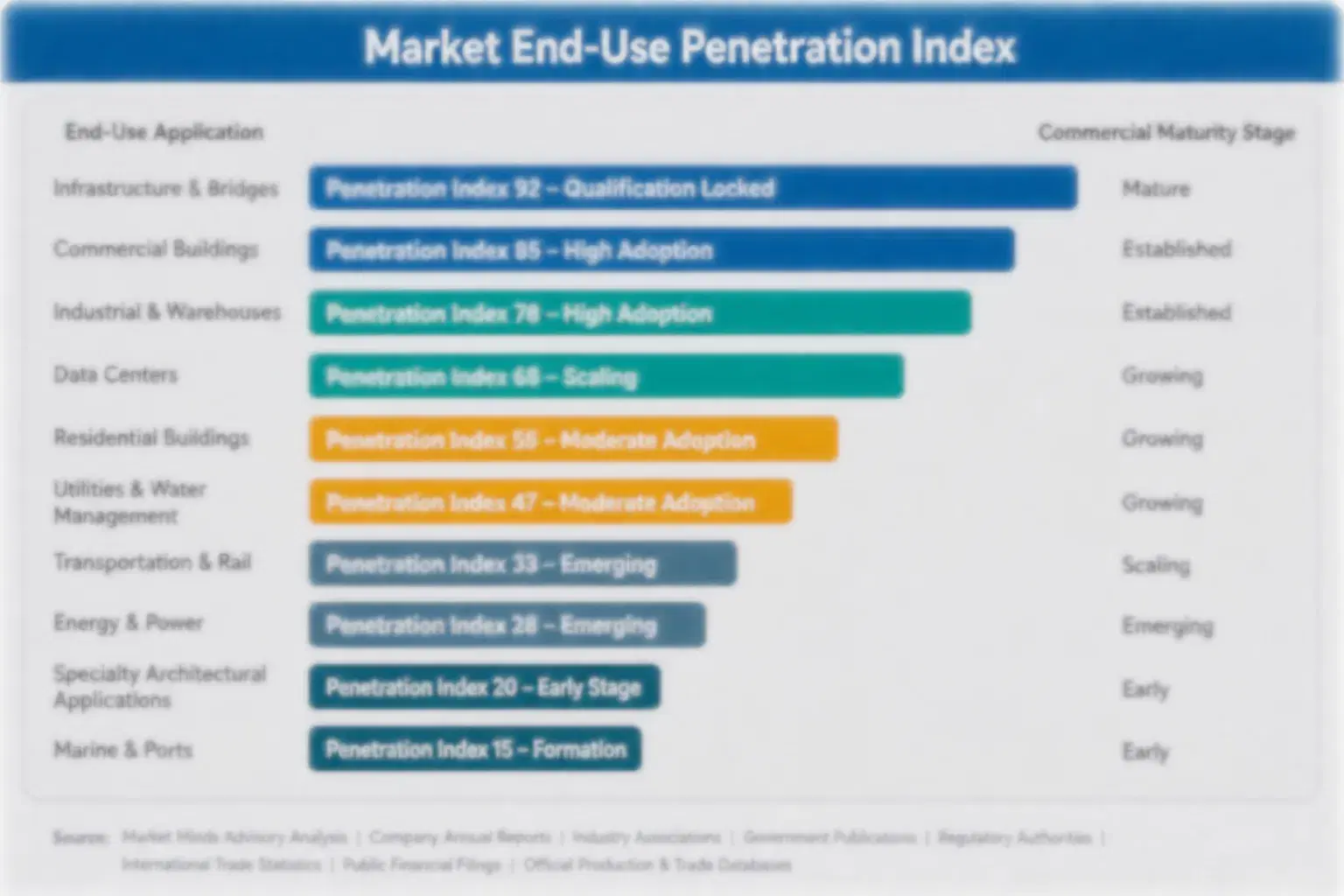
Why Taprooms Reset the Design Clock

Branded glassware commissioning relationships function more like recurring project engagements than true annuities, since each new taproom opening, seasonal release, or brand refresh typically triggers a fresh design and commissioning cycle rather than an automatic reorder of existing patterns. Generic pint glass replacement relationships behave more like genuine annuities, since hospitality venues tend to reorder from the same supplier repeatedly once a reliable, cost-effective relationship is established.
Adoption depth varies sharply by channel and vessel type. Generic pint glass replacement is fully mature with minimal remaining conversion opportunity, representing stable, price-competitive demand. Branded craft glassware adoption remains highly dynamic, with continuous new commissioning activity tracking brewery proliferation rather than any fixed replacement cycle. Style-specific tasting glassware adoption is earliest in its curve, with substantial on-premise volume still served in generic pint glasses that tasting culture maturation will gradually convert.

Buyer profiles are shifting generationally as craft brewery ownership increasingly skews toward younger operators who treat glassware design as inseparable from brand identity rather than a purely functional procurement decision handled separately from marketing. This shift is pushing producers to staff design consultation capability alongside traditional manufacturing sales roles.
beer-glassware-market-share-analysis-end-use-penetration-index-1791419220945

What Glassware Producers Should Prioritize

These are among the four positions where our research anticipates prominent divergence between winners and laggards over the coming forecast period. Each is grounded in the demand model, the regulatory perimeter, and the announced capacity pipeline.
01 / MODULAR MOLD PLATFORM DEVELOPMENT

Build modular platforms before craft breweries consolidate elsewhere

Craft breweries are already shortlisting producers based on tooling accessibility and turnaround speed, not waiting for the category to mature before committing to packaging partners willing to work within their modest launch budgets. Producers without this capability risk exclusion from the category's most fragmented but collectively substantial commissioning volume, since breweries strongly prefer accessible entry points. Early positioning is becoming a precondition for winning this business at scale, and capital committed to modular tooling now compounds into a lead rivals cannot close quickly.
02 / STYLE-SPECIFIC DESIGN INVESTMENT

Build tasting glassware expertise ahead of culture maturation

Beer brands both craft and mainstream are already commissioning style-specific glassware for flagship releases, not waiting for tasting culture to fully mature before investing in vessels calibrated to particular beer styles. Producers without this design expertise risk exclusion from the category's highest-margin commissioning work, since brand owners prefer producers with demonstrated style-specific engineering credentials. This dynamic is reshaping where creative investment flows, and early movers are already winning flagship work from brands seeking genuine differentiation as more brand owners publicly commit to style-matched serving programs.
03 / HOSPITALITY DISTRIBUTION EXPANSION

Build direct bar and brewery distribution ahead of generalist competitors

Producers with direct hospitality distribution relationships are already capturing more dependable replacement revenue than those relying on generalist foodservice distributors unfamiliar with glassware-specific needs and inventory patterns. Producers that delay building this direct access risk losing replacement volume to competitors who invested earlier across fragmented hospitality accounts. Capital committed to distribution infrastructure now compounds into a durable advantage that grows more valuable as brewery accounts multiply across every major market, one latecomers find far harder to close.
04 / AT-HOME CHANNEL DIVERSIFICATION

Diversify into retail glassware before on-premise volume fully recovers

At-home drinking habits that strengthened during past hospitality disruption have proven more persistent than many producers initially expected, and nothing about current consumption data suggests that shift will fully reverse within the forecast period covered by this report. Producers that build retail home-use glassware capability now are trading some near-term focus on their traditional on-premise business for meaningfully better positioning against a durably shifted consumption pattern. Producers treating this shift as a passing blip rather than a lasting change are taking on avoidable channel risk.

Engagement Snapshot From the Field

A live engagement with an industry participant carrying material or product regulatory and market exposure ahead of a defining policy shift, showing how our research translates into a defensible multi-year portfolio strategy.
MARKET MINDS ADVISORY · CLIENT ENGAGEMENT SUMMARY
Beer Glassware Producer Strategic Portfolio Review and Transition Roadmap 2026·Investment Scenario on Beer Glassware Exposure Evaluation 2025-26
CLIENT PROFILE
The client is a regional craft brewery chain based in the United States with annual revenue in the $60 million range (client-reported, unverified by MMA), operating several taprooms and planning an expansion into four new markets over the following two years. The company had historically sourced glassware opportunistically from whichever supplier offered the fastest turnaround, resulting in inconsistent branding across its existing locations.
STRATEGIC CHALLENGE
The client needed to standardize its branded glassware program across both existing and planned new taproom locations, without a clear internal framework for balancing design consistency against the cost and lead time of fully custom tooling across its expanding footprint. The client also needed to understand realistic breakage replacement volume for its planned new locations before finalizing its glassware budget.
MMA APPROACH
MMA's team benchmarked glassware supplier capability and modular mold platform options across five candidate producers, modeled cost scenarios against the client's four-market expansion timeline, and facilitated supplier selection discussions that balanced brand consistency against budget and lead time constraints. The engagement concluded with a recommended primary supplier and a revised glassware budget.
KEY FINDINGS
  1. A modular mold platform approach would let the client achieve consistent branding across all planned locations at roughly half the cost of fully bespoke tooling for each individual taproom.
  2. Only two of five candidate producers offered modular platforms flexible enough to accommodate the client's planned seasonal and limited-release glassware variations. limiting the realistic shortlist considerably from the original five candidates.
  3. The client's original glassware budget assumption had not accounted for the breakage replacement volume its new taproom locations would generate in their first full year of operation.
  4. Standardizing on a single supplier relationship was projected to reduce the client's effective per-unit glassware cost meaningfully once combined order volume reached sufficient scale.
RECOMMENDED STRATEGY
Phase 1: Phase 1 (Months 1-2): Benchmark glassware supplier capability and modular platform options across five candidate producers. across five leading glassware producers. Phase 2: Phase 2 (Months 3-5): Model cost scenarios against the four-market expansion timeline and select a primary supplier. balanced against brand consistency goals. Phase 3: Phase 3 (Months 6-24): Roll out standardized branded glassware across existing and new taproom locations as they open. coordinating closely with each location's opening date.
OUTCOME
The client standardized on a single primary supplier using a modular mold platform and reported consistent branding across its expanding footprint with per-unit cost savings in line with projections (client-reported, unverified by MMA) once full expansion volume was reached. The client has since extended the same supplier relationship to its merchandise and retail glassware line.

Frequently Asked Questions

Foundational context covering the market sizes, CAGR, scope, country, region and competition that inform every finding below. This section is provided to cover basics and most often pre-purchase conversations, answered from the MMA Primary Research Dataset.

What is the current size of the Beer Glassware Market?

The global beer glassware market reached $3.1 billion in base year 2025. Growth is driven primarily by craft brewery taproom investment and maturing beer tasting culture.

How large will the Beer Glassware Market be by 2036?

MMA projects the market will reach approximately $6.0 billion by 2036, roughly 1.8 times the 2026 figure. This reflects sustained craft brewery and branded glassware growth.

What is the CAGR for the Beer Glassware Market 2026 to 2036?

The market is forecast to grow at a compound annual growth rate of 6.2% between 2026 and 2036. That pace reflects accelerating craft brewery commissioning activity worldwide.

Which segment is growing fastest?

Branded glassware sets are the fastest-growing segment, expanding at roughly 1.42 times the overall market CAGR. Craft brewery taproom marketing investment is driving this growth.

Who are the major companies in the Beer Glassware Market?

Libbey, Arc International, Rastal, Pasabahce, and Bormioli Rocco lead the global market. Together they hold an estimated 32% of global revenue in a notably fragmented industry.

Which country is growing fastest?

Vietnam is the fastest-growing country market, expanding at roughly 9.0% annually, driven by rapidly expanding craft beer culture and growing urban hospitality investment across the region.

Beer Glassware Segments Covered

The full report scope spans multiple orthogonal segmentation dimensions, with cross-tabulated demand data provided for each dimension pair. Coverage extends further to regional breakdowns, trend trajectories, and the competitive detail needed to support segment-level decision-making.

By Product Type

  • Pint Glasses and Mugs
  • Pilsner and Tulip Glasses
  • Beer Steins and Tankards
  • Tasting and Snifter Glasses
  • Branded Glassware Sets
  • Specialty Craft Beer Glassware

By End-Use Channel

  • On-Premise Hospitality
  • Retail Home-Use
  • Brewery and Taproom Merchandising

By Commercial Dimension

  • Branded Custom Commissioning
  • Generic Stock Supply
  • Chain and Institutional Contract Supply

By Region

  • North America
  • Western Europe
  • East Asia
  • South Asia and Pacific
  • Latin America
  • Middle East and Africa
  • Eastern Europe

Scope, Methodology, and Coverage

Every figure in this report is reproducible from documented input assumptions. The scope below maps the historical period, the forecast horizon, the segmentation dimensions, and the countries covered, alongside the underlying primary and qualitative methodology.
Historical Period
2020 to 2025
Forecast Period
2026 to 2036
Base Year
2025 (USD billions; MMA Primary Research Dataset, October 2026)
Market Definition
The beer glassware market covers drinkware designed for serving and presenting beer, including pint glasses and mugs, pilsner and tulip glasses, steins and tankards, tasting and snifter glasses, branded glassware sets, and specialty craft beer glassware, sold into both on-premise hospitality and retail home-use channels. It excludes beer bottles and cans, which are primary packaging covered under the glass container market scope, as well as wine and spirits glassware and general tableware not specifically designed for beer service.
Quantitative Units
USD billions (current prices); million units of converted volume where applicable
Segmentation Dimensions
By Product Type; By End-Use Channel; By Commercial Dimension; By Region
Regions Covered
North America, Western Europe, East Asia, South Asia and Pacific, Latin America, Middle East and Africa, Eastern Europe
Countries Covered
USA, Germany, UK, Belgium, France, Czech Republic, China, Japan, South Korea, Vietnam, Australia, India, Canada, Mexico, Brazil, Argentina, Colombia, UAE, Saudi Arabia, South Africa, Nigeria, Poland, Romania, Netherlands, Spain, Italy, Sweden, Turkey, and additional markets relevant to this sector
Key Companies Profiled
Libbey Inc, Arc International S.A., Rastal GmbH & Co KG, Pasabahce, Bormioli Rocco S.p.A., Ocean Glass Public Company Limited, Luigi Bormioli S.p.A., Spiegelau GmbH, Riedel Glas Austria GmbH, Anchor Hocking LLC, Durobor S.A., Nachtmann GmbH, Zwiesel Kristallglas AG, Toyo Sasaki Glass Co Ltd, Borgonovo Group S.p.A., RCR Cristalleria Italiana S.p.A., Dartington Crystal Ltd, Stolzle-Oberglas GmbH, Vidivi S.p.A., Crisal Alcobaca Cristais S.A.
Quantitative Methodology
Primary survey, n=3,800 respondents, Q4 2025, six countries; demand-side model with trade association cross-validation
Qualitative Methodology
47 expert interviews, Q4 2025; applied to validate demand model assumptions, identify emerging dynamics, and assess competitive positioning
Report Format
PDF and XLSX data workbook (Word format preview document)
Publisher
Market Minds Advisory
Report Code
MMA-2026-PAC-222
Published
October 2026
Contact
sales@marketmindsadvisory.com | www.marketmindsadvisory.com

Purchase the full Beer Glassware Market Report (2026 to 2036).

The full report provides detailed market sizing and ten-year forecasts across all six product type segments and all seven world regions, supported by producer-level distribution and design capability benchmarking and primary interview findings. It includes in-depth competitive profiles of the top five producers alongside second-tier player coverage, mold tooling and energy cost exposure analysis, and craft brewery commissioning activity tracking across major hospitality markets. Channel-specific margin and pricing data is broken out separately from headline market figures to support both strategic planning and tactical sourcing decisions. Buyers receive the full data set in editable format alongside the formatted report document itself.
Ten-year market sizing across six product type segments
Producer distribution capability benchmarking across every market
Craft brewery commissioning activity tracking data
Mold tooling and energy cost exposure analysis
Editable data tables alongside the formatted report
Primary interview findings from 47 industry experts

Built For The People Who Decide

From boardroom strategy to bench-side execution, this report is read cover-to-cover by leaders shaping the next decade of their industry, turning demand scenarios, market dynamics and valuation benchmarks into decisions.
CXOs/ Presidents/ VPs/ Managers
M&A and Corporate Development
Strategy Teams and R&D Heads
Procurement and Product Directors
Regulatory and Compliance Leaders
Investor Relations and Equity Analysts