

Market Minds Advisory
Batter Based Premixes Market

Batter Based Premixes Market: Batter Based Premixes Market. Egg Price Volatility, Labour Shortages, and Plant-Based Formulation Reshape Cake, Muffin, and Pancake Mix Supply.

Batter premixes replace skilled scaling with a bag, but egg price spikes, flour and sugar costs, and clean label targets now decide which suppliers keep in-store bakeries, foodservice chains, and retail mix aisles.

Lead Analyst

Published

September 2026

Make Smarter Decisions with Customized Research Insights

Request a free sample report and evaluate market opportunities, growth trends, and competitive dynamics relevant to your business needs.

2025 MARKET VALUE$4.1BMarket Size 2025
2036 FORECAST VALUE$7.6BBase Case , 2026 to 2036
CAGR 2026 TO 20365.8 %Bull 7.1% / Bear 4.5%
INCREMENTAL OPPORTUNITY$3.3BNet 10- year value creation
EXPANSION MULTIPLE1.76x2036 value over 2026 base
Strategic Levers
M&A Pipeline
Regional Outlook
Country Rankings
Competitive Intelligence
Segmental Deep-dive
Call-Us : 91 93563 13602

Executive Snapshot and Market Trajectory.

A batter premix is a bag that carries flour, sugar, leavening, and flavour, so a shift worker with no baking training can produce a consistent cake or muffin. That promise of consistency is the whole business, and egg prices and labour shortages are testing it.
Plant-based egg-free premixes grow fastest, because avian influenza spikes, allergen concerns, and vegan menu growth push buyers toward formulas without egg, while complete just-add-water and traditional mixes anchor volume in muffins, cakes, pancakes, and waffles. North America holds the largest share, since retail baking mixes, foodservice chains, and in-store bakeries use premixes at unmatched scale, with Western Europe and East Asia following. India leads country growth. Cafes add demand.
Competition is led by branded houses and bakery ingredient suppliers. General Mills, Conagra Brands, J.M. Smucker, Dawn Foods, and Bakemark supply most retail and foodservice volume, while regional mills and Asian ingredient houses compete on price and speed. Regulation matters through allergen labelling, front-of-pack rules, and additive limits, and buyers reward consistent volume, moist crumb, and a short ingredient list. Processors invest ahead of demand quickly. Retail buyers ask for proof before listing.
Market Definition
Batter based premixes comprise dry and semi-dry powder blends of flour, sugar, leavening, fat, and flavour systems formulated for cakes, cupcakes, muffins, pancakes, waffles, doughnuts, and brownies, sold to households, in-store and craft bakeries, industrial bakers, and foodservice operators that add water, eggs, or oil to make a batter. The scope excludes bread and yeast-dough premixes, frying batters and coatings, ready-to-bake refrigerated batter, and finished baked goods.
Base Year Value
$4.1B in 2025 (MMA Primary Research Dataset, September 2026)
Forecast Period
2026 to 2036, eleven discrete annual values
CAGR
5.8% base case. Bull 7.1%. Bear 4.5%.
Fastest Growth Segment
Plant-Based Egg-Free Premixes: 10.2% CAGR
Fastest Growth Country
India: 8.4% CAGR
Fastest Growth Region
South Asia and Pacific: 7.8% CAGR
Largest Region
North America: 34% of 2025 global value
Market Leaders
General Mills, Conagra Brands, The J.M. Smucker Company, Dawn Foods, Bakemark. Source: MMA Analysis, company annual reports.
Primary Survey
n=3,800 procurement and R&D decision-makers, Q4 2025, six countries
Methodology
Demand-side build-up, cross-validated against public data, 47 expert interviews

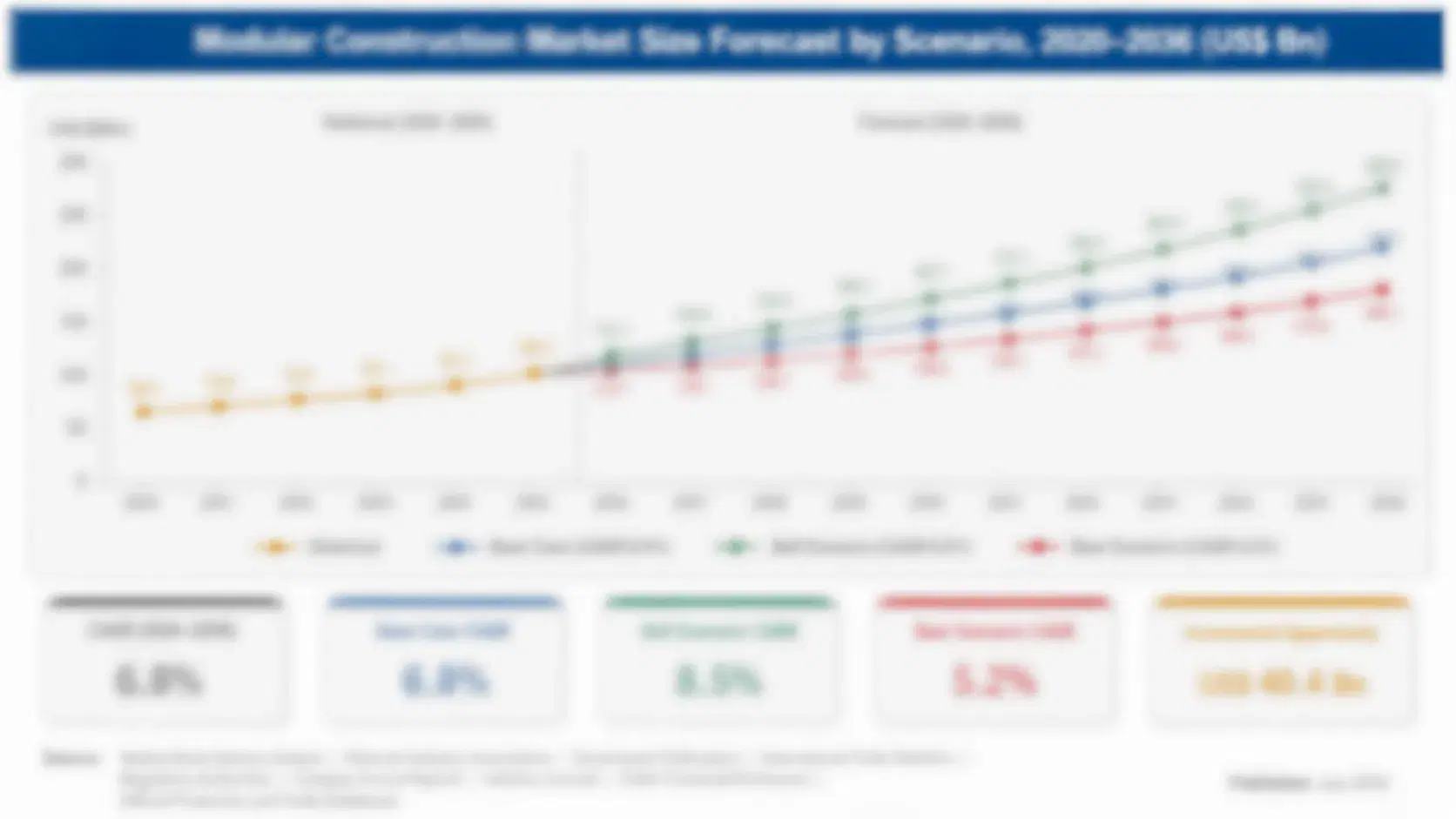
Batter Based Premixes Market Forecast Scenarios

batter-based-premixes-market-size-forecast-scenario-1789783724728
From 2020 to 2025, batter premixes benefited from home baking, in-store bakery expansion, and foodservice recovery, then met egg and ingredient inflation. Lockdown demand lifted retail cake and pancake mixes, supermarkets expanded muffin and cupcake programmes, and price increases supported value. Growth averaged 5.1% a year, though egg price spikes, private-label pressure, and weaker volume in retail mixes limited gains for some brands.
The base case assumes 5.8% annual growth through 2036, built on three named mechanisms: labour shortages at in-store bakeries and cafes that make just-add-water premixes more attractive, plant-based and egg-free launches that reduce cost volatility and reach vegan buyers, and premiumisation of pancake, waffle, and brownie mixes with protein, ancient grain, and clean label claims. Bakery expansion in Asia reinforces each mechanism across the forecast period. Chain programmes lift orders.
The bull case, at 7.1%, needs egg prices to ease and plant-based adoption to accelerate. The bear case, at 4.5%, reflects further ingredient spikes, private-label trade-down, and slower foodservice traffic. Either path leaves the labour-saving case intact, though mix and pricing would shift. Analysts watch egg prices and plant-based adoption most closely, since each moves margin directly.

Consistency and Egg Exposure Decide Batter Premix Winners

Batter premixes blend flour, sugar, leavening agents such as baking powder, emulsifiers, milk or egg powder, salt, and flavour into a shelf-stable powder. Users add water, eggs, oil, or milk, mix, and bake or cook. Complete mixes include egg and fat powders so only water is needed, while base mixes need eggs and oil. Formulators tune particle size and leavening balance to control volume, moisture, and crumb across ovens and griddles.
MARKET CONCENTRATION40% CR5Leading five suppliers hold a moderate combined share
FLOUR SHARE OF COGS33%Wheat flour is the largest single ingredient cost line
SUGAR SHARE OF COGS20%Sugar and sweeteners form the second largest cost line
FOODSERVICE CHANNEL SHARE46%Portion of demand from bakeries, cafes, and restaurants
TYPICAL BAG SIZE20 kgStandard commercial pack used in bakeries and cafes
SHELF LIFE9 monthsTypical stable period for sealed premix in dry storage
Buyers use premixes in several ways. Households buy boxed cake, brownie, muffin, and pancake mixes, in-store bakeries and cafes use 20 kilogram bags for muffins and cakes, restaurants and hotels use pancake and waffle mixes for breakfast, and industrial bakers use bulk premixes in automated depositing lines. Pricing follows flour, sugar, and egg powder costs with a lag, and suppliers add service and recipes.
Suppliers sit at several levels. Branded consumer houses such as General Mills, Conagra, and Smucker sell retail mixes, bakery ingredient suppliers such as Dawn Foods, Bakemark, Puratos, and Bakels sell professional systems, and regional mills sell private-label and bulk mixes. Customers judge them on batch consistency, allergen control, ingredient list length, and how quickly technical teams solve volume or moisture problems.
"A premix does not sell flour, it sells the absence of a scaling error. Buyers stay with a bag as long as every batch behaves, and the suppliers who can keep that promise while egg prices swing will hold accounts that competitors cannot dislodge."
Practice Lead, Bakery Premixes Practice · MMA Bakery Premixes Practice · September 2026

Market Trends

Egg-Free Premixes Respond to Egg Price Spikes and Allergen Demand

Egg powder prices roughly doubled between 2022 and 2023 during avian influenza outbreaks, according to United States Department of Agriculture data, and premix suppliers responded with egg-free systems using pulse proteins, starches, and hydrocolloids that hold volume and moisture in cakes and muffins. Dawn Foods, Bakemark, and Puratos sell egg-free lines, and retail brands launched vegan cake mixes at 10% to 25% price premiums. The technical challenge is crumb structure, since egg provides foam stability and emulsification, so formulators use enzymes and blends to compensate. Cost is now close to egg-based mixes at recent prices, which speeds adoption in foodservice.
Market Impact: wages rose 15-30% since 2021

Complete Just-Add-Water Premixes Cut Labour in In-Store Bakeries and Cafes

Bakeries and cafes facing skilled labour shortages and rising wages choose complete premixes that need only water, which removes scaling steps and reduces waste from measuring errors. A supermarket in-store bakery can cut batter preparation time by 30% to 50% and reduce ingredient waste by 3 to 5 points. Suppliers provide recipes, training, and bake tests, and chains write specifications for mix and brand into central programmes. Complete mixes cost 10% to 20% more per kilogram than base mixes, but labour savings outweigh the premium in most settings, which lifts adoption in countries with high wage rates.
Market Impact: foodservice takes 46% of premix demand

Market Opportunities and Growth Drivers

Labour Shortages and Wage Inflation Push Bakeries Toward Premix Systems

Bakery and cafe operators in the United States, the United Kingdom, Australia, and Germany report persistent shortages of trained staff, and wage costs have risen by 15% to 30% since 2021, according to national labour statistics. Premixes let untrained staff produce consistent muffins, cakes, and pancakes, and reduce dependence on skilled bakers. Labour is 25% to 35% of bakery cost of goods, so a mix that saves an hour per batch pays back within months. Suppliers add training, remote troubleshooting, and central specifications, which locks in chains that would otherwise struggle to keep quality consistent across shops.
Market Impact: egg powder prices doubled in 2022-2023

Foodservice and In-Store Bakery Expansion Sustains Muffin and Pancake Volume

Coffee chains, breakfast restaurants, and supermarket in-store bakeries sell muffins, cupcakes, pancakes, and waffles as high-margin items, with muffin gross margins above 60%. Foodservice accounts for about 46% of premix demand, and chains such as Starbucks, Costa, IHOP, and Denny's write mix specifications in central programmes. A busy breakfast restaurant uses 300 to 800 kilograms of pancake mix a month. Chain expansion in Asia and the Gulf adds volume, and supermarket bakeries widen ranges beyond capital cities, which supports recurring orders for suppliers with distribution and technical service. Chains standardise mixes centrally.
Market Impact: private label sells 15-30% below brands

Market Restraints and Challenges

Egg, Flour, and Sugar Cost Volatility Squeezes Premix Margins

Egg powder prices doubled between 2022 and 2023 during avian influenza outbreaks, and wheat and sugar prices spiked after Black Sea disruption, according to United States Department of Agriculture data. The root cause is flock disease, weather, and dependence on concentrated grain exports. Suppliers passed increases through with a lag of two to three months, and price rises of 15% to 30% pushed some buyers toward private label or scratch baking. Mitigation includes forward contracts, egg-free formulas, and index-linked pricing, though customers resist repeated increases, and margin recovery takes several quarters.
Market Impact: egg powder prices doubled in 2022-2023

Private Label and Scratch Baking Compete on Price in Retail

Retailers sell private-label cake and pancake mixes at 15% to 30% below brands, and small bakeries with skilled staff bake from scratch to control cost and differentiate, according to industry interviews. The root cause is low switching cost for household buyers and the simplicity of standard recipes. Branded suppliers respond with premium lines, protein and organic claims, and recipe marketing, though price-sensitive shoppers trade down in weak economies, and retailers push private label in prime aisle positions. Mitigation includes value packs and co-manufacturing for retailers, but margins on private label run lower.
Market Impact: complete mixes cut prep time 30-50%
3 additional market trends, 2 additional growth drivers, and 3 additional restraints and challenges are covered in the full report. Contact sales@marketmindsadvisory.com to access the complete intelligence.

Segment CAGR and Growth Architecture

Batter based premixes are segmented by formulation system, because egg content, protein level, preparation steps, price, and buyer group differ more between complete just-add-water, traditional base, concentrated base, high-protein and functional, plant-based egg-free, and low-sugar systems than they do by end product. Plant-based and high-protein systems attract most investment as buyers cut egg exposure and chase health claims.
batter-based-premixes-market-market-share-analysis-1789783724901

Plant-Based Egg-Free Premixes

Plant-based egg-free premixes are the fastest-growing segment, using pulse proteins, modified starches, hydrocolloids, and enzymes to replace egg in cakes, muffins, cupcakes, and pancakes while keeping volume and moist crumb. Dawn Foods, Bakemark, and Puratos sell professional egg-free lines, and retail brands offer vegan boxed mixes at 10% to 25% premiums. The segment removes egg price exposure and serves allergy-aware and vegan buyers, including schools and caterers that ban egg. Growth depends on crumb texture and cost parity, and suppliers with pulse protein sourcing, application labs, and dedicated lines win chain specifications from buyers that want one recipe across markets. Retail brands report that vegan mixes bring new households into the baking aisle.
CAGR 10.2%

High-Protein and Functional Premixes

High-protein and functional premixes are the second-fastest segment, adding whey, pea, or milk protein, fibre, and ancient grains to pancake, waffle, muffin, and brownie mixes to reach claims of 10 grams of protein or more per serving. Retail brands such as Kodiak Cakes and Krusteaz sell protein pancake mixes at 30% to 60% above standard products, and foodservice chains add protein waffles to menus. Growth depends on taste and texture, since protein can dry crumb, and on claim rules, so suppliers use enzymes and moisture-retaining blends to protect quality while retailers give fitness and health sections dedicated space. Gyms, cafes, and breakfast restaurants also list protein waffles, which extends reach beyond ordinary grocery aisles.
CAGR 8.6%
Full segment breakdown across 6 segments available in the complete report.

Regional Architecture and Country Demand Map

Batter premix value follows in-store bakery scale, retail baking habits, and foodservice density. North America leads through retail mixes and chains, Western Europe follows through bakery ingredient suppliers, East Asia adds fast-growing cake and pancake demand, and India is the fastest-growing country as bakery chains expand.

North America

North America holds 34% share, above its usual band, because the United States has the world's largest retail baking mix aisle, the densest network of in-store bakeries, and the biggest breakfast and coffee chains, so premix use per capita is highest here. General Mills, Conagra, Smucker, Continental Mills, Dawn Foods, and Bakemark lead. Egg costs, private-label competition, and slow retail volumes restrain returns, though labour shortages and plant-based launches keep growth near the global rate. North America and Western Europe hold the top two positions because both pair large bakery ingredient suppliers with high labour costs that favour premixes. Warehouse clubs sell bulk pancake mixes, and independent bakeries buy 20 kilogram bags from distributors.
Share: 34% | CAGR: 5.7% (2026 to 2036)

Western Europe

Western Europe holds 22% share, with the United Kingdom, Germany, France, Italy, and the Netherlands using premixes in supermarket in-store bakeries, craft bakeries, and cafes, and Puratos, Dr. Oetker Professional, Zeelandia, Lantmannen Unibake, and Bakels supplying professional systems. Retail baking mixes are less common than in North America because scratch baking is more traditional, which holds growth below the global rate. Labour costs and clean label rules support professional premixes, and vegan and allergen-aware formulas add value. German and Dutch bakeries adopt automated depositing, and French chains extend muffin ranges. Retailers such as Tesco and Aldi sell cake mixes seasonally, and craft bakeries in Germany and the Netherlands use premixes for muffins and sponges.
Share: 22% | CAGR: 4.4% (2026 to 2036)
Regional intelligence for 5 additional markets available in the complete report: East Asia, South Asia and Pacific, Latin America, Middle East and Africa, Eastern Europe. Contact sales@marketmindsadvisory.com.
batter-based-premixes-market-country-cagr-analysis-1789783725080

Four Margin Routes for Batter Premix Suppliers

Margin in batter premixes comes from selling labour savings and consistency, not flour. Suppliers that convert bakeries to complete mixes, sell egg-free and protein lines at premiums, bundle technical service, and pass egg and flour costs through index-linked pricing earn more per tonne than those competing on price against private label and regional mills.

Converting In-Store Bakeries and Cafes to Complete Just-Add-Water Mixes

A supermarket chain with 400 in-store bakeries can cut batter preparation time by 30% to 50% and ingredient waste by 3 to 5 points, worth $10,000 to $25,000 per shop annually. Complete mixes cost 10% to 20% more per kilogram, and suppliers earn gross margins of 30% to 38%, against 22% to 27% on base mixes. Contracts of two to three years lock in volume, and staff training raises switching costs, since changing systems means retraining shops and revalidating recipes across dozens of products. Chains also value fewer errors across dozens of shops.
Market Impact: complete mixes add $10,000 to $25,000 per shop yearly

Selling Egg-Free and High-Protein Lines at Premium Prices

Plant-based egg-free premixes sell at 10% to 25% above egg-based mixes and high-protein lines at 30% to 60% above standard products, so a supplier moving 20% of volume into these systems lifts blended gross margin by 3 to 6 points. Development costs $400,000 to $1.2 million per range, and retailers give fitness and vegan sections dedicated space. Foodservice chains add protein waffles and vegan muffins at menu premiums, and suppliers with application labs and consistent supply win specifications that generic mills cannot serve. Vegan and protein ranges also attract new households to baking aisles.
Market Impact: premium systems lift blended margin 3 to 6 points

Bundling Recipes, Training, and Technical Service With Premix Supply

Skilled labour shortages make service valuable, and suppliers that provide on-site training, recipe development, and remote troubleshooting earn 3 to 5 points of extra gross margin. Contracts including service reduce customer churn to under 5% a year, against 12% to 15% for supply-only deals. A team of 25 technicians can support 600 accounts, and digital ordering tools add data that supports pricing. Bakeries value fewer failed batches, which cost $50 to $200 each, and rarely change suppliers after staff training. Digital ordering and remote support also cut response time when a batch behaves badly in a store.
Market Impact: service bundles add 3 to 5 gross margin points

Passing Egg and Flour Costs Through Index-Linked Pricing With Chains

Egg, flour, and sugar make up more than 60% of cost of goods, so index-linked pricing with foodservice and retail customers protects margin from swings of 4 to 8 points in a bad year. Formulas link premix prices to published indices plus a fixed technical margin, with quarterly resets. Chains accept indexation when supply is guaranteed, and suppliers with forward flour and egg contracts can offer certainty. Suppliers that hold margins through commodity shocks retain accounts, while smaller rivals ration or exit. Suppliers with contracted flour and egg volumes can offer certainty that scratch bakers cannot.
Market Impact: index pricing protects 4 to 8 margin points

Who Controls the Margin Pool

The batter premix industry is moderately concentrated among branded houses and bakery ingredient suppliers, with the top five holding about 40% of global revenue, the basis used throughout this section. General Mills, Conagra Brands, The J.M. Smucker Company, Dawn Foods, and Bakemark lead through retail brands, foodservice distribution, and technical service, while regional mills and private-label makers hold local share through price and proximity to customers.
Competition centers on three dimensions: consistency and performance, measured by batch variation, volume, and moisture; cost management, including flour, sugar, and egg contracts; and channel reach across retail, in-store bakeries, foodservice chains, and industrial bakers. Leaders sign multi-year chain programmes and invest in egg-free and protein lines, while challengers compete on price, clean labels, and regional recipes.

Emerging pressure comes from private label in retail mixes, from Asian ingredient houses scaling bakery premixes, and from egg price spikes that reward egg-free capability. Rankings shift where suppliers win chain specifications, prove plant-based performance, or lose to cheaper local supply. Acquisitions of regional premix makers and brand portfolios will reorder positions faster than organic growth, particularly as commodity volatility pushes smaller producers toward larger partners.
batter-based-premixes-market-company-positioning-matrix-1789783725259

Competitive Moat and Risk Dimensions

GENERAL MILLS

Moat: Retail Brands and Milling Scale

General Mills sells Betty Crocker cake, brownie, and pancake mixes and supplies foodservice and bakery customers through its milling and bakery flour operations. Its brand recognition, purchasing scale in flour and sugar, retailer relationships, and marketing support give it a leading position in North American retail mixes, and its research capacity supports reformulation for clean label and plant-based demand.
GENERAL MILLS

Risk: Retail Volume Pressure

General Mills faces slow volume in retail baking mixes as shoppers bake less and private label grows. Ingredient inflation squeezes margins, and specialist protein brands can win fitness-focused buyers with sharper positioning. Consumer time pressure and scratch-free habits also shift demand toward ready-to-eat bakery, which reduces mix usage.
DAWN FOODS

Moat: Bakery Distribution and Technical Support

Dawn Foods, a family-owned Michigan company, supplies bakery mixes, fillings, icings, and frozen products to bakeries, supermarkets, and foodservice customers in more than 100 countries through a large distribution network. Its technical sales teams, bakery training centers, and recipe support help customers standardise products, and long relationships with in-store bakeries and craft bakers protect volume once systems are approved.
DAWN FOODS

Risk: Private Ownership and Margin Pressure

Dawn Foods depends on bakery customers that face labour and cost pressure, and its distribution model carries fixed costs. Global ingredient houses and private label can undercut on price, and private ownership limits capital flexibility. Chain customers may also negotiate directly with mills, which would squeeze distribution margins.

Players Tracked

Prominent Players

General Mills
Conagra Brands
The J.M. Smucker Company
Dawn Foods
Bakemark

Other Key Players

Continental Mills
Puratos
Bakels
Zeelandia
Rich Products Corporation
Dr. Oetker
Nisshin Seifun Group
Showa Sangyo
Aryzta
Kerry Group
Corbion
Ardent Mills
Cargill
Archer Daniels Midland
Allied Mills

Recent Developments

JANUARY 2026

Dawn Foods Launches Egg-Free Cake and Muffin Premix Range for Bakeries

Dawn Foods launched an egg-free cake and muffin premix range for bakeries, using pulse protein and enzyme systems to replace egg while holding volume and moist crumb. It is a product launch. It targets in-store bakeries and cafes facing egg price volatility, and gives customers documented bake test results.
Signal: Confirms leading suppliers now compete on egg-free premixes that protect volume while reducing egg cost exposure.
SEPTEMBER 2025

Bakemark Expands Premix Production Capacity in North America

Bakemark expanded premix production capacity at a North American plant, adding blending and packaging lines for complete and base mixes used by in-store bakeries. It is organic. It shortens delivery times, supports growth in complete mixes, and gives customers more reliable supply during peak seasonal demand.
Signal: Shows suppliers now investing in premix capacity to serve growing demand from in-store bakeries and cafes.
MAY 2025

General Mills Extends Protein Pancake and Waffle Mix Range in Retail

General Mills extended a protein pancake and waffle mix range in North American retail, adding pack sizes and flavours with 10 to 15 grams of protein per serving. It is a range extension. It targets fitness-focused shoppers, tests premium pricing, and answers specialist protein brands.
Signal: Shows branded houses now extending protein mixes to defend pancake aisle share against specialist brands in retail.

What Drives Batter Premix Costs

Wheat flour accounts for roughly 33% of cost of goods and sugar about 20%, with wheat sourced from North America, Europe, and the Black Sea region and sugar from Brazil, India, and European beet processors. Vegetable fats, egg and milk powders, leavening agents, flavours, packaging, and freight make up the rest, so flour, sugar, and egg powder prices together determine margin for premix suppliers selling to bakeries and retailers.
Egg powder prices roughly doubled between 2022 and 2023 during avian influenza outbreaks, according to the United States Department of Agriculture, while wheat and gas prices spiked after Black Sea disruption, according to the International Energy Agency, raising flour and blending energy costs by 20% to 35%. Suppliers passed increases through with a lag of two to three months, and some bakers switched to scratch baking or private label.

The disadvantage falls on suppliers without scale or contracts. Large groups with flour mills, egg contracts, and multi-plant networks absorb shocks. Exposure varies by product and geography: egg-based mixes carry direct avian influenza risk, European makers face energy costs, and egg-free and protein lines pass costs through more easily than standard cake mixes sold on price.
batter-based-premixes-market-cost-volatility-analysis-1789783725445

Contracting Flour, Sugar, and Egg Powder Under Forward Agreements

Suppliers sign annual and multi-year agreements for flour, sugar, and egg powder, mixing fixed and index-linked prices to spread risk. Diversifying wheat and egg sources across regions reduces exposure to a single outbreak or export ban. Forward buying lets suppliers plan production and quote chains with confidence during price negotiations. Terms usually run one year.

Shifting Volume to Egg-Free and Reduced-Egg Formulations

Suppliers move 20% to 40% of volume to egg-free or reduced-egg systems using pulse proteins and enzymes, which avoids outbreak exposure and opens vegan and allergen-aware customers. The shift needs bake trials and customer approval, and adds development cost. Retailers and chains reward the diversification with dedicated space and longer contracts. Terms usually run two years.

Passing Costs Through Index-Linked Pricing With Chains and Retailers

Large chains and retailers agree to formulas linking premix prices to published flour, sugar, and egg indices plus a fixed technical margin, so cost swings are shared rather than absorbed. Quarterly resets keep buyers informed and reduce disputes. Premium egg-free and protein lines use annual pricing, since customers value stable performance and supply across the year.

Portfolio Architecture for Margin Defence

Margins run from thin returns on standard base mixes sold in bulk to strong profits on complete, egg-free, and high-protein systems sold with recipes and technical service, with gross margin roughly doubling between the volume tier and the top tier. Formulation know-how, distribution, and service create pricing power, and buyers pay more for a bag that saves labour and holds quality across every shop.
Volume and premium pull in different directions. Standard base mixes sell in large lots to price-driven bakeries and retailers at thin margins and face egg and flour swings, while complete, egg-free, and protein systems sell in smaller lots at higher margins but need application labs, training, and ingredient sourcing. Suppliers must decide how much capital to commit to premium capacity and how quickly to move, since chains standardise slowly.

High-value pools concentrate in complete just-add-water mixes for in-store bakeries, plant-based egg-free systems for foodservice, and high-protein mixes for fitness-focused retail. These segments benefit from recurring orders, documented performance, and limited competition from generic mills. Suppliers that combine formulation science, training, and distribution hold advantages that rivals cannot copy quickly. Service depth compounds that lead.

Volume / Commodity-Adjacent Tier

Standard base mixes and private-label boxed mixes sold in bulk to bakeries and retailers, with thin margins, flour, sugar, and egg cost exposure, and constant price competition from regional mills and retailers, where buyers switch when prices move by a few percent.
Gross Margin: 16%-26%

Premium / Certified Tier

Complete just-add-water mixes with batch documentation, allergen controls, and consistent volume, sold under annual contracts to in-store bakeries, coffee chains, and hotels that require documented food safety, reliable delivery, and stable performance across shops and seasons.
Gross Margin: 26%-38%

Sustainability / Regulatory / Next-Generation Tier

Egg-free, high-protein, and clean-label systems supported by application labs, enzyme technology, and service teams, positioned for chains and retailers seeking vegan claims, protein positioning, and reduced egg exposure across major markets and menus.
Gross Margin: 34%-50%
batter-based-premixes-market-portfolio-architecture-1789783725636

High-value Sub-segments and Strategic Watch-out

Plant-Based Egg-Free Premixes

Plant-based egg-free premixes combine the fastest growth with strong pricing, since chains and retailers pay 10% to 25% premiums for vegan and allergen-aware products. Pulse protein sourcing and enzyme know-how limit competition, and suppliers with crumb parity win multi-year listings. Volume follows as egg prices remain volatile.
Gross Margin: 34%-50%

High-Protein and Functional Premixes

High-protein and functional premixes offer high value with solid growth, because fitness-focused shoppers pay 30% to 60% premiums for protein pancakes and waffles. Taste and texture limit scale, though suppliers with enzyme systems and claim support defend margin. Retailers list these products as core sets in health sections.
Gross Margin: 30%-46%

Complete Just-Add-Water Premixes

Complete just-add-water premixes form the volume core, sold to in-store bakeries and cafes who want consistency and labour savings at moderate prices. Margins are moderate and exposed to flour and egg swings, but steady demand supports scale, and suppliers with large plants and distribution hold cost advantages in the segment.
Gross Margin: 22%-34%

Low-Sugar Premixes

Low-sugar premixes are a strategic watch-out, valued for sugar reduction targets but limited by taste trade-offs, sweetener cost, and small volumes. Sugar policy could expand or restrict demand, so suppliers should track retailer targets and chain menu changes before committing capital to dedicated low-sugar capacity.
Gross Margin: 26%-44%

Why Bakeries Stay With Premix Suppliers

Premix demand behaves like an annuity once a bakery or chain approves a system. Muffins are baked daily, pancake mix is opened every morning, and each bag ordered feeds product sold every day. Suppliers that hold an account for years earn steady volume, and renewals follow performance and price formulas rather than open tenders, because switching means new bake tests, new staff training, and quality risk across every shop in a network.
Stickiness varies by vertical. Coffee chains and in-store bakeries with central specifications are deepest, since recipes and training are built around one system. Hotels and breakfast restaurants are next, because menus and buffet standards lock in mixes. Craft bakeries are moderate, tied to distributors, while retail households are shallower, moving between brands on promotions, and small cafes rotate suppliers when a cheaper lot appears.

Buyer profiles are shifting. Older bakers valued scratch skills and familiar mixes, while younger operators and procurement teams look for labour savings, vegan options, and clean labels, and order through digital platforms. They compare suppliers on service and data, share results across shops, and switch quickly if batches fail, so suppliers that provide remote support, transparent labels, and reliable delivery keep loyalty across generations.
batter-based-premixes-market-end-use-penetration-index-1789783725820

MMA Verdict on Batter Premix Strategy

These are among the four positions where our research anticipates prominent divergence between winners and laggards over the coming forecast period. Each is grounded in the demand model, the regulatory perimeter, and the announced capacity pipeline.
01 / IN-STORE BAKERY STRATEGY

Convert Supermarket and Cafe Bakeries to Complete Mixes Before Chains Standardise Elsewhere

Complete mixes cut preparation time by 30% to 50% and add $10,000 to $25,000 per shop annually. Suppliers earn 30% to 38% gross margin on them. MMA recommends targeting three chains with pilots within 18 months and supporting each with training and recipe service, because once a chain trains staff and writes a specification, replacing the system costs months of retraining and quality risk, and early suppliers hold accounts that later entrants struggle to win, and each installed system generates referrals to nearby stores.
02 / EGG EXPOSURE STRATEGY

Build Egg-Free Systems Before the Next Avian Influenza Spike Arrives

Plant-based egg-free premixes grow at 10.2% a year, about 1.76 times the market rate, and sell at 10% to 25% above egg-based mixes. Egg powder doubled in 2022 to 2023. MMA advises moving 30% of volume to egg-free or reduced-egg systems within 24 months, because buyers that reformulate during a price crisis rarely return to the original recipe, and suppliers with proven crumb parity win specifications before rivals finish development trials, and retailers seldom reopen a set once egg-free lines have proven reliable.
03 / PROTEIN RANGE STRATEGY

Launch High-Protein Pancake and Waffle Lines Before Specialist Brands Lock Retail Sets

High-protein mixes sell at 30% to 60% above standard products and grow at 8.6% a year. Development costs $400,000 to $1.2 million per range. MMA recommends launching two protein lines with enzyme-supported texture within 18 months and pursuing foodservice waffle programmes, because retailers list a limited number of protein brands per aisle, and early suppliers hold dedicated space and reviews that later entrants find costly to displace through promotions, especially once reviews and repeat purchase data accumulate for the leading protein lines.
04 / ASIAN GROWTH STRATEGY

Build Application Labs and Distribution in India and Southeast Asia First

India grows at 8.4% a year and bakery chains across Asia are expanding. Application labs cost $1 million to $3 million each. MMA advises opening two regional labs and signing local distributors within 24 months, because Asian bakeries rely on suppliers for recipes and training, and the first supplier with local support wins repeat business as chains and hotel bakeries multiply across cities and adopt standardised premix systems, while local plants also cut lead times that currently run several weeks for imported mixes.

Engagement Snapshot From the Field

A live engagement with an industry participant carrying material or product regulatory and market exposure ahead of a defining policy shift, showing how our research translates into a defensible multi-year portfolio strategy.
MARKET MINDS ADVISORY · CLIENT ENGAGEMENT SUMMARY
Batter Based Premixes Producer Strategic Portfolio Review and Transition Roadmap 2026·Investment Scenario on Batter Based Premixes Exposure Evaluation 2025-26
CLIENT PROFILE
The client is a mid-sized North American supermarket group with 210 stores and roughly $6.8 billion in annual revenue (client-reported, unverified by MMA), running in-store bakeries that sell muffins, cakes, and cookies. Bakery gross margin sat near 34% (client-reported, unverified by MMA), and batters were prepared from scratch and base mixes in every store. Bakery labour hours totalled 1.1 million a year (client-reported, unverified by MMA).
STRATEGIC CHALLENGE
Baker wages had risen sharply, batter scaling errors caused waste and inconsistent products across stores, egg costs had spiked, vegan customers asked for egg-free muffins, and recruiting skilled bakers took months. Leadership needed a plan that cut labour, standardised quality, and added egg-free options without disrupting daily bakery production. Timing was tight.
MMA APPROACH
MMA analysed bakery cost and waste data across 60 products, interviewed store managers, bakers, and premix suppliers, benchmarked five retailers on bakery labour and premix use, and modeled economics for complete mixes, egg-free lines, and supplier consolidation under high, base, and low ingredient scenarios. Analysts also observed bake trials in six stores.
KEY FINDINGS
  1. Complete mixes would cut batter preparation time by 40% and waste by four points, saving about $7 million a year (client-reported, unverified by MMA).
  2. Consolidating five mix suppliers to two would improve consistency and pricing, based on supplier quotes and store waste data across all 210 stores.
  3. Egg-free muffins could reach 6% of muffin volume within two years at price premiums of 12%, according to customer surveys in eight regions.
  4. Index-linked pricing with two suppliers would cut cost volatility by four points, based on scenario modeling and supplier discussions in three regions.
CLIENT PROFILE
The client is a mid-sized North American supermarket group with 210 stores and roughly $6.8 billion in annual revenue (client-reported, unverified by MMA), running in-store bakeries that sell muffins, cakes, and cookies. Bakery gross margin sat near 34% (client-reported, unverified by MMA), and batters were prepared from scratch and base mixes in every store. Bakery labour hours totalled 1.1 million a year (client-reported, unverified by MMA).
STRATEGIC CHALLENGE
Baker wages had risen sharply, batter scaling errors caused waste and inconsistent products across stores, egg costs had spiked, vegan customers asked for egg-free muffins, and recruiting skilled bakers took months. Leadership needed a plan that cut labour, standardised quality, and added egg-free options without disrupting daily bakery production. Timing was tight.
MMA APPROACH
MMA analysed bakery cost and waste data across 60 products, interviewed store managers, bakers, and premix suppliers, benchmarked five retailers on bakery labour and premix use, and modeled economics for complete mixes, egg-free lines, and supplier consolidation under high, base, and low ingredient scenarios. Analysts also observed bake trials in six stores.
KEY FINDINGS
  1. Complete mixes would cut batter preparation time by 40% and waste by four points, saving about $7 million a year (client-reported, unverified by MMA).
  2. Consolidating five mix suppliers to two would improve consistency and pricing, based on supplier quotes and store waste data across all 210 stores.
  3. Egg-free muffins could reach 6% of muffin volume within two years at price premiums of 12%, according to customer surveys in eight regions.
  4. Index-linked pricing with two suppliers would cut cost volatility by four points, based on scenario modeling and supplier discussions in three regions.
RECOMMENDED STRATEGY
Phase 1: Phase 1 (Months 1-6): Consolidate suppliers to two, sign index-linked pricing, and pilot complete mixes in 20 stores with staff training. Phase 2: Phase 2 (Months 7-18): Roll out complete mixes across all stores, launch egg-free muffins, and set central recipe specifications with each supplier. Phase 3: Phase 3 (Months 19-30): Add protein and low-sugar lines, review supplier terms each quarter, and evaluate a central batter facility.
OUTCOME
Within 30 months, complete mixes covered about 85% of batter volume, waste fell by four points, and bakery gross margin rose from 34% to about 39% (client-reported, unverified by MMA). Egg-free muffins reached 6% of volume, two suppliers signed multi-year agreements, and the board approved a central batter facility study for the following year.

Frequently Asked Questions

Foundational context covering the market sizes, CAGR, scope, country, region and competition that inform every finding below. This section is provided to cover basics and most often pre-purchase conversations, answered from the MMA Primary Research Dataset.

What is the current size of the Batter Based Premixes Market?

The global batter based premixes market was valued at $4.1 billion in 2025. This covers dry premixes for cakes, muffins, pancakes, waffles, doughnuts, and brownies sold to households, bakeries, and foodservice.

How large will the Batter Based Premixes Market be by 2036?

MMA projects the market will reach approximately $7.6 billion by 2036. This represents cumulative growth of roughly $3.3 billion over the full ten-year forecast window.

What is the CAGR for the Batter Based Premixes Market 2026 to 2036?

The market is forecast to grow at a 5.8% compound annual rate between 2026 and 2036. The bull case reaches 7.1% while the bear case falls to 4.5%.

Which segment is growing fastest?

Plant-Based Egg-Free Premixes is the fastest-growing segment at 10.2% CAGR, roughly 1.76 times the overall market rate. High-Protein and Functional Premixes follows as the second-fastest segment at 8.6% CAGR each year.

Who are the major companies in the Batter Based Premixes Market?

Leading companies include General Mills, Conagra Brands, Smucker, Dawn Foods, and Bakemark. These five suppliers together hold an estimated 40% of total global market revenue, based on MMA analysis of company disclosures.

Which country is growing fastest?

India is the fastest-growing major market, expanding at approximately 8.4% CAGR each year. Bakery chain expansion, rising incomes, and cafe growth are driving this above-market growth across the country.

Report Segmentation Architecture

The full report scope spans multiple orthogonal segmentation dimensions, with cross-tabulated demand data provided for each dimension pair. Coverage extends further to regional breakdowns, trend trajectories, and the competitive detail needed to support segment-level decision-making.

By Primary Market Dimension

  • Plant-Based Egg-Free Premixes
  • High-Protein and Functional Premixes
  • Complete Just-Add-Water Premixes
  • Traditional Base Premixes
  • Concentrated Base Premixes
  • Low-Sugar Premixes

By End-Use Industry

  • Household Baking
  • In-Store Bakeries
  • Cafes and Coffee Chains
  • Hotels and Restaurants
  • Industrial Bakeries

By Commercial Dimension

  • Retail Branded Sales
  • Private-Label Supply
  • Foodservice Distribution
  • Direct Supply to Chains

By Region

  • North America
  • Western Europe
  • East Asia
  • South Asia and Pacific
  • Latin America
  • Middle East and Africa
  • Eastern Europe

Scope, Methodology, and Coverage

Every figure in this report is reproducible from documented input assumptions. The scope below maps the historical period, the forecast horizon, the segmentation dimensions, and the countries covered, alongside the underlying primary and qualitative methodology.
Historical Period
2020 to 2025
Forecast Period
2026 to 2036
Base Year
2025 (USD billions; MMA Primary Research Dataset, September 2026)
Market Definition
Batter based premixes comprise dry and semi-dry powder blends of flour, sugar, leavening, fat, and flavour systems formulated for cakes, cupcakes, muffins, pancakes, waffles, doughnuts, and brownies, sold to households, in-store and craft bakeries, industrial bakers, and foodservice operators that add water, eggs, or oil to make a batter. The scope excludes bread and yeast-dough premixes, frying batters and coatings, ready-to-bake refrigerated batter, and finished baked goods.
Quantitative Units
USD billions (current prices); kilotonnes for volume references
Segmentation Dimensions
By Formulation System; By End-Use Industry; By Commercial Dimension; By Region
Regions Covered
North America, Western Europe, East Asia, South Asia and Pacific, Latin America, Middle East and Africa, Eastern Europe
Countries Covered
USA, Canada, Mexico, Brazil, Argentina, Chile, UK, Germany, France, Italy, Netherlands, Poland, Romania, Turkey, South Africa, UAE, Japan, China, India, Australia, and additional markets relevant to this sector
Key Companies Profiled
General Mills, Conagra Brands, The J.M. Smucker Company, Dawn Foods, Bakemark, Continental Mills, Puratos, Bakels, Zeelandia, Rich Products Corporation, Dr. Oetker, Nisshin Seifun Group, Showa Sangyo, Aryzta, Kerry Group, Corbion, Ardent Mills, Cargill, Archer Daniels Midland, Allied Mills
Quantitative Methodology
Primary survey, n=3,800 respondents, Q4 2025, six countries; demand-side model with trade association cross-validation
Qualitative Methodology
47 expert interviews, Q4 2025; applied to validate demand model assumptions, identify emerging dynamics, and assess competitive positioning
Report Format
PDF and XLSX data workbook (Word format preview document)
Publisher
Market Minds Advisory
Report Code
MMA-2026-AGR-354
Published
September 2026
Contact
sales@marketmindsadvisory.com | www.marketmindsadvisory.com

Purchase the full Batter Based Premixes Market Report (2026 to 2036).

The full report delivers a detailed assessment of global batter based premix demand, formulation systems, and competitive positioning through 2036. It includes segment forecasts by premix type, country-level data for all seven world regions, and profiles of the twenty companies most relevant to premix supply. Analysts also receive input cost modeling and portfolio margin benchmarking built from MMA's primary research dataset. A scenario planning module lets subscribers stress-test bull and bear assumptions against egg prices, labour costs, and plant-based adoption. Quarterly updates keep the whole dataset current throughout the subscription year for every subscriber.
Ten-year segment and regional demand forecasts
Flour, sugar, and egg price tracking
Competitive benchmarking of top twenty suppliers
Bakery labour cost comparison by country
Regional demand mechanism comparative analysis included
Quarterly primary survey data update access

Built For The People Who Decide

From boardroom strategy to bench-side execution, this report is read cover-to-cover by leaders shaping the next decade of their industry, turning demand scenarios, market dynamics and valuation benchmarks into decisions.
CXOs/ Presidents/ VPs/ Managers
M&A and Corporate Development
Strategy Teams and R&D Heads
Procurement and Product Directors
Regulatory and Compliance Leaders
Investor Relations and Equity Analysts