Market Minds Advisory
Bake-Stable Chocolate Fillings Market

Bake-Stable Chocolate Fillings Market: Bake-Stable Chocolate Fillings Market. Cocoa Cost Volatility, Sugar Reduction, and Plant-Based Formulation Reshape Oven-Proof Filling Supply.

Record cocoa prices, sugar reduction targets, and dairy-free demand collide in the filling that must survive a 200 degree oven, so formulation skill and cocoa purchasing decide who protects margin in croissants, cookies, and doughnuts.

Lead Analyst

Published

September 2026

Make Smarter Decisions with Customized Research Insights

Request a free sample report and evaluate market opportunities, growth trends, and competitive dynamics relevant to your business needs.

2025 MARKET VALUE$1.9BMarket Size 2025
2036 FORECAST VALUE$3.8BBase Case , 2026 to 2036
CAGR 2026 TO 20366.4 %Bull 7.7% / Bear 5.1%
INCREMENTAL OPPORTUNITY$1.7BNet 10- year value creation
EXPANSION MULTIPLE1.86x2036 value over 2026 base
Strategic Levers
M&A Pipeline
Regional Outlook
Country Rankings
Competitive Intelligence
Segmental Deep-dive
Call-Us : 91 93563 13602

Executive Snapshot and Market Trajectory.

A chocolate filling that runs, burns, or turns grey in the oven ruins a batch, so bake stability is the whole product. Cocoa at record prices now sits beside that technical demand, and formulators are rebuilding recipes around less cocoa, less sugar, and no dairy.
Plant-based dairy-free fillings grow fastest, because vegan croissants, allergen-free bakery, and milk price spikes push industrial bakers toward oil and pulse-protein systems, while fat-based cocoa creams anchor volume in cookies, Danish pastry, and doughnuts. Western Europe holds the largest share, since filled viennoiserie, cocoa processing, and premix supply are concentrated there, with North America and East Asia following. India leads country growth. In-store bakeries add steady volume.
Competition is concentrated among suppliers with cocoa buying scale. Barry Callebaut, Puratos, Cargill, Dawn Foods, and Irca supply most industrial and craft volume, while regional makers compete on price and speed. Regulation matters through sugar reduction targets, allergen rules, and deforestation law: the European Union Deforestation Regulation raises traceability costs, and buyers reward heat stability, clean labels, and consistent shape. Supply stays tight. Reliable delivery beats headline price. Retail buyers ask for proof before listing.
Market Definition
Bake-stable chocolate fillings comprise cocoa-based creams, ganaches, and chocolate-flavoured pastes formulated to keep shape, texture, and flavour through baking, sold in bulk to industrial, in-store, and craft bakeries for filling and topping croissants, Danish pastry, doughnuts, cookies, muffins, and cakes. The scope excludes chocolate chips and decorations, couverture, table spreads sold at retail, and post-bake cold fillings.
Base Year Value
$1.9B in 2025 (MMA Primary Research Dataset, September 2026)
Forecast Period
2026 to 2036, eleven discrete annual values
CAGR
6.4% base case. Bull 7.7%. Bear 5.1%.
Fastest Growth Segment
Plant-Based Dairy-Free Fillings: 10.6% CAGR
Fastest Growth Country
India: 9.8% CAGR
Fastest Growth Region
South Asia and Pacific: 8.4% CAGR
Largest Region
Western Europe: 32% of 2025 global value
Market Leaders
Barry Callebaut, Puratos, Cargill, Dawn Foods, Irca Group. Source: MMA Analysis, company annual reports.
Primary Survey
n=3,800 procurement and R&D decision-makers, Q4 2025, six countries
Methodology
Demand-side build-up, cross-validated against public data, 47 expert interviews

Bake-Stable Chocolate Fillings Market Forecast Scenarios

bake-stable-chocolate-fillings-market-size-forecast-scenario-1789781235112
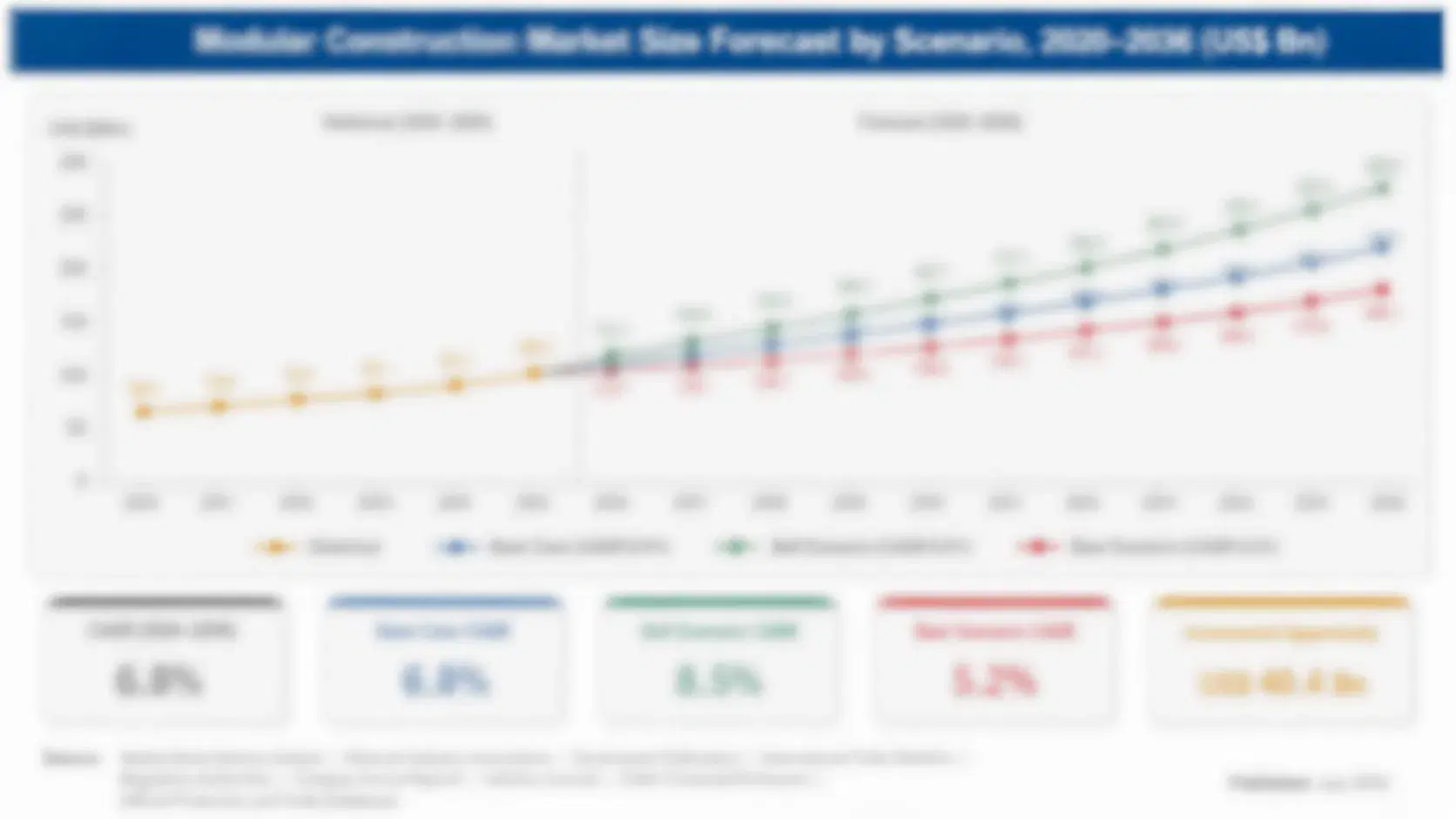
From 2020 to 2025, bake-stable chocolate fillings grew as filled croissants, pain au chocolat, and stuffed cookies spread across supermarkets and coffee chains. Cocoa prices tripled between 2023 and 2025, pushing suppliers to reformulate and raise prices, while premium fillings kept demand firm. Growth averaged 5.6% a year, though smaller bakers struggled with cost pass-through and some cut fill weights.
The base case assumes 6.4% annual growth through 2036, built on three named mechanisms: expansion of filled viennoiserie and stuffed cookie ranges at coffee chains and supermarket in-store bakeries, reformulation toward reduced-sugar and cocoa-extended fillings that let bakers hold price points, and plant-based launches that widen the buyer base beyond dairy consumers. Industrial bakery growth in Asia reinforces each mechanism across the forecast period. Better filling stability also cuts oven waste.
The bull case, at 7.7%, needs cocoa prices to ease and plant-based adoption to accelerate. The bear case, at 5.1%, reflects further cocoa spikes, weak consumer spending, and fill weight cuts. Either path leaves the demand base intact, though mix and pricing would shift noticeably. Analysts watch cocoa prices and plant-based adoption most closely, since each moves margin directly.

Cocoa Purchasing and Oven Stability Decide Bake-Stable Filling Winners

Bake-stable fillings are built on fat, sugar, cocoa, and structuring agents such as starches, hydrocolloids, or hard fats that hold shape when heated. Fat-based creams resist moisture migration into pastry, while ganache-style fillings use cream or plant fat emulsions with cocoa for richer flavour. Suppliers tune melting points, water activity, and viscosity so the filling stays put in a 200 degree oven and stays soft after cooling.
MARKET CONCENTRATION44% CR5Leading five suppliers hold nearly half of global sales
TYPICAL FILL WEIGHT25 gGrams of filling per standard filled croissant unit
COCOA SHARE OF COGS31%Cocoa ingredients form the largest input cost line
OVEN STABILITY THRESHOLD200 CPeak baking temperature the filling must withstand without leaking
INDUSTRIAL BAKERY SHARE57%Portion of demand from large automated bakery plants
REFORMULATION CYCLE9 monthsTypical time to approve a new filling recipe
Buyers use fillings in several ways. Industrial bakeries inject or deposit fillings into croissants and doughnuts at high speed, in-store bakeries pipe them into Danish and muffins, coffee chains buy filled pastries frozen or par-baked, and cookie makers use them as centres. Pricing follows cocoa costs with a lag, and suppliers give technical support on depositing, baking, and freeze-thaw stability.
Suppliers sit at several levels. Cocoa processors such as Barry Callebaut and Cargill make the base ingredients, bakery ingredient houses such as Puratos, Dawn Foods, and Irca formulate and sell finished fillings, and regional makers serve craft bakeries. Customers judge them on bake stability, flavour, allergen control, and price security, and cocoa traceability is now part of every tender.
"When cocoa tripled, every filling recipe became a negotiation between chocolate flavour and filling cost. The suppliers that win are those who can stretch cocoa without the bakery noticing, and who will tell customers honestly where that stops working."
Practice Lead, Bakery Fillings Practice · MMA Bakery Fillings Practice · September 2026

Market Trends

Cocoa-Extended and Reduced-Sugar Recipes Respond to Record Ingredient Costs

Cocoa futures rose above $10,000 a tonne in 2024, according to International Cocoa Organization data, roughly three times the 2022 level, and filling makers responded with cocoa-extended recipes that use roasted cereals, carob, or cocoa shell fibre to replace part of the cocoa powder. Sugar reduction targets in the United Kingdom and Europe add pressure, so suppliers use bulking fibres and polyols to cut sugar by 20% to 30%. Reformulation needs six to 12 months of bake trials, and taste panels flag subtle flavour differences, so suppliers keep the cocoa share above 60% of the original in premium lines.
Market Impact: croissant margins exceed 60%
Co-Extrusion and Injection Lines Push Demand for Heat-Stable Depositing Grades

Industrial bakeries are installing high-speed co-extrusion and injection lines that deposit 20 to 40 grams of filling into each croissant or doughnut at rates of 30,000 pieces an hour, which requires fillings with tightly controlled viscosity and pump stability. Equipment makers such as Rheon, Rademaker, and Fritsch supply the lines, and filling suppliers tune rheology for each machine. Frozen filled pastries also require freeze-thaw stability across 12 months of storage, adding formulation challenges. Suppliers with depositing labs and line trial capacity win specifications, and the cost of failure on a high-speed line is large enough that bakers rarely switch recipes.
Market Impact: Asian bakery output grows 6-9% yearly

Market Opportunities and Growth Drivers

Filled Viennoiserie and Stuffed Cookies Expand at Coffee Chains

Coffee chains such as Starbucks, Costa, and Tim Hortons, and supermarket in-store bakeries, have expanded chocolate croissants, pain au chocolat, and stuffed cookies as high-margin menu items that pair with coffee. A typical chocolate croissant sells at a gross margin above 60%, and filled pastry frequently ranks among the top three bakery items by units. Croissant consumption has grown strongly in the United States, Asia, and the Gulf, where bakery chains open hundreds of stores a year. Each store uses filling in bulk cartons weekly, so chain expansion directly raises volume for suppliers that hold approved specifications.
Market Impact: cocoa prices rose 3x

Industrial Bakery Growth in Asia Expands Demand for Heat-Stable Fillings

Industrial bakery output in China, India, Indonesia, and Vietnam is growing at 6% to 9% a year as convenience stores, e-commerce, and quick-service chains expand. Packaged filled cakes, buns, and pastries from producers such as Bimbo, Yamazaki, Orion, and Britannia use chocolate fillings in large volumes, and demand for consistent supply favours global suppliers with local plants. Barry Callebaut, Puratos, and Cargill have added regional production or application centers to shorten lead times. Local competitors compete on price, though quality gaps in heat stability keep large plants tied to established suppliers for premium products.
Market Impact: compliance adds 3-8% to cocoa cost

Market Restraints and Challenges

Record Cocoa Prices and Volatility Squeeze Filling Margins and Recipes

Cocoa prices tripled between 2022 and 2024 after poor West African harvests, disease, and low farmer investment cut supply, according to International Cocoa Organization data. The root cause is concentration of production in Ghana and Cote d'Ivoire, which supply about 60% of world cocoa. Filling makers face cost increases they can pass on only after contracts reset, and price rises of 25% to 40% have cut fill weights. Mitigation includes forward contracts, cocoa extenders, and alternative fats, though bakers resist recipe changes, and margins stay under pressure until supply recovers over several seasons.
Market Impact: cocoa prices tripled since 2022

Deforestation and Traceability Rules Raise Compliance Costs for Cocoa Buyers

The European Union Deforestation Regulation, applying to cocoa from late 2025, requires operators to prove that products are deforestation-free and traceable to plot level, according to European Commission text. The root cause is cocoa-linked forest loss in West Africa. Compliance needs geolocation data, supplier audits, and segregated supply chains, adding 3% to 8% to cost. Large processors such as Barry Callebaut and Cargill invest in traceability programmes, but small filling makers struggle to obtain verified cocoa, and some risk losing European customers, so consolidation may follow as compliance burdens grow.
Market Impact: lines deposit 30,000 pieces per hour
3 additional market trends, 2 additional growth drivers, and 3 additional restraints and challenges are covered in the full report. Contact sales@marketmindsadvisory.com to access the complete intelligence.

Segment CAGR and Growth Architecture

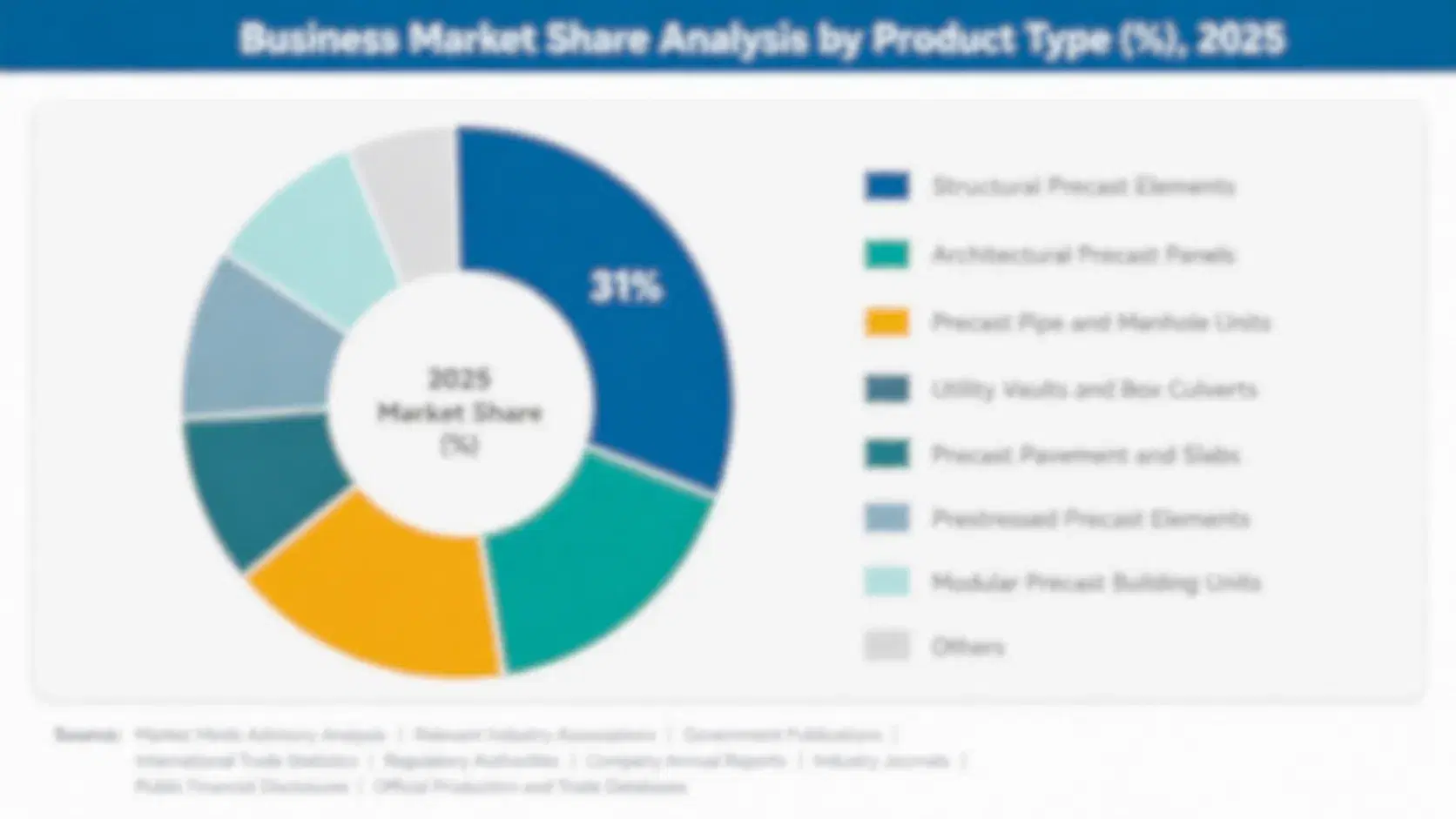
Bake-stable chocolate fillings are segmented by formulation system, because fat base, sugar level, dairy content, bake stability, price, and buyer group differ more between fat-based cocoa creams, ganache-style, nut-chocolate, reduced-sugar and high-protein, plant-based, and co-extrusion grades than they do by pack size. Plant-based and reduced-sugar systems attract most investment as bakers reformulate around costs and health targets.
bake-stable-chocolate-fillings-market-market-share-analysis-1789781235454

Plant-Based Dairy-Free Fillings

Plant-based dairy-free fillings are the fastest-growing segment, using palm-free fat blends, pulse proteins, oat, and coconut systems with cocoa to replace milk powder and cream while keeping bake stability. Vegan croissants and allergen-free bakery ranges at Greggs, Starbucks, and supermarket chains drive demand, and prices run 15% to 30% above dairy fillings. The technical challenge is mouthfeel, since dairy proteins contribute creaminess, and suppliers tune plant fats and emulsifiers to compensate. Growth depends on flavour parity and cost, and suppliers with dedicated plant-based lines, allergen controls, and application labs win chain specifications from bakers that want one recipe for several markets. Price parity with dairy grades remains the main hurdle for volume adoption.
CAGR 10.6%

Reduced-Sugar and High-Protein Fillings

Reduced-sugar and high-protein fillings are the second-fastest segment, using bulking fibres, polyols, stevia, and whey or plant proteins to cut sugar by 25% to 40% or add protein claims of 10 grams per serving. Retailers in the United Kingdom and Nordic countries push sugar reduction targets, and gym-focused cafes list high-protein pastries. Cocoa flavour masks many off-notes, so chocolate is a preferred carrier. Growth depends on bake stability, since sugar alcohols and proteins change moisture behaviour, and on claim rules, so suppliers provide trial data and regulatory support while bakers test consumer acceptance in limited ranges. Coffee chains reward brands that meet targets without visible taste changes, which keeps demand for reformulation steady across ranges.
CAGR 9.0%
Full segment breakdown across 6 segments available in the complete report.

Regional Architecture and Country Demand Map

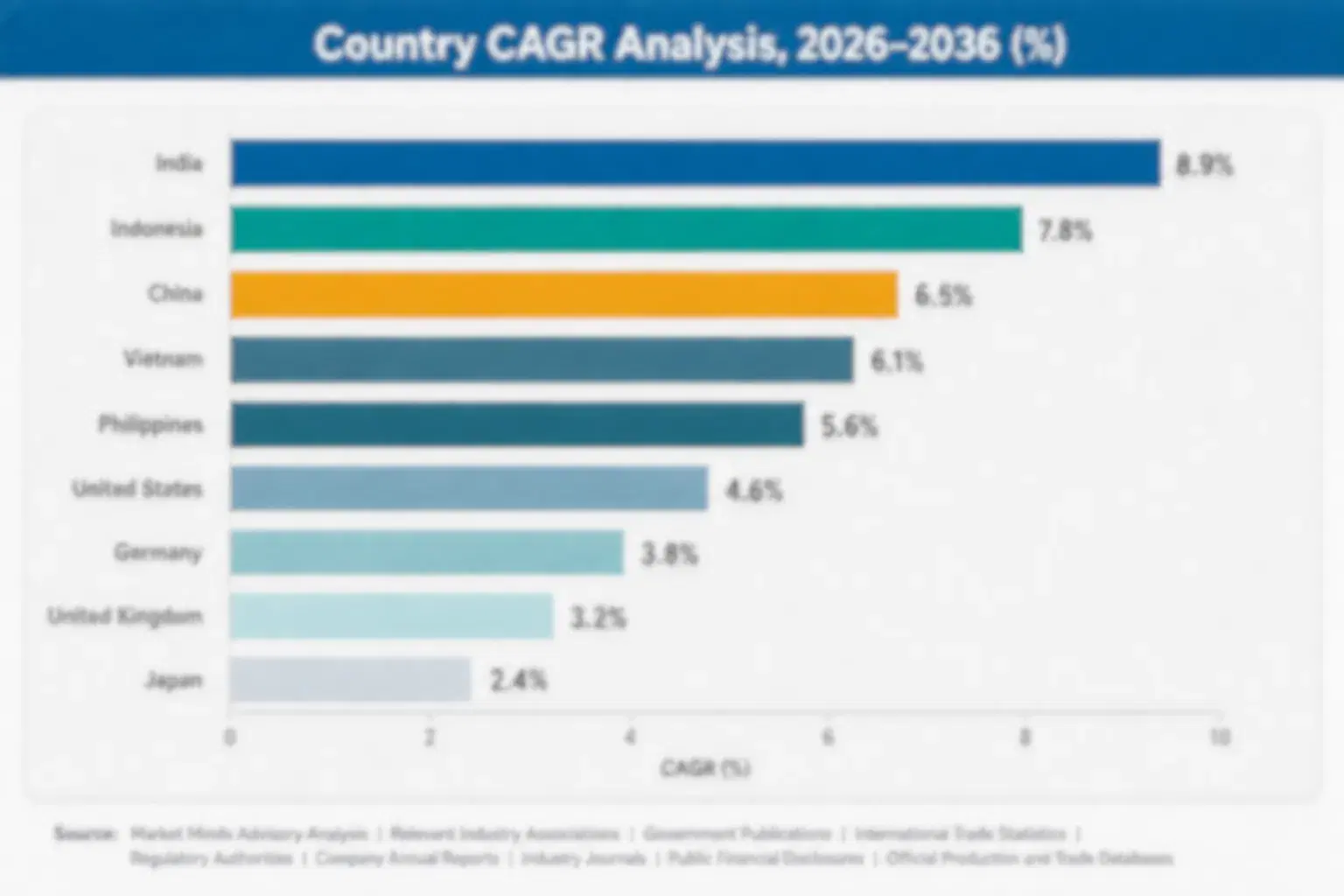
Bake-stable chocolate filling value follows filled pastry culture, industrial bakery scale, and cocoa processing. Western Europe leads through viennoiserie and processing hubs in Belgium, France, Germany, and the Netherlands, North America follows on cookies and coffee chains, and India is the fastest-growing country as bakery chains expand.

North America

North America holds 26% share, with the United States and Canada using bake-stable fillings in cookies, muffins, doughnuts, croissants, and Danish sold through coffee chains, supermarkets, and convenience stores. Dawn Foods, Rich Products, Blommer, Cargill, and Barry Callebaut supply industrial and in-store bakeries, and Dunkin', Tim Hortons, and Starbucks buy filled pastries at large scale. Cocoa costs, sugar tax proposals, and private-label competition restrain returns, though stuffed cookie growth and plant-based launches keep growth near the global rate. Regional bakeries in Pennsylvania and Ontario add demand for ganache-style fillings, and suppliers run demonstration bakeries in Chicago. Meal-kit brands and warehouse clubs also list filled pastry multipacks, and suppliers run trials with chains before each seasonal launch.
Share: 26% | CAGR: 6.3% (2026 to 2036)

Western Europe

Western Europe holds 32% share, above its usual band, because France, Belgium, Germany, the United Kingdom, and the Netherlands combine the world's deepest filled viennoiserie culture with the main cocoa grinding and bakery ingredient hubs, so demand for bake-stable fillings is highest and suppliers sit close to customers. Barry Callebaut, Puratos, Irca, Zeelandia, and Bakels lead, alongside industrial croissant makers such as Vandemoortele and Lantmannen Unibake. Mature volumes, cocoa costs, and sugar reduction rules hold growth below the global rate, though plant-based launches add value. Deforestation rules raise compliance costs. Retailers such as Tesco, Carrefour, and Edeka list filled croissants in every bakery aisle, and Belgian and Dutch processors supply chocolate systems that shorten lead times.
Share: 32% | CAGR: 5.0% (2026 to 2036)
Regional intelligence for 5 additional markets available in the complete report: East Asia, South Asia and Pacific, Latin America, Middle East and Africa, Eastern Europe. Contact sales@marketmindsadvisory.com.
bake-stable-chocolate-fillings-market-country-cagr-analysis-1789781235938

Four Margin Routes for Filling Suppliers

Margin in bake-stable fillings comes from protecting customers from cocoa volatility while keeping recipes stable. Suppliers that extend cocoa without flavour loss, sell plant-based and reduced-sugar systems at premiums, secure traceable cocoa, and support high-speed depositing lines earn more per tonne than those competing on price alone. Execution and cocoa discipline decide the outcome for each route.

Selling Cocoa-Extended Fillings With Verified Flavour Parity

Cocoa-extended recipes replace 15% to 30% of cocoa powder with roasted cereals or shell fibre, cutting cocoa cost by $600 to $1,800 per tonne of filling at recent prices. Suppliers that share 40% to 50% of the saving earn gross margin of 34% to 40%, against 26% to 30% on standard grades. Trials take six to 12 months, and blind taste panels confirm parity before launch. Bakers with tight price points adopt quickly, and validated recipes become sticky because switching again costs months of testing and a risk of flavour complaints.
Market Impact: cocoa extenders cut filling cost $600-1,800 per tonne

Scaling Plant-Based Dairy-Free Lines for Vegan and Allergen-Free Bakery

Plant-based fillings sell at 15% to 30% above dairy versions, and a supplier moving 20% of volume into vegan grades lifts blended gross margin by 3 to 5 points. Dedicated lines and allergen controls cost $2 million to $6 million, and chains list vegan croissants at menu premiums of 10% to 20%. Milk powder price spikes make plant systems attractive to cost-focused bakers too. Suppliers with certified allergen-free plants win specifications that dairy-based rivals cannot serve, and one recipe can supply several markets under the same vegan claim. Retailers reward early suppliers.
Market Impact: vegan grades lift blended margin 3 to 5 points

Securing Traceable Cocoa Under Deforestation-Compliant Programmes

Verified deforestation-free cocoa adds 3% to 8% to cost yet lets suppliers keep European customers and charge 5% to 10% premiums for compliant grades. Investing in plot-level traceability costs $1 million to $5 million a year for a mid-sized supplier, and long-term contracts with cooperatives secure volume of 5,000 to 20,000 tonnes. Bakers under retailer sustainability scorecards prefer suppliers with audited chains, and compliant supply becomes a barrier to new entrants that cannot document origin, which protects existing relationships from cheaper rivals. Retailers rarely accept unverified cocoa once audits begin, so timing matters.
Market Impact: deforestation-compliant cocoa earns 5 to 10% price premiums

Providing Depositing Lab Support for High-Speed Co-Extrusion Lines

High-speed lines deposit 30,000 pieces an hour, so a single hour of downtime costs a bakery $5,000 to $15,000. Suppliers with depositing labs and line trials that tune viscosity cut start-up failures by half and earn technical service premiums of 3 to 6 points of gross margin. Labs cost $1 million to $3 million and support 40 to 80 customers. Bakers that qualify a filling on a machine rarely change it, so lab support turns a commodity sale into a multi-year specification with predictable volume and lower churn. Lower churn follows.
Market Impact: depositing lab support adds 3 to 6 margin points

Who Controls the Margin Pool

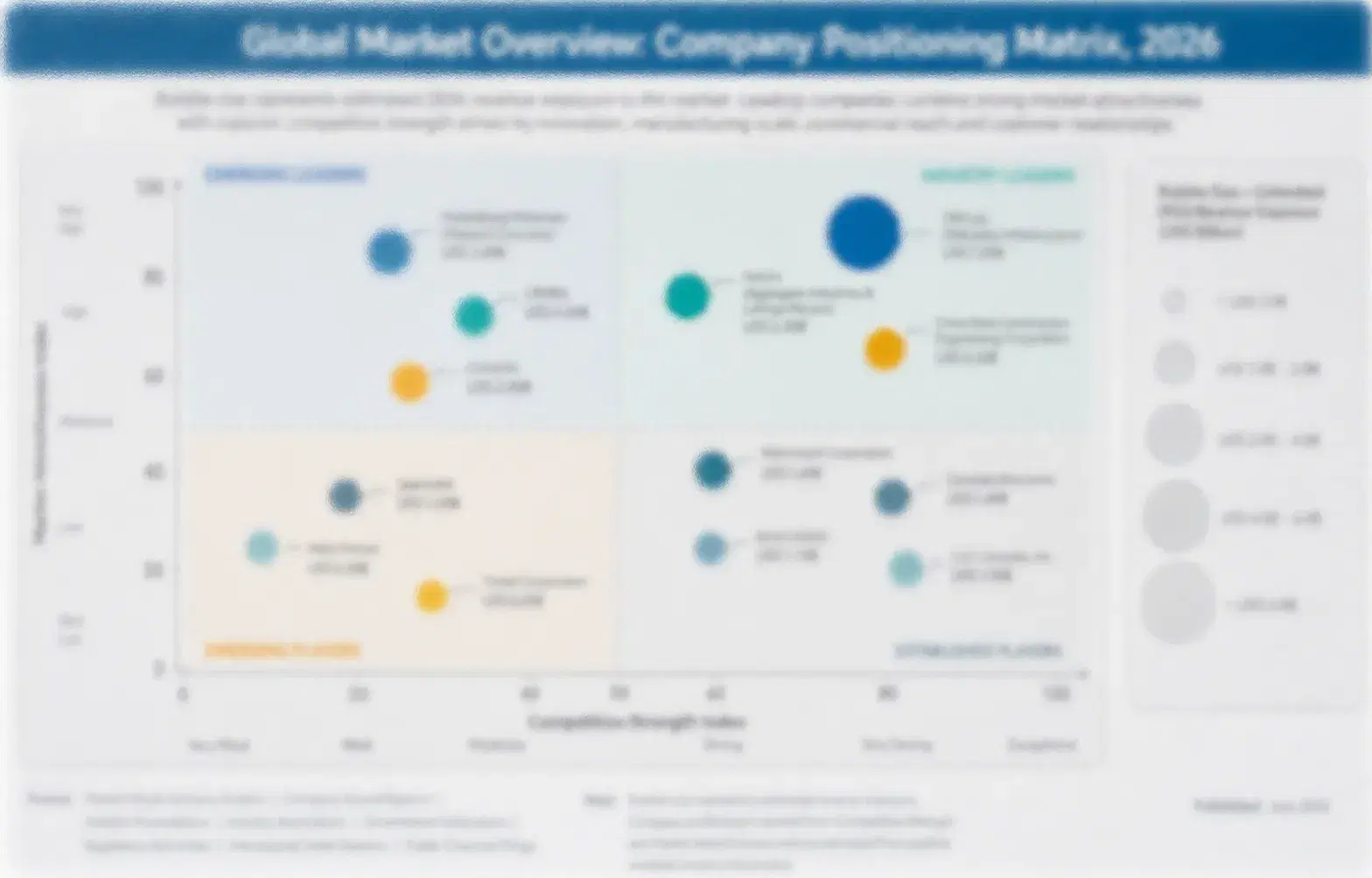
The bake-stable filling industry is moderately concentrated, with the top five suppliers holding about 44% of global revenue, the basis used throughout this section. Barry Callebaut, Puratos, Cargill, Dawn Foods, and Irca Group lead through cocoa buying scale, application labs, and distribution to industrial and craft bakeries, while regional makers hold local share through price, speed, and proximity to bakeries.
Competition centers on three dimensions: cocoa cost management, measured by contract coverage and extender technology; bake stability, including depositing performance and freeze-thaw resistance; and channel reach across industrial plants, in-store bakeries, coffee chains, and distributors. Leaders sign multi-year supply agreements with chains and invest in traceability, while challengers compete on plant-based specialities, flavours, and delivery flexibility.

Emerging pressure comes from Asian ingredient houses scaling filling plants, from coffee chains sourcing directly, and from deforestation rules that raise entry barriers. Rankings shift where suppliers secure compliant cocoa, prove reformulation quality, or lose to cheaper local supply. Acquisitions of regional filling makers will reorder positions faster than organic growth, particularly as cocoa volatility pushes smaller producers toward larger partners with hedging capacity. Regional producers may also gain share if customers accept simpler recipes.
bake-stable-chocolate-fillings-market-company-positioning-matrix-1789781236219

Competitive Moat and Risk Dimensions

BARRY CALLEBAUT

Moat: Cocoa Processing and Traceability Scale

Barry Callebaut is the world's largest cocoa and chocolate processor, supplying industrial bakeries with chocolate, fillings, and inclusions from plants across Europe, the Americas, and Asia. Its cocoa sourcing scale, traceability programmes, and Chocolate Academy application centers help customers solve bake stability and reformulation problems, and long relationships with global bakery groups protect volume once a recipe is approved.
BARRY CALLEBAUT

Risk: Cocoa Cost Pass-Through Lag

Barry Callebaut carries heavy cocoa price exposure, so volatility affects working capital and margins even with hedging. Customers may resist price increases, and Asian and regional competitors can win on price where bakers accept lower cocoa content. Customers may also dual-source fillings to limit dependence on one processor during price disputes.
PURATOS

Moat: Bakery Ingredient Systems and Service

Puratos, a Belgian bakery ingredient group, sells filling systems, improvers, and chocolate products to bakeries in more than 100 countries, supported by application centers, bakery schools, and technical teams. Its Belcolade chocolate range and bake-stable Carat fillings sit beside premixes, which lets it sell integrated solutions and support customers through reformulation as cocoa costs and sugar rules change.
PURATOS

Risk: Broad Portfolio and Price Pressure

Puratos serves many bakery categories, so fillings compete for investment with larger lines. Private ownership limits capital flexibility, and cocoa processors can undercut on price where they control raw material supply. Cocoa processors that sell fillings directly may also win chain accounts, leaving Puratos exposed in large industrial tenders.

Players Tracked

Prominent Players

Barry Callebaut
Puratos
Cargill
Dawn Foods
Irca Group

Other Key Players

Bakels
Zeelandia
Olam Food Ingredients
Fuji Oil Holdings
Blommer Chocolate Company
Aalst Chocolate
Lodders
Dr. Oetker Professional
Rich Products Corporation
Bakemark
Vandemoortele
Kerry Group
Bunge Loders Croklaan
Hershey Company
Lantmannen Unibake

Recent Developments

JANUARY 2026

Barry Callebaut Launches Cocoa-Extended Bake-Stable Filling Range

Barry Callebaut launched a bake-stable filling range using roasted cereal and cocoa shell fibre to cut cocoa content by up to 25% while keeping chocolate flavour, aimed at industrial bakers facing high costs. It is a product launch. It gives customers a documented reformulation option supported by sensory panel data.
Signal: Confirms leading suppliers now compete on cocoa-extended recipes that protect flavour while reducing customer input cost.
OCTOBER 2025

Puratos Opens Filling Application Center in Southeast Asia

Puratos opened an application center in Southeast Asia with pilot depositing lines, ovens, and sensory panels to develop bake-stable fillings with regional bakers. This is organic capacity expansion, not an acquisition. It shortens trial cycles, supports local formulation, and helps Asian industrial bakeries validate fillings for filled buns and croissants.
Signal: Shows global suppliers now investing in Asian application capacity to serve fast-growing filled bakery production across the region.
JUNE 2025

Dawn Foods Signs Supply Agreements With Coffee Chains for Filled Pastry Programmes

Dawn Foods signed multi-year supply agreements with coffee chains for filled pastry programmes, covering fillings, frozen croissants, and technical support across several countries. The deals are commercial supply contracts. They give Dawn steadier volume, share cocoa cost risk through index-linked pricing, and support chain expansion of filled pastry menus.
Signal: Confirms suppliers now lock in chain demand through multi-year programmes that share ingredient cost volatility across markets.

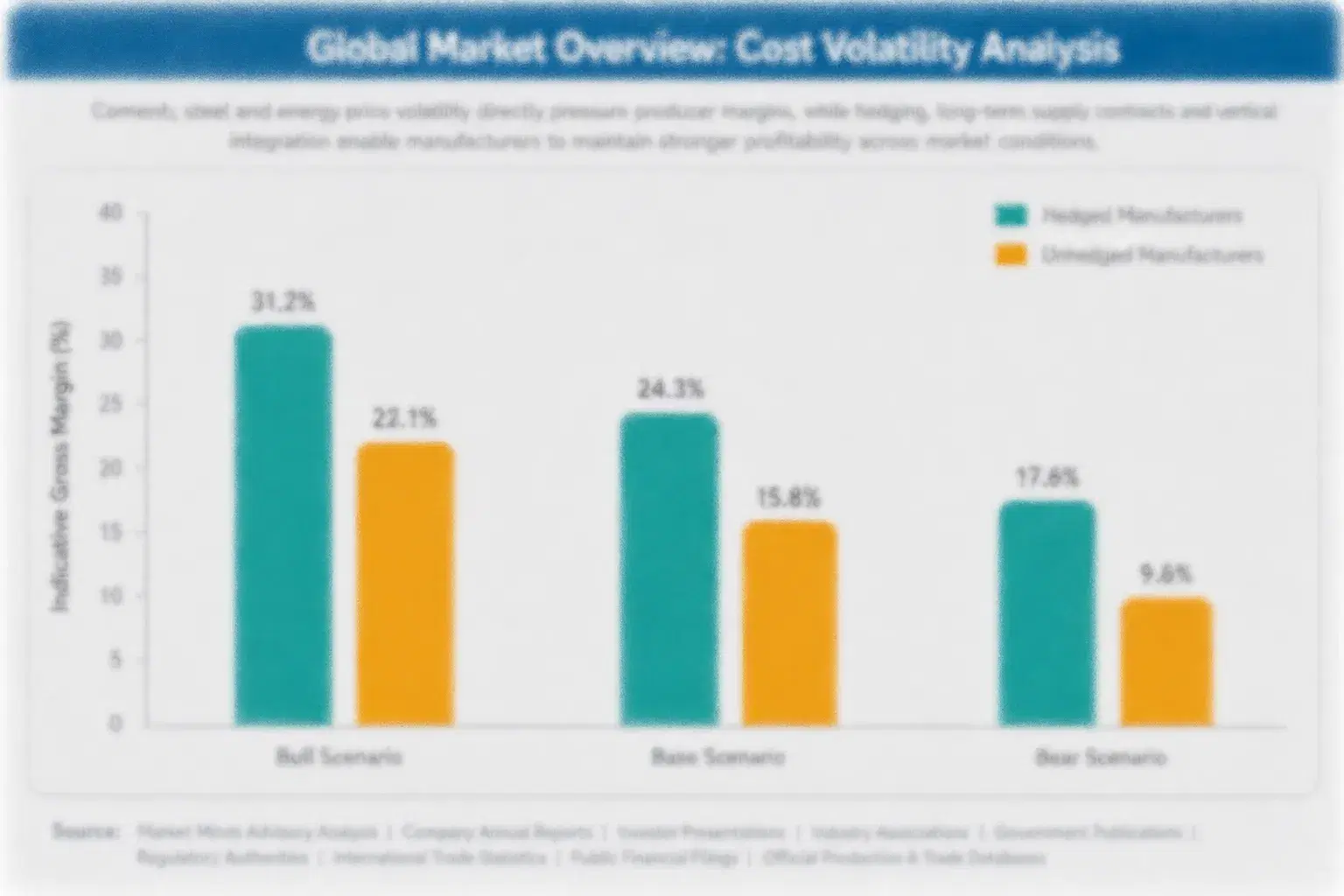
What Drives Bake-Stable Filling Costs

Cocoa ingredients account for roughly 31% of cost of goods, mainly cocoa mass, powder, and butter sourced from Cote d'Ivoire, Ghana, Ecuador, and Indonesia, while sugar adds about 20% and vegetable fats about 18%. Hazelnuts, dairy or plant proteins, packaging, energy, and freight make up the rest, so cocoa price, fat cost, and sugar together determine margin for filling suppliers selling to bakeries.
Cocoa prices spiked in 2024, according to International Cocoa Organization data, as poor West African harvests and disease cut supply, and futures reached more than $10,000 a tonne, roughly three times the 2022 level. European energy costs also rose in 2022, according to the International Energy Agency. Suppliers passed increases through with a lag of two to four months, and several bakers cut fill weights or delayed listings.

The disadvantage falls on suppliers without cocoa contracts or hedging capacity. Large processors with origin sourcing and futures cover absorb shocks, while small formulators buy spot cocoa ingredients at high premiums. Exposure varies by geography: European makers face compliance and energy costs, Asian makers face import and currency risk, and premium and plant-based grades pass costs through more easily than standard cocoa creams sold on price.
bake-stable-chocolate-fillings-market-cost-volatility-analysis-1789781236514

Hedging Cocoa Through Futures and Long-Term Origin Contracts

Suppliers cover a large share of cocoa needs through futures and multi-year contracts with cooperatives, mixing fixed and index-linked prices to spread risk. Diversifying origins across West Africa, Latin America, and Asia reduces exposure to a single harvest failure. Forward cover lets suppliers quote bakers with confidence and avoid emergency purchases at peak prices.

Developing Cocoa-Extended and Alternative Fat Recipes

Suppliers invest in recipes that replace 15% to 30% of cocoa with roasted cereals, shell fibre, or carob, and shift fat blends toward lower-cost oils where allowed. Reformulation reduces cocoa exposure but needs sensory testing and customer approval. Suppliers share saving with bakers through gain-sharing terms, which supports adoption. Terms usually run two years.

Passing Costs Through Index-Linked Pricing With Large Customers

Large bakers and coffee chains agree to formulas linking filling prices to published cocoa indices plus a fixed technical margin, so cost swings are shared rather than absorbed. Monthly or quarterly resets keep buyers informed and reduce disputes. Premium plant-based and reduced-sugar lines use annual pricing, since customers value stable supply and flavour over the year.

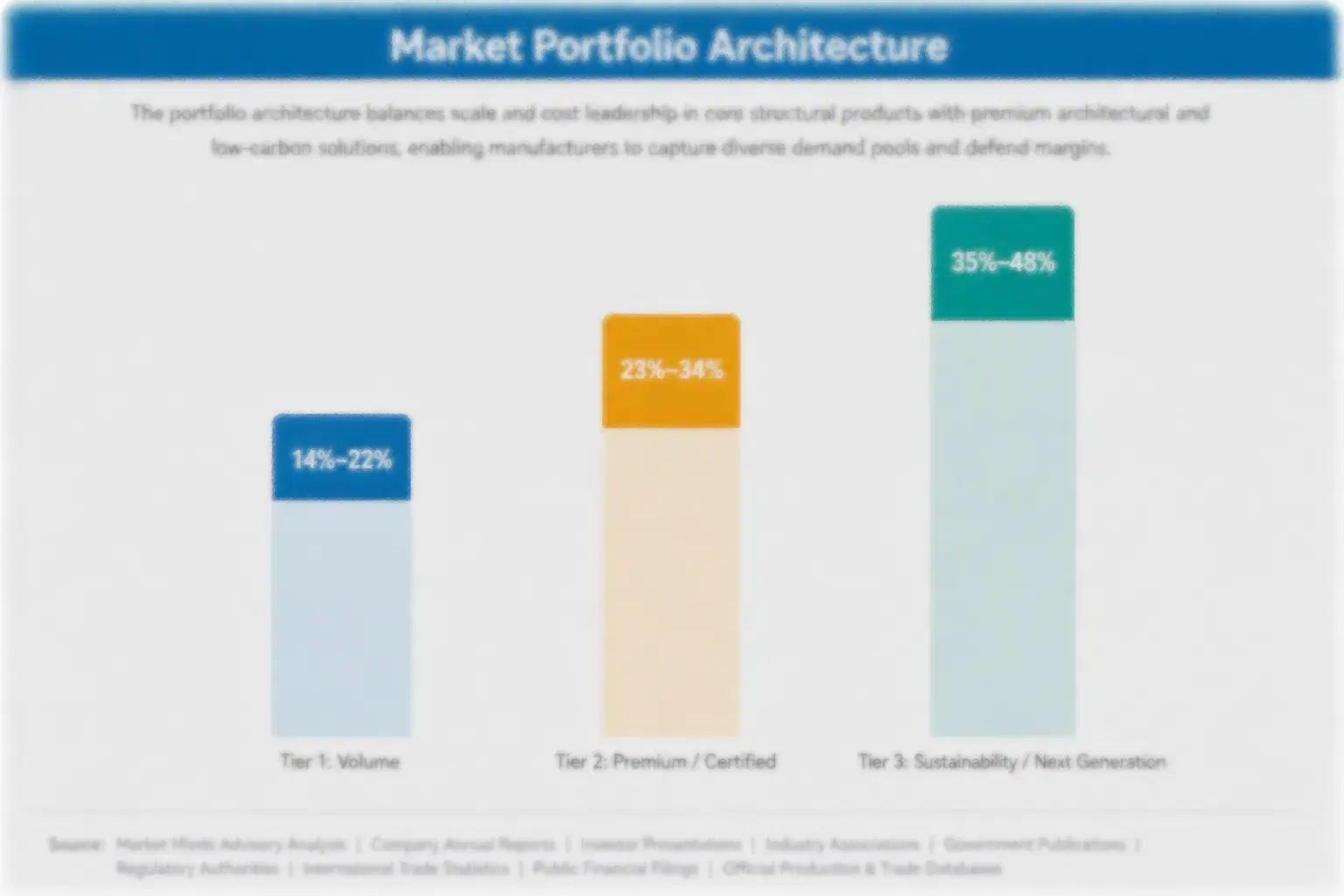
Portfolio Architecture for Margin Defence

Margins run from thin returns on standard fat-based cocoa creams sold in bulk to strong profits on plant-based, reduced-sugar, and traceable premium grades sold with technical service, with gross margin roughly doubling between the volume tier and the top tier. Cocoa purchasing, formulation know-how, and depositing support create pricing power, and bakers pay more for fillings that hold shape on high-speed lines.
Volume and premium pull in different directions. Standard cocoa creams sell in large lots to price-driven industrial bakers at thin margins and face cocoa swings, while plant-based, reduced-sugar, and certified grades sell in smaller lots at higher margins but need dedicated lines, trials, and traceability. Suppliers must decide how much capital to commit to premium capacity and how quickly to move, since chains standardise recipes slowly.

High-value pools concentrate in plant-based dairy-free fillings for vegan and allergen-free bakery, reduced-sugar and high-protein grades for health-focused ranges, and deforestation-compliant cocoa fillings for European retailers. These segments benefit from recurring orders, documented performance, and limited competition from small formulators. Suppliers that combine cocoa sourcing, application labs, and compliance hold advantages that rivals cannot copy quickly. Compliance capability compounds that lead.

Volume / Commodity-Adjacent Tier

Standard fat-based cocoa creams sold in bulk to industrial and craft bakeries, with thin margins, cocoa and fat cost exposure, and constant price competition from regional makers and processors, where bakers switch when prices move by a few percent.
Gross Margin: 18%-28%

Premium / Certified Tier

Ganache-style and nut-chocolate fillings with batch documentation, allergen controls, and consistent depositing behaviour, sold under annual contracts to chains and industrial bakeries that require documented food safety, reliable delivery, and stable supply across production sites.
Gross Margin: 28%-40%

Sustainability / Regulatory / Next-Generation Tier

Plant-based, reduced-sugar, high-protein, and deforestation-compliant fillings supported by traceability data, sensory evidence, and application teams, positioned for coffee chains and retailers seeking vegan claims, sugar targets, and audited cocoa supply chains across major markets.
Gross Margin: 36%-52%
bake-stable-chocolate-fillings-market-portfolio-architecture-1789781236803

High-value Sub-segments and Strategic Watch-out

Plant-Based Dairy-Free Fillings

Plant-based dairy-free fillings combine the fastest growth with strong pricing, since chains and retailers pay 15% to 30% premiums for vegan and allergen-free bakery. Dedicated lines and mouthfeel know-how limit competition, and suppliers with flavour parity win multi-year listings. Volume follows as vegan ranges expand.
Gross Margin: 36%-52%

Reduced-Sugar and High-Protein Fillings

Reduced-sugar and high-protein fillings offer high value with solid growth, because sugar targets and fitness trends push bakers to reformulate and pay premiums. Bake stability and claim rules limit scale, though suppliers with trial data and regulatory support defend margin. Retailers list these products as core sets.
Gross Margin: 30%-46%

Fat-Based Cocoa Creams

Fat-based cocoa creams form the volume core, sold to industrial and in-store bakers who want reliable bake stability at moderate prices. Margins are thin and exposed to cocoa and fat swings, but steady demand supports scale, and suppliers with cocoa contracts and large plants hold cost advantages in the segment.
Gross Margin: 18%-30%

Co-Extrusion Ready Fillings

Co-extrusion ready fillings are a strategic watch-out, valued for high-speed line performance but limited by narrow customer bases, machine-specific tuning, and long trials. Equipment changes could expand or restrict demand, so suppliers should track line installations and customer capital plans before committing capacity. Timing matters here.
Gross Margin: 28%-46%

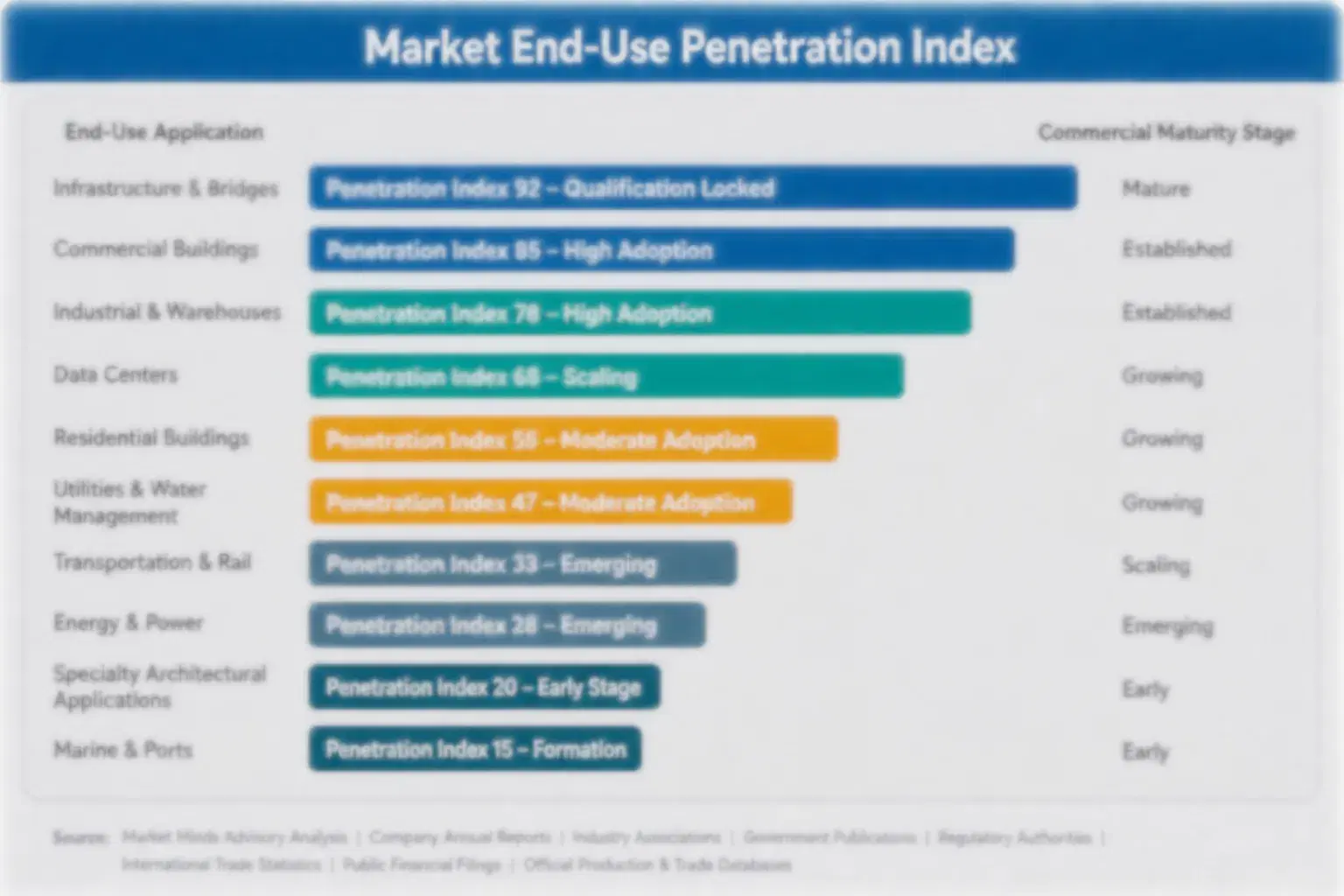
Why Bakeries Stay With Filling Suppliers

Filling demand behaves like an annuity once a bakery approves a recipe. Croissant lines run daily, filling is deposited in every unit, and each tonne of dough carries a fixed filling weight. Suppliers that hold an approved specification for years earn steady volume, and renewals follow price formulas rather than open tenders, because switching means new depositing trials, bake tests, and consumer risk on a product that customers buy for its chocolate.
Stickiness varies by vertical. Industrial bakeries with high-speed lines are deepest, since machine settings and freeze-thaw data lock in recipes. Coffee chains are next, because specifications sit in global menu programmes. In-store bakeries are moderate, tied to distributors, while craft bakeries are shallower, moving between suppliers on price, and small bakeries rotate suppliers when a cheaper lot appears.

Buyer profiles are shifting. Older procurement teams valued long supplier relationships and familiar recipes, while younger managers and sustainability teams look for traceability data, vegan claims, and sugar reduction. They compare suppliers on audited cocoa, share results across plants, and switch quickly if compliance fails, so suppliers that publish origin data, support reformulation, and deliver reliably keep loyalty across generations and win larger multi-plant programmes.
bake-stable-chocolate-fillings-market-end-use-penetration-index-1789781237161

MMA Verdict on Chocolate Filling Strategy

These are among the four positions where our research anticipates prominent divergence between winners and laggards over the coming forecast period. Each is grounded in the demand model, the regulatory perimeter, and the announced capacity pipeline.
01 / COCOA EXTENSION STRATEGY

Sell Cocoa-Extended Fillings Now While Record Prices Force Customers to Reformulate

Cocoa extenders cut filling cost by $600 to $1,800 per tonne, and gain-sharing lifts gross margin to 34% to 40%. Trials take six to 12 months. MMA recommends validating two extended recipes with five large bakers within 12 months, because customers that reformulate during a cost crisis rarely return to the original recipe when prices ease, and suppliers that lead with documented flavour parity win specifications that later rivals struggle to reopen without offering much deeper cost savings than the incumbent provides.
02 / PLANT-BASED RANGE STRATEGY

Build Dedicated Vegan Lines Before Chains Standardise Dairy-Free Specifications

Plant-based fillings grow at 10.6% a year, about 1.66 times the market rate, and sell 15% to 30% above dairy grades. Dedicated lines cost $2 million to $6 million. MMA advises building one certified allergen-free line and signing two chain programmes within 24 months, because chains standardise vegan specifications once and rarely change suppliers, and early suppliers with proven mouthfeel hold accounts while late entrants must prove parity against incumbents, and that proof typically takes nine months or more of plant trials.
03 / COCOA TRACEABILITY STRATEGY

Secure Deforestation-Compliant Cocoa Before European Enforcement Tightens Access

Compliant cocoa adds 3% to 8% to cost and earns 5% to 10% premiums, while traceability programmes cost $1 million to $5 million a year. MMA recommends contracting plot-level verified cocoa for 60% of European volume within 18 months, because retailers audit supply chains and drop suppliers that cannot document origin, and verified volumes are scarce, so early contracts lock out competitors that arrive after enforcement begins. Traceability data also shortens retailer audits, which protects listings during category reviews each year.
04 / ASIAN GROWTH STRATEGY

Build Application Labs and Local Plants in India and Southeast Asia First

India grows at 9.8% a year and industrial bakery output in Asia grows 6% to 9%. Application labs cost $1 million to $3 million each. MMA advises opening two regional labs and signing local production partners within 24 months, because Asian bakers rely on suppliers for depositing trials and heat stability, and the first supplier with local support wins repeat business as chains and industrial plants multiply across cities, while local plants also cut lead times that currently run several weeks for imported fillings.

Engagement Snapshot From the Field

A live engagement with an industry participant carrying material or product regulatory and market exposure ahead of a defining policy shift, showing how our research translates into a defensible multi-year portfolio strategy.
MARKET MINDS ADVISORY · CLIENT ENGAGEMENT SUMMARY
Bake-Stable Chocolate Fillings Producer Strategic Portfolio Review and Transition Roadmap 2026·Investment Scenario on Bake-Stable Chocolate Fillings Exposure Evaluation 2025-26
CLIENT PROFILE
The client is a mid-sized European industrial bakery with four plants and roughly $420 million in annual revenue (client-reported, unverified by MMA), producing filled croissants, doughnuts, and cookies for supermarkets and coffee chains. Chocolate filling represented about 9% of cost of goods and gross margin sat near 18% (client-reported, unverified by MMA). Plant utilisation averaged 79% (client-reported, unverified by MMA).
STRATEGIC CHALLENGE
Cocoa costs had risen sharply, two coffee chains asked for vegan croissants, sugar reduction targets applied to private-label products, and the supplier list had grown to eight filling suppliers with inconsistent depositing behaviour. Leadership needed a plan that cut filling cost, added vegan and reduced-sugar options, and reduced line stoppages across four plants.
MMA APPROACH
MMA analysed filling usage and line data across 60 products, interviewed filling suppliers, retail buyers, and coffee chain purchasers, benchmarked five bakeries on filling cost and downtime, and modeled economics for cocoa-extended, plant-based, and reduced-sugar systems under high, base, and low cocoa price scenarios. Analysts also observed line trials. Findings were validated with plant managers.
KEY FINDINGS
  1. Cocoa-extended fillings could cut filling cost by 12% and save about $4 million a year with no significant flavour change in blind tests (client-reported, unverified by MMA).
  2. Consolidating eight suppliers to three would cut line stoppages by 30% and improve bulk pricing, based on plant downtime data and supplier quotes.
  3. Vegan fillings could reach 8% of croissant volume within two years at price premiums of 15%, according to chain buyer interviews at three coffee groups.
  4. Reduced-sugar recipes cutting sugar by 25% would meet retailer targets and preserve consumer scores, based on panels with 400 shoppers in two countries.
CLIENT PROFILE
The client is a mid-sized European industrial bakery with four plants and roughly $420 million in annual revenue (client-reported, unverified by MMA), producing filled croissants, doughnuts, and cookies for supermarkets and coffee chains. Chocolate filling represented about 9% of cost of goods and gross margin sat near 18% (client-reported, unverified by MMA). Plant utilisation averaged 79% (client-reported, unverified by MMA).
STRATEGIC CHALLENGE
Cocoa costs had risen sharply, two coffee chains asked for vegan croissants, sugar reduction targets applied to private-label products, and the supplier list had grown to eight filling suppliers with inconsistent depositing behaviour. Leadership needed a plan that cut filling cost, added vegan and reduced-sugar options, and reduced line stoppages across four plants.
MMA APPROACH
MMA analysed filling usage and line data across 60 products, interviewed filling suppliers, retail buyers, and coffee chain purchasers, benchmarked five bakeries on filling cost and downtime, and modeled economics for cocoa-extended, plant-based, and reduced-sugar systems under high, base, and low cocoa price scenarios. Analysts also observed line trials. Findings were validated with plant managers.
KEY FINDINGS
  1. Cocoa-extended fillings could cut filling cost by 12% and save about $4 million a year with no significant flavour change in blind tests (client-reported, unverified by MMA).
  2. Consolidating eight suppliers to three would cut line stoppages by 30% and improve bulk pricing, based on plant downtime data and supplier quotes.
  3. Vegan fillings could reach 8% of croissant volume within two years at price premiums of 15%, according to chain buyer interviews at three coffee groups.
  4. Reduced-sugar recipes cutting sugar by 25% would meet retailer targets and preserve consumer scores, based on panels with 400 shoppers in two countries.
RECOMMENDED STRATEGY
Phase 1: Phase 1 (Months 1-6): Consolidate suppliers to three, sign index-linked cocoa formulas, and run blind tests of two cocoa-extended recipes at two plants. Phase 2: Phase 2 (Months 7-18): Roll out extended fillings across all plants, launch vegan croissants for two chains, and introduce one reduced-sugar range. Phase 3: Phase 3 (Months 19-30): Extend vegan and reduced-sugar options to private label, review supplier terms each quarter, and evaluate a second filling line.
OUTCOME
Within 30 months, filling cost per unit fell by 13%, vegan products reached about 8% of croissant volume, and gross margin rose from 18% to about 23% (client-reported, unverified by MMA). Line stoppages fell by a third, two chains signed vegan programmes, and the board approved a second co-extrusion line for the following year.

Frequently Asked Questions

Foundational context covering the market sizes, CAGR, scope, country, region and competition that inform every finding below. This section is provided to cover basics and most often pre-purchase conversations, answered from the MMA Primary Research Dataset.

What is the current size of the Bake-Stable Chocolate Fillings Market?

The global bake-stable chocolate fillings market was valued at $1.9 billion in 2025. This covers cocoa-based creams, ganaches, and pastes sold to industrial, in-store, and craft bakeries for baked goods.

How large will the Bake-Stable Chocolate Fillings Market be by 2036?

MMA projects the market will reach approximately $3.8 billion by 2036. This represents cumulative growth of roughly $1.7 billion over the full ten-year forecast window.

What is the CAGR for the Bake-Stable Chocolate Fillings Market 2026 to 2036?

The market is forecast to grow at a 6.4% compound annual rate between 2026 and 2036. The bull case reaches 7.7% while the bear case falls to 5.1%.

Which segment is growing fastest?

Plant-Based Dairy-Free Fillings is the fastest-growing segment at 10.6% CAGR, roughly 1.66 times the overall market rate. Reduced-Sugar and High-Protein Fillings follows as the second-fastest segment at 9.0% CAGR each year.

Who are the major companies in the Bake-Stable Chocolate Fillings Market?

Leading companies include Barry Callebaut, Puratos, Cargill, Dawn Foods, and Irca Group. These five suppliers together hold an estimated 44% of total global market revenue, based on MMA analysis of company disclosures.

Which country is growing fastest?

India is the fastest-growing major market, expanding at approximately 9.8% CAGR each year. Bakery chain expansion, rising incomes, and industrial bakery investment are driving this above-market growth across the country.

Report Segmentation Architecture

The full report scope spans multiple orthogonal segmentation dimensions, with cross-tabulated demand data provided for each dimension pair. Coverage extends further to regional breakdowns, trend trajectories, and the competitive detail needed to support segment-level decision-making.

By Primary Market Dimension

  • Plant-Based Dairy-Free Fillings
  • Reduced-Sugar and High-Protein Fillings
  • Fat-Based Cocoa Creams
  • Ganache-Style Fillings
  • Nut-Chocolate Fillings
  • Co-Extrusion Ready Fillings

By End-Use Industry

  • Croissants and Viennoiserie
  • Doughnuts and Fried Pastry
  • Cookies and Biscuits
  • Cakes and Muffins
  • Filled Buns and Breads

By Commercial Dimension

  • Industrial Bakery Supply
  • In-Store Bakery Supply
  • Coffee Chain Programmes
  • Distributor and Craft Bakery Sales

By Region

  • North America
  • Western Europe
  • East Asia
  • South Asia and Pacific
  • Latin America
  • Middle East and Africa
  • Eastern Europe

Scope, Methodology, and Coverage

Every figure in this report is reproducible from documented input assumptions. The scope below maps the historical period, the forecast horizon, the segmentation dimensions, and the countries covered, alongside the underlying primary and qualitative methodology.
Historical Period
2020 to 2025
Forecast Period
2026 to 2036
Base Year
2025 (USD billions; MMA Primary Research Dataset, September 2026)
Market Definition
Bake-stable chocolate fillings comprise cocoa-based creams, ganaches, and chocolate-flavoured pastes formulated to keep shape, texture, and flavour through baking, sold in bulk to industrial, in-store, and craft bakeries for filling and topping croissants, Danish pastry, doughnuts, cookies, muffins, and cakes. The scope excludes chocolate chips and decorations, couverture, table spreads sold at retail, and post-bake cold fillings.
Quantitative Units
USD billions (current prices); kilotonnes for volume references
Segmentation Dimensions
By Formulation System; By End-Use Industry; By Commercial Dimension; By Region
Regions Covered
North America, Western Europe, East Asia, South Asia and Pacific, Latin America, Middle East and Africa, Eastern Europe
Countries Covered
USA, Canada, Mexico, Brazil, Argentina, Chile, UK, France, Belgium, Germany, Netherlands, Poland, Romania, Turkey, South Africa, UAE, Japan, China, India, Australia, and additional markets relevant to this sector
Key Companies Profiled
Barry Callebaut, Puratos, Cargill, Dawn Foods, Irca Group, Bakels, Zeelandia, Olam Food Ingredients, Fuji Oil Holdings, Blommer Chocolate Company, Aalst Chocolate, Lodders, Dr. Oetker Professional, Rich Products Corporation, Bakemark, Vandemoortele, Kerry Group, Bunge Loders Croklaan, Hershey Company, Lantmannen Unibake
Quantitative Methodology
Primary survey, n=3,800 respondents, Q4 2025, six countries; demand-side model with trade association cross-validation
Qualitative Methodology
47 expert interviews, Q4 2025; applied to validate demand model assumptions, identify emerging dynamics, and assess competitive positioning
Report Format
PDF and XLSX data workbook (Word format preview document)
Publisher
Market Minds Advisory
Report Code
MMA-2026-AGR-346
Published
September 2026
Contact
sales@marketmindsadvisory.com | www.marketmindsadvisory.com

Purchase the full Bake-Stable Chocolate Fillings Market Report (2026 to 2036).

The full report delivers a detailed assessment of global bake-stable chocolate filling demand, formulation systems, and competitive positioning through 2036. It includes segment forecasts by filling type, country-level data for all seven world regions, and profiles of the twenty companies most relevant to filling supply. Analysts also receive input cost modeling and portfolio margin benchmarking built from MMA's primary research dataset. A scenario planning module lets subscribers stress-test bull and bear assumptions against cocoa prices, sugar rules, and plant-based adoption. Quarterly updates keep the whole dataset current throughout the subscription year for every subscriber.
Ten-year segment and regional demand forecasts
Cocoa, sugar, and fat price tracking
Competitive benchmarking of top twenty suppliers
Sugar reduction and deforestation rule tracker
Regional demand mechanism comparative analysis included
Quarterly primary survey data update access

Built For The People Who Decide

From boardroom strategy to bench-side execution, this report is read cover-to-cover by leaders shaping the next decade of their industry, turning demand scenarios, market dynamics and valuation benchmarks into decisions.
CXOs/ Presidents/ VPs/ Managers
M&A and Corporate Development
Strategy Teams and R&D Heads
Procurement and Product Directors
Regulatory and Compliance Leaders
Investor Relations and Equity Analysts