Market Minds Advisory
Babassu Oil Market

Babassu Oil Market: Babassu Oil Market. Community Harvesting, Lauric Oil Substitution and Natural Cosmetics Demand

Babassu oil is a lauric palm oil harvested by forest communities in northern Brazil, and demand from natural cosmetics is rising, but fragmented collection, thin logistics and lauric oil competition decide who earns margin.

Lead Analyst

Published

September 2026

Make Smarter Decisions with Customized Research Insights

Request a free sample report and evaluate market opportunities, growth trends, and competitive dynamics relevant to your business needs.

2025 MARKET VALUE$0.3BMarket Size 2025
2036 FORECAST VALUE$0.5BBase Case , 2026 to 2036
CAGR 2026 TO 20366.0 %Bull 7.3% / Bear 4.7%
INCREMENTAL OPPORTUNITY$0.2BNet 10- year value creation
EXPANSION MULTIPLE1.79x2036 value over 2026 base
Strategic Levers
M&A Pipeline
Regional Outlook
Country Rankings
Competitive Intelligence
Segmental Deep-dive
Call-Us : 91 93563 13602

Executive Snapshot and Market Trajectory.

Babassu oil is pressed from the kernels of the babassu palm, which grows wild across northern and north-eastern Brazil. Forest communities, mostly women known as babassu breakers, crack the nuts by hand. The oil is rich in lauric acid, so it competes with coconut and palm kernel oil. Quality varies.
Cosmetics and Personal Care grows fastest as natural beauty brands use babassu oil as a lightweight, fast-melting emollient and a silicone alternative, while soaps and oleochemicals still carry the largest sales. Latin America leads because Brazil supplies nearly all babassu kernels and most crushing capacity sits near the palm forests. Gross margins run 12% to 38%, and kernel supply and logistics shape profit. Prices shift with each season. Margins vary widely by tier. Costs vary.
Five groups hold about 46% of value, led by Tobasa Bioindustrial, Beraca and large oleochemical houses, so a few crushers and ingredient companies buy from a wide base of community collectors. Brazilian access and benefit-sharing law, cosmetic ingredient rules in the EU and United States, organic and fair-trade standards and buyer traceability audits govern positioning, and buyers check community sourcing records, oxidation data and lot traceability before approving any supplier.
Market Definition
The market covers babassu oil, defined as crude and refined oil pressed from babassu palm kernels and sold as an ingredient to cosmetics, soap and oleochemical, food, pharmaceutical and industrial buyers worldwide, valued at producer sales revenue. It includes conventional, organic and fair-trade oil and fractions, and excludes babassu mesocarp flour and charcoal, coconut oil, palm kernel oil and other lauric oils and finished cosmetic and food products.
Base Year Value
$0.3B in 2025 (MMA Primary Research Dataset, September 2026)
Forecast Period
2026 to 2036, eleven discrete annual values
CAGR
6.0% base case. Bull 7.3%. Bear 4.7%.
Fastest Growth Segment
Cosmetics and Personal Care: 8.4% CAGR
Fastest Growth Country
India: 8.5% CAGR
Fastest Growth Region
South Asia and Pacific: 8.0% CAGR
Largest Region
Latin America: 40% of 2025 global value
Market Leaders
Tobasa Bioindustrial, Beraca, AAK, Croda, Cargill. Source: MMA Analysis, company annual reports.
Primary Survey
n=3,800 procurement and R&D decision-makers, Q4 2025, six countries
Methodology
Demand-side build-up, cross-validated against public data, 47 expert interviews

Babassu Oil Market Forecast Scenarios

babassu-oil-market-size-forecast-scenario-1789981781577
From 2020 to 2025 global babassu oil sales grew at about 5.5% a year. Natural cosmetic brands added babassu to hair and skin products, soap makers used it as a coconut oil alternative when lauric prices spiked, and Brazilian crushers added capacity. Growth was limited by seasonal kernel supply and rough roads, and buyers often switched to coconut or palm kernel oil when babassu delivery slipped.
The base case of 6.0% rests on three named mechanisms. Natural and clean beauty brands add babassu oil to formulas as a silicone alternative, which lifts recurring volume at premium prices. Soap and oleochemical makers use babassu as a diversification source when coconut and palm kernel prices spike. Certified community sourcing programmes expand collection and raise prices for collectors, which stabilises supply. Each mechanism is visible in brand launches and sourcing announcements.
The bull case reaches 7.3% if clean beauty demand scales and community sourcing programmes double collection. The bear case falls to 4.7% if coconut and palm kernel oil prices fall and buyers switch back. Both cases assume stable Brazilian access rules and no major disruption to transport in the growing region. Neither case changes planned capacity.

Community Collection, Lauric Oil Prices and Clean Beauty Demand Set Babassu Oil Returns

Babassu fruit has a hard shell that surrounds several oil-rich kernels, and collectors crack the nuts by hand or with simple tools, then sell kernels to local traders. Crushers press the kernels, filter the crude oil and refine it, and the oil melts at about body temperature, giving a light, non-greasy feel that cosmetic formulators value.
MARKET CONCENTRATION46% CR5Top five suppliers hold nearly half of category sales
BRAZIL SUPPLY SHARE95%Portion of global kernel supply harvested in Brazil
LAURIC ACID CONTENT44-45%Portion of oil fatty acids that is lauric acid
KERNEL OIL YIELD60-68%Portion of kernel weight recovered as pressed oil
KERNEL SHARE OF COGS52%Portion of production cost that is purchased kernels
MELTING POINT22-26 degreesTypical melting range of babassu oil in degrees Celsius
Value concentrates in three places. Soaps and oleochemicals carry the largest sales, where lauric acid supports foaming and cleansing, and babassu competes with coconut and palm kernel oil on price. Cosmetics and personal care grow fastest, using babassu in hair, skin and lip products and as a silicone alternative. Food and confectionery, pharmaceuticals and nutraceuticals and industrial uses such as lubricants and biofuel add smaller volumes.
Supply is very fragmented at source. Hundreds of thousands of collectors in Maranhao, Piaui, Tocantins and Para harvest kernels seasonally, local traders aggregate them, and a few crushers press and refine the oil. Roads are poor in rainy months, lead times run six to twelve weeks, and a new buyer usually audits the sourcing chain for six to twelve months before approving a supplier.
"Babassu is a forest product that has to behave like an industrial commodity, and that is where margins go missing. The suppliers that can pay collectors fairly, keep roads open and prove traceability will win the beauty buyers who care."
Senior Analyst, Specialty Oils and Natural Ingredients Practice · MMA Babassu Oil Practice · September 2026

Market Trends

Natural Beauty Brands Use Babassu Oil as a Silicone-Free Emollient

Natural and clean beauty brands add babassu oil to hair, skin and lip products because it melts at body temperature, feels light and offers a plant-based alternative to silicones. Cosmetics and Personal Care grows about 8.4% a year, and gross margins run 28% to 38%. The trend needs stable supply, low odour, oxidation control and credible community sourcing claims, and it rewards suppliers with organic and fair-trade certificates, while coconut oil offers similar performance at lower prices, and buyers switch when premiums exceed 20% over coconut. Brands with organic certificates gain the most.
Market Impact: lauric prices swung over 50%

Certified Community Sourcing and Fair-Trade Programmes Reshape Babassu Supply Chains

Brands and crushers set up programmes that pay collectors higher prices, document sourcing and support cooperatives of babassu breakers, so buyers can make credible social and forest protection claims. Pharmaceuticals and Nutraceuticals grow about 7.2% a year, and gross margins run 26% to 36%. The trend needs traceable kernels, transparent pricing and cooperative capacity, and it rewards suppliers with audited programmes, while collection costs rise 10% to 25% and small cooperatives lack working capital to pay collectors on time. Suppliers with audited cooperative programmes and transparent pricing gain the most from this shift.
Market Impact: traceability adds 3-8% to oil cost

Market Opportunities and Growth Drivers

Lauric Oil Price Volatility Pushes Buyers Toward Alternative Sources

Coconut oil and palm kernel oil prices swung sharply in 2022 and 2023, so soap, oleochemical and cosmetic buyers looked for alternative lauric sources to reduce dependence on the Philippines, Indonesia and Malaysia. Babassu offers a Brazilian, non-plantation source with similar fatty acids. The driver rewards suppliers with reliable volume, stable specifications and clear origin, and it supports contracts with soap and oleochemical makers, while babassu volumes remain small, and switching back occurs when coconut prices fall. Buyers also want a second source of supply outside Asia to reduce logistics and geopolitical risk in their oleochemical chains.
Market Impact: kernels take 52% of production cost

Deforestation Concerns and Traceability Rules Favour Wild-Harvested and Community-Sourced Oils

Buyers under pressure over palm plantation deforestation seek oils from standing forests, and babassu harvesting depends on keeping palm groves intact, which supports forest protection claims. Brazilian law protects collector access to babassu palms in several states. The driver rewards suppliers with documented community sourcing and satellite-monitored origins, and it supports premium pricing, while traceability costs of 3% to 8% of oil value apply, and weak roads and informal trade make documentation difficult. Suppliers that show satellite-monitored origins and cooperative payment records win contracts fastest, and buyers value stories that support sourcing claims on pack.
Market Impact: palm kernel oil is 20-40% cheaper

Market Restraints and Challenges

Fragmented Collection, Poor Roads and Seasonal Supply Limit Volume

Kernels come from hundreds of thousands of collectors working seasonally across remote forests, and rains cut road access for months, so crushers struggle to secure steady volumes. Kernels make up about 52% of production cost. The root cause is dispersed harvesting, low collector incomes and thin logistics. Crushers respond with cooperative buying posts, advance payments, storage depots and road improvement, though these steps cost $1 million to $6 million and take several seasons to show results. Smaller crushers feel these limits most, and buyers often ask for allocation guarantees that few suppliers can give in poor seasons.
Market Impact: cosmetics grow 8.4% yearly

Cheaper Coconut and Palm Kernel Oil Restricts Pricing Power

Coconut and palm kernel oil supply far larger volumes at lower prices, and global lauric oil markets set babassu prices in most applications. Palm kernel oil is often 20% to 40% cheaper than babassu. The root cause is scale and plantation productivity in Asia. Babassu suppliers respond with cosmetic positioning, community sourcing claims and blended supply to oleochemical buyers, though these steps depend on niche buyers, and price-led buyers switch quickly when lauric prices fall. Suppliers with cosmetic grades and documented sourcing can defend premiums, but oleochemical volumes remain price-led in most tenders.
Market Impact: pharma and nutraceuticals grow 7.2%
3 additional market trends, 2 additional growth drivers, and 4 additional restraints and challenges are covered in the full report. Contact sales@marketmindsadvisory.com to access the complete intelligence.

Segment CAGR and Growth Architecture

The global babassu oil market is segmented by application, which shows where price, quality and buyer requirements differ. Five segments cover soaps and oleochemicals, cosmetics and personal care, food and confectionery, pharmaceuticals and nutraceuticals and industrial uses. Cosmetics and pharmaceutical uses grow fastest, while soaps and oleochemicals carry the largest sales through annual tenders and long contracts.
babassu-oil-market-market-share-analysis-1789981781857

Cosmetics and Personal Care

Cosmetics and Personal Care is the fastest-growing segment at 8.4% a year, about 1.40 times the overall market rate. Natural and clean beauty brands use babassu oil in hair, skin and lip products for its fast-melting, non-greasy feel and as a silicone alternative, and they accept prices 20% to 60% above coconut oil. Gross margins of 28% to 38% reward suppliers with refined, low-odour grades, organic certificates and traceable sourcing. Growth depends on oxidation control, sourcing claims and stable supply, while coconut oil competes on price. Suppliers with certified programmes hold the strongest positions with beauty brands. Buyers also value tight peroxide data and clear odour specifications on every lot shipped.
CAGR 8.4%

Pharmaceuticals and Nutraceuticals

Pharmaceuticals and Nutraceuticals grows at 7.2% a year, about 1.20 times the overall market rate, because babassu oil is used in topical formulations, capsules and functional products for its fatty acid profile and traditional use reputation. Buyers specify purity, peroxide value and documentation tightly and sign annual supply contracts. Gross margins of 26% to 36% support suppliers with quality systems and traceable sourcing. Growth depends on regulatory documentation, consistent quality and buyer audits, and suppliers with certified plants and clean laboratory records hold the strongest positions with pharmaceutical and nutraceutical makers worldwide. Suppliers must also publish purity data, since buyers audit quality systems and sourcing records before every new annual supply contract.
CAGR 7.2%
Full segment breakdown across 5 segments available in the complete report.

Regional Architecture and Country Demand Map

Latin America leads at 40% because Brazil supplies nearly all babassu kernels and most crushing capacity sits near the palm forests, while North America and Western Europe each hold 20% through cosmetics demand. East Asia holds 8%. South Asia and Pacific grows fastest. Others trail on share.

North America

North America holds 20% share, below its band, which is justified because American and Canadian demand is met mainly through imported oil and finished products, and babassu is a small ingredient next to coconut and palm kernel oil, so value at the point of sale exceeds producer revenue. Growth runs at the global rate of 6.0%. Natural beauty brands, soap makers and importers in California, New York and Ontario buy babassu, and buyers focus on cosmetic ingredient labelling, FDA rules and third-party sourcing audits. Contracts are reviewed every year with distributors and brand owners. Distributors in New York and Los Angeles hold stock for regional brands, and large accounts often dual-source with coconut oil to protect supply.
Share: 20% | CAGR: 6.0% (2026 to 2036)

Western Europe

Western Europe holds 20% share, inside its band, with growth of 4.5%. French, German, British and Dutch cosmetic makers and oleochemical houses such as Croda, Oleon and AAK buy babassu oil for natural beauty and soap products, and European buyers are among the strictest on traceability. EU cosmetic regulation, biodiversity law and sourcing reporting shape sourcing. Growth trails the global rate as the market is mature. Suppliers with organic certificates, benefit-sharing documents and dependable logistics hold the strongest positions with formulators. Buyers also press for organic documents, sustainability data and third-party audits across each annual review cycle, and sourcing reports must show that collectors receive fair prices and that palm groves remain protected.
Share: 20% | CAGR: 4.5% (2026 to 2036)
Regional intelligence for 5 additional markets available in the complete report: East Asia, South Asia and Pacific, Latin America, Middle East and Africa, Eastern Europe. Contact sales@marketmindsadvisory.com.
babassu-oil-market-country-cagr-analysis-1789981782181

Four Margin Routes for Babassu Oil Suppliers

Margin in babassu oil comes from kernel supply security, cosmetic positioning, certified sourcing and crusher efficiency rather than volume alone. The routes below apply to crushers, ingredient houses and brand owners, and each can start inside one planning cycle, with clear measures in gross margin points and cost per tonne. Payback usually runs three to five years.

Building Cooperative Buying Posts and Storage Depots Near Palm Forests

Kernels make up about 52% of cost, so crushers that set up cooperative buying posts, advance payments and storage depots near palm forests lift collected volume by 20% to 35% and cut kernel cost swings by 15% to 25%. Programmes cost $1 million to $6 million over several seasons. Crushers should pay collectors promptly, publish prices and share transport costs, since rains cut roads for months, and cooperatives that trust crushers deliver steadier volume across seasons. Procurement teams should review collection plans each quarter against rainfall forecasts and road conditions in each region.
Market Impact: buying posts lift collected volume by 20-35% annually

Positioning Certified Babassu as a Silicone-Free Emollient for Clean Beauty

Beauty brands pay for performance and stories, so suppliers that offer refined low-odour grades, organic and fair-trade certificates and documented community sourcing win formulation slots worth 15% to 25% of cosmetic volume at gross margins of 28% to 38%. Investment costs $0.5 million to $3 million. Suppliers should share sensory data, support claims with audits and keep oxidation stable, since coconut oil competes on price, and brands reward suppliers that help build credible sourcing narratives. Quality teams should retest oxidation every month and share certificates of analysis with each customer every quarter.
Market Impact: certified positioning wins 15-25% of cosmetic volume annually

Selling Babassu as a Diversification Source to Oleochemical Buyers

Lauric price spikes hurt oleochemical buyers, so suppliers that offer babassu on flexible contracts win diversification volume worth 8% to 15% of soap and oleochemical sales at stable margins. Programmes cost $0.5 million to $2 million in crushing and logistics. Suppliers should agree price bands linked to coconut and palm kernel indices, guarantee delivery windows and offer blended supply, since buyers switch back when prices fall, and reliable delivery earns priority when spikes return. Commercial teams should review price bands each quarter and offer blended coconut and babassu supply when buyers need larger volumes.
Market Impact: diversification contracts win 8-15% of oleochemical volume annually

Improving Crusher Yield and Refining Quality With Modern Equipment

Kernel oil yield of 60% to 68% depends on cleaning, cracking and pressing quality, so crushers that invest in kernel sorting, modern presses and refining lift oil yield by three to six points and quality consistency for cosmetic buyers. Investments cost $2 million to $10 million per plant. Crushers should stage capital across sites, track peroxide values monthly and share certificates of analysis with buyers, since poor quality forces downgrades and price cuts across whole lots. Maintenance teams should schedule press and refinery downtime carefully to avoid disruptions during peak harvest months.
Market Impact: modern equipment lifts oil yield by 3-6 points

Who Controls the Margin Pool

The global babassu oil market is concentrated among a few crushers and ingredient houses, with a CR5 of 46%, because a few companies buy from wide collector networks and hold refining capacity while many small traders supply local demand. This assessment measures participants on estimated babassu oil sales value, held constant across all players. Tobasa Bioindustrial and Beraca lead through sourcing networks and buyer relationships, AAK, Croda and Cargill follow, and the gap between the leader and the fifth player is moderate.
Competition runs on four dimensions today: kernel supply security, price against coconut and palm kernel oil, certification and traceability and refining quality for cosmetic buyers. Brazilian crushers win on local access and community links, global ingredient houses win on distribution and technical service, and traders win on flexibility. Buyers compare oxidation, odour and documentation.

Emerging pressure comes from coconut and palm kernel oil at lower prices, from other Amazonian oils such as murumuru and tucuma that compete in cosmetics and from brand owners that build direct sourcing. Rankings shift where a supplier secures cooperative supply, wins a clean beauty formulation or documents community sourcing, and consolidation may follow as small crushers struggle with working capital and logistics.
babassu-oil-market-company-positioning-matrix-1789981782490

Competitive Moat and Risk Dimensions

TOBASA BIOINDUSTRIAL

Moat: Babassu Specialisation and Sourcing Network

Tobasa Bioindustrial is a Brazilian babassu specialist based in Tocantins, with crushing and refining capacity and long relationships with collector networks across the babassu belt. Its focus on babassu, local access and processing know-how give it credibility with soap, oleochemical and cosmetic buyers, and its position near the palm forests lowers transport cost.
TOBASA BIOINDUSTRIAL

Risk: Working Capital and Logistics Limits

Tobasa Bioindustrial depends on seasonal kernel supply and weak roads, and working capital needs peak when it must pay collectors before selling oil. Lauric price swings squeeze margins, and global ingredient houses can offer wider ranges. Regulatory and sourcing scrutiny adds cost. Investors expect steady returns.
BERACA

Moat: Amazonian Ingredient Portfolio and Access

Beraca is a Brazilian natural ingredients company with a portfolio of Amazonian oils, butters and extracts, including babassu, sold to global cosmetic and personal care brands. Its community sourcing programmes, quality systems and customer relationships give it credibility with clean beauty buyers, and its wider portfolio lets it sell babassu alongside murumuru and other oils.
BERACA

Risk: Portfolio Breadth and Price Pressure

Beraca spreads effort across many Amazonian ingredients, so babassu competes with other priorities for capital and sourcing attention. Coconut and palm kernel competition squeezes margins, and large multinational ingredient houses can bundle oils at lower prices. Sourcing compliance adds cost. Investors expect steady returns. Rivals move fast.

Players Tracked

Prominent Players

Tobasa Bioindustrial
Beraca
AAK
Croda
Cargill

Other Key Players

Bunge
Wilmar International
KLK OLEO
Stepan
Symrise
Givaudan
Natura &Co
Grupo O Boticario
Oleon
Emery Oleochemicals
IOI Oleochemical
BASF
Evonik
Kerry Group
ADM

Recent Developments

JANUARY 2026

Brazilian Crusher Opens New Cooperative Buying Posts and Storage Depots in Maranhao and Piaui

A Brazilian crusher opened new cooperative buying posts and storage depots in Maranhao and Piaui, according to company communications. It is an organic supply expansion, not an acquisition, and it tests sourcing strategy. The posts pay collectors advance prices. Investment was not disclosed. Timing remains open to change.
Signal: Confirms leading crushers are investing in collection because kernel supply and logistics limit volume growth in remote regions.
FEBRUARY 2026

European Cosmetic Ingredient House Signs Multi-Year Babassu Oil Supply Agreement With Brazilian Cooperative

A European cosmetic ingredient house signed a multi-year babassu oil supply agreement with a Brazilian cooperative, according to company communications. It is a supply agreement, not a joint venture, and it tests clean beauty demand. The agreement covers annual volumes and audits. Financial terms were not disclosed.
Signal: Shows ingredient houses are locking traceable supply because clean beauty brands demand documented community sourcing in every launch.
MARCH 2026

Natural Beauty Brand Launches Silicone-Free Hair Range Featuring Babassu Oil as Lead Emollient

A natural beauty brand launched a silicone-free hair range featuring babassu oil as its lead emollient, according to company communications. It is a product launch, not an acquisition, and it tests consumer demand. The range covers shampoo and conditioner. Sales terms were not disclosed. Timing remains open to change.
Signal: Indicates brands are using babassu as a silicone alternative because consumers ask for lightweight plant-based emollients.

Kernel, Logistics and Refining Costs

Purchased kernels account for roughly 52% of production cost, transport from remote posts to crushers about 12%, crushing and refining about 10%, packaging and storage about 6%, and certification, testing and overheads about 20%. Kernels come from collectors in Maranhao, Piaui, Tocantins and Para, oil moves by truck to ports at Sao Luis and Santos, and packaging comes from regional converters. Prices differ sharply by season.
The clearest recent shock came in 2022 and 2023. IMF commodity price data show coconut and palm kernel oil prices swinging sharply, which lifted demand for babassu and raised kernel prices, while Brazil's CONAB minimum price data for babassu kernels show support prices moving with the market. Crushers absorbed part of the increase because oil contracts adjusted slowly, which compressed margins. Some relief came late in 2025.

The disadvantage falls on small crushers and traders without working capital, storage or cooperative links, because they cannot pay collectors in advance and buy kernels in small lots at higher prices. Exposure varies by player type: large crushers hold supply networks, brand owners face allocation risk in tight seasons, and buyers without qualified alternative lauric sources carry the largest disadvantage.
babassu-oil-market-cost-volatility-analysis-1789981782923

Cooperative Buying Posts and Advance Payments

Crushers set up buying posts and pay collectors in advance to secure kernel volume and cut supply shortfalls of 20% to 35% in poor seasons. The main challenge is working capital and coordination, so crushers stage posts across regions and review results each season. Treasury teams monitor advances weekly against sales. Reviews occur each season.

Storage Depots and Buffer Stocks

Crushers hold kernel and oil buffer stocks in dry storage depots to smooth supply across rainy months. The main challenge is storage cost and quality loss from moisture, so crushers rotate stock by first-in first-out rules and test kernels regularly. Approved lists stay current for each buyer, and insurance covers spoilage. Managers approve each step.

Price Bands Linked to Lauric Oil Indices

Crushers negotiate price bands with buyers that link prices to coconut and palm kernel indices at renewal dates, recovering 40% to 60% of cost increases. The main challenge is buyer resistance to variable prices, so crushers offer longer contracts and delivery guarantees. Renewals follow published indices every half year, with audit rights. Managers approve each band.

Portfolio Architecture for Margin Defence

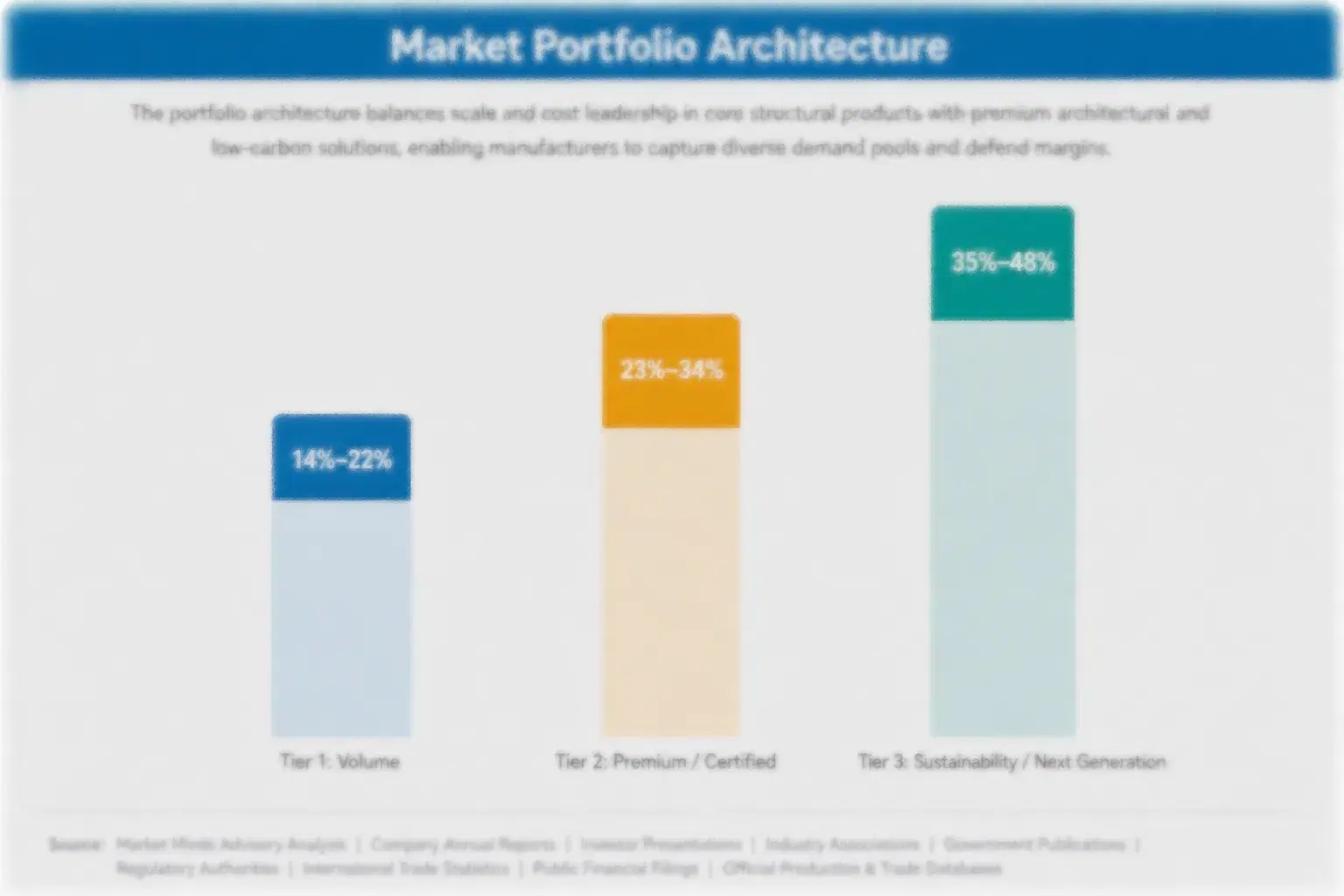
Margins run from thin returns on crude oil sold to soap makers to strong returns on refined, certified oil sold to beauty brands with sourcing support. Three tiers separate volume products, premium certified lines and next-generation solutions, and each draws on different kernel access, refining quality and certification in a market where a few crushers buy from wide collector networks. Margin gaps between tiers run to 20 points.
The tension between volume and premium is sharp. Crude oil for soaps and oleochemicals competes directly with coconut and palm kernel oil on price and faces constant cost pressure, while refined cosmetic and pharmaceutical grades earn higher margins on smaller volumes and depend on certification, testing and cooperative links. Suppliers that chase volume run into seasonal kernel supply, while premium-only suppliers struggle to build scale beyond a few beauty customers.

High-value pools concentrate in cosmetics and personal care and in pharmaceutical and nutraceutical grades. They gather where buyers pay for sourcing stories, quality and traceability, not for lauric acid alone. Food uses and industrial uses add a smaller pool, and suppliers may hold more than one, though each needs different refining lines, documentation and buyer relationships to serve well.

Volume / Commodity-Adjacent

Crude and lightly refined babassu oil sold by weight to soap, detergent and oleochemical makers. Buyers focus on price against coconut and palm kernel oil, contracts follow annual tenders, and differentiation is limited by seasonal kernel supply and shared crushing technology.
Gross Margin: 12%-22%

Premium / Certified

Refined, low-odour and organic babassu oil sold to cosmetic, personal care and food brands. Buyers value sensory quality, oxidation stability and documentation, and contracts run for one to three years with regular audits and specification reviews.
Gross Margin: 26%-38%

Sustainability / Regulatory / Next-Generation

Fair-trade, organic and community-traceable babassu oil with verified collector data and benefit-sharing documents, sold to clean beauty and pharmaceutical buyers that report supply chain impacts. Contracts depend on documentation, audits and consistent delivery performance across seasons.
Gross Margin: 28%-38%
babassu-oil-market-portfolio-architecture-1789981783563

High-value Sub-segments and Strategic Watch-out

Cosmetics and Personal Care

Cosmetics and personal care combine the fastest growth with the strongest pricing, since beauty brands accept gross margins of 28% to 38% for sensory quality and sourcing stories. Refined grades, certificates and traceable sourcing form the entry barrier, and suppliers with cooperative links and stable supply hold the strongest positions.
Gross Margin: 28%-38%

Pharmaceuticals and Nutraceuticals

Pharmaceuticals and nutraceuticals deliver solid growth with premium pricing, since buyers accept gross margins of 26% to 36% for purity and documentation. Quality systems and regulatory files limit competition, though volumes are small. Reviews occur each year. Audits are frequent and detailed. Prices stay firm for certified lots.
Gross Margin: 26%-36%

Soaps and Oleochemicals

Soaps and oleochemicals are the volume core, with value growing about 4.5% a year. Kernel cost, price against coconut and palm kernel oil and logistics decide profit, and large crushers hold most volume. Buyers renew contracts yearly at prices linked to competing lauric oils across soap and detergent programmes.
Gross Margin: 12%-22%

Industrial Uses, Lubricants and Biofuel

Industrial uses are the strategic watch-out, since growth of about 4.0% a year trails the leaders, biofuel and lubricant buyers pay only commodity prices and margins are thin. Suppliers should manage the line selectively and steer scarce kernel supply toward cosmetic and pharmaceutical buyers with clearer value.
Gross Margin: 10%-20%

Why Beauty Brands Reorder Oil

Babassu oil demand behaves like an annuity attached to cosmetic and soap formulas. Once a brand qualifies babassu for a formula, reorders follow every quarter and switching means new sensory tests, stability trials and audits that take six to twelve months. Retailers set annual ranges around sell-through, so suppliers with stable quality earn priority allocations. Trust, once earned, takes years to lose.
Adoption stickiness differs by end-use vertical. Cosmetic and pharmaceutical brands are the deepest, since formulas, safety files and claims are built around approved suppliers. Soap and oleochemical makers are moderately sticky, driven by price and delivery. Food and industrial buyers are more fluid, changing suppliers when a coconut or palm kernel price move appears, though brands with reliable quality hold repeat purchase for several seasons.

Buyer profiles are shifting between generations. Older buyers bought babassu as a cheap lauric oil for soap, while younger beauty brands ask about silicone-free performance, community sourcing, forest protection and traceability, and share stories on social media. Regulators, retailers and NGOs add a third group that sets access, benefit-sharing and labelling expectations. Suppliers that publish clear sourcing and collector data win newer buyers and keep them through reformulations.
babassu-oil-market-end-use-penetration-index-1789981784133

MMA Verdict: Babassu Oil Strategy

These are among the four positions where our research anticipates prominent divergence between winners and laggards over the coming forecast period. Each is grounded in the demand model, the regulatory perimeter, and the announced capacity pipeline.
01 / KERNEL SUPPLY STRATEGY

Build Cooperative Buying Posts and Depots Before Supply Gaps Stall Growth

Kernels make up about 52% of cost, and cooperative buying posts with advance payments and depots lift collected volume by 20% to 35%. Crushers should invest $1 million to $6 million over several seasons, pay collectors promptly and publish prices. Those that delay will lose volume to competing lauric oils over the next two years, while early movers hold stable supply, stronger margins and lasting collector relationships across every harvest, road season and annual contract review with cosmetic and soap buyers.
02 / CLEAN BEAUTY POSITIONING

Position Certified Babassu as a Silicone-Free Emollient Before Rivals Define the Niche

Beauty brands pay for performance and stories, and refined low-odour grades with certificates win formulation slots worth 15% to 25% of cosmetic volume. Suppliers should invest $0.5 million to $3 million, share sensory data and support claims with audits. Those that delay will lose formulation slots over the next two years, while early movers hold premium prices, brand partnerships and stronger loyalty across every product launch, audit round and annual formulation review in Europe, North America and East Asia, especially in hair and skin care.
03 / LAURIC DIVERSIFICATION STRATEGY

Sell Babassu as a Diversification Source to Oleochemical Buyers Before Spikes Return

Lauric price spikes hurt oleochemical buyers, and babassu on flexible contracts wins diversification volume worth 8% to 15% of soap and oleochemical sales. Suppliers should invest $0.5 million to $2 million in crushing and logistics, agree price bands and guarantee delivery windows. Those that delay will miss the next price spike over the next two years, while early movers hold multi-year contracts, steadier volumes and stronger negotiating positions across every lauric cycle, tender round and annual budget review for management.
04 / CRUSHER MODERNISATION STRATEGY

Modernise Crushing and Refining Before Quality Gaps Cost Premium Buyers

Oil yield and quality depend on cleaning, pressing and refining, and modern equipment lifts oil yield by three to six points and consistency for cosmetic buyers. Crushers should invest $2 million to $10 million per plant, stage capital across sites and track peroxide values monthly. Those that delay will lose premium buyers over the next two years, while early movers hold higher yields, better quality and stronger margins across every audit round, shipment and annual capital plan for their businesses.

Engagement Snapshot From the Field

A live engagement with an industry participant carrying material or product regulatory and market exposure ahead of a defining policy shift, showing how our research translates into a defensible multi-year portfolio strategy.
MARKET MINDS ADVISORY · CLIENT ENGAGEMENT SUMMARY
Babassu Oil Producer Strategic Portfolio Review and Transition Roadmap 2026·Investment Scenario on Babassu Oil Exposure Evaluation 2025-26
CLIENT PROFILE
The client is a Brazilian babassu crushing company with annual sales near $22 million (client-reported, unverified by MMA), selling crude and refined babassu oil to soap makers, oleochemical buyers and a few cosmetic brands. About 18% of sales came from refined cosmetic grades, kernel supply had been unstable and management wanted a plan to grow certified cosmetic sales and secure supply.
STRATEGIC CHALLENGE
Crude oil margins sat near 14% (client-reported, unverified by MMA), kernel volume had fallen about 25% in a wet season and one cosmetic customer had switched to coconut oil. Management had to decide whether to build buying posts, upgrade refining or seek organic and fair-trade certification, with limited capital and one plant. Key buyers wanted sourcing documents within nine months.
MMA APPROACH
MMA analysed sales, cost and kernel volume data across 14 products, interviewed 10 buyers, cooperatives and formulators, and ran a buyer survey on odour, oxidation and sourcing claims across three countries. It modelled margin by grade and channel, compared buying posts, refining and certification options by payback and execution risk, and tested each against kernel supply and lauric price scenarios.
KEY FINDINGS
  1. Six cooperative buying posts with advance payments would lift collected volume by about 25% across three seasons and every buying post (client-reported, unverified by MMA).
  2. Organic and fair-trade certification with documented sourcing would win cosmetic slots worth about 20% of revenue at margins above 30% (client-reported, unverified by MMA).
  3. Modern sorting and refining equipment would lift oil yield by about four points and improve odour scores across the whole plant and every line (client-reported, unverified by MMA).
  4. Flexible price-band contracts with two oleochemical buyers would add volume worth about 10% of revenue at stable margins (client-reported, unverified by MMA).
CLIENT PROFILE
The client is a Brazilian babassu crushing company with annual sales near $22 million (client-reported, unverified by MMA), selling crude and refined babassu oil to soap makers, oleochemical buyers and a few cosmetic brands. About 18% of sales came from refined cosmetic grades, kernel supply had been unstable and management wanted a plan to grow certified cosmetic sales and secure supply.
STRATEGIC CHALLENGE
Crude oil margins sat near 14% (client-reported, unverified by MMA), kernel volume had fallen about 25% in a wet season and one cosmetic customer had switched to coconut oil. Management had to decide whether to build buying posts, upgrade refining or seek organic and fair-trade certification, with limited capital and one plant. Key buyers wanted sourcing documents within nine months.
MMA APPROACH
MMA analysed sales, cost and kernel volume data across 14 products, interviewed 10 buyers, cooperatives and formulators, and ran a buyer survey on odour, oxidation and sourcing claims across three countries. It modelled margin by grade and channel, compared buying posts, refining and certification options by payback and execution risk, and tested each against kernel supply and lauric price scenarios.
KEY FINDINGS
  1. Six cooperative buying posts with advance payments would lift collected volume by about 25% across three seasons and every buying post (client-reported, unverified by MMA).
  2. Organic and fair-trade certification with documented sourcing would win cosmetic slots worth about 20% of revenue at margins above 30% (client-reported, unverified by MMA).
  3. Modern sorting and refining equipment would lift oil yield by about four points and improve odour scores across the whole plant and every line (client-reported, unverified by MMA).
  4. Flexible price-band contracts with two oleochemical buyers would add volume worth about 10% of revenue at stable margins (client-reported, unverified by MMA).
RECOMMENDED STRATEGY
Phase 1: Phase 1 (Months 1-12): Open buying posts in two regions, start organic and fair-trade certification work and sign price-band contracts with oleochemical buyers. Phase 2: Phase 2 (Months 13-30): Commission new sorting and refining equipment, launch refined grades with three cosmetic brands and add storage depots. Phase 3: Phase 3 (Months 31-48): Extend buying posts across the babassu belt, review contracts yearly and decide on further crushing capacity using demand data.
OUTCOME
Within 48 months, certified and cosmetic grades reached 36% of sales, margins rose by about seven points and kernel shortfalls fell sharply (client-reported, unverified by MMA). Collector cooperatives expanded, two beauty brands signed multi-year agreements, and refined oil yield improved across the plant. Management approved further investment.

Frequently Asked Questions

Foundational context covering the market sizes, CAGR, scope, country, region and competition that inform every finding below. This section is provided to cover basics and most often pre-purchase conversations, answered from the MMA Primary Research Dataset.

What is the current size of the Babassu Oil Market?

The global babassu oil market was valued at $0.28 billion in 2025 on a producer sales revenue basis. Growth is driven by natural beauty demand and lauric oil diversification, and held back by fragmented collection and coconut oil competition.

How large will the Babassu Oil Market be by 2036?

The market is projected to reach $0.53 billion by 2036, up from $0.30 billion in 2026. The increase of $0.23 billion reflects cosmetic demand, certified sourcing and crusher modernisation.

What is the CAGR for the Babassu Oil Market 2026 to 2036?

The market is forecast to grow at a 6.0% CAGR from 2026 to 2036. The bull case reaches 7.3% and the bear case 4.7%, depending on kernel supply, lauric oil prices and clean beauty demand.

Which segment is growing fastest?

Cosmetics and Personal Care is the fastest-growing segment at 8.4% CAGR, roughly 1.40 times the overall market rate. Pharmaceuticals and Nutraceuticals follows at 7.2% CAGR.

Who are the major companies in the Babassu Oil Market?

Major companies include Tobasa Bioindustrial, Beraca, AAK, Croda and Cargill. Bunge, Wilmar International, Stepan, Symrise and Natura &Co also hold meaningful positions in specific channels.

Which country is growing fastest?

India is growing fastest at about 8.5% CAGR, because natural cosmetic brands, soap makers and Ayurvedic firms test new lauric sources together. China and South Korea follow from small bases.

Report Segmentation Architecture

The full report scope spans multiple orthogonal segmentation dimensions, with cross-tabulated demand data provided for each dimension pair. Coverage extends further to regional breakdowns, trend trajectories, and the competitive detail needed to support segment-level decision-making.

By Primary Market Dimension

  • Soaps and Oleochemicals
  • Cosmetics and Personal Care
  • Food and Confectionery
  • Pharmaceuticals and Nutraceuticals
  • Industrial Uses, Lubricants and Biofuel

By End-Use Industry

  • Beauty and Personal Care Brands
  • Soap and Detergent Makers
  • Food Manufacturers
  • Pharmaceutical Companies

By Commercial Dimension

  • Bulk Ingredient Sales
  • Certified and Organic Programmes
  • Distributor Sales
  • Direct Brand Contracts
  • Contract Manufacturing

By Region

  • North America
  • Western Europe
  • East Asia
  • South Asia and Pacific
  • Latin America
  • Middle East and Africa
  • Eastern Europe

Scope, Methodology, and Coverage

Every figure in this report is reproducible from documented input assumptions. The scope below maps the historical period, the forecast horizon, the segmentation dimensions, and the countries covered, alongside the underlying primary and qualitative methodology.
Historical Period
2020 to 2025
Forecast Period
2026 to 2036
Base Year
2025 (USD billions; MMA Primary Research Dataset, September 2026)
Market Definition
The market covers babassu oil, defined as crude and refined oil pressed from babassu palm kernels and sold as an ingredient to cosmetics, soap and oleochemical, food, pharmaceutical and industrial buyers worldwide, valued at producer sales revenue. It includes conventional, organic and fair-trade oil and fractions, and excludes babassu mesocarp flour and charcoal, coconut oil, palm kernel oil and other lauric oils and finished cosmetic and food products.
Quantitative Units
USD billions (producer sales revenue); tonnes for volume references
Segmentation Dimensions
By Application; By End-Use Industry; By Commercial Dimension; By Region
Regions Covered
North America, Western Europe, East Asia, South Asia and Pacific, Latin America, Middle East and Africa, Eastern Europe
Countries Covered
Brazil, United States, Canada, Mexico, France, Germany, United Kingdom, Netherlands, Spain, Italy, Japan, China, South Korea, India, Indonesia, Australia, Singapore, Argentina, Chile, United Arab Emirates, Saudi Arabia, Morocco, Poland, Czechia, and additional markets relevant to this sector
Key Companies Profiled
Tobasa Bioindustrial, Beraca, AAK, Croda, Cargill, Bunge, Wilmar International, KLK OLEO, Stepan, Symrise, Givaudan, Natura &Co, Grupo O Boticario, Oleon, Emery Oleochemicals, IOI Oleochemical, BASF, Evonik, Kerry Group, ADM
Quantitative Methodology
Primary survey, n=3,800 respondents, Q4 2025, six countries; demand-side model with trade association cross-validation
Qualitative Methodology
47 expert interviews, Q4 2025; applied to validate demand model assumptions, identify emerging dynamics, and assess competitive positioning
Report Format
PDF and XLSX data workbook (Word format preview document)
Publisher
Market Minds Advisory
Report Code
MMA-2026-AGR-245
Published
September 2026
Contact
sales@marketmindsadvisory.com | www.marketmindsadvisory.com

Purchase the full Babassu Oil Market Report (2026 to 2036).

The full report delivers a detailed assessment of the global babassu oil market through 2036, covering application, customer industry and regional forecasts, competitive benchmarking of leading crushers, ingredient houses and brand owners, and input cost analysis. It combines MMA primary research, including a six-country survey of 3,800 respondents and 47 expert interviews, with public statistical and company data. Analysts also model kernel supply, lauric oil price and clean beauty demand scenarios. Clients receive segment margin ranges, supply chain maps and a case study on growth strategy. Sourcing audit checklists are also included.
Ten-year application, customer and regional forecasts
Kernel, logistics and refining cost tracking
Competitive benchmarking of leading babassu oil suppliers
Brazilian access and benefit-sharing rule tracker
Regional comparative analysis and forecasts included
Quarterly primary survey data update access

Built For The People Who Decide

From boardroom strategy to bench-side execution, this report is read cover-to-cover by leaders shaping the next decade of their industry, turning demand scenarios, market dynamics and valuation benchmarks into decisions.
CXOs/ Presidents/ VPs/ Managers
M&A and Corporate Development
Strategy Teams and R&D Heads
Procurement and Product Directors
Regulatory and Compliance Leaders
Investor Relations and Equity Analysts