Airlines Convert Retrofit Programmes Toward Turbulence Prediction
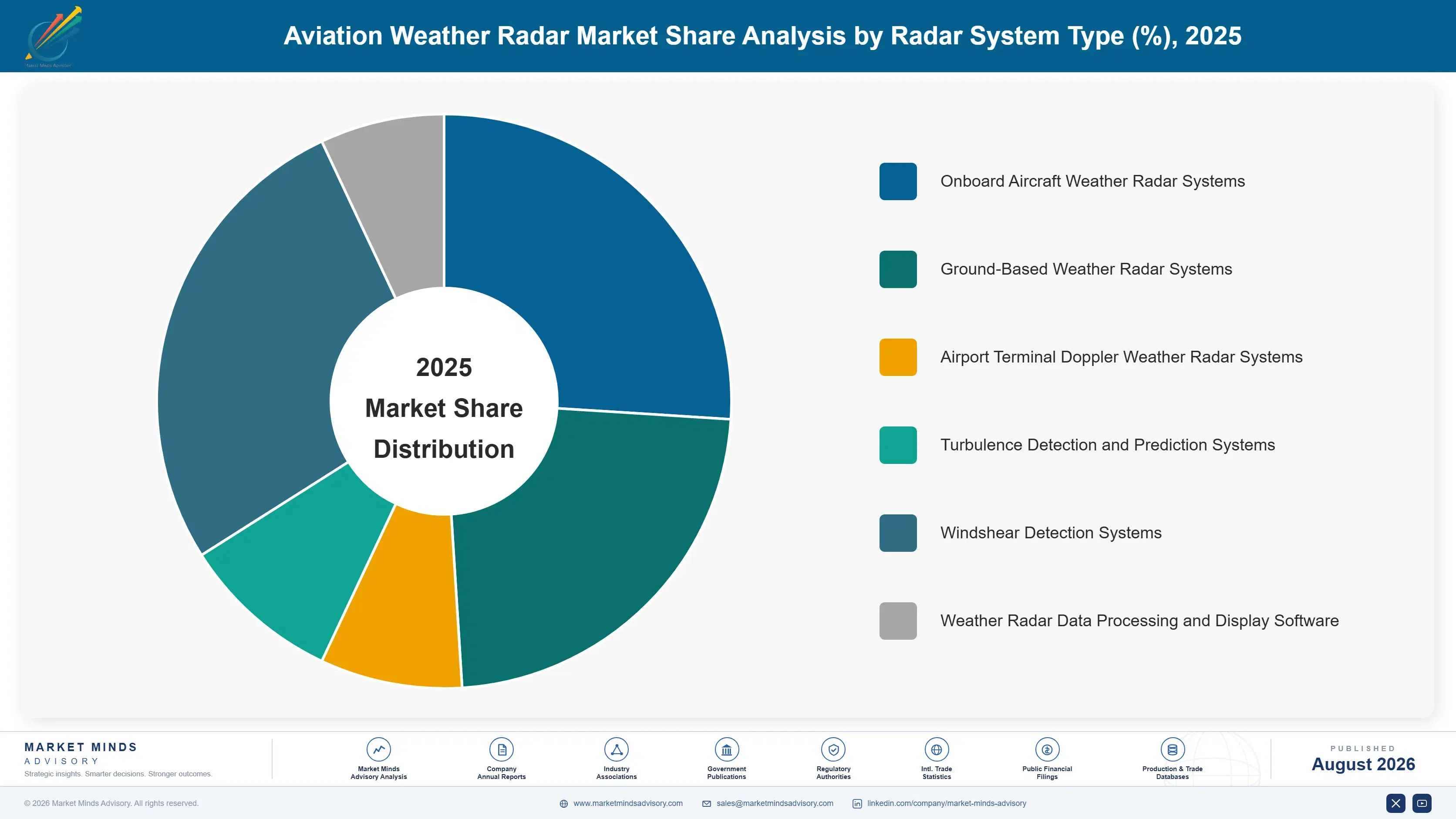
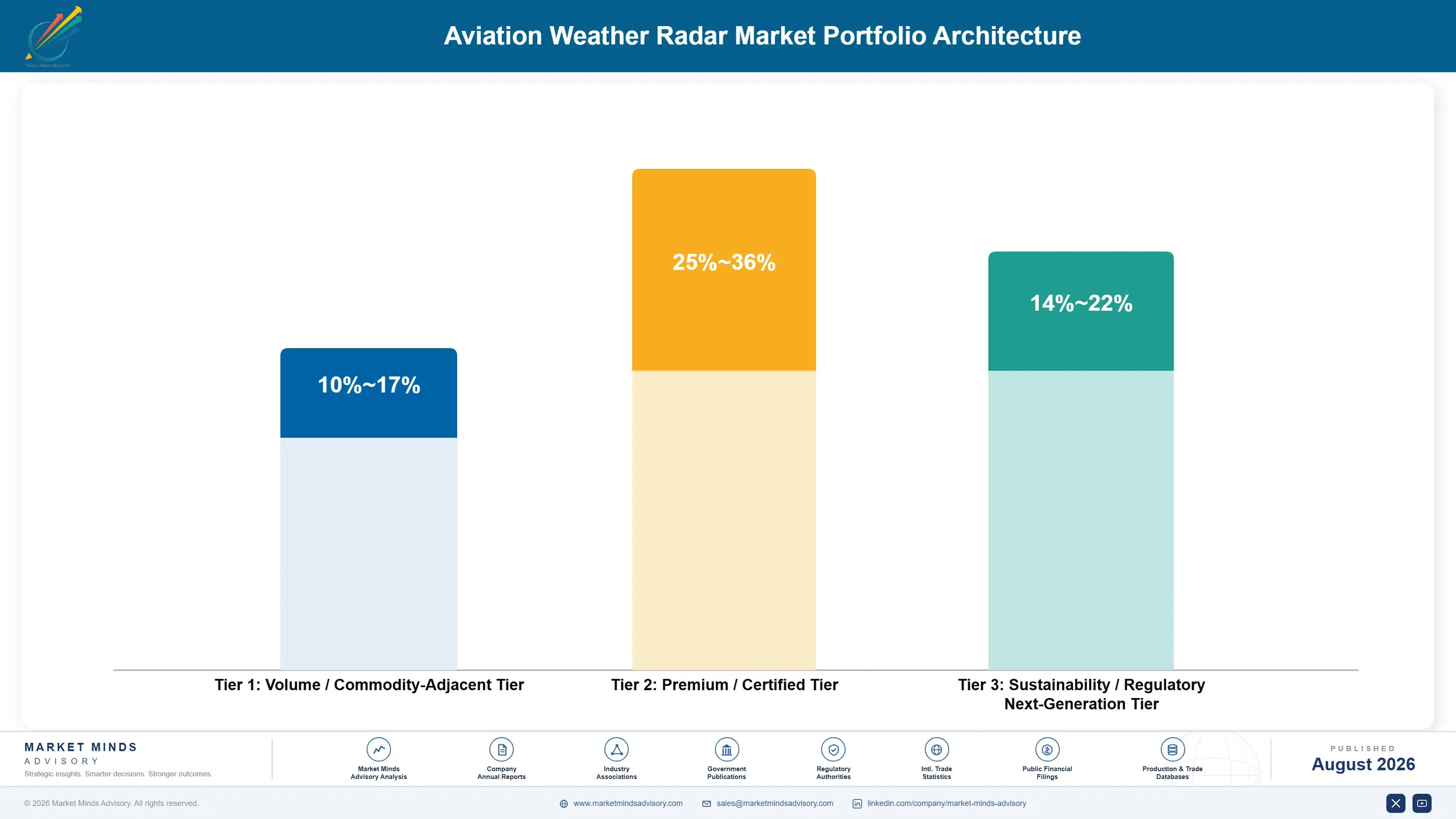
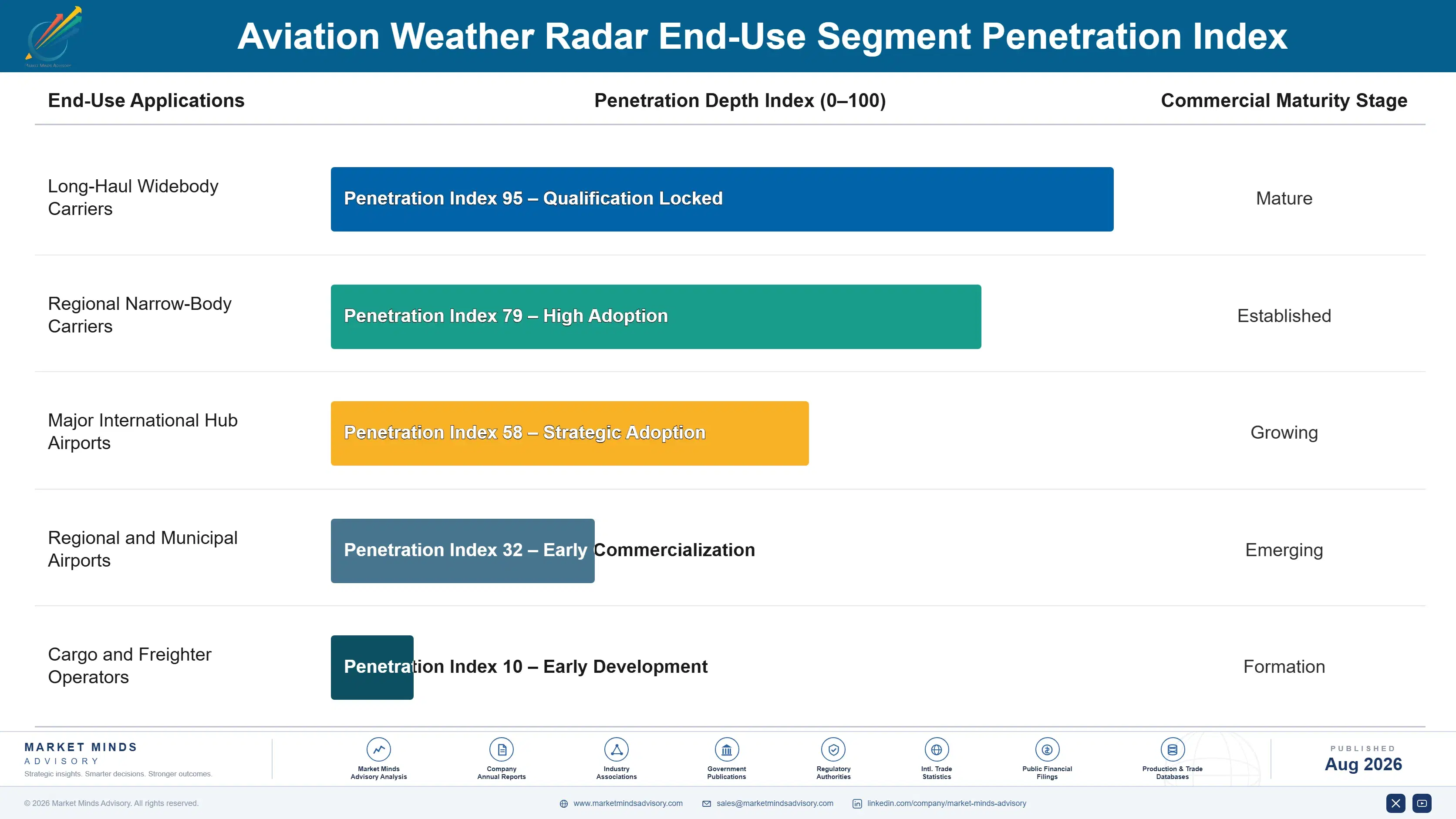
Global airline fleets have increasingly prioritised converting standard storm-avoidance retrofit toward documented turbulence-prediction installation rather than relying on conventional reflectivity-only radar across critical long-haul programmes, treating documented clear-air detection as a defining qualification consideration rather than a secondary operational detail handled after core fleet planning. Several major carriers now require multi-year detection-accuracy and false-alert documentation before finalising new manufacturer contracts, rather than accepting standard qualification common across earlier procurement cycles. Honeywell and Collins Aerospace have both invested in dedicated predictive-algorithm infrastructure, recognising that large fleet mandates increasingly hinge on demonstrated detection precision rather than price terms alone.
Market Impact: Climate volatility adds 16% detection demand