Market Minds Advisory
Automotive Bioplastic Market

Automotive Bioplastic Market: Automotive Bioplastics: Accounting Claims And Materials That Earn Their Place

Most bio content in a car today is a chain of custody allocation made at the cracker, not a different molecule. The materials that actually stick are the ones an engineer would have specified anyway.

Lead Analyst

Published

September 2026

Make Smarter Decisions with Customized Research Insights

Request a free sample report and evaluate market opportunities, growth trends, and competitive dynamics relevant to your business needs.

2025 MARKET VALUE$1.4BMarket Size 2025
2036 FORECAST VALUE$4.8BBase Case , 2026 to 2036
CAGR 2026 TO 203611.8 %Bull 13.1% / Bear 10.5%
INCREMENTAL OPPORTUNITY$3.2BNet 10- year value creation
EXPANSION MULTIPLE3.05x2036 value over 2026 base
Strategic Levers
M&A Pipeline
Regional Outlook
Country Rankings
Competitive Intelligence
Segmental Deep-dive
Call-Us : 91 93563 13602

Executive Snapshot and Market Trajectory.

Most of the bio content in a car today is a mass balance allocation made at the cracker rather than a genuinely different molecule sitting in the part. That is legitimate accounting and fragile marketing. The market reaches USD 1.4 billion in 2025 and compounds at 11.8%.
Bio-attributed polyolefins grow fastest at 17.7%, exactly 1.50 times the market rate, because attribution lets a manufacturer claim renewable content without requalifying a single grade or changing a single tool. East Asia holds 30% of value on vehicle production volume and on Japanese pioneering work. Western Europe takes 26%, where regulation rather than customer demand is what puts the material into the specification in the first place.
Concentration sits at 44% across the top five, split between petrochemical majors selling attributed volume and speciality houses selling genuinely bio-based polymers. Competition turns on certification credibility, on qualification lead time, and on whether a given material earns its place on purely engineering grounds. Recycled content mandates and bio content ambitions are competing for exactly the same polymer slot, and only one of the two is actually written into law anywhere.
Market Definition
The automotive bioplastic market covers thermoplastic and thermoset polymers of renewable origin used in vehicle components, whether physically bio-based or supplied under certified mass balance attribution, spanning bio-attributed polyolefins, bio-based polyamides, polyurethanes, polyesters, and speciality resins. Thermoplastic elastomers and rubber compounds, natural fibre reinforcement supplied separately, recycled fossil polymers, tyres, coatings, adhesives, and battery cell materials are excluded.
Base Year Value
$1.4B in 2025 (MMA Primary Research Dataset, August 2026)
Forecast Period
2026 to 2036, eleven discrete annual values
CAGR
11.8% base case. Bull 13.1%. Bear 10.5%.
Fastest Growth Segment
Bio-Attributed Polyolefins: 17.7% CAGR
Fastest Growth Country
India: 15.4% CAGR
Fastest Growth Region
South Asia and Pacific: 13.8% CAGR
Largest Region
East Asia: 30% of 2025 global value
Market Leaders
BASF, Arkema, Braskem, Evonik, Toray. Source: MMA Primary Research Dataset, July 2026.
Primary Survey
n=3,800 procurement and R&D decision-makers, Q4 2025, six countries
Methodology
Demand-side build-up, cross-validated against public data, 47 expert interviews

Automotive Bioplastic Market Forecast Scenarios

automotive-bioplastic-market-size-forecast-scenario-1786463168260
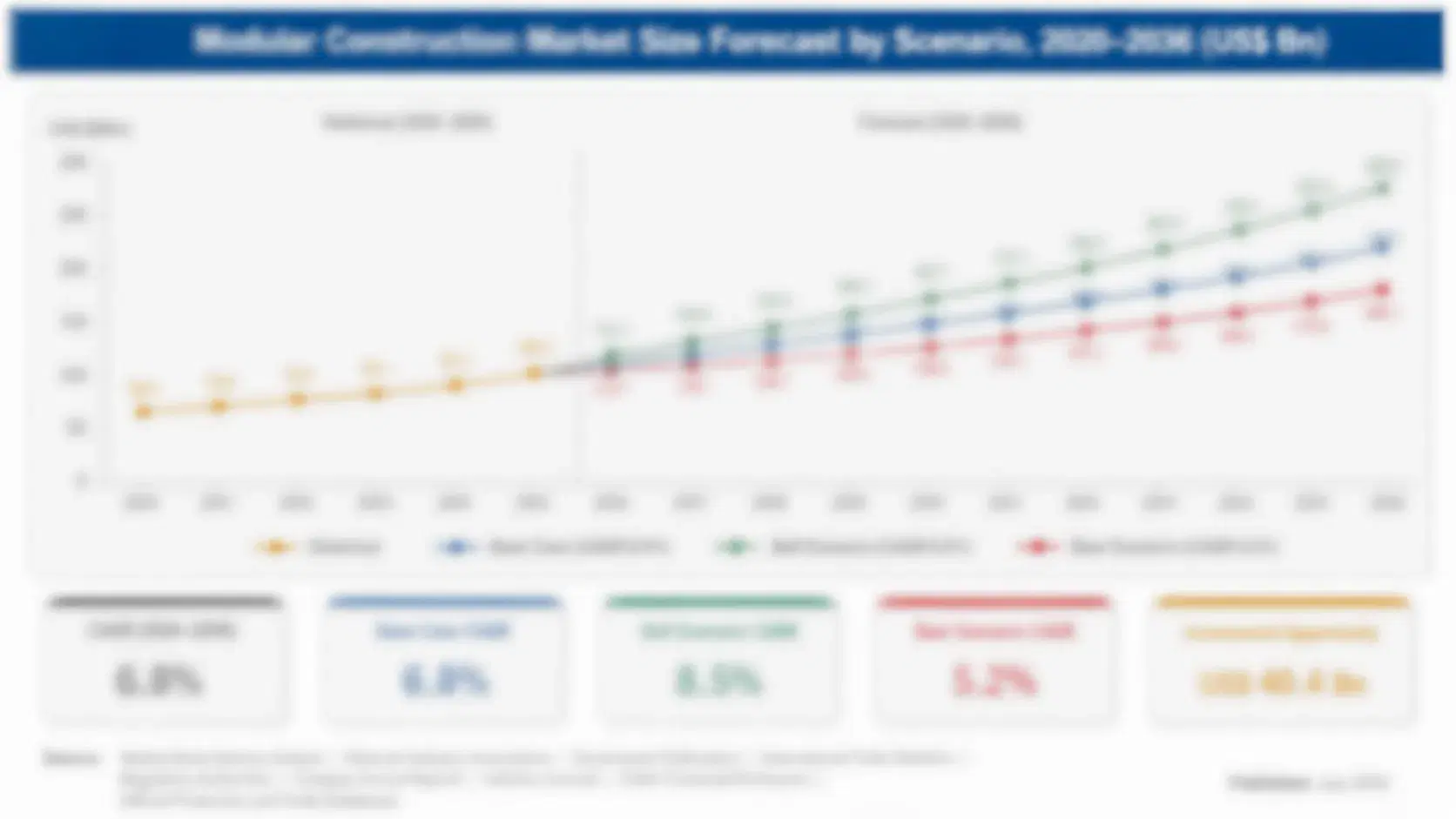
Between 2020 and 2025 announcement volume outran material volume by a wide margin. Almost every carmaker published a renewable content target, and a good many of those targets were met through mass balance attribution on grades already in production rather than through new materials. Castor-based polyamides grew on genuine engineering merit throughout. A 10.4% historical CAGR reflects real tonnage rather than the pledges made alongside it.
Three mechanisms carry the 11.8% base case. Mass balance attribution is the largest, since it lets an OEM report renewable content without requalifying anything or changing a tool. Castor polyamide substitution is the second, driven by moisture absorption and dimensional stability advantages that would justify the material without any sustainability argument. And European end-of-life vehicle regulation is the third, though it mandates recycled content rather than bio content and the two compete directly.
The 13.1% bull case rests on renewable content becoming a reported metric under sustainability disclosure rules, which would convert voluntary targets into audited obligations. The 10.5% bear case is a credibility problem: if attribution claims are challenged by regulators or consumer bodies, OEMs would retreat to physically bio-based materials that cost considerably more and cover far fewer applications.

What Counts As Bio, And Who Decides

There are two very different products inside this market and they get reported as one. A castor-derived polyamide is physically different from its fossil equivalent, made from a plant nobody eats, and it behaves differently in service. A mass balance attributed polypropylene is chemically identical to the fossil grade beside it, and the renewable content is an allocation made in the cracker's books under a certification scheme.
TOP FIVE CONCENTRATION44%Petrochemical majors and speciality polymer houses divide the field
BIO CONTENT PER VEHICLE12 kilogramsRenewable-sourced polymer mass in a typical passenger car today
PRICE PREMIUM35%Additional cost against the equivalent conventional polymer grade
MASS BALANCE SHARE58%Volume supplied under chain of custody attribution rather than physically
QUALIFICATION LEAD TIME30 monthsTime from material selection to the start of series production
RECYCLED CONTENT TARGET25%Regulated minimum for plastics in new vehicles under revision
Both are legitimate. Attribution is how every chemical industry transition has ever started, because a cracker cannot segregate a small renewable feed through a plant designed for continuous operation. It also lets an OEM report renewable content without requalifying a grade, retooling a part, or changing anything an engineer would notice. Roughly 58% of volume moves this way.
The exposure is that the claim rests entirely on an accounting standard rather than on the part. Certification bodies audit it and it holds up, but it does not survive a hostile question from a consumer body particularly well. Materials that also earn their place technically, castor polyamides in fuel lines being the obvious case, are the ones that survive whatever happens to the accounting.
"Ask an engineer why the fuel line is castor polyamide and you will hear about moisture absorption and dimensional stability. Sustainability comes up fourth, if at all. That is exactly why that material is still there in ten years and half the others will not be."
Director, Automotive Materials Practice · MMA Automotive Practice ·

Market Trends

Mass Balance Attribution Carries Most Reported Bio Content

A steam cracker cannot segregate a modest renewable feedstock stream through equipment designed for continuous operation, so the renewable content gets allocated to specific output volumes under chain of custody certification instead. Roughly 58% of automotive bio content moves this way, and the polymer arriving at the moulder is chemically identical to the fossil grade. For an OEM this is enormously convenient: renewable content gets reported without requalifying a material, retooling a part, or telling the supplier anything has changed at all. The claim rests on the audit rather than on the component.
Market Impact: Moisture uptake falls 60 percent
Recycled Content Mandates Compete For The Same Slot

The European end-of-life vehicle regulation revision targets recycled plastic content in new vehicles, and a bio-based part does not count toward it. An OEM has one door panel, one bumper fascia, and one instrument panel carrier, and the material in each can be bio-based or recycled but not both in any meaningful proportion. Recycled content is written into law while bio content sits in voluntary corporate targets, which decides the argument inside most material engineering departments quickly. This is the largest single constraint on automotive bioplastic growth and it is rarely discussed as one.
Market Impact: Targets cover 40 million vehicles

Market Opportunities and Growth Drivers

Castor Polyamides Win On Engineering, Not Sustainability

Polyamide 610 and 1010 derived from castor oil absorb considerably less moisture than polyamide 66 and hold dimensional stability better across the humidity and temperature range a vehicle sees. That matters in fuel lines, cooling circuits, quick connectors, and air brake tubing, where swelling changes fit and sealing behaviour. Engineers specify these grades because they perform, and the renewable origin is a reporting benefit that arrives free. Materials adopted on merit survive procurement reviews that sustainability-led substitutions consistently fail. Sustainability reporting collects the benefit afterwards. Nobody chose the material for it.
Market Impact: Premium runs 35 percent above conve

Corporate Renewable Targets Create Committed Volume

Almost every major carmaker has published renewable or sustainable material content targets running to 2030 and beyond, and those commitments are now reported in annual sustainability disclosures that investors read. Meeting them requires material volume rather than intent, and purchasing organisations have been given content quotas alongside their cost targets. Mass balance attribution is the cheapest route to compliance, which is precisely why it dominates. The commitments are voluntary but publicly stated, and retreating from them carries a reputational cost most boards will not accept. Purchasing organisations now carry content quotas alongside cost targets.
Market Impact: Attributed volume reaches 58 percen

Market Restraints and Challenges

Price Premium Survives No Cost Review

Bio-based and attributed grades carry roughly 35% premium over the conventional equivalent, and automotive purchasing runs annual cost reduction targets that make any premium difficult to defend. The root cause is scale: renewable feedstock and certified supply chains cost more than a cracker running on naphtha at full rate. Commercially this confines adoption to parts where the premium is small in absolute terms or where a performance benefit offsets it. Suppliers are mitigating by targeting low-mass high-visibility components, bundling premium across a platform, and pricing attributed volume closer to conventional grades.
Market Impact: Attribution covers 58% of volume

Attribution Claims Rest On Contested Accounting

Mass balance certification allocates renewable feedstock to output volumes rather than tracing molecules, which is defensible technically and awkward to explain to anybody outside the industry. The root cause is that the physical segregation the public assumes is not achievable in a cracker. Commercially the risk is that a regulator or consumer body challenges the claim, at which point OEMs retreat to physically bio-based materials covering far fewer applications at far higher cost. Participants are mitigating through stricter certification schemes, published allocation ratios, and parallel investment in genuinely bio-based grades.
Market Impact: Regulation targets 25% recycled con
3 additional market trends, 2 additional growth drivers, and 4 additional restraints and challenges are covered in the full report. Contact sales@marketmindsadvisory.com to access the complete intelligence.

Segment CAGR and Growth Architecture

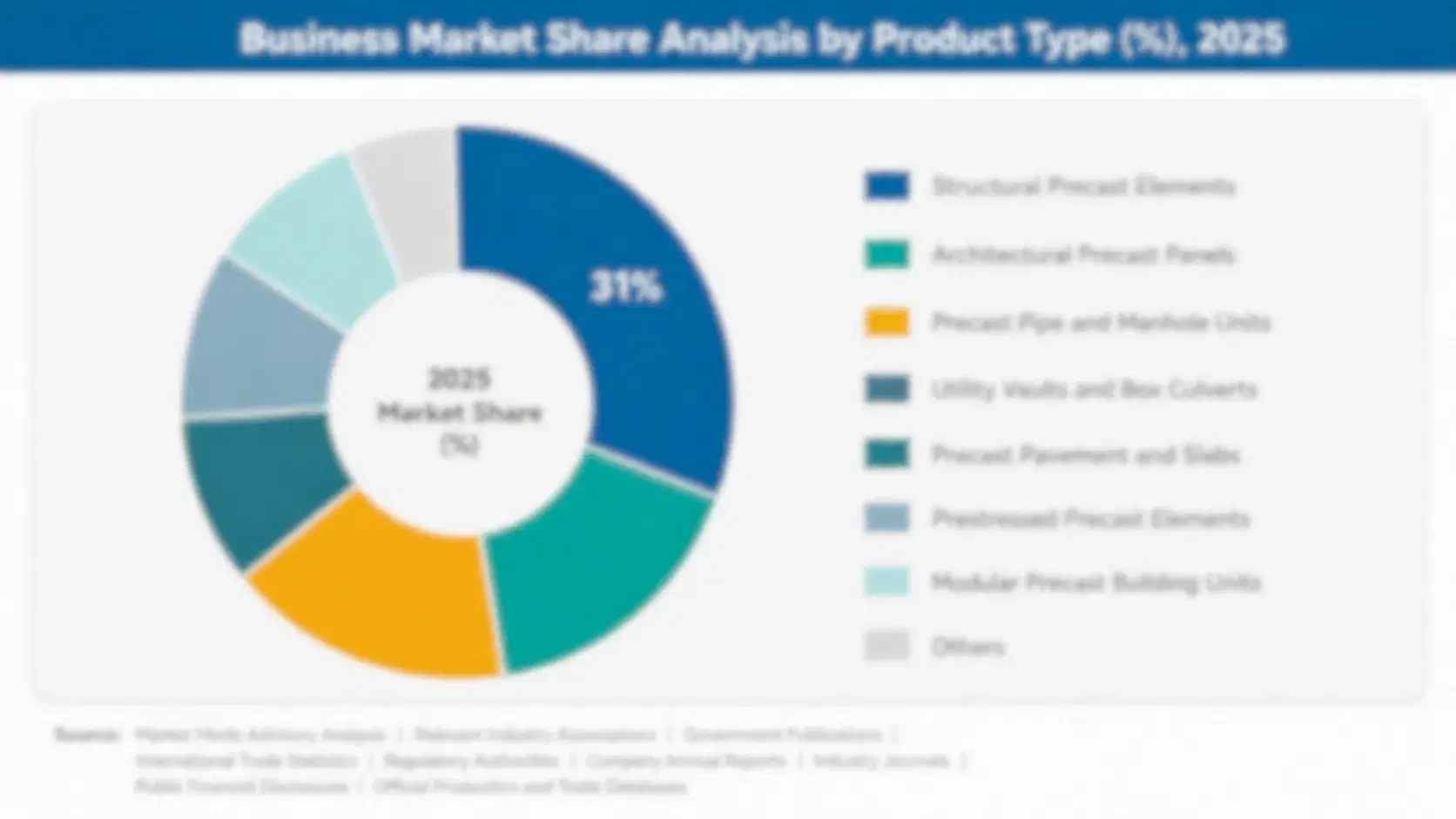
Segmentation follows polymer family, because the base chemistry determines which vehicle components the material can actually serve, the qualification burden that it carries, whether the renewable content is physical or merely attributed, and the premium a buyer will tolerate. Component application, vehicle class, and sourcing route are handled in the framework and commentary instead.
automotive-bioplastic-market-market-share-analysis-1786463168424

Bio-Attributed Polyolefins

Bio-attributed polyolefins grow fastest at 17.7%, exactly 1.50 times the market rate, and convenience rather than chemistry explains the whole rate. Polypropylene and polyethylene account for the largest polymer tonnage in any vehicle, sitting in bumper fascias, interior trim, and under-bonnet components, and attributing renewable feedstock to those grades lets an OEM report content without requalifying anything at all. The moulder sees no difference because there is none to see. Growth therefore tracks certification capacity and corporate reporting cycles rather than material development. That also makes this the segment most exposed if attribution claims are ever seriously challenged. Nothing about the part changes, which is precisely the appeal and precisely the exposure.
CAGR 17.7%

Bio-Based Polyamides

Bio-based polyamides grow at 14.2%, and they are the part of this market that would exist without any sustainability argument at all. Castor-derived polyamide 610 and 1010 absorb far less moisture than polyamide 66 and hold dimensional stability across the humidity swing a vehicle experiences, which matters in fuel lines, cooling circuits, quick connectors, and air brake tubing. Engineers specify them on performance and collect the renewable content as a reporting benefit. Castor is grown on marginal land nobody farms for food, which removes the feedstock argument that dogs other bio-based polymers. Qualification is genuine work, and that is precisely what makes the position durable. Requalifying a fuel line polymer is not something anybody undertakes casually.
CAGR 14.2%
Full segment breakdown across 5 segments available in the complete report.

Regional Architecture and Country Demand Map

Regional shares here follow vehicle assembly weighted by how hard the local regulator or the local manufacturer pushes on renewable content. Production volume on its own predicts the map poorly, because a plant building for export adopts whatever the destination market has decided to demand.

East Asia

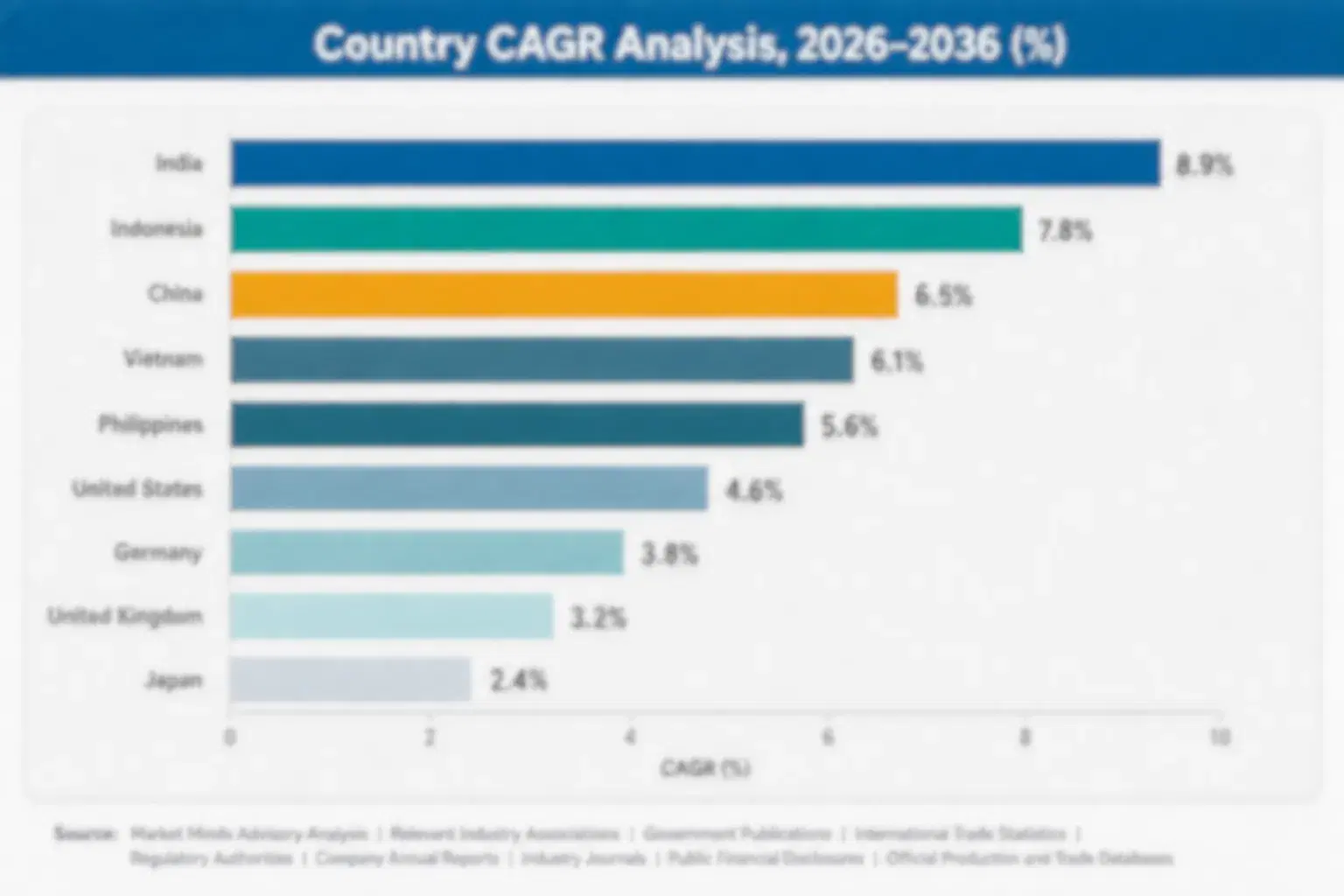
East Asia takes 30% of value, at the ceiling of the band this framework applies, and two very different stories sit inside it. Japan pioneered automotive bioplastics, with Toyota putting plant-derived materials into interior components more than fifteen years ago and building the supply relationships that still serve the industry. China now assembles more vehicles than any other country and its domestic brands market bio and recycled content aggressively in premium electric models, with Kingfa and other compounders supplying locally. Korean OEMs follow European specification because they export into it. Growth at 12.6% exceeds the global rate on Chinese volume and on export-driven specification alike. Domestic requirement and export specification pull in the same direction here.
Share: 30% | CAGR: 12.6% (2026 to 2036)

Western Europe

Twenty-six percent of value sits in Western Europe, at the ceiling of the band this framework applies, and regulation rather than customer demand puts the material into the specification. German, French, and Nordic OEMs publish the most detailed renewable content commitments anywhere and report against them in audited sustainability disclosures. BASF, Arkema, Evonik, and Covestro all supply from European production and set the certification standards the rest of the industry follows. The end-of-life vehicle regulation revision complicates this by mandating recycled rather than bio content. Growth at 10.2% trails the global rate because that competition for the same polymer slot bites hardest here. Specification written here travels worldwide through the platform.
Share: 26% | CAGR: 10.2% (2026 to 2036)
Regional intelligence for 5 additional markets available in the complete report: North America, South Asia and Pacific, Latin America, Eastern Europe, Middle East and Africa. Contact sales@marketmindsadvisory.com.
automotive-bioplastic-market-country-cagr-analysis-1786463168593

Where Bioplastic Suppliers Actually Earn Margin

Selling renewable content into automotive on sustainability alone puts a 35% premium in front of a purchasing organisation whose entire job is removing cost. The money is in materials that solve an engineering problem the buyer already has, in certification nobody can challenge, and in getting specified during platform development rather than during a sourcing round.

Lead With The Engineering Problem, Not The Feedstock

Castor polyamide sells because it absorbs 60% less moisture than polyamide 66 and holds tolerance across the humidity range a fuel line actually sees. That argument survives a cost review and a sustainability argument does not. Suppliers who lead with performance data reach the design engineer rather than the sustainability office, and they hold specifications worth USD 8 to USD 20 per vehicle across a platform's whole life. Materials adopted on merit stay adopted when the corporate target changes or quietly disappears. Corporate targets get revised; qualification files do not.
Market Impact: Specifications hold 8 to 20 dollars

Make Certification Strong Enough To Survive Challenge

Attribution covers roughly 58% of automotive bio content and rests entirely on a chain of custody audit rather than on anything present in the part. Suppliers who publish allocation ratios, use the strictest available certification, and provide traceable documentation give OEMs something defensible when a consumer body asks. That is worth a 10% to 15% premium over minimally certified attributed volume, because the buyer is purchasing protection against a reputational problem rather than purchasing a polymer. Certificate quality varies far more than buyers used to assume. That variation is now being priced.
Market Impact: Rigorous certification earns 10 to

Get Into Platform Development Before Sourcing Opens

Material qualification runs around 30 months from selection to series production, which means the decision is effectively made during platform development years before a purchase order exists. Suppliers engaged at that stage write themselves into the specification and compete afterwards against nobody. Those arriving at the sourcing round are bidding on a specification somebody else shaped. Development engagement costs applications engineering with no immediate revenue and returns platform volumes running seven to ten years at stable pricing. Sourcing rounds are decided long before anybody opens them. Arriving at that point is arriving too late.
Market Impact: Platform volumes run 7 to 10 years

Who Controls the Margin Pool

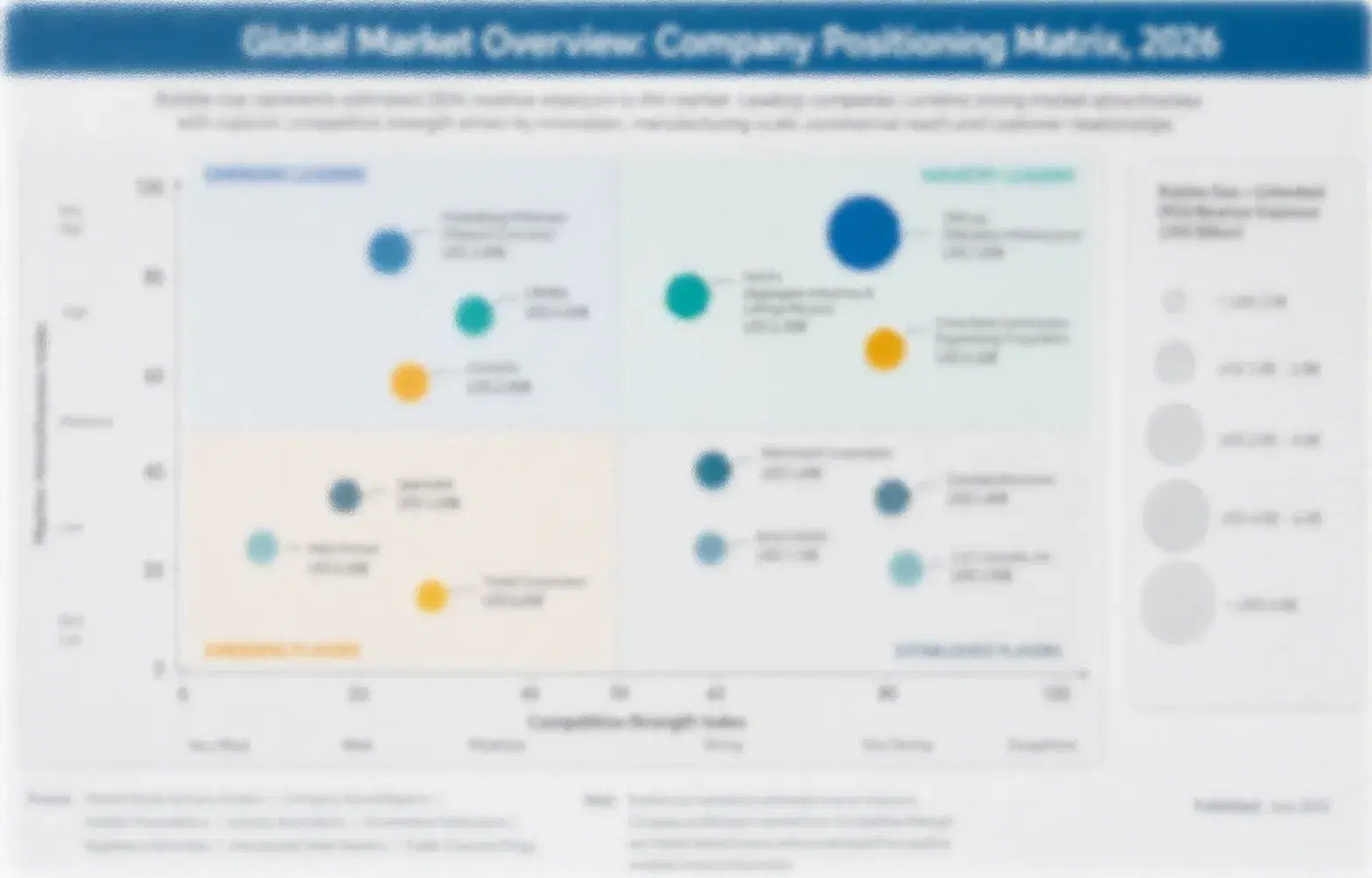
Concentration sits at 44% across the top five measured on automotive bioplastic revenue, and the field divides on what is actually being sold. BASF and Braskem supply attributed and physically bio-based commodity polymers at scale, while Arkema and Evonik hold the castor polyamide positions that rest on engineering merit rather than on accounting. Toray sits across both with strong Japanese OEM relationships. The two business models barely compete with each other.
Competition currently turns on certification credibility, on qualification support during platform development, and on whether the material solves a problem the engineer already had. Price matters enormously and rarely decides anything, because the premium is either accepted at specification stage or the material never reaches sourcing at all.

Pressure is building from recycled content, which is written into European regulation while bio content sits in voluntary targets, and the two compete for the same components. Chinese compounders are also moving up from domestic supply into export platform qualification. Rankings will shift toward suppliers whose materials survive a cost review on technical grounds, because voluntary sustainability targets have been revised downward before and will be again.
automotive-bioplastic-market-company-positioning-matrix-1786463168760

Competitive Moat and Risk Dimensions

BASF

Moat: Certification scale and portfolio breadth

BASF supplies attributed renewable content across a polymer portfolio wide enough that an OEM can source most of a vehicle's plastic requirement from one certified chain of custody. That breadth removes the audit and documentation burden of assembling renewable content from several suppliers, which matters more to a sustainability reporting team than any individual grade comparison does.
BASF

Risk: Attribution exposure across portfolio

Most of that renewable content is allocated rather than physical, which means a serious regulatory or consumer challenge to mass balance accounting would hit BASF harder than suppliers of genuinely bio-based polymers. The defence is certification rigour rather than chemistry, and rigour is a weaker position than a molecule that is demonstrably different.
ARKEMA

Moat: Castor polyamide performance position

Arkema built long-chain castor polyamides into fuel systems, cooling circuits, and air brake tubing on genuine engineering advantages in moisture uptake and dimensional stability. Those specifications were won by design engineers rather than sustainability teams, which makes them considerably more durable than any position resting on a corporate renewable target that a future board may revise.
ARKEMA

Risk: Castor supply concentration risk

Castor is grown overwhelmingly in a single Indian state, and both crop failure and price speculation have disrupted supply before. A polymer whose entire commercial argument rests on a specialised agricultural feedstock carries exposure that a petrochemical competitor simply does not, and OEMs increasingly ask about it during sourcing.

Players Tracked

Prominent Players

BASF
Arkema
Braskem
Evonik
Toray

Other Key Players

Mitsubishi Chemical
SABIC
Borealis
Covestro
DuPont
Envalior
Teijin
Solvay
Kingfa Science and Technology
LG Chem
Asahi Kasei
UBE Corporation
Trinseo
Lanxess
Toyobo

Recent Developments

APRIL 2025

European regulator progressed recycled content rules for vehicles

The European end-of-life vehicle regulation revision advanced with recycled plastic content requirements for new vehicles, giving recycled material a legal status that bio-based content simply does not have at all. Material engineering teams began reallocating components between the two objectives rather than attempting to pursue both.
Signal: Regulation decides which sustainability ob
OCTOBER 2024

Carmaker specified castor polyamide across cooling system platform

A carmaker specified castor-derived long-chain polyamide across all of the cooling circuit components on a new vehicle platform, citing moisture absorption and dimensional stability rather than renewable origin as the deciding factors. Renewable content reporting was recorded afterwards as a secondary benefit of the selection.
Signal: Materials chosen on engineering merit surv
JANUARY 2025

Supplier published mass balance allocation ratios for automotive grades

A polymer supplier began publishing the allocation ratios behind its mass balance attributed automotive grades, going well beyond the disclosure that its certification scheme actually required. Sustainability teams had asked for evidence they could show externally rather than a certificate they could only file internally.
Signal: Buyers are purchasing defensibility agains

Feedstock, Certification, And Conversion

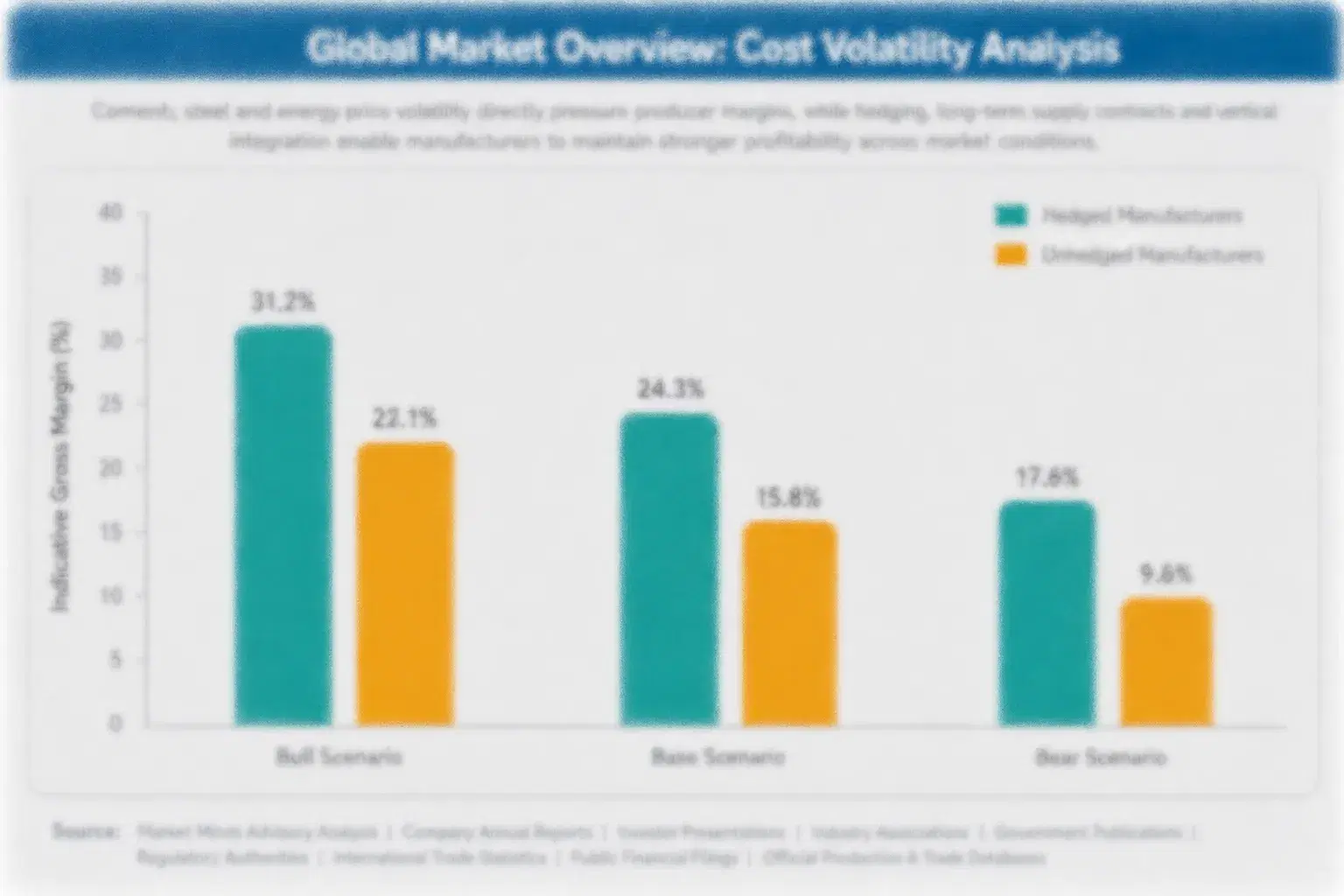
Renewable feedstock carries roughly 40% to 52% of cost of goods, ranging from castor oil sourced almost entirely from Gujarat to used cooking oil, tall oil, and sugarcane ethanol bought through certified supply chains. Conversion energy adds 16% to 22%, and it is higher for bio routes than for equivalent fossil chemistry. Certification, auditing, and chain of custody administration make up a small but genuinely irreducible line.
Castor prices moved sharply through 2021 and 2022 on weak Gujarat harvests combined with speculative buying, and long-chain polyamide costs followed with a lag. European gas costs roughly doubled at the 2022 peak according to European Commission energy statistics, hitting conversion at the same moment. Arkema and Evonik both recorded raw material and energy cost pressure across that period, and automotive contracts priced annually absorbed most of it.

Exposure divides by feedstock breadth. Suppliers running attributed volume can switch between used cooking oil, tall oil, and other certified residues as relative prices move, which spreads the risk considerably. Those committed to a single agricultural feedstock carry crop and speculation risk directly. Automotive contract structure makes this worse, since annual pricing against a multi-year platform leaves the supplier holding several harvests of exposure.
automotive-bioplastic-market-cost-volatility-analysis-1786463168935

Contract castor supply directly with growing cooperatives

Castor comes overwhelmingly from one Indian state through a trading layer that amplifies price movement whenever a harvest disappoints. Direct multi-year agreements with grower cooperatives remove part of that speculation premium and secure volume through tight years. It also gives the supplier something to say when an OEM asks about feedstock concentration during sourcing, which is increasingly a scored question.

Qualify multiple certified residue feedstocks in parallel

Attributed volume can draw on used cooking oil, tall oil, and other certified residues interchangeably, provided each has been qualified through the certification scheme well in advance. Running several approved routes lets a supplier buy whichever happens to be cheapest without pausing to recertify. Most have done less of this than the flexibility justifies.

Index automotive contracts to published feedstock benchmarks

Annual automotive pricing against platforms running seven to ten years leaves the supplier carrying agricultural and energy volatility it cannot manage. Index clauses are unusual in automotive purchasing and resisted hard, but they are becoming negotiable on materials where no qualified alternative exists. Establishing the principle at nomination is considerably easier than introducing it later.

Portfolio Architecture for Margin Defence

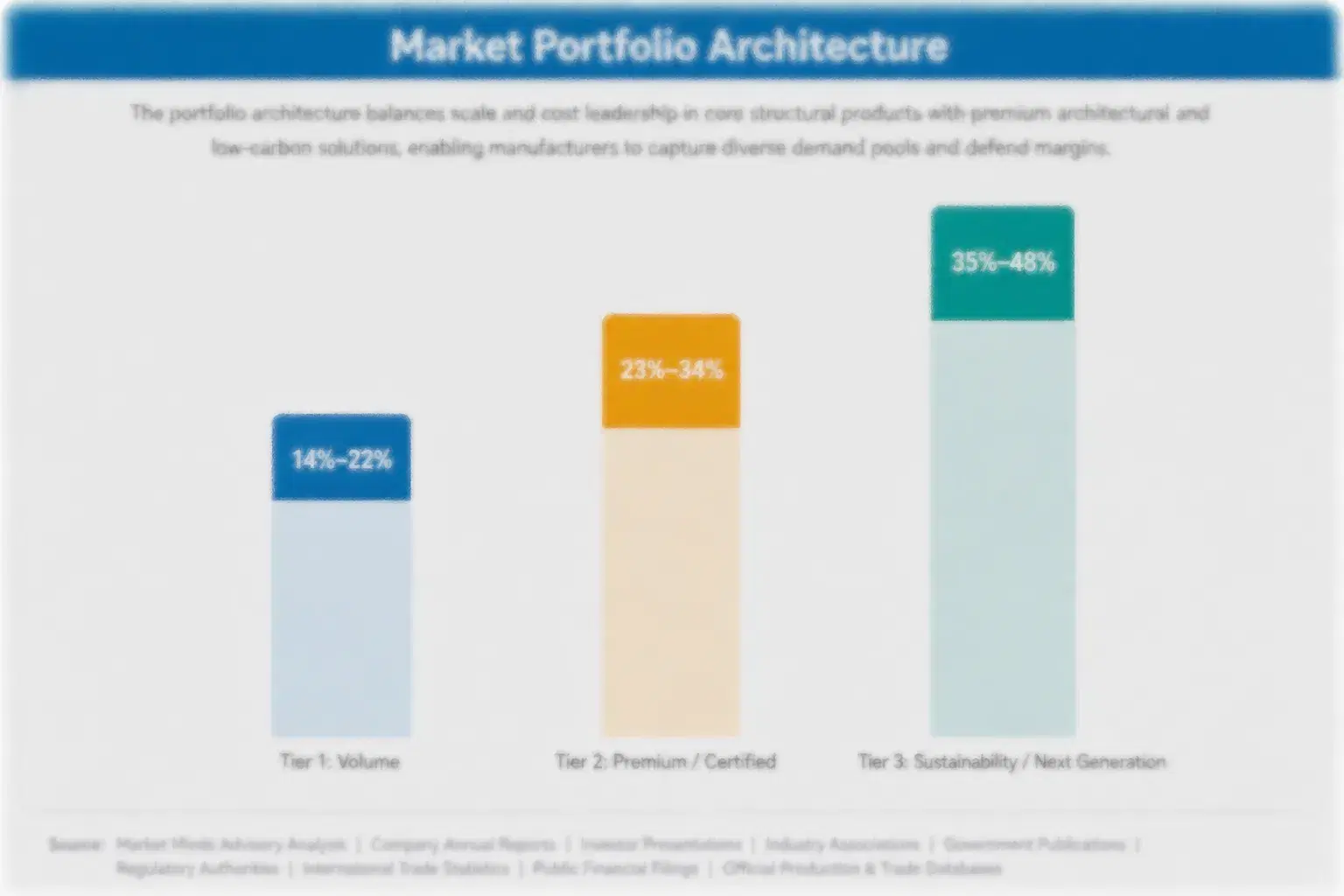
Margin here tracks whether the material would be specified at all without the sustainability argument attached to it. Attributed commodity polymers are conventional grades with a certificate stapled on, and the premium they carry is under permanent pressure from purchasing organisations that understand exactly what they are buying. Castor polyamides in demanding applications price against performance, and that premium survives cost reviews the other one does not.
The volume tension is between reported tonnage and defensible tonnage. Attributed volume is where the growth is, where the reporting metrics get met, and where a manufacturer can move quickly without requalifying anything at all. It is also the part that disappears fastest if attribution accounting is ever successfully challenged. Physically bio-based materials are slower to grow and considerably harder to dislodge once they have been specified.

High-value pools sit in three places. Castor polyamides in fuel, cooling, and brake applications where moisture behaviour decides the specification outright, rigorously certified attributed volume sold as reputational protection rather than as polymer, and platform development engagement that writes a supplier into the specification years before any sourcing round opens at all.

Volume / Commodity-Adjacent Tier

Mass balance attributed polyolefins supplied into interior trim and bumper applications as certified equivalents of conventional grades. Competition is on certificate cost rather than material, and the range reflects how differently suppliers price the attribution itself.
Gross Margin: 12-20%

Premium / Certified Tier

Bio-based polyamides and polyurethanes qualified into demanding applications where performance rather than origin drove the specification. Engineering merit and qualification history rather than sustainability positioning sustain the margin through cost reviews.
Gross Margin: 24-34%

Sustainability / Regulatory / Next-Generation Tier

Long-chain castor polyamides in fuel and brake systems, rigorously certified attributed volume with published allocation, and materials qualified during platform development. The wide range reflects genuinely different economics between engineered polymers and certification as a product.
Gross Margin: 30-46%
automotive-bioplastic-market-portfolio-architecture-1786463169113

High-value Sub-segments and Strategic Watch-out

Castor Long-Chain Polyamides

Growing at 14.2% on moisture absorption and dimensional stability advantages that would justify the material with no sustainability argument attached to it at all. Feedstock concentration within a single Indian state is the only real question mark hanging over the position as it stands today.
Gross Margin: 30-44%

Rigorously Certified Attributed Volume

Growing as OEM sustainability teams realise they are buying defensibility rather than polymer, and that certificate quality varies considerably. Published allocation ratios and stricter schemes earn a premium over minimally certified volume from the same cracker. Suppliers who publish more than the scheme requires are being rewarded for it.
Gross Margin: 22-32%

Standard Attributed Polyolefins

The volume base of all reported bio content, and the part most exposed to any successful challenge of the mass balance accounting standing behind it. It grows faster than anything else here and it remains chemically indistinguishable from the fossil grade sitting right beside it.
Gross Margin: 12-20%

Platform Development Engagement

Winning the specification during development rather than during sourcing, which locks platform volumes for seven to ten years. The watch-out is that development engagement costs applications engineering years before any revenue arrives, and programmes get cancelled. Programmes get cancelled, and that engineering effort is simply lost.
Gross Margin: 28-40%

What Follows The Platform Nomination

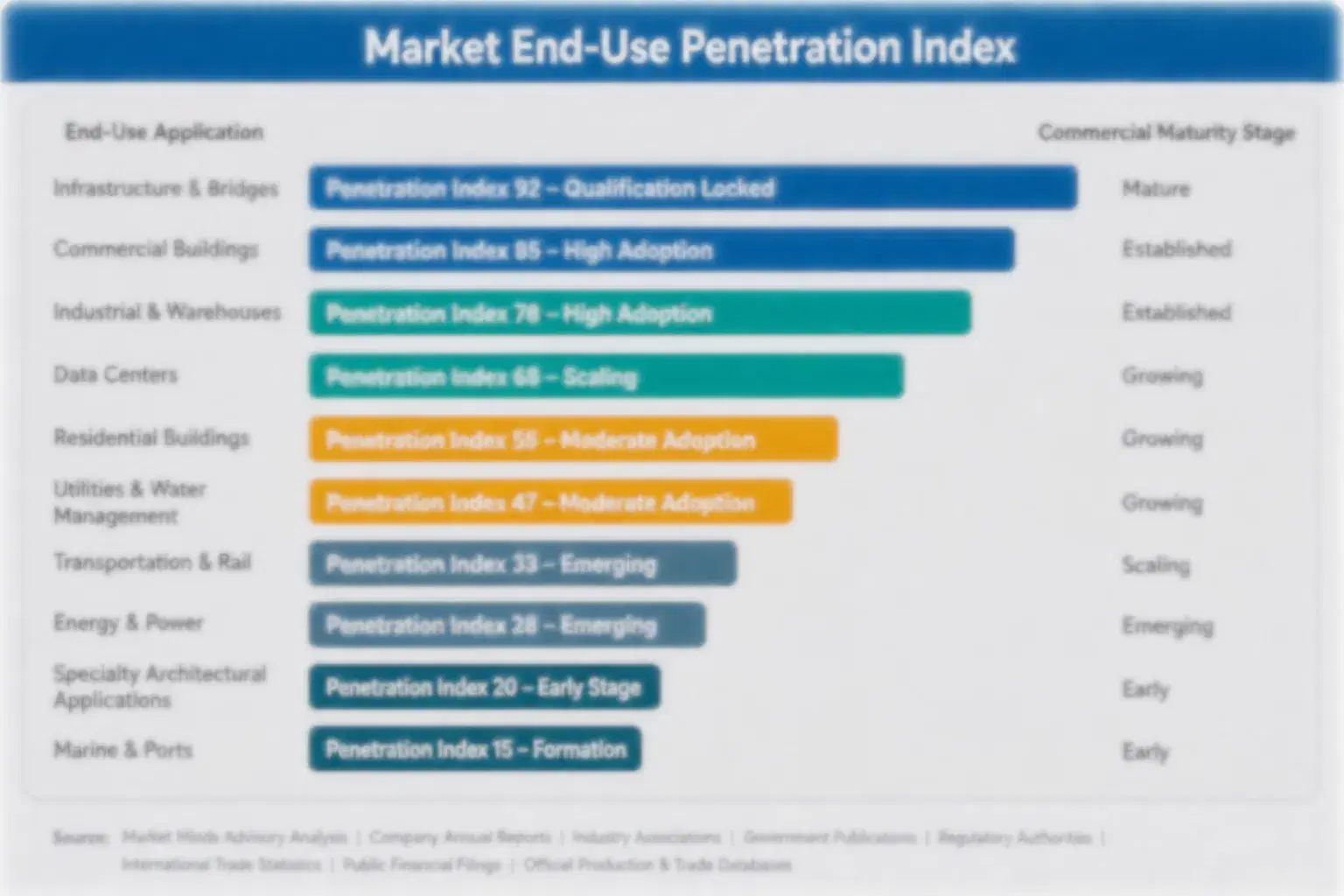
Automotive material nomination is one of the better annuities available anywhere in chemicals. A platform runs seven to ten years, volumes are contracted, and the supplier ships the same grade to the same moulder every week of it. What suppliers under-collect is the mid-cycle repricing, because annual cost-down negotiations run against them while feedstock and energy move freely, and few materials contracts carry index protection of any kind.
Stickiness depends entirely on how the material got specified. A grade qualified on engineering performance is effectively locked, since requalifying a fuel line polymer means retesting permeation, burst, and thermal cycling on a safety-relevant component. Attributed commodity volume is the opposite and moves on certificate price at the next sourcing round. The two look identical on a revenue line and behave nothing alike.

Buyer profiles have split rather than shifted. Design and materials engineers still decide anything qualified on performance, and they respond to test data. Sustainability reporting teams now decide attributed volume, and they respond to certification quality and audit defensibility. Suppliers organised to sell to one of those functions are invisible to the other, and most are still organised for the engineer.
automotive-bioplastic-market-end-use-penetration-index-1786463169283

Where To Compete Here

These are among the four positions where our research anticipates prominent divergence between winners and laggards over the coming forecast period. Each is grounded in the demand model, the regulatory perimeter, and the announced capacity pipeline.
01 / ENGINEERING-LED SPECIFICATION WORK

Win on the datasheet, collect the sustainability credit

Castor polyamide holds its place in fuel and cooling systems because it absorbs far less moisture than polyamide 66 and keeps tolerance across the humidity range those parts actually see in service. That argument survives an annual cost review and a sustainability argument reliably does not survive one. Suppliers leading with performance data reach the design engineer and hold platform specifications for seven to ten years, while those leading with renewable origin end up renegotiating their premium again every single year.
02 / CERTIFICATION DEFENSIBILITY DEPTH

Sell protection, not the certificate

Attribution covers roughly 58% of all automotive bio content and rests entirely on a chain of custody audit rather than on anything physically present in the finished component itself. Sustainability teams are increasingly aware that what they are actually buying is protection against a future challenge rather than a genuinely different molecule. Suppliers publishing their allocation ratios and using the strictest available schemes earn a tenth to a seventh more than minimally certified volume out of the very same cracker.
03 / RECYCLED CONTENT COLLISION

Plan around the mandate you cannot outrank

European regulation targets recycled plastic content in new vehicles while bio content sits in voluntary corporate commitments, and the same door panel cannot meaningfully deliver both objectives at once. Material engineering departments resolve that in favour of the legal requirement every single time it comes up for a decision. Suppliers who map which components will go recycled and then concentrate on the ones that will not are allocating their effort far better than those still selling across the whole vehicle.
04 / FEEDSTOCK CONCENTRATION MANAGEMENT

Answer the castor question before it is asked

Long-chain bio-polyamide rests entirely on a crop grown overwhelmingly in a single Indian state, and both harvest failure and speculative buying have moved those prices very sharply within recent memory. Vehicle manufacturers now raise feedstock concentration during sourcing as a formally scored question rather than as background curiosity. Suppliers holding direct grower agreements and a properly documented answer win outright on the risk assessment, and those without one simply watch a technically superior material lose out to a petrochemical alternative.

Engagement Snapshot From the Field

A live engagement with an industry participant carrying material or product regulatory and market exposure ahead of a defining policy shift, showing how our research translates into a defensible multi-year portfolio strategy.
MARKET MINDS ADVISORY · CLIENT ENGAGEMENT SUMMARY
Automotive Bioplastic Producer Strategic Portfolio Review and Transition Roadmap 2026·Investment Scenario on Automotive Bioplastic Exposure Evaluation 2025-26
CLIENT PROFILE
A European vehicle manufacturer producing above one million units annually across several platforms, with a published commitment to raise renewable and recycled material content substantially by 2030 (client-reported, unverified by MMA). Material engineering and sustainability reporting sat in separate functions, and each had been setting content targets without reference to what the other was committing components to.
STRATEGIC CHALLENGE
The end-of-life vehicle regulation revision would require recycled plastic content in new vehicles, while the corporate renewable content target assumed bio-based material in many of the same components. Nobody had reconciled the two, and the next platform freeze was close enough that the conflict would be resolved by whichever team reached the engineer first.
MMA APPROACH
MMA mapped every significant polymer component across two platforms against its suitability for recycled content, bio-based substitution, or neither, using technical requirements rather than material availability. Regulatory recycled content obligations were then allocated first, since they carry legal force, and the remaining components were assessed for bio-based substitution on performance and cost.
KEY FINDINGS
  1. Roughly 44% of polymer mass by weight sat in components technically suited to recycled content, which alone came close to satisfying the anticipated regulatory requirement (client-reported, unverified by MMA).
  2. Safety-relevant and fluid-contact components could take neither recycled content nor most bio-based grades, but were exactly where castor polyamide already performed well.
  3. The corporate renewable target had been calculated assuming bio-based substitution in exactly the components that regulation would claim for recycled content instead.
  4. Mass balance attributed volume could satisfy the renewable target across remaining components at roughly a third of the cost of physically bio-based substitution.
CLIENT PROFILE
A European vehicle manufacturer producing above one million units annually across several platforms, with a published commitment to raise renewable and recycled material content substantially by 2030 (client-reported, unverified by MMA). Material engineering and sustainability reporting sat in separate functions, and each had been setting content targets without reference to what the other was committing components to.
STRATEGIC CHALLENGE
The end-of-life vehicle regulation revision would require recycled plastic content in new vehicles, while the corporate renewable content target assumed bio-based material in many of the same components. Nobody had reconciled the two, and the next platform freeze was close enough that the conflict would be resolved by whichever team reached the engineer first.
MMA APPROACH
MMA mapped every significant polymer component across two platforms against its suitability for recycled content, bio-based substitution, or neither, using technical requirements rather than material availability. Regulatory recycled content obligations were then allocated first, since they carry legal force, and the remaining components were assessed for bio-based substitution on performance and cost.
KEY FINDINGS
  1. Roughly 44% of polymer mass by weight sat in components technically suited to recycled content, which alone came close to satisfying the anticipated regulatory requirement (client-reported, unverified by MMA).
  2. Safety-relevant and fluid-contact components could take neither recycled content nor most bio-based grades, but were exactly where castor polyamide already performed well.
  3. The corporate renewable target had been calculated assuming bio-based substitution in exactly the components that regulation would claim for recycled content instead.
  4. Mass balance attributed volume could satisfy the renewable target across remaining components at roughly a third of the cost of physically bio-based substitution.
RECOMMENDED STRATEGY
Phase 1: Phase one: allocate recycled content to the components the regulation requires it in, before any bio-based substitution decisions are taken on the same parts. Phase 2: Phase two: concentrate physically bio-based materials on the fluid-contact and safety-relevant components where they already win outright on engineering performance. Phase 3: Phase three: meet the residual renewable target with rigorously certified attributed volume, requiring published allocation ratios from every single supplier.
OUTCOME
The client restructured both targets around a single component allocation and reported avoiding roughly USD 34 million of unnecessary material premium against its previous plan (client-reported, unverified by MMA). Material engineering and sustainability reporting now agree component allocation before platform freeze rather than competing for the same parts afterwards.

Frequently Asked Questions

Foundational context covering the market sizes, CAGR, scope, country, region and competition that inform every finding below. This section is provided to cover basics and most often pre-purchase conversations, answered from the MMA Primary Research Dataset.

What is the current size of the Automotive Bioplastic Market?

The market reached USD 1.4 billion in 2025 and is forecast at USD 1.57 billion for 2026. Roughly 58% of that volume is mass balance attributed rather than physically bio-based.

How large will the Automotive Bioplastic Market be by 2036?

MMA forecasts USD 4.78 billion by 2036, an increase of USD 3.21 billion over 2026. That represents an expansion multiple of 3.05 times across the forecast period.

What is the CAGR for the Automotive Bioplastic Market 2026 to 2036?

The base case CAGR is 11.8%, with a bull case at 13.1% and a bear case at 10.5%. The bear case reflects the risk that mass balance attribution claims are successfully challenged.

Which segment is growing fastest?

Bio-attributed polyolefins grow fastest at 17.7%, exactly 1.50 times the market rate. Attribution lets an OEM report renewable content without requalifying a grade or changing a tool.

Who are the major companies in the Automotive Bioplastic Market?

BASF, Arkema, Braskem, Evonik, and Toray lead the market. The top five hold roughly 44% of automotive bioplastic revenue, split between suppliers of attributed commodity volume and suppliers of genuinely bio-based engineering polymers.

Which country is growing fastest?

India grows fastest at 15.4%, driven by export-oriented vehicle production carrying destination market specifications. India also grows the castor behind most bio-based polyamide, though polymerisation happens elsewhere.

Report Segmentation Architecture

The full report scope spans multiple orthogonal segmentation dimensions, with cross-tabulated demand data provided for each dimension pair. Coverage extends further to regional breakdowns, trend trajectories, and the competitive detail needed to support segment-level decision-making.

By Polymer Family

  • Bio-Attributed Polyolefins
  • Bio-Based Polyamides
  • Bio-Based Polyurethanes
  • Bio-Based Polyesters
  • Bio-Based Speciality Resins

By End-Use Industry

  • Passenger Vehicle Assembly
  • Light Commercial Vehicles
  • Heavy Trucks and Buses
  • Tier One Component Suppliers
  • Aftermarket and Replacement Parts

By Commercial Dimension

  • Platform Nomination Supply
  • Tier One Compound Supply
  • Mass Balance Attributed Volume
  • Physically Segregated Bio-Based Volume
  • Development and Prototype Supply

By Region

  • East Asia
  • Western Europe
  • North America
  • South Asia and Pacific
  • Latin America
  • Eastern Europe
  • Middle East and Africa

Scope, Methodology, and Coverage

Every figure in this report is reproducible from documented input assumptions. The scope below maps the historical period, the forecast horizon, the segmentation dimensions, and the countries covered, alongside the underlying primary and qualitative methodology.
Historical Period
2020 to 2025
Forecast Period
2026 to 2036
Base Year
2025 (USD billions; MMA Primary Research Dataset, August 2026)
Market Definition
The automotive bioplastic market comprises thermoplastic and thermoset polymers of renewable origin used in vehicle components, whether physically bio-based or supplied under certified mass balance attribution, valued at supplier selling prices to vehicle manufacturers, tier one component suppliers, and compounders. It spans bio-attributed polyolefins, bio-based polyamides including long-chain castor grades, bio-based polyurethanes, polyesters, and speciality resins, together with the chain of custody certification, allocation documentation, and qualification support supplied alongside them. Thermoplastic elastomers, bio-based rubber and elastomer compounds, natural fibre reinforcement supplied as a separate material, recycled fossil polymers, tyres, coatings, adhesives and sealants, lubricants, and battery cell and electrolyte materials are excluded.
Quantitative Units
USD billions (current prices); volume in thousands of tonnes consumed
Segmentation Dimensions
By Polymer Family; By End-Use Industry; By Commercial Dimension; By Region
Regions Covered
East Asia, Western Europe, North America, South Asia and Pacific, Latin America, Eastern Europe, Middle East and Africa
Countries Covered
China, Japan, South Korea, Taiwan, India, Thailand, Indonesia, Malaysia, Australia, Germany, France, Italy, Spain, UK, Sweden, Belgium, Netherlands, Austria, USA, Canada, Mexico, Brazil, Argentina, Colombia, Czechia, Slovakia, Hungary, Poland, Romania, Turkey, South Africa, Morocco, Saudi Arabia, and additional markets relevant to this sector
Key Companies Profiled
BASF, Arkema, Braskem, Evonik, Toray, Mitsubishi Chemical, SABIC, Borealis, Covestro, DuPont, Envalior, Teijin, Solvay, Kingfa Science and Technology, LG Chem, Asahi Kasei, UBE Corporation, Trinseo, Lanxess, Toyobo
Quantitative Methodology
Primary survey, n=3,800 respondents, Q4 2025, six countries; demand-side model with trade association cross-validation
Qualitative Methodology
47 expert interviews, Q4 2025; applied to validate demand model assumptions, identify emerging dynamics, and assess competitive positioning
Report Format
PDF and XLSX data workbook (Word format preview document)
Publisher
Market Minds Advisory
Report Code
MMA-2026-AUT-652
Published
August 2026
Contact
sales@marketmindsadvisory.com | www.marketmindsadvisory.com

Purchase the full Automotive Bioplastic Market Report (2026 to 2036).

The full report examines automotive bioplastic demand across seven regions and five polymer families, separating mass balance attributed volume from physically bio-based material because the two behave nothing alike commercially. It quantifies where recycled content regulation and bio content targets compete for the same components, and identifies which applications each will claim. Competitive analysis covers twenty participants assessed on automotive bioplastic revenue, including how exposed each is to a challenge against attribution accounting. Regional chapters trace how export specification pulls renewable content into markets with no domestic requirement.
Seven-region assembly and specification demand analysis
Five polymer family segmentation with growth rates
Twenty participant competitive assessment and attribution exposure
Recycled and bio content component allocation modelling
Mass balance certification quality and premium benchmarking
Castor feedstock concentration and price volatility assessment

Built For The People Who Decide

From boardroom strategy to bench-side execution, this report is read cover-to-cover by leaders shaping the next decade of their industry, turning demand scenarios, market dynamics and valuation benchmarks into decisions.
CXOs/ Presidents/ VPs/ Managers
M&A and Corporate Development
Strategy Teams and R&D Heads
Procurement and Product Directors
Regulatory and Compliance Leaders
Investor Relations and Equity Analysts