Market Minds Advisory
Automated Sortation System Market

Automated Sortation System Market: Robotics Convergence and the Parcel Volume Curve

E-commerce parcel volume growth is pushing logistics operators toward robotic and AI-enabled sortation that can be redeployed across shifting SKU mixes, forcing fixed-conveyor sorter manufacturers to add software and robotics capability or lose share.

Lead Analyst

Published

September 2026

Make Smarter Decisions with Customized Research Insights

Request a free sample report and evaluate market opportunities, growth trends, and competitive dynamics relevant to your business needs.

2025 MARKET VALUE$6.8BMarket Size 2025
2036 FORECAST VALUE$19.0BBase Case , 2026 to 2036
CAGR 2026 TO 20369.8 %Bull 11.0% / Bear 8.5%
INCREMENTAL OPPORTUNITY$11.6BNet 10- year value creation
EXPANSION MULTIPLE2.55x2036 value over 2026 base
Strategic Levers
M&A Pipeline
Regional Outlook
Country Rankings
Competitive Intelligence
Segmental Deep-dive
Call-Us : 91 93563 13602

Executive Snapshot and Market Trajectory

Automated sortation demand is shifting decisively from fixed, single-purpose conveyor sorters toward flexible robotic systems that can be reconfigured as parcel volume, SKU mix, and seasonal demand patterns shift, turning warehouse layout decisions into software configuration decisions rather than multi-month construction projects requiring months of extensive planning.
Robotic and AI-enabled sortation systems are growing fastest, at roughly fourteen and a half percent annually, as e-commerce operators favor mobile robot fleets over fixed installations that cannot flex with seasonal volume swings across peak shopping periods. North America holds the largest single regional share on the strength of Amazon's fulfillment network buildout and broader e-commerce logistics investment, while India's rapidly expanding parcel delivery infrastructure drives the fastest single-country growth rate.
Competitive intensity concentrates around software orchestration and system flexibility rather than raw throughput specifications alone, since operators increasingly value the ability to redeploy sortation capacity across facilities and reconfigure logic without a full hardware overhaul. Established conveyor-based manufacturers are acquiring or partnering with robotics software specialists to close this capability gap, while robotics-native entrants compete for greenfield facility contracts where no legacy fixed infrastructure constrains the design.
Market Definition
The automated sortation system market covers equipment and integrated software used to automatically route parcels, packages, and items to designated destinations within warehouses, distribution centers, and parcel processing facilities, spanning conveyor-based and robotic sortation technologies. It excludes general conveyor transport equipment without sortation logic and excludes standalone warehouse management software sold independently of sortation hardware.
Base Year Value
$6.8B in 2025 (MMA Primary Research Dataset, August 2026)
Forecast Period
2026 to 2036, eleven discrete annual values
CAGR
9.8% base case. Bull 11.0%. Bear 8.5%.
Fastest Growth Segment
Robotic and AI-Enabled Sortation Systems: 14.5% CAGR
Fastest Growth Country
India: 13.0% CAGR
Fastest Growth Region
South Asia and Pacific: 11.8% CAGR
Largest Region
North America: 30% of 2025 global value
Market Leaders
Daifuku Co., Ltd., Honeywell Intelligrated, Vanderlande Industries, Dematic, BEUMER Group. Source: MMA Analysis based on company annual reports and investor filings.
Primary Survey
n=3,800 procurement and R&D decision-makers, Q4 2025, six countries
Methodology
Demand-side build-up, cross-validated against public data, 47 expert interviews

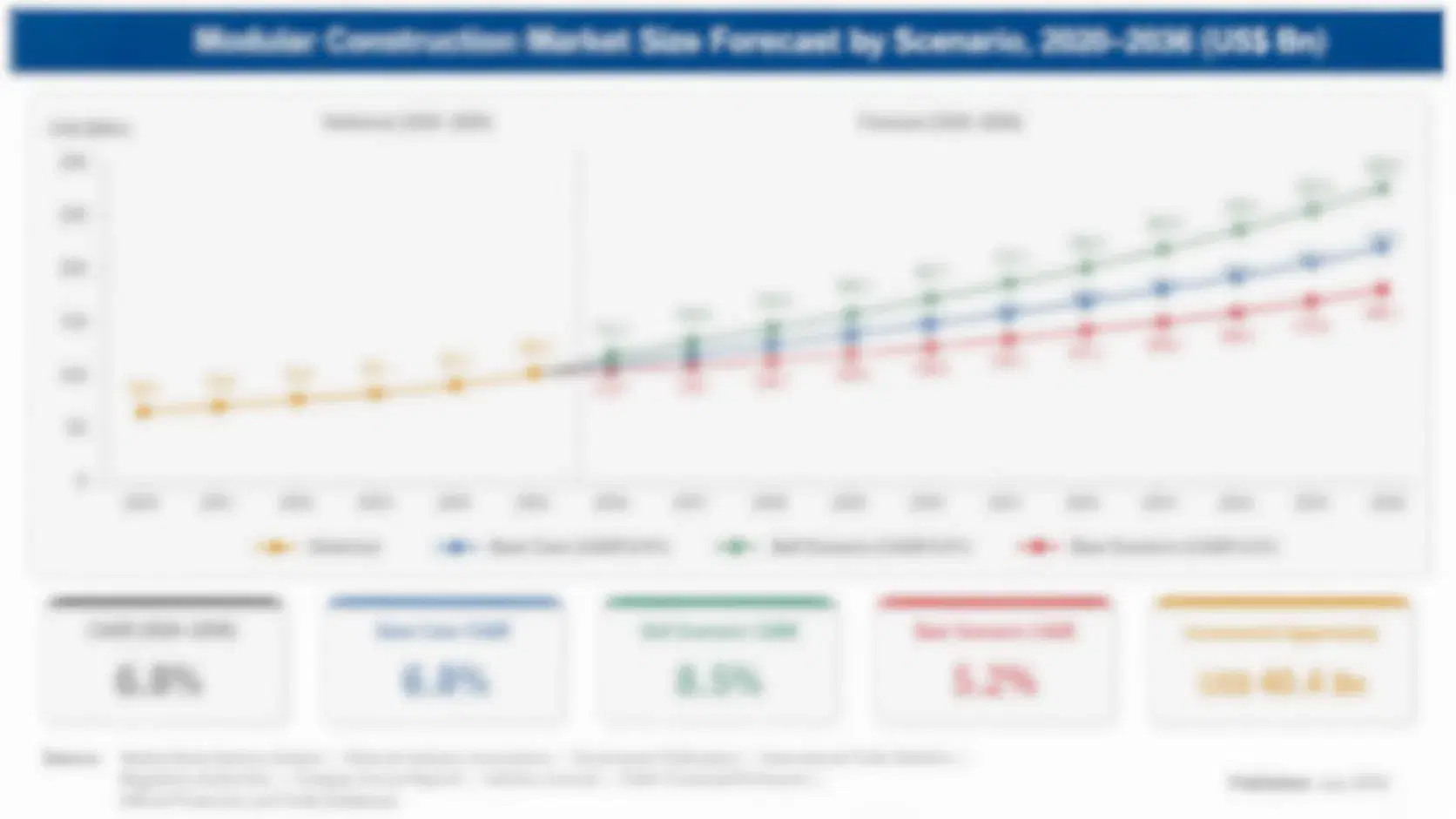
Automated Sortation System Market Forecast Scenarios

automated-sortation-system-market-size-forecast-scenario-1786463135181
Automated sortation demand accelerated sharply in 2020 and 2021 as pandemic-driven e-commerce volume forced operators to invest in automation to handle parcel surges with constrained warehouse labor availability. Growth moderated through 2023 as e-commerce volume normalized, then reaccelerated in 2024 as robotic sortation adoption broadened. The market grew at a historical rate of roughly 8.6% annually across the 2020 to 2025 period, gaining momentum as robotics adoption widened.
The base case assumes growth driven by three mechanisms: continued e-commerce parcel volume growth requiring proportional sortation capacity across an expanding network of fulfillment and distribution facilities; warehouse labor scarcity and rising wage costs making automation payback increasingly favorable; and robotic sortation technology maturing enough to displace fixed conveyor installations on new facility builds. Replacement of aging fixed sorters at mature facilities adds a steady secondary demand layer independent of new facility construction.
The bull case rests on faster-than-expected robotic sortation cost declines pulling forward replacement of fixed conveyor installations across thousands of existing facilities simultaneously. The bear case centers on an e-commerce growth slowdown, mirroring the 2022 post-pandemic normalization, that would defer new facility construction and stretch replacement cycles on existing sortation systems beyond typical ten to fifteen year service intervals.

Flexibility Becomes the Central Purchasing Criterion

Sortation equipment sits at the operational center of any high-volume distribution facility, and the technology choice made at facility design directly determines that facility's flexibility for the next decade. Fixed conveyor sorters deliver strong throughput at predictable cost but lock operators into a specific facility layout, while robotic systems trade some peak throughput for the ability to reconfigure capacity as volume patterns shift.
MARKET CONCENTRATION48% (CR5)Moderately concentrated supplier base spans global integrators and specialists
AVERAGE SELLING PRICE$1.2M-$18MPrice spans modular robotic cells to full facility installations
TOP PRODUCING COUNTRYUSA, 24% shareLargest single manufacturing and integration base for sortation
CAPACITY UTILIZATION77%Manufacturing lines run moderately below full theoretical capacity
REPLACEMENT CYCLE LENGTH10-15 yearsTypical service life before facilities retire ageing fixed sorters
INPUT COST SHARE40% of COGSMotors, sensors, and control electronics dominate cost structure
Demand concentrates where e-commerce parcel volume and warehouse labor scarcity intersect most acutely. North America and East Asia generate the largest absolute investment given e-commerce scale, while South Asia and Pacific combines rapid e-commerce growth with severe warehouse labor availability constraints that make automation payback unusually fast. Manufacturers are responding with modular systems that let operators start with a smaller robotic deployment and scale incrementally.
Over the next decade, software orchestration and system flexibility increasingly determine competitive position more than raw sorting throughput alone. Suppliers able to demonstrate rapid reconfiguration and multi-facility software management will capture share from rivals still selling single-purpose fixed installations in a market where seasonal volume variability makes flexibility a genuine operational requirement rather than a marketing feature.
"Five years ago you bought a sorter for the facility you had. Now operators buy a sorter for the facility they might have in eighteen months, because peak season volume keeps outgrowing whatever they built for."
Director, Supply Chain and Logistics Technology Practice · MMA Warehouse and Log

Market Trends

Robotic Sortation Displaces Fixed Conveyor Installations

Mobile robot fleets capable of picking up and sorting parcels without fixed conveyor infrastructure are increasingly winning new facility contracts over traditional cross-belt and tilt-tray sorters, particularly where operators value the ability to redeploy capacity across seasonal volume swings or facility reconfiguration. This shift began at smaller regional centers and is extending toward larger national facilities as robotic throughput improves and costs decline with scale. Suppliers with proven robotic fleet orchestration software are capturing disproportionate share of new facility design wins, while traditional manufacturers face a genuine requalification challenge some are addressing through acquisition rather than organic development.
Market Impact: Adds facility-linked demand worth $
Labor Scarcity Compresses Automation Payback Periods

Warehouse labor availability has tightened meaningfully across North America, Western Europe, and increasingly East Asia, with wage costs rising faster than general inflation in most major distribution hub markets over the past several years. This is compressing the payback period for automated sortation investment, since labor cost savings now materialize faster than in prior years when warehouse wages remained comparatively stable. Operators facing chronic staffing shortages during peak seasons are prioritizing automation investment specifically to reduce dependence on temporary labor markets that have become increasingly unreliable and expensive to access during high-volume periods.
Market Impact: Cuts labor cost dependency 40%

Market Opportunities and Growth Drivers

E-Commerce Parcel Volume Growth Sustains Capacity Investment

Global e-commerce parcel volume continues expanding across most major markets, requiring proportional sortation capacity investment at both new and existing distribution facilities to handle rising throughput without proportional labor increases across each site. Each new fulfillment facility represents a substantial sortation equipment decision, since facility design and automation strategy are typically locked in years before the facility opens and volume ramps toward design capacity. Suppliers with established relationships with major e-commerce and parcel delivery operators are capturing disproportionate share of this volume-driven demand relative to competitors serving smaller customer segments.
Market Impact: Delays adoption for 30% of operator

Warehouse Labor Cost Increases Accelerate Automation Adoption

Minimum wage increases and broader warehouse labor cost inflation across major distribution hub markets are making automated sortation investment increasingly attractive relative to continued reliance on manual sorting labor, particularly for high-volume facilities running multiple shifts around the clock. Facilities running near-continuous operations are recalculating automation payback at under three years in several cases, a threshold that previously took considerably longer to reach under lower labor cost assumptions. Equipment lessors and financing arms of major suppliers are structuring shorter-term arrangements specifically to capture this newly compressed payback window across price-sensitive mid-sized operators nationwide.
Market Impact: Extends deployment 4 to 6 months

Market Restraints and Challenges

High Capital Cost Delays Mid-Sized Operator Adoption

Full facility sortation installations cost between $1.2 million and $18 million depending on scale and technology, a substantial capital commitment that many mid-sized distribution operators delay as long as manual sorting labor remains available at acceptable cost. The root cause is that sortation automation competes directly against other capital priorities including facility expansion and inventory investment for limited operator capital budgets available each year. This delays automation adoption even where labor cost trends clearly favor eventual investment. Equipment lessors and vendor financing programs are emerging as a mitigation path, spreading the capital outlay over multi-year terms instead of upfront purchase.
Market Impact: Lifts robotic sortation share towar

Integration Complexity Slows Multi-System Facility Rollouts

Integrating new sortation systems with existing warehouse management software, conveyor infrastructure, and upstream picking systems remains a genuine technical challenge that frequently extends deployment timelines well beyond initial vendor estimates, particularly at facilities with legacy systems from multiple prior vendors. The root cause traces to limited standardization across warehouse software interfaces industry-wide, forcing custom integration work for most large-scale deployments. This extends time-to-value for automation investment and increases project risk for operators. Suppliers are responding by developing standardized integration frameworks and expanding dedicated implementation teams to shorten deployment timelines and reduce this integration risk.
Market Impact: Cuts payback period below 3 years
3 additional market trends, 4 additional growth drivers, and 2 additional restraints and challenges are covered in the full report. Contact sales@marketmindsadvisory.com to access the complete intelligence.

Segment CAGR and Growth Architecture

MMA segments the automated sortation system market by sortation technology, the classification that most directly determines throughput capacity, facility flexibility, and capital cost for operators evaluating equipment investment across new facility construction and existing facility retrofit projects industry-wide, rather than an application-based or end-use split that would obscure these technology-driven purchasing and deployment distinctions clearly.
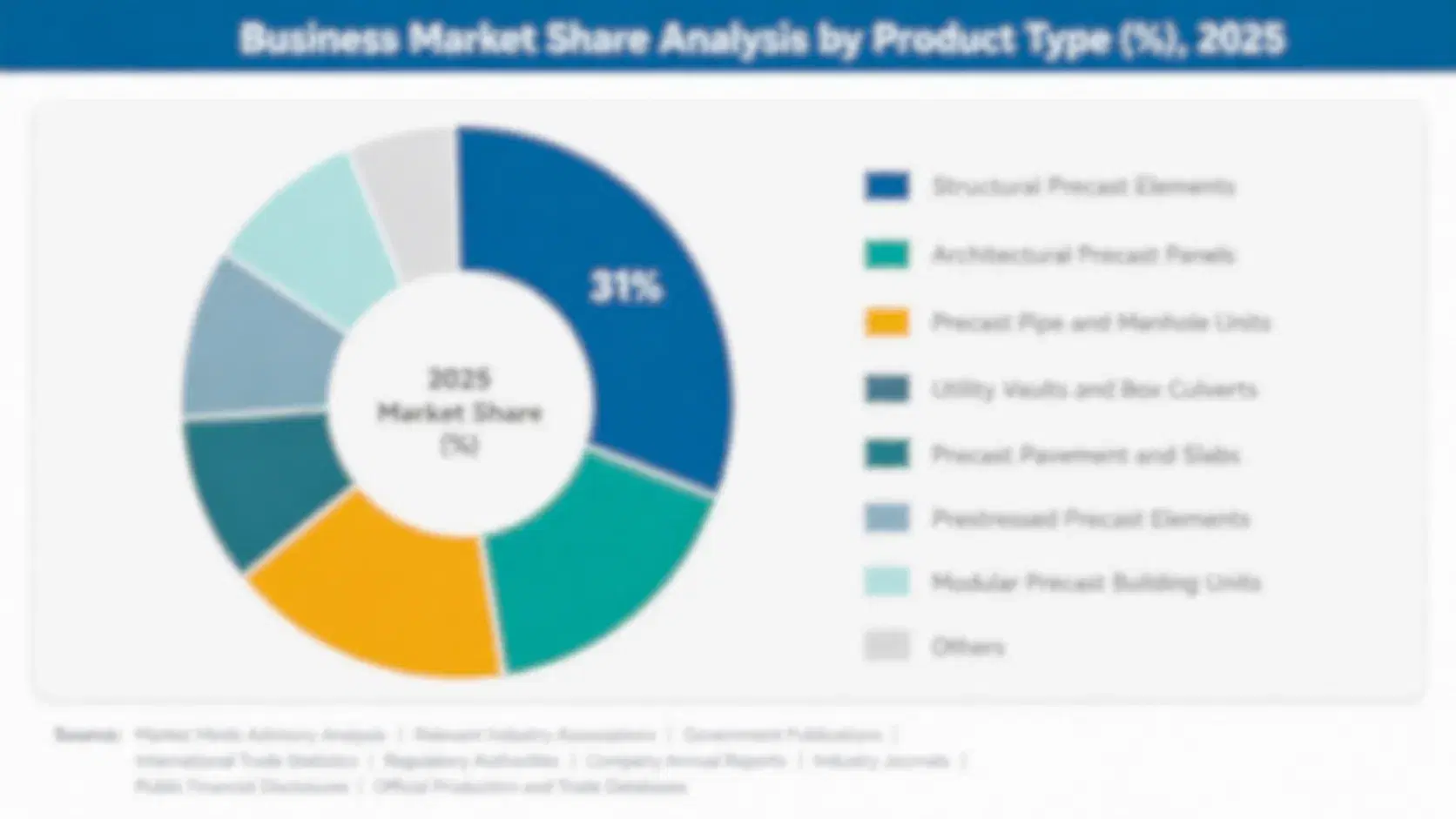
automated-sortation-system-market-market-share-analysis-1786463135344

Robotic and AI-Enabled Sortation Systems

Robotic and AI-enabled sortation systems are growing fastest, at roughly 14.5% annually, as e-commerce and parcel delivery operators favor mobile robot fleets that can be redeployed and reconfigured over fixed conveyor installations locked into a specific facility layout. Adoption concentrates among operators facing volatile seasonal volume patterns, where the ability to scale sortation capacity up or down without construction represents genuine operational value beyond peak throughput specifications alone. Unit economics improve as robotic fleet manufacturing scales, narrowing the cost gap with traditional fixed sorters while retaining substantial flexibility advantages. Suppliers with proven fleet orchestration software are capturing disproportionate share of new facility design wins, positioning robotic sortation as the default choice for greenfield facilities.
CAGR 14.5%

Cross-Belt Sorters

Cross-belt sorters are growing at roughly 10.8% annually, remaining the preferred choice for the highest-volume parcel and e-commerce facilities where sustained throughput and proven reliability outweigh the flexibility advantages robotic alternatives offer at somewhat lower peak capacity. Demand concentrates among large national distribution hubs and major parcel carriers processing consistently high volume where facility layout is unlikely to change significantly over the equipment's service life. Cross-belt systems continue capturing new installations even as robotic adoption grows, since the two technologies increasingly serve different facility profiles rather than directly competing for the same contracts. Manufacturers are adding modular expansion capability to cross-belt systems, narrowing the flexibility gap that previously favored robotic alternatives at mid-volume facilities.
CAGR 10.8%
Full segment breakdown across 6 segments available in the complete report.

Regional Architecture and Country Demand Map

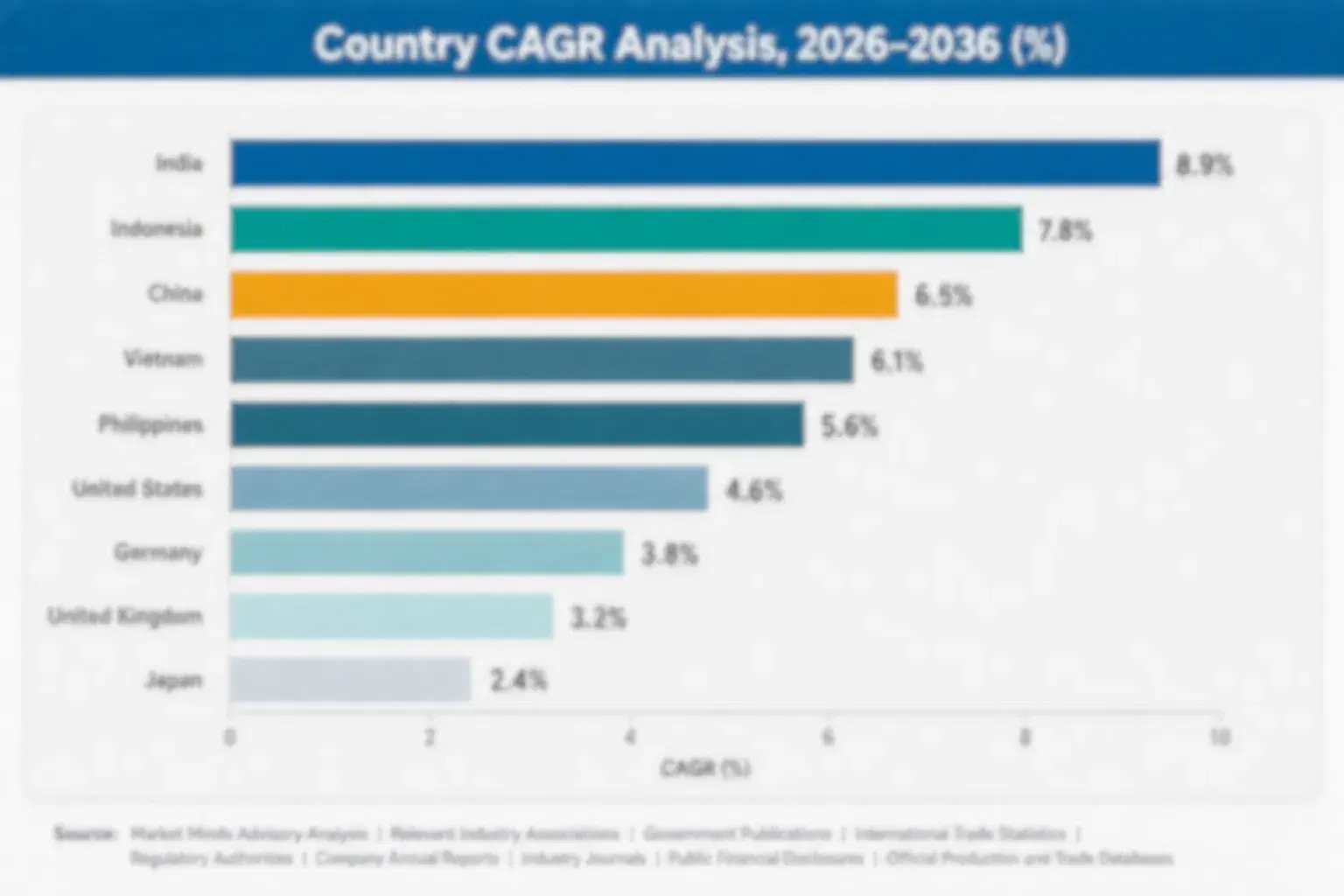
North America holds the largest regional share on the strength of Amazon's fulfillment network buildout and broader e-commerce logistics investment, while South Asia and Pacific grows fastest as India's parcel delivery infrastructure expands. East Asia contributes substantial manufacturing volume alongside its own large domestic e-commerce logistics investment.

North America

North America holds the largest regional share, anchored by Amazon's continued fulfillment network expansion and broader e-commerce logistics investment across the United States that sustains multi-year sortation equipment orders from both major retailers and third-party logistics providers nationwide. Warehouse labor scarcity is accelerating robotic sortation adoption faster here than in most other regions, as operators face persistent staffing shortages during peak holiday and promotional periods. Canada's e-commerce and parcel delivery sector contributes steady secondary demand concentrated in similar automation applications. Mexico's growing role as a nearshoring logistics hub, supported by expanding cross-border trade, adds incremental demand for mid-capacity sortation systems rather than the largest national-scale installations found at flagship distribution hubs.
Share: 30% | CAGR: 10.7% (2026 to 2036)

Western Europe

Western Europe's sortation demand centers on Germany, France, and the UK, where established e-commerce and parcel delivery networks sustain steady replacement and expansion demand even as growth rates remain more moderate than in faster-expanding emerging markets. The region grows the slowest of the seven as e-commerce penetration is already comparatively mature across most major Western European markets, limiting the pace of new facility construction relative to Asia and North America. Strict warehouse safety and labor regulations across several European countries are accelerating automation adoption as an alternative to expanding manual labor headcount. German and Dutch manufacturers, several of whom rank among the market's global technical leaders, maintain strong domestic relationships with major European logistics operators.
Share: 21% | CAGR: 8.5% (2026 to 2036)
Regional intelligence for 5 additional markets available in the complete report: East Asia, South Asia and Pacific, Latin America, Middle East and Africa, Eastern Europe. Contact sales@marketmindsadvisory.com.
automated-sortation-system-market-country-cagr-analysis-1786463135518

Capturing Value Beyond the Initial Installation

Base sortation equipment pricing faces steady downward pressure from Chinese manufacturers competing aggressively on fixed conveyor systems. Suppliers that build recurring revenue through software subscriptions, fleet management services, and financing programs capture considerably better lifetime value than those competing purely on upfront equipment price alone across every account relationship they hold over the equipment's full service life.

Bundling Fleet Orchestration Software Subscriptions Broadly

Manufacturers bundling robotic sortation hardware with subscription-based fleet orchestration and analytics software convert a one-time equipment purchase into a recurring software revenue relationship worth an estimated 10 to 15% of annual system value, since software updates, routing optimization, and performance analytics improve continuously without requiring new hardware purchases from the customer. Operators increasingly favor this model because software-driven optimization directly improves throughput and reduces downtime, creating a measurable return that justifies the subscription cost beyond the initial hardware investment alone across the equipment's full operational life and multi-year service history.
Market Impact: Adds 10 to 15% in recurring softwar

Expanding Equipment Financing and Leasing Programs

Vendor-backed financing and operating lease structures lower the effective capital barrier for mid-sized operators that cannot justify the full upfront cost of sortation automation against competing capital priorities and tighter operating margins across their business. Manufacturers offering three to five year lease terms report meaningfully higher win rates against cash-purchase competitors, particularly among regional distribution operators worth an estimated $1.4 billion in aggregate addressable demand who previously could not access automation without significant upfront capital investment, a segment that remains substantially underserved by most established suppliers currently active in the market today.
Market Impact: Captures a fast-growing $1.4B under

Growing Aftermarket Maintenance and Retrofit Services

Suppliers expanding dedicated aftermarket maintenance and modular retrofit services capture recurring revenue from operators seeking to extend the useful life of existing sortation installations rather than committing to full system replacement, particularly as robotic retrofit kits become available for previously fixed conveyor-only facilities across the installed base. This aftermarket relationship, worth an estimated 20 to 25% of original equipment value over a system's service life, is difficult for lower-cost competitors focused purely on new equipment sales to replicate without comparable field service infrastructure and technical support capability already established across multiple regions.
Market Impact: Captures 20 to 25% of lifetime equi

Offering Multi-Facility Deployment and Standardization Services

Manufacturers offering standardized deployment packages across an operator's multiple facilities capture larger, more durable account relationships worth an estimated 3 to 5 times a single-facility contract, since standardization simplifies training, spare parts inventory, and software management across an operator's entire network. Suppliers with proven multi-facility rollout capability are winning enterprise-wide contracts from large e-commerce and logistics operators, converting what might otherwise be a series of separate competitive bids into a single consolidated relationship worth considerably more than the sum of individual facility contracts pursued separately across multiple facilities and bidding cycles.
Market Impact: Wins multi-facility deals worth 3 t

Who Controls the Margin Pool

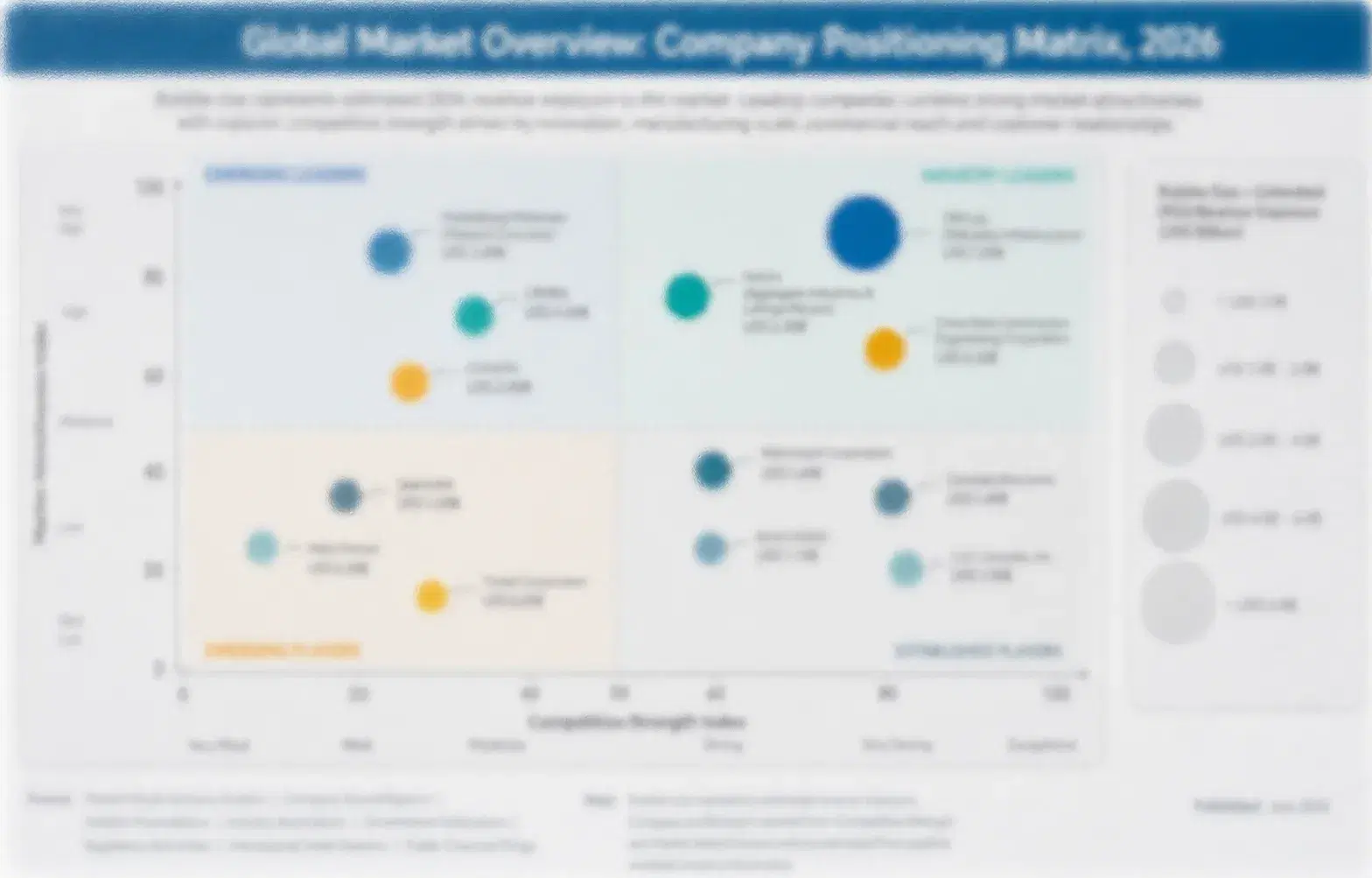
The automated sortation system market is moderately concentrated, with a CR5 of roughly 48%. Daifuku and Honeywell Intelligrated lead a group of diversified global integrators with a meaningful gap over the next tier of specialized regional and robotics-focused competitors, while numerous Chinese manufacturers compete primarily on price in fixed conveyor categories across cost-sensitive emerging markets and price-driven regions worldwide.
Competitive activity concentrates on three fronts: robotic fleet orchestration software that deepens customer relationships beyond hardware alone, integration capability that reduces deployment timelines and project risk, and financing programs that expand the addressable customer base to mid-sized operators. Established fixed-conveyor manufacturers defend positions through proven reliability and dealer service networks, while robotics-native entrants compete for greenfield facility contracts nationwide.

Emerging pressure comes from robotics-native startups building genuine software and orchestration advantages that established fixed-conveyor manufacturers are racing to match through acquisition rather than organic development. Rankings could shift meaningfully if a robotics specialist successfully wins a major enterprise-wide contract from a large e-commerce operator, demonstrating credible multi-facility scale that has historically been the primary advantage of established integrators with deeper project delivery track records and longer histories.
automated-sortation-system-market-company-positioning-matrix-1786463135687

Competitive Moat and Risk Dimensions

DAIFUKU CO., LTD.

Moat: Broad Multi-Technology Portfolio

Daifuku's portfolio spans fixed conveyor, robotic, and hybrid sortation technologies simultaneously, allowing it to serve operators across the full spectrum of facility requirements rather than being confined to a single technology approach that smaller, more specialized competitors typically offer their considerably more limited customer base and product range.
DAIFUKU CO., LTD.

Risk: Legacy Fixed-Conveyor Revenue Exposure

A meaningful share of Daifuku's installed base and ongoing revenue remains tied to traditional fixed conveyor technology facing gradual displacement by robotic alternatives, requiring sustained investment in software and robotics capability to offset this slower-growing legacy revenue segment over the next several coming years and budget cycles.
HONEYWELL INTELLIGRATED

Moat: Deep Enterprise Software Integration

Honeywell's broader enterprise software and industrial automation portfolio gives Intelligrated integration advantages when selling to large operators already using Honeywell systems elsewhere in their operations, creating cross-selling opportunities that standalone sortation specialists without comparable enterprise relationships simply cannot replicate at comparable scale, depth, or speed.
HONEYWELL INTELLIGRATED

Risk: Premium Pricing in Cost-Sensitive Markets

Honeywell's premium positioning and broader corporate cost structure leave it less competitive on pure price in fast-growing but cost-sensitive emerging markets, where regional Chinese and Indian manufacturers offer comparable base sortation capability at meaningfully lower capital cost to budget-constrained operators bidding on new facility contracts.

Players Tracked

Prominent Players

Daifuku Co., Ltd.
Honeywell Intelligrated
Vanderlande Industries
Dematic
BEUMER Group

Other Key Players

SSI Schaefer
Fives Group
Interroll Holding AG
TGW Logistics Group
Murata Machinery
Bastian Solutions
AutoStore AS
Geek+
Hai Robotics
Swisslog Holding
Siemens Logistics
Grenzebach Group
FlexLink AB
KNAPP AG
Material Handling Systems Inc

Recent Developments

MARCH 2025

Daifuku Acquires Robotics Software Specialist

Daifuku completed the acquisition of a warehouse robotics software specialist, adding fleet orchestration and AI-driven routing capability to its existing fixed conveyor and mixed-technology sortation portfolio, aimed at closing the software capability gap with robotics-native competitors currently winning greenfield facility design contracts across multiple markets.
Signal: Signals established integrators are choosi
JULY 2025

Honeywell Intelligrated Expands Financing Program

Honeywell Intelligrated launched an expanded equipment financing and leasing program targeting mid-sized distribution operators, aimed at capturing demand from regional logistics companies that previously could not justify the full upfront capital cost of sortation automation investment against other competing internal capital priorities and budget constraints.
Signal: Signals established suppliers see financin
OCTOBER 2025

Geek+ Wins Major Multi-Facility Enterprise Contract

Geek+ secured a multi-facility deployment contract with a major e-commerce operator to standardize robotic sortation across several distribution centers, its largest enterprise-wide win to date, demonstrating credible multi-facility scale delivery capability against established global integrators with considerably longer operating histories and well-established track records overall.
Signal: Signals robotics-native specialists are su

Motors, Sensors, and Control Electronics Exposure

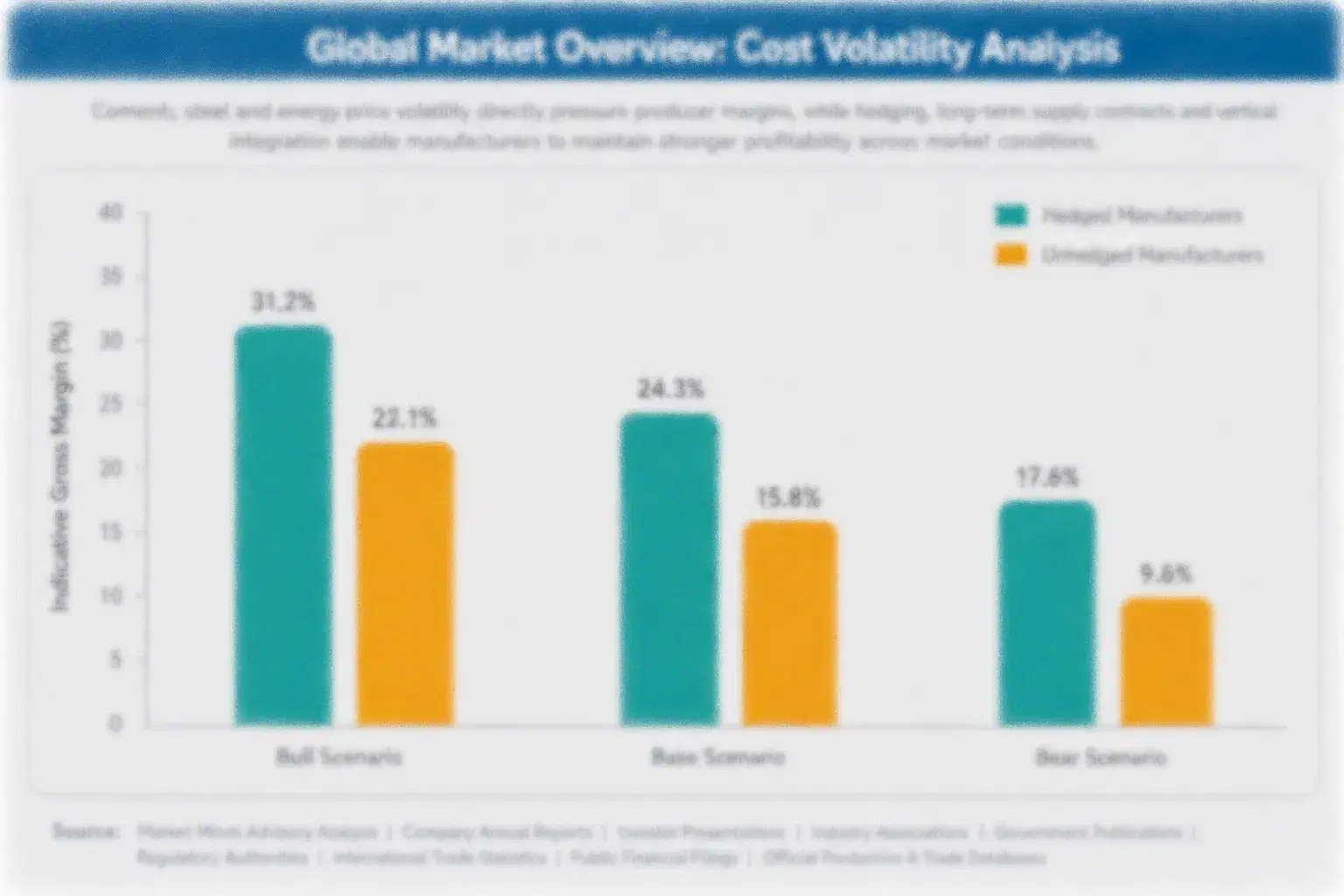
Servo motors and precision drive components account for roughly 20 to 25% of manufacturing cost, sourced from a concentrated group of specialized motion control component suppliers primarily based in Japan, Germany, and the United States. Sensors and control electronics, including vision systems increasingly used for robotic sortation, contribute a further 15 to 20%, exposing manufacturers to semiconductor and electronics supply chains alongside traditional mechanical components.
The 2021 to 2022 global semiconductor shortage delayed sensor and control electronics deliveries for several sortation manufacturers, extending equipment lead times from a typical ten to twelve weeks to over eight months in some cases, according to component sourcing disclosures in Daifuku's 2022 annual report. The disruption prompted several manufacturers to qualify secondary electronics suppliers and redesign control systems around more broadly available component families.

Smaller regional manufacturers without long-term component supply agreements face greater cost exposure than larger diversified players like Daifuku and Vanderlande, who negotiate volume-based contracts directly with motor and electronics suppliers. Robotics-focused manufacturers face additional exposure to battery and power electronics component pricing, a supply chain risk that traditional fixed-conveyor manufacturers sourcing primarily mechanical components do not share to the same degree.
automated-sortation-system-market-cost-volatility-analysis-1786463135863

Qualifying Secondary Motor and Sensor Suppliers

Manufacturers are increasingly dual-sourcing servo motors and sensor components from at least two suppliers across different regions rather than relying on a single vendor relationship, reducing exposure to any single supplier's capacity constraints during periods of tight component supply and elevated global demand across multiple industries competing for the exact same limited component supply base.

Redesigning Control Systems for Component Flexibility

Several manufacturers have redesigned control system architectures to accommodate a broader range of interchangeable electronics components, reducing dependence on any single specific part number and shortening the qualification cycle for alternate suppliers during future supply disruptions across their broader product lines, facility installations, and geographic markets served worldwide by their global sales and engineering teams.

Building Strategic Component Inventory Buffers

Larger manufacturers have expanded safety stock of critical motor and electronics components to buffer against future supply disruption, absorbing additional working capital cost in exchange for more predictable production scheduling and customer delivery commitments across volatile periods and rapidly shifting global component market conditions, pricing, availability, and lead-time constraints across multiple global sourcing regions.

Portfolio Architecture for Margin Defence

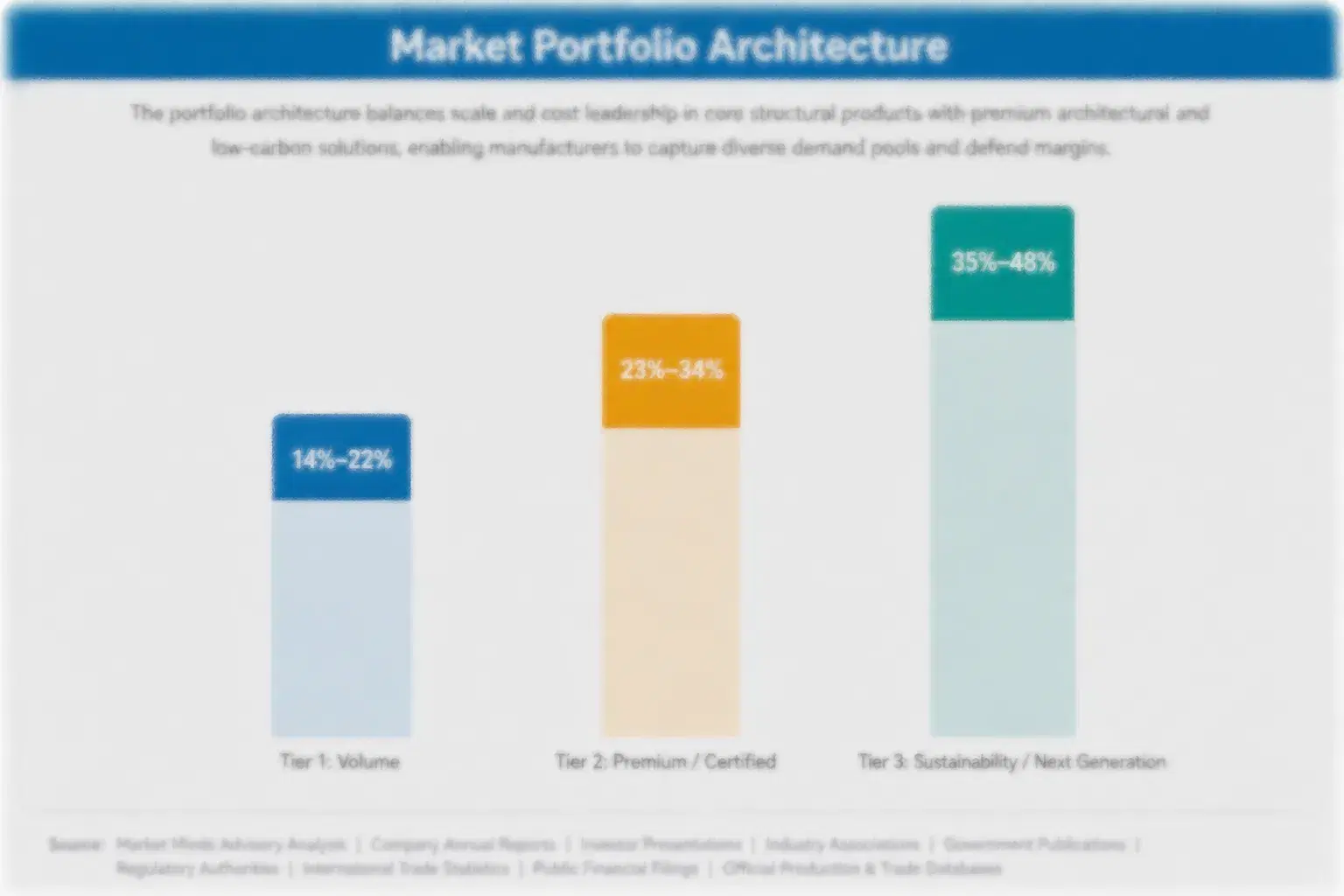
The market splits into three tiers running from commodity fixed conveyor sorters to fully robotic systems bundled with orchestration software and multi-facility support services across an operator's network. Margin concentrates heavily at the top: robotic systems paired with fleet orchestration software earn gross margins 15 to 20 percentage points above commodity fixed sorters, reflecting both engineering complexity and the recurring software revenue layered on top of the initial equipment sale
Volume and premium tiers pull manufacturers in different strategic directions simultaneously across the industry today. Chinese manufacturers are pushing aggressively into mid-tier fixed and hybrid systems, compressing margin in segments where established Western integrators historically earned steady returns, forcing incumbents to defend premium robotic and software-linked segments more aggressively through orchestration capability rather than hardware specifications alone across the board.

High-value margin pools concentrate among suppliers serving large e-commerce and logistics operators through combined equipment, software, and multi-facility deployment relationships, since these accounts generate recurring revenue across multiple facilities and product categories simultaneously, far exceeding the value of a single facility transaction and remaining the primary target of every major supplier's account strategy and growth plan today.

Volume / Commodity-Adjacent Tier

Standard fixed conveyor sorters sold primarily into cost-sensitive regional distribution markets, competing on price against a fragmented global supplier base with thin margins reflecting commoditized hardware and limited software attachment.
Gross Margin: 18-24%

Premium / Certified Tier

Hybrid and mid-tier robotic sortation systems sold with orchestration software and service support into growing e-commerce and parcel markets, capturing better margin through flexibility and demonstrated technical performance across changing seasonal demand patterns.
Gross Margin: 28-34%

Sustainability / Regulatory / Next-Generation Tier

Fully robotic, AI-orchestrated systems bundled with multi-facility deployment and financing options, commanding the highest margin as flexibility and software capability become baseline enterprise procurement requirements across the industry's largest operators.
Gross Margin: 36-44%
automated-sortation-system-market-portfolio-architecture-1786463136046

High-value Sub-segments and Strategic Watch-out

Robotic Systems With Multi-Facility Orchestration Software

Bundled hardware and software systems generating recurring revenue through fleet management subscriptions, growing fastest as large e-commerce operators standardize on a single orchestration platform across dozens of distribution facilities simultaneously and continuously expand their national fulfillment networks and delivery coverage in every major metropolitan market each year.
Gross Margin: 38-44%

Vendor-Financed Sortation Leasing Programs

Equipment financing arms and third-party lessors bundling sortation purchase with multi-year service agreements, expanding steadily as mid-sized operators seek automation without committing full capital upfront to a single large purchase decision across their broader facility network, budget cycle, and their longer-term multi-year capital investment plan.
Gross Margin: 30-36%

Standard Fixed Conveyor and Hybrid Sortation Systems

The largest unit volume segment, serving distribution operators globally that need proven automation without the highest tier's full software and orchestration cost, forming the steady revenue backbone of most manufacturers' current order books and multi-year service, support, and preventive maintenance contracts across many facilities nationwide.
Gross Margin: 20-26%

Legacy Manual and Semi-Automated Sortation Lines

Older manual and semi-automated sortation operations facing gradual displacement by both fixed and robotic automated alternatives, a segment strategic watchers should track as replacement demand accelerates faster than some operators' capital budgeting currently anticipates or has adequately planned for across the next several fiscal years ahead.
Gross Margin: 12-18%

From Equipment Sale to Network Relationship

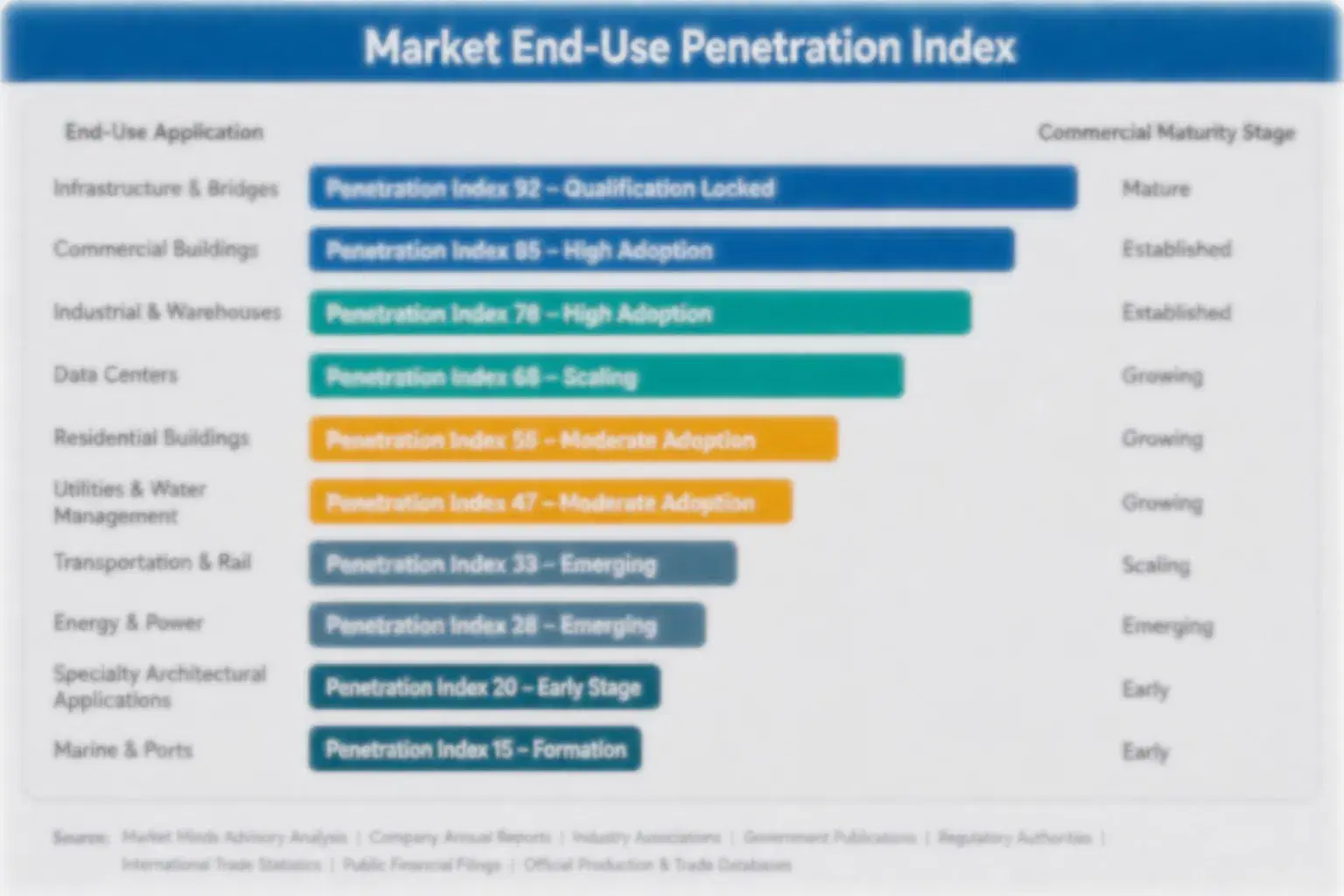
Automated sortation demand is shifting from a one-time facility equipment sale toward an ongoing multi-facility network relationship as software subscriptions, fleet management services, and financing programs increasingly extend a supplier's commercial relationship across an operator's entire distribution network rather than a single site, particularly among manufacturers that have successfully built orchestration software capable of managing multiple facilities simultaneously from a single pla
Adoption depth varies sharply by operator type. Large e-commerce and parcel delivery operators adopt robotic and software-orchestrated systems most deeply, given the direct throughput and flexibility benefits at their operational scale and the sophistication of their internal technology teams. Smaller regional distribution operators adopt more transactionally, often prioritizing proven reliability and upfront cost over the deeper software relationships that characterize large enterprise accounts and their more complex operational requirements.

A generational shift in buyer profile is underway as operations technology teams, increasingly focused on software integration and data analytics capability, replace an older generation of buyers who prioritized purely mechanical throughput specifications and upfront equipment cost, a change reshaping which supplier capabilities actually win purchasing decisions across distribution operators of all sizes and market segments.
automated-sortation-system-market-end-use-penetration-index-1786463136220

Where Sortation Suppliers Should Focus Next

These are among the four positions where our research anticipates prominent divergence between winners and laggards over the coming forecast period. Each is grounded in the demand model, the regulatory perimeter, and the announced capacity pipeline.
01 / ROBOTIC SOFTWARE INVESTMENT

Build fleet orchestration capability before robotics becomes table stakes

Robotic sortation adoption is accelerating faster than most fixed-conveyor manufacturers' existing product roadmaps anticipated just a few years ago, driven by operators seeking flexibility that fixed installations cannot provide. Suppliers still concentrated in fixed conveyor technology risk losing greenfield facility contracts to robotics-native competitors with proven orchestration software already deployed at scale. Moving now, ahead of the point where robotics becomes an undifferentiated baseline expectation, allows suppliers to capture premium positioning and durable software revenue before competition in this segment intensifies meaningfully further.
02 / MULTI-FACILITY ENTERPRISE FOCUS

Pursue enterprise-wide contracts ahead of facility-by-facility competitive bidding

Large e-commerce and logistics operators increasingly prefer standardizing sortation technology across their entire facility network rather than evaluating each site independently, creating an opportunity for suppliers who can demonstrate credible multi-facility deployment and software management capability at scale across many locations simultaneously. Suppliers winning early enterprise-wide contracts establish durable, difficult-to-displace relationships that facility-by-facility competitors cannot easily disrupt once standardization decisions are made. Building this multi-facility delivery track record now positions suppliers ahead of intensifying competition for the largest operator accounts in the industry.
03 / FINANCING PROGRAM EXPANSION

Offer flexible financing to capture underserved mid-sized operator demand

Mid-sized distribution operators frequently cannot justify the full upfront cost of sortation automation against competing capital priorities and tighter operating margins within their organizations. Vendor-backed financing and leasing programs materially expand the addressable customer base by lowering the effective capital barrier to entry for these price-sensitive operators who would otherwise continue relying on manual sorting labor. Manufacturers without a financing arm are ceding this growing segment entirely to competitors and third-party lessors willing to structure flexible multi-year payment terms that win deals.
04 / AFTERMARKET AND RETROFIT EXPANSION

Scale retrofit services to capture the large installed fixed-conveyor base

A substantial installed base of fixed conveyor sortation systems remains in operation across mature distribution networks worldwide, representing a meaningful retrofit and modernization opportunity that many manufacturers currently under-invest in relative to new equipment sales pursuit. Suppliers building dedicated retrofit and aftermarket capability can capture recurring revenue from operators seeking to extend existing installations rather than committing to full replacement immediately. This retrofit-focused strategy requires less capital investment than pursuing new greenfield contracts while building durable, long-term customer relationships across the installed base.

Engagement Snapshot From the Field

A live engagement with an industry participant carrying material or product regulatory and market exposure ahead of a defining policy shift, showing how our research translates into a defensible multi-year portfolio strategy.
MARKET MINDS ADVISORY · CLIENT ENGAGEMENT SUMMARY
Automated Sortation System Producer Strategic Portfolio Review and Transition Roadmap 2026·Investment Scenario on Automated Sortation System Exposure Evaluation 2025-26
CLIENT PROFILE
The client operates a regional e-commerce fulfillment network generating roughly $420 million in annual revenue (client-reported, unverified by MMA) across six distribution centers in the southeastern United States. The company relied heavily on manual sorting labor and was facing chronic peak-season staffing shortages alongside rising warehouse wage costs that were compressing operating margins across its facility network year over year.
STRATEGIC CHALLENGE
Management needed to decide whether to invest in robotic sortation across all six facilities simultaneously or phase the rollout, while facing genuine uncertainty about payback timelines given volatile labor cost trajectories and limited internal data on actual sorting labor productivity under current manual operations across its varied facility types and shift patterns.
MMA APPROACH
MMA conducted facility-level labor productivity audits across all six sites, modeled payback scenarios under three labor cost trajectories, and benchmarked robotic sortation vendor financing terms across four suppliers active in the region, structuring a phased automation roadmap prioritized by facility-level labor cost exposure and peak-season staffing severity across the entire network.
KEY FINDINGS
  1. Peak-season temporary labor costs at the client's two highest-volume facilities ran nearly 40% above baseline wage assumptions, a larger gap than management had previously modeled internally.
  2. The two facilities with the most severe seasonal staffing shortages showed robotic sortation payback periods under two years, while the remaining four facilities exceeded three years under current assumptions.
  3. Vendor financing terms varied by more than 200 basis points across the four suppliers benchmarked, with the most competitive offer tied to a multi-facility commitment structure.
  4. Software orchestration capability, not raw robotic throughput, was identified as the primary differentiator between competing vendor proposals evaluated during the benchmarking process.
CLIENT PROFILE
The client operates a regional e-commerce fulfillment network generating roughly $420 million in annual revenue (client-reported, unverified by MMA) across six distribution centers in the southeastern United States. The company relied heavily on manual sorting labor and was facing chronic peak-season staffing shortages alongside rising warehouse wage costs that were compressing operating margins across its facility network year over year.
STRATEGIC CHALLENGE
Management needed to decide whether to invest in robotic sortation across all six facilities simultaneously or phase the rollout, while facing genuine uncertainty about payback timelines given volatile labor cost trajectories and limited internal data on actual sorting labor productivity under current manual operations across its varied facility types and shift patterns.
MMA APPROACH
MMA conducted facility-level labor productivity audits across all six sites, modeled payback scenarios under three labor cost trajectories, and benchmarked robotic sortation vendor financing terms across four suppliers active in the region, structuring a phased automation roadmap prioritized by facility-level labor cost exposure and peak-season staffing severity across the entire network.
KEY FINDINGS
  1. Peak-season temporary labor costs at the client's two highest-volume facilities ran nearly 40% above baseline wage assumptions, a larger gap than management had previously modeled internally.
  2. The two facilities with the most severe seasonal staffing shortages showed robotic sortation payback periods under two years, while the remaining four facilities exceeded three years under current assumptions.
  3. Vendor financing terms varied by more than 200 basis points across the four suppliers benchmarked, with the most competitive offer tied to a multi-facility commitment structure.
  4. Software orchestration capability, not raw robotic throughput, was identified as the primary differentiator between competing vendor proposals evaluated during the benchmarking process.
RECOMMENDED STRATEGY
Phase 1: Phase 1 (Months 1 to 8): Deploy robotic sortation at the two highest labor-cost-exposure facilities under a multi-facility vendor financing arrangement securing the strongest benchmarked rate. Phase 2: Phase 2 (Months 9 to 18): Monitor labor cost trends and staffing severity at the remaining four facilities, triggering deployment once payback periods fall below 30 months. Phase 3: Phase 3 (Months 19 to 30): Standardize orchestration software across all deployed facilities to enable centralized fleet management and cross-facility performance benchmarking.
OUTCOME
The client deployed robotic sortation at two facilities within nine months of the engagement, financing the transition through the recommended vendor leasing structure rather than upfront capital (client-reported, unverified by MMA). Peak-season temporary labor spending at converted facilities fell by approximately 45% within the first full peak season, and management adopted the phased framework for evaluating the remaining four facilities.

Frequently Asked Questions

Foundational context covering the market sizes, CAGR, scope, country, region and competition that inform every finding below. This section is provided to cover basics and most often pre-purchase conversations, answered from the MMA Primary Research Dataset.

What is the current size of the Automated Sortation System Market?

The global automated sortation system market was valued at approximately $6.8 billion in 2025. Growth is being driven by e-commerce parcel volume growth and warehouse labor scarcity.

How large will the Automated Sortation System Market be by 2036?

The market is projected to reach approximately $19.02 billion by 2036, up from $7.47 billion in 2026. This represents nearly a threefold expansion over the ten-year forecast window.

What is the CAGR for the Automated Sortation System Market 2026 to 2036?

The market is forecast to grow at a CAGR of 9.8% between 2026 and 2036. Bull and bear scenarios range from roughly 8.5% to 11.0%.

Which segment is growing fastest?

Robotic and AI-enabled sortation systems are the fastest-growing segment, expanding at approximately 14.5% annually. This is roughly 1.5 times the overall market's growth rate of 9.8%.

Who are the major companies in the Automated Sortation System Market?

Leading suppliers include Daifuku, Honeywell Intelligrated, Vanderlande Industries, Dematic, and BEUMER Group. Together these five hold roughly 48% of global share on a revenue basis.

Which country is growing fastest?

India is currently the single fastest-growing country in this market, expanding at approximately 13.0% annually. This reflects India's rapidly expanding e-commerce and parcel delivery infrastructure network.

Report Segmentation Architecture

The full report scope spans multiple orthogonal segmentation dimensions, with cross-tabulated demand data provided for each dimension pair. Coverage extends further to regional breakdowns, trend trajectories, and the competitive detail needed to support segment-level decision-making.

By Sortation Technology

  • Cross-Belt Sorters
  • Tilt-Tray Sorters
  • Sliding Shoe Sorters
  • Pop-Up Wheel Sorters
  • Robotic and AI-Enabled Sortation Systems
  • Narrow Belt Sorters

By End-Use Industry

  • E-Commerce and Parcel Delivery
  • Postal and Mail Processing
  • Retail Distribution
  • Third-Party Logistics
  • Manufacturing and Industrial

By Commercial Dimension

  • Direct Equipment Purchase
  • Vendor-Financed Leasing
  • Software Subscription Attachment
  • Aftermarket and Retrofit Services

By Region

  • North America
  • Western Europe
  • East Asia
  • South Asia and Pacific
  • Latin America
  • Middle East and Africa
  • Eastern Europe

Scope, Methodology, and Coverage

Every figure in this report is reproducible from documented input assumptions. The scope below maps the historical period, the forecast horizon, the segmentation dimensions, and the countries covered, alongside the underlying primary and qualitative methodology.
Historical Period
2020 to 2025
Forecast Period
2026 to 2036
Base Year
2025 (USD billions; MMA Primary Research Dataset, August 2026)
Market Definition
The automated sortation system market covers equipment and integrated software used to automatically route parcels, packages, and items to designated destinations within warehouses, distribution centers, and parcel processing facilities, spanning conveyor-based and robotic sortation technologies. It excludes general conveyor transport equipment without sortation logic and excludes standalone warehouse management software sold independently of sortation hardware.
Quantitative Units
USD billions (current prices); unit shipments where disclosed
Segmentation Dimensions
By Sortation Technology; By End-Use Industry; By Commercial Dimension; By Region
Regions Covered
North America, Western Europe, East Asia, South Asia and Pacific, Latin America, Middle East and Africa, Eastern Europe
Countries Covered
USA, China, Germany, France, UK, Japan, South Korea, India, Australia, Canada, Brazil, Mexico, Indonesia, Vietnam, Thailand, Malaysia, UAE, Saudi Arabia, South Africa, Nigeria, Turkey, Poland, Netherlands, Italy, Spain, Sweden, Switzerland, Argentina, Colombia, Singapore, and additional markets relevant to this sector
Key Companies Profiled
Daifuku Co., Ltd., Honeywell Intelligrated, Vanderlande Industries, Dematic, BEUMER Group, SSI Schaefer, Fives Group, Interroll Holding AG, TGW Logistics Group, Murata Machinery, Bastian Solutions, AutoStore AS, Geek+, Hai Robotics, Swisslog Holding, Siemens Logistics, Grenzebach Group, FlexLink AB, KNAPP AG, Material Handling Systems Inc
Quantitative Methodology
Primary survey, n=3,800 respondents, Q4 2025, six countries; demand-side model with trade association cross-validation
Qualitative Methodology
47 expert interviews, Q4 2025; applied to validate demand model assumptions, identify emerging dynamics, and assess competitive positioning
Report Format
PDF and XLSX data workbook (Word format preview document)
Publisher
Market Minds Advisory
Report Code
MMA-2026-CON-314
Published
August 2026
Contact
sales@marketmindsadvisory.com | www.marketmindsadvisory.com

Purchase the full Automated Sortation System Market Report (2026 to 2036).

The full report provides a comprehensive assessment of the global automated sortation system market, including detailed segmentation by sortation technology, end-use industry, and commercial dimension across all seven world regions. It profiles twenty leading and emerging equipment suppliers, benchmarking robotics capability, software orchestration, and financing strategy. The analysis includes ten-year forecasts through 2036 under base, bull, and bear scenarios, alongside primary research findings drawn from MMA's survey of 3,800 respondents and 47 expert interviews conducted in the fourth quarter of 2025. A dedicated input cost section examines motor, sensor, and control electronics exposure across major manufacturing regions.
Detailed segment-level ten-year forecasts through 2036
Profiles of twenty leading and emerging suppliers
Regional analysis spanning all seven world regions
Input cost and supply chain risk assessment
Competitive benchmarking on moats and vulnerabilities
Primary survey and expert interview data appendix

Built For The People Who Decide

From boardroom strategy to bench-side execution, this report is read cover-to-cover by leaders shaping the next decade of their industry, turning demand scenarios, market dynamics and valuation benchmarks into decisions.
CXOs/ Presidents/ VPs/ Managers
M&A and Corporate Development
Strategy Teams and R&D Heads
Procurement and Product Directors
Regulatory and Compliance Leaders
Investor Relations and Equity Analysts