Market Minds Advisory
Australia Sourdough Market

Australia Sourdough Market: Australia Sourdough Market. Cafe Culture, Wage Costs, and Frozen Export Formats Reshape Australian Sourdough Bread Supply.

Australian sourdough grew from cafe toast to a supermarket staple, but award wages, energy costs, and unclear labelling rules squeeze independent bakers, so par-baked exports and in-store scale now decide who protects margin.

Lead Analyst

Published

September 2026

Make Smarter Decisions with Customized Research Insights

Request a free sample report and evaluate market opportunities, growth trends, and competitive dynamics relevant to your business needs.

2025 MARKET VALUE$0.6BMarket Size 2025
2036 FORECAST VALUE$1.2BBase Case , 2026 to 2036
CAGR 2026 TO 20366.6 %Bull 7.9% / Bear 5.3%
INCREMENTAL OPPORTUNITY$0.6BNet 10- year value creation
EXPANSION MULTIPLE1.90x2036 value over 2026 base
Strategic Levers
M&A Pipeline
Regional Outlook
Country Rankings
Competitive Intelligence
Segmental Deep-dive
Call-Us : 91 93563 13602

Executive Snapshot and Market Trajectory.

Australians eat sourdough at cafes, buy it at supermarket in-store bakeries, and queue for it at neighbourhood bakers on Saturday mornings. The bread costs more than a standard loaf, takes a day to make, and depends on skilled labour that is expensive and scarce, which shapes every commercial decision.
Frozen and par-baked sourdough grows fastest, because cafes, hotels, and export customers want fresh-baked loaves without a skilled baker on site, while artisan bakery loaves and supermarket packaged sourdough anchor volume in Sydney, Melbourne, and Brisbane. South Asia and Pacific holds nearly all of the market, since Australia and New Zealand consume most of it and Southeast Asian hotels and cafes take exports. Singapore leads country growth. Coles and Woolworths add scale.
Competition mixes franchise bakeries, industrial groups, supermarkets, and craft bakers. Bakers Delight, Grupo Bimbo through Tip Top, Goodman Fielder, Woolworths, and Coles supply most volume, while Bourke Street Bakery and Zeally Bay Sourdough lead craft. Regulation matters through award wages, energy prices, and consumer law on sourdough claims, and buyers reward crust, tang, and consistency at prices that stay within a habitual weekly bread budget.
Market Definition
Australia sourdough comprises bread, rolls, pizza bases, pastries, and par-baked products made with a sourdough fermentation, whether from natural starters or defined sourdough cultures, produced in Australia and sold domestically through artisan bakeries, supermarkets, cafes, and foodservice, or exported as fresh or frozen products to New Zealand and Asia. The scope excludes yeast-leavened bread with acid additives sold as sourdough-style, imported sourdough sold in Australia, and sourdough starters and premixes sold separately.
Base Year Value
$0.6B in 2025 (MMA Primary Research Dataset, September 2026)
Forecast Period
2026 to 2036, eleven discrete annual values
CAGR
6.6% base case. Bull 7.9%. Bear 5.3%.
Fastest Growth Segment
Frozen and Par-Baked Sourdough: 10.6% CAGR
Fastest Growth Country
Singapore: 9.8% CAGR
Fastest Growth Region
South Asia and Pacific: 8.6% CAGR
Largest Region
South Asia and Pacific: 88% of 2025 global value
Market Leaders
Bakers Delight, Grupo Bimbo (Tip Top), Goodman Fielder, Woolworths Group, Coles Group. Source: MMA Analysis, company annual reports.
Primary Survey
n=3,800 procurement and R&D decision-makers, Q4 2025, six countries
Methodology
Demand-side build-up, cross-validated against public data, 47 expert interviews

Australia Sourdough Market Forecast Scenarios

australia-sourdough-market-size-forecast-scenario-1789781231607
From 2020 to 2025, Australian sourdough moved from cafe specialty to mainstream. Lockdown home baking raised awareness, supermarkets expanded in-store sourdough ranges, and premium loaf prices climbed as wages and energy rose. Growth averaged 5.9% a year in dollar terms, though skilled baker shortages, higher rents, and cost-of-living pressure slowed independent bakery openings and pushed some shoppers toward cheaper packaged loaves.
The base case assumes 6.6% annual growth through 2036, built on three named mechanisms: continued expansion of supermarket in-store sourdough and packaged ranges that lift household penetration, growth of par-baked and frozen sourdough that lets cafes and hotels serve fresh loaves without skilled labour and supports exports to Singapore, Japan, and Hong Kong, and premium wholegrain and gluten-reduced launches that raise price per loaf. Immigration-led population growth reinforces each mechanism.
The bull case, at 7.9%, needs stable wheat and energy costs and faster export listings. The bear case, at 5.3%, reflects wage and energy spikes, tighter household budgets, and consumer trade-down to cheaper loaves. Either path leaves the sourdough habit intact, though mix and pricing would shift. Analysts watch wage awards and gas prices most closely, since each moves margin directly.

Skilled Labour Cost and Frozen Formats Decide Sourdough Winners

Sourdough starts with a culture of wild yeast and lactic acid bacteria kept alive in flour and water. Bakers mix dough with the starter, ferment it for 12 to 24 hours in bulk and cold retard, shape it, and bake in steam-injected ovens until the crust blisters and darkens. Long fermentation develops tang, open crumb, and longer shelf life without preservatives, but ties up labour and oven time.
MARKET CONCENTRATION38% CR5Leading five participants hold a moderate combined share
AVERAGE LOAF PRICE$6.50Typical retail price of a large artisan sourdough loaf
ARTISAN CHANNEL SHARE44%Portion of value sold through independent and franchise bakeries
FERMENTATION TIME16 hoursTypical bulk and cold fermentation time for traditional loaves
FLOUR SHARE OF COGS31%Flour is the second largest cost after labour
FROZEN EXPORT SHARE9%Portion of value shipped frozen to Asian cafes and hotels
Buyers use sourdough in several ways. Households buy loaves weekly from bakeries and supermarkets, cafes serve it as toast and sandwich bread, restaurants and hotels use rolls and baguettes, and pizza makers use sourdough bases. Retailers place premium loaves in in-store bakery sections and packaged ranges beside standard bread, and pricing reflects labour, fermentation time, and brand.
The industry sits on several levels. Franchise groups such as Bakers Delight, industrial bakers such as Tip Top and Goodman Fielder, and supermarket in-store bakeries at Coles and Woolworths supply volume, while independent bakers lead craft and quality. Flour, wages, and energy dominate cost, and success depends on managing skilled labour, oven use, and pricing power at the premium end of the bread aisle.
"Sourdough in Australia is a labour business dressed as a flour business. The bakers who prosper will be those who find a way to make sixteen hours of fermentation profitable at award wages, whether through par-baking, automation, or unusually loyal customers."
Practice Lead, Australian Bakery Practice · MMA Artisan and Packaged Bread Practice · September 2026

Market Trends

Par-Baked Sourdough Lets Cafes and Hotels Avoid Skilled Labour Costs

Cafes, hotels, and airlines increasingly buy par-baked sourdough loaves and rolls that are finished in local ovens, which removes the need for a skilled baker and lets small kitchens serve fresh bread. Producers such as Zeally Bay, Bourke Street Bakery, and large frozen suppliers freeze loaves after 80% baking, and shelf life extends to six to 12 months. Frozen formats cost 15% to 30% more per loaf than fresh but save labour of 25% to 35% of cost. Exports to Singapore, Japan, and Hong Kong use the same format, so producers gain scale.
Market Impact: cafes use 30-100 loaves weekly
Supermarket In-Store Sourdough Expansion Lifts Household Penetration Across Australia

Coles and Woolworths have expanded sourdough ranges in in-store bakeries and packaged sections, selling loaves at $4 to $7, and private-label sourdough has become one of the fastest-growing bread lines. Supermarkets control about 65% of packaged bread sales in Australia, according to industry estimates, and use sourdough to lift average price per loaf. In-store bakeries use frozen dough or par-baked bases to control labour, and some run daily bake-off. Supermarket scale gives sourdough reach beyond capital cities, though independent bakers argue that quality varies and that fermentation time is often shortened, which fuels debate on labelling.
Market Impact: 1 in 3 households buy sourdough

Market Opportunities and Growth Drivers

Australian Cafe Culture and Brunch Menus Sustain Daily Sourdough Demand

Australia has one of the world's densest cafe cultures, and sourdough toast, avocado on sourdough, and sandwiches on sourdough are standard menu items in Sydney, Melbourne, Brisbane, Perth, and Adelaide. Melbourne alone has thousands of cafes, and a busy cafe uses 30 to 100 loaves a week. Cafes value sourdough because it supports premium menu pricing of $16 to $24 for brunch plates and gives a distinctive crust and flavour. Supply relationships with local bakeries are close, and cafes rarely change suppliers once a bread is on the menu, which stabilises volume for reliable bakers.
Market Impact: labour is 30-40% of bakery cost

Health and Gut Perceptions Support Premium Wholegrain and Long-Fermented Loaves

Shoppers associate long fermentation with easier digestion and lower glycaemic response, and researchers at Australian universities and the CSIRO have studied sourdough and whole grain benefits. Bakeries sell wholegrain, spelt, and rye sourdoughs at 15% to 40% above white sourdough, and gluten-reduced claims appear on some long-fermented breads. About one in three Australian households buy sourdough regularly, according to retail panel estimates, and demand rises among shoppers over 35. Health perceptions vary in scientific support, so bakers avoid strong medical claims, though positive sentiment supports premium pricing and repeat purchase.
Market Impact: gas prices rose 30-60% in 2022

Market Restraints and Challenges

Award Wages and Skilled Baker Shortages Squeeze Independent Bakery Margins

Baker wages in Australia are set by the Bakery Industry Award under the Fair Work Commission, with penalty rates for early starts and weekends, and skilled bakers are scarce, according to Fair Work Commission and industry association reports. The root cause is high labour costs, limited apprenticeship completion, and unsocial hours that deter recruits. Labour represents 30% to 40% of independent bakery cost. Mitigation includes par-baked systems, automation, and franchise training, though small bakers lack capital, and closures rose in 2023 and 2024 as costs climbed, which reduces supply of authentic craft loaves.
Market Impact: par-baking saves 25-35% of labour

Energy and Flour Spikes and Unclear Labelling Reduce Margins

East coast wholesale gas prices spiked in 2022, according to the International Energy Agency and Australian Energy Regulator data, raising oven costs by 30% to 60%, and flour prices rose after floods and global wheat shocks. The root cause is exposure to global energy markets and weather. In addition, the Food Standards Code does not define sourdough, so loaves made with baker's yeast and acid can be labelled sourdough, which annoys craft bakers and confuses shoppers. Mitigation includes fixed energy contracts and clearer ingredient statements, though rules are unlikely to change soon.
Market Impact: sourdough loaves sell at $4-7
3 additional market trends, 2 additional growth drivers, and 3 additional restraints and challenges are covered in the full report. Contact sales@marketmindsadvisory.com to access the complete intelligence.

Segment CAGR and Growth Architecture

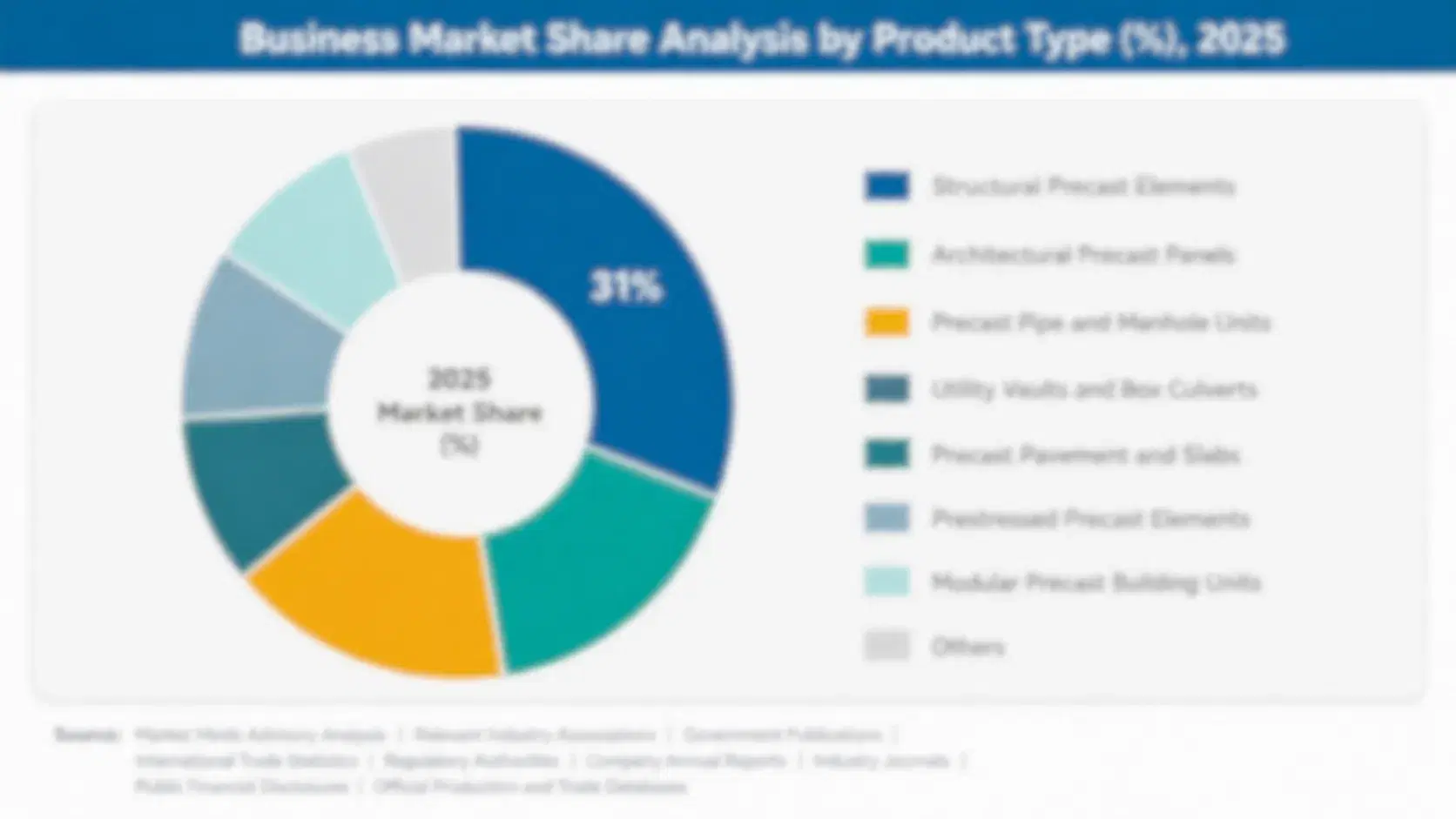
Australia sourdough is segmented by product format, because process, shelf life, labour intensity, price, and buyer group differ more between artisan bakery loaves, packaged supermarket loaves, rolls and baguettes, pizza bases and flatbreads, pastries and sweet goods, and frozen and par-baked products than they do by flour type. Frozen and pizza formats attract most investment as bakers cut labour.
australia-sourdough-market-market-share-analysis-1789781231901

Frozen and Par-Baked Sourdough

Frozen and par-baked sourdough is the fastest-growing segment, made by baking long-fermented loaves, rolls, and baguettes to 80% or 100% and freezing them for finishing or thawing at cafes, hotels, in-store bakeries, and export customers. Producers such as Zeally Bay Sourdough and large bakery groups sell to Australian foodservice and to Singapore, Japan, and Hong Kong. Prices run 15% to 30% above fresh per loaf but save labour and waste for buyers. Growth depends on cold chain, crust quality after finishing, and export logistics, and bakers with freezing capacity, technical support, and consistent supply win multi-year contracts from chains and airlines. Airlines and airport caterers also buy par-baked rolls because they finish quickly in small galley ovens.
CAGR 10.6%

Sourdough Pizza Bases and Flatbreads

Sourdough pizza bases and flatbreads are the second-fastest segment, made from long-fermented dough that gives crisp crust, tang, and blistered edges, and sold as fresh bases to pizzerias, frozen bases to supermarkets, and ready-to-bake kits. Chains and independent pizza restaurants in Sydney and Melbourne list sourdough bases at premiums of 10% to 25%, and supermarkets sell them in chilled and frozen sections. Growth depends on consumer interest in artisan pizza and on labour savings for restaurants, and suppliers with consistent dough balls, frozen logistics, and delivery reliability win accounts as pizza menus expand across the country. Pizza chains also value bases that hold shape during freezing and reheating, which reduces waste in busy kitchens.
CAGR 8.9%
Full segment breakdown across 6 segments available in the complete report.

Regional Architecture and Country Demand Map

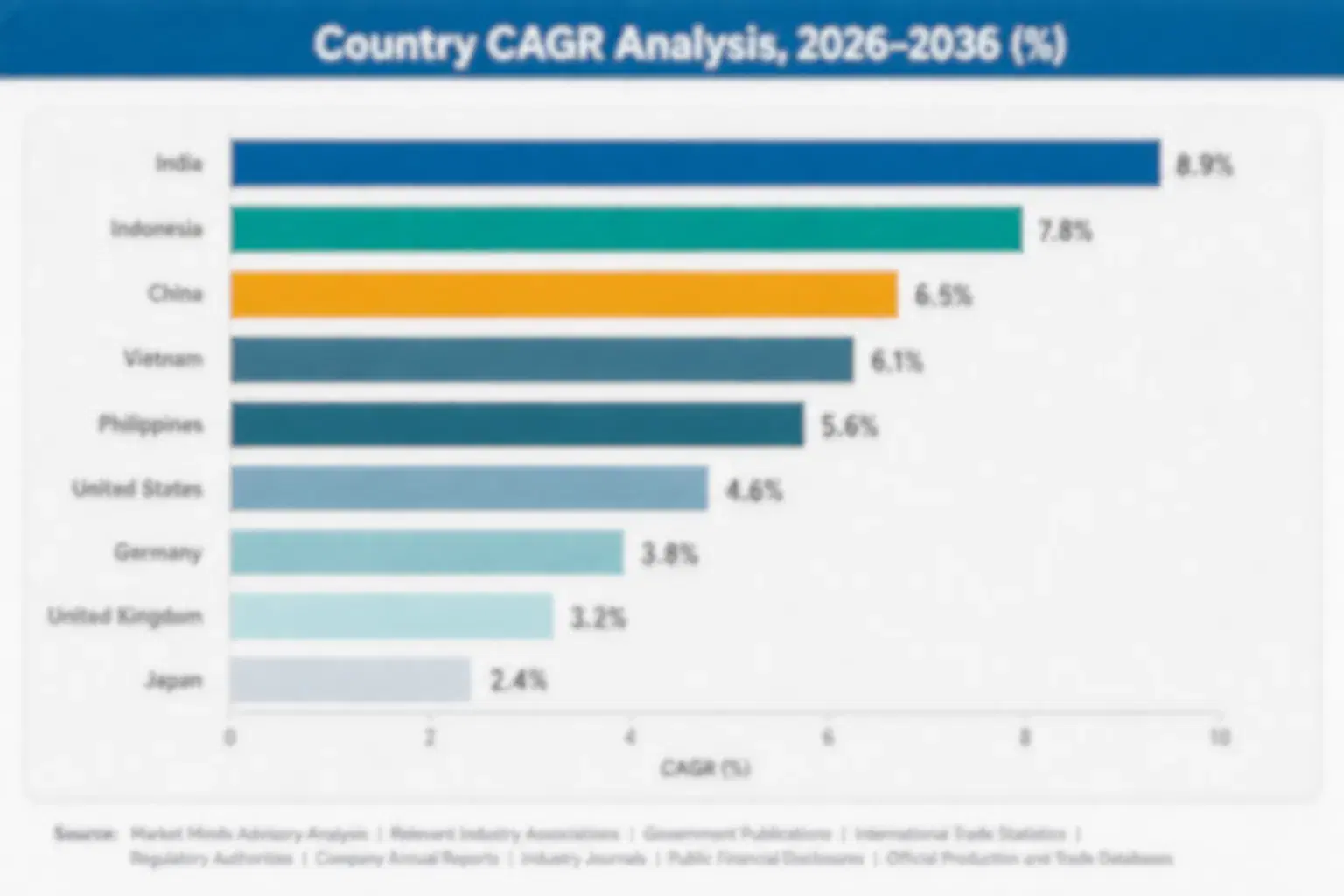
Australia sourdough value is concentrated where the bread is made and eaten. South Asia and Pacific holds most of it through Australia and New Zealand, while East Asia, the Gulf, and diaspora markets take small frozen exports, and Singapore is the fastest-growing country as cafes and hotels expand.

North America

North America holds 2% share, below its usual band, because Australian sourdough reaches the United States and Canada only as frozen loaves and rolls sold through Australian-owned cafes, specialty importers, and airline caterers, so exports are a small niche while local artisan bakeries dominate. Freight costs, United States food import rules, and competition from domestic sourdough restrain returns, though gourmet importers keep growth near the global rate. Australian-style cafes in New York and Los Angeles buy small quantities of par-baked loaves, and online sellers ship frozen boxes. Volumes remain small and irregular each year. Airline caterers on trans-Pacific routes buy rolls for premium cabins, and specialty grocers in Toronto and Vancouver stock frozen boxes for expatriate households.
Share: 2% | CAGR: 6.4% (2026 to 2036)

Western Europe

Western Europe holds 1% share, below its usual band, because Europe has its own deep sourdough tradition and Australian exports are limited to a few Australian-themed cafes in London and specialty importers, so value is minimal. Freight cost, European Union import rules, and strong local competition restrain returns, and growth stays below the global rate. Australian expatriate cafes in London use small volumes of par-baked loaves for brunch menus, and a few gourmet retailers list Australian sourdough starters and kits. The region remains an opportunistic export destination rather than a target market. Australian food festivals and cafe collaborations in London occasionally create special orders, and airline caterers on Kangaroo Route flights buy rolls for premium cabins.
Share: 1% | CAGR: 5.1% (2026 to 2036)
Regional intelligence for 5 additional markets available in the complete report: East Asia, South Asia and Pacific, Latin America, Middle East and Africa, Eastern Europe. Contact sales@marketmindsadvisory.com.
australia-sourdough-market-country-cagr-analysis-1789781232192

Four Margin Routes for Australian Sourdough Bakers

Margin in Australian sourdough comes from labour productivity, format mix, and channel choice, not from loaf price alone. Bakers that par-bake and freeze, automate shaping and loading, supply cafe and hotel contracts, and export to Asia earn more per hour of skilled labour than those relying on single-shop retail and long overnight shifts. Execution matters.

Par-Baking and Freezing to Serve Cafes, Hotels, and Airlines

Par-baked sourdough saves cafes 25% to 35% of labour cost and lets a central bakery serve 50 to 200 venues, so bakers earn gross margins of 34% to 42% on frozen wholesale, against 28% to 34% on fresh retail. Freezing lines and cold storage cost $1.5 million to $5 million. Contracts of one to three years with cafe groups and hotel chains lock in volume, and consistent crust quality after finishing wins renewals. Shelf life of six to 12 months lets producers smooth production across the week and cut waste.
Market Impact: par-baked wholesale earns 34 to 42% gross margin

Automating Shaping, Loading, and Packing to Cut Skilled Labour Hours

Automated dividers, shaping lines, and loaders cut labour per loaf by 20% to 35% and let a plant produce 2,000 to 6,000 loaves a day with fewer skilled bakers. Automation costs $2 million to $8 million and pays back in three to five years at 80% utilisation. Bakers keep long fermentation and hand finishing for premium loaves, while automation handles repeat tasks. Consistency improves, which reduces waste by 2 to 4 points, and award wage costs become less punishing. Supermarket supply contracts require the volume and consistency that automation delivers.
Market Impact: automation cuts labour per loaf by 20 to 35%

Winning Supermarket and Foodservice Supply Contracts With Consistent Quality

Coles and Woolworths sell sourdough in in-store and packaged ranges, and supply contracts of two to three years fill plants at 85% to 90% utilisation and add contribution of $1 million to $4 million a year. Supermarket margins run 6 to 10 points below independent retail, but volume and fixed cost absorption offset the gap. Suppliers that meet food safety audits, deliver reliably, and hold quality through fermentation variation win tenders. Foodservice contracts with cafe groups add stable weekly volume and better margin than supermarket private label. Foodservice renewals follow quality checks.
Market Impact: supermarket contracts add $1 to $4 million contribution

Exporting Frozen Sourdough to Singapore, Japan, and Hong Kong

Exports earn prices 20% to 40% above domestic wholesale and add 8 to 12 points of gross margin, and a baker shipping 15 containers a year adds $2 million to $6 million of revenue. Qualifying needs food safety certification, cold chain partners, and packaging that protects crust, costing $500,000 to $1.5 million. Asian hotels and cafe chains value the Australian brand and consistent supply. Annual supply agreements give predictable volume, and freight costs are shared through consolidated shipments with other Australian food exporters, which lowers landed cost. Consolidated shipments cut unit freight further.
Market Impact: exports add 8 to 12 gross margin points

Who Controls the Margin Pool

The Australian sourdough industry is moderately concentrated at the franchise and supermarket level and fragmented among independent bakers, with the top five participants holding about 38% of category revenue, the basis used throughout this section, which is market participation. Bakers Delight, Grupo Bimbo through Tip Top, Goodman Fielder, Woolworths Group, and Coles Group lead through stores, plants, and in-store bakeries, while independent bakers hold local share through craft, quality, and neighbourhood loyalty.
Competition centers on three dimensions: quality perception, measured by crust, tang, and consumer trust; labour productivity, including par-baking, automation, and oven use; and channel reach across franchise stores, supermarkets, cafes, and export customers. Leaders invest in scale and supply contracts, while challengers compete on craft, local grain stories, and personal service that large groups cannot always match in premium neighbourhoods.

Emerging pressure comes from supermarket private label extending premium sourdough, from frozen exporters scaling Asian sales, and from labelling debate that could reward authentic fermentation. Rankings shift where bakers win supermarket tenders, secure export contracts, or lose skilled staff and close. Acquisitions of independent bakeries and franchise expansion will reorder positions faster than organic growth, particularly as rising costs push smaller bakers to sell or franchise.
australia-sourdough-market-company-positioning-matrix-1789781232516

Competitive Moat and Risk Dimensions

BAKERS DELIGHT

Moat: Franchise Network and Brand Trust

Bakers Delight, founded in Melbourne in 1980, operates hundreds of franchised bakeries in Australia, New Zealand, and other markets, with fresh-baked bread made on site and a strong consumer brand. Its franchise model spreads capital and labour risk, shared purchasing gives cost advantages in flour, and training programmes supply bakers to franchisees, which protects quality.
BAKERS DELIGHT

Risk: Franchisee Cost and Labour Pressure

Bakers Delight franchisees face award wages, rent, and energy costs, which squeeze store margins and can slow expansion. Supermarket in-store bakeries and craft bakers compete on sourdough, and price sensitivity limits premium mix. Franchisee turnover can also disrupt stores when skilled bakers leave for supermarkets or start their own shops.
GRUPO BIMBO (TIP TOP)

Moat: Industrial Scale and Retail Distribution

Grupo Bimbo, through its Australian and New Zealand operations including the Tip Top and Abbott's Village Bakery brands, runs industrial bakeries and distribution networks that supply supermarkets and convenience stores nationwide. Its scale in flour purchasing, plant automation, and logistics, and its access to Bimbo's global technical resources, give it cost and reach advantages in packaged sourdough and premium loaves.
GRUPO BIMBO (TIP TOP)

Risk: Private Label and Premium Credibility

Tip Top competes with supermarket private label, and shoppers may see industrial sourdough as less authentic than craft loaves. Energy and wage costs squeeze large plants, and premium bakers can win health-focused shoppers. Union-linked wage settlements at plants also raise costs, and delivery networks add fixed cost when volumes soften.

Players Tracked

Prominent Players

Bakers Delight
Grupo Bimbo (Tip Top)
Goodman Fielder
Woolworths Group
Coles Group

Other Key Players

Brumby's Bakeries
Bourke Street Bakery
Zeally Bay Sourdough
Sonoma Baking Company
Baker Boys
Laurent Bakery
Allied Mills
Kialla Pure Foods
Puratos
Lesaffre
Europastry
Aryzta
Dawn Foods
Vandemoortele
Lantmannen Unibake

Recent Developments

FEBRUARY 2026

Zeally Bay Sourdough Expands Frozen Production for Australian and Asian Customers

Zeally Bay Sourdough expanded frozen production capacity at its Tasmanian bakery, adding freezing tunnels and packing lines to supply cafes, hotels, and export customers with par-baked loaves. It is organic. It shortens delivery times, supports growth in Singapore and Japan, and helps cafes serve fresh bread without skilled bakers.
Signal: Shows Australian bakers now investing in frozen sourdough capacity to serve growing cafe and export demand.
OCTOBER 2025

Coles Extends In-Store Sourdough Range Across Supermarkets

Coles extended its in-store sourdough range across supermarkets, adding new loaf formats and par-baked bases finished in store to control labour and quality. It is a range extension. It lifts household penetration, expands premium choice beyond capital cities, and pressures independent bakers on price in suburban areas.
Signal: Confirms supermarkets now use in-store sourdough ranges to lift premium bread sales beyond capital city neighbourhoods.
JUNE 2025

Bakers Delight Signs Regional Flour Supply Agreements With Australian Millers

Bakers Delight signed regional flour supply agreements with Australian millers to secure supply and price stability for its franchise network, including support for sourdough flour specifications. The deals are commercial supply contracts. They give franchisees more stable input costs, shorten delivery routes, and support the brand's local grain messaging.
Signal: Shows franchise networks now lock in flour supply through regional agreements to manage cost and quality.

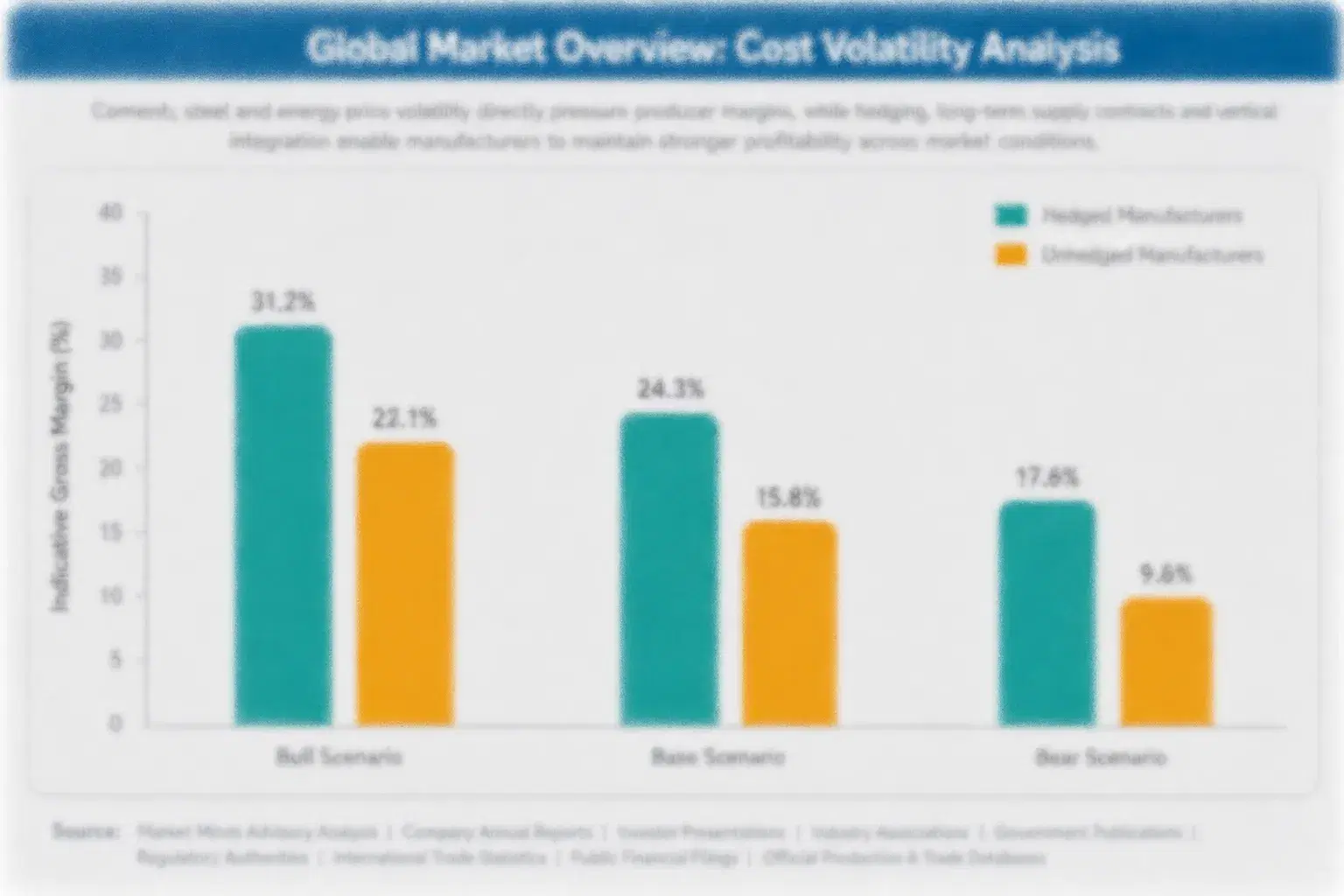
What Drives Australian Sourdough Costs

Labour accounts for roughly 34% of cost of goods for independent bakers, flour and ingredients about 31%, and energy and utilities about 9%, with Australian wheat milled domestically and starter cultures made in house. Rent, packaging, delivery, and franchise fees make up the rest, so award wages, flour price, and oven energy together determine margin, and skilled labour is the hardest input to scale.
East coast wholesale gas prices spiked in 2022, according to the International Energy Agency and Australian Energy Regulator data, raising oven energy costs by 30% to 60%, and flour costs rose after floods and global wheat price shocks, as Coles Group Annual Report 2024 noted for supply chain costs. Bakers raised loaf prices by 8% to 15%, and independent shops absorbed part of the rise.

The disadvantage falls on independent bakers without scale or contracts. Large groups with flour contracts, automated plants, and energy agreements absorb shocks, while small shops buy flour at retail and pay high rent and wages. Exposure varies by state and player type: Victorian and New South Wales bakers face high rents, franchise stores share purchasing, and par-baked and export lines pass costs through more easily than daily fresh loaves.
australia-sourdough-market-cost-volatility-analysis-1789781232829

Contracting Flour With Regional Millers and Sharing Purchasing

Bakers and franchise groups sign annual and multi-year flour agreements with Australian millers, mixing fixed and index-linked prices to spread risk. Franchise networks and buying groups pool volume for better terms. Diversifying across wheat regions reduces exposure to a single drought or flood. Forward buying lets bakers plan production and hold loaf prices during commodity peaks.

Fixing Energy Costs and Installing Efficient Ovens

Bakers negotiate fixed-price energy contracts and install efficient deck and rack ovens with heat recovery to cut gas and electricity use by 15% to 25%. Solar panels on bakery roofs offset daytime use. These steps need capital and technical training, though payback runs three to five years, and lower energy intensity supports sustainability claims that supermarkets ask for.

Shifting Production Toward Par-Baked and Automated Formats

Bakers move part of volume into par-baked and frozen formats and automate shaping and loading to reduce skilled labour hours and overnight shifts. Central production spreads fixed cost across more venues, while local finishing keeps freshness. The shift needs capital of $2 million to $8 million, but cuts labour per loaf by 20% to 35% and softens wage exposure.

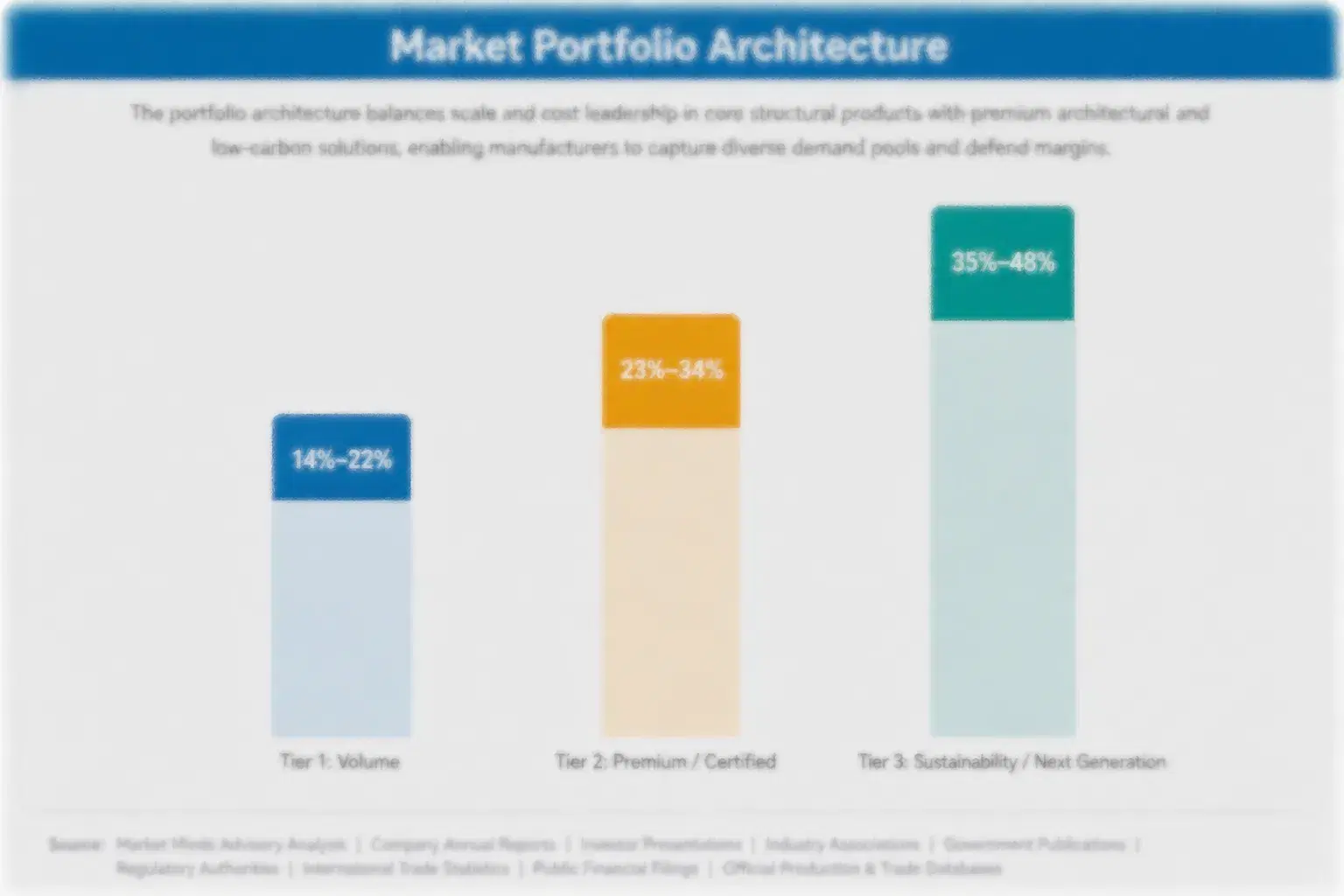
Portfolio Architecture for Margin Defence

Margins run from thin returns on packaged supermarket loaves sold in bulk to strong profits on artisan, wholegrain, and par-baked export formats sold with craft positioning and technical service, with gross margin roughly doubling between the volume tier and the top tier. Fermentation skill, brand trust, and format engineering create pricing power, and shoppers pay more for a loaf that tastes fresh and shows real craft.
Volume and premium pull in different directions. Packaged and in-store sourdough sells in large lots to price-driven shoppers at thin margins and faces wage and energy swings, while artisan, wholegrain, and export lines sell in smaller lots at higher margins but need skilled labour, cold chain, and brand storytelling. Bakers must decide how much capital to commit to premium capacity and how quickly to move, since skilled staff take years to train.

High-value pools concentrate in frozen and par-baked sourdough for cafes, hotels, and export customers, wholegrain and gluten-reduced loaves for health-focused shoppers, and sourdough pizza bases for restaurants. These segments benefit from recurring orders, documented quality, and limited competition from supermarket private label. Bakers that combine fermentation skill, freezing capacity, and distribution hold advantages that rivals cannot copy quickly.

Volume / Commodity-Adjacent Tier

Packaged supermarket sourdough and in-store loaves sold in bulk, with thin margins, flour and energy cost exposure, and constant price competition from private label and industrial bakeries, where shoppers switch when prices move by a dollar or when promotions change.
Gross Margin: 18%-28%

Premium / Certified Tier

Artisan bakery loaves with organic or local grain certification, batch documentation, and consistent crust and crumb, sold through franchise stores and independent bakeries to households and cafes that require reliable daily supply, quality ingredients, and dependable early-morning delivery.
Gross Margin: 28%-40%

Sustainability / Regulatory / Next-Generation Tier

Frozen and par-baked sourdough, wholegrain and gluten-reduced loaves, and pizza bases supported by cold chain, export certification, and technical service, positioned for cafes, hotels, airlines, and Asian customers seeking fresh-baked quality without skilled labour on site.
Gross Margin: 36%-54%
australia-sourdough-market-portfolio-architecture-1789781233164

High-value Sub-segments and Strategic Watch-out

Frozen and Par-Baked Sourdough

Frozen and par-baked sourdough combines the fastest growth with strong pricing, since cafes, hotels, and export buyers pay 15% to 30% premiums to avoid skilled labour. Freezing capacity and crust know-how limit competition, and bakers with consistent supply win multi-year contracts. Volume follows as venues cut labour costs.
Gross Margin: 36%-54%

Sourdough Pizza Bases and Flatbreads

Sourdough pizza bases and flatbreads offer high value with solid growth, because restaurants and supermarkets pay 10% to 25% premiums for crisp crust and tang. Dough consistency and frozen logistics limit scale, though suppliers with reliable delivery defend margin. Pizza chains renew menus each season, so contracts remain competitive.
Gross Margin: 30%-46%

Packaged Supermarket Loaves

Packaged supermarket loaves form the volume core, sold to households who want everyday sourdough at moderate prices. Margins are thin and exposed to flour and energy swings, but steady demand supports scale, and bakers with automated plants and supermarket relationships hold cost advantages, though private label pressure limits pricing.
Gross Margin: 18%-30%

Sourdough Pastries and Sweet Goods

Sourdough pastries and sweet goods are a strategic watch-out, valued for cafe differentiation but limited by small volumes, higher labour, and short shelf life. Consumer interest could expand or restrict demand, so bakers should track cafe adoption, waste, and margins carefully before committing capital to dedicated pastry lines and staff.
Gross Margin: 28%-48%

Why Cafes and Households Stay Loyal

Sourdough demand behaves like an annuity once a household or cafe adopts a baker. Loaves are bought weekly, cafes reorder several times a week, and supermarket ranges rotate slowly. Bakers that hold a cafe or franchise relationship for years earn steady volume, and renewals follow quality and price rather than tenders, because a change of baker risks crust, tang, and slice size differences on a menu that customers already know.
Adoption stickiness varies by vertical. Cafes and hotels with fixed menus are deepest, since bread specifications and slice size are built into recipes. Neighbourhood households are next, because habit and personal relationships form around a bakery. Supermarket shoppers are moderate, driven by promotions, while airline caterers and export buyers are contract-based, and small cafes rotate suppliers when a cheaper lot appears.

Buyer profiles are shifting. Older shoppers bought sourdough as a treat from a local baker, while younger households buy it weekly from supermarkets and apps, read ingredient lists, and share posts online. They compare labels, follow bakers on social media, and switch quickly if quality slips, so bakers that publish ingredients, explain fermentation, and keep quality steady keep loyalty across generations and win larger shares of the weekly basket.
australia-sourdough-market-end-use-penetration-index-1789781233468

MMA Verdict on Australian Sourdough Strategy

These are among the four positions where our research anticipates prominent divergence between winners and laggards over the coming forecast period. Each is grounded in the demand model, the regulatory perimeter, and the announced capacity pipeline.
01 / PAR-BAKED FORMAT STRATEGY

Build Frozen and Par-Baked Capacity Before Cafe Groups Standardise on Rival Suppliers

Par-baked sourdough grows at 10.6% a year, about 1.61 times the market rate, and earns 34% to 42% gross margin on wholesale. Freezing lines cost $1.5 million to $5 million. MMA recommends installing one freezing line and signing three cafe or hotel groups on annual contracts within 18 months, because venues that adopt a par-baked loaf write it into menus and rarely change suppliers, and early bakers hold accounts that later entrants struggle to win, and each contract also brings referrals to neighbouring venues.
02 / LABOUR AUTOMATION STRATEGY

Automate Shaping and Loading to Cut Skilled Hours Before Awards Rise

Automation cuts labour per loaf by 20% to 35% and costs $2 million to $8 million, with payback in three to five years. Labour is 30% to 40% of independent bakery cost. MMA advises automating shaping and loading on the two highest-volume lines within two years while keeping hand finishing for premium loaves, because award wages rise annually, and bakers that cut labour per loaf protect margin without abandoning the craft positioning that supports premium prices, which retailers and cafes continue to reward.
03 / EXPORT GROWTH STRATEGY

Qualify Export Plants and Sign Annual Agreements With Asian Cafes and Hotels

Exports earn prices 20% to 40% above domestic wholesale and add 8 to 12 gross margin points. Certification and cold chain cost $500,000 to $1.5 million. MMA recommends certifying one plant and signing two Singapore or Hong Kong customers within 24 months, because hotel and cafe buyers rarely change suppliers once a bread is on the menu, and early exporters capture repeat orders and dollar-linked revenue that stabilises cash flow, which matters when domestic sales swing with wage and energy costs.
04 / INPUT COST STRATEGY

Fix Energy Costs and Contract Flour Regionally Before the Next Price Spike

Energy is 9% of cost of goods and flour 31%, and 2022 raised oven costs by 30% to 60%. Efficient ovens cut energy use by 15% to 25%. MMA advises fixing energy prices for 60% of use and signing regional flour contracts within two years, because bakers that hold margins through commodity shocks survive while others close, and lenders reward that stability with lower borrowing costs for expansion and new equipment, while unhedged rivals face margin shocks each time gas prices reset.

Engagement Snapshot From the Field

A live engagement with an industry participant carrying material or product regulatory and market exposure ahead of a defining policy shift, showing how our research translates into a defensible multi-year portfolio strategy.
MARKET MINDS ADVISORY · CLIENT ENGAGEMENT SUMMARY
Australia Sourdough Producer Strategic Portfolio Review and Transition Roadmap 2026·Investment Scenario on Australia Sourdough Exposure Evaluation 2025-26
CLIENT PROFILE
The client is a mid-sized Australian bakery group with one central bakery and eight retail shops in Sydney and Melbourne, generating roughly A$38 million in annual revenue (client-reported, unverified by MMA), selling sourdough loaves, pastries, and cafe wholesale. Gross margin sat near 27% (client-reported, unverified by MMA), and labour was 38% of cost of goods.
STRATEGIC CHALLENGE
Award wages and energy costs had risen sharply, skilled bakers were hard to hire, two cafe groups asked for par-baked supply the client could not provide, supermarkets had launched competing sourdough ranges, and an Asian distributor requested export-grade frozen loaves. Leadership needed a plan that cut labour dependence, added frozen and export lines, and protected quality.
MMA APPROACH
MMA interviewed 30 cafe, hotel, and supermarket buyers, analysed cost and sales data across 40 products, benchmarked five bakeries on labour productivity and format mix, and modeled economics for par-baking, automation, and export under high, base, and low wage and energy scenarios. Analysts also visited the central bakery. Findings were validated with client managers.
KEY FINDINGS
  1. A freezing line costing about A$3 million would allow wholesale supply worth 15% of revenue at margins 9 points above retail (client-reported, unverified by MMA).
  2. Automated shaping and loading would cut labour per loaf by 24% and reduce overnight staffing by six shifts a week, based on plant time studies.
  3. Export certification costing about A$0.9 million would open Singapore orders worth 6% of revenue at margins 10 points above domestic wholesale, based on distributor quotes.
  4. Fixed-price energy contracts and heat recovery would cut oven cost by 20% and reduce margin volatility by three points, according to supplier quotes and energy analysis.
CLIENT PROFILE
The client is a mid-sized Australian bakery group with one central bakery and eight retail shops in Sydney and Melbourne, generating roughly A$38 million in annual revenue (client-reported, unverified by MMA), selling sourdough loaves, pastries, and cafe wholesale. Gross margin sat near 27% (client-reported, unverified by MMA), and labour was 38% of cost of goods.
STRATEGIC CHALLENGE
Award wages and energy costs had risen sharply, skilled bakers were hard to hire, two cafe groups asked for par-baked supply the client could not provide, supermarkets had launched competing sourdough ranges, and an Asian distributor requested export-grade frozen loaves. Leadership needed a plan that cut labour dependence, added frozen and export lines, and protected quality.
MMA APPROACH
MMA interviewed 30 cafe, hotel, and supermarket buyers, analysed cost and sales data across 40 products, benchmarked five bakeries on labour productivity and format mix, and modeled economics for par-baking, automation, and export under high, base, and low wage and energy scenarios. Analysts also visited the central bakery. Findings were validated with client managers.
KEY FINDINGS
  1. A freezing line costing about A$3 million would allow wholesale supply worth 15% of revenue at margins 9 points above retail (client-reported, unverified by MMA).
  2. Automated shaping and loading would cut labour per loaf by 24% and reduce overnight staffing by six shifts a week, based on plant time studies.
  3. Export certification costing about A$0.9 million would open Singapore orders worth 6% of revenue at margins 10 points above domestic wholesale, based on distributor quotes.
  4. Fixed-price energy contracts and heat recovery would cut oven cost by 20% and reduce margin volatility by three points, according to supplier quotes and energy analysis.
RECOMMENDED STRATEGY
Phase 1: Phase 1 (Months 1-6): Fix energy prices, sign regional flour agreements, and begin export certification at the central bakery this year. Phase 2: Phase 2 (Months 7-18): Install the freezing line and automated shaping, sign two cafe groups on annual agreements, and ship first Singapore containers. Phase 3: Phase 3 (Months 19-30): Extend par-baked supply to hotels and airlines, review pricing each quarter, and evaluate a second central bakery.
OUTCOME
Within 30 months, par-baked and export products reached about 22% of revenue, and gross margin rose from 27% to about 33% (client-reported, unverified by MMA). Labour per loaf fell by 22%, two cafe groups signed annual agreements, and the board approved a second freezing line for the following year.

Frequently Asked Questions

Foundational context covering the market sizes, CAGR, scope, country, region and competition that inform every finding below. This section is provided to cover basics and most often pre-purchase conversations, answered from the MMA Primary Research Dataset.

What is the current size of the Australia Sourdough Market?

The Australia sourdough market was valued at $0.6 billion in 2025. This covers sourdough bread, rolls, pizza bases, pastries, and frozen products made in Australia and sold domestically or exported.

How large will the Australia Sourdough Market be by 2036?

MMA projects the market will reach approximately $1.2 billion by 2036. This represents cumulative growth of roughly $0.6 billion over the full ten-year forecast window.

What is the CAGR for the Australia Sourdough Market 2026 to 2036?

The market is forecast to grow at a 6.6% compound annual rate between 2026 and 2036. The bull case reaches 7.9% while the bear case falls to 5.3%.

Which segment is growing fastest?

Frozen and Par-Baked Sourdough is the fastest-growing segment at 10.6% CAGR, roughly 1.61 times the overall market rate. Sourdough Pizza Bases and Flatbreads follows as the second-fastest segment at 8.9% CAGR each year.

Who are the major companies in the Australia Sourdough Market?

Leading participants include Bakers Delight, Grupo Bimbo through Tip Top, Goodman Fielder, Woolworths Group, and Coles Group. These five participants together hold an estimated 38% of total category revenue, based on MMA analysis of company disclosures.

Which country is growing fastest?

Singapore is the fastest-growing major market, expanding at approximately 9.8% CAGR each year. Cafe and hotel expansion, demand for frozen bread, and Australian food branding are driving this above-market growth across the country.

Report Segmentation Architecture

The full report scope spans multiple orthogonal segmentation dimensions, with cross-tabulated demand data provided for each dimension pair. Coverage extends further to regional breakdowns, trend trajectories, and the competitive detail needed to support segment-level decision-making.

By Primary Market Dimension

  • Frozen and Par-Baked Sourdough
  • Sourdough Pizza Bases and Flatbreads
  • Artisan Bakery Loaves
  • Packaged Supermarket Loaves
  • Rolls, Buns, and Baguettes
  • Sourdough Pastries and Sweet Goods

By End-Use Industry

  • Household Consumption
  • Cafes and Restaurants
  • Hotels and Catering
  • Airlines and Travel Retail
  • Pizza and Sandwich Chains

By Commercial Dimension

  • Franchise and Independent Bakeries
  • Supermarket In-Store and Packaged
  • Foodservice Supply Contracts
  • Export Distribution

By Region

  • North America
  • Western Europe
  • East Asia
  • South Asia and Pacific
  • Latin America
  • Middle East and Africa
  • Eastern Europe

Scope, Methodology, and Coverage

Every figure in this report is reproducible from documented input assumptions. The scope below maps the historical period, the forecast horizon, the segmentation dimensions, and the countries covered, alongside the underlying primary and qualitative methodology.
Historical Period
2020 to 2025
Forecast Period
2026 to 2036
Base Year
2025 (USD billions; MMA Primary Research Dataset, September 2026)
Market Definition
Australia sourdough comprises bread, rolls, pizza bases, pastries, and par-baked products made with a sourdough fermentation, whether from natural starters or defined sourdough cultures, produced in Australia and sold domestically through artisan bakeries, supermarkets, cafes, and foodservice, or exported as fresh or frozen products to New Zealand and Asia. The scope excludes yeast-leavened bread with acid additives sold as sourdough-style, imported sourdough sold in Australia, and sourdough starters and premixes sold separately.
Quantitative Units
USD billions (current prices); million loaves for volume references
Segmentation Dimensions
By Product Format; By End-Use Industry; By Commercial Dimension; By Region
Regions Covered
North America, Western Europe, East Asia, South Asia and Pacific, Latin America, Middle East and Africa, Eastern Europe
Countries Covered
Australia, New Zealand, Singapore, Malaysia, Indonesia, Japan, Hong Kong, China, UAE, Qatar, Saudi Arabia, South Africa, USA, Canada, UK, Chile, Poland, and additional markets relevant to this sector
Key Companies Profiled
Bakers Delight, Grupo Bimbo (Tip Top), Goodman Fielder, Woolworths Group, Coles Group, Brumby's Bakeries, Bourke Street Bakery, Zeally Bay Sourdough, Sonoma Baking Company, Baker Boys, Laurent Bakery, Allied Mills, Kialla Pure Foods, Puratos, Lesaffre, Europastry, Aryzta, Dawn Foods, Vandemoortele, Lantmannen Unibake
Quantitative Methodology
Primary survey, n=3,800 respondents, Q4 2025, six countries; demand-side model with trade association cross-validation
Qualitative Methodology
47 expert interviews, Q4 2025; applied to validate demand model assumptions, identify emerging dynamics, and assess competitive positioning
Report Format
PDF and XLSX data workbook (Word format preview document)
Publisher
Market Minds Advisory
Report Code
MMA-2026-AGR-353
Published
September 2026
Contact
sales@marketmindsadvisory.com | www.marketmindsadvisory.com

Purchase the full Australia Sourdough Market Report (2026 to 2036).

The full report delivers a detailed assessment of the Australia sourdough market, product formats, and competitive positioning through 2036. It includes segment forecasts by product format, regional data anchored on Australia and its export destinations across all seven world regions, and profiles of the twenty companies most relevant to sourdough supply. Analysts also receive input cost modeling and portfolio margin benchmarking built from MMA's primary research dataset. A scenario planning module lets subscribers stress-test bull and bear assumptions against wages, energy, and export outcomes. Quarterly updates keep the whole dataset current throughout the subscription year for every subscriber.
Ten-year segment and regional demand forecasts
Flour, wage, and energy cost tracking
Competitive benchmarking of top twenty bakers
Bakery award and labelling rule tracker
Export destination demand comparative analysis included
Quarterly primary survey data update access

Built For The People Who Decide

From boardroom strategy to bench-side execution, this report is read cover-to-cover by leaders shaping the next decade of their industry, turning demand scenarios, market dynamics and valuation benchmarks into decisions.
CXOs/ Presidents/ VPs/ Managers
M&A and Corporate Development
Strategy Teams and R&D Heads
Procurement and Product Directors
Regulatory and Compliance Leaders
Investor Relations and Equity Analysts