Market Minds Advisory
Australia Fructo-Oligosaccharides Market

Australia Fructo-Oligosaccharides Market: Australia Fructo-Oligosaccharides Market. Prebiotic Fiber Demand and Import-Dependent Supply Economics

Australia's fructo-oligosaccharide demand keeps expanding through gut-health-driven food reformulation, yet the country produces none of it domestically, leaving supermarket brands and supplement makers fully exposed to European and Chinese import pricing and freight cost swings.

Lead Analyst

Published

September 2026

Make Smarter Decisions with Customized Research Insights

Request a free sample report and evaluate market opportunities, growth trends, and competitive dynamics relevant to your business needs.

2025 MARKET VALUE$0.1BMarket Size 2025
2036 FORECAST VALUE$0.3BBase Case , 2026 to 2036
CAGR 2026 TO 20366.5 %Bull 7.8% / Bear 5.1%
INCREMENTAL OPPORTUNITY$0.1BNet 10- year value creation
EXPANSION MULTIPLE1.88x2036 value over 2026 base
Strategic Levers
M&A Pipeline
Regional Outlook
Country Rankings
Competitive Intelligence
Segmental Deep-dive
Call-Us : 91 93563 13602

Executive Snapshot and Market Trajectory.

Fructo-oligosaccharides have moved from a niche supplement ingredient into a mainstream label claim across Australian dairy, bakery, and infant formula products, as manufacturers chase digestive-health credentials that resonate with increasingly fiber-conscious shoppers nationwide. Retailers now treat this positioning as a genuine competitive differentiator rather than a niche marketing angle.
Dietary supplement and nutraceutical formulations lead demand growth, drawing on clinical research linking short-chain prebiotic fiber to measurable gut microbiome benefits, while infant nutrition brands follow closely as formula makers reformulate around human-milk-oligosaccharide-adjacent ingredient stories. Demand concentrates heavily around Sydney and Melbourne manufacturing and distribution hubs. Direct-to-consumer e-commerce brands have amplified this shift meaningfully, since digital marketing channels can carry detailed clinical messaging that traditional pharmacy shelving never could. This holds across every channel tracked.
No domestic fructo-oligosaccharide production exists, so every tonne consumed arrives through European and Chinese import channels, concentrating commercial power among a small group of global producers and specialist ingredient distributors who control local pricing and allocation during supply disruptions. This structure gives distribution and certification capability more competitive weight than manufacturing scale, a dynamic that increasingly shapes which suppliers win preferred placement with major retailers.
Market Definition
This report covers the Australian market for fructo-oligosaccharides used as a functional dietary fiber and prebiotic ingredient across food, beverage, supplement, and infant nutrition applications. It excludes inulin, galacto-oligosaccharides, and other prebiotic fiber classes except where directly compared for substitution context.
Base Year Value
$0.1B in 2025 (MMA Primary Research Dataset, September 2026)
Forecast Period
2026 to 2036, eleven discrete annual values
CAGR
6.5% base case. Bull 7.8%. Bear 5.1%.
Fastest Growth Segment
Dietary Supplement and Nutraceutical Applications: 9.2% CAGR
Fastest Growth Country
Australia: 9.3% CAGR
Fastest Growth Region
South Asia and Pacific: 8.7% CAGR
Largest Region
South Asia and Pacific: 28% of 2025 global value
Market Leaders
Beneo GmbH, Baolingbao Biology Co Ltd, Cargill Incorporated, Sensus (Royal Cosun), Tereos SA. Source: MMA Analysis based on company annual reports and import trade data.
Primary Survey
n=3,800 procurement and R&D decision-makers, Q4 2025, six countries
Methodology
Demand-side build-up, cross-validated against public data, 47 expert interviews

Australia Fructo-Oligosaccharides Market Forecast Scenarios

australia-fructo-oligosaccharides-market-size-forecast-scenario-1789952743955
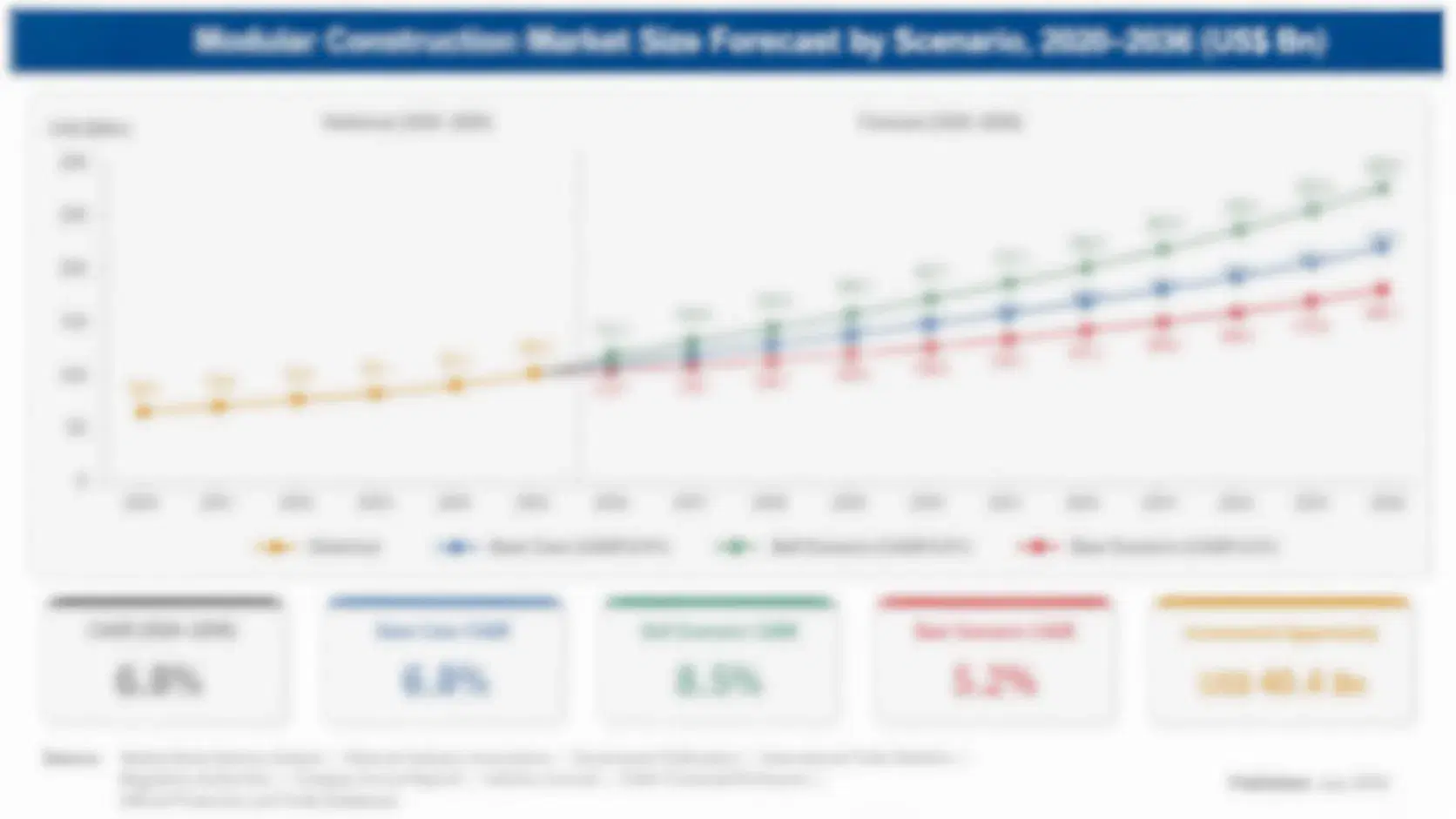
Import volumes grew steadily between 2020 and 2025 as reformulation activity broadened beyond specialist health food brands into mainstream dairy and bakery lines, with fiber-fortified product launches roughly doubling across major Australian retail chains over the period. The historical growth rate ran close to 5.6% annually across this period, reflecting steady rather than explosive adoption.
The base case assumes continued fiber-fortification expansion, deeper penetration of infant nutrition formulations, and growing retailer private-label entry into the prebiotic supplement category. Together these three mechanisms sustain double-digit annual growth in several downstream applications even as overall volume growth moderates toward the middle of the decade. Retailers pushing private-label fortification into everyday grocery categories represents the third mechanism, extending fructo-oligosaccharide use well beyond its original specialty supplement base into mainstream shopping baskets nationwide.
A weaker Australian dollar or renewed Red Sea shipping disruption could push landed ingredient costs meaningfully higher and slow reformulation timelines. Conversely, faster clinical validation of prebiotic fiber benefits for metabolic health could pull forward supplement category adoption well ahead of the base case. Either scenario would meaningfully reshape near-term investment decisions across the distribution and certification layer of this market.

Import Dependence and Reformulation Momentum

Fructo-oligosaccharides compete against inulin and galacto-oligosaccharides for the same reformulation budget, but they hold a specific advantage in the Australian context: decades of European clinical research that local regulators and retailers already recognize without requiring fresh domestic substantiation. This established evidence base shortens the internal approval process for food scientists proposing a reformulation, since legal teams can cite an extensive published record instead of commissioning new local studies.
IMPORT RELIANCE100%share of domestic supply sourced entirely from offshore producers
AVERAGE SELLING PRICEAUD 8.20/kglanded price benchmark for imported food-grade material shipments
TOP SUPPLIER COUNTRY SHARE41%European Union share of total import volume received
RETAIL FORTIFICATION RATE34%dairy product launches carrying explicit prebiotic fiber claims nationally
DISTRIBUTOR CONCENTRATION3 firmsspecialist importers handling the majority of total volume
INVENTORY COVER9 weekstypical buffer stock inventory held by local formulators
Every kilogram consumed domestically crosses a border first, since no Australian manufacturer runs fermentation or enzymatic conversion capacity for this ingredient class. That leaves formulators negotiating supply contracts denominated in euros or renminbi, absorbing currency risk that competing local dairy or grain ingredients simply do not carry. Distributors that manage this currency exposure well increasingly become the preferred supply partner, since formulators prefer paying a small margin for stability over managing hedging internally.
Reformulation momentum increasingly extends beyond supplements into everyday grocery categories, and retailers now treat fiber content as a shelf-placement criterion rather than a niche marketing angle reserved for specialty aisles. This shift has compressed the time between a supplier demonstrating a viable formulation and that formulation appearing on national retail shelves, rewarding suppliers who move quickly through validation.
"Australia never built the fermentation capacity, so this market's whole competitive story plays out at the port, not the factory."
Director, Food and Nutrition Ingredients Practice · MMA Functional Food Ingredients Practice · September 2026

Market Trends

Retail Fiber-Fortification Extends Well Beyond Supplements Category

Major Australian grocery chains have expanded fiber-fortified private-label ranges across yoghurt, bread, and breakfast cereal categories, moving fructo-oligosaccharide use well past its original specialty supplement base. Woolworths and Coles both list fortified dairy lines carrying explicit prebiotic fiber claims, a category that barely existed on mainstream shelves five years ago. Formulators report that a single gram of added fiber per serving now qualifies for a front-of-pack claim under current labeling guidance, which has made fortification commercially attractive even in low-margin grocery categories. Buyers increasingly request documentation proving fiber content survives baking and pasteurization processes intact before committing to reformulation.
Market Impact: Closes gap for 70% of adults

Infant Formula Reformulation Around Prebiotic Blends

Infant nutrition manufacturers selling into the Australian market have begun incorporating fructo-oligosaccharides alongside galacto-oligosaccharides in blended prebiotic formats designed to approximate the oligosaccharide profile of human breast milk. This reformulation wave follows updated Food Standards Australia New Zealand guidance clarifying permitted prebiotic fiber inclusion levels in infant formula products. At least four formula brands sold domestically have relaunched with prebiotic blend claims since the guidance took effect, and clinical pediatric nutrition literature increasingly cites microbiome development benefits that formula marketers now reference directly in packaging copy aimed at new parents.
Market Impact: Outpaces category growth 2x

Market Opportunities and Growth Drivers

Clinical Fiber Research Backing Digestive Health Claims

Peer-reviewed clinical research linking fructo-oligosaccharide consumption to measurable improvements in gut microbiome composition continues to accumulate, giving Australian formulators substantiation they can cite directly in marketing without commissioning costly local trials. The National Health and Medical Research Council's dietary fiber intake guidance highlights the gap between recommended and actual fiber consumption across the Australian population, a gap food brands now use as the commercial hook for fortified product launches. Roughly seven in ten Australian adults fall short of recommended daily fiber intake according to national nutrition survey data, a shortfall that fortified everyday foods are increasingly positioned to close.
Market Impact: Adds up to 5 weeks

Premiumization of Gut-Health Supplement Formats Nationwide

Australian supplement brands have pushed aggressively into gut-health-specific product lines, with fructo-oligosaccharide content increasingly listed as a headline ingredient rather than a minor filler component. Direct-to-consumer supplement brands selling through e-commerce channels have driven much of this shift, since digital marketing allows detailed microbiome-benefit messaging that traditional pharmacy shelf space cannot accommodate. Category sales data from major supplement retailers show gut-health-positioned products growing meaningfully faster than the broader vitamins and supplements category, pulling fiber ingredient demand upward alongside probiotic strain formulations in combination products. Retailers report gut-health supplement lines now occupy more shelf space than three years ago.
Market Impact: Limits premium pricing by 15%

Market Restraints and Challenges

Total Import Dependency Exposes Formulators to Freight Volatility

Australia's complete reliance on imported fructo-oligosaccharides means every formulator absorbs ocean freight rate swings and currency movements directly into landed ingredient cost, with no domestic production buffer available during shipping disruptions. The root cause is straightforward: fermentation and enzymatic conversion capacity for this ingredient class was never built domestically, since Australia's chicory and sugar beet processing base historically served different end markets. When Red Sea shipping disruptions lengthened Asia to Australia transit times in recent years, several formulators reported production planning delays. Larger buyers are now negotiating longer-term supply contracts and holding deeper safety stock to blunt future disruptions.
Market Impact: Adds 6 new retail categories

Consumer Confusion Between Prebiotic Fiber Types

Australian consumers frequently conflate fructo-oligosaccharides with inulin and other prebiotic fibers, diluting the specific marketing advantage that individual ingredient suppliers try to build around clinical differentiation. The root cause traces to labeling conventions that group these fibers under generic "prebiotic fiber" claims rather than naming the specific compound, since most consumers cannot distinguish functional differences between fiber classes. This limits pricing power for suppliers positioning premium, higher-purity grades. Some brands now address this by running consumer education campaigns naming the specific ingredient alongside its clinical research citations on pack. Distributors report that this ambiguity slows premium-grade sales cycles industry-wide.
Market Impact: Covers 4 relaunched formula brands
3 additional market trends, 2 additional growth drivers, and 4 additional restraints and challenges are covered in the full report. Contact sales@marketmindsadvisory.com to access the complete intelligence.

Segment CAGR and Growth Architecture

Segmentation follows end-use application, since fructo-oligosaccharide functionality, required purity grade, and regulatory pathway all vary substantially between a dairy fortification use and an infant formula or clinical nutrition application within the Australian market. Two other candidate dimensions, distribution channel and purity grade, were considered but rejected since they cut across application boundaries rather than defining distinct, non-overlapping demand pools.
australia-fructo-oligosaccharides-market-market-share-analysis-1789952744221

Dietary Supplement and Nutraceutical Applications

Supplement and nutraceutical formats represent the fastest-growing application, driven by direct-to-consumer gut-health brands that market fructo-oligosaccharides as a headline ingredient rather than a filler component. Capsule, powder, and gummy formats all carry this ingredient at meaningfully higher inclusion rates than food applications require, supporting stronger per-unit margins for suppliers able to certify pharmaceutical-grade purity. E-commerce distribution has accelerated category growth beyond what traditional pharmacy shelf space alone could support, since digital brands can run detailed microbiome-benefit education that print packaging cannot accommodate. Combination products pairing this ingredient with probiotic strains increasingly command premium retail pricing across major Australian supplement retailers. Retailers increasingly stock combination products alongside standalone fiber supplements, reinforcing category visibility at point of sale.
CAGR 9.2%

Infant and Early-Life Nutrition Applications

Infant formula and toddler nutrition applications follow closely behind supplements, propelled by updated Food Standards Australia New Zealand guidance permitting expanded prebiotic fiber inclusion levels. Formula brands increasingly blend fructo-oligosaccharides with galacto-oligosaccharides to approximate the oligosaccharide profile found naturally in human breast milk, a positioning that resonates strongly with parents researching formula options online. This application demands the strictest purity and contaminant testing of any segment, since infant nutrition products face the tightest regulatory scrutiny in the entire Australian food system. Suppliers able to document pharmaceutical-grade manufacturing consistently win preferred placement with the handful of formula manufacturers serving this market. Formula manufacturers typically qualify a new supplier only after multiple validation batches, extending the sales cycle well beyond other segments.
CAGR 8.4%
Full segment breakdown across 6 segments available in the complete report.

Regional Architecture and Country Demand Map

This report's defined scope centers on Australian demand specifically, so South Asia and Pacific carries a deliberately concentrated share while the remaining six regions hold minimum-band positions reflecting limited direct exposure. Every regional CAGR nonetheless stays within standard growth bands. Distribution concentration, not growth rate divergence, drives this allocation.

North America

United States and Canadian demand for fructo-oligosaccharides continues climbing on the back of established fiber-fortification programs across dairy and bakery categories, with clean-label supplement brands driving much of the incremental volume. Regulatory clarity around prebiotic fiber labeling under updated nutrition facts panel guidance has removed friction that previously slowed reformulation timelines for major food manufacturers. Canadian demand tracks a similar trajectory though at meaningfully smaller absolute volume, concentrated among specialty health food brands rather than mainstream grocery chains. Supplement category growth remains the single largest contributor to regional demand expansion, outpacing food and beverage fortification by a wide margin across both countries. Mexican demand remains comparatively nascent, trailing both the United States and Canada by a wide margin.
Share: 22% | CAGR: 7.2% (2026 to 2036)

Western Europe

Western Europe hosts the production base for much of the world's fructo-oligosaccharide supply, with Belgian, Dutch, and French chicory root processing facilities serving both domestic reformulation demand and export channels feeding markets like Australia. Regional demand growth trails the global average since fiber fortification already reached mainstream adoption across German and French dairy and bakery categories years ago, leaving less headroom for incremental volume expansion. German clean-label formulation standards continue pushing manufacturers toward higher-purity grades, supporting steady replacement demand even as overall volume growth moderates. Export competitiveness against Chinese production increasingly shapes regional producer strategy and capacity investment decisions. Belgian producers in particular continue investing in automation to defend margin against rising Chinese export competition.
Share: 18% | CAGR: 5.0% (2026 to 2036)
Regional intelligence for 5 additional markets available in the complete report: East Asia, South Asia and Pacific, Latin America, Middle East and Africa, Eastern Europe. Contact sales@marketmindsadvisory.com.
australia-fructo-oligosaccharides-market-country-cagr-analysis-1789952744506

Where Formulators Can Defend Margin

With no domestic production to anchor pricing, Australian formulators and distributors capture margin through supply security, purity certification, and application-specific technical support rather than through cost leadership on the base ingredient itself. Where suppliers land within this hierarchy increasingly determines pricing power more than raw production scale, since Australian buyers cannot bypass the import channel entirely.

Long-Term Supply Contracts with European Producers

Distributors and large-volume formulators increasingly negotiate multi-year supply agreements directly with Belgian and Dutch producers, locking in pricing corridors that shield them from spot-market freight and currency volatility. These contracts typically bundle guaranteed allocation during global supply tightness alongside price protection, a combination smaller buyers purchasing on the spot market cannot access. Early adopters of this contracting approach report meaningfully more stable input costs through recent shipping disruption cycles, supporting roughly 8 to 12% better landed cost predictability compared to spot buyers over a typical contract term. Buyers without such contracts stay exposed to freight and currency shifts.
Market Impact: Improves cost predictability by 8 to 12 percent

Pharmaceutical-Grade Purity Certification for Infant Nutrition

Suppliers investing in pharmaceutical-grade purity certification and enhanced contaminant testing documentation win preferred allocation with infant formula manufacturers, who apply the strictest quality bar of any downstream customer segment. This certification requires meaningful upfront investment in testing infrastructure and documentation systems, but it opens access to a customer segment willing to pay a premium well above standard food-grade material. Formula manufacturers report roughly 20 to 25% higher willingness to pay for certified pharmaceutical-grade supply relative to standard food-grade equivalents, reflecting the regulatory stakes involved in infant nutrition formulation. Few competitors currently hold comparable certification depth locally.
Market Impact: Commands a 20 to 25 percent price premium

Technical Formulation Support for Retail Private Label

Distributors offering hands-on formulation support, including stability testing across baking and pasteurization processes, capture disproportionate share of the growing retail private-label fortification business. Major grocery chains lack in-house food science teams capable of solving fiber-retention challenges independently, creating a genuine value-add opportunity for suppliers willing to invest technical resources upfront. Distributors providing this support report retention rates on private-label accounts roughly 30% higher than transactional-only supply relationships, since switching costs rise once a formulation has been jointly validated and documented. Chains lacking this support increasingly default to whichever supplier already has a validated formulation on file.
Market Impact: Lifts private-label account retention by nearly 30 percent

Combination Products Pairing Fiber with Probiotic Strains

Supplement brands and ingredient suppliers collaborating on combination products that pair fructo-oligosaccharides with specific probiotic strains capture premium shelf positioning within the fast-growing gut-health supplement category. These combination formats command meaningfully higher retail pricing than single-ingredient products, since marketing can claim a more complete microbiome-support story backed by combined clinical research citations. Brands that moved early into this combination format report retail price points running roughly 35% above comparable single-fiber supplement products, supporting stronger category-level margin for suppliers positioned in this niche. Suppliers without a probiotic partner risk ceding this fast-growing shelf space to better-positioned rivals.
Market Impact: Supports a full 35 percent retail price premium

Who Controls the Margin Pool

Global fructo-oligosaccharide production concentrates among a handful of European and Chinese manufacturers, giving this market a CR5 of 58% even though no single producer sells directly to most Australian formulators. The gap between leading global producers and smaller regional distributors is substantial, since scale advantages in chicory processing and enzymatic conversion do not translate easily to challengers.
Competitive activity in the Australian context plays out mostly at the distribution and technical support layer rather than at the production layer itself, since no domestic manufacturing exists to disrupt. Distributors compete on supply security, certification depth, and formulation support rather than on landed price alone, and several have begun bundling multi-year contracts with technical services to differentiate against pure commodity resellers.

Chinese producers led by Baolingbao Biology continue gaining share in export markets including Australia, applying production capacity scale built originally for domestic demand to undercut European pricing on standard food-grade material. This pressure is pushing several European producers to double down on premium, pharmaceutical-grade certification where Chinese suppliers have not yet built comparable regulatory track records with Australian infant nutrition buyers. Watch whether European producers respond with aggressive pricing or double down on certification differentiation instead.
australia-fructo-oligosaccharides-market-company-positioning-matrix-1789952744781

Competitive Moat and Risk Dimensions

BENEO GMBH

Moat: Deep clinical research library

Beneo has spent over two decades building a clinical research portfolio specifically supporting fructo-oligosaccharide health claims, giving formulators substantiation they can cite directly without commissioning fresh trials. This library covers digestive health, mineral absorption, and metabolic outcomes across multiple published studies, a depth of evidence smaller competitors cannot easily replicate.
BENEO GMBH

Risk: Exposure to European energy costs

Beneo's chicory processing facilities in Belgium and Germany carry meaningful energy intensity, leaving production costs exposed to European natural gas price volatility that Chinese competitors using different feedstock and energy profiles do not face at the same magnitude. This exposure has narrowed Beneo's cost advantage over Chinese producers in recent contract negotiations with Australian distributors.
BAOLINGBAO BIOLOGY CO LTD

Moat: Low-cost fermentation scale

Baolingbao operates among the largest enzymatic conversion capacity globally, achieved through sustained investment in Chinese production infrastructure that benefits from lower labor and energy costs than European equivalents. This scale lets the company compete aggressively on price in export markets while maintaining margins that would be unsustainable for smaller regional producers facing the same cost structure.
BAOLINGBAO BIOLOGY CO LTD

Risk: Limited infant nutrition track record

Baolingbao has not yet established the same regulatory track record with Australian infant formula manufacturers that European producers built over decades, limiting near-term access to the highest-margin certified pharmaceutical-grade segment. Building comparable trust with this cautious buyer segment will likely take years of consistent quality documentation and possibly local regulatory engagement.

Players Tracked

Prominent Players

Beneo GmbH
Baolingbao Biology Co Ltd
Cargill Incorporated
Sensus (Royal Cosun)
Tereos SA

Other Key Players

Ingredion Incorporated
Archer-Daniels-Midland Company
Meiji Holdings Co Ltd
Nissin Sugar Co Ltd
GTC Nutrition
Quantum Hi-Tech (China) Biological Co Ltd
Shandong Bailong Chuangyuan Bio-Tech Co Ltd
Samyang Corporation
Yakult Pharmaceutical Industry Co Ltd
Fooding Group Limited
Jarrow Formulas Inc
Wilmar International Limited
Roquette Freres
Sudzucker AG
FrieslandCampina Ingredients

Recent Developments

MARCH 2025

Beneo Expands Chicory Root Processing Capacity

Beneo announced an expansion of its Belgian chicory root processing facility aimed at increasing fructo-oligosaccharide output capacity, citing sustained demand growth from export markets including Australia and Southeast Asia. The expansion targets completion within two years and represents organic capacity growth rather than a joint venture or acquisition.
Signal: Signals producer confidence in sustained export demand growth beyond core European markets, with rivals watching closely.
SEPTEMBER 2024

Baolingbao Biology Signs Multi-Year Supply Agreement

Baolingbao Biology entered a multi-year supply agreement with a major Australian ingredient distributor, securing guaranteed allocation and price protection terms for the distributor's food and beverage manufacturing customers. The agreement was structured as a straightforward supply contract, not an equity stake or joint venture arrangement.
Signal: Confirms Chinese producers are actively courting Australian distribution relationships, pressuring smaller distributors to match these terms.
JULY 2025

FSANZ Updates Prebiotic Fiber Guidance for Infant Formula

Food Standards Australia New Zealand finalized updated guidance clarifying permitted prebiotic fiber inclusion levels in infant formula products, providing regulatory clarity that several manufacturers had been awaiting before committing to reformulation investment across their product lines. The update followed a lengthy industry consultation involving major formula manufacturers.
Signal: Removes a key regulatory uncertainty that had delayed infant nutrition reformulation investment across the entire category.

Freight and Currency Carry the Cost Risk

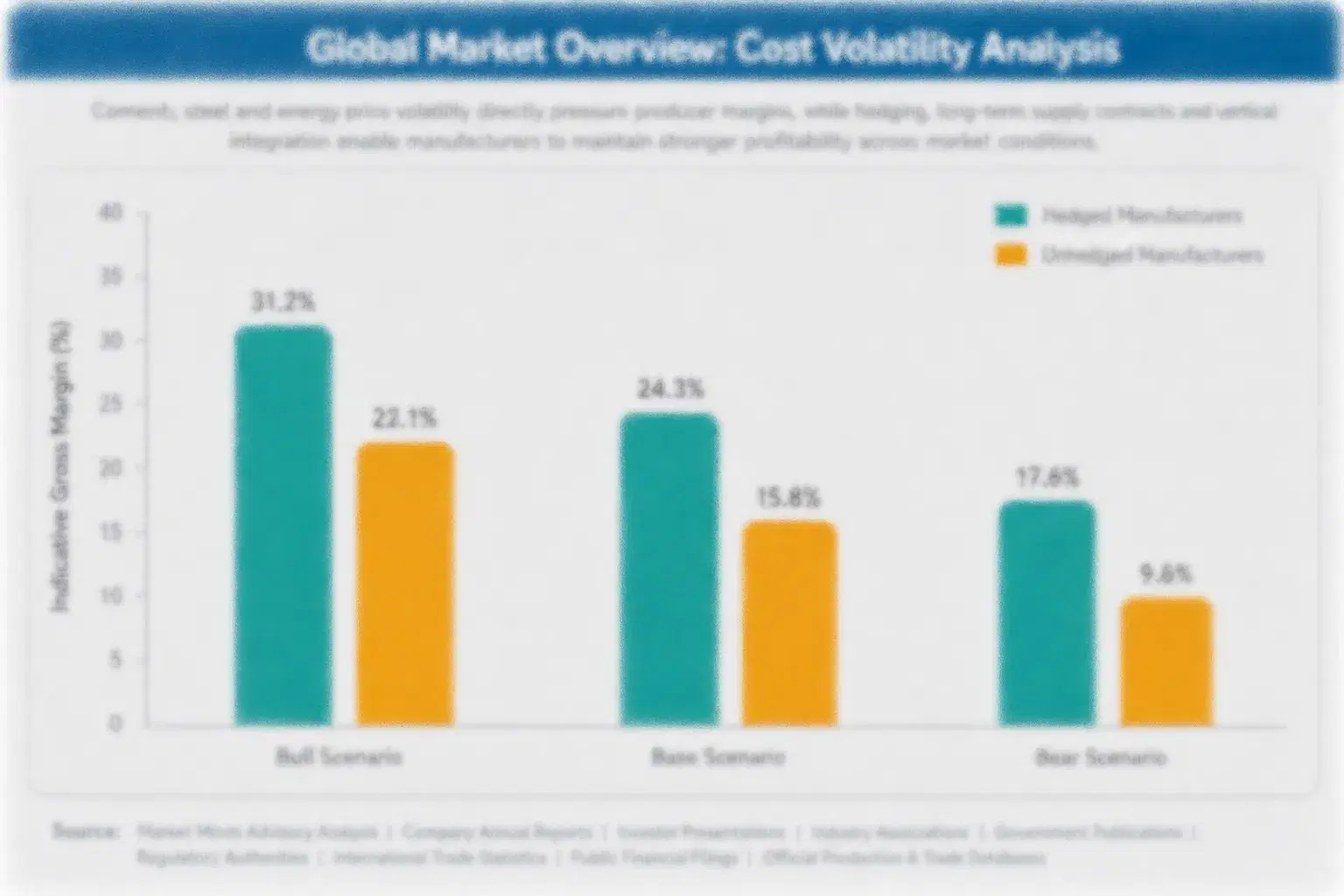
Landed ingredient cost for Australian buyers breaks down into three components: the base chicory or corn feedstock cost embedded in the producer's price, ocean freight from Europe or China, and currency conversion exposure. Freight and currency together typically represent 25 to 30% of total landed cost, a share domestic ingredients never carry. Feedstock cost alone represents a comparatively modest share by contrast.
Red Sea shipping disruptions beginning in late 2023 extended Asia to Australia and Europe to Australia transit times meaningfully, and several formulators reported production planning delays as a direct consequence, according to industry supply chain reporting consistent with broader IEA shipping and logistics commentary on the period. Freight rates on affected routes rose sharply during the disruption before partially normalizing. Several formulators subsequently began holding deeper safety stock as a precaution against future disruption.

Smaller Australian formulators without long-term supply contracts absorb this volatility directly into cost of goods, while larger buyers with contracted allocation and hedged currency exposure maintain more stable input costs. This gap in cost exposure increasingly separates which formulators can sustain aggressive reformulation investment and which must proceed more cautiously with fortification launches. This divide is widening as fortification investment accelerates across the category.
australia-fructo-oligosaccharides-market-cost-volatility-analysis-1789952745054

Multi-Year Supply Contracts with Price Corridors

Larger buyers increasingly negotiate multi-year agreements with European or Chinese producers that include defined price corridors, reducing exposure to spot-market freight and currency swings that smaller buyers must absorb directly into their cost base each quarter. This approach proved especially valuable during the Red Sea disruption period, when spot buyers faced the steepest cost increases.

Currency Hedging on Major Import Contracts

Sophisticated buyers hedge Australian dollar exposure against euro and renminbi denominated purchase contracts, smoothing input cost volatility that would otherwise flow directly through to formulation budgets and retail pricing decisions each cycle. Formulators without hedging programs in place have historically seen input costs swing far more sharply between budgeting cycles. Larger buyers with treasury functions typically manage this most effectively.

Diversified Sourcing Across European and Chinese Suppliers

Distributors increasingly maintain relationships with both European and Chinese producers simultaneously, allowing them to shift volume toward whichever region offers better freight economics or availability during a given shipping disruption cycle. This flexibility has become increasingly valuable as shipping routes face recurring geopolitical and weather-related disruption risk. It also strengthens negotiating position during regional capacity constraints.

Portfolio Architecture for Margin Defence

The Australian fructo-oligosaccharide market splits into three commercial tiers: standard food-grade material used in mainstream fortification, certified higher-purity grades demanded by premium supplement brands, and pharmaceutical-grade material required for infant nutrition applications. Margin economics differ sharply across these tiers, with standard grade competing largely on landed price while certified and pharmaceutical grades command meaningfully stronger distributor margins. Certification overhead explains most of this margin gap.
Distributors face a genuine strategic tension between chasing volume through standard food-grade contracts with large grocery manufacturers and investing in the certification infrastructure needed to serve premium supplement and infant nutrition customers. Those that build both capabilities simultaneously capture the widest addressable customer base, but doing so requires meaningful working capital committed across multiple inventory grades. Distributors lacking capital reserves often default toward the safer volume strategy.

High-value margin pools concentrate overwhelmingly in the infant nutrition and premium supplement tiers, where buyers pay materially more for documented purity and consistent supply security. Distributors positioned to serve these tiers alongside standard grocery-channel volume capture the clearest path toward sustained margin expansion as fortification broadens across the Australian food system. This concentration is likely to deepen further as infant nutrition reformulation continues expanding nationally.

Volume / Commodity-Adjacent Tier

Standard food-grade material sold into mainstream dairy, bakery, and beverage fortification at competitive landed pricing with thinner distributor margins. Distributors compete here mainly on reliable supply and landed cost rather than technical differentiation.
Gross Margin: 18-24%

Premium / Certified Tier

Higher-purity grades carrying enhanced testing documentation, sold into premium supplement and nutraceutical brands willing to pay for certified quality. Suppliers in this tier typically maintain closer technical relationships with their formulator customers.
Gross Margin: 32-40%

Sustainability / Regulatory / Next-Generation Tier

Pharmaceutical-grade material meeting the strictest contaminant and purity standards required for infant formula and clinical nutrition applications. Building credibility in this tier typically takes years of consistent documentation and regulatory engagement.
Gross Margin: 42-50%
australia-fructo-oligosaccharides-market-portfolio-architecture-1789952745381

High-value Sub-segments and Strategic Watch-out

Infant Nutrition Certified Supply

Pharmaceutical-grade material for infant formula commands the strongest margins in the market and continues growing fastest as reformulation spreads across more formula brands nationally. Suppliers serving this tier increasingly compete on documentation depth rather than price alone across the category. Growth here should outpace every other tier.
Gross Margin: 42-50%

Premium Gut-Health Supplement Blends

Combination products pairing fiber with probiotic strains sustain strong margins with moderate but steady growth as the supplement category matures beyond early adopters. Brand loyalty here builds gradually through repeated positive consumer experience with combination formulations. This tier sits between the premium and volume extremes in both margin and growth.
Gross Margin: 32-40%

Standard Dairy and Bakery Fortification

The largest volume segment by tonnage, competing mainly on landed price and supply reliability rather than differentiation, anchoring distributor revenue even at thinner margins. Price competition here remains intense given the limited differentiation available at this commodity tier. Distributors rely on this volume to fund higher-margin capability elsewhere.
Gross Margin: 18-24%

Private-Label Retail Fortification Contracts

Grocery chain private-label fortification is scaling quickly but carries meaningful customer concentration risk, since a handful of retail buyers control most of this volume. Suppliers unable to meet retailer documentation demands risk losing this contract volume entirely to competitors. Watch this segment for early signs of retailer consolidation.
Gross Margin: 20-26%

Reformulation Cycles Anchor Repeat Demand

Once a formulator commits to a fructo-oligosaccharide-based reformulation, switching suppliers requires re-validating stability, taste profile, and regulatory documentation, creating a genuine annuity dynamic for incumbent suppliers who cleared this validation hurdle first. Reformulation costs are sunk the moment a product launches, giving early suppliers durable revenue visibility. Suppliers that win this first validation slot rarely get displaced afterward, since re-proving an alternative ingredient rarely justifies the savings.
Adoption depth varies meaningfully by end-use vertical. Infant nutrition formulators exhibit the deepest stickiness given regulatory validation costs, while mainstream grocery private-label fortification shows comparatively shallow stickiness since retailers can rebid ingredient contracts more freely between private-label manufacturing cycles without the same regulatory re-approval burden. Bakery and confectionery applications sit somewhere in between, since these categories reformulate more often but still face genuine taste validation hurdles.

Younger consumers researching gut-health products online increasingly drive purchasing decisions that previously ran through pharmacist or general practitioner recommendation, shifting supplement brand marketing budgets toward digital and influencer channels. This generational shift favors nimble direct-to-consumer brands over legacy pharmacy-channel supplement companies that built their marketing muscle around a different buyer generation. Legacy pharmacy-channel brands that fail to adapt their marketing approach risk losing relevance with younger buyers.
australia-fructo-oligosaccharides-market-end-use-penetration-index-1789952745713

Where Australian Ingredient Strategy Should Focus

These are among the four positions where our research anticipates prominent divergence between winners and laggards over the coming forecast period. Each is grounded in the demand model, the regulatory perimeter, and the announced capacity pipeline.
01 / SUPPLY SECURITY PRIORITY

Lock in multi-year contracts before the next shipping disruption cycle

Buyers without long-term supply agreements remain fully exposed to freight and currency swings that recent shipping disruptions have already demonstrated can meaningfully delay production planning. Securing multi-year contracts with defined price corridors now, while producers still have available allocation capacity, costs less than negotiating similar terms during the next global supply tightness episode, when producers hold far more negotiating power over price and allocation terms. This dynamic favors buyers who move early, since allocation capacity tightens quickly once a shipping disruption cycle actually begins.
02 / CERTIFICATION INVESTMENT FOCUS

Build pharmaceutical-grade certification ahead of infant nutrition demand growth

Infant nutrition formulators pay meaningfully more for documented pharmaceutical-grade purity, and this application segment is growing near the top of the market's range. Suppliers who invest in certification infrastructure now position themselves to capture this premium before more competitors enter the certified supply category, since building comparable testing and documentation capability from scratch typically takes competitors well over a year to complete credibly. Early movers in this category also tend to win the first wave of retailer trust, which compounds into durable preferred-supplier status over time.
03 / DISTRIBUTION CONSOLIDATION WATCH

Expect further consolidation among specialist ingredient distributors

Only a small handful of distributors currently handle the majority of Australian import volume, and the technical support and certification investment increasingly required to compete favors larger, better-capitalized players. Smaller distributors unable to fund this investment face a genuine risk of acquisition or exit over the coming years, which should concentrate market share further among the surviving specialist distribution firms serving this category. This consolidation trend should accelerate over the next several years as certification costs continue rising faster than smaller distributors can comfortably absorb.
04 / DOCUMENTATION STANDARDIZATION PRIORITY

Standardize fiber-retention testing documentation across formulation partners

Retail buyers increasingly request proof that fiber content survives baking and pasteurization intact before approving fortification claims, yet no standardized testing protocol currently exists across the Australian market. Suppliers who develop and share consistent, retailer-ready documentation frameworks reduce sales cycle friction meaningfully and win preferred placement with larger national retail chains ahead of less-prepared rivals. Early movers on this front report better allocation priority during shortages, since few competitors currently match this level of proactive documentation across the broader market.

Engagement Snapshot From the Field

A live engagement with an industry participant carrying material or product regulatory and market exposure ahead of a defining policy shift, showing how our research translates into a defensible multi-year portfolio strategy.
MARKET MINDS ADVISORY · CLIENT ENGAGEMENT SUMMARY
Australia Fructo-Oligosaccharides Producer Strategic Portfolio Review and Transition Roadmap 2026·Investment Scenario on Australia Fructo-Oligosaccharides Exposure Evaluation 2025-26
CLIENT PROFILE
The client is a mid-sized Australian dairy manufacturer producing yoghurt and flavored milk products distributed nationally through major grocery chains, seeking to reformulate its flagship yoghurt line around fructo-oligosaccharide fortification to compete with newer entrants marketing explicit gut-health positioning. Annual revenue for the relevant product category sits in the tens of millions of dollars (client-reported, unverified by MMA).
STRATEGIC CHALLENGE
The client needed to determine whether fortifying its core yoghurt line justified the added ingredient cost and reformulation complexity, given uncertainty about whether the fiber content would survive fermentation and pasteurization intact and concern about disrupting an established product with loyal existing customers across national grocery distribution. Leadership also wanted confidence that the ingredient change would not require new production equipment.
MMA APPROACH
MMA conducted stability testing analysis benchmarking fiber retention through the client's existing fermentation and pasteurization process, supplemented by consumer research measuring purchase intent under different gut-health messaging approaches. The engagement also mapped landed cost scenarios across contracted versus spot-market ingredient sourcing to inform the client's supply strategy decision. The engagement ran across eight weeks and drew on both laboratory testing and structured consumer interviews.
KEY FINDINGS
  1. Stability testing confirmed the fiber content survived the client's fermentation and pasteurization process with minimal degradation under tested conditions. No noticeable texture or shelf-life change was detected across the tested batches.
  2. Consumer research indicated that specific gut-health messaging referencing clinical research increased purchase intent meaningfully more than generic wellness claims. The effect held consistently across every age group surveyed in the research.
  3. Cost analysis showed that a three-year supply contract would reduce landed ingredient cost volatility by roughly 22% relative to spot-market purchasing. This gave the client confidence to proceed with the longer contract term.
  4. Competitive analysis identified two rival dairy brands already planning similar fortification launches within the following twelve months. Both rivals were targeting the same premium retail shelf space the client already occupied.
CLIENT PROFILE
The client is a mid-sized Australian dairy manufacturer producing yoghurt and flavored milk products distributed nationally through major grocery chains, seeking to reformulate its flagship yoghurt line around fructo-oligosaccharide fortification to compete with newer entrants marketing explicit gut-health positioning. Annual revenue for the relevant product category sits in the tens of millions of dollars (client-reported, unverified by MMA).
STRATEGIC CHALLENGE
The client needed to determine whether fortifying its core yoghurt line justified the added ingredient cost and reformulation complexity, given uncertainty about whether the fiber content would survive fermentation and pasteurization intact and concern about disrupting an established product with loyal existing customers across national grocery distribution. Leadership also wanted confidence that the ingredient change would not require new production equipment.
MMA APPROACH
MMA conducted stability testing analysis benchmarking fiber retention through the client's existing fermentation and pasteurization process, supplemented by consumer research measuring purchase intent under different gut-health messaging approaches. The engagement also mapped landed cost scenarios across contracted versus spot-market ingredient sourcing to inform the client's supply strategy decision. The engagement ran across eight weeks and drew on both laboratory testing and structured consumer interviews.
KEY FINDINGS
  1. Stability testing confirmed the fiber content survived the client's fermentation and pasteurization process with minimal degradation under tested conditions. No noticeable texture or shelf-life change was detected across the tested batches.
  2. Consumer research indicated that specific gut-health messaging referencing clinical research increased purchase intent meaningfully more than generic wellness claims. The effect held consistently across every age group surveyed in the research.
  3. Cost analysis showed that a three-year supply contract would reduce landed ingredient cost volatility by roughly 22% relative to spot-market purchasing. This gave the client confidence to proceed with the longer contract term.
  4. Competitive analysis identified two rival dairy brands already planning similar fortification launches within the following twelve months. Both rivals were targeting the same premium retail shelf space the client already occupied.
RECOMMENDED STRATEGY
Phase 1: Phase 1 (Months 1 to 3): Finalize stability testing and secure a three-year supply contract with price corridor protection. Confirm the supplier can meet volume requirements before signing. Phase 2: Phase 2 (Months 4 to 6): Launch reformulated product with gut-health messaging validated through consumer research. Track early sales data closely against the category benchmark. Phase 3: Phase 3 (Months 7 to 12): Expand fortification across adjacent product lines based on initial launch performance data. Prioritize categories with the strongest early consumer response signals.
OUTCOME
The client launched its reformulated yoghurt line on schedule and reported unit sales growth meaningfully ahead of the category average within the first two quarters post-launch (client-reported, unverified by MMA). The three-year supply contract has since insulated the client from freight volatility that affected competitors purchasing on the spot market.

Frequently Asked Questions

Foundational context covering the market sizes, CAGR, scope, country, region and competition that inform every finding below. This section is provided to cover basics and most often pre-purchase conversations, answered from the MMA Primary Research Dataset.

What is the current size of the Australia Fructo-Oligosaccharides Market?

The market reached approximately USD 0.14 billion in 2025. This figure reflects total domestic demand across food, beverage, and nutrition applications, and growth has accelerated meaningfully since 2023 as fortification spread beyond specialty health food retailers.

How large will the Australia Fructo-Oligosaccharides Market be by 2036?

The market is projected to reach approximately USD 0.28 billion by 2036. This represents roughly double the 2026 starting value over the ten-year forecast period.

What is the CAGR for the Australia Fructo-Oligosaccharides Market 2026 to 2036?

The market is forecast to grow at a 6.5% CAGR between 2026 and 2036. Bull and bear scenarios range from 7.8% to 5.1% depending on freight and currency conditions.

Which segment is growing fastest?

Dietary supplement and nutraceutical applications lead at a 9.2% CAGR, roughly 1.42 times the overall market rate. Infant and early-life nutrition applications follow closely, with the gap reflecting stronger clinical marketing traction in the supplement channel.

Who are the major companies in the Australia Fructo-Oligosaccharides Market?

Leading suppliers include Beneo GmbH, Baolingbao Biology Co Ltd, Cargill Incorporated, Sensus, and Tereos SA. These five producers hold a combined production capacity share of approximately 58%.

Which country is growing fastest?

Australia itself grows fastest at a 9.3% CAGR, ahead of the broader South Asia and Pacific regional average. This reflects the country's rapid reformulation pace across dairy, bakery, and infant nutrition categories.

Report Segmentation Architecture

The full report scope spans multiple orthogonal segmentation dimensions, with cross-tabulated demand data provided for each dimension pair. Coverage extends further to regional breakdowns, trend trajectories, and the competitive detail needed to support segment-level decision-making.

By Application Type

  • Dietary Supplement and Nutraceutical Applications
  • Infant and Early-Life Nutrition Applications
  • Functional Food and Beverage Applications
  • Bakery and Confectionery Applications
  • Animal Feed and Companion Animal Applications
  • Pharmaceutical and Clinical Nutrition Applications

By End-Use Industry

  • Dairy Processing
  • Bakery and Confectionery
  • Infant Formula Manufacturing
  • Dietary Supplements
  • Pharmaceuticals

By Commercial Dimension

  • Retail Grocery Channel
  • Pharmacy and Health Store Channel
  • E-Commerce Direct-to-Consumer
  • Business-to-Business Formulator Supply

By Region

  • North America
  • Western Europe
  • East Asia
  • South Asia and Pacific
  • Latin America
  • Middle East and Africa
  • Eastern Europe

Scope, Methodology, and Coverage

Every figure in this report is reproducible from documented input assumptions. The scope below maps the historical period, the forecast horizon, the segmentation dimensions, and the countries covered, alongside the underlying primary and qualitative methodology.
Historical Period
2020 to 2025
Forecast Period
2026 to 2036
Base Year
2025 (USD billions; MMA Primary Research Dataset, September 2026)
Market Definition
This report defines the Australian fructo-oligosaccharide market as demand for this specific short-chain prebiotic fiber ingredient across food, beverage, dietary supplement, and infant nutrition applications sold within Australia. It excludes inulin, galacto-oligosaccharides, and other prebiotic fiber classes except where directly compared for competitive substitution context.
Quantitative Units
USD billions (current prices); AUD per kilogram landed pricing where applicable
Segmentation Dimensions
By Application Type; By End-Use Industry; By Commercial Dimension; By Region
Regions Covered
North America, Western Europe, East Asia, South Asia and Pacific, Latin America, Middle East and Africa, Eastern Europe
Countries Covered
USA, China, Germany, France, UK, Japan, South Korea, India, Australia, Canada, Brazil, Mexico, Indonesia, Vietnam, Thailand, Malaysia, UAE, Saudi Arabia, South Africa, Nigeria, Turkey, Poland, Netherlands, Italy, Spain, Sweden, Switzerland, Argentina, Colombia, Singapore, and additional markets relevant to this sector
Key Companies Profiled
Beneo GmbH, Baolingbao Biology Co Ltd, Cargill Incorporated, Sensus (Royal Cosun), Tereos SA, Ingredion Incorporated, Archer-Daniels-Midland Company, Meiji Holdings Co Ltd, Nissin Sugar Co Ltd, GTC Nutrition, Quantum Hi-Tech (China) Biological Co Ltd, Shandong Bailong Chuangyuan Bio-Tech Co Ltd, Samyang Corporation, Yakult Pharmaceutical Industry Co Ltd, Fooding Group Limited, Jarrow Formulas Inc, Wilmar International Limited, Roquette Freres, Sudzucker AG, FrieslandCampina Ingredients
Quantitative Methodology
Primary survey, n=3,800 respondents, Q4 2025, six countries; demand-side model with trade association cross-validation
Qualitative Methodology
47 expert interviews, Q4 2025; applied to validate demand model assumptions, identify emerging dynamics, and assess competitive positioning
Report Format
PDF and XLSX data workbook (Word format preview document)
Publisher
Market Minds Advisory
Report Code
MMA-2026-AGR-106
Published
September 2026
Contact
sales@marketmindsadvisory.com | www.marketmindsadvisory.com

Purchase the full Australia Fructo-Oligosaccharides Market Report (2026 to 2036).

This report delivers a complete commercial assessment of the Australian fructo-oligosaccharide market, covering sizing, segmentation, and demand drivers through 2036. It profiles twenty producers and distributors serving this import-dependent supply chain, detailing competitive positioning, certification strategy, and contract structures in depth. Analysis extends to freight and currency cost exposure and mitigation pathways, portfolio margin economics across three commercial tiers, and demand architecture driving formulator switching costs over time. Bull and bear forecast scenarios are modeled explicitly against named commercial catalysts and clearly identified downside risks.
Ten-year sizing and forecast model through 2036
Six-segment application demand breakdown by category
Seven-region demand distribution and share analysis
Twenty-company competitive profile and positioning assessments
Freight and currency risk exposure assessment
Portfolio tier margin economics and pricing analysis

Built For The People Who Decide

From boardroom strategy to bench-side execution, this report is read cover-to-cover by leaders shaping the next decade of their industry, turning demand scenarios, market dynamics and valuation benchmarks into decisions.
CXOs/ Presidents/ VPs/ Managers
M&A and Corporate Development
Strategy Teams and R&D Heads
Procurement and Product Directors
Regulatory and Compliance Leaders
Investor Relations and Equity Analysts