Market Minds Advisory
Asia-Pacific Algae Omega Market

Asia-Pacific Algae Omega Market: Asia-Pacific Algae Omega Market. Infant Formula Standards, Aquafeed Demand, and Local Fermentation Capacity Reshape Regional Supply.

Asia-Pacific is turning algal DHA and EPA into a regional supply chain, led by Chinese infant formula, Japanese functional foods, and aquafeed, while localized fermentation capacity, registration differences, and price sensitivity decide who wins contracts.

Lead Analyst

Published

September 2026

Make Smarter Decisions with Customized Research Insights

Request a free sample report and evaluate market opportunities, growth trends, and competitive dynamics relevant to your business needs.

2025 MARKET VALUE$2.4BMarket Size 2025
2036 FORECAST VALUE$8.9BBase Case , 2026 to 2036
CAGR 2026 TO 203612.6 %Bull 13.9% / Bear 11.3%
INCREMENTAL OPPORTUNITY$6.2BNet 10- year value creation
EXPANSION MULTIPLE3.28x2036 value over 2026 base
Strategic Levers
M&A Pipeline
Regional Outlook
Country Rankings
Competitive Intelligence
Segmental Deep-dive
Call-Us : 91 93563 13602

Executive Snapshot and Market Trajectory.

Asia-Pacific buys more algal DHA than any other region and makes less of it than it needs. Chinese infant formula makers set the volume, Japanese and Korean brands set the premium, and aquafeed producers from Vietnam to Australia set the ambition. Local plants are closing the gap.
Fortified foods and beverages are growing fastest, helped by milk, yogurt, and snack launches, while aquafeed follows as shrimp and salmon farmers seek marine-free omega sources. East Asia holds the largest share because Chinese infant formula, Japanese functional foods, and Korean supplements anchor demand, and South Asia and Pacific adds fast growth through India and Australia. India and Australia add vegetarian and aquaculture demand, while Vietnam and Thailand test algal feed ingredients on shrimp farms.
The industry is highly concentrated. Global fermentation leaders sell into Asia-Pacific alongside a small group of Chinese producers that are scaling quickly, and buyers are large formula, dairy, and feed groups that contract for years. Advantage comes from local supply, registrations, and oxidation control rather than price, and regulation differs country by country, which favors suppliers with regional documentation teams. Buyers reward documented local registrations.
Market Definition
Algae omega comprises omega-3 fatty acids, mainly DHA and EPA, produced from microalgae by heterotrophic fermentation or photoautotrophic cultivation and sold as algal oil, microencapsulated powder, emulsion, or whole-cell biomass to infant nutrition, functional food and beverage, supplement, pet food, aquafeed, and cosmetic makers, with Asia-Pacific as the lead demand and supply region. The scope excludes fish and krill oil, plant ALA oils, algal pigments, and finished consumer products.
Base Year Value
$2.4B in 2025 (MMA Primary Research Dataset, September 2026)
Forecast Period
2026 to 2036, eleven discrete annual values
CAGR
12.6% base case. Bull 13.9%. Bear 11.3%.
Fastest Growth Segment
Fortified Foods and Beverages: 15.0% CAGR
Fastest Growth Country
India: 15.2% CAGR
Fastest Growth Region
South Asia and Pacific: 14.8% CAGR
Largest Region
East Asia: 36% of 2025 global value
Market Leaders
dsm-firmenich, Corbion, Veramaris, Kingdomway Nutrition, Cabio Biotech. Source: MMA Analysis, company annual reports.
Primary Survey
n=3,800 procurement and R&D decision-makers, Q4 2025, six countries
Methodology
Demand-side build-up, cross-validated against public data, 47 expert interviews

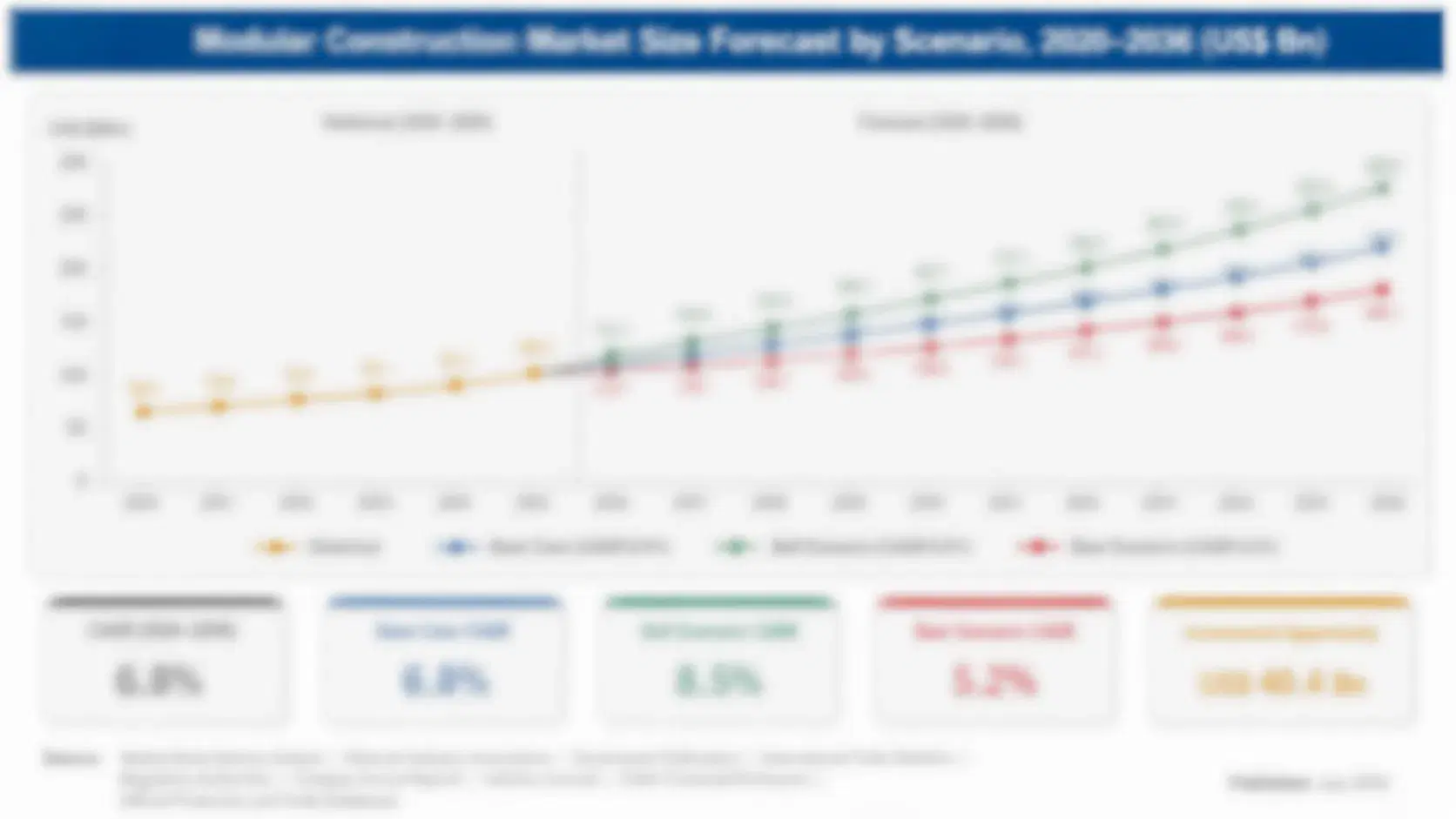
Asia-Pacific Algae Omega Market Forecast Scenarios

asia-pacific-algae-omega-market-size-forecast-scenario-1789759919729
Between 2020 and 2025, algal omega in Asia-Pacific grew rapidly as Chinese infant formula demand, Japanese and Korean functional foods, and vegetarian consumers in India widened the buyer base, and as local producers added fermentation capacity. Growth averaged 11.5% a year, with fortified food and aquafeed uses outpacing standard supplements, though imported oil dependence and price sensitivity limited some categories.
The base case assumes 12.6% annual growth through 2036, built on three named mechanisms: wider fortification of milk, yogurt, and beverages with algal DHA across China, Japan, Korea, and Southeast Asia, expansion of local fermentation capacity in China and India that lowers unit cost and supply risk, and growing use in shrimp, salmon, and premium pet food where sustainability targets favor marine-free omega. Rising incomes and health awareness lift household penetration.
The bull case, at 13.9%, needs faster local cost reduction and harmonized registration across Asia-Pacific markets. The bear case, at 11.3%, reflects fish oil price relief, slow aquafeed adoption, and regulatory delays that hold back new algal ingredient approvals in several large markets. Either scenario leaves the underlying demand base intact, though pricing would shift somewhat.

Local Fermentation Capacity and Registration Depth Set Regional Positions

Algal omega-3 is made by fermenting microalgae such as Schizochytrium in sugar-fed tanks, then harvesting cells and extracting and refining the oil. Photoautotrophic cultivation of Nannochloropsis suits EPA-rich products. Asia-Pacific has cheap sugar, growing fermentation expertise from amino acid and vitamin industries, and large plants in China that can scale quickly, though quality systems and patents still favor global leaders.
MARKET CONCENTRATION60% CR5Top five producers control most regional algal omega supply
AVERAGE SELLING PRICE$165 per kgRegional algal oil sells well above fish oil
IMPORT DEPENDENCE46%Nearly half of regional algal oil is still imported
INFANT FORMULA SHARE38%Infant nutrition takes the largest slice of regional demand
FEEDSTOCK COST SHARE31% of COGSSugar feedstock is the largest input to fermentation
LOCAL CAPACITY GROWTH18%Regional fermentation capacity is expanding quickly each year
Buyers use algal omega in different ways. Chinese and Southeast Asian infant formula makers add DHA at regulated levels, dairy and beverage brands fortify milk and yogurt for children and older adults, supplement makers sell vegan softgels, pet food brands add DHA for cognition, and aquafeed producers use EPA and DHA in shrimp and salmon diets. Specifications cover DHA content, oxidation values, contaminants, and local registration.
The industry is concentrated. Global producers with plants in Europe, North America, and Brazil export to Asia-Pacific, while Chinese firms such as Kingdomway and Cabio expand domestic capacity, and Japanese and Korean brands hold consumer relationships. Feedstock cost, registration rules, and infant formula qualification shape investment, and long contracts with dairy and formula groups anchor financing of local fermentation plants.
"Asia-Pacific formula makers have always bought algal DHA from far away. The next contracts will go to suppliers who make it nearby, hold local registrations, and can supply a plant in Hangzhou or Hanoi within days rather than weeks."
Practice Lead, Nutraceutical Ingredients and Marine Nutrition Practice · MMA Nutraceutical Ingredients and Marine Nutrition Practice · September 2026

Market Trends

Fortified Milk and Beverages Broaden Algal DHA Beyond Infant Formula

Dairy and beverage brands across China, Japan, Korea, and Southeast Asia are launching milk, yogurt, and drinks fortified with algal DHA for children and older adults, marketing brain and eye health. Microencapsulated powders blend into milk powders and beverages without off-flavor, and suppliers offer application support. Fortified foods carry higher volumes than supplements, and brands sign annual contracts as launches move from pilot regions to national distribution. Dairy groups report that DHA fortification lifts premium product share, and retailers give shelf space to brain health lines, so suppliers with local application labs help brands launch nationally faster.
Market Impact: China holds about 50% of volume
Aquafeed Trials Move Algal EPA Toward Shrimp and Salmon

Shrimp and salmon farmers in Vietnam, Thailand, Indonesia, and Australia are testing algal EPA and DHA in feeds to meet sustainability certification and reduce dependence on wild fish oil. Trials report comparable growth and fillet omega-3 content, and feed makers explore inclusion at 1% to 3% of diets. Cost remains a barrier, but certification programs, premium retail demand, and supply security are pulling aquafeed toward algal sources over time. Certification schemes for responsible aquaculture reward feed with lower wild fish content, and export buyers in Europe and Japan ask farms to document feed sources.
Market Impact: Indian vegan supplement sales up 14%

Market Opportunities and Growth Drivers

Chinese Formula Standards and Premium Brands Anchor Algal DHA Demand

China's national infant formula standards, updated in 2021 and applied from 2023, tighten nutrient and quality requirements, and leading domestic brands such as Feihe and Yili specify algal DHA in premium formulas. Consumers trust marine-free, contaminant-free sources, and formula makers audit suppliers and hold second-source qualifications. Steady formula demand anchors capacity utilization at regional and global producers and supports multi-year contracts. Premium formula lines command higher prices, and brands market algal DHA on pack, while regulators inspect plants and ingredient suppliers, so formula makers favor suppliers with audited plants, contaminant data, and local technical support.
Market Impact: algal costs 3-5 times fish oil

Vegetarian Growth and Functional Food Approvals Expand Marine-Free Omega Demand

Vegetarian and health-conscious populations in India, Japan, Korea, and Australia are large and growing, and algal oil provides plant-based omega-3 without fishy taste. Retailers in India report rising sales of vegan supplements and fortified foods, while Japanese functional food approvals support DHA and EPA claims. Rising incomes lift spending on brain and heart health, and brands use algal sourcing as a differentiator in crowded omega categories. India alone has hundreds of millions of vegetarians, and pharmacies report fast growth in algal omega capsules, while Japanese and Korean regulators accept DHA and EPA claims under functional food rules.
Market Impact: approvals take 12 to 24 months

Market Restraints and Challenges

High Algal Cost Slows Adoption in Feed and Value Categories

Algal oil costs several times more than fish oil, and price-sensitive Asia-Pacific buyers in feed, mass supplements, and value dairy resist the premium, according to company disclosures. The root cause is fermentation capital cost and process complexity. Adoption in cost-driven categories stays slow. Mitigation includes local plants with cheap sugar, higher-yield strains, and offtake agreements that spread cost over larger volumes. Shrimp feed margins are thin, and feed makers add omega only where premium contracts justify it, so adoption follows price parity, and producers that lower cost by 20% to 30% through local plants could open large volumes.
Market Impact: fortified launches up 16% annually

Fragmented Registration Rules Delay Launches and Favor Locally Established Suppliers

Registration and labeling rules differ across China, Japan, Korea, India, and Southeast Asia, and new algal ingredients can take 12 to 24 months to clear in each market, according to regulatory guidance. The root cause is separate national frameworks. Delays hold back launches and favor suppliers with local teams. Mitigation includes regional regulatory hubs, shared safety dossiers, and partnerships with local distributors that manage filings. Companies must submit safety dossiers, manufacturing data, and stability studies, and some agencies request local trials or local agents, so timelines stretch, and multinational suppliers with regulatory teams file faster than smaller rivals.
Market Impact: feed inclusion tested at 1-3%
3 additional market trends, 4 additional growth drivers, and 3 additional restraints and challenges are covered in the full report. Contact sales@marketmindsadvisory.com to access the complete intelligence.

Segment CAGR and Growth Architecture

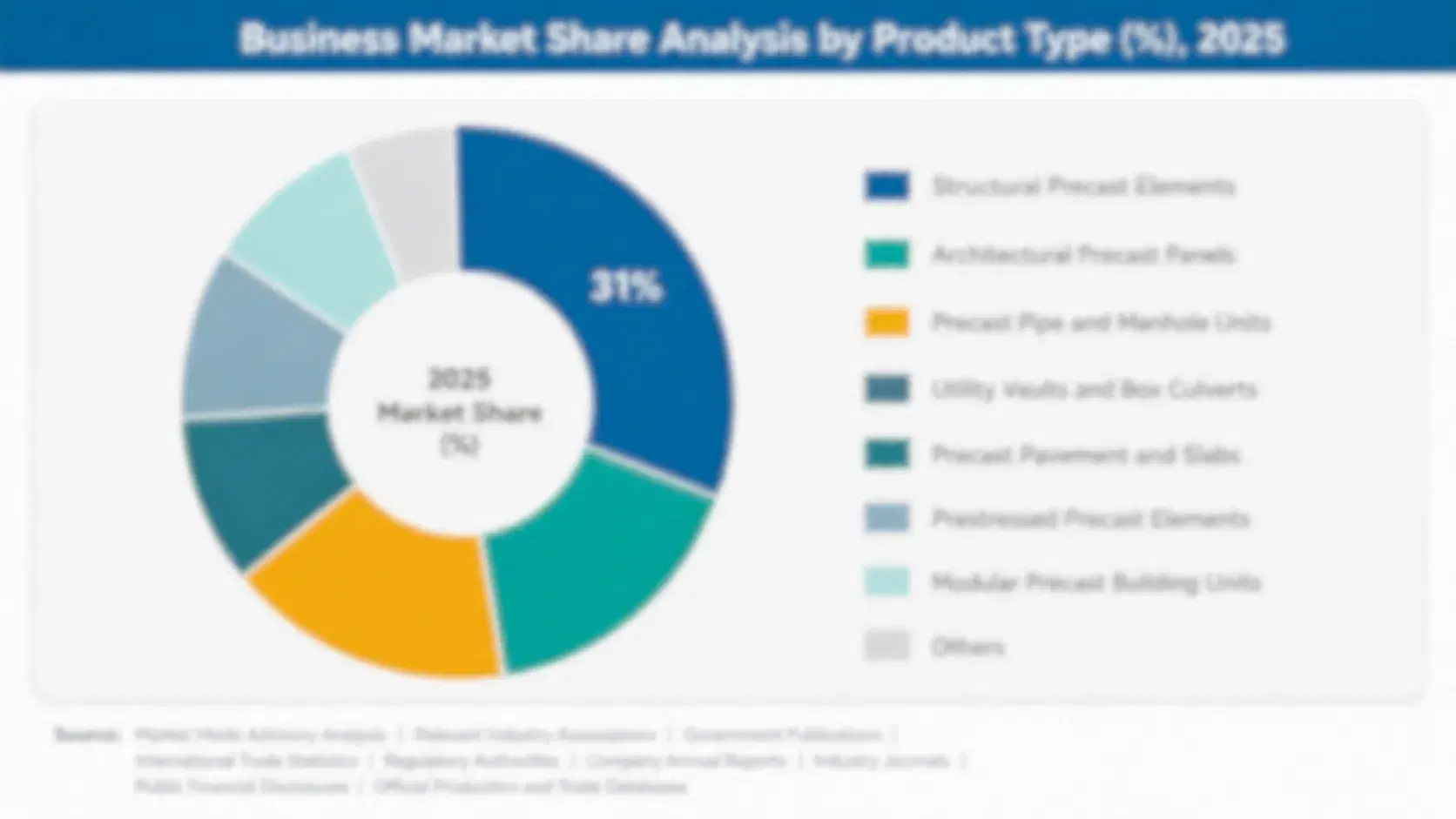
Asia-Pacific algae omega is segmented by end use, because regulatory requirements, price tolerance, specifications, and contract structure differ more sharply between fortified foods, aquafeed, pet food, supplements, infant nutrition, and cosmetics than by strain or oil form. Fortified foods and beverages attract the most new investment as dairy and beverage groups convert brain health claims into multi-year supply agreements.
asia-pacific-algae-omega-market-market-share-analysis-1789759919995

Fortified Foods and Beverages

Fortified foods and beverages are the fastest-growing segment, covering milk, yogurt, plant-based drinks, snacks, and nutrition powders fortified with algal DHA or EPA for children, adults, and older consumers. Microencapsulated powders and emulsions dominate because they resist oxidation and blend into recipes, and brands pay for stability and taste neutrality. Volumes are large and growing as dairy groups launch nationwide, so suppliers with regional application labs and reliable supply gain preferred positions. Skim milk powders, yogurts, and plant-based drinks use 20 to 60 milligrams of DHA per serving, and brands print brain health messages, while regulators in China and Japan review claims and limit certain wording, so suppliers with clinical data and label guidance help brands avoid delays.
CAGR 15.0%

Aquafeed

Aquafeed is the second-fastest segment, covering shrimp, salmon, and fish feeds that use algal EPA and DHA as marine-free alternatives to fish oil. Feed makers need large volumes at lower prices, so adoption depends on cost reduction, certification demand, and premium retail contracts. Vietnam, Thailand, Indonesia, and Australia lead trials, and suppliers with local capacity and supply security can win multi-year agreements as sustainability targets tighten across major aquaculture brands. Feed inclusion of 1% to 3% of the diet adds cost per tonne of feed, so farms adopt algal oil first in premium lines for export markets, and salmon farms in Australia and Tasmania pay for marine-free positioning, while shrimp farms in Vietnam wait for lower prices.
CAGR 14.4%
Full segment breakdown across 6 segments available in the complete report.

Regional Architecture and Country Demand Map

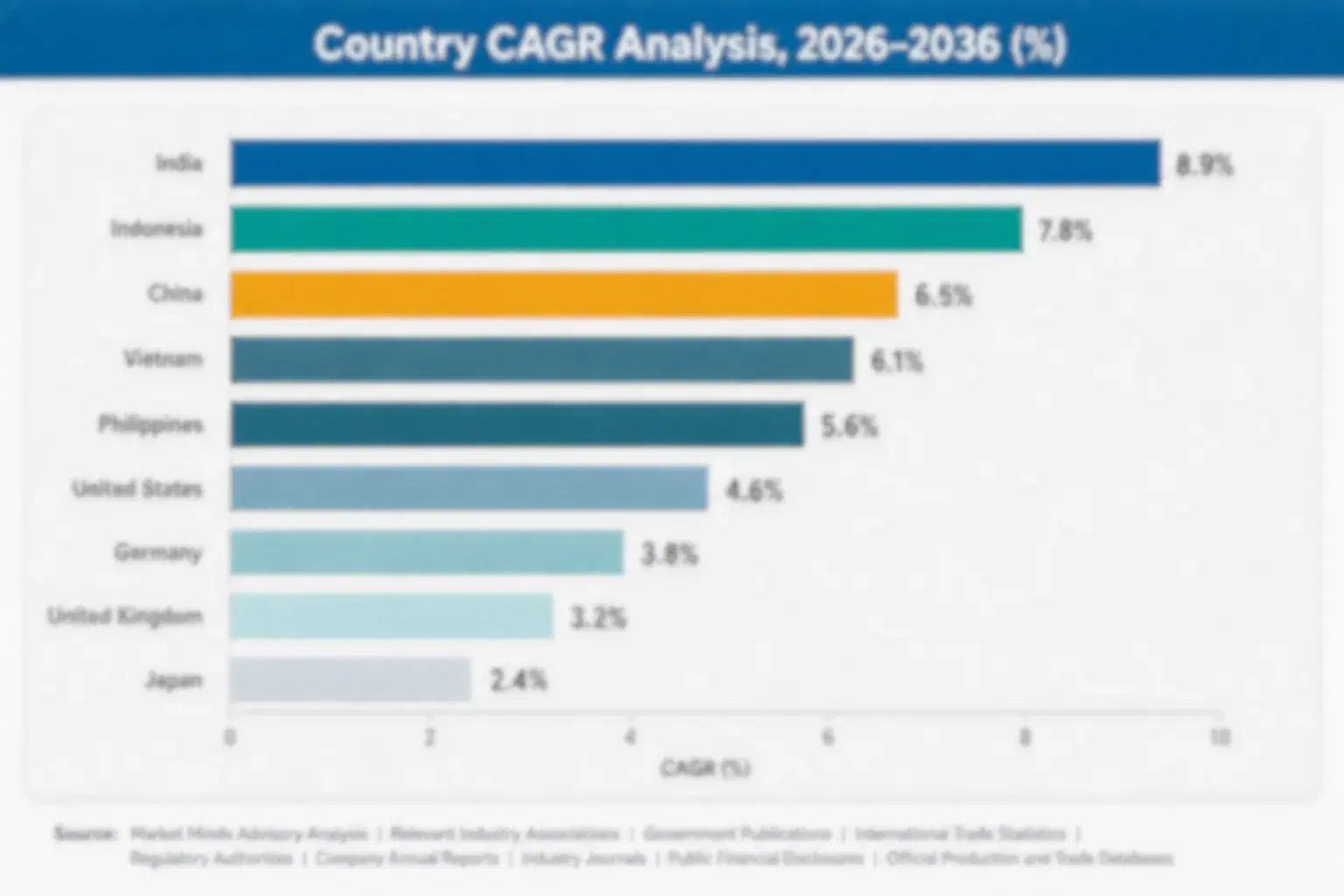
Asia-Pacific algal omega value follows infant formula volume, functional food premiums, and local fermentation capacity. East Asia leads through Chinese formula demand and Japanese and Korean functional foods, South Asia and Pacific adds fast growth through India and Australia, and India is the fastest-growing country.

North America

North America holds 20% share, below its usual band, because this report centers on Asia-Pacific supply chains, though the United States remains a major exporter of algal oil and the largest supplement market outside Asia. American producers supply Asian formula makers and brands under long contracts, and vegan supplement brands buy locally. Structure-function rules let brands market brain and heart benefits, while tariffs and freight shape trans-Pacific supply decisions. American plants in Kentucky supply Asian formula makers and supplement brands under long contracts, and exports face tariffs and freight that change with trade policy. American vegan supplement brands and pet food companies buy algal oil locally, and researchers publish clinical work that Asian brands cite.
Share: 20% | CAGR: 13.1% (2026 to 2036)

Western Europe

Western Europe holds 14% share, below its usual band, because most regional demand sits in Asia-Pacific, though Dutch and French fermentation plants export algal DHA to Asian formula makers. EU infant formula rules require DHA, and novel food approvals shape EPA-rich strains. Higher energy cost squeezes European producers, and Asian expansion by local competitors adds pressure, while research and patents remain strengths of European suppliers. Dutch and French plants export algal DHA to China, Japan, and Korea, and European infant formula standards influence Asian rules through shared documentation. European producers hold patents and research depth, but higher energy cost and freight to Asia squeeze margin, so several consider regional plants or local partnerships.
Share: 14% | CAGR: 11.0% (2026 to 2036)
Regional intelligence for 5 additional markets available in the complete report: East Asia, South Asia and Pacific, Latin America, Middle East and Africa, Eastern Europe. Contact sales@marketmindsadvisory.com.
asia-pacific-algae-omega-market-country-cagr-analysis-1789759920291

Four Profit Levers for Asia-Pacific Algal Omega Producers

Margin in Asia-Pacific algal omega comes from moving beyond imported bulk DHA toward locally produced, registered, and application-tuned products that formula, dairy, and feed customers cannot easily replace. Producers that localize capacity, secure registrations, offer powder formats, and sign long contracts earn more per kilogram than exporters competing only on price. Each route needs different capital.

Building Local Fermentation Capacity Near Formula and Feed Customers

Local plants cut freight and inventory cost and shorten supply lead times from weeks to days, which formula and dairy makers value. Plants in China or India can use lower-cost sugar and energy, and capital cost per tonne of capacity is lower than in Europe by 25% to 35%. Producers with regional plants gain preferred supplier status and price advantages that importers struggle to match. Local plants also offer just-in-time delivery, so formula and dairy groups reduce inventory cost, while producers that build near sugar supply in Guangxi, Thailand, or Maharashtra lower feedstock cost.
Market Impact: local plants cut landed cost by 15% to 25%

Securing Registrations and Regulatory Dossiers Across Key Markets

Registration in China, Japan, Korea, India, and Southeast Asia takes 12 to 24 months per market and costs $200,000 to $800,000, but registered producers gain access to large formula and food customers and block unregistered rivals. Shared safety and specification data cut cost across countries, and regional regulatory teams speed filings and keep dossiers current as rules change. Regional hubs in Singapore or Shanghai can hold shared dossiers and coordinate local agents, and suppliers that file in three markets in parallel reduce total time by several months, which lets them bid for formula qualifications earlier.
Market Impact: registrations open markets that take 12 to 24 months

Offering Microencapsulated Powders for Dairy and Beverage Fortification

Encapsulated powders sell at 25% to 45% above bulk oil and suit milk powders, yogurts, and drinks where liquid oil causes taste and handling problems. Spray-drying capacity and application laboratories near customers shorten development and win recurring volume. Producers that provide formulation support and stability data of 12 months or more become default suppliers for national launches by dairy groups. Dairy groups test taste stability over six months, and powders with 12 month shelf life reduce waste for retailers, while application chemists at suppliers help tune wall materials to milk powder, yogurt cultures, and plant-based drinks.
Market Impact: powder formats earn 25% to 45% price premiums

Signing Multi-Year Offtake Agreements With Dairy, Formula, and Feed Groups

Multi-year agreements covering 60% to 80% of plant output give producers volume certainty and support project finance, while price clauses tied to sugar and energy protect margin. Dairy and formula groups gain supply security and priority allocation. Producers with anchor customers run at utilization above 85%, and contracts reduce the risk that new Chinese capacity triggers price competition. Contracts commonly include forecasting clauses that let both sides adjust volumes each quarter, and buyers accept minimum purchase commitments in return for priority allocation during shortages, which protects producers from stranded capacity when new Chinese supply enters the market.
Market Impact: anchor contracts support plant utilization above 85% annually

Who Controls the Margin Pool

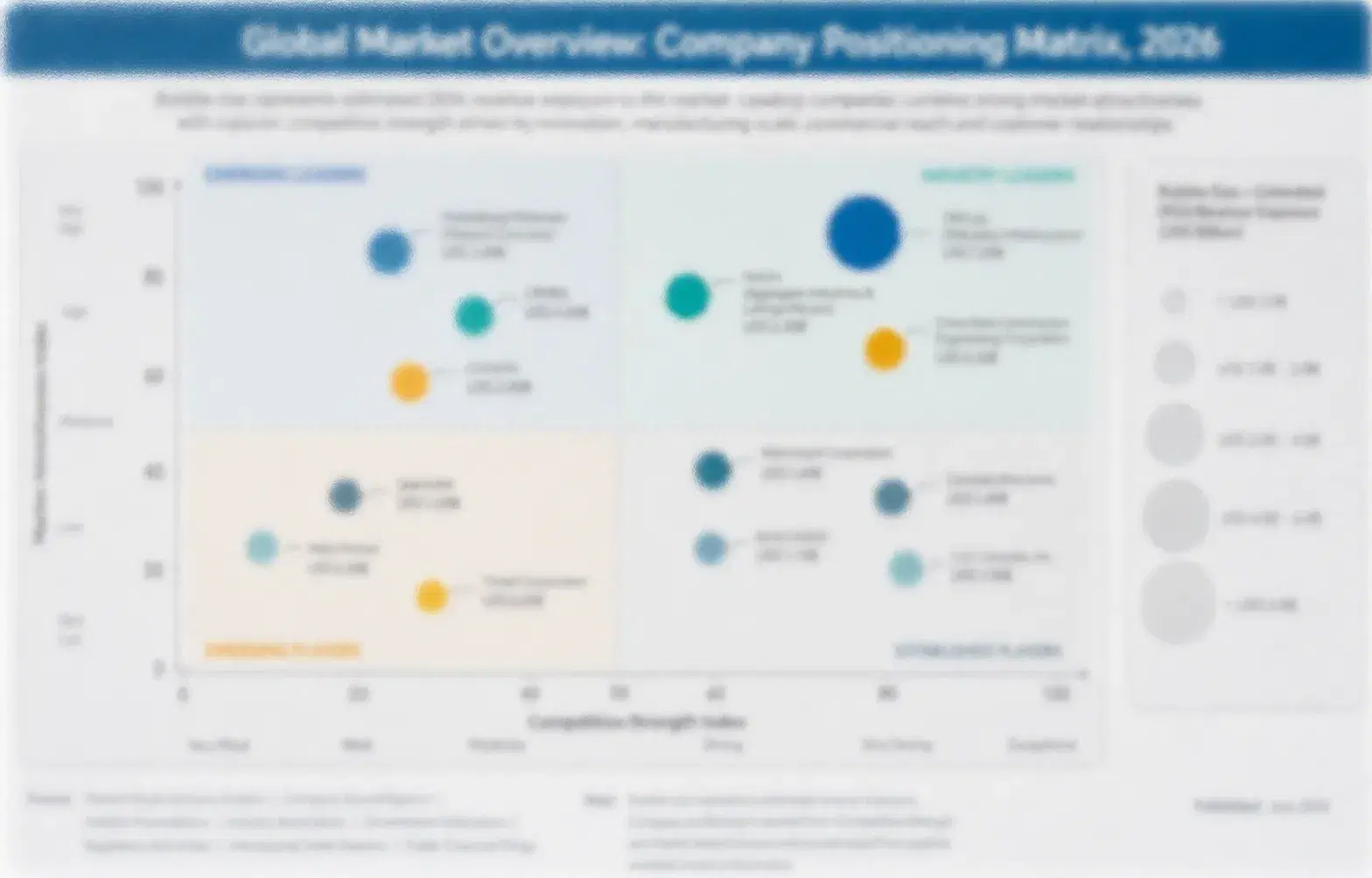
The Asia-Pacific algae omega industry is highly concentrated, with the top five producers holding about 60% of regional revenue, the basis used throughout this section. dsm-firmenich, Corbion, Veramaris, Kingdomway Nutrition, and Cabio Biotech lead through strains, fermentation capacity, and customer relationships, while smaller Chinese and specialty producers supply regional customers. The gap between leaders and challengers is wide in scale and registrations. Concentration reflects patents and capacity, not brand.
Competition centers on three dimensions: local fermentation capacity and cost position, registrations and quality systems accepted by formula and dairy customers, and application support for fortified foods and feed. Leaders sign multi-year contracts and invest in regional plants, while challengers compete on price and flexible volumes. Purity, oxidation control, and sustainability metrics add another layer of differentiation.

Emerging pressure comes from Chinese producers scaling capacity and lowering prices, from fish oil recovery that narrows the gap, and from global leaders localizing plants in Asia. Rankings shift where producers win formula qualifications, secure aquafeed contracts, or gain registrations. Acquisitions of regional producers and joint ventures with dairy and feed groups will reorder positions faster than organic capacity growth.
asia-pacific-algae-omega-market-company-positioning-matrix-1789759920579

Competitive Moat and Risk Dimensions

DSM-FIRMENICH

Moat: Global Patents and Formula Access

dsm-firmenich is a leader in algal DHA with deep relationships with Asian infant formula makers, a large patent estate, and regulatory and quality systems accepted across regions. Its exports and regional technical teams support formula qualification, and its scale supports clinical evidence and application laboratories, giving it credibility with dairy groups that need consistent, documented supply across markets and launches.
DSM-FIRMENICH

Risk: Import Cost and Local Competition

dsm-firmenich supplies much of Asia from plants outside the region, so freight, tariffs, and currency affect landed cost. Chinese producers scaling local capacity can offer lower prices and faster delivery, and if buyers accept local quality in value categories, premium positions in mass formula and feed could narrow.
CABIO BIOTECH

Moat: Chinese Scale and Cost Position

Cabio Biotech is a Chinese fermentation producer of algal DHA and other nutrition ingredients, with local sugar access, lower capital and operating cost, and close relationships with domestic formula, dairy, and feed customers. Its scale supports rapid capacity growth, its location shortens delivery times, and its familiarity with Chinese registration rules gives it an advantage in qualifying with local brands.
CABIO BIOTECH

Risk: Quality Perception and Patent Constraints

Cabio faces buyer concerns about quality consistency compared with global leaders, and patents held by others can limit strain and process choices. Export markets require documentation and audits that take time to build, and if global leaders localize plants in China, price competition could intensify and compress Cabio's cost advantage.

Players Tracked

Prominent Players

dsm-firmenich
Corbion
Veramaris
Kingdomway Nutrition
Cabio Biotech

Other Key Players

Fermentalg
Qualitas Health
Evonik Industries
Nissui
DIC Corporation
Wilmar International
Meiji Holdings
Morinaga Milk Industry
Yili Group
Feihe International
Fonterra Co-operative Group
Blackmores
Swisse Wellness
Kemin Industries
Nordic Naturals

Recent Developments

MARCH 2026

Kingdomway Nutrition Expands Algal DHA Fermentation Capacity in China

Kingdomway Nutrition completed an organic capacity expansion at a Chinese fermentation site, adding tanks and refining lines for algal DHA oil. The project is internal capital spending, not an acquisition. It increases supply for domestic infant formula and dairy customers, lowers unit cost, and reduces reliance on imports.
Signal: Shows Chinese producers adding fermentation capacity to serve infant formula and dairy demand locally across China.
OCTOBER 2025

Corbion Signs Multi-Year Algal Oil Supply Agreements With Asian Formula Groups

Corbion signed multi-year supply agreements with Asian infant formula and dairy groups for algal DHA oil produced in Brazil and Europe, fixing volumes and price adjustments. The deals are commercial contracts, not equity stakes. They give buyers supply security, give Corbion predictable demand, and support investment in plant utilization.
Signal: Confirms multi-year offtake agreements are becoming standard for supplying algal omega to Asian formula and dairy groups.
JANUARY 2026

Veramaris Establishes Regional Distribution and Registration Team for Asian Aquafeed

Veramaris established a regional distribution and registration team in Southeast Asia to serve shrimp and salmon feed producers with algal EPA and DHA oil. It adds local technical support, registration capacity, and inventory near customers, and it shortens delivery times for feed producers testing marine-free omega sources.
Signal: Reflects global producers building regional teams to win Asian aquafeed trials and contracts across Southeast Asia.

What Drives Regional Algal Omega Costs

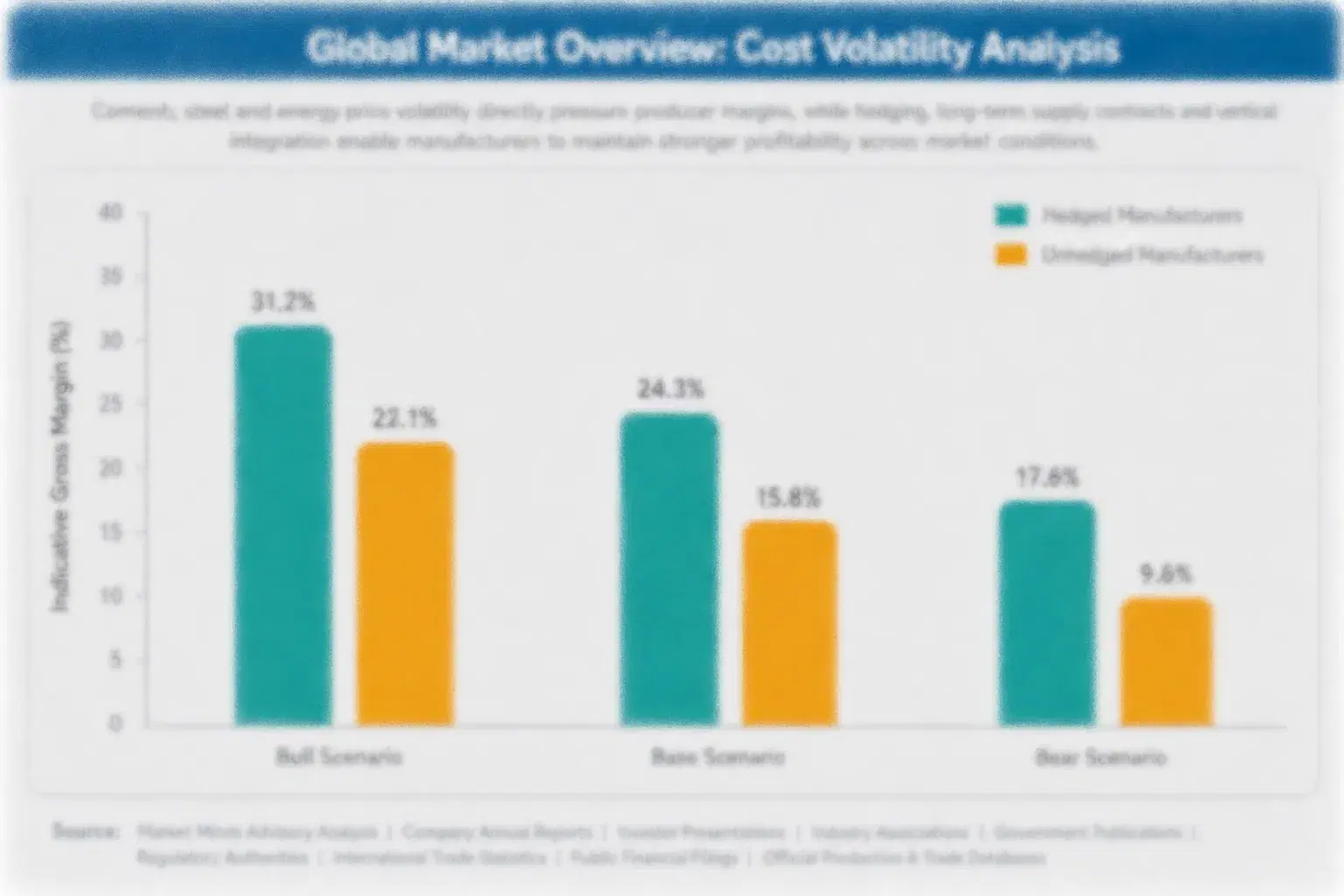
Sugar and other fermentation feedstocks account for roughly 31% of cost of goods, sourced from Brazilian, Chinese, Indian, and Thai suppliers, with energy for sterilization, aeration, and drying adding about 22%. Extraction, refining, packaging, freight, and labor make up most of the remainder, so feedstock price, energy cost, and fermentation yield together determine gross margin for regional producers.
Sugar and energy prices spiked in 2022, according to IEA energy price reports and USDA Economic Research Service sugar data, raising fermentation costs, while trans-Pacific freight rates rose sharply in 2021 and 2022, according to trade reports. Producers reported higher input costs, added surcharges to some contracts, and in some cases delayed shipments, while formula and dairy buyers accelerated qualification of local suppliers to shorten supply chains.

Exposure varies by player type and geography. Regional plants with local sugar and long energy contracts absorb shocks better than importers exposed to freight and currency. Chinese producers benefit from lower feedstock and capital cost but face scrutiny on quality, while European and North American exporters carry freight and tariff risk, and infant-grade and encapsulated products pass costs through more easily than bulk oil sold to feed.
asia-pacific-algae-omega-market-cost-volatility-analysis-1789759920845

Localizing Production and Inventory Near Asia-Pacific Customers

Producers build or contract fermentation, refining, and encapsulation capacity in China, India, and Southeast Asia, and hold safety stock in regional warehouses. Localization cuts freight exposure and shortens lead times, though it needs capital, quality systems, and regulatory approvals. Larger producers benefit most because they can commit to volumes that justify plant investment and spread quality control across sites.

Signing Long-Term Sugar and Energy Supply Contracts

Producers negotiate multi-year agreements for sugar, steam, and power, and locate plants near cheap feedstock and renewable energy. Contracts reduce spot exposure and improve planning, though they lock in prices when markets soften. Anchor customers in formula and dairy support financing of new capacity, which lowers capital cost and speeds construction of regional plants.

Using Price Adjustment Clauses and Currency Hedging in Contracts

Producers agree price adjustment clauses linked to sugar and energy indexes and hedge currency exposure on cross-border sales, which passes part of cost swings through to customers and protects margin. Hedging costs money and cannot cover every risk, but it improves predictability. Larger producers gain the most because they can commit volumes that justify financing and hedging terms.

Portfolio Architecture for Margin Defence

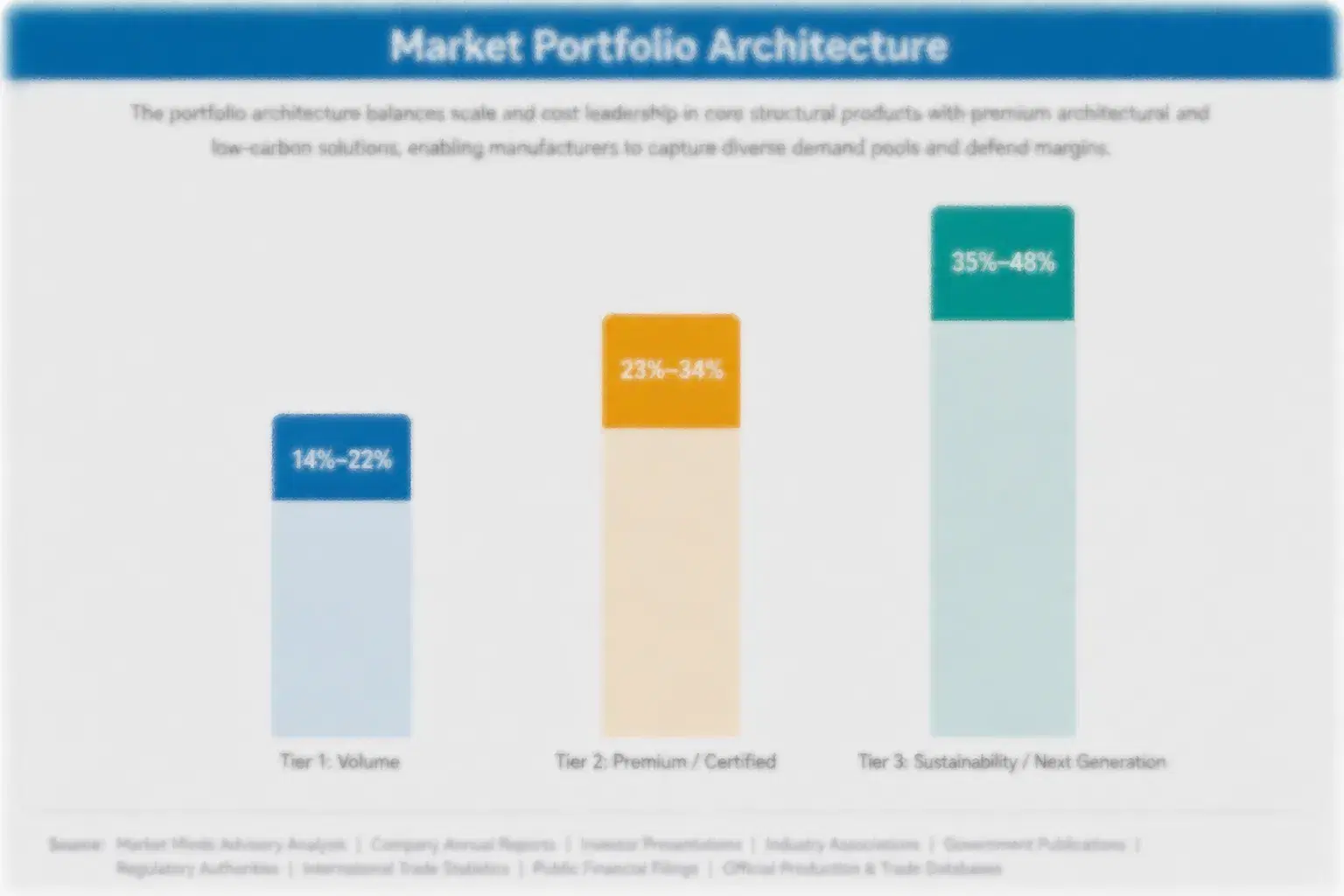
Margins run from moderate returns on bulk DHA oil sold to feed and value dairy to strong profits on infant-grade, encapsulated, and EPA-rich products sold under long contracts, with gross margin roughly doubling between the volume tier and the top tier. Registrations, purity, and application support add pricing power over the same fermentation process, and buyers pay for reliability because infant formula contamination risk is unacceptable.
Volume and premium pull in different directions. Bulk DHA oil sells in large lots to aquafeed and value dairy buyers at moderate margins and faces competition from fish oil and Chinese producers. Infant-grade and powder products sell in smaller lots at higher margins but need refining, testing, and application support, so producers must choose how much capital to commit to premium positioning.

High-value pools concentrate in infant-grade DHA for Chinese and Southeast Asian formula, microencapsulated powders for dairy and beverage fortification, and EPA-rich blends for premium supplements. These segments benefit from recurring orders, documented specifications, and limited competition from small producers. Suppliers combining local capacity, registrations, and application support hold advantages that are difficult to replicate quickly, especially as regional demand outpaces domestic supply.

Volume / Commodity-Adjacent Tier

Bulk DHA-rich oil sold to aquafeed producers, value dairy, and mass supplement brands on price, with moderate margins, high sensitivity to sugar and freight cost, and competition from fish oil and Chinese producers across the region.
Gross Margin: 22%-32%

Premium / Certified Tier

Infant-grade algal DHA with full contaminant testing, local registrations, and audited quality systems, sold under multi-year contracts to formula and dairy makers that require documented purity, stability, and reliable delivery from qualified plants.
Gross Margin: 36%-48%

Sustainability / Regulatory / Next-Generation Tier

Microencapsulated and EPA-rich algal omega with clinical data and application support, positioned for fortified foods, aquafeed sustainability programs, and premium supplements across developed and emerging Asia-Pacific markets, backed by strain patents and traceability.
Gross Margin: 42%-58%
asia-pacific-algae-omega-market-portfolio-architecture-1789759921035

High-value Sub-segments and Strategic Watch-out

Fortified Foods and Beverages

Fortified foods combine the fastest growth with strong volume, as dairy and beverage groups launch DHA products nationwide. Powders and emulsions dominate and stability matters, which protects margins, though suppliers must provide application support and reliable supply to honor annual contracts and keep large dairy customers over time.
Gross Margin: 38%-52%

Aquafeed

Aquafeed offers strong growth from a small base, because sustainability certification and supply security push shrimp and salmon farmers toward marine-free omega. Cost is the main barrier, so volumes are large but prices are lower, and suppliers need local capacity and long contracts to win business from major feed brands.
Gross Margin: 25%-38%

Infant and Clinical Nutrition

Infant formula remains the volume core of regional demand, moving large tonnage at premium prices under strict qualification rules. Margins depend on registrations, contaminant testing, and scale, and switching costs are high, so returns rely on approved status and steady delivery rather than price alone or new product features.
Gross Margin: 36%-48%

Fish Oil and Krill Oil

Fish oil and krill oil are the main strategic watch-out, since they cost less per unit of omega-3 and carry strong consumer recognition. If fish oil supply stabilizes and prices fall, buyers may delay conversion to algal sources, slowing growth and pressuring pricing in price-sensitive categories.
Gross Margin: n/a (substitution risk)

Why Formula and Dairy Groups Stay

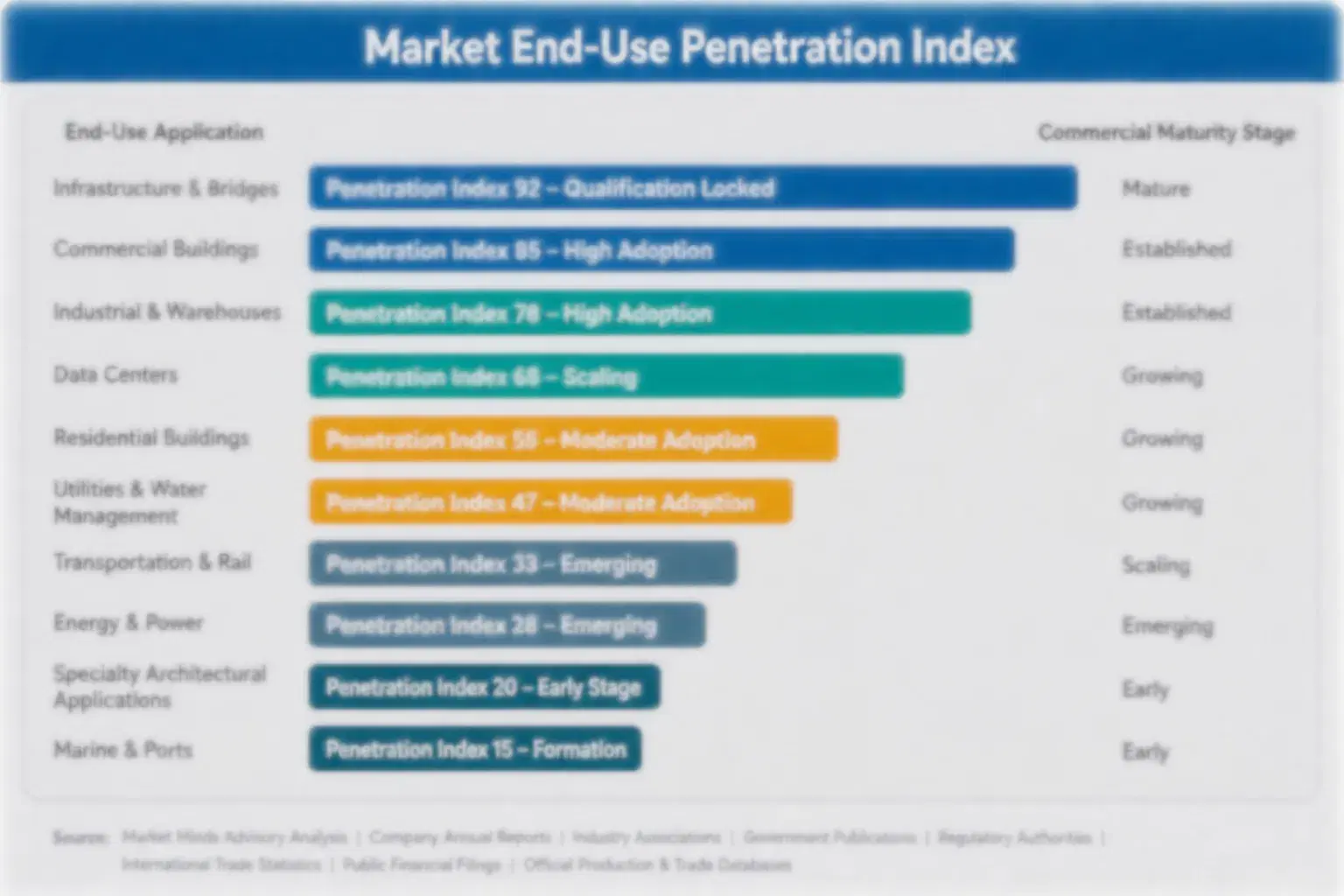
Algal omega demand behaves like an annuity once a formula, dairy, or supplement maker approves a supplier. Purity, oxidation values, DHA content, and regulatory filings are tied to a specific plant and process, so switching means new stability and safety studies, possible registration changes, and risk of recalls. Annual and multi-year agreements reinforce repeat orders, and buyers accept modest price increases to protect supply.
Stickiness varies by end-use vertical. Infant formula makers show the deepest loyalty because regulatory filings and clinical positioning depend on a specific supplier. Dairy and beverage brands switch less often once fortified formulas are stable, while aquafeed and value supplement buyers purchase mainly on price and rebid frequently, making those groups the most price sensitive and least attractive for long-term planning.

Buyer profiles are changing. Younger consumers and brand teams emphasize vegan, marine-free, and sustainable sourcing, and they favor suppliers that publish sustainability metrics and traceability. Older buyers anchor on fish oil familiarity and price. Suppliers must serve both groups, but growth concentrates among formula, dairy, and premium supplement customers that meet health and environmental commitments as regional aquaculture faces pressure.
asia-pacific-algae-omega-market-end-use-penetration-index-1789759921218

MMA Verdict on APAC Algal Omega

These are among the four positions where our research anticipates prominent divergence between winners and laggards over the coming forecast period. Each is grounded in the demand model, the regulatory perimeter, and the announced capacity pipeline.
01 / LOCAL CAPACITY INVESTMENT

Build Local Fermentation Capacity Near Formula and Feed Customers

Local plants cut landed cost by 15% to 25% and shorten lead times from weeks to days. Capital cost per tonne of capacity can also run 25% to 35% below European levels, which improves returns on new fermentation lines. MMA recommends committing capital in China or India within the next two years, before Chinese producers scale further and formula groups standardize on the first local suppliers that pass qualification, and that timing decides who supplies national launches over the following decade.
02 / REGULATORY REGISTRATION DEPTH

Secure Registrations Across China, Japan, Korea, India, and Southeast Asia

Registrations take 12 to 24 months per market and cost $200,000 to $800,000, but registered producers gain access to large formula and food customers and block unregistered rivals. Shared dossiers cut cost across countries. MMA advises building a regional regulatory hub now, because approvals decide which suppliers can bid for new formula and fortified food programs, and buyers now ask for local registration numbers in tenders, which turns regulatory depth into a selection criterion rather than a back-office task for large contracts.
03 / POWDER FORMAT EXPANSION

Offer Microencapsulated Powders for Dairy and Beverage Fortification

Fortified foods and beverages grow about 1.19 times faster than the market, and powders earn 25% to 45% more than bulk oil. Spray-drying and application laboratories near customers shorten development. MMA recommends starting with two anchor dairy customers, then extending the range as stability data of 12 months or more and reference launches attract further inquiries from regional brands, and formula and dairy brands that qualify a powder supplier for national launches rarely add a second source, so early stability data and technical support convert into supply relationships.
04 / ANCHOR OFFTAKE CONTRACTS

Sign Multi-Year Offtake Agreements With Dairy, Formula, and Feed Groups

Agreements covering 60% to 80% of plant output support utilization above 85% and finance new plants, while price clauses tied to sugar and energy protect margin. Anchor customers also give producers priority in qualification queues at formula and dairy groups, which shortens the path to further contracts. MMA advises pursuing two anchor customers first, then extending contracts as capacity expands, since offtake certainty also protects producers when new Chinese capacity triggers price competition in commodity grades across the region for years.

Engagement Snapshot From the Field

A live engagement with an industry participant carrying material or product regulatory and market exposure ahead of a defining policy shift, showing how our research translates into a defensible multi-year portfolio strategy.
MARKET MINDS ADVISORY · CLIENT ENGAGEMENT SUMMARY
Asia-Pacific Algae Omega Producer Strategic Portfolio Review and Transition Roadmap 2026·Investment Scenario on Asia-Pacific Algae Omega Exposure Evaluation 2025-26
CLIENT PROFILE
The client is a mid-sized Southeast Asian feed and nutrition group with several plants and roughly $420 million in annual revenue (client-reported, unverified by MMA), selling shrimp and fish feeds and premix ingredients across Vietnam, Thailand, and Indonesia. Fish oil was a major input, gross margin sat near 14% (client-reported, unverified by MMA), and the company had no algal omega supply or experience.
STRATEGIC CHALLENGE
Fish oil prices and supply volatility raised feed costs, and export customers in Europe and Japan asked for sustainability-certified feed with marine-free omega sources, while algal oil remained costly and supply in Asia was limited. Leadership needed a plan that tested algal EPA and DHA, secured supply, and priced premium feed without overextending capital. The board wanted a decision within a year.
MMA APPROACH
MMA benchmarked eight algal omega suppliers and 10 feed groups on sourcing and pricing, interviewed shrimp farmers, retail buyers, and certification bodies about requirements and price tolerance, and modeled the economics of trial inclusion, a supply agreement, and a premium feed line under bull, base, and bear fish oil price scenarios across three countries.
KEY FINDINGS
  1. Trials showed algal oil inclusion at 2% of feed matched fish oil growth and fillet omega-3 content in shrimp and fish, according to trial data.
  2. Two export customers indicated they would pay premiums of about 6% for feed carrying certified marine-free omega sources, according to export buyer interviews.
  3. A local supply agreement with a Chinese producer would cut landed cost by roughly 18% compared with imported oil, according to supplier quotations.
  4. Fish oil would remain necessary in standard feeds, so the client should keep conventional feed at about 70% of volume, based on current feed formulations.
CLIENT PROFILE
The client is a mid-sized Southeast Asian feed and nutrition group with several plants and roughly $420 million in annual revenue (client-reported, unverified by MMA), selling shrimp and fish feeds and premix ingredients across Vietnam, Thailand, and Indonesia. Fish oil was a major input, gross margin sat near 14% (client-reported, unverified by MMA), and the company had no algal omega supply or experience.
STRATEGIC CHALLENGE
Fish oil prices and supply volatility raised feed costs, and export customers in Europe and Japan asked for sustainability-certified feed with marine-free omega sources, while algal oil remained costly and supply in Asia was limited. Leadership needed a plan that tested algal EPA and DHA, secured supply, and priced premium feed without overextending capital. The board wanted a decision within a year.
MMA APPROACH
MMA benchmarked eight algal omega suppliers and 10 feed groups on sourcing and pricing, interviewed shrimp farmers, retail buyers, and certification bodies about requirements and price tolerance, and modeled the economics of trial inclusion, a supply agreement, and a premium feed line under bull, base, and bear fish oil price scenarios across three countries.
KEY FINDINGS
  1. Trials showed algal oil inclusion at 2% of feed matched fish oil growth and fillet omega-3 content in shrimp and fish, according to trial data.
  2. Two export customers indicated they would pay premiums of about 6% for feed carrying certified marine-free omega sources, according to export buyer interviews.
  3. A local supply agreement with a Chinese producer would cut landed cost by roughly 18% compared with imported oil, according to supplier quotations.
  4. Fish oil would remain necessary in standard feeds, so the client should keep conventional feed at about 70% of volume, based on current feed formulations.
RECOMMENDED STRATEGY
Phase 1: Phase 1 (Months 1-6): Run inclusion trials at two farms and qualify a Chinese algal oil supplier with local registration. Phase 2: Phase 2 (Months 7-15): Sign a multi-year supply agreement and launch a premium feed line for two export customers, with buyer audits scheduled first. Phase 3: Phase 3 (Months 16-30): Extend the premium line to additional species and countries and evaluate a minority stake in local fermentation.
OUTCOME
Within 30 months, the client sold premium algal omega feed equal to about 12% of volume and raised gross margin from 14% to an estimated 17% (client-reported, unverified by MMA). Two export customers signed contracts, the local supply agreement cut landed cost, and revenue reached roughly $470 million (client-reported, unverified by MMA).

Frequently Asked Questions

Foundational context covering the market sizes, CAGR, scope, country, region and competition that inform every finding below. This section is provided to cover basics and most often pre-purchase conversations, answered from the MMA Primary Research Dataset.

What is the current size of the Asia-Pacific Algae Omega Market?

The global algae omega market, with Asia-Pacific as its lead demand and supply region, was valued at $2.4 billion in 2025. This covers algal DHA and EPA oil, powder, and biomass sold to formula, food, supplement, pet, and feed makers.

How large will the Asia-Pacific Algae Omega Market be by 2036?

MMA projects the market will reach approximately $8.9 billion by 2036. This represents cumulative growth of roughly $6.2 billion over the full ten-year forecast window.

What is the CAGR for the Asia-Pacific Algae Omega Market 2026 to 2036?

The market is forecast to grow at a 12.6% compound annual rate between 2026 and 2036. The bull case reaches 13.9% while the bear case falls to 11.3%.

Which segment is growing fastest?

Fortified Foods and Beverages is the fastest-growing segment at 15.0% CAGR, roughly 1.19 times the overall market rate. Aquafeed follows as the second-fastest segment at 14.4%.

Who are the major companies in the Asia-Pacific Algae Omega Market?

Leading companies include dsm-firmenich, Corbion, Veramaris, Kingdomway Nutrition, and Cabio Biotech. These five producers together hold an estimated 60% of regional market revenue today, based on capacity and sales.

Which country is growing fastest?

India is the fastest-growing major market, expanding at approximately 15.2% CAGR each year. Rising vegetarian demand, fortified foods, and aquaculture interest are driving this above-market growth.

Report Segmentation Architecture

The full report scope spans multiple orthogonal segmentation dimensions, with cross-tabulated demand data provided for each dimension pair. Coverage extends further to regional breakdowns, trend trajectories, and the competitive detail needed to support segment-level decision-making.

By Primary Market Dimension

  • Fortified Foods and Beverages
  • Aquafeed
  • Pet Food and Animal Nutrition
  • Dietary Supplements
  • Infant and Clinical Nutrition
  • Cosmetic and Topical Uses

By End-Use Industry

  • Dairy and Beverage Manufacturing
  • Infant Formula Manufacturing
  • Aquaculture and Feed Production
  • Supplement and Nutraceutical Brands
  • Pet Food Manufacturing

By Commercial Dimension

  • Multi-Year Offtake Agreements
  • Direct Brand Supply Contracts
  • Ingredient Distributor Channels
  • Toll and Contract Manufacturing

By Region

  • North America
  • Western Europe
  • East Asia
  • South Asia and Pacific
  • Latin America
  • Middle East and Africa
  • Eastern Europe

Scope, Methodology, and Coverage

Every figure in this report is reproducible from documented input assumptions. The scope below maps the historical period, the forecast horizon, the segmentation dimensions, and the countries covered, alongside the underlying primary and qualitative methodology.
Historical Period
2020 to 2025
Forecast Period
2026 to 2036
Base Year
2025 (USD billions; MMA Primary Research Dataset, September 2026)
Market Definition
Algae omega comprises omega-3 fatty acids, mainly DHA and EPA, produced from microalgae by heterotrophic fermentation or photoautotrophic cultivation and sold as algal oil, microencapsulated powder, emulsion, or whole-cell biomass to infant nutrition, functional food and beverage, supplement, pet food, aquafeed, and cosmetic makers, with Asia-Pacific as the lead demand and supply region. The scope excludes fish and krill oil, plant ALA oils, algal pigments, and finished consumer products.
Quantitative Units
USD billions (current prices); metric tons for volume references
Segmentation Dimensions
By Application; By End-Use Industry; By Commercial Dimension; By Region
Regions Covered
North America, Western Europe, East Asia, South Asia and Pacific, Latin America, Middle East and Africa, Eastern Europe
Countries Covered
China, Japan, South Korea, Taiwan, India, Australia, New Zealand, Vietnam, Thailand, Indonesia, Malaysia, Philippines, Singapore, USA, Canada, Mexico, Brazil, Chile, Germany, France, Netherlands, UK, Switzerland, Poland, Russia, Turkey, UAE, Saudi Arabia, Israel, South Africa, and additional markets relevant to this sector
Key Companies Profiled
dsm-firmenich, Corbion, Veramaris, Kingdomway Nutrition, Cabio Biotech, Fermentalg, Qualitas Health, Evonik Industries, Nissui, DIC Corporation, Wilmar International, Meiji Holdings, Morinaga Milk Industry, Yili Group, Feihe International, Fonterra Co-operative Group, Blackmores, Swisse Wellness, Kemin Industries, Nordic Naturals
Quantitative Methodology
Primary survey, n=3,800 respondents, Q4 2025, six countries; demand-side model with trade association cross-validation
Qualitative Methodology
47 expert interviews, Q4 2025; applied to validate demand model assumptions, identify emerging dynamics, and assess competitive positioning
Report Format
PDF and XLSX data workbook (Word format preview document)
Publisher
Market Minds Advisory
Report Code
MMA-2026-HLT-270
Published
September 2026
Contact
sales@marketmindsadvisory.com | www.marketmindsadvisory.com

Purchase the full Asia-Pacific Algae Omega Market Report (2026 to 2036).

The full report delivers a detailed assessment of Asia-Pacific algal omega demand, supply, and competitive positioning through 2036. It includes segment forecasts by application, country-level data for all seven world regions, and profiles of the twenty companies most relevant to fermentation and ingredient supply. Analysts also receive input cost modeling and portfolio margin benchmarking built from MMA's primary research dataset. A scenario planning module lets subscribers stress-test bull and bear assumptions against fish oil and feedstock outcomes. Quarterly updates keep the whole dataset current throughout.
Ten-year segment and regional demand forecasts
Regional fermentation capacity and plant tracking
Competitive benchmarking of top twenty producers
Feedstock and fish oil price sensitivity modeling
Regional demand mechanism comparative analysis included
Quarterly primary survey data update access

Built For The People Who Decide

From boardroom strategy to bench-side execution, this report is read cover-to-cover by leaders shaping the next decade of their industry, turning demand scenarios, market dynamics and valuation benchmarks into decisions.
CXOs/ Presidents/ VPs/ Managers
M&A and Corporate Development
Strategy Teams and R&D Heads
Procurement and Product Directors
Regulatory and Compliance Leaders
Investor Relations and Equity Analysts