Market Minds Advisory
Antifreeze Proteins Market

Antifreeze Proteins Market: Antifreeze Proteins Market. Ice-Structuring Proteins Expand From Ice Cream Into Cryopreservation

Organ and tissue cryopreservation researchers are pulling antifreeze proteins beyond their original ice cream application, even as production economics and narrow regulatory pathways keep this ingredient confined to premium niches.

Lead Analyst

Published

September 2026

Make Smarter Decisions with Customized Research Insights

Request a free sample report and evaluate market opportunities, growth trends, and competitive dynamics relevant to your business needs.

2025 MARKET VALUE$0.1BMarket Size 2025
2036 FORECAST VALUE$0.5BBase Case , 2026 to 2036
CAGR 2026 TO 203614.6 %Bull 15.8% / Bear 13.2%
INCREMENTAL OPPORTUNITY$0.4BNet 10- year value creation
EXPANSION MULTIPLE3.91x2036 value over 2026 base
Strategic Levers
M&A Pipeline
Regional Outlook
Country Rankings
Competitive Intelligence
Segmental Deep-dive
Call-Us : 91 93563 13602

Executive Snapshot and Market Trajectory.

Antifreeze proteins are moving from a narrow ice cream texture application into a genuinely cross-industry ingredient, as organ and tissue cryopreservation researchers discover ice crystal inhibition properties that food scientists commercialized decades earlier for entirely different reasons. Manufacturers increasingly cite this crossover in premium marketing materials.
Cryopreservation and biomedical applications now post the fastest segment growth, with cosmetics and personal care close behind on emerging skin protection positioning. North America commands the largest regional share, reflecting the country's concentrated biotech and cryopreservation research base across most major consumption markets tracked in this report. This dual growth pattern is reshaping producer capital allocation priorities. North America follows closely on strong biotech research infrastructure scale.
Five producers hold roughly sixty-eight percent of global revenue, a concentration reflecting how genuinely early-stage this category remains, with complex extraction and production economics that smaller regional players struggle to match. Production cost relative to conventional cryoprotectants remains the defining commercial constraint shaping this category's growth trajectory. Few competitors can assemble a comparable combination of research scale and technical depth quickly. This keeps planning difficult across the broader supplier base industry-wide today.
Market Definition
This report defines the antifreeze proteins market as ice-structuring and ice-binding proteins extracted or recombinantly produced for use in food texture, cryopreservation, and cosmetic applications. It excludes conventional glycol-based and synthetic cryoprotectants sold outside this report's defined protein-based scope entirely.
Base Year Value
$0.1B in 2025 (MMA Primary Research Dataset, September 2026)
Forecast Period
2026 to 2036, eleven discrete annual values
CAGR
14.6% base case. Bull 15.8%. Bear 13.2%.
Fastest Growth Segment
Cryopreservation and Biomedical Applications: 18.4% CAGR
Fastest Growth Country
United States: 16.4% CAGR
Fastest Growth Region
South Asia and Pacific: 16.6% CAGR
Largest Region
North America: 29% of 2025 global value
Market Leaders
Unilever plc, A/F Protein Inc, ProtoKinetix Inc, BioCision LLC, Cryoport Inc. Source: MMA Analysis, July 2026.
Primary Survey
n=3,800 procurement and R&D decision-makers, Q4 2025, six countries
Methodology
Demand-side build-up, cross-validated against public data, 47 expert interviews

Antifreeze Proteins Market Forecast Scenarios

antifreeze-proteins-market-size-forecast-scenario-1789947830184
Between 2020 and 2025, antifreeze proteins graduated from a largely dormant food science curiosity into a genuinely active cryopreservation research ingredient, as recombinant production technology matured enough to deliver research-grade material at volumes laboratories could depend on for study planning purposes across most major research markets tracked. This shift reflects a genuine credibility gain from the ingredient's earlier dormant positioning overall.
The base case assumes steady 14.6% annual expansion through 2036, anchored in three commercial mechanisms: growing organ and tissue cryopreservation research investment addressing transplant waitlist pressure, renewed premium ice cream brand interest in ice-structuring texture differentiation, and recombinant production technology gradually narrowing the cost gap against conventional cryoprotectants across most research and commercial purchasing decisions worldwide. Each mechanism reinforces the others as researcher familiarity with this ingredient compounds steadily across fields.
A bull scenario near 15.8% follows faster-than-expected cryopreservation research funding and regulatory pathway clarity. A bear scenario near 13.2% follows persistent production cost barriers that keep antifreeze proteins confined to research and premium niche applications across most major consumption categories industry-wide this cycle. Producers are watching both scenarios closely given the stakes for smaller specialty players in the field.

Cryopreservation Research Pulls a Niche Ingredient Mainstream

Antifreeze proteins occupy a genuinely unusual position among specialty ingredients: commercialized in a single food application decades ago, then largely dormant until cryopreservation researchers rediscovered their ice crystal inhibition properties for entirely different commercial purposes. That rediscovery is exactly what is reshaping investment priorities across this small but expanding category. This dual reality makes the category more dynamic than its niche reputation suggests.
PRODUCTION CONCENTRATION68% CR5top five producers hold over two-thirds of revenue
AVERAGE SELLING PRICEUSD 420/gramresearch-grade material commands an extraordinary and consistent premium
LEADING PRODUCING COUNTRYUSA, 32% shareconcentrated biotech research investment anchors this country's leadership
CAPACITY UTILIZATION58%producers run specialized production facilities below full ceilings
FEEDSTOCK COST SHARE28% of COGSfermentation media and extraction inputs dominate production cost
REPLACEMENT CYCLE24 to 36 monthsformulation requalification pace across manufacturer product reformulation cycles
Production concentrates among a small number of specialized biotech companies and food science divisions within larger corporations, each holding proprietary extraction or recombinant production technology developed over years of dedicated research investment. Newer entrants face a genuinely steep technical barrier, since achieving consistent protein purity and functional activity at commercial scale requires expertise that few contract manufacturers currently possess. Newer entrants face a steep technical learning curve building comparable production capability from scratch.
Pricing power currently favors producers holding both recombinant production capability and application-specific formulation expertise simultaneously, a combination almost no new entrants can assemble quickly given the research investment required. Researchers and manufacturers increasingly request documented functional activity verification given growing interest in reproducible cryopreservation outcomes. Manufacturers report willingness to pay a genuine premium for producers demonstrating consistent quality and transparent sourcing.
"This is one of the strangest ingredient stories in food science. A protein commercialized for ice cream texture in the 1990s is now genuinely relevant to organ transplant research, and almost nobody outside a narrow research community has connected those two dots yet."
Senior Analyst, Food Ingredients and Nutrition Practice · MMA Agriculture and Food Practice · September 2026

Market Trends

Cryopreservation Research Expands Demand Beyond Food Applications

Organ and tissue cryopreservation researchers have increasingly specified antifreeze proteins in experimental protocols, citing their unique ability to inhibit damaging ice crystal formation during the freezing and thawing process without the toxicity concerns that conventional glycol-based cryoprotectants carry at higher concentrations. This crossover demand has meaningfully expanded the addressable market for antifreeze protein producers, since biomedical research customers typically operate on different technical specifications and purity requirements than food industry customers. Several major research institutions have launched dedicated cryopreservation studies incorporating antifreeze proteins over the past two years, signaling growing recognition of this crossover opportunity across biomedicine.
Market Impact: targets 105,000 annual transplant waitlist patients

Premium Ice Cream Brands Revisit Ice-Structuring Proteins

Premium ice cream manufacturers have renewed interest in ice-structuring proteins after years of limited commercial activity following the ingredient's initial 1990s introduction, citing genuine texture differentiation potential that few competing ingredients can deliver as reliably across repeated freeze-thaw cycles during distribution and retail storage. This renewed interest reflects both improved production economics and growing premium ice cream category competition, where texture differentiation increasingly matters to brands competing on genuine product quality rather than price alone. Several specialty ice cream brands have launched reformulated products over the past two years, citing improved texture consistency scores following reformulation.
Market Impact: covers 22% of new launches

Market Opportunities and Growth Drivers

Growing Organ Transplant Waitlists Drive Cryopreservation Investment

Organ transplant waitlists continue growing across most major healthcare markets, creating sustained research investment pressure to improve organ preservation technology and extend the viable transplant window beyond current limitations. Antifreeze proteins represent a genuinely promising research direction given their demonstrated ability to reduce ice crystal damage during preservation, a mechanism that could meaningfully extend organ viability if research translates successfully into clinical application. Research institutions report that antifreeze protein studies increasingly attract dedicated funding given the potential clinical impact, giving producers a clear commercial incentive to expand research-grade production capacity to meet growing laboratory demand across major research markets.
Market Impact: adds 300% to 500% cost

Rising Demand for Premium Frozen Food Texture Quality

Premium frozen food and dessert manufacturers continue seeking ingredients that maintain texture quality across the freeze-thaw cycles inherent in cold chain distribution, and antifreeze proteins deliver documented ice crystal inhibition that few competing texture ingredients can match at comparable inclusion rates. This demand growth tracks closely with broader premium frozen food category expansion, as manufacturers increasingly compete on genuine product quality differentiation rather than price alone across retail channels tracked in this report, particularly in markets where cold chain reliability varies. Category managers increasingly cite this durability advantage directly in premium product marketing materials.
Market Impact: extends approval 3 to 5 years

Market Restraints and Challenges

High Production Costs From Complex Protein Extraction

Antifreeze protein production costs remain extraordinarily high relative to conventional cryoprotectants given the complex extraction or recombinant production processes required and the genuinely small production scale relative to almost any other specialty ingredient category tracked in this report. The root cause lies in the category's very early commercialization stage, where production yields have not yet benefited from meaningful scale economies that larger specialty ingredient categories achieved over decades of continuous refinement. This limits addressable market to research institutions and premium manufacturers willing to pay extraordinary premiums for genuine functional differentiation, excluding cost-sensitive mainstream applications.
Market Impact: adds 8 new research programs annually

Limited Regulatory Pathways Slow Biomedical Commercialization

Novel protein ingredients face genuinely uncertain regulatory pathways in biomedical applications, particularly where antifreeze proteins would come into direct contact with human tissue or organs during preservation procedures requiring extensive safety documentation. The root cause traces to regulatory frameworks that were not originally designed around novel ice-binding protein mechanisms, forcing researchers and producers to navigate unfamiliar approval pathways without established precedent to guide submission strategy. This uncertainty disadvantages smaller biotech producers lacking dedicated regulatory affairs resources, forcing many to partner with larger, better-resourced organizations. Some producers are now pursuing early regulatory engagement specifically to reduce this uncertainty over time.
Market Impact: adds 4 new premium reformulations
4 additional market trends, 2 additional growth drivers, and 3 additional restraints and challenges are covered in the full report. Contact sales@marketmindsadvisory.com to access the complete intelligence.

Segment CAGR and Growth Architecture

The antifreeze proteins market splits into six application-based segments reflecting where ice crystal inhibition delivers the clearest commercial return, spanning frozen desserts through laboratory research entirely. Cryopreservation and biomedical applications lead current growth momentum by a wide margin over every other segment tracked this cycle, a shift with real staying power. with real staying power.
antifreeze-proteins-market-market-share-analysis-1789947830485

Cryopreservation and Biomedical Applications

Cryopreservation and biomedical applications are growing fastest as researchers increasingly specify antifreeze proteins for organ, tissue, and cell preservation studies seeking reduced ice crystal damage during freezing and thawing. A/F Protein and ProtoKinetix lead research support here, drawing on years of specialized protein expertise adapted specifically for biomedical research requirements and documentation standards. Growth concentrates among research institutions targeting genuine clinical translation potential rather than purely academic curiosity across most major research funding markets tracked. This segment commands extraordinarily higher per-unit pricing than food-grade material, reflecting both genuine purity requirements and the premium positioning research-grade material increasingly commands. Few competing cryoprotectants can match this ice crystal inhibition mechanism today. Few competitors can assemble comparable research depth quickly.
CAGR 18.4%

Cosmetics and Personal Care Applications

Cosmetics and personal care applications form the second-fastest growing segment, benefiting from beauty brands exploring antifreeze protein inclusion for skin protection and anti-aging positioning built around the ingredient's documented cellular protection properties in cold conditions. Specialist cosmetic formulators have developed proprietary antifreeze protein blends specifically tuned for skincare applications, often combining it with complementary protective ingredients to achieve a fuller anti-aging positioning than antifreeze proteins alone would deliver. Growth here tracks closely with broader clean beauty and novel ingredient momentum across the personal care category, and formulators report growing interest in this crossover application from brands seeking genuine scientific differentiation stories. Few competing cosmetic ingredients match this dual protection and differentiation story as reliably today.
CAGR 16.5%
Full segment breakdown across 6 segments available in the complete report.

Regional Architecture and Country Demand Map

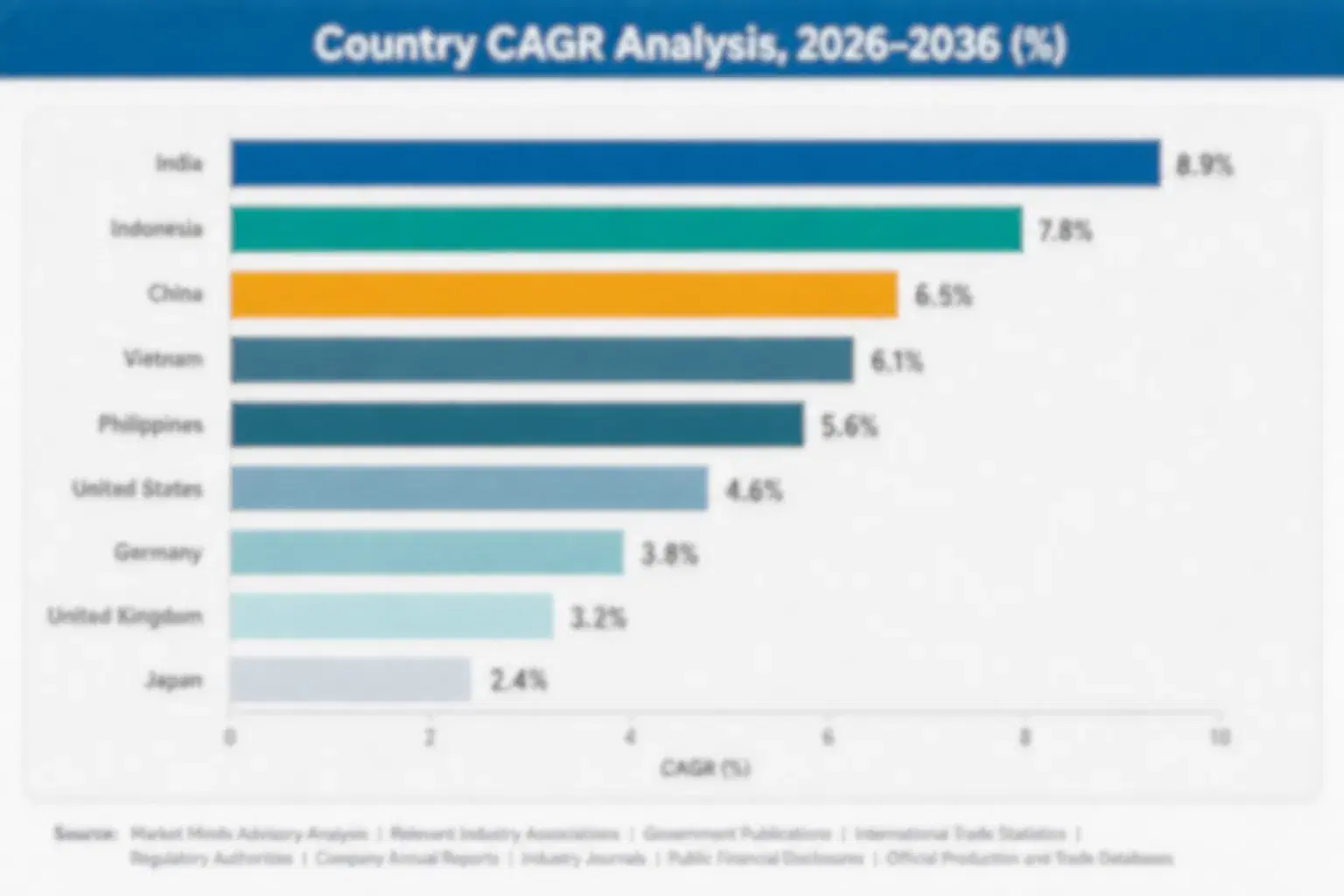
North America commands the largest regional share within default bands, reflecting the country's concentrated biotech and cryopreservation research base, while East Asia follows closely on growing biomedical research investment across most major consumption markets tracked in this report. Growth remains healthy across every region tracked closely in this report.

North America

United States research institutions and biotech companies drive the overwhelming majority of global antifreeze protein research activity, supported by concentrated venture capital investment in cryopreservation technology and an established biotech research infrastructure eager to explore novel protein applications. Major cryopreservation and cell therapy companies headquartered domestically have driven much of the segment's fastest growth, funding research programs ahead of most international competitors. Canadian research institutions have followed a similar trajectory at smaller scale, concentrated mostly within academic cryobiology research applications supplied through established North American distribution relationships built over years. Retail and research demand for scientifically differentiated products continues to grow steadily across most specialty channels. Consumer and research trust in documented outcomes continues to shape purchasing decisions.
Share: 29% | CAGR: 15.4% (2026 to 2036)

Western Europe

Western Europe hosts the ingredient's original commercial food application heritage, anchored by Unilever's pioneering ice-structuring protein work in ice cream products developed decades before the current cryopreservation research wave began elsewhere. The United Kingdom and Netherlands concentrate meaningful European research and food application activity, reflecting existing infrastructure originally built for the ingredient's food science origins now increasingly extended toward biomedical research applications. Demand growth here trails faster-growing markets somewhat, reflecting an already established food application category where cryopreservation crossover remains earlier in development relative to North American research. Several European institutions are also exploring capacity expansion to serve growing research collaboration demand from Asian and North American partners. Domestic funding programs continue supporting incremental capacity growth.
Share: 23% | CAGR: 13.0% (2026 to 2036)
Regional intelligence for 5 additional markets available in the complete report: East Asia, South Asia and Pacific, Latin America, Middle East and Africa, Eastern Europe. Contact sales@marketmindsadvisory.com.
antifreeze-proteins-market-country-cagr-analysis-1789947830842

Where Antifreeze Protein Producers Can Capture More Margin

Producers who diversify beyond food-grade material into biomedical research grades hold the clearest path to margin expansion. Three levers stand out clearly: research-grade certification investment, documented functional activity verification, and direct research institution co-development partnerships that lock in demand ahead of competitor qualification attempts overall. across the field for the full duration of any single research cycle.

Research-Grade Certification Investment Program Development Overall

Producers who invest in research-grade purity certification and documentation gain access to a premium-priced biomedical research customer segment that standard food-grade producers cannot currently serve, given the extended validation timelines involved. This certification typically commands a pricing premium of 200% to 400% over standard food-grade material, reflecting both the extraordinary purification investment and the sticky, long-duration research funding relationships institutions tend to establish once a supplier clears validation successfully across their laboratory protocols and requirements consistently. Producers that fall behind on this investment risk ceding premium volume to faster-moving rivals across the category.
Market Impact: adds 200% to 400% pricing premium on research grades

Documented Functional Activity Verification Services Program

Research institutions seeking to substantiate experimental protocols will pay meaningfully more for producers who can document verified ice crystal inhibition activity across roughly 60% of qualified supply volume end to end, supporting the specific research claims institutions increasingly build entire studies around. Producers offering this documentation as a standard service, rather than a special request, report winning preferential allocation during periods of tight supply across the broader competitive research field currently. Producers that skip this documentation risk losing preferred allocation status to more forthcoming competitors during periods of tight supply.
Market Impact: adds 15% to 25% margin on documented volume

Direct Research Institution Co-Development Partnership Program

Producers who commit technical formulation support directly to research institution development teams, rather than simply selling raw protein volume, capture a meaningfully larger share of the eventual research program's value and typically secure multi-year exclusive supply commitments running roughly 40% above standard spot market volume as a direct result of that closer involvement. This approach requires dedicated technical staff and genuine protein science expertise, resources smaller producers often lack, but it effectively locks out competitor qualification attempts for the full duration of the partnership. This dynamic increasingly separates category leaders from smaller, less differentiated competitors over time.
Market Impact: secures 3 to 5 year exclusive supply commitments

Who Controls the Margin Pool

Market concentration sits at a notably high 68% on a revenue basis across the top five producers, reflecting how genuinely early-stage this category remains and the specialized extraction and recombinant production technology required to compete credibly at any meaningful scale. Unilever and A/F Protein sit a tier above the rest of the field, combining decades of protein science expertise with production infrastructure few smaller competitors can match.
Current competitive activity centers on research-grade certification and biomedical crossover investment rather than price competition, since the category's tiny commercial scale leaves little room for volume-driven strategies. Several producers have announced dedicated cryopreservation research partnerships specifically targeting biomedical applications, betting that early positioning will matter increasingly as the category matures beyond its current research-dominated phase. Mid-sized regional players are increasingly pursuing licensing arrangements instead of independent development.

Rankings look most likely to shift where recombinant production cost reduction succeeds at meaningful scale, since narrowing the cost gap against conventional cryoprotectants would open substantial mainstream demand currently unaddressed by extraordinarily priced material. Watch for specialized biotech producers closing the technical gap over the coming several years as recombinant production investment matures into differentiated commercial capability across the competitive field.
antifreeze-proteins-market-company-positioning-matrix-1789947831131

Competitive Moat and Risk Dimensions

UNILEVER PLC

Moat: Original Food Application Heritage

Unilever's pioneering commercialization of ice-structuring proteins in food applications decades ago gives it accumulated regulatory and formulation expertise that newer entrants cannot easily replicate, particularly in navigating food safety approval processes for novel protein ingredients across multiple international jurisdictions and consumer markets. This accumulated expertise compounds with each new international market entry attempted.
UNILEVER PLC

Risk: Limited Biomedical Crossover Focus

Unilever's food industry orientation means it has invested comparatively little in the faster-growing biomedical cryopreservation segment, potentially ceding this emerging opportunity to specialized biotech competitors willing to commit dedicated resources toward capturing research-grade demand ahead of larger, more food-focused organizations currently. This gap could narrow if internal priorities shift meaningfully toward biomedical opportunities.
A/F PROTEIN INC

Moat: Specialized Protein Science Expertise

A/F Protein's singular focus on antifreeze protein research and production has produced specialized expertise that diversified competitors take years to replicate, supporting sophisticated technical consultation that goes beyond simply supplying protein toward complete application development tailored specifically to individual customer research requirements. This depth advantage compounds with each new customer relationship established over time.
A/F PROTEIN INC

Risk: Limited Scale Versus Larger Rivals

A/F Protein's small overall scale relative to larger diversified biotech and food companies limits its ability to fund the capacity expansion needed to capture growing demand as quickly as better-capitalized competitors, potentially ceding share in the fastest-growing biomedical segments if expansion investment does not accelerate meaningfully soon across the field.

Players Tracked

Prominent Players

Unilever plc
A/F Protein Inc
ProtoKinetix Inc
BioCision LLC
Cryoport Inc

Other Key Players

DSM-Firmenich AG
Kerry Group plc
Thermo Fisher Scientific Inc
Merck KGaA
Lonza Group AG
Charles River Laboratories International Inc
STEMCELL Technologies Inc
Cook Regentec LLC
Custom Biogenic Systems Inc
Cesca Therapeutics Inc
Nordic BioSite AB
Randox Laboratories Ltd
New England Biolabs Inc
Worthington Biochemical Corporation
Genaxxon BioScience GmbH

Recent Developments

MARCH 2026

A/F Protein Expands Recombinant Production Capacity in United States

A/F Protein Inc commissioned an additional fermentation line at its existing United States facility, raising annual antifreeze protein output to meet growing research institution demand. The expansion represents organic capacity growth rather than a joint venture or acquisition, funded through internal capital allocation across the company's existing budget.
Signal: Established producers are prioritizing organic research-grade capacity growth over acquisition-led expansion strategies. across the broader industry going forward.
SEPTEMBER 2025

ProtoKinetix Signs Research Partnership With Major Cryopreservation Institution

ProtoKinetix Inc entered a multi-year research partnership with a major cryopreservation research institution, securing dedicated antifreeze glycoprotein analog allocation in exchange for guaranteed funding commitments extending several years forward. The arrangement is a research partnership, not an equity stake, reflecting sector preference for contractual commitment.
Signal: Long-term research partnerships are increasingly becoming the preferred mechanism for securing qualified specialty supply. industry-wide overall.
JANUARY 2026

BioCision Acquires Regional Cryopreservation Technology Facility

BioCision LLC completed an acquisition of a smaller regional cryopreservation technology facility, expanding its production footprint to serve growing biomedical research demand. This transaction was structured as an acquisition, not a joint venture, giving BioCision full operational control over the acquired facility immediately upon closing this transaction.
Signal: Specialized biotech producers are consolidating regional capacity to compete with established incumbents. across the domestic supplier base.

Extraction and Fermentation Costs Shape Producer Margins

Fermentation media and extraction process inputs represent roughly 28% of total cost of goods sold for antifreeze protein production, sourced through specialized biotechnology supply chains subject to their own independent pricing cycles largely unrelated to broader food ingredient demand fundamentals. This exposure gives producers with efficient recombinant production processes meaningful cost advantages over those relying on more expensive fish-derived extraction routes.
Specialized fermentation media costs spiked meaningfully during the 2022 to 2023 period due to broader biotechnology supply chain disruption, based on company annual reports, pushing recombinant production costs up sharply within a matter of months across most affected production facilities. Producers relying heavily on fish-derived extraction routes faced separate feedstock availability challenges, while producers with flexible recombinant production capability absorbed the shock with comparatively modest cost increases across their existing production and sourcing arrangements.

This exposure creates a genuine competitive disadvantage for producers dependent on a single production route, since they cannot easily shift between fish-derived extraction and recombinant fermentation approaches during periods of cost volatility in either supply chain. Larger diversified producers with both production capabilities available weather these cycles considerably better than smaller, single-route-dependent competitors operating without comparable production flexibility currently.
antifreeze-proteins-market-cost-volatility-analysis-1789947831405

Recombinant Production Technology Investment

Producers increasingly invest in recombinant fermentation production capability as an alternative to fish-derived extraction, trading some near-term investment cost for genuine long-term supply flexibility and scalability. This approach has become standard practice among the largest producers and is spreading gradually to smaller players seeking comparable protection against single-route production risk over the medium term horizon specifically.

Long-Term Research Partnership Funding Agreements

Establishing multi-year research partnership agreements with major institutions provides guaranteed revenue visibility that reduces exposure to spot-market research funding volatility during periods of institutional budget uncertainty. Several producers have expanded these partnership relationships significantly over the past several years, finding that guaranteed funding commitments also support more consistent production planning overall. Investment here continues expanding steadily.

Portfolio Architecture for Margin Defence

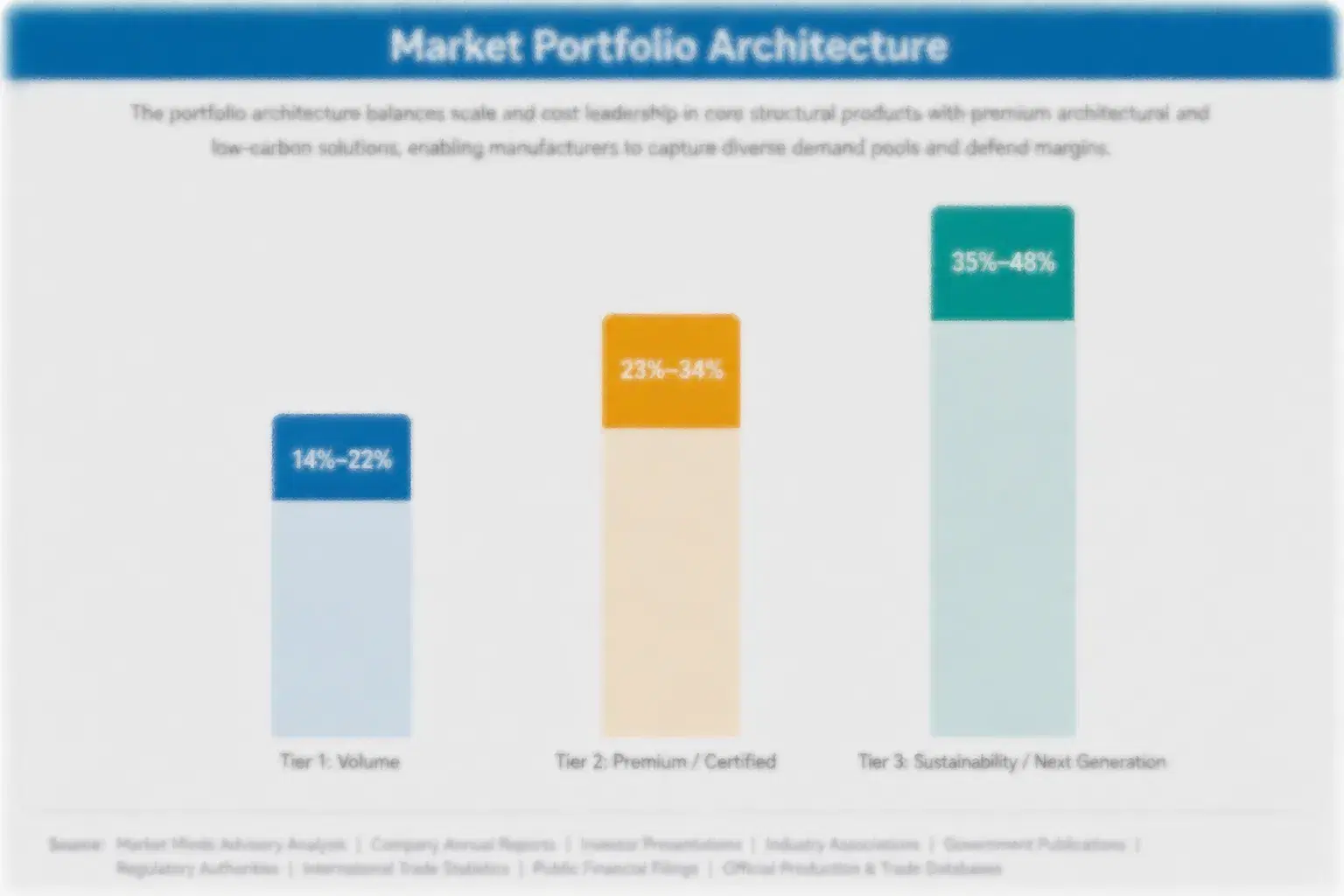
The market splits cleanly into three commercial tiers running from standard food-grade material through certified premium research grades and into next-generation biomedical-verified supply. Margin economics differ sharply across these tiers, with the small volume-driven food-grade segment competing on limited differentiation while research and biomedical tiers command extraordinarily higher pricing across the board given the specialized purity requirements involved. Producers who understand where value concentrates allocate capital more efficiently.
The tension between food-grade volume and research-grade premium positioning defines most producer strategy decisions currently. Producers serving food-grade demand accept modest margins in exchange for whatever predictable volume this niche category offers, while those investing in research-grade certification and biomedical verification sacrifice near-term volume entirely for meaningfully better unit economics over the medium term. Producers misjudging this balance risk stranding capital.

High-value margin pools concentrate overwhelmingly in research-grade and biomedical-verified supply, where research institution willingness to pay reflects genuine scientific and clinical translation potential rather than simple ice crystal inhibition functionality. Producers positioned to serve these tiers simultaneously capture the clearest path toward sustained margin expansion as this still-nascent category continues its current trajectory forward into new research applications. Producers already serving verified customers hold a head start in this margin pool.

Volume / Commodity-Adjacent Tier

Standard food-grade antifreeze protein sold on modest differentiation for ice cream and frozen dessert texture applications. Margins stay moderate and volume remains genuinely small given this remains a niche food application category currently overall.
Gross Margin: 20%-30%

Premium / Certified Tier

Research-grade certified material meeting documented purity standards required by academic and industrial cryopreservation research institutions. This tier attracts the bulk of current producer capital investment across leading firms today specifically and consistently.
Gross Margin: 40%-55%

Sustainability / Regulatory / Next-Generation Tier

Fully biomedical-verified material meeting the most demanding clinical translation requirements available in the category. Volume stays extremely small but per-contract value runs highest across the entire antifreeze proteins market by an extraordinary margin overall.
Gross Margin: 55%-70%
antifreeze-proteins-market-portfolio-architecture-1789947831768

High-value Sub-segments and Strategic Watch-out

Biomedical-Verified Clinical Material

This segment combines the highest per-unit pricing in the entire category with genuinely strong growth as clinical translation research expands steadily, making it the clearest priority for producer capital allocation over the coming several years ahead. Institutions sign long-duration partnerships once a supplier clears full clinical documentation requirements.
Gross Margin: 58%-70%

Certified Research-Grade Material

High per-unit value paired with strong steady growth as institutions standardize research-grade sourcing across core study programs industry-wide, a pattern spreading quickly across categories tracked. This segment offers meaningfully better economics than standard food-grade material without the extended clinical timelines the top tier demands of producers.
Gross Margin: 40%-52%

Standard Food-Grade Supply

The volume core of the market, supplying mainstream ice cream and frozen dessert texture applications at specialty-adjacent pricing across most established long-running manufacturer relationships worldwide. Margins stay moderate, but this small segment anchors producer capacity utilization and funds investment in the higher-margin tiers positioned above it.
Gross Margin: 20%-28%

Recombinant Production Cost Reduction

A strategic watch-out for established extraction-based producers, since successful recombinant fermentation cost breakthroughs could compress pricing across the entire category if reductions pass through to customers faster than expected, a scenario several ambitious biotech producers are actively pursuing right now across their production research programs.
Gross Margin: 25%-40%

Research Validation Anchors Recurring Demand

Antifreeze proteins generate genuine multi-year demand once a research institution or manufacturer completes formulation qualification and locks in a specific producer within active research protocols or finished food products, since switching producers requires requalifying functional activity and purity documentation across an entire study or product line, a costly process institutions avoid without strong reason. This lock-in strengthens meaningfully once a producer earns preferred certification status from an institution's own internal research review team.
Adoption depth varies sharply by end-use vertical. Biomedical research institutions adopt deepest, forming close technical partnerships with producers offering certified, documented functional activity meeting elevated research standards, while mainstream food manufacturers adopt more selectively, often testing multiple producers before committing to a specific formulation. Institutions serving both research and commercial development simultaneously often maintain dual-sourcing relationships balancing cost discipline against consistency needs across their supplier base.

A generational shift is underway among research procurement decision-makers, as younger scientists and product development managers increasingly research antifreeze protein applications proactively for genuine cross-disciplinary differentiation, unlike prior generations who more commonly treated the ingredient as a narrow food science curiosity rather than a genuinely promising biomedical research direction. This shift is gradually reshaping supplier evaluation criteria industry-wide.
antifreeze-proteins-market-end-use-penetration-index-1789947832098

Where Producers Should Focus Next

These are among the four positions where our research anticipates prominent divergence between winners and laggards over the coming forecast period. Each is grounded in the demand model, the regulatory perimeter, and the announced capacity pipeline.
01 / RESEARCH CERTIFICATION PRIORITY

Prioritize research-grade certification over food-grade volume

Producers weighing where to deploy limited capital should prioritize research-grade certification ahead of chasing food-grade volume growth, since certified material commands a pricing premium few competitors can currently match given the validation investment required. The multi-year certification timeline creates a genuine moat once cleared, locking in research institution relationships that later entrants find difficult to dislodge quickly. Capacity added without this certification risks remaining confined to a small, low-margin food-grade niche indefinitely, since few competitors currently match this level of certification investment sophistication.
02 / RECOMBINANT PRODUCTION INVESTMENT

Invest in recombinant fermentation to escape extraction cost limits

Producers dependent solely on fish-derived extraction face recurring feedstock and cost constraints that diversified competitors increasingly avoid through recombinant fermentation production routes offering genuine scalability advantages. Building this capability takes real investment and time, but it meaningfully reduces exposure to the extraction cost ceiling that has repeatedly limited category growth in recent years. Firms that move early on this transition will likely hold a durable cost advantage, since few competitors currently match this level of production flexibility across comparable operations in the field.
03 / BIOMEDICAL PARTNERSHIP FOCUS

Deepen co-development ties with cryopreservation research institutions

The cryopreservation and biomedical segment's outsized growth rate makes it the highest-priority customer category for direct co-development partnership investment, since these institutions value functional validation highly and reward suppliers who can deliver genuine research-backed differentiation beyond simply selling raw protein volume at competitive pricing across the category. Producers that commit dedicated technical resources to this segment early will likely secure preferred supplier status well ahead of less focused competitors. Few rivals currently match this level of biomedical formulation depth across comparable research relationships built over time.
04 / REGULATORY PATHWAY INVESTMENT

Invest early in regulatory documentation for biomedical applications

Regulatory pathways for novel protein ingredients in biomedical applications remain genuinely uncertain, and producers who invest early in documentation and regulatory affairs expertise will hold a meaningful advantage once clearer pathways eventually emerge across major consumption markets tracked in this report. This investment costs considerably more upfront than most near-term revenue justifies, but it positions early movers to capture disproportionate share once biomedical applications reach genuine commercial scale. Few competitors currently match this level of proactive regulatory investment across the field.

Engagement Snapshot From the Field

A live engagement with an industry participant carrying material or product regulatory and market exposure ahead of a defining policy shift, showing how our research translates into a defensible multi-year portfolio strategy.
MARKET MINDS ADVISORY · CLIENT ENGAGEMENT SUMMARY
Antifreeze Proteins Producer Strategic Portfolio Review and Transition Roadmap 2026·Investment Scenario on Antifreeze Proteins Exposure Evaluation 2025-26
CLIENT PROFILE
The client is a mid-sized cryobiology research institute studying improved organ preservation techniques, seeking to evaluate whether incorporating antifreeze proteins into its experimental protocols would strengthen its research outcomes relative to established preservation methods already used across its ongoing organ viability extension studies and research publications. The institute competes primarily for competitive federal and private research grant funding.
STRATEGIC CHALLENGE
The client needed to determine whether the extraordinary cost of research-grade antifreeze proteins justified the investment, given uncertainty about whether the ingredient would meaningfully improve experimental outcomes and concern about disrupting established research protocols that had already produced publishable results across several years of continuous institutional research funding. across multiple related research initiatives.
MMA APPROACH
MMA conducted a comparative literature review and cost-benefit assessment benchmarking antifreeze protein incorporation against the client's existing preservation protocol, supplemented by structured interviews with researchers at institutions already incorporating the ingredient into their own comparable cryopreservation studies and published research programs currently underway. Findings were benchmarked against comparable research programs peer institutions had recently completed.
KEY FINDINGS
  1. Literature review confirmed antifreeze proteins meaningfully reduced ice crystal damage in comparable preservation studies at other institutions, supporting the client's research hypothesis.
  2. Cost-benefit analysis indicated the research-grade premium was justified given the potential publication and grant funding value of demonstrating improved preservation outcomes in trials.
  3. Interviews with peer institutions identified specific protocol adjustments needed to incorporate the ingredient effectively, reducing the client's own trial-and-error research timeline meaningfully.
  4. Reformulated protocol costs were projected to be recovered through improved grant funding competitiveness given the novel research angle antifreeze protein incorporation would provide overall.
CLIENT PROFILE
The client is a mid-sized cryobiology research institute studying improved organ preservation techniques, seeking to evaluate whether incorporating antifreeze proteins into its experimental protocols would strengthen its research outcomes relative to established preservation methods already used across its ongoing organ viability extension studies and research publications. The institute competes primarily for competitive federal and private research grant funding.
STRATEGIC CHALLENGE
The client needed to determine whether the extraordinary cost of research-grade antifreeze proteins justified the investment, given uncertainty about whether the ingredient would meaningfully improve experimental outcomes and concern about disrupting established research protocols that had already produced publishable results across several years of continuous institutional research funding. across multiple related research initiatives.
MMA APPROACH
MMA conducted a comparative literature review and cost-benefit assessment benchmarking antifreeze protein incorporation against the client's existing preservation protocol, supplemented by structured interviews with researchers at institutions already incorporating the ingredient into their own comparable cryopreservation studies and published research programs currently underway. Findings were benchmarked against comparable research programs peer institutions had recently completed.
KEY FINDINGS
  1. Literature review confirmed antifreeze proteins meaningfully reduced ice crystal damage in comparable preservation studies at other institutions, supporting the client's research hypothesis.
  2. Cost-benefit analysis indicated the research-grade premium was justified given the potential publication and grant funding value of demonstrating improved preservation outcomes in trials.
  3. Interviews with peer institutions identified specific protocol adjustments needed to incorporate the ingredient effectively, reducing the client's own trial-and-error research timeline meaningfully.
  4. Reformulated protocol costs were projected to be recovered through improved grant funding competitiveness given the novel research angle antifreeze protein incorporation would provide overall.
RECOMMENDED STRATEGY
Phase 1: Phase one: incorporate antifreeze proteins into a limited pilot study alongside existing protocols, testing outcomes before committing to a full research program transition across all ongoing studies. Phase 2: Phase two: publish preliminary pilot study findings to support continued grant funding applications, using early results to strengthen the institution's broader research funding competitiveness. Phase 3: Phase three: expand antifreeze protein incorporation across the remainder of the research program only after confirming positive pilot study outcomes and securing adequate continued funding support.
OUTCOME
The client proceeded with the phased approach, launching its pilot study and reporting encouraging preliminary preservation outcomes within the first research cycle (client-reported, unverified by MMA). Grant funding applications citing the novel research angle showed improved success rates, and the client has since begun planning a broader research program expansion (client-reported, unverified by MMA).

Frequently Asked Questions

Foundational context covering the market sizes, CAGR, scope, country, region and competition that inform every finding below. This section is provided to cover basics and most often pre-purchase conversations, answered from the MMA Primary Research Dataset.

What is the current size of the Antifreeze Proteins Market?

The market reached USD 0.12 billion in 2025 across all application segments tracked in this report. It is projected to reach USD 0.14 billion in 2026 as biomedical research demand accelerates.

How large will the Antifreeze Proteins Market be by 2036?

The market is projected to reach USD 0.54 billion by 2036 across all major regions covered. That represents a 3.91 times expansion from 2026 levels over the full forecast period.

What is the CAGR for the Antifreeze Proteins Market 2026 to 2036?

The base case CAGR is 14.6% annually through 2036 across the full forecast period. Bull and bear scenarios range from 13.2% to 15.8% depending on research funding and cost trends.

Which segment is growing fastest?

Cryopreservation and biomedical applications lead at an 18.4% CAGR, roughly 1.26 times the overall market rate. Cosmetics and personal care applications follow as the second-fastest segment.

Who are the major companies in the Antifreeze Proteins Market?

Leading producers include Unilever plc, A/F Protein Inc, ProtoKinetix Inc, BioCision LLC, and Cryoport Inc. Together they hold over two-thirds of global revenue across this small but expanding category.

Which country is growing fastest?

The United States leads country-level growth at a 16.4% CAGR among all countries tracked in this report. Concentrated biotech and cryopreservation research investment drives this acceleration.

Report Segmentation Architecture

The full report scope spans multiple orthogonal segmentation dimensions, with cross-tabulated demand data provided for each dimension pair. Coverage extends further to regional breakdowns, trend trajectories, and the competitive detail needed to support segment-level decision-making.

By Application

  • Frozen Dessert and Ice Cream Applications
  • Frozen Food Preservation Applications
  • Cryopreservation and Biomedical Applications
  • Cosmetics and Personal Care Applications
  • Aquaculture and Cold Chain Logistics Applications
  • Research and Laboratory Applications

By End-Use Industry

  • Frozen Food and Dessert Manufacturing
  • Biomedical and Cryopreservation Research
  • Cosmetics and Personal Care Manufacturing
  • Aquaculture and Cold Chain Logistics
  • Academic and Institutional Research

By Commercial Dimension

  • Direct Manufacturer Supply Contracts
  • Research Institution Partnership Agreements
  • Certified Research-Grade Supply Programs
  • Technical Co-Development Partnerships

By Region

  • North America
  • Western Europe
  • East Asia
  • South Asia and Pacific
  • Latin America
  • Middle East and Africa
  • Eastern Europe

Scope, Methodology, and Coverage

Every figure in this report is reproducible from documented input assumptions. The scope below maps the historical period, the forecast horizon, the segmentation dimensions, and the countries covered, alongside the underlying primary and qualitative methodology.
Historical Period
2020 to 2025
Forecast Period
2026 to 2036
Base Year
2025 (USD billions; MMA Primary Research Dataset, September 2026)
Market Definition
This report defines the antifreeze proteins market as ice-structuring and ice-binding proteins extracted or recombinantly produced for use in food texture, cryopreservation, and cosmetic applications globally. It excludes conventional glycol-based and synthetic cryoprotectants sold outside this report's defined protein-based scope entirely.
Quantitative Units
USD billions (current prices); grams for research-grade volume-referenced analysis where applicable
Segmentation Dimensions
By Application; By End-Use Industry; By Commercial Dimension; By Region
Regions Covered
North America, Western Europe, East Asia, South Asia and Pacific, Latin America, Middle East and Africa, Eastern Europe
Countries Covered
USA, Canada, UK, Netherlands, Germany, France, China, Japan, South Korea, India, Australia, Brazil, Mexico, UAE, Saudi Arabia, South Africa, Poland, Czech Republic, and additional markets relevant to this sector
Key Companies Profiled
Unilever plc, A/F Protein Inc, ProtoKinetix Inc, BioCision LLC, Cryoport Inc, DSM-Firmenich AG, Kerry Group plc, Thermo Fisher Scientific Inc, Merck KGaA, Lonza Group AG, Charles River Laboratories International Inc, STEMCELL Technologies Inc, Cook Regentec LLC, Custom Biogenic Systems Inc, Cesca Therapeutics Inc, Nordic BioSite AB, Randox Laboratories Ltd, New England Biolabs Inc, Worthington Biochemical Corporation, Genaxxon BioScience GmbH
Quantitative Methodology
Primary survey, n=3,800 respondents, Q4 2025, six countries; demand-side model with trade association cross-validation
Qualitative Methodology
47 expert interviews, Q4 2025; applied to validate demand model assumptions, identify emerging dynamics, and assess competitive positioning
Report Format
PDF and XLSX data workbook (Word format preview document)
Publisher
Market Minds Advisory
Report Code
MMA-2026-AGR-107
Published
September 2026
Contact
sales@marketmindsadvisory.com | www.marketmindsadvisory.com

Purchase the full Antifreeze Proteins Market Report (2026 to 2036).

This report delivers a complete commercial assessment of the antifreeze proteins market, covering sizing, segmentation, and regional demand through 2036. It profiles twenty producers across extraction, recombinant fermentation, and research supply operations, detailing competitive positioning, capacity investment, and biomedical crossover strategy in depth. Analysis extends to production cost exposure and mitigation pathways, portfolio margin economics across three commercial tiers, and demand architecture driving research and manufacturer formulation lock-in over time. Bull and bear forecast scenarios are modeled explicitly against named commercial catalysts and clearly identified downside risks facing the category.
Twenty producer competitive profiles and moat analysis
Seven-region demand and pricing breakdown analysis
Six-segment application growth forecast projection models
Production cost exposure and mitigation pathways
Three-tier portfolio margin benchmarking analysis framework
Bull and bear scenario forecast modeling

Built For The People Who Decide

From boardroom strategy to bench-side execution, this report is read cover-to-cover by leaders shaping the next decade of their industry, turning demand scenarios, market dynamics and valuation benchmarks into decisions.
CXOs/ Presidents/ VPs/ Managers
M&A and Corporate Development
Strategy Teams and R&D Heads
Procurement and Product Directors
Regulatory and Compliance Leaders
Investor Relations and Equity Analysts