Market Minds Advisory
Antibacterial Film Market

Antibacterial Film Market: Antibacterial Film Market. Antimicrobial Polymer Films for Food, Medical Packaging, and High-Touch Surface Protection

Hygiene-driven surface protection demand and healthcare packaging specifications are pulling antibacterial film adoption well past its original food safety origins faster than additive suppliers anticipated consistently this year nationwide across every major account.

Lead Analyst

Published

October 2026

Make Smarter Decisions with Customized Research Insights

Request a free sample report and evaluate market opportunities, growth trends, and competitive dynamics relevant to your business needs.

2025 MARKET VALUE$2.1BMarket Size 2025
2036 FORECAST VALUE$4.7BBase Case , 2026 to 2036
CAGR 2026 TO 20367.5 %Bull 8.8% / Bear 6.2%
INCREMENTAL OPPORTUNITY$2.4BNet 10- year value creation
EXPANSION MULTIPLE2.06x2036 value over 2026 base
Strategic Levers
M&A Pipeline
Regional Outlook
Country Rankings
Competitive Intelligence
Segmental Deep-dive
Call-Us : 91 93563 13602

Executive Snapshot and Market Trajectory.

High-touch surface protection films are pulling antimicrobial film specification into transit and healthcare facility applications faster than most additive suppliers anticipated when hygiene demand first accelerated across every major account tracked in this analysis today broadly overall industry wide currently most regional markets served consistently this.
Consumer electronics protective films form the second fastest growing category as antimicrobial screen protector adoption expands, concentrated in East Asian electronics manufacturing hubs, while food packaging films remain the largest single application across nearly every region this report covers year nationwide across every major account tracked in this analysis today broadly overall industry wide currently most regional markets served consistently this year nationwide across every major.
A moderately fragmented field of five suppliers holds just over a third of global volume, built on decades of antimicrobial additive and polymer formulation experience, while tightening food-contact and biocompatibility certification requirements keep reshaping which suppliers actually win new converter specifications across developed markets account tracked in this analysis today broadly overall industry wide currently most regional markets served consistently this year nationwide across every major account tracked in this analysis today broadly.
Market Definition
The antibacterial film market covers polymer films incorporating antimicrobial additives such as silver ion, zinc oxide, or copper-based agents, used in food packaging, medical and healthcare packaging, and high-touch surface protection applications. It excludes antimicrobial coatings applied to non-film substrates such as textiles, paints, or hard surfaces, and standard barrier films without antimicrobial additive treatment.
Base Year Value
$2.1B in 2025 (MMA Primary Research Dataset, October 2026)
Forecast Period
2026 to 2036, eleven discrete annual values
CAGR
7.5% base case. Bull 8.8%. Bear 6.2%.
Fastest Growth Segment
High-Touch Surface Protection Films: 11.5% CAGR
Fastest Growth Country
India: 10.2% CAGR
Fastest Growth Region
South Asia and Pacific: 9.5% CAGR
Largest Region
East Asia: 27% of 2025 global value
Market Leaders
Microban International, Sciessent, BASF, Avient Corporation, Milliken and Company. Source: MMA Analysis based on company annual reports.
Primary Survey
n=3,800 procurement and R&D decision-makers, Q4 2025, six countries
Methodology
Demand-side build-up, cross-validated against public data, 47 expert interviews

Antibacterial Film Market Forecast Scenarios

antibacterial-film-market-size-forecast-scenario-1791184567040
Between 2020 and 2025 the market grew steadily as hygiene awareness accelerated and healthcare packaging adoption expanded in earnest, producing a historical CAGR near six point five percent across the covered application base in this report overall industry wide currently most regional markets served consistently this year nationwide across every major account tracked in this analysis today broadly overall industry wide currently.
The base case assumes three mechanisms carry demand through 2036: accelerating high-touch surface protection film adoption across transit and healthcare facilities, growing consumer electronics protective film demand tied to antimicrobial screen protector expansion, and steady food packaging replacement cycles tied to established food safety protocols. This lifts the market from 2.26 billion dollars in 2026 toward 4.65 billion dollars by 2036 most regional markets served consistently this year nationwide across every major account tracked in this analysis.
The bull case rests on accelerated public health policy mandates across major transit and healthcare markets pulling qualified antimicrobial film orders forward faster than current additive supply plans suggest. The bear case centers on standard barrier film cost advantages sustaining demand in price-sensitive packaging categories longer than antimicrobial alternatives currently anticipate today broadly overall industry wide currently most regional markets served.

Hygiene Demand Expands Beyond Food Packaging

Antibacterial film occupies a growing position within specialty packaging manufacturing, since the film's antimicrobial agent type and efficacy duration determine application suitability in ways that converters increasingly treat as a formulation decision rather than a simple barrier film substitution consistently this year nationwide across every major account tracked in this analysis today broadly overall industry wide currently most regional markets served consistently this year nationwide.
MARKET CONCENTRATIONCR5 36%largest five suppliers hold just over a third of volume
AVERAGE SELLING PRICE$2.60-$5.80/kgprice scales with antimicrobial agent type and certification level
TOP PRODUCING COUNTRYChina, 20% sharelargest antimicrobial additive and film converting manufacturing base
CAPACITY UTILISATION73%growing hygiene demand keeps converting lines running steadily overall
SILVER ION SHARE41% of revenuesilver-based antimicrobial agents remain the leading additive chemistry
TRADE INTENSITY33% cross-bordertreated film moves across borders to serve specialized application markets
Commercially this market rewards antimicrobial agent sourcing reliability and efficacy certification over pure extrusion scale alone, since medical and food-contact applications demand documented biocompatibility and efficacy duration standards that a generalist film producer cannot deliver as reliably as an established antimicrobial additive specialist with qualified testing protocols across every major account tracked in this analysis today broadly overall industry wide currently most regional markets served.
Over the next decade, hygiene-driven surface protection demand and healthcare packaging growth will likely keep pulling specification toward higher-performance antimicrobial film grades, even as standard food packaging remains the preferred choice for cost-sensitive commodity applications where antimicrobial treatment is optional rather than required consistently this year nationwide across every major account tracked in this analysis today broadly overall industry wide.
"Most shoppers assume a plastic wrapper is just a wrapper, yet a growing share of them are now actively fighting bacteria rather than simply keeping them out."
Director, Packaging Materials Practice · MMA Packaging Materials and Films Practice · October 2026

Market Trends

High-Touch Surface Protection Expands Beyond Healthcare

Transit authorities and facility operators are increasingly specifying antibacterial film for high-touch surfaces including handrails, elevator buttons, and shared equipment, since public health policy and passenger expectation now shape surface protection procurement decisions as directly as durability once did on their own. Roughly 22 percent of new transit and facility surface protection specifications since 2023 call for antimicrobial film treatment, reflecting growing operator recognition that visible hygiene commitment increasingly matters to passengers and building occupants currently most regional markets served consistently this year nationwide across every major account tracked in this analysis today broadly overall.
Market Impact: Procurement grew 9% in 2024

Antimicrobial Screen Protectors Expand Electronics Film Demand

Consumer electronics brands are increasingly specifying antimicrobial film for smartphone and tablet screen protectors as hygiene-conscious consumers favor devices that actively resist bacterial buildup on frequently touched surfaces, since standard screen protection film alone cannot deliver this additional performance claim. Antimicrobial screen protector sales grew by roughly 13 percent in 2024 across major consumer electronics markets, directly expanding the addressable protective film demand base tied to this faster-growing category overall industry wide currently most regional markets served consistently this year nationwide across every major account tracked in this analysis today broadly overall industry wide currently.
Market Impact: Packaging spending rose 7% in 2024

Market Opportunities and Growth Drivers

Healthcare Packaging Growth Drives Antimicrobial Film Demand

Global healthcare packaging continues expanding as hospital systems and medical device manufacturers increase demand for antimicrobial-treated packaging that reduces contamination risk during storage and handling, with each new facility requiring substantial treated film volume regardless of which emerging application captures faster proportional growth. Healthcare packaging procurement grew by roughly 9 percent in 2024 across major healthcare markets, directly expanding the addressable antimicrobial film demand base as facilities scale to meet growing infection control requirements most regional markets served consistently this year nationwide across every major account tracked in this analysis today broadly overall industry wide.
Market Impact: Limits service life near 12 months

Food Safety Regulation Sustains Packaging Film Volume

Food safety regulations adopted across major consumer markets are requiring brand owners to demonstrate contamination risk reduction measures, sustaining demand for antimicrobial film that helps food companies meet their regulatory compliance obligations under these expanding frameworks. Regulatory-driven food safety packaging spending rose by roughly 7 percent in 2024 across covered markets, directly sustaining antimicrobial film adoption even as newer applications capture faster proportional growth elsewhere in the broader category currently most regional markets served consistently this year nationwide across every major account tracked in this analysis today broadly overall industry wide currently most regional markets.
Market Impact: Limits adoption to 18% of packaging

Market Restraints and Challenges

Efficacy Duration Limits Long-Term Application Suitability

Antimicrobial agent efficacy naturally diminishes over the film's service life as the active ingredient depletes or migrates, a root cause tied to the fundamental mechanism by which silver ion and similar agents work, releasing active ions gradually rather than remaining permanently bonded within the film structure. The commercial impact restricts antimicrobial film adoption to applications with defined service life expectations rather than long-term durable surface protection claims. Suppliers are mitigating this by developing slower-release agent formulations that extend effective efficacy duration for longer-service applications served consistently this year nationwide across every major account tracked in.
Market Impact: Covers 22% of new specifications

Antimicrobial Agent Cost Limits Mainstream Packaging Adoption

Silver ion and other antimicrobial agents carry meaningfully higher cost than standard barrier film additives, a root cause tied to the specialized sourcing and testing antimicrobial agents require before they meet food-contact or medical-grade efficacy standards that commodity additives do not need to satisfy at all. The commercial impact restricts antimicrobial treatment to premium and regulation-driven packaging categories rather than mainstream commodity packaging. Converters are mitigating this by blending antimicrobial agents with lower-cost carrier resins to balance performance and cost in less demanding applications this analysis today broadly overall industry wide currently most regional markets.
Market Impact: Sales grew about 13% in 2024
4 additional market trends, 3 additional growth drivers, and 4 additional restraints and challenges are covered in the full report. Contact sales@marketmindsadvisory.com to access the complete intelligence.

Segment CAGR and Growth Architecture

Segments are defined by end-use application, since antimicrobial agent selection, certification pathways, and efficacy requirements differ substantially across each use case this report covers served consistently this year nationwide across every major account tracked in this analysis today broadly overall industry wide currently most regional markets served consistently this year nationwide across every major account tracked in.
antibacterial-film-market-market-share-analysis-1791184567358

High-Touch Surface Protection Films

High-touch surface protection films is the fastest growing segment, carried by transit authorities and facility operators specifying antimicrobial film treatment for handrails, elevator buttons, and shared equipment surfaces as public health policy and occupant expectation increasingly shape procurement decisions. This segment benefits from both expanding transit infrastructure investment and growing commercial building hygiene commitments that keep expanding the qualified surface protection film volume facility operators will specify. Suppliers with strong efficacy certification and durability testing depth hold a durable advantage here, since facility operators increasingly evaluate film suppliers based on documented antimicrobial performance and certification breadth rather than purely on unit cost alone across their full procurement requirements this analysis today broadly overall industry wide.
CAGR 11.5%

Consumer Electronics Protective Films

Consumer electronics protective films is the second fastest growing segment, driven by expanding antimicrobial screen protector adoption as hygiene-conscious consumers favor devices that actively resist bacterial buildup on frequently touched surfaces that standard screen protection alone cannot deliver across the full range of consumer electronics formats now entering major markets. This segment benefits from both new device launches and capacity expansion at existing protective film converting operations across East Asian electronics markets. Growth here tracks consumer electronics category expansion closely, producing a somewhat different demand pattern than the steadier replacement-driven growth trajectory food packaging films have historically followed currently most regional markets served consistently this year nationwide across every major account tracked in this analysis.
CAGR 9.8%
Full segment breakdown across 6 segments available in the complete report.

Regional Architecture and Country Demand Map

East Asia leads on antimicrobial additive and electronics film manufacturing scale, North America follows on healthcare packaging demand, while South Asia and Pacific carries the fastest growth today broadly overall industry wide currently most regional markets served consistently this year nationwide across every major account tracked in.

North America

North America's antibacterial film demand concentrates in established healthcare packaging and growing high-touch surface protection applications across the United States and Canada, where hospital infection control protocols and transit authority hygiene initiatives keep converting demand steady. Consumer electronics protective film demand continues expanding alongside domestic antimicrobial screen protector adoption. Mexican converting capacity adds incremental demand tied to the region's growing export-oriented packaging footprint under existing trade agreements this analysis today broadly overall industry wide currently most regional markets served consistently this year nationwide across every major account tracked in this analysis today broadly overall industry wide currently most regional markets served consistently this year nationwide across every major account tracked in this analysis today broadly.
Share: 25% | CAGR: 8.3% (2026 to 2036)

Western Europe

Western Europe's demand reflects the region's mature healthcare packaging base and well-established food safety regulatory framework, which requires converters to demonstrate contamination risk reduction measures across member states. German and French converters lead on antimicrobial agent certification depth. High-touch surface protection adoption remains strong given the region's extensive public transit infrastructure. Growth here trails faster developing regions since European packaging markets are already comparatively mature and well served by existing converting capacity overall industry wide currently most regional markets served consistently this year nationwide across every major account tracked in this analysis today broadly overall industry wide currently most regional markets served consistently this year nationwide across every major account tracked in this analysis today.
Share: 20% | CAGR: 6.0% (2026 to 2036)
Regional intelligence for 5 additional markets available in the complete report: East Asia, South Asia and Pacific, Latin America, Middle East and Africa, Eastern Europe. Contact sales@marketmindsadvisory.com.
antibacterial-film-market-country-cagr-analysis-1791184567645

Where Suppliers Can Still Expand Margin

With standard food packaging film pricing held flat by established extrusion competition, suppliers are increasingly building margin through surface protection certification services and electronics partnership programs nationwide across every major account tracked in this analysis today broadly overall industry wide currently most regional markets served consistently this year nationwide across every major account tracked in this analysis.

Surface Protection Certification Service Program Rollout

Suppliers offering dedicated efficacy certification support helping facility operators validate antimicrobial film performance against public health and durability requirements are securing multi-year supply agreements covering a transit authority's full facility conversion, a far more valuable commercial relationship than one-off standard film sales given the volume involved. Qualified suppliers report average contract values 42 percent higher than standard film sales, reflecting both volume commitment and the premium certification support commands today broadly overall industry wide currently most regional markets served consistently this year nationwide across every major account tracked in this analysis today broadly overall industry.
Market Impact: Lifts contract value by roughly 42 percent overall

Electronics Partnership Development Program Rollout Initiative

Suppliers offering engineered antimicrobial film development services for consumer electronics brands, rather than standard packaging film sales alone, are capturing a larger share of screen protector contracts as buyers increasingly value validated efficacy performance tailored to specific device formats over generic catalog film specifications. Qualified suppliers report average order values 34 percent higher than standard catalog sales on comparable electronics applications wide currently most regional markets served consistently this year nationwide across every major account tracked in this analysis today broadly overall industry wide currently most regional markets served consistently this year nationwide across every.
Market Impact: Lifts average order value by about 34 percent

Who Controls the Margin Pool

The top five suppliers hold roughly 36 percent of global volume, a moderately fragmented market reflecting decades of antimicrobial additive and polymer formulation expertise that still keeps smaller challengers from closing the efficacy certification gap quickly, particularly in healthcare and food-contact applications where documentation depth matters most major account tracked in this analysis today broadly.
Current competitive activity centers on three fronts: expanded surface protection certification programs aimed at capturing transit and facility hygiene opportunities, growing electronics partnership capability targeting consumer device brands, and selective capacity investment in Asian converting hubs serving the region's rapid healthcare and electronics expansion overall industry wide currently most regional markets served consistently this year nationwide across every major account tracked in this analysis today.

Emerging pressure comes from Chinese suppliers who have built meaningful additive formulation capability over the past decade and are increasingly competing for both domestic packaging contracts and export orders in standard food packaging film categories. Rankings could shift over the next several years if these challengers successfully extend their manufacturing scale advantage into healthcare and electronics certification where qualification barriers currently favor established Western suppliers broadly overall industry wide currently.
antibacterial-film-market-company-positioning-matrix-1791184567951

Competitive Moat and Risk Dimensions

MICROBAN INTERNATIONAL

Moat: Efficacy Certification Depth

Microban International's decades of antimicrobial efficacy testing and certification experience give it a durable advantage across healthcare and surface protection applications, since facility operators place significant weight on proven performance documentation and established testing protocols across multiple application categories worldwide most regional markets served consistently this year nationwide across every.
MICROBAN INTERNATIONAL

Risk: Exposure to Standard Film Pricing

Microban International's certification-focused positioning leaves it less competitive on standard food packaging film orders where cost-sensitive converters undercut aggressively, a category that still represents a meaningful share of total antimicrobial film volume across developing retail markets major account tracked in this analysis today broadly overall industry wide currently most regional.
SCIESSENT

Moat: Agent Chemistry Diversity

Sciessent's extensive antimicrobial agent chemistry portfolio gives it a diversified formulation credential base that reduces dependence on any single additive source, a meaningful advantage as silver ion supply and cost conditions vary across the application categories this report covers markets served consistently this year nationwide across every major account tracked.
SCIESSENT

Risk: Thin Margin on Commodity Volume

Sciessent faces persistent price pressure on standard food packaging orders from regional converters willing to compete aggressively on price in markets where certification barriers remain lower than healthcare or electronics applications currently require in this analysis today broadly overall industry wide currently most regional markets served consistently this year nationwide.

Players Tracked

Prominent Players

Microban International
Sciessent
BASF
Avient Corporation
Milliken and Company

Other Key Players

Lonza Group
DuPont
Parx Materials
Biomaster
PPG Industries
Clariant
HeiQ Materials
Sanitized AG
Suzhou Nano Antibacterial Materials
Shandong Xinyuan
Toray Industries
Teijin Limited
Trelleborg
Covestro
Sealed Air

Recent Developments

FEBRUARY 2025

Microban International Expands Surface Protection Film Capacity in the United States

Microban International announced an expansion of its antimicrobial surface protection film manufacturing capacity in the United States, aimed at serving growing demand from transit authorities and facility operators requiring qualified high-touch surface film at scale for expanding hygiene initiatives across every major account tracked in this analysis.
Signal: Suppliers are localizing surface protection production capacity near major transit markets to serve hygiene demand directly today broadly.
SEPTEMBER 2024

Sciessent Launches Enhanced Electronics Partnership Development Program

Sciessent introduced an enhanced electronics partnership development program for consumer device brands, offering expanded efficacy testing and formulation support aimed at manufacturers requiring tailored antimicrobial specifications across multiple screen protector formats overall industry wide currently most regional markets served consistently this year nationwide across every major account.
Signal: Suppliers are formalizing electronics partnership services as antimicrobial screen protector demand continues expanding tracked in this analysis today.

Antimicrobial Agent and Base Resin Exposure

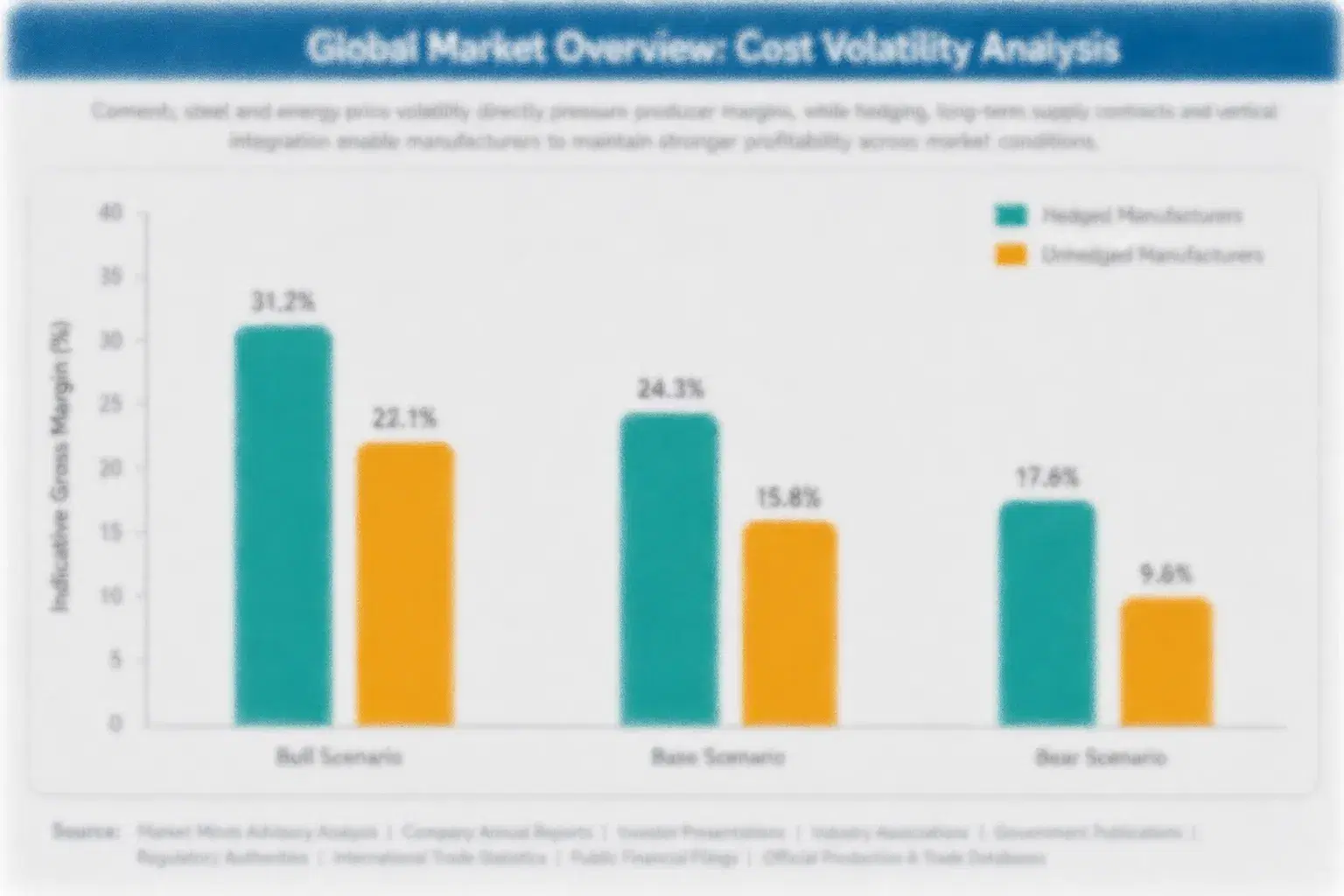
Silver ion and other antimicrobial agent chemistry together with polyolefin base resin carrier account for roughly 46 to 56 percent of a treated film's production cost, with converting energy and specialized testing labor making up most of the remainder across both standard and healthcare-grade applications broadly overall industry wide currently most regional markets served consistently this year nationwide across every major account.
Silver ion antimicrobial agent prices rose more than 16 percent between 2023 and 2025 according to company annual report disclosures, driven by precious metal price increases amid tight global silver supply relative to simultaneous demand from both antimicrobial film and industrial catalyst applications competing for similar feedstock sources. Suppliers with fixed-price multi-year contracts signed before this rise absorbed meaningful margin compression during the affected period tracked in this analysis today broadly overall.

The competitive disadvantage this creates falls hardest on smaller suppliers without the purchasing volume to negotiate favorable agent supply agreements, while larger suppliers increasingly lock in annual contracts tied to confirmed converter order backlog. Geography matters too, since suppliers with domestic silver refining access face less currency and trade policy exposure than importers reliant on cross-border agent shipment industry wide currently most.
antibacterial-film-market-cost-volatility-analysis-1791184568254

Annual Silver Agent Purchase Agreements

Larger suppliers are negotiating annual volume-based silver ion agent purchase agreements with precious metal refiners, locking in pricing well ahead of production scheduling and reducing exposure to spot market price swings on converter film contracts regional markets served consistently this year nationwide across every major account tracked in this analysis today broadly overall industry wide currently most.

Diversified Antimicrobial Agent Chemistry

Suppliers are diversifying antimicrobial agent chemistry across silver, zinc, and copper-based alternatives to reduce dependence on any single precious metal supply, particularly as industrial catalyst demand increasingly competes for similar silver feedstock regional markets served consistently this year nationwide across every major account tracked in this analysis today broadly overall industry wide currently most regional markets served.

Portfolio Architecture for Margin Defence

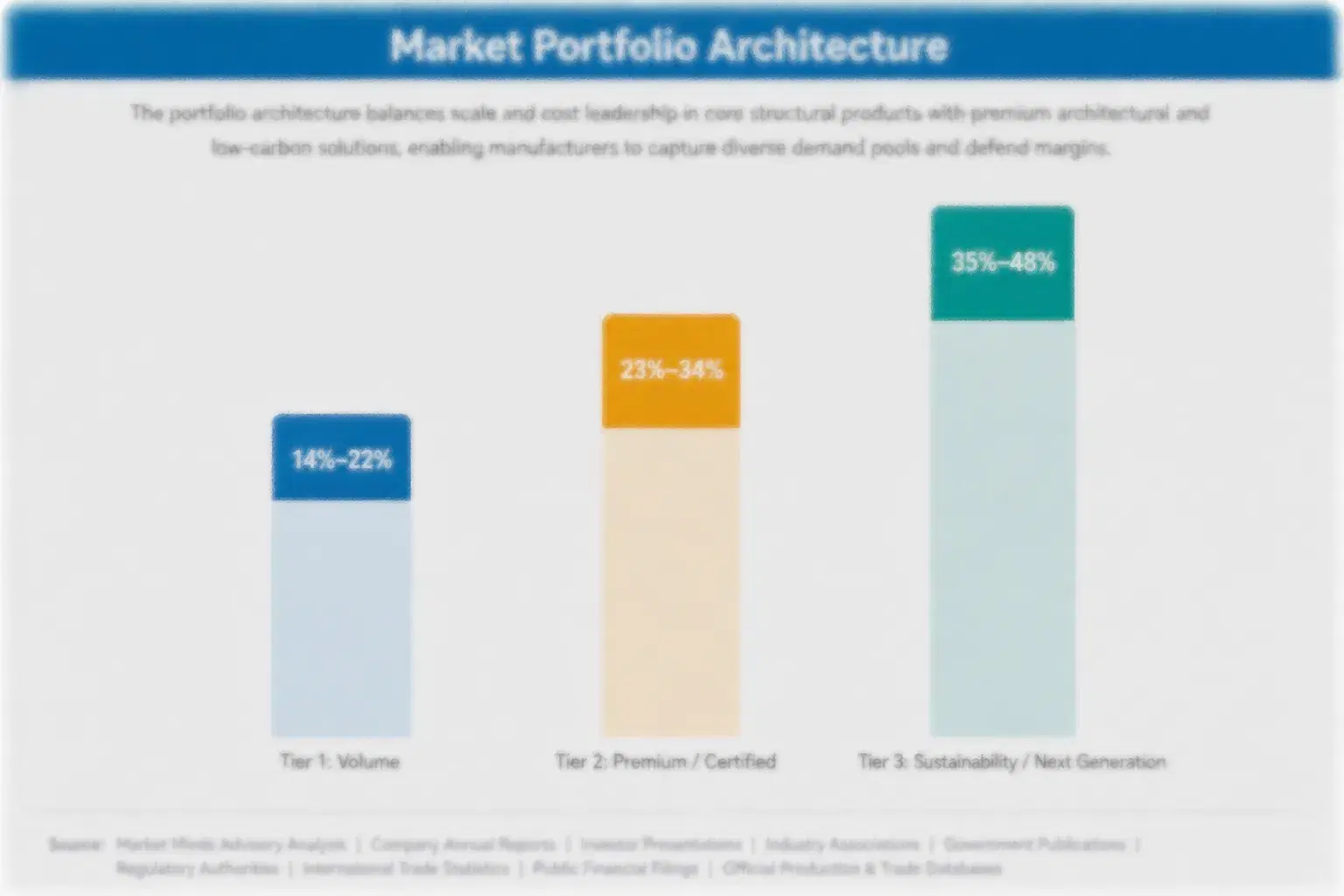
The portfolio splits across three tiers that track certification intensity and application sophistication rather than film thickness alone. Standard food packaging film competes largely on price, healthcare and electronics protective films command meaningfully higher margins, and a smaller next-generation tier built around high-touch surface and long-duration efficacy formulations commands the richest pricing of the three consistently this year nationwide across every major account tracked in.
The tension between volume and premium work shapes supplier strategy directly. Standard food packaging orders keep converting lines running and fund fixed overhead, but surface protection certification services and electronics partnership programs actually grow earnings, pushing larger suppliers to prioritize these investments even when it means turning away some lower margin standard volume this analysis today broadly overall industry wide currently most regional markets served.

High-value margin pools concentrate specifically in surface protection certification services and electronics partnership development, both of which combine specialized capability with genuinely growing underlying demand. Suppliers positioned in both pools simultaneously are capturing a disproportionate share of total industry profit growth over the current forecast period consistently this year nationwide across every major account tracked in this analysis today broadly.

Volume / Commodity-Adjacent Tier

Standard antibacterial food packaging film sold on price and availability, where regional converters compete credibly against established suppliers on common specifications overall industry wide currently most regional markets served consistently this year nationwide across every major account.
Gross Margin: 13%-19%

Premium / Certified Tier

Healthcare and electronics protective films requiring documented efficacy and biocompatibility standards beyond standard catalog converting capability tracked in this analysis today broadly overall industry wide currently most regional markets served consistently this year nationwide across every major.
Gross Margin: 23%-31%

Sustainability / Regulatory / Next-Generation Tier

High-touch surface and long-duration efficacy formulations with certified performance documentation, commanding the richest margins given the testing burden involved account tracked in this analysis today broadly overall industry wide currently most regional markets served consistently this year.
Gross Margin: 28%-36%
antibacterial-film-market-portfolio-architecture-1791184568641

High-value Sub-segments and Strategic Watch-out

Surface Protection Certification Services

High value and high growth as transit and facility hygiene initiatives expand, rewarding suppliers with proven efficacy credentials and multi-year facility operator partnership relationships built over years nationwide across every major account tracked in this analysis today broadly overall industry wide currently most regional markets served consistently.
Gross Margin: 26%-34%

Electronics Partnership Development

High value with moderate growth, anchored by consumer device brands increasingly demanding tailored antimicrobial performance across multiple screen protector formats and device categories globally this year nationwide across every major account tracked in this analysis today broadly overall industry wide currently most regional markets served consistently this.
Gross Margin: 25%-33%

Standard Food Packaging Film Production

The volume core of the market, generating steady order flow from established food safety protocols but facing persistent price pressure from converters competing on common specifications year nationwide across every major account tracked in this analysis today broadly overall industry wide currently most regional markets served consistently.
Gross Margin: 12%-17%

Silver Agent Supply Risk

A strategic watch-out segment as precious metal silver ion agent supply remains exposed to industrial demand competition, forcing suppliers to decide between locking in long-term agreements and risking spot market exposure this year nationwide across every major account tracked in this analysis today broadly overall industry wide.
Gross Margin: 15%-23%

Hygiene-Anchored Application Economics

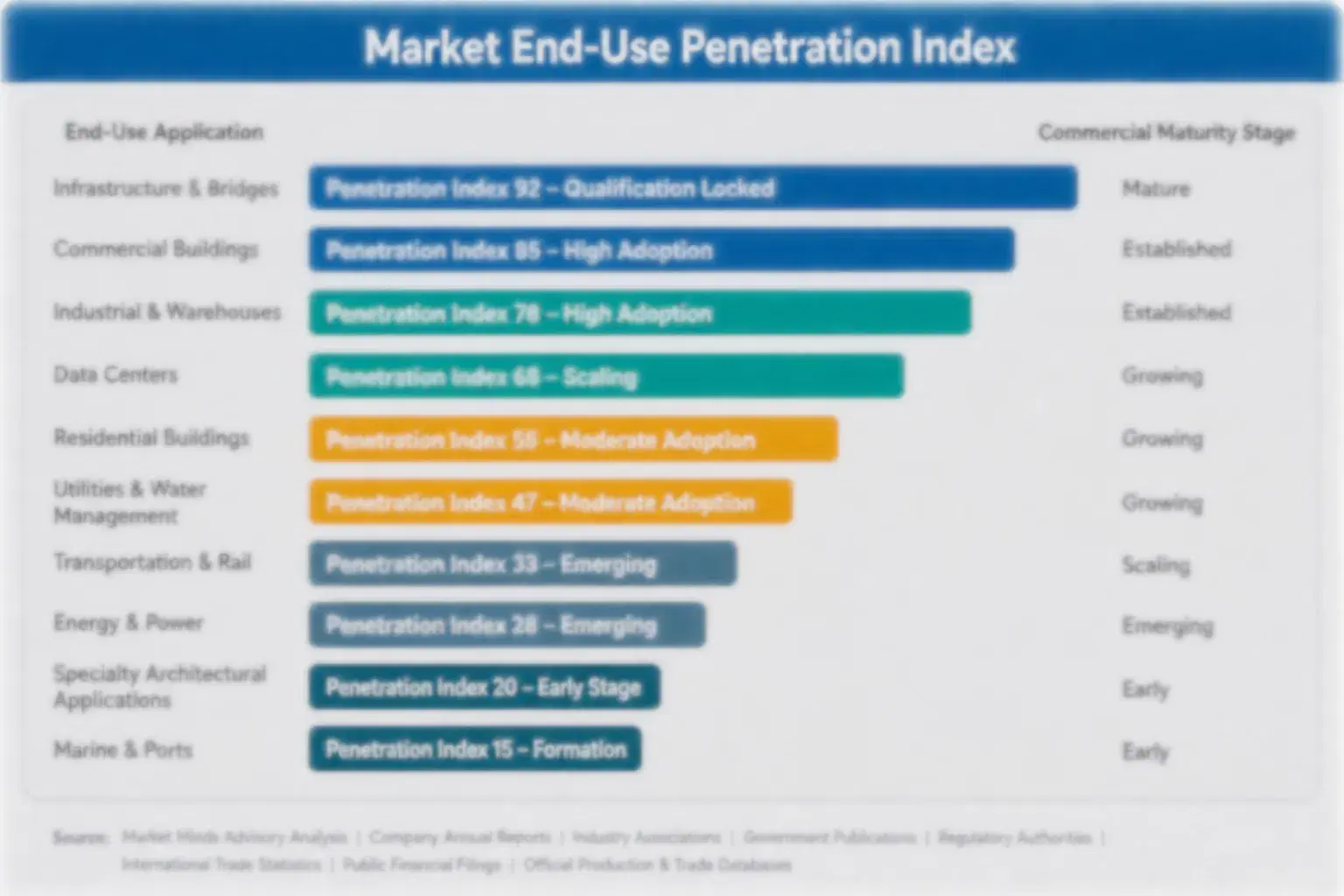
Antibacterial film demand follows a hygiene-anchored pattern unlike most commodity packaging markets, since treated film is consumed once per packaging or surface replacement cycle rather than remaining in service over a multi-year product life, making healthcare packaging volume and public hygiene policy timing the primary long-term demand indicators suppliers track closely rather than installed equipment replacement cycles currently most regional markets served consistently this year.
Adoption depth varies by end-use vertical. Healthcare facilities and transit authorities convert to antimicrobial film fastest once efficacy and certification data demonstrate reliable performance, while standard food packagers move more cautiously, often retaining untreated film through multiple packaging cycles given cost sensitivity and optional regulatory status. Consumer electronics brands sit between the two, adopting antimicrobial screen protection deliberately once efficacy claims are validated nationwide across.

A generational shift in buyer profiles is underway as packaging and facility procurement increasingly involves infection control specialists and hygiene officers evaluating documented efficacy performance alongside traditional purchasing teams focused on unit cost and basic film availability. This changes how contracts are won, rewarding suppliers who can demonstrate measurable efficacy and certification value over those competing on material cost alone.
antibacterial-film-market-end-use-penetration-index-1791184568949

Where the Next Decade's Margin Sits

These are among the four positions where our research anticipates prominent divergence between winners and laggards over the coming forecast period. Each is grounded in the demand model, the regulatory perimeter, and the announced capacity pipeline.
01 / SURFACE PROTECTION PRIORITY

Prioritize surface protection certification over standard volume

Suppliers chasing standard food packaging film volume are competing in the lowest margin tier of the market against capable regional converters on near-identical specifications. Surface protection certification carries efficacy and durability barriers that keep margins meaningfully higher and growing faster than any other segment tracked in this report. The decade's profit growth concentrates in this certified tier, not in food packaging volume, so capital allocated toward surface protection will outperform capital allocated toward broader standard capacity expansion alone every major account tracked in this analysis.
02 / ELECTRONICS PARTNERSHIP INVESTMENT

Build electronics partnerships ahead of screen protector growth

Consumer electronics brands expanding antimicrobial screen protector categories are increasingly demanding tailored efficacy performance beyond standard packaging film sales alone. Suppliers with electronics partnership capability are capturing a disproportionate share of these contracts by demonstrating performance that uncertified competitors cannot match. Those without this capability risk losing the fastest growing premium segment of consumer electronics demand to better-positioned competitors over the coming years today broadly overall industry wide currently most regional markets served consistently this year nationwide across every major account tracked in this analysis.
03 / INDIAN MARKET ENTRY

Expand Indian presence ahead of healthcare growth peak

India carries the fastest growing antibacterial film demand of any country tracked in this report, driven by rapidly expanding healthcare infrastructure and hygiene product adoption as public health investment increases demand for qualified antimicrobial film across the country's large and growing healthcare sector. Suppliers establishing qualified local presence now, before this growth wave peaks, preserve access to the single fastest growing country-level demand pool available in the category. Suppliers that wait risk losing this volume permanently to competitors already building comparable regional presence today today.
04 / COMMODITY RISK MANAGEMENT

Lock in silver agreements to protect certification margins

Fixed-price multi-year contracts signed before silver ion agent prices rose more than sixteen percent exposed suppliers to meaningful margin compression on exactly the certified, high value contracts the market rewards most heavily. Annual purchase agreements transfer this risk away from suppliers toward precious metal refiners better positioned to manage feedstock cost volatility across their broader customer base. Suppliers that fail to secure multi-year agent agreements will keep absorbing cost swings that better-positioned competitors have already priced out entirely broadly overall industry wide currently most regional.

Engagement Snapshot From the Field

A live engagement with an industry participant carrying material or product regulatory and market exposure ahead of a defining policy shift, showing how our research translates into a defensible multi-year portfolio strategy.
MARKET MINDS ADVISORY · CLIENT ENGAGEMENT SUMMARY
Antibacterial Film Producer Strategic Portfolio Review and Transition Roadmap 2026·Investment Scenario on Antibacterial Film Exposure Evaluation 2025-26
CLIENT PROFILE
The client is a regional public transit authority operating multiple rail and bus facilities, evaluating antimicrobial surface protection film deployment as rider hygiene expectations affected facility maintenance planning following expanded public health awareness. Annual surface protection budget was reported by the client at approximately 3 million dollars (client-reported, unverified by MMA) across its full facility footprint markets served consistently this year nationwide.
STRATEGIC CHALLENGE
The client needed to determine whether deploying antimicrobial surface protection film across high-touch facility surfaces would generate sufficient hygiene benefit to justify the deployment investment and ongoing replacement cost across every major account tracked in this analysis today broadly overall industry wide currently most regional markets served consistently this year nationwide across every major account tracked in.
MMA APPROACH
MMA benchmarked deployment costs and hygiene performance data across the supplier landscape using primary interviews with film suppliers and competing transit authorities, then modeled the hygiene and cost tradeoff across the client's full facility portfolio this analysis today broadly overall industry wide currently most regional markets served consistently this year nationwide across every major account tracked in.
KEY FINDINGS
  1. Surface protection deployment reduced measured surface bacterial load by roughly 85 percent across comparable high-touch facility surfaces overall this analysis today broadly overall industry wide currently most regional.
  2. Rider satisfaction survey scores related to facility hygiene perception improved by an estimated 19 percent following deployment markets served consistently this year nationwide across every major account tracked.
  3. Facility maintenance cost increased by only 7 percent following deployment, well below the client's internal planning assumption for ongoing replacement cost in this analysis today broadly overall industry.
  4. Deployment costs were fully offset by reduced illness-related absenteeism claims within the first 14 months of full implementation wide currently most regional markets served consistently this year nationwide.
CLIENT PROFILE
The client is a regional public transit authority operating multiple rail and bus facilities, evaluating antimicrobial surface protection film deployment as rider hygiene expectations affected facility maintenance planning following expanded public health awareness. Annual surface protection budget was reported by the client at approximately 3 million dollars (client-reported, unverified by MMA) across its full facility footprint markets served consistently this year nationwide.
STRATEGIC CHALLENGE
The client needed to determine whether deploying antimicrobial surface protection film across high-touch facility surfaces would generate sufficient hygiene benefit to justify the deployment investment and ongoing replacement cost across every major account tracked in this analysis today broadly overall industry wide currently most regional markets served consistently this year nationwide across every major account tracked in.
MMA APPROACH
MMA benchmarked deployment costs and hygiene performance data across the supplier landscape using primary interviews with film suppliers and competing transit authorities, then modeled the hygiene and cost tradeoff across the client's full facility portfolio this analysis today broadly overall industry wide currently most regional markets served consistently this year nationwide across every major account tracked in.
KEY FINDINGS
  1. Surface protection deployment reduced measured surface bacterial load by roughly 85 percent across comparable high-touch facility surfaces overall this analysis today broadly overall industry wide currently most regional.
  2. Rider satisfaction survey scores related to facility hygiene perception improved by an estimated 19 percent following deployment markets served consistently this year nationwide across every major account tracked.
  3. Facility maintenance cost increased by only 7 percent following deployment, well below the client's internal planning assumption for ongoing replacement cost in this analysis today broadly overall industry.
  4. Deployment costs were fully offset by reduced illness-related absenteeism claims within the first 14 months of full implementation wide currently most regional markets served consistently this year nationwide.
RECOMMENDED STRATEGY
Phase 1: Phase 1 (Months 1-2): Pilot antimicrobial surface film deployment on the highest-traffic rail facility handrails and touch points first overall. Phase 2: Phase 2 (Months 3-6): Expand deployment across remaining rail and bus facilities based on pilot program hygiene performance results overall. Phase 3: Phase 3 (Months 7-10): Complete full facility deployment and establish ongoing replacement supply agreements with qualified suppliers nationwide this year.
OUTCOME
The client reported an estimated annual hygiene-related cost avoidance worth approximately 0.5 million dollars across its facility network following full deployment (client-reported, unverified by MMA), alongside improved rider satisfaction scores across its transit system across every major account tracked in this analysis today broadly overall industry wide currently most regional markets served.

Frequently Asked Questions

Foundational context covering the market sizes, CAGR, scope, country, region and competition that inform every finding below. This section is provided to cover basics and most often pre-purchase conversations, answered from the MMA Primary Research Dataset.

What is the current size of the Antibacterial Film Market?

The antibacterial film market was valued at approximately 2.1 billion dollars in 2025. This covers antimicrobial polymer films used in food, medical packaging, and surface protection applications consistently this year nationwide across.

How large will the Antibacterial Film Market be by 2036?

The market is projected to reach approximately 4.65 billion dollars by 2036. This represents roughly a 2.06 times expansion from the 2026 base value every major account tracked in this analysis today.

What is the CAGR for the Antibacterial Film Market 2026 to 2036?

The market is expected to grow at a compound annual growth rate of 7.5 percent between 2026 and 2036. The bull case reaches 8.8 percent, while the bear case falls to 6.2.

Which segment is growing fastest?

High-touch surface protection films are the fastest growing segment at an 11.5 percent CAGR, roughly 1.53 times the overall market rate. This reflects accelerating transit and facility hygiene adoption broadly overall industry.

Who are the major companies in the Antibacterial Film Market?

Leading suppliers include Microban International, Sciessent, BASF, Avient Corporation, and Milliken and Company. Together these five suppliers hold roughly 36 percent of global volume wide currently most regional markets served consistently this.

Which country is growing fastest?

India is the fastest growing country at a 10.2 percent CAGR, supported by rapidly expanding healthcare infrastructure and hygiene product adoption across the country's growing healthcare sector year nationwide across every major.

Report Segmentation Architecture

The full report scope spans multiple orthogonal segmentation dimensions, with cross-tabulated demand data provided for each dimension pair. Coverage extends further to regional breakdowns, trend trajectories, and the competitive detail needed to support segment-level decision-making.
  • Silver Ion Antimicrobial Films
  • Zinc Oxide Antimicrobial Films
  • Copper-Based Antimicrobial Films
  • Hybrid Antimicrobial Agent Films
  • Food and Beverage Packaging
  • Medical and Healthcare Packaging
  • Pharmaceutical Packaging
  • Consumer Electronics Protection
  • Transit and Facility Surface Protection
  • Direct Brand Owner Procurement
  • Facility Operator Supply Agreements
  • Electronics OEM Supply Agreements
  • Distributor Channel Sales

By Region

  • North America
  • Western Europe
  • East Asia
  • South Asia and Pacific
  • Latin America
  • Middle East and Africa
  • Eastern Europe

Scope, Methodology, and Coverage

Every figure in this report is reproducible from documented input assumptions. The scope below maps the historical period, the forecast horizon, the segmentation dimensions, and the countries covered, alongside the underlying primary and qualitative methodology.
Historical Period
2020 to 2025
Forecast Period
2026 to 2036
Base Year
2025 (USD billions; MMA Primary Research Dataset, October 2026)
Market Definition
This report covers polymer films incorporating antimicrobial additives such as silver ion, zinc oxide, or copper-based agents, used in food packaging, medical and healthcare packaging, and high-touch surface protection applications. It excludes antimicrobial coatings applied to non-film substrates such as textiles, paints, or hard surfaces, and standard barrier films without antimicrobial additive treatment.
Quantitative Units
USD billions (current prices); film volume in square meters by application category where disclosed
Segmentation Dimensions
By Primary Market Dimension; By End-Use Industry; By Commercial Dimension; By Region
Regions Covered
North America, Western Europe, East Asia, South Asia and Pacific, Latin America, Middle East and Africa, Eastern Europe
Countries Covered
USA, Canada, Germany, France, UK, China, Japan, South Korea, India, Vietnam, Australia, Brazil, Mexico, Argentina, UAE, Saudi Arabia, South Africa, Poland, Czech Republic, and additional markets relevant to this sector
Key Companies Profiled
Microban International, Sciessent, BASF, Avient Corporation, Milliken and Company, Lonza Group, DuPont, Parx Materials, Biomaster, PPG Industries, Clariant, HeiQ Materials, Sanitized AG, Suzhou Nano Antibacterial Materials, Shandong Xinyuan, Toray Industries, Teijin Limited, Trelleborg, Covestro, Sealed Air
Quantitative Methodology
Primary survey, n=3,800 respondents, Q4 2025, six countries; demand-side model with trade association cross-validation
Qualitative Methodology
47 expert interviews, Q4 2025; applied to validate demand model assumptions, identify emerging dynamics, and assess competitive positioning
Report Format
PDF and XLSX data workbook (Word format preview document)
Publisher
Market Minds Advisory
Report Code
MMA-2026-PAC-937
Published
October 2026
Contact
sales@marketmindsadvisory.com | www.marketmindsadvisory.com

Purchase the full Antibacterial Film Market Report (2026 to 2036).

The full report delivers a complete commercial and competitive assessment of the antibacterial film market through 2036. It includes detailed segment-level forecasts across four application categories, country-level regional breakdowns for all seven covered regions, and competitive profiles of twenty qualified suppliers. The analysis draws on primary survey data from 3,800 respondents and 47 expert interviews conducted in the fourth quarter of 2025, supplemented by company disclosures and government trade data. Clients receive both the full written report and the underlying data tables account tracked in this analysis today broadly overall industry wide currently most regional markets served.
Four application segment forecasts to 2036
Seven-region demand concentration and growth share breakdown
Twenty qualified supplier competitive profiles and benchmarking
Input cost and antimicrobial agent exposure analysis
Portfolio margin tier benchmarking across three tiers
Downloadable data tables charts and summary exhibits

Built For The People Who Decide

From boardroom strategy to bench-side execution, this report is read cover-to-cover by leaders shaping the next decade of their industry, turning demand scenarios, market dynamics and valuation benchmarks into decisions.
CXOs/ Presidents/ VPs/ Managers
M&A and Corporate Development
Strategy Teams and R&D Heads
Procurement and Product Directors
Regulatory and Compliance Leaders
Investor Relations and Equity Analysts