Market Minds Advisory
Alginic Acid Market

Alginic Acid Market: Alginic Acid Market. Biomedical and Encapsulation Grades, Kelp Supply, and Chinese Scale Shape Global Demand.

Alginic acid is a mature seaweed hydrocolloid market where food and industrial volumes grow slowly, wound care and encapsulation grades carry growth, and kelp supply, harvest rules, and Chinese scale decide cost.

Lead Analyst

Published

September 2026

Make Smarter Decisions with Customized Research Insights

Request a free sample report and evaluate market opportunities, growth trends, and competitive dynamics relevant to your business needs.

2025 MARKET VALUE$0.8BMarket Size 2025
2036 FORECAST VALUE$1.4BBase Case , 2026 to 2036
CAGR 2026 TO 20365.4 %Bull 6.8% / Bear 4.0%
INCREMENTAL OPPORTUNITY$0.6BNet 10- year value creation
EXPANSION MULTIPLE1.69x2036 value over 2026 base
Strategic Levers
M&A Pipeline
Regional Outlook
Country Rankings
Competitive Intelligence
Segmental Deep-dive
Call-Us : 91 93563 13602

Executive Snapshot and Market Trajectory.

Alginic acid is a polysaccharide extracted from brown seaweeds, sold as the acid and as sodium, calcium, and propylene glycol alginates. It thickens and gels with calcium, and it serves foods, textile printing, wound dressings, and dental moulds. Demand is mature, and harvest rules and Chinese capacity set supply.
Specialty Alginate for Encapsulation, Bioprinting, and Cell Culture grows fastest as biotechnology, food, and pharmaceutical developers use alginate gels to protect cells, flavours, and drugs. East Asia holds the largest share, since Chinese kelp farms and processors make most alginate and Japan and Korea add high-value grades. Western Europe and North America hold pharmaceutical and food demand. Seaweed cost sets margins. Purity sets price. Contracts decide renewal.
Competition is concentrated, with two US ingredient groups, two Chinese seaweed processors, and a Japanese specialist leading on seaweed access, extraction scale, and purity, while Norwegian, Chilean, and French firms hold niche and premium positions. E400 to E405 rules and pharmacopoeia standards govern grades. Seaweed access gates cost. Purity gates premium accounts. Buyers audit plants every year, and delivery failures cost contracts. Steady lots and clean records keep buyers. Repeat orders reward proven suppliers.
Market Definition
The market covers global sales of alginic acid and its principal salts, valued at producer level, including food grade sodium and calcium alginate, pharmaceutical and biomedical grade alginate, industrial grade alginate, propylene glycol alginate, and specialty alginate for encapsulation, bioprinting, and cell culture, sold for food, pharmaceutical, textile, dental, and biotechnology use. The scope excludes carrageenan, agar, other seaweed hydrocolloids, raw dried seaweed, and finished foods and medical devices.
Base Year Value
$0.8B in 2025 (MMA Primary Research Dataset, September 2026)
Forecast Period
2026 to 2036, eleven discrete annual values
CAGR
5.4% base case. Bull 6.8%. Bear 4.0%.
Fastest Growth Segment
Specialty Alginate for Encapsulation, Bioprinting, and Cell Culture: 11.2% CAGR
Fastest Growth Country
India: 7.8% CAGR
Fastest Growth Region
South Asia and Pacific: 7.5% CAGR
Largest Region
East Asia: 38% of 2025 global value
Market Leaders
IFF, Qingdao Bright Moon Seaweed Group, Kimica, Cargill, Shandong Jiejing Group. Source: MMA Analysis, company annual reports.
Primary Survey
n=3,800 procurement and R&D decision-makers, Q4 2025, six countries
Methodology
Demand-side build-up, cross-validated against public data, 47 expert interviews

Alginic Acid Market Forecast Scenarios

alginic-acid-market-size-forecast-scenario-1789847193172
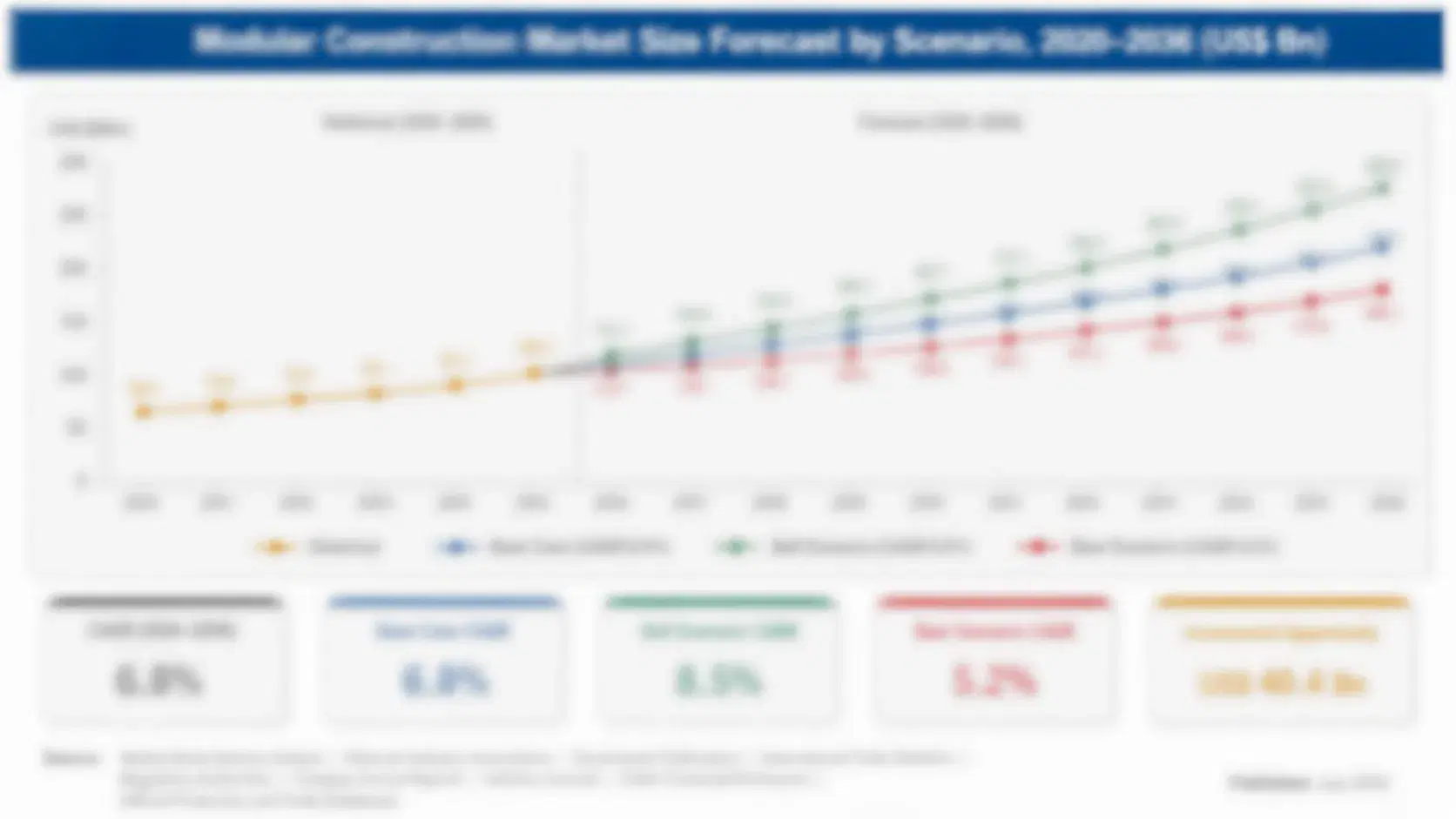
Between 2020 and 2025, alginate demand grew slowly as food and textile printing volumes held steady, while advanced wound care, dental, and biotechnology uses grew faster. Kelp harvest limits and marine heatwaves cut some supply, Chinese producers added capacity, energy costs spiked in 2022, and freight costs jumped in 2021. Value grew faster than volume as mix moved toward pharmaceutical grades.
The base case rests on three commercial mechanisms. First, wound care, dental, and drug delivery makers keep specifying pharmaceutical grade alginate as ageing populations raise demand. Second, biotechnology and food developers adopt alginate gels for encapsulation, bioprinting, and restructured plant-based seafood. Third, producers add cultivation, certified harvest, and extraction efficiency, which lowers cost and steadies supply. Suppliers plan seaweed contracts and quality investment around all three. Brands reward consistency over novelty. Supply contracts decide renewal.
The bull case needs faster growth in cell therapy, bioprinting, and plant-based seafood, which would lift high-value volumes. The bear case is a kelp supply shock combined with further Chinese price cuts, which would raise cost and squeeze margins. Delivery reliability decides supplier rankings. Margins follow sourcing discipline. Buyers review suppliers every season. Batch records protect future sales.

Biomedical Grades, Kelp Supply, and Chinese Scale Set Alginate Outcomes

Alginate supply starts with brown seaweed harvested from wild kelp beds in Norway, Chile, Ireland, and Scotland or cultivated on ropes in China, then dried and milled. Plants extract alginate with soda ash, filter and precipitate it as alginic acid or calcium alginate, and convert it to sodium or propylene glycol salts. Distributors and direct contracts move powders to food, textile, pharmaceutical, and dental customers.
MARKET CONCENTRATION44% CR5Leading five producers hold a moderate combined share
CHINESE CAPACITY SHARE48%Portion of global alginate capacity located in China
SEAWEED COST SHARE45%Portion of goods cost taken by dried brown seaweed
TYPICAL USE LEVEL0.1-1%Usual alginate share of finished food formulation weight
EXTRACTION YIELD15-30%Typical alginate recovery from dried brown seaweed by weight
CAPACITY UTILISATION73%Typical share of installed extraction capacity running each year
Viscosity, gel strength, guluronic acid content, clarity, and purity decide value. Food and textile buyers want consistency and low cost, while pharmaceutical and biotechnology buyers set tight specifications, and high-purity, low-endotoxin grades earn premiums of 100% to 400% over food grade. Specialists win on grades and documentation, while large plants win on cost. Audits repeat yearly. Sampling takes months for regulated uses.
Buyers judge alginate on function, cost, and compliance. Food makers want reliable gelling and thickening, textile printers want cheap viscosity control, and wound care and dental makers want consistent gel and safety records. Price sensitivity is high in food and industrial grades, since starches, gums, and synthetic thickeners substitute, and low in medical grades. Delivery slots matter as much as price.
"Alginate is two industries sharing one seaweed. One sells cheap viscosity to textile printers and food plants, and the other sells sterile gel to wound care and cell biology. The producers who can serve the second with the cost base of the first will own the next decade."
Senior Analyst, Marine Hydrocolloids and Biomaterials Practice · MMA Alginic Acid Practice · September 2026

Market Trends

Cell Therapy and Bioprinting Developers Adopt Specialty Alginate Gels

Biotechnology developers use alginate gels to encapsulate cells, print tissue models, and protect probiotics and flavours, since calcium crosslinking gives gentle, tunable gels. Specialty Alginate for Encapsulation, Bioprinting, and Cell Culture grows about 11.2% a year, and low-endotoxin grades earn gross margins of 40% to 55%. The trend needs tuned guluronic ratios and quality documentation, and it rewards producers with application support and pilot lines. Cost control separates leaders from followers. Clear specifications build buyer trust. Small importers feel every input swing. Technical reach compounds over time. Brands reward consistency over novelty.
Market Impact: wound care grows 5-6% yearly
Advanced Wound Care and Dental Demand Lifts Biomedical Alginate

Calcium alginate dressings manage exuding wounds, and alginates also serve dental impressions and antacid raft products. Pharmaceutical and Biomedical Grade Alginate grows about 8.0% a year, and medical grades earn premiums of 100% to 400% over food grade. The trend needs endotoxin control, pharmacopoeia testing, and audited quality systems, and it rewards producers with device and drug master files and long supply agreements. Supply contracts decide renewal. Delivery reliability decides supplier rankings. Margins follow sourcing discipline. Buyers review suppliers every season. Batch records protect future sales. Cost control separates leaders from followers.
Market Impact: plant-based seafood grows 12-15% yearly

Market Opportunities and Growth Drivers

Ageing Populations and Chronic Wounds Expand Wound Care Demand

Populations aged over 65 are growing about 3% a year in Japan, Europe, China, and North America, and chronic wounds from diabetes and pressure injuries rise with age, which lifts demand for advanced dressings. The global advanced wound care market grows 5% to 6% a year. The driver sustains high-value demand and rewards producers with medical grade quality systems, sterility records, and reliable supply. Clear specifications build buyer trust. Small importers feel every input swing. Technical reach compounds over time. Brands reward consistency over novelty. Supply contracts decide renewal. Delivery reliability decides supplier rankings.
Market Impact: seaweed prices rose 20-40%

Plant-Based Seafood and Restructured Foods Widen Alginate Use

Alginate gels with calcium to form fibrous, seafood-like textures and restructured vegetable and fruit pieces without heat, so plant-based seafood, fruit fillings, and pet foods use it widely. Plant-based seafood sales grow 12% to 15% a year from a small base. The driver sustains food grade demand and rewards producers with consistent gel strength, fast dissolving grades, and application support for food developers. Margins follow sourcing discipline. Buyers review suppliers every season. Batch records protect future sales. Cost control separates leaders from followers. Clear specifications build buyer trust. Small importers feel every input swing.
Market Impact: utilisation near 73% squeezes margins

Market Restraints and Challenges

Kelp Harvest Rules and Marine Heatwaves Limit Seaweed Supply

Wild kelp harvest is regulated in Chile and Norway, and marine heatwaves and storms have cut kelp yields, which lifted seaweed prices by 20% to 40% in recent years. The root cause is dependence on wild stocks and climate-sensitive beds. Producers respond with cultivation trials, certified harvest, and Chinese farm sourcing, though supply still swings and new farms take years to scale. Technical reach compounds over time. Brands reward consistency over novelty. Supply contracts decide renewal. Delivery reliability decides supplier rankings. Margins follow sourcing discipline. Buyers review suppliers every season. Batch records protect future sales.
Market Impact: specialty alginate grows 11.2% yearly

Chinese Overcapacity Compresses Food and Industrial Grade Margins

Chinese producers hold about 48% of global alginate capacity and utilisation runs near 73%, which keeps food and industrial grade prices low and pushes exports into Europe, Asia, and Latin America. The root cause is fast capacity additions ahead of demand. Producers respond with specialty and pharmaceutical grades, though smaller plants outside China run below cost in weak years, and consolidation continues. Cost control separates leaders from followers. Clear specifications build buyer trust. Small importers feel every input swing. Technical reach compounds over time. Brands reward consistency over novelty. Supply contracts decide renewal.
Market Impact: biomedical alginate grows 8.0% yearly
3 additional market trends, 2 additional growth drivers, and 4 additional restraints and challenges are covered in the full report. Contact sales@marketmindsadvisory.com to access the complete intelligence.

Segment CAGR and Growth Architecture

The global alginic acid market is segmented by grade and function, which shows where purity and application create pricing power. Five segments cover food grade sodium and calcium alginate, pharmaceutical and biomedical grade alginate, industrial grade alginate, propylene glycol alginate, and specialty alginate for encapsulation, bioprinting, and cell culture. Specialty and biomedical grades grow fastest as biotechnology and
alginic-acid-market-market-share-analysis-1789847193439

Specialty Alginate for Encapsulation, Bioprinting, and Cell Culture

Specialty Alginate for Encapsulation, Bioprinting, and Cell Culture is the fastest-growing segment at 11.2% a year, about 2.07 times the overall market rate, from a small base. Biotechnology, food, and pharmaceutical developers use alginate gels to protect cells and actives, and gross margins of 40% to 55% against 18% to 26% for food grade support investment. Quality documentation and application support are the main constraints. Producers with pilot lines win. Delivery reliability decides supplier rankings. Margins follow sourcing discipline. Buyers review suppliers every season. Batch records protect future sales. Cost control separates leaders from followers. Clear specifications build buyer trust. Small importers feel every input swing. Technical reach compounds over time. Brands reward consistency over novelty.
CAGR 11.2%

Pharmaceutical and Biomedical Grade Alginate

Pharmaceutical and Biomedical Grade Alginate grows at 8.0% a year, because wound care, dental, and drug delivery makers need endotoxin-controlled, consistent alginate, and buyers accept premiums of 100% to 400% over food grade. Qualification time and audit cost are the main constraints, since projects take 12 to 24 months. Producers with drug master files and dedicated lines hold price better than followers. Supply contracts decide renewal. Delivery reliability decides supplier rankings. Margins follow sourcing discipline. Buyers review suppliers every season. Batch records protect future sales. Cost control separates leaders from followers. Clear specifications build buyer trust. Small importers feel every input swing. Technical reach compounds over time. Brands reward consistency over novelty.
CAGR 8.0%
Full segment breakdown across 5 segments available in the complete report.

Regional Architecture and Country Demand Map

East Asia holds the largest share because China farms most kelp and hosts the biggest alginate processors, so its share sits above the usual band. Western Europe follows on premium kelp and biomedical demand, and North America sits below its band as a net importer. South Asia and Pacific

East Asia

East Asia holds 38% share, above its usual band, because China cultivates most farmed kelp and hosts Qingdao Bright Moon Seaweed Group and Shandong Jiejing Group, the largest alginate processors, while Japan's Kimica and Korean firms supply high-value food and pharmaceutical grades. China also consumes large volumes in food and textile printing. Growth exceeds the global rate as biomedical and encapsulation demand rises. Overcapacity, kelp harvest swings, and environmental limits restrain margins, while exports and specialty grades lift returns. Supply contracts decide renewal. Delivery reliability decides supplier rankings. Margins follow sourcing discipline. Buyers review suppliers every season. Batch records protect future sales. Cost control separates leaders from followers. Clear specifications build buyer trust.
Share: 38% | CAGR: 6.5% (2026 to 2036)

Western Europe

Western Europe holds 22% share, inside its band, because Norway, France, Ireland, and Scotland supply premium wild-harvested kelp, IFF's Norwegian plant and Algaia produce pharmaceutical and food grades, and European wound care, dental, and food makers are large buyers. Growth trails the global rate. Kelp harvest limits, energy cost, and Asian imports restrain margins, and producers respond with high-guluronic grades, sustainable harvest certification, and documented biomedical lots for regulated buyers. Small importers feel every input swing. Technical reach compounds over time. Brands reward consistency over novelty. Supply contracts decide renewal. Delivery reliability decides supplier rankings. Margins follow sourcing discipline. Buyers review suppliers every season. Batch records protect future sales. Cost control separates leaders from followers.
Share: 22% | CAGR: 3.9% (2026 to 2036)
Regional intelligence for 5 additional markets available in the complete report: North America, South Asia and Pacific, Latin America, Middle East and Africa, Eastern Europe. Contact sales@marketmindsadvisory.com.
alginic-acid-market-country-cagr-analysis-1789847193728

Four Margin Routes for Alginate Producers

Margin in alginate comes from pharmaceutical qualification, specialty grades, certified kelp supply, and extraction efficiency rather than food and industrial volume. The routes below apply to Chinese processors, Western specialists, and distributors, and each can start inside one planning cycle, with clear measures in gross margin points, cost per tonne, and customer programmes served.

Qualifying Pharmaceutical Grade Alginate With Low-Endotoxin Control

Pharmaceutical grade alginate earns premiums of 100% to 400% over food grade and gross margins of 35% to 50% against 18% to 26%, so producers that add endotoxin control, pharmacopoeia testing, and audited quality systems win multi-year programmes with device and drug makers. Qualification costs $5 million to $15 million per plant and takes 12 to 24 months. Producers should target three regulated buyers first. Brands reward consistency over novelty. Supply contracts decide renewal. Delivery reliability decides supplier rankings. Margins follow sourcing discipline. Buyers review suppliers every season. Batch records protect future sales.
Market Impact: pharma grade earns premiums of 100-400% over food grade

Building Encapsulation and Bioprinting Grades With Application Support

Specialty alginate earns gross margins of 40% to 55% and buyers need tuned guluronic ratios and technical help, so producers that add pilot lines, application laboratories, and documented bioinks lift gross margin by 6 to 10 points on the mix. Lines cost $3 million to $10 million each. A pilot with two biotechnology developers confirms demand, and producers should expand as programmes are won. Cost control separates leaders from followers. Clear specifications build buyer trust. Small importers feel every input swing. Technical reach compounds over time. Brands reward consistency over novelty. Supply contracts decide renewal.
Market Impact: specialty grades lift gross margin by 6-10 points

Securing Kelp Supply and Certified Sustainable Harvest

Seaweed takes about 45% of cost and prices rose 20% to 40%, so producers that contract farms and harvesters, invest in cultivation trials, and certify sustainable harvest cut cost volatility by roughly a third. Contracts and certification cost $1 million to $5 million. Producers that skip planning risk stockouts and lost accounts when harvest rules or heatwaves cut volumes. Delivery reliability decides supplier rankings. Margins follow sourcing discipline. Buyers review suppliers every season. Batch records protect future sales. Cost control separates leaders from followers. Clear specifications build buyer trust. Small importers feel every input swing.
Market Impact: certified supply cuts cost volatility by roughly 33%

Improving Extraction Yield and Energy Efficiency at Plants

Seaweed, chemicals, and energy take about 75% of cost, so producers that improve extraction yield, recover solvents, and add heat integration cut cost per tonne by 8% to 15%. Projects cost $5 million to $20 million per plant. Producers that skip upgrades absorb 3% lower margins in price spikes and lose volume to lower-cost Chinese rivals with newer plants. Technical reach compounds over time. Brands reward consistency over novelty. Supply contracts decide renewal. Delivery reliability decides supplier rankings. Margins follow sourcing discipline. Buyers review suppliers every season. Batch records protect future sales.
Market Impact: yield and energy projects cut cost per tonne 8-15%

Who Controls the Margin Pool

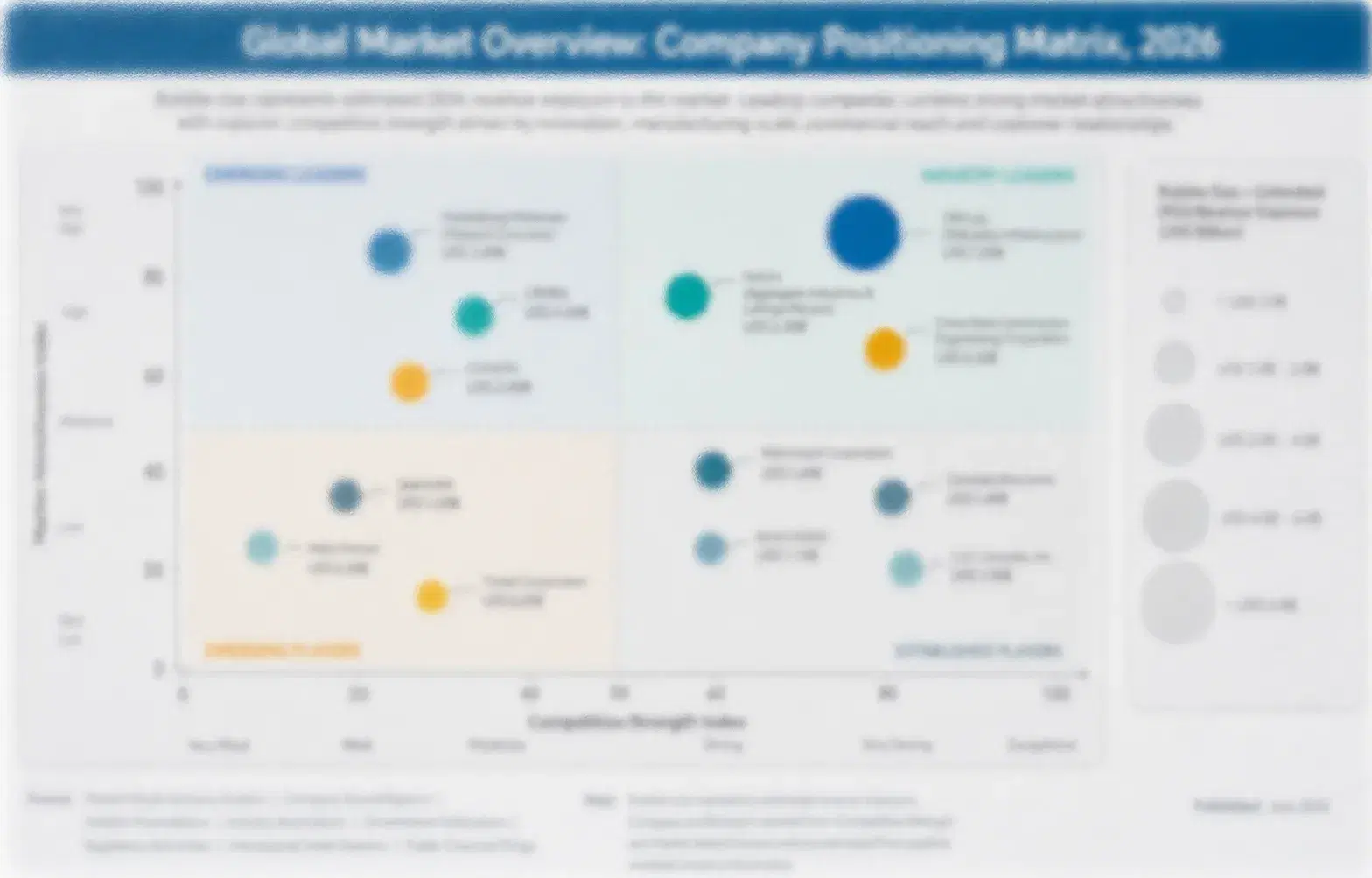
The global alginic acid market is moderately concentrated, with a CR5 of 44%, and many Chinese, Chilean, and European processors sit outside the leading five. This assessment measures participants on estimated alginate production capacity, held constant across all players. IFF leads through grade breadth and pharmaceutical credentials, while Qingdao Bright Moon Seaweed Group, Kimica, Cargill, and Shandong Jiejing Group follow, with a clear gap between the leader and the challengers.
Competition runs on four dimensions today: seaweed access and cost, extraction scale and yield, purity and pharmaceutical qualification, and application support. Western specialists win on grades and documentation, while Chinese processors win on cost and volume. Imitators copy food grade quickly, so premiums outside biomedical and specialty grades erode within a season, and price competition appears in industrial and textile supply. Cost control separates leaders from followers.

Emerging pressure comes from Chinese processors moving into pharmaceutical grades, biotechnology firms developing alternative hydrogels, and food groups switching to gellan and pectin in some uses. Rankings shift where a producer clears a device audit, wins a bioprinting programme, or secures kelp in a poor year. Chinese processors can move up quickly, since scale can outweigh legacy brands.
alginic-acid-market-company-positioning-matrix-1789847194049

Competitive Moat and Risk Dimensions

IFF

Moat: Grade Breadth and Regulated Credentials

IFF, a US ingredient group, produces alginates in Norway and other sites through its nutrition and biosciences business and supplies food, pharmaceutical, and industrial customers worldwide. Its broad grade range, pharmacopoeia quality systems, and application laboratories give it credibility with regulated buyers, and its position supports long supply agreements for wound care, dental, and drug delivery uses.
IFF

Risk: Cost Gap and Portfolio Priorities

IFF carries higher cost than large Chinese processors, and alginate is one of many texturisers in its portfolio. Focused rivals in biomedical and specialty grades can win high-value programmes. Clear specifications build buyer trust. Small importers feel every input swing. Technical reach compounds over time. Brands reward consistency over novelty.
QINGDAO BRIGHT MOON SEAWEED GROUP

Moat: Kelp Access and Extraction Scale

Qingdao Bright Moon Seaweed Group, a Chinese seaweed processor, sources cultivated kelp at scale and runs some of the largest alginate plants in the world, selling food, industrial, and pharmaceutical grades. Its low-cost supply, export reach, and integration with kelp farming give it cost defensibility, and its capacity lets it serve large contracts reliably through seaweed swings.
QINGDAO BRIGHT MOON SEAWEED GROUP

Risk: Documentation and Premium Perception

Qingdao Bright Moon Seaweed Group faces buyer doubts over documentation and consistency for regulated uses. Rivals with audited files and pharmaceutical records can win premium biomedical programmes. Supply contracts decide renewal. Delivery reliability decides supplier rankings. Margins follow sourcing discipline. Buyers review suppliers every season. Batch records protect future sales.

Players Tracked

Prominent Players

IFF
Qingdao Bright Moon Seaweed Group
Kimica
Cargill
Shandong Jiejing Group

Other Key Players

Algaia
CP Kelco
Roquette
Ashland
Brenntag
Univar Solutions
Barentz
Azelis
Palsgaard
Kerry Group
Tate and Lyle
Nagase
Gelymar
Shemberg Corporation
Marcel Carrageenan

Recent Developments

JANUARY 2026

IFF Extends Pharmaceutical Alginate Range for Wound Care and Drug Delivery Customers

IFF extended its pharmaceutical alginate range for wound care and drug delivery customers, adding low-endotoxin grades and documentation packages. It is a product range extension, not an acquisition, and it tests premium pricing for regulated grades. Sales volumes were not disclosed. Cost control separates leaders from followers.
Signal: Confirms leading producers are widening regulated alginate ranges to capture wound care and drug delivery growth.
FEBRUARY 2026

Qingdao Bright Moon Seaweed Group Reports Expanded Biomedical Alginate Capacity

Qingdao Bright Moon Seaweed Group reported expanded biomedical alginate capacity, aimed at wound care and dental customers. It is organic capacity expansion, and it tests whether Chinese scale can win regulated programmes. Investment values were not disclosed. Clear specifications build buyer trust. Small importers feel every input swing.
Signal: Indicates Chinese processors are investing in biomedical grades, which may narrow the premium held by Western specialists.
MARCH 2026

Kimica Signs Multi-Year Kelp Supply Agreements With Chilean Harvesters

Kimica signed multi-year kelp supply agreements with Chilean harvesters, fixing part of annual needs at agreed prices. It is a supply agreement programme, not an acquisition, and it tests whether contracts can secure seaweed against harvest swings. Volumes were not disclosed. Technical reach compounds over time.
Signal: Shows processors are contracting harvesters directly to secure kelp and steady supply against harvest and climate swings.

What Drives Alginate Production Costs

Dried brown seaweed accounts for roughly 45% of cost of goods, chemicals such as soda ash, acids, and alcohols about 18%, energy about 12%, labour and maintenance about 8%, and packaging and freight about 17%. Seaweed comes from Chinese kelp farms and wild beds in Chile, Norway, Ireland, and Scotland, and chemicals from large industrial suppliers in Asia and Europe.
The clearest recent shock came from kelp supply and energy. Marine heatwaves and harvest limits cut kelp volumes in Chile and Norway, as FAO and national fisheries data recorded, energy prices surged in 2022, as the IEA reported, and IFF noted in its 2024 Form 10-K that raw material and energy costs affected results. Producers raised prices by 8% to 15%. Delivery reliability decides supplier rankings. Margins follow sourcing discipline.

The competitive disadvantage falls on non-integrated processors, which buy seaweed on spot terms, run older plants, and lack pharmaceutical certification. Integrated producers hold farm contracts, own extraction, and spread quality cost across grades. Exposure also varies by geography, since European plants carry high energy and harvest limits while Chinese plants face farm price swings and environmental rules. Buyers review suppliers every season.
alginic-acid-market-cost-volatility-analysis-1789847194380

Contracting Farms and Harvesters for Kelp Supply

Processors sign multi-year contracts with kelp farms and harvesters in China, Chile, Norway, and Ireland and fund cultivation trials. Contracts cut spot purchases by roughly half, though they need working capital and depend on weather. Grower loyalty improves supply reliability in years when wild harvest is restricted. Batch records protect future sales. Cost control separates leaders from followers.

Writing Index Clauses Into Customer Contracts

Processors write index clauses into customer contracts that follow seaweed and energy prices with caps and floors. Clauses cut margin swings by 10% to 20% in volatile years. The main challenge is customer acceptance, so processors publish index sources, offer volume terms, and pair pricing with supply guarantees. Clear specifications build buyer trust. Small importers feel every input swing.

Improving Yield and Recovering Heat and Solvents

Processors invest in extraction yield, solvent recovery, and heat integration that cut cost per tonne. Upgrades raise yield and cut energy use by 8% to 15%. Payback runs three to six years, so larger processors invest first, while smaller plants rely on contract processing and shared services. Technical reach compounds over time. Brands reward consistency over novelty.

Portfolio Architecture for Margin Defence

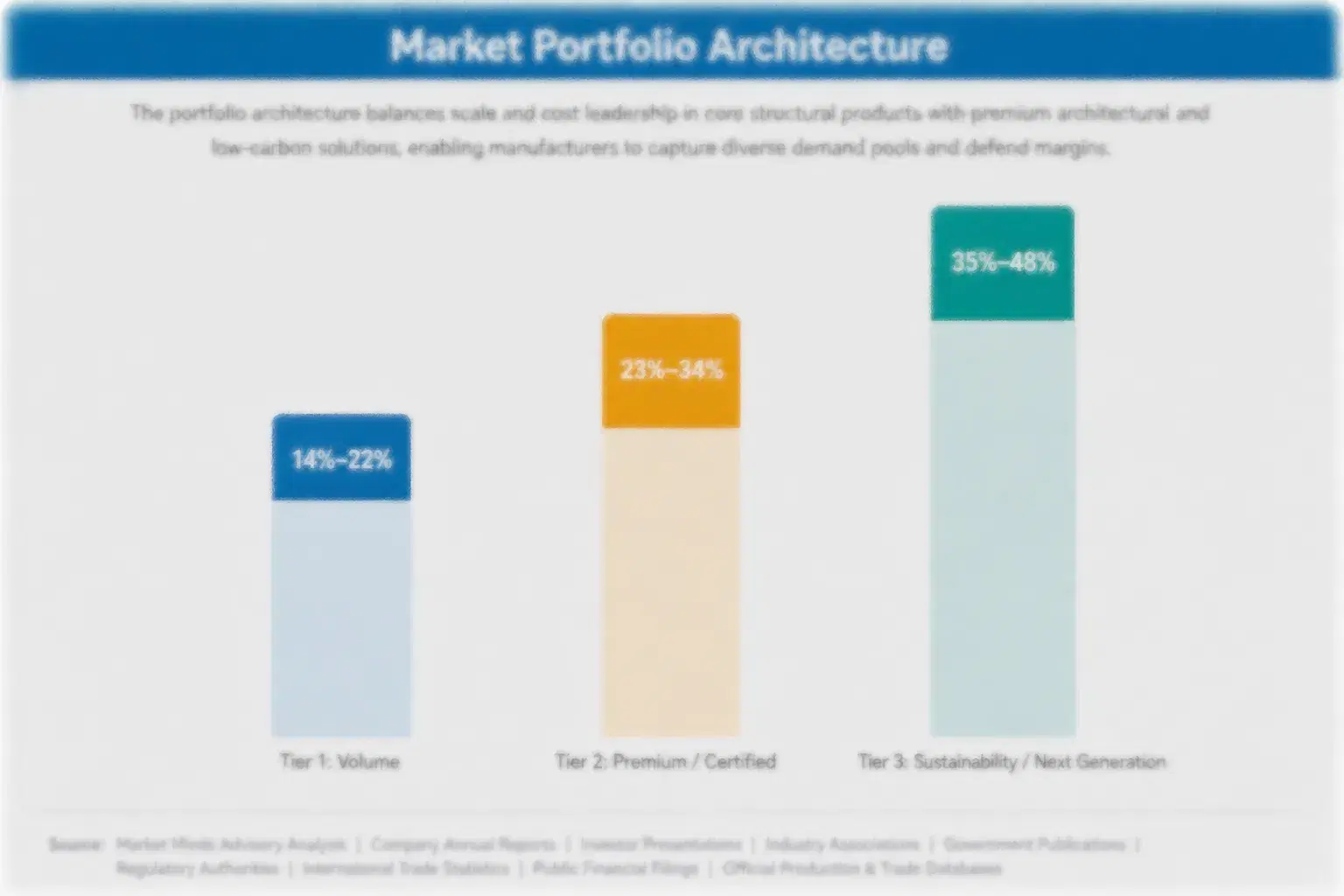
Margins run from thin returns on food and industrial alginate sold in bulk to strong returns on pharmaceutical and specialty grades sold with documentation. Three tiers separate volume products, certified premium lines, and next-generation formats, and each tier draws on different customer groups, seaweed supply, and qualification paths in a mature market. Margins follow sourcing discipline. Buyers review suppliers every season.
The tension between volume and premium is sharp. Food and industrial grades protect plant utilisation and distributor relationships but face constant price pressure from Chinese scale and seaweed swings, while pharmaceutical and specialty grades earn higher margins on smaller volumes and depend on quality systems, application skill, and customer trust. Producers that run only volume struggle to fund qualification, while producers that run only premium lack the volume to cover fixed cost.

High-value pools concentrate in pharmaceutical alginate sold to wound care, dental, and drug delivery makers and in specialty alginate sold to biotechnology developers. They gather where buyers pay for endotoxin control, tuned gels, and audit records rather than tonnes. Propylene glycol alginate adds steady value in beverage and beer foam stabilisation. Batch records protect future sales. Cost control separates leaders from followers.

Volume / Commodity-Adjacent Tier

Industrial and standard food grade alginate sold in bags and drums to textile printing, food, and pet food customers under annual contracts at thin margins, with seaweed exposure and price competition from Chinese plants.
Gross Margin: 12%-22%

Premium / Certified Tier

Food grade grades with tuned gel strength, propylene glycol alginate, and certified sustainable kelp supply with documented composition and audit certificates, sold to food and beverage makers that require reliable delivery. Clear specifications build buyer trust.
Gross Margin: 22%-32%

Sustainability / Regulatory / Next-Generation Tier

Pharmaceutical, biomedical, and specialty alginate with endotoxin control, tuned guluronic ratios, and application data, sold to device, drug, and biotechnology customers that pay premiums for verified performance. Small importers feel every input swing.
Gross Margin: 35%-55%
alginic-acid-market-portfolio-architecture-1789847194690

High-value Sub-segments and Strategic Watch-out

Specialty Alginate for Encapsulation, Bioprinting, and Cell Culture

Specialty alginate for encapsulation, bioprinting, and cell culture combines the fastest growth with strong pricing, since biotechnology and pharmaceutical developers pay for endotoxin control and tuned gels at gross margins of 40% to 55%. Quality documentation and application support limit competition, and producers with pilot lines win.
Gross Margin: 40%-55%

Pharmaceutical and Biomedical Grade Alginate

Pharmaceutical and biomedical grade alginate delivers solid growth and premium pricing, since wound care, dental, and drug delivery makers pay 100% to 400% premiums over food grade. Qualification time and audit cost form the entry barrier, and producers with drug master files win. Repeat supply builds through multi-year programmes.
Gross Margin: 35%-50%

Food Grade Sodium and Calcium Alginate

Food grade sodium and calcium alginate is the volume core, sold to food, beverage, and pet food makers at moderate margins under annual contracts. Value grows about 5.2% a year, and seaweed cost, Chinese pricing, and customer audits decide profit. Producers anchor sales on long contracts with large food
Gross Margin: 18%-26%

Industrial Grade Alginate

Industrial grade alginate is the strategic watch-out, since growth of about 2.8% a year trails the market, uses in textile printing and paper are shrinking or price-driven, and synthetic thickeners compete on cost. Producers should manage this line for cash and redirect seaweed toward higher-value biomedical and specialty grades.
Gross Margin: 8%-16%

Why Device Makers Keep Reordering Alginate

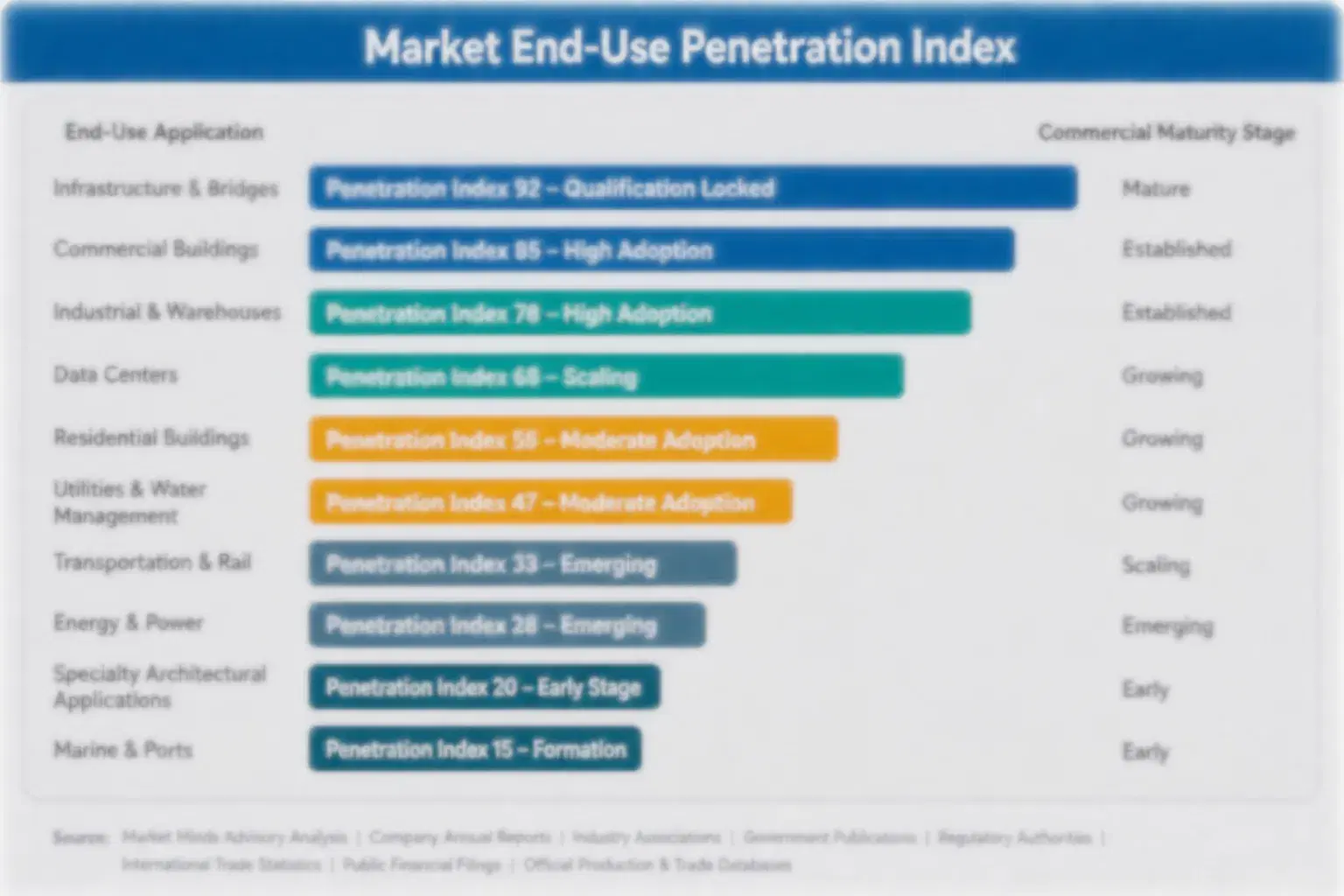
Alginate demand behaves like an annuity attached to approved wound dressing, dental, and food recipes. Once a maker qualifies a grade whose gel strength, endotoxin level, and documentation it trusts, it repeats the order every month, and switching means new validation and possible regulatory updates. Buyers use last quarter's audit results and delivery record to fix renewals, so producers with clean records earn steadier volume than sellers reliant
Adoption stickiness differs by end-use vertical. Device and pharmaceutical makers are the deepest, since alginate grades are written into filings and change only when supply or quality fails. Biotechnology developers follow programme milestones. Food and beverage makers are moderate and switch on cost, while textile and industrial buyers are shallow and switch on price. Technical reach compounds over time. Brands reward consistency over novelty.

Buyer profiles are shifting between generations. Older buyers bought alginate on price and long relationships, while younger developers ask for endotoxin data, sustainable harvest proof, carbon data, and clean documentation. Biotechnology start-ups add a third group that demands application help and small lots. Producers that publish certificates and offer fast sampling win younger buyers and keep them as cell therapy grows.
alginic-acid-market-end-use-penetration-index-1789847195013

MMA Verdict on Alginate Strategy

These are among the four positions where our research anticipates prominent divergence between winners and laggards over the coming forecast period. Each is grounded in the demand model, the regulatory perimeter, and the announced capacity pipeline.
01 / SPECIALTY GRADE POSITIONING

Build Encapsulation and Bioprinting Grades Before Biotechnology Buyers Standardise on Rivals

Specialty Alginate for Encapsulation, Bioprinting, and Cell Culture grows at 11.2% a year, about 2.07 times the overall market rate, and producers that add low-endotoxin control, tuned guluronic ratios, and application support earn gross margins of 40% to 55% against 18% to 26% for food grade. Winners will invest $3 million to $10 million per line and pilot with two biotechnology developers each year. Producers with only commodity grades will fight on price, and rivals with specialty grades will capture the fastest-growing programmes across the forecast decade.
02 / BIOMEDICAL QUALIFICATION STRATEGY

Qualify Wound Care Grade Alginate Before Device Makers Close Supplier Lists

Pharmaceutical and Biomedical Grade Alginate grows at 8.0% a year and earns premiums of 100% to 400% over food grade, while device and pharmaceutical customers qualify suppliers through audits that take 12 to 24 months and rarely reverse. Producers should invest $5 million to $15 million in endotoxin control, pharmacopoeia testing, and audited quality systems, target three device or drug makers, and keep documentation audit-ready. Those that arrive late will find supplier lists closed, and producers with qualified lines will hold multi-year programmes and premium margins.
03 / KELP SUPPLY SECURITY

Secure Certified Kelp Supply Before Harvest Rules and Climate Swings Cut Volumes

Seaweed takes about 45% of cost of goods, and wild kelp harvest rules in Chile and Norway and marine heatwaves cut volumes and lifted prices by 20% to 40%. Producers should contract farms and harvesters, invest in cultivation trials, certify sustainable harvest, and qualify Chinese, Chilean, Norwegian, and Irish origins, cutting cost volatility by roughly a third. Those that buy on the spot market will absorb 4% lower margins in swing years, and producers with cover will hold price, supply, and buyer trust.
04 / EXTRACTION EFFICIENCY STRATEGY

Improve Extraction Yield and Energy Use Before Chinese Scale Squeezes Margins Further

Seaweed, chemicals, and energy take about 75% of cost, while Chinese overcapacity keeps food and industrial grade prices low and utilisation near 73%. Producers should invest $5 million to $20 million per plant in better extraction, solvent recovery, and heat integration, cutting cost per tonne by 8% to 15%, and shift mix toward biomedical and specialty grades. Those that delay will absorb 3% lower margins in every price spike, and efficient producers will hold price, permits, and customer confidence through the cycle.

Engagement Snapshot From the Field

A live engagement with an industry participant carrying material or product regulatory and market exposure ahead of a defining policy shift, showing how our research translates into a defensible multi-year portfolio strategy.
MARKET MINDS ADVISORY · CLIENT ENGAGEMENT SUMMARY
Alginic Acid Producer Strategic Portfolio Review and Transition Roadmap 2026·Investment Scenario on Alginic Acid Exposure Evaluation 2025-26
CLIENT PROFILE
The client is a mid-sized European alginate distributor and blender with annual sales near $90 million (client-reported, unverified by MMA), selling food and industrial alginate to food, pet food, and textile customers. It bought Chinese grades on spot terms, had no pharmaceutical range, and had two customers accounting for 45% of alginate sales. Supply contracts decide renewal.
STRATEGIC CHALLENGE
Wound care and biotechnology customers were asking for low-endotoxin grades with documentation, Chinese food grade prices had fallen 18% in three years, and kelp price swings hurt margins. Management needed to decide whether to qualify a pharmaceutical source, add a specialty range, or sign kelp-backed contracts, with limited capital and one warehouse.
MMA APPROACH
MMA analysed sales, cost, and customer data across 20 products, interviewed 10 wound care, food, and biotechnology buyers, five producers, and four regulatory advisers, and ran a buyer survey on purity, function, and price across three countries. It modelled margin by grade and customer, tested kelp scenarios, and ranked options by payback and execution risk.
KEY FINDINGS
  1. A pharmaceutical and specialty range could reach 15% of alginate sales in three years at margins near 38% (client-reported, unverified by MMA). Delivery reliability decides supplier rankings.
  2. Kelp-backed contracts and a second source would cut cost volatility by about a third across the range. Margins follow sourcing discipline. Buyers review suppliers every season.
  3. Certified sustainable supply would protect two food accounts and win one premium pet food programme. Batch records protect future sales. Cost control separates leaders from followers.
  4. Industrial grade volume was falling and should be run for cash to fund biomedical qualification. Clear specifications build buyer trust. Small importers feel every input swing.
CLIENT PROFILE
The client is a mid-sized European alginate distributor and blender with annual sales near $90 million (client-reported, unverified by MMA), selling food and industrial alginate to food, pet food, and textile customers. It bought Chinese grades on spot terms, had no pharmaceutical range, and had two customers accounting for 45% of alginate sales. Supply contracts decide renewal.
STRATEGIC CHALLENGE
Wound care and biotechnology customers were asking for low-endotoxin grades with documentation, Chinese food grade prices had fallen 18% in three years, and kelp price swings hurt margins. Management needed to decide whether to qualify a pharmaceutical source, add a specialty range, or sign kelp-backed contracts, with limited capital and one warehouse.
MMA APPROACH
MMA analysed sales, cost, and customer data across 20 products, interviewed 10 wound care, food, and biotechnology buyers, five producers, and four regulatory advisers, and ran a buyer survey on purity, function, and price across three countries. It modelled margin by grade and customer, tested kelp scenarios, and ranked options by payback and execution risk.
KEY FINDINGS
  1. A pharmaceutical and specialty range could reach 15% of alginate sales in three years at margins near 38% (client-reported, unverified by MMA). Delivery reliability decides supplier rankings.
  2. Kelp-backed contracts and a second source would cut cost volatility by about a third across the range. Margins follow sourcing discipline. Buyers review suppliers every season.
  3. Certified sustainable supply would protect two food accounts and win one premium pet food programme. Batch records protect future sales. Cost control separates leaders from followers.
  4. Industrial grade volume was falling and should be run for cash to fund biomedical qualification. Clear specifications build buyer trust. Small importers feel every input swing.
RECOMMENDED STRATEGY
Phase 1: Phase 1 (Months 1-6): Sign kelp-backed contracts, qualify a pharmaceutical source, and plan encapsulation trials. Technical reach compounds over time. Brands reward consistency over novelty. Phase 2: Phase 2 (Months 7-24): Launch pharmaceutical and specialty grades to two customers and certify sustainable supply. Supply contracts decide renewal. Delivery reliability decides supplier rankings. Phase 3: Phase 3 (Months 25-42): Scale biomedical ranges, run industrial grade for cash, and review margin quarterly. Margins follow sourcing discipline. Buyers review suppliers every season.
OUTCOME
Within 42 months, pharmaceutical and specialty ranges reached 19% of alginate sales, cost volatility fell by 27%, and gross margin on the range rose to 34% (client-reported, unverified by MMA). The client won four biomedical programmes, cut top-two customer share to 37%, and held stockouts below 3%. Batch records protect future sales.

Frequently Asked Questions

Foundational context covering the market sizes, CAGR, scope, country, region and competition that inform every finding below. This section is provided to cover basics and most often pre-purchase conversations, answered from the MMA Primary Research Dataset.

What is the current size of the Alginic Acid Market?

The global alginic acid market was valued at $0.78 billion in 2025 on a producer-value basis. Growth is supported by wound care and biotechnology grades, offset by Chinese price pressure and kelp supply swings.

How large will the Alginic Acid Market be by 2036?

The market is projected to reach $1.39 billion by 2036, up from $0.82 billion in 2026. The increase of $0.57 billion reflects biomedical alginate, specialty grades, and steady food demand.

What is the CAGR for the Alginic Acid Market 2026 to 2036?

The market is forecast to grow at a 5.4% CAGR from 2026 to 2036. The bull case reaches 6.8% and the bear case 4.0%, depending on biomedical growth, kelp supply, and Chinese pricing.

Which segment is growing fastest?

Specialty Alginate for Encapsulation, Bioprinting, and Cell Culture is the fastest-growing segment at 11.2% CAGR, roughly 2.07 times the overall market rate. Pharmaceutical and Biomedical Grade Alginate follows at 8.0% CAGR each year.

Who are the major companies in the Alginic Acid Market?

Major companies include IFF, Qingdao Bright Moon Seaweed Group, Kimica, Cargill, and Shandong Jiejing Group. Algaia, CP Kelco, Roquette, Ashland, and Gelymar also hold meaningful positions in specific grades.

Which country is growing fastest?

India is growing fastest at about 7.8% CAGR, because textile, food, and pharmaceutical output is expanding. China follows as biomedical and encapsulation demand rises from the world's largest alginate production base.

Report Segmentation Architecture

The full report scope spans multiple orthogonal segmentation dimensions, with cross-tabulated demand data provided for each dimension pair. Coverage extends further to regional breakdowns, trend trajectories, and the competitive detail needed to support segment-level decision-making.

By Primary Market Dimension

  • Food Grade Sodium and Calcium Alginate
  • Pharmaceutical and Biomedical Grade Alginate
  • Industrial Grade Alginate
  • Propylene Glycol Alginate
  • Specialty Alginate for Encapsulation and Bioprinting

By End-Use Industry

  • Food and Beverage
  • Pharmaceuticals and Wound Care
  • Dental and Medical Devices
  • Textile Printing and Industrial
  • Biotechnology and Cell Culture

By Commercial Dimension

  • Direct Supply Contracts
  • Ingredient Distributors
  • Private Label Blends
  • Spot and Trader Sales
  • Toll Processing Arrangements

By Region

  • East Asia
  • Western Europe
  • North America
  • South Asia and Pacific
  • Latin America
  • Middle East and Africa
  • Eastern Europe

Scope, Methodology, and Coverage

Every figure in this report is reproducible from documented input assumptions. The scope below maps the historical period, the forecast horizon, the segmentation dimensions, and the countries covered, alongside the underlying primary and qualitative methodology.
Historical Period
2020 to 2025
Forecast Period
2026 to 2036
Base Year
2025 (USD billions; MMA Primary Research Dataset, September 2026)
Market Definition
The market covers global sales of alginic acid and its principal salts, valued at producer level, including food grade sodium and calcium alginate, pharmaceutical and biomedical grade alginate, industrial grade alginate, propylene glycol alginate, and specialty alginate for encapsulation, bioprinting, and cell culture, sold for food, pharmaceutical, textile, dental, and biotechnology use. The scope excludes carrageenan, agar, other seaweed hydrocolloids, raw dried seaweed, and finished foods and medical devices.
Quantitative Units
USD billions (producer value); tonnes for volume references
Segmentation Dimensions
By Grade and Function; By End-Use Industry; By Commercial Dimension; By Region
Regions Covered
East Asia, Western Europe, North America, South Asia and Pacific, Latin America, Middle East and Africa, Eastern Europe
Countries Covered
China, Japan, South Korea, India, Norway, France, Ireland, United Kingdom, United States, Chile, Brazil, South Africa, Poland, and additional markets relevant to this sector
Key Companies Profiled
IFF, Qingdao Bright Moon Seaweed Group, Kimica, Cargill, Shandong Jiejing Group, Algaia, CP Kelco, Roquette, Ashland, Brenntag, Univar Solutions, Barentz, Azelis, Palsgaard, Kerry Group, Tate and Lyle, Nagase, Gelymar, Shemberg Corporation, Marcel Carrageenan
Quantitative Methodology
Primary survey, n=3,800 respondents, Q4 2025, six countries; demand-side model with trade association cross-validation
Qualitative Methodology
47 expert interviews, Q4 2025; applied to validate demand model assumptions, identify emerging dynamics, and assess competitive positioning
Report Format
PDF and XLSX data workbook (Word format preview document)
Publisher
Market Minds Advisory
Report Code
MMA-2026-CHM-603
Published
September 2026
Contact
sales@marketmindsadvisory.com | www.marketmindsadvisory.com

Purchase the full Alginic Acid Market Report (2026 to 2036).

The full report delivers a detailed assessment of the global alginic acid market through 2036, covering grade, end-use, and regional forecasts, competitive benchmarking of leading producers, and input cost analysis. It combines MMA primary research, including a six-country survey of 3,800 respondents and 47 expert interviews, with public statistical and company data. Analysts also model kelp supply scenarios, qualification paths, and biomedical adoption. Clients receive segment margin ranges, sourcing maps, and a case study on portfolio strategy. Customer programme and supply contract frameworks are also included for planning.
Ten-year grade and end-use demand forecasts
Kelp, chemical, and energy cost tracking
Competitive benchmarking of top twenty producers
Pharmacopoeia and additive rule tracker updates
Regional supply chain comparative analysis included
Quarterly primary survey data update access

Built For The People Who Decide

From boardroom strategy to bench-side execution, this report is read cover-to-cover by leaders shaping the next decade of their industry, turning demand scenarios, market dynamics and valuation benchmarks into decisions.
CXOs/ Presidents/ VPs/ Managers
M&A and Corporate Development
Strategy Teams and R&D Heads
Procurement and Product Directors
Regulatory and Compliance Leaders
Investor Relations and Equity Analysts