Market Minds Advisory
Algae Omega Market

Algae Omega Market: Algae Omega Market. Fish Oil Supply Shocks, Infant Nutrition Rules, and Fermentation Scale Reshape Omega-3 Sourcing.

Algal omega-3 is moving from a niche into infant formula, supplements, and feed, as fish oil shocks push buyers toward fermentation-based DHA and EPA, while production cost, capacity limits, and patents decide who wins contracts.

Lead Analyst

Published

September 2026

Make Smarter Decisions with Customized Research Insights

Request a free sample report and evaluate market opportunities, growth trends, and competitive dynamics relevant to your business needs.

2025 MARKET VALUE$2.1BMarket Size 2025
2036 FORECAST VALUE$7.0BBase Case , 2026 to 2036
CAGR 2026 TO 203611.5 %Bull 12.8% / Bear 10.2%
INCREMENTAL OPPORTUNITY$4.6BNet 10- year value creation
EXPANSION MULTIPLE2.97x2036 value over 2026 base
Strategic Levers
M&A Pipeline
Regional Outlook
Country Rankings
Competitive Intelligence
Segmental Deep-dive
Call-Us : 91 93563 13602

Executive Snapshot and Market Trajectory.

Fish oil buyers learned in 2023 what algae suppliers had long argued: the ocean is a fragile supply chain. When anchovy fishing was suspended off Peru, prices jumped and buyers went looking for alternatives. Algal DHA already dominates infant formula, and EPA-rich algal oils are now opening supplements and feed.
EPA-rich and microencapsulated algal oils are growing fastest, helped by supplement brands, fortified foods, and aquafeed, while DHA-rich oil anchors infant nutrition. North America holds the largest share because the United States has the deepest supplement and infant formula markets and major production, and East Asia follows through Chinese infant formula and rapid supplement growth. China leads growth as domestic fermentation capacity and infant formula demand expand, while Brazil supplies sugar-based production for global buyers.
The industry is highly concentrated. A few fermentation specialists control patents, strains, and capacity, while supplement brands, infant formula makers, and feed companies buy under long contracts. Advantage comes from strain performance, fermentation scale, and oil purity rather than price. Regulation shapes demand through infant formula DHA rules, novel food approvals, and sustainability targets that favor marine-free sources. Buyers reward documented purity, stability data, and reliable long-term supply.
Market Definition
Algae omega comprises omega-3 fatty acids, mainly DHA and EPA, produced from microalgae by heterotrophic fermentation or photoautotrophic cultivation and sold as algal oil, microencapsulated powder, emulsion, or whole-cell biomass to infant nutrition, supplement, food and beverage, pet food, and aquafeed makers. The scope excludes fish oil and krill oil, flax, chia, and other plant ALA oils, astaxanthin and other algal pigments, and finished supplements or foods.
Base Year Value
$2.1B in 2025 (MMA Primary Research Dataset, September 2026)
Forecast Period
2026 to 2036, eleven discrete annual values
CAGR
11.5% base case. Bull 12.8%. Bear 10.2%.
Fastest Growth Segment
EPA-Rich Algal Oil: 14.0% CAGR
Fastest Growth Country
China: 13.8% CAGR
Fastest Growth Region
South Asia and Pacific: 13.6% CAGR
Largest Region
North America: 30% of 2025 global value
Market Leaders
dsm-firmenich, Corbion, Veramaris, Fermentalg, Qualitas Health. Source: MMA Analysis, company annual reports.
Primary Survey
n=3,800 procurement and R&D decision-makers, Q4 2025, six countries
Methodology
Demand-side build-up, cross-validated against public data, 47 expert interviews

Algae Omega Market Forecast Scenarios

algae-omega-market-size-forecast-scenario-1789759910039
Between 2020 and 2025, algae omega grew strongly as vegan and sustainable positioning, infant formula demand, and fish oil price volatility widened the buyer base. Growth averaged 10.4% a year, with EPA-rich and encapsulated products outpacing standard DHA oil, though high fermentation cost and limited capacity kept algal oil at a premium to fish oil and slowed adoption in price-sensitive categories such as feed.
The base case assumes 11.5% annual growth through 2036, built on three named mechanisms: wider use of algal DHA and EPA in supplements, fortified foods, and beverages by brands with vegan and sustainability positions, capacity additions by fermentation leaders that lower unit cost toward fish oil parity in premium markets, and growing use in aquafeed and pet food as salmon and pet brands seek marine-free omega sources. Regulatory requirements for DHA in infant formula anchor base demand.
The bull case, at 12.8%, needs faster cost reduction and sustained fish oil price spikes. The bear case, at 10.2%, reflects fish oil recovery, capacity delays, and slower conversion in aquafeed, where cost dominates decisions and algal oil remains a fraction of supply. Either scenario leaves the underlying demand base intact, though pricing would shift somewhat.

Fermentation Scale and Strain Patents Decide Supplier Positions

Algal omega-3 is produced by growing microalgae such as Schizochytrium and Nannochloropsis in fermentation tanks or photobioreactors, then harvesting cells and extracting oil. Fermentation using sugar as feedstock gives high DHA yield with good control, while photoautotrophic systems use sunlight and CO2 and suit EPA-rich strains. Oil is refined, stabilized with antioxidants, and sold as oil, powder, or emulsion. Purity matters more than volume.
MARKET CONCENTRATION58% CR5Top five producers control most global algal omega supply
AVERAGE SELLING PRICE$180 per kgAlgal oil sells far above standard fish oil
DHA SHARE OF VOLUME74%DHA-rich oil accounts for most current algal volume
FEEDSTOCK COST SHARE30% of COGSSugar feedstock is the largest input to fermentation
CAPACITY UTILIZATION78%Leading fermentation plants run close to full capacity
INFANT FORMULA SHARE32%Infant nutrition takes a large slice of algal omega demand
Buyers use algal omega in different ways. Infant formula makers add DHA under regulatory or voluntary guidelines, supplement brands sell vegan softgels and gummies, food and beverage makers fortify milks, yogurts, and bars, pet food makers add DHA for cognitive and coat benefits, and salmon feed producers seek marine-free omega sources. Specifications cover DHA and EPA content, oxidation values, contaminants, and allergen and non-GMO status.
The industry is concentrated. dsm-firmenich, Corbion, and Veramaris hold much of the world's fermentation capacity, specialist firms such as Fermentalg and Qualitas Health serve niches, and supplement brands hold consumer relationships. Feedstock cost, strain performance, and capacity additions shape investment, and long-term supply agreements with infant formula and feed customers underpin financing of new fermentation plants. Contracts anchor capacity.
"Fish oil is priced like a commodity and regulated like a fishery. Algal oil is priced like a specialty ingredient and regulated like a food. The gap between those two rulebooks is closing, and the producers with tank capacity in place will be the ones who benefit."
Practice Lead, Nutraceutical Ingredients and Marine Nutrition Practice · MMA Nutraceutical Ingredients and Marine Nutrition Practice · September 2026

Market Trends

EPA-Rich Algal Oils Broaden Vegan Omega Formulas Beyond DHA-Only Products

Producers are developing EPA-rich algal oils from strains such as Nannochloropsis and engineered or selected Schizochytrium, addressing a gap where algal DHA has dominated but EPA supply from algae was limited. Supplement brands want balanced DHA and EPA in vegan formulas, and aquafeed makers need EPA for fish health. Capacity is expanding, and suppliers sign annual contracts, because EPA-rich oils command higher prices and broaden the addressable market. Aquafeed makers use EPA to support fish health and growth, and salmon producers under sustainability certification schemes look for marine-free ingredients that reduce reliance on wild fish.
Market Impact: EU DHA range 20-50 mg

Microencapsulated Algal Powders Open Bars, Beverages, and Infant Formula Uses

Microencapsulation converts algal oil into powders that resist oxidation and blend into bars, beverages, infant formula, and bakery, and encapsulated products cover 40% to 60% oil. Powders disguise taste, ease dosing, and extend shelf life, so food makers prefer them to bulk oil. Suppliers add spray-drying capacity, and brands pay premiums for stable, convenient formats that reduce formulation failures and complaints. Infant formula makers and bar producers report that powders reduce fishy smell complaints to near zero, and contract manufacturers value free-flowing material that runs on standard dry blending lines, so formulators specify encapsulated grades in new launches.
Market Impact: Peru suspended 2023 season in part

Market Opportunities and Growth Drivers

Infant Formula DHA Rules Anchor Steady Algal Oil Demand

Regulators require or recommend DHA in infant formula, including the European Union's delegated regulation setting 20 to 50 milligrams of DHA per 100 kilocalories, and many other markets follow. Algal DHA is the standard source because it is marine contaminant free, vegetarian, and stable, and infant formula makers sign multi-year contracts. Demand from this segment is steady, and it anchors fermentation capacity utilization for leading suppliers. Formula makers audit suppliers and hold second-source qualifications, so leading suppliers with multiple plants are favored, and switching a supplier can take 12 to 18 months of testing and regulatory work.
Market Impact: algal costs 3-5 times fish oil

Fish Oil Supply Shocks Push Buyers Toward Algal Sources

Fish oil supply is volatile, because anchovy and sardine catches depend on El Nino, quotas, and fishing bans, and Peru suspended parts of its 2023 season, according to government and trade reports. Price spikes push buyers to diversify sourcing, and sustainability-minded brands avoid marine sources. Algal oil offers stable supply and clean labels, so long-term buyers see it as a hedge against fisheries risk and a route to marine-free positioning. Retail brands that publish sourcing targets prefer marine-free ingredients, and aquafeed buyers under certification programs need alternatives to wild fish, which supports offtake discussions even at higher prices.
Market Impact: plants take 2-3 years to build

Market Restraints and Challenges

High Fermentation Cost Keeps Algal Omega Priced Above Fish Oil

Algal oil costs several times more than fish oil per unit of omega-3, because fermentation needs sugar, energy, sterile tanks, and long cycles, and extraction adds cost, according to company disclosures. The root cause is capital intensity and process complexity. High prices limit use in feed and mass supplements. Mitigation includes larger fermenters, higher-yield strains, cheaper feedstocks, and process integration to cut cost per kilogram. Feedstock alone can account for a third of cost, and sterile operation, aeration, and long batch times add capital and energy expense, so cost per kilogram depends on scale, yield, and plant utilization.
Market Impact: EPA-rich oil grows 1.2 times faster

Concentrated Capacity and Long Build Times Limit Supply Response

Fermentation capacity is concentrated in a few plants, and adding capacity takes two to three years and hundreds of millions of dollars, so supply cannot respond quickly to demand surges, according to company announcements. The root cause is capital cost and technical risk. Constrained supply keeps prices high and delays conversion by feed and food buyers. Mitigation includes joint ventures, long-term offtake agreements, and phased plant expansions. Approvals for infant formula use add months, and lenders want anchor customers before financing plants, so new entrants find it hard to reach scale.
Market Impact: powders carry 40% to 60% oil
3 additional market trends, 4 additional growth drivers, and 3 additional restraints and challenges are covered in the full report. Contact sales@marketmindsadvisory.com to access the complete intelligence.

Segment CAGR and Growth Architecture

Algae omega is segmented by product composition and form, because DHA and EPA content, oil versus powder format, and application requirements determine price, stability, and buyer type more directly than algal strain or plant location. EPA-rich algal oil attracts the most new investment as supplement and aquafeed buyers convert vegan and marine-free positioning into long-term purchase agreements.
algae-omega-market-market-share-analysis-1789759910213

EPA-Rich Algal Oil

EPA-rich algal oil is the fastest-growing segment, produced mainly from Nannochloropsis and selected fermentation strains, and sold to supplement brands, fortified food makers, and feed producers seeking marine-free EPA. Buyers pay premiums over DHA-only oils, and specify EPA concentration, oxidation values, and contaminant levels. Production volumes are smaller than DHA, so capacity additions and yield improvements determine growth, and suppliers with proven strains and reliable supply hold pricing power. Nannochloropsis is grown in photobioreactors or ponds using sunlight and CO2, while fermentation strains can be selected or engineered for EPA production, and both routes need refining to remove chlorophyll. Food safety, novel food status, and consistent EPA levels decide buyer approval, and suppliers with clinical data gain preferred positions.
CAGR 14.0%

Microencapsulated Algal Omega Powder

Microencapsulated algal omega powder is the second-fastest segment, made by emulsifying oil with carriers and spray drying under nitrogen. Powders extend shelf life to a year or more, allow easy dosing in bars, beverages, infant formula, and bakery, and remove much of the smell. Encapsulation requires formulation skill and capital, so ingredient houses and specialist producers lead, and buyers pay for stability data and application support. Wall materials such as modified starch, gum acacia, and milk proteins protect oil and affect flow and taste, so formulators test several carriers, and vegan products need plant-based wall systems. Oil loading of 40% to 60% is common, and infant nutrition makers require safety testing before qualifying a new powder supplier.
CAGR 13.4%
Full segment breakdown across 6 segments available in the complete report.

Regional Architecture and Country Demand Map

Algae omega value follows infant formula and supplement demand plus fermentation capacity. North America leads through the deepest supplement and infant nutrition markets, East Asia follows through Chinese infant formula and supplement growth, and China is the fastest-growing country as domestic capacity and demand expand.

North America

North America holds 30% share, the largest, because the United States hosts the biggest supplement retail market, major infant formula makers, and algal oil production in Kentucky and elsewhere, and vegan supplement brands such as Nordic Naturals and Garden of Life sell algal softgels. Structure-function rules let brands describe brain and heart benefits with substantiation, and large pet food and feed companies test algal oils. Sustainability claims support premium pricing. Fermentation plants in Kentucky and elsewhere supply domestic and export customers, and infant formula makers qualify suppliers through audits that include multiple sites. Vegan brands and retailers promote marine-free claims, while regulators review structure-function statements, so suppliers that provide clinical and stability data support brands with label positions.
Share: 30% | CAGR: 12.0% (2026 to 2036)

Western Europe

Western Europe holds 20% share, with Germany, France, the United Kingdom, and the Netherlands hosting infant formula makers, vegan supplement brands, and fermentation plants in Dutch and French locations. EU infant formula rules require DHA, and novel food approvals govern EPA-rich strains. Retailers push marine-free and sustainable ingredients, and aquafeed producers in Norway and Scotland test algal EPA and DHA, though higher energy cost squeezes producers. Dutch and French fermentation plants supply infant formula makers across Europe, and German and Swiss supplement brands promote vegan omega with clinical claims. The EU requires safety assessment for new EPA-rich strains under novel food rules, and higher energy cost in Europe pushes producers to seek renewable power, while retail chains favor suppliers.
Share: 20% | CAGR: 10.0% (2026 to 2036)
Regional intelligence for 5 additional markets available in the complete report: East Asia, South Asia and Pacific, Latin America, Middle East and Africa, Eastern Europe. Contact sales@marketmindsadvisory.com.
algae-omega-market-country-cagr-analysis-1789759910393

Four Profit Levers for Algal Omega Producers

Margin in algal omega comes from moving beyond standard DHA oil toward EPA-rich, encapsulated, and infant-grade products backed by fermentation scale and strain patents that competitors cannot easily replace. Producers that cut feedstock cost, add capacity ahead of demand, secure long contracts, and build application support earn more per kilogram than sellers competing only on price.

Raising Fermentation Yield Through Strain and Process Improvement

Higher-yield strains and better process control raise oil output per tank by 15% to 30% and cut cost per kilogram, which lifts margin and narrows the gap with fish oil. Research and pilot plants require investment, but patents protect gains. Producers that improve yield by 20% on a plant producing 5,000 tonnes a year add several million dollars in annual margin without adding tanks. Pilot plants running for 6 to 12 months test strain and process changes before full-scale rollout, and producers that document yield improvements can pass part of the savings to customers through price adjustments.
Market Impact: yield gains of 15% to 30% cut cost per kilogram

Securing Long-Term Offtake Agreements With Infant Formula and Feed Buyers

Infant formula makers and feed producers sign multi-year agreements that cover 60% to 80% of plant output, giving producers the volume certainty needed to finance new fermentation capacity. Contracts include price adjustments tied to sugar and energy costs, which protect margin. Producers with anchor customers run at utilization above 85% and gain preferred supplier status in regulated infant nutrition supply chains. Lenders view offtake commitments as collateral for project finance, and plants with contracts covering 60% or more of output raise debt at lower interest rates, so producers that secure customers early can fund the next plant with less equity.
Market Impact: multi-year offtake agreements support plant utilization above 85%

Launching EPA-Rich and Blended Products for Premium Supplements

EPA-rich and blended DHA and EPA oils sell at premiums of 20% to 40% over DHA-only oil, and supplement brands want vegan formulas with balanced ratios. Producers with strains and refining capability can serve this demand, and clinical studies on cognitive and cardiovascular outcomes support premium positioning. Early entrants secure shelf space and long-term brand contracts before competing products reach the market. Trials on 100 to 200 adults over 12 weeks cost $300,000 to $800,000 and support claims on triglyceride and cognitive markers, and brands that cite clinical evidence win premium listings with health retailers.
Market Impact: EPA-rich blends earn 20% to 40% price premiums

Adding Microencapsulation to Serve Food and Beverage Applications

Microencapsulated powders sell at 25% to 45% above bulk oil and open large volume channels in bars, beverages, infant formula, and bakery. Spray-drying capacity, formulation skill, and stability data are required, but partnerships with contract manufacturers let producers enter without owning every asset. Joint development with brands builds loyalty and creates technical barriers that protect margin against lower-cost imports. Free-flowing powders run on standard dry blending equipment, and encapsulated products reach infant formula, bar, and beverage makers who cannot handle liquid oil, so producers that offer powder grades with stability data of 12 months or more open new customer groups.
Market Impact: powder formats earn 25% to 45% price premiums

Who Controls the Margin Pool

The algae omega industry is highly concentrated, with the top five producers holding about 58% of global revenue, the basis used throughout this section. dsm-firmenich, Corbion, Veramaris, Fermentalg, and Qualitas Health lead through strains, patents, and fermentation capacity, while a small number of Chinese and specialty producers supply regional customers. The gap between leaders and challengers is wide in scale and technology. Concentration reflects patents, not brand alone.
Competition centers on three dimensions: strain performance and patent position, fermentation scale and feedstock cost, and customer relationships in infant formula, supplements, and feed backed by regulatory documentation. Leaders sign multi-year contracts and invest in new plants, while challengers compete on niche products and regional supply. Purity, oxidation control, and sustainability metrics add another layer of differentiation. Scale sets unit cost.

Emerging pressure comes from Chinese fermentation producers adding capacity, from fish oil recovery that narrows the price gap, and from engineered plant and yeast oils that target lower cost. Rankings shift where producers add capacity, win EPA-rich contracts, or lose patent protection. Acquisitions of specialist producers and licensing of strains will reorder positions faster than organic capacity growth.
algae-omega-market-company-positioning-matrix-1789759910573

Competitive Moat and Risk Dimensions

DSM-FIRMENICH

Moat: Strain Patents and Global Scale

dsm-firmenich is a global leader in algal DHA, with the Life's DHA brand widely used in infant formula and supplements, large fermentation capacity, and deep regulatory and quality systems. Its patent estate, long relationships with infant nutrition and supplement customers, and integrated nutrition portfolio give it a strong position, and its scale supports investment in new plants and clinical evidence.
DSM-FIRMENICH

Risk: Cost Pressure and Portfolio Breadth

Algal oil is one product among many in dsm-firmenich's portfolio, so it competes for capital and management attention. High production cost limits use in feed and mass supplements, and competitors with lower-cost fermentation or new strains could narrow its advantage, while patent expiries could open the market to new suppliers.
CORBION

Moat: Brazilian Fermentation Capacity and Sugar

Corbion operates large fermentation capacity in Brazil and Europe, with sugar access from Brazilian supply and experience in industrial biotechnology. Its algal oil portfolio serves infant formula, supplements, and feed customers, and its fermentation scale supports cost advantages, while long-term contracts with anchor customers provide volume certainty and support further capacity investment across its global network.
CORBION

Risk: Smaller Share and Feedstock Exposure

Corbion holds a smaller share of algal omega than the largest patent holder, so it competes on price and service rather than brand. Sugar and energy costs affect margin, and dependence on a few large customers exposes it to contract renegotiation, while new entrants with strong strains could challenge its position in feed and infant applications.

Players Tracked

Prominent Players

dsm-firmenich
Corbion
Veramaris
Fermentalg
Qualitas Health

Other Key Players

Evonik Industries
Cargill
Nordic Naturals
NOW Foods
Life Extension
Nature's Way
Garden of Life
Kerry Group
BASF
Lonza
Aker BioMarine
Epax
Roquette Freres
Cellana
Algatechnologies

Recent Developments

MARCH 2026

dsm-firmenich Expands Algal Oil Fermentation Capacity in North America

dsm-firmenich completed an organic capacity expansion at a fermentation plant, adding tank capacity and refining lines for algal DHA and EPA oils. The project is internal capital spending, not an acquisition. It increases supply for infant formula and supplement customers, lowers unit cost, and reduces reliance on outside processors.
Signal: Shows leading producers adding fermentation capacity to serve infant nutrition and supplement demand growth across regulated markets.
OCTOBER 2025

Veramaris Signs Multi-Year Algal Oil Supply Agreements With Salmon Feed Producers

Veramaris signed multi-year supply agreements with salmon feed producers for algal EPA and DHA oil, fixing volumes and price adjustments. The deals are commercial contracts, not equity stakes. They give feed producers marine-free omega supply, give Veramaris predictable demand, and support investment in plant utilization and quality systems.
Signal: Confirms multi-year offtake agreements are becoming standard for supplying algal omega to salmon aquafeed producers worldwide.
JANUARY 2026

Fermentalg Acquires Specialty Producer to Broaden EPA-Rich Product Range

Fermentalg completed the acquisition of a specialty algal oil producer with EPA-rich strains and microencapsulation capability. The purchase adds strains, refining capacity, and customer relationships in supplements and pet food. Management said the acquired production will follow Fermentalg quality systems and expand contract volumes with brands.
Signal: Reflects mid-sized producers buying specialists to broaden EPA-rich and encapsulated algal omega portfolios for premium supplements.

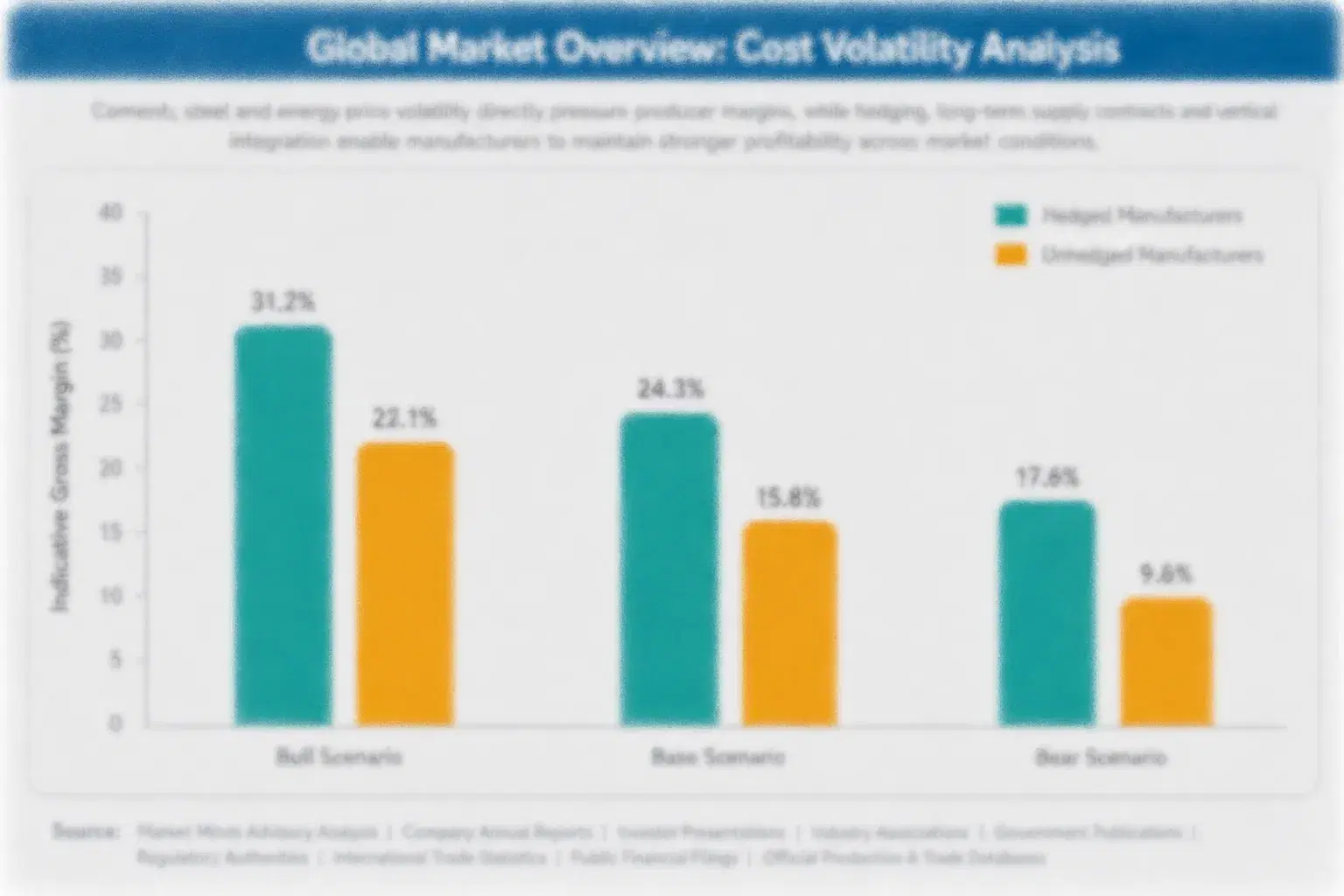
What Drives Algal Omega Production Costs

Sugar and other fermentation feedstocks account for roughly 30% of cost of goods, sourced from Brazilian, European, and North American suppliers, with energy for sterilization, aeration, and drying adding about 22%. Extraction, refining, packaging, and labor make up most of the remainder, so feedstock price, energy cost, and fermentation yield together determine gross margin for producers.
Sugar and energy prices spiked in 2022, according to USDA Economic Research Service sugar price data and IEA energy price reports, raising fermentation costs, while fish oil prices rose in 2023 after Peru suspended part of its anchovy season, according to trade reports. Producers reported higher input costs, added surcharges to some contracts, and in some cases delayed expansions, while buyers gained interest in algal oil as a hedge.

Exposure varies by player type and geography. Integrated producers with Brazilian sugar access and long feedstock contracts absorb shocks better than plants buying spot sugar and power. European plants face the highest energy cost, while Chinese producers benefit from lower cost but face patent and quality scrutiny, and infant-grade and encapsulated products pass costs through more easily than bulk oil sold to feed.
algae-omega-market-cost-volatility-analysis-1789759910759

Signing Long-Term Sugar and Energy Supply Contracts

Producers negotiate multi-year agreements for sugar, steam, and power, and locate plants near cheap feedstock and renewable energy. Contracts reduce spot exposure and improve planning, though they lock in prices when markets soften. Larger producers benefit most because they can commit to volumes that justify long-term supplier agreements and financing, and they gain priority access during tight markets.

Improving Yield Through Strain Development and Process Control

Better strains, automated control, and downstream recovery raise oil yield per batch and reduce cost per kilogram. Gains of 15% to 30% are common with process optimization. Capital and research cost are meaningful, but producers also gain higher quality oil with lower oxidation that meets infant formula specifications and supports premium contracts with global brands.

Using Offtake Agreements and Price Adjustment Clauses

Producers agree multi-year offtake contracts with price adjustment clauses linked to sugar and energy indexes, which pass part of cost swings through to customers. Contracts protect margin during input spikes but limit upside when prices fall. Anchor customers in infant formula and feed also support financing of new capacity, which lowers capital cost and speeds plant construction.

Portfolio Architecture for Margin Defence

Margins run from moderate returns on bulk DHA oil sold to feed and mass supplements to strong profits on infant-grade, EPA-rich, and encapsulated products sold under long contracts, with gross margin roughly doubling between the volume tier and the top tier. Strain patents, purity, and regulatory documentation add pricing power over the same fermentation process, and buyers pay for reliability because infant formula contamination risk is unacceptable.
Volume and premium pull in different directions. Bulk DHA oil sells in large lots to feed and mass supplement buyers at moderate margins and faces competition from fish oil. Infant-grade, EPA-rich, and encapsulated products sell in smaller lots at higher margins but need refining, testing, and application support, so producers must choose how much capital to commit to premium positioning.

High-value pools concentrate in infant-grade DHA for regulated formula markets, EPA-rich oil for premium supplements and aquafeed, and encapsulated powders for foods and beverages. These segments benefit from recurring orders, documented specifications, and limited competition from small producers. Suppliers combining strain patents, fermentation scale, and regulatory expertise hold advantages that are difficult to replicate quickly, especially as demand outpaces new capacity.

Volume / Commodity-Adjacent Tier

Bulk DHA-rich algal oil sold to feed producers and mass supplement brands on price, with moderate margins, high sensitivity to sugar and energy cost, and competition from fish oil and other omega sources worldwide.
Gross Margin: 25%-35%

Premium / Certified Tier

Infant-grade and organic-certified algal DHA with full contaminant testing and regulatory documentation, sold under multi-year contracts to infant formula and premium supplement makers that require documented purity, stability, and reliable supply.
Gross Margin: 38%-50%

Sustainability / Regulatory / Next-Generation Tier

EPA-rich and encapsulated algal omega with clinical data and application support, positioned for marine-free supplements, fortified foods, beverages, and aquafeed across developed and emerging markets, backed by strain patents and sustainability metrics.
Gross Margin: 45%-60%
algae-omega-market-portfolio-architecture-1789759910950

High-value Sub-segments and Strategic Watch-out

EPA-Rich Algal Oil

EPA-rich oil combines the fastest growth with strong pricing, as supplement and feed buyers pay for marine-free EPA. Strains and capacity are limited, which protects margins, though producers must prove yield and stability and keep supply steady to honor long-term contracts and keep premium customers as demand rises.
Gross Margin: 45%-60%

Microencapsulated Algal Omega Powder

Encapsulated powders offer strong growth and healthy premiums, because food and beverage makers gain stable, odor-free omega-3 that is easy to dose. Formulation skill and spray-drying capacity build barriers, while competition from encapsulated fish oil keeps pressure on pricing, so suppliers need stability data and application support.
Gross Margin: 38%-52%

DHA-Rich Algal Oil

DHA-rich oil remains the volume core, moving the largest quantity to infant formula and supplement makers at moderate prices. Margins depend on feedstock cost, yield, and buyer negotiation, and regulated demand supports steady volumes, so returns rely on scale, cost discipline, and reliable supply rather than differentiation.
Gross Margin: 30%-42%

Fish Oil and Krill Oil

Fish oil and krill oil are the main strategic watch-out, since they cost less per unit of omega-3 and carry strong consumer recognition. If fish oil prices fall and supply stabilizes, buyers may delay conversion to algal sources, slowing growth and pressuring producer pricing in price-sensitive categories.
Gross Margin: n/a (substitution risk)

Why Formula Makers Keep Algal Suppliers

Algal omega demand behaves like an annuity once an infant formula maker or supplement brand approves a supplier. Purity, oxidation values, DHA content, and regulatory filings are tied to a specific plant and process, so switching means new clinical and stability studies, possible regulatory re-filing, and risk of product recalls. Annual and multi-year agreements reinforce repeat orders, and buyers accept modest price increases to protect supply.
Stickiness varies by end-use vertical. Infant formula makers show the deepest loyalty because regulatory filings and clinical positioning depend on a specific supplier. Supplement and fortified food brands switch less often once formulas are stable, while feed producers purchase mainly on price and switch more frequently. Private label and distributor buyers rebid often, making that group the most price sensitive and least attractive for planning.

Buyer profiles are changing. Younger consumers and brands emphasize vegan, marine-free, and sustainable sourcing, and they favor suppliers that publish sustainability metrics and traceability. Older buyers anchor on fish oil familiarity and price. Suppliers must serve both groups, but growth concentrates among infant nutrition, premium supplement, and aquafeed customers that meet health and environmental commitments as fisheries face pressure.
algae-omega-market-end-use-penetration-index-1789759911134

MMA Verdict on Algal Omega Strategy

These are among the four positions where our research anticipates prominent divergence between winners and laggards over the coming forecast period. Each is grounded in the demand model, the regulatory perimeter, and the announced capacity pipeline.
01 / FERMENTATION YIELD IMPROVEMENT

Raise Fermentation Yield Through Strain and Process Improvement

Yield gains of 15% to 30% cut cost per kilogram and narrow the gap with fish oil. A 20% gain on a 5,000 tonne plant adds several million dollars in annual margin without new tanks. MMA recommends funding strain and process programs within the next two years, since cost per kilogram is the variable that most limits algal oil in feed and mass supplements, and a single yield breakthrough at one plant can be replicated across sister plants, which multiplies the value of the research investment across the network.
02 / ANCHOR CUSTOMER OFFTAKE

Secure Long-Term Offtake Agreements With Infant Formula and Feed Buyers

Multi-year agreements covering 60% to 80% of output support utilization above 85% and finance new capacity. Price adjustment clauses tied to sugar and energy protect margin. MMA advises pursuing two anchor customers first, then extending contracts as plants expand, since offtake certainty is the condition that lets lenders fund the next fermentation plant, and lenders treat contracted plants as far lower risk, so producers without anchor customers face higher capital cost and slower expansion than rivals that signed early, which can decide market position for a decade.
03 / EPA-RICH PRODUCT DEVELOPMENT

Launch EPA-Rich and Blended Oils for Premium Supplements

EPA-rich oil grows about 1.22 times faster than the market and earns premiums of 20% to 40% over DHA-only oil. Supplement brands want balanced vegan formulas. MMA recommends building strain and refining capability and funding clinical evidence now, because early entrants secure shelf space and brand contracts before competing EPA-rich supply reaches the market, and supplement brands that adopt EPA-rich blends first often capture shelf space and clinical positioning that later entrants must spend years to match, so speed of launch matters as much as price.
04 / ENCAPSULATION PARTNERSHIP STRATEGY

Add Microencapsulation to Serve Food and Beverage Applications

Encapsulated powders sell at 25% to 45% above bulk oil and open large channels in bars, beverages, and infant formula. Contract manufacturers let producers enter without owning every asset. MMA advises starting with two anchor customers, then extending the range as stability data and reference launches build, while preserving the oxidation controls needed for regulated infant and clinical nutrition markets, and food makers that qualify one powder supplier rarely add a second, so early capacity and stability data translate into durable formula-level relationships.

Engagement Snapshot From the Field

A live engagement with an industry participant carrying material or product regulatory and market exposure ahead of a defining policy shift, showing how our research translates into a defensible multi-year portfolio strategy.
MARKET MINDS ADVISORY · CLIENT ENGAGEMENT SUMMARY
Algae Omega Producer Strategic Portfolio Review and Transition Roadmap 2026·Investment Scenario on Algae Omega Exposure Evaluation 2025-26
CLIENT PROFILE
The client is a mid-sized European algal oil producer with one fermentation plant and roughly $60 million in annual revenue (client-reported, unverified by MMA), selling DHA-rich oil to supplement brands and pet food makers. About 90% of volume was DHA-only oil, gross margin sat near 30% (client-reported, unverified by MMA), and it had no EPA-rich or encapsulated products and no infant formula qualification.
STRATEGIC CHALLENGE
Sugar and energy costs had compressed margins, larger rivals were locking in infant formula and feed contracts, and supplement brands asked for EPA-rich and encapsulated products the client could not supply. Leadership needed a plan that lowered unit cost, added premium products, and secured an anchor customer without overextending capital. The board wanted a decision within a year.
MMA APPROACH
MMA benchmarked 10 algal omega producers on cost, product mix, and customer contracts, interviewed supplement brands, infant formula procurement leads, and feed buyers about specifications and price points, and modeled the economics of a yield improvement program, an encapsulation partnership, and infant-grade qualification under bull, base, and bear input cost scenarios.
KEY FINDINGS
  1. A yield improvement program could raise output by about 20% within two years and cut cost per kilogram by roughly 15%, according to modeling.
  2. Two supplement brands indicated they would sign annual contracts for EPA-rich blends if clinical data and stability testing were provided, according to interviews.
  3. Infant-grade qualification would take about 18 months and cost $3 million, but it opened contracts covering roughly a third of capacity, based on preliminary estimates.
  4. DHA-only volume would remain necessary to fill the plant, so the client should keep pet food and supplement contracts at about 55% of volume.
CLIENT PROFILE
The client is a mid-sized European algal oil producer with one fermentation plant and roughly $60 million in annual revenue (client-reported, unverified by MMA), selling DHA-rich oil to supplement brands and pet food makers. About 90% of volume was DHA-only oil, gross margin sat near 30% (client-reported, unverified by MMA), and it had no EPA-rich or encapsulated products and no infant formula qualification.
STRATEGIC CHALLENGE
Sugar and energy costs had compressed margins, larger rivals were locking in infant formula and feed contracts, and supplement brands asked for EPA-rich and encapsulated products the client could not supply. Leadership needed a plan that lowered unit cost, added premium products, and secured an anchor customer without overextending capital. The board wanted a decision within a year.
MMA APPROACH
MMA benchmarked 10 algal omega producers on cost, product mix, and customer contracts, interviewed supplement brands, infant formula procurement leads, and feed buyers about specifications and price points, and modeled the economics of a yield improvement program, an encapsulation partnership, and infant-grade qualification under bull, base, and bear input cost scenarios.
KEY FINDINGS
  1. A yield improvement program could raise output by about 20% within two years and cut cost per kilogram by roughly 15%, according to modeling.
  2. Two supplement brands indicated they would sign annual contracts for EPA-rich blends if clinical data and stability testing were provided, according to interviews.
  3. Infant-grade qualification would take about 18 months and cost $3 million, but it opened contracts covering roughly a third of capacity, based on preliminary estimates.
  4. DHA-only volume would remain necessary to fill the plant, so the client should keep pet food and supplement contracts at about 55% of volume.
RECOMMENDED STRATEGY
Phase 1: Phase 1 (Months 1-6): Launch a yield improvement program and sign long-term sugar and energy supply contracts, with progress reviewed monthly. Phase 2: Phase 2 (Months 7-18): Develop EPA-rich blends with a strain partner and start infant-grade qualification and clinical studies, with audits scheduled first. Phase 3: Phase 3 (Months 19-36): Add microencapsulation through a contract partner and sign an anchor infant nutrition agreement while tracking margin quarterly.
OUTCOME
Within 36 months, the client moved about 28% of volume into EPA-rich, encapsulated, and infant-grade products and raised gross margin from 30% to an estimated 41% (client-reported, unverified by MMA). Two supplement contracts and one infant nutrition agreement were signed, yield gains cut cost, and revenue reached roughly $78 million (client-reported, unverified by MMA).

Frequently Asked Questions

Foundational context covering the market sizes, CAGR, scope, country, region and competition that inform every finding below. This section is provided to cover basics and most often pre-purchase conversations, answered from the MMA Primary Research Dataset.

What is the current size of the Algae Omega Market?

The global algae omega market was valued at $2.1 billion in 2025. This covers algal DHA and EPA oil, powder, and biomass sold to infant nutrition, supplement, food, pet, and feed makers.

How large will the Algae Omega Market be by 2036?

MMA projects the market will reach approximately $7.0 billion by 2036. This represents cumulative growth of roughly $4.6 billion over the full ten-year forecast window.

What is the CAGR for the Algae Omega Market 2026 to 2036?

The market is forecast to grow at an 11.5% compound annual rate between 2026 and 2036. The bull case reaches 12.8% while the bear case falls to 10.2%.

Which segment is growing fastest?

EPA-Rich Algal Oil is the fastest-growing segment at 14.0% CAGR, roughly 1.22 times the overall market rate. Microencapsulated Algal Omega Powder follows as the second-fastest segment at 13.4%.

Who are the major companies in the Algae Omega Market?

Leading companies include dsm-firmenich, Corbion, Veramaris, Fermentalg, and Qualitas Health. These five producers together hold an estimated 58% of total global market revenue today, based on capacity and sales.

Which country is growing fastest?

China is the fastest-growing major market, expanding at approximately 13.8% CAGR each year. Infant formula demand, supplement growth, and new domestic fermentation capacity are driving this above-market growth.

Report Segmentation Architecture

The full report scope spans multiple orthogonal segmentation dimensions, with cross-tabulated demand data provided for each dimension pair. Coverage extends further to regional breakdowns, trend trajectories, and the competitive detail needed to support segment-level decision-making.

By Primary Market Dimension

  • EPA-Rich Algal Oil
  • Microencapsulated Algal Omega Powder
  • DHA and EPA Blended Algal Oil
  • DHA-Rich Algal Oil
  • Whole-Cell Algal Biomass and Flour
  • Algal Omega Emulsions and Beverage Systems

By End-Use Industry

  • Infant and Clinical Nutrition
  • Dietary Supplements
  • Food and Beverage Fortification
  • Pet Food and Animal Nutrition
  • Aquafeed

By Commercial Dimension

  • Multi-Year Offtake Agreements
  • Direct Brand Supply Contracts
  • Ingredient Distributor Channels
  • Private Label Programs

By Region

  • North America
  • Western Europe
  • East Asia
  • South Asia and Pacific
  • Latin America
  • Middle East and Africa
  • Eastern Europe

Scope, Methodology, and Coverage

Every figure in this report is reproducible from documented input assumptions. The scope below maps the historical period, the forecast horizon, the segmentation dimensions, and the countries covered, alongside the underlying primary and qualitative methodology.
Historical Period
2020 to 2025
Forecast Period
2026 to 2036
Base Year
2025 (USD billions; MMA Primary Research Dataset, September 2026)
Market Definition
Algae omega comprises omega-3 fatty acids, mainly DHA and EPA, produced from microalgae by heterotrophic fermentation or photoautotrophic cultivation and sold as algal oil, microencapsulated powder, emulsion, or whole-cell biomass to infant nutrition, supplement, food and beverage, pet food, and aquafeed makers. The scope excludes fish oil and krill oil, flax, chia, and other plant ALA oils, astaxanthin and other algal pigments, and finished supplements or foods.
Quantitative Units
USD billions (current prices); metric tons for volume references
Segmentation Dimensions
By Product Composition and Form; By End-Use Industry; By Commercial Dimension; By Region
Regions Covered
North America, Western Europe, East Asia, South Asia and Pacific, Latin America, Middle East and Africa, Eastern Europe
Countries Covered
USA, Canada, Mexico, Brazil, Chile, Peru, Germany, France, Netherlands, UK, Norway, Switzerland, Italy, Spain, Poland, Russia, Ukraine, Turkey, UAE, Saudi Arabia, Israel, South Africa, China, Japan, South Korea, India, Australia, Thailand, Vietnam, Indonesia, and additional markets relevant to this sector
Key Companies Profiled
dsm-firmenich, Corbion, Veramaris, Fermentalg, Qualitas Health, Evonik Industries, Cargill, Nordic Naturals, NOW Foods, Life Extension, Nature's Way, Garden of Life, Kerry Group, BASF, Lonza, Aker BioMarine, Epax, Roquette Freres, Cellana, Algatechnologies
Quantitative Methodology
Primary survey, n=3,800 respondents, Q4 2025, six countries; demand-side model with trade association cross-validation
Qualitative Methodology
47 expert interviews, Q4 2025; applied to validate demand model assumptions, identify emerging dynamics, and assess competitive positioning
Report Format
PDF and XLSX data workbook (Word format preview document)
Publisher
Market Minds Advisory
Report Code
MMA-2026-HLT-268
Published
September 2026
Contact
sales@marketmindsadvisory.com | www.marketmindsadvisory.com

Purchase the full Algae Omega Market Report (2026 to 2036).

The full report delivers a detailed assessment of global algal omega production, product mix, and competitive positioning through 2036. It includes segment forecasts by product composition and form, country-level data for all seven world regions, and profiles of the twenty companies most relevant to fermentation and ingredient supply. Analysts also receive input cost modeling and portfolio margin benchmarking built from MMA's primary research dataset. A scenario planning module lets subscribers stress-test bull and bear assumptions against fish oil and feedstock outcomes. Quarterly updates keep the whole dataset current throughout.
Ten-year segment and regional demand forecasts
Fermentation capacity and plant pipeline tracking
Competitive benchmarking of top twenty producers
Feedstock and fish oil price sensitivity modeling
Regional demand mechanism comparative analysis included
Quarterly primary survey data update access

Built For The People Who Decide

From boardroom strategy to bench-side execution, this report is read cover-to-cover by leaders shaping the next decade of their industry, turning demand scenarios, market dynamics and valuation benchmarks into decisions.
CXOs/ Presidents/ VPs/ Managers
M&A and Corporate Development
Strategy Teams and R&D Heads
Procurement and Product Directors
Regulatory and Compliance Leaders
Investor Relations and Equity Analysts