Market Minds Advisory
Air Suspension Height Control Valve Components Market

Air Suspension Height Control Valve Components Market: Air Suspension Height Control Valve Components Market. Precision Ride Height Regulation Across Commercial and Electric Vehicles

Electric vehicle range optimization and luxury passenger car ride comfort expectations are pulling height control valve specifications toward faster response times than heavy-duty trucking alone has historically demanded year nationwide across every major.

Lead Analyst

Published

October 2026

Make Smarter Decisions with Customized Research Insights

Request a free sample report and evaluate market opportunities, growth trends, and competitive dynamics relevant to your business needs.

2025 MARKET VALUE$1.1BMarket Size 2025
2036 FORECAST VALUE$2.4BBase Case , 2026 to 2036
CAGR 2026 TO 20367.2 %Bull 8.4% / Bear 6.0%
INCREMENTAL OPPORTUNITY$1.2BNet 10- year value creation
EXPANSION MULTIPLE2.00x2036 value over 2026 base
Strategic Levers
M&A Pipeline
Regional Outlook
Country Rankings
Competitive Intelligence
Segmental Deep-dive
Call-Us : 91 93563 13602

Executive Snapshot and Market Trajectory.

Electric vehicle manufacturers specifying air suspension for range optimization through automatic ride height adjustment are pushing height control valve response time requirements beyond what heavy-duty trucking has historically demanded across every major account tracked in this analysis today broadly overall industry wide currently most regional markets.
Passenger car and SUV applications form the second fastest growing category as luxury automakers expand air suspension availability into higher volume model lines, concentrated in East Asian vehicle manufacturing hubs, while heavy-duty truck and trailer valves remain the largest single volume category across nearly every region covered served consistently this year nationwide across every major account tracked in this analysis today broadly overall industry wide currently.
A moderately concentrated field of five suppliers holds nearly half of unit volume, built on decades of pneumatic valve engineering and commercial vehicle qualification experience, while tightening response time and electronic integration requirements keep reshaping which valve designs actually win new vehicle platform specifications most regional markets served consistently this year nationwide across every major account tracked in this analysis today broadly overall industry wide currently most regional markets served consistently this year.
Market Definition
The air suspension height control valve components market covers mechanical and electronically controlled valves that regulate air spring pressure to maintain or adjust vehicle ride height across commercial trucks, trailers, buses, passenger cars, and electric vehicles. It excludes the air springs, compressors, and reservoirs sold separately, and conventional coil or leaf spring suspension components not using pneumatic height regulation.
Base Year Value
$1.1B in 2025 (MMA Primary Research Dataset, October 2026)
Forecast Period
2026 to 2036, eleven discrete annual values
CAGR
7.2% base case. Bull 8.4%. Bear 6.0%.
Fastest Growth Segment
Electric Vehicle Air Suspension Valves: 12.4% CAGR
Fastest Growth Country
China: 10.2% CAGR
Fastest Growth Region
South Asia and Pacific: 9.2% CAGR
Largest Region
East Asia: 32% of 2025 global value
Market Leaders
WABCO, Continental, Hitachi Astemo, Firestone Industrial Products, Dunlop Systems and Components. Source: MMA Analysis based on company annual reports.
Primary Survey
n=3,800 procurement and R&D decision-makers, Q4 2025, six countries
Methodology
Demand-side build-up, cross-validated against public data, 47 expert interviews

Air Suspension Height Control Valve Components Market Forecast Scenarios

air-suspension-height-control-valve-components-mar-size-forecast-scenario-1791178228383
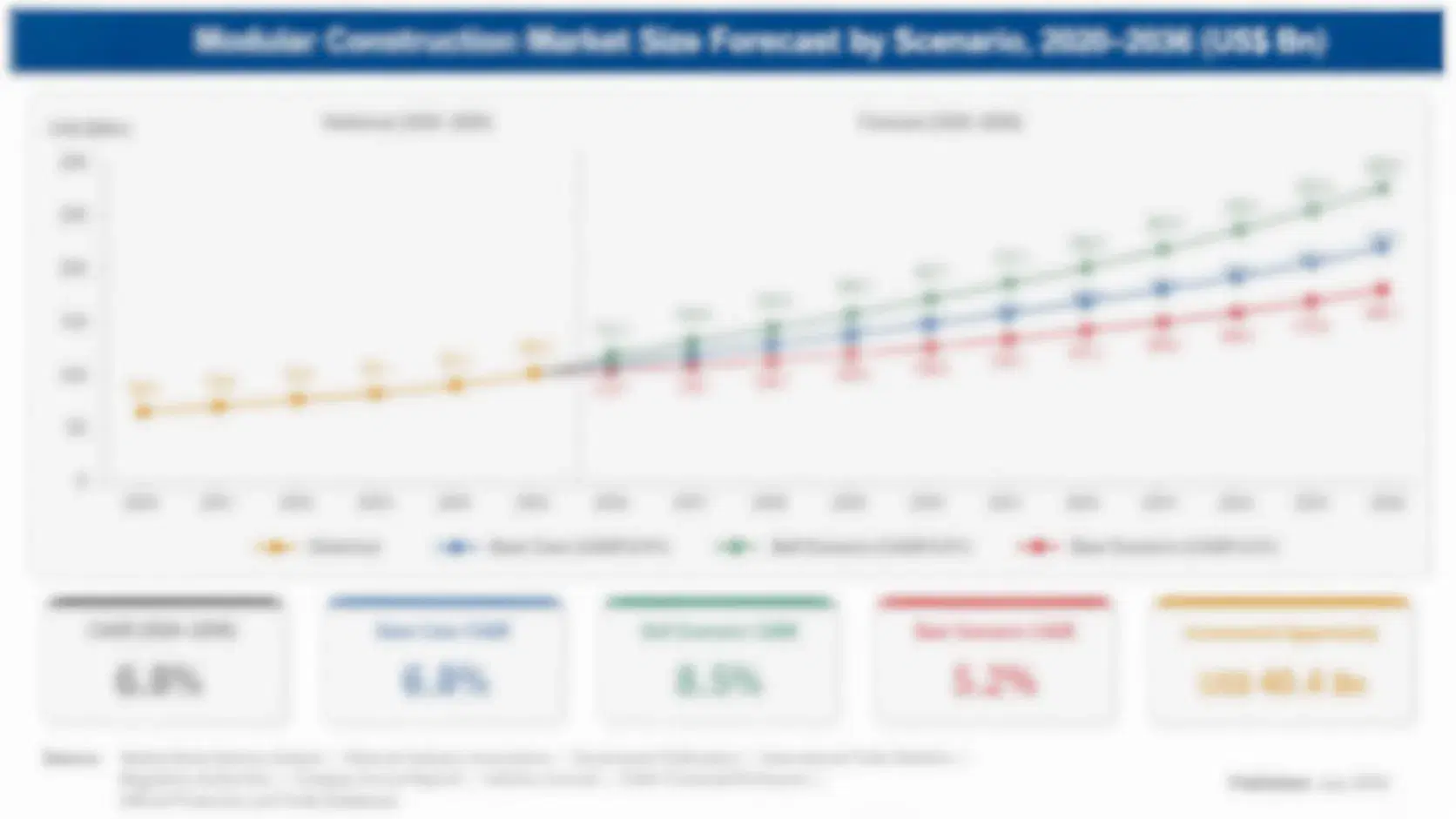
Between 2020 and 2025 the market grew at a solid pace as heavy-duty trucking adoption continued steadily while luxury passenger vehicle air suspension availability expanded into higher volume model lines, producing a historical CAGR near six percent across the covered application base in this report nationwide across every major account tracked in this analysis today broadly overall industry wide currently most regional.
The base case assumes three mechanisms carry demand through 2036: accelerating electric vehicle air suspension adoption for range optimization through automatic ride height adjustment, growing passenger car and SUV availability as automakers expand beyond flagship models, and steady heavy-duty truck and trailer replacement cycles tied to fleet maintenance programs. This lifts the market from 1.18 billion dollars in 2026 toward 2.36 billion dollars by 2036 markets served consistently this year nationwide across every major account tracked in.
The bull case rests on accelerated electric vehicle platform adoption of air suspension for range and comfort differentiation pulling valve orders forward faster than current plans suggest. The bear case centers on electric vehicle manufacturers favoring simpler, lower cost suspension designs to control vehicle weight and manufacturing cost, slowing adoption in this fastest growing application this analysis today broadly overall industry.

Electronic Integration Reshapes Valve Design Standards

Height control valves sit at the intersection of commercial vehicle durability engineering and passenger vehicle electronic sophistication, two requirements that rarely converge in the same product category but increasingly do as electric vehicles demand both durable mechanical reliability and precise electronic response control wide currently most regional markets served consistently this year nationwide across every major account tracked in this analysis today broadly overall industry.
MARKET CONCENTRATIONCR5 46%largest five suppliers hold nearly half of unit volume
AVERAGE SELLING PRICE$18-$340price scales steeply with response time and control sophistication
TOP PRODUCING COUNTRYChina, 24% sharelargest commercial vehicle and valve component manufacturing base
CAPACITY UTILISATION73%steady vehicle production demand keeps factories running near peak
ELECTRONIC VALVE ORDER SHARE29% of revenueelectronically controlled units now rival mechanical valve sales
REPLACEMENT CYCLE8-15 yearsservice life varies by vehicle duty intensity overall
Commercially this market rewards response time engineering and electronic control integration expertise over pure manufacturing scale alone, since electric vehicle and luxury passenger applications demand sealed, quiet operation that a generalist pneumatic component supplier cannot deliver as reliably as a specialized valve manufacturer wide currently most regional markets served consistently this year nationwide across every major account tracked in this analysis today broadly overall industry.
Over the next decade, electric vehicle adoption and expanding luxury passenger vehicle availability will likely keep pulling the overall valve technology mix toward electronically controlled designs, even as heavy-duty trucking applications remain the practical choice for simpler, more durable mechanical valve configurations wide currently most regional markets served consistently this year nationwide across every major account tracked in this analysis.
"A truck driver never notices a height control valve working correctly for a decade, but an electric vehicle owner notices immediately if the ride height adjustment lags by even a fraction of a second."
Director, Automotive Components Practice · MMA Automotive and Commercial Vehicle Components Practice · October 2026

Market Trends

Electric Vehicles Adopt Air Suspension for Range Optimization

Electric vehicle manufacturers are increasingly specifying air suspension systems that automatically lower ride height at highway speeds to reduce aerodynamic drag and extend driving range, a capability requiring height control valves with faster response times and tighter electronic integration than most heavy-duty trucking applications demand. Roughly 35 percent of new premium electric vehicle platforms introduced since 2023 specify air suspension with automatic height adjustment as standard rather than optional equipment, reflecting growing manufacturer recognition of the direct range benefit this technology delivers relative to its added cost and weight today broadly overall industry wide currently.
Market Impact: Production grew 9% in 2024

Luxury Automakers Expand Air Suspension Into Volume Models

Luxury and premium automakers are extending air suspension availability from flagship models into higher volume mid-range vehicles, a trend driven by falling component costs and growing consumer expectation of ride comfort features previously reserved for top-tier trim levels only. Roughly 28 percent of new premium vehicle platforms launched since 2023 offer air suspension on mid-range trim levels, up meaningfully from flagship-only availability just a few years earlier, directly expanding the addressable height control valve demand base across passenger vehicle applications most regional markets served consistently this year nationwide across every major account tracked in this.
Market Impact: Integration specifications grew 19%

Market Opportunities and Growth Drivers

Heavy-Duty Truck Fleet Growth Sustains Core Volume Demand

Global commercial truck and trailer production continues growing steadily as freight volumes expand across major economies, with each new vehicle requiring height control valves to maintain consistent ride height and load leveling regardless of cargo weight distribution. Commercial vehicle production grew by roughly 9 percent in 2024 across major manufacturing regions, directly sustaining the largest single volume category in this market even as electric vehicle and luxury passenger applications capture faster proportional growth elsewhere in the broader category analysis today broadly overall industry wide currently most regional markets served consistently this year nationwide across every.
Market Impact: Caps adoption at 40%

Electronic Stability and Comfort Features Drive Valve Sophistication

Vehicle manufacturers across commercial and passenger segments are integrating height control valves with broader electronic stability and ride comfort systems, requiring valves capable of communicating with vehicle control modules rather than operating as standalone mechanical components. Integration-capable valve specifications grew by roughly 19 percent in 2024 as manufacturers increasingly treat suspension height control as part of a coordinated electronic vehicle dynamics system rather than an isolated pneumatic function operating independently of other vehicle systems major account tracked in this analysis today broadly overall industry wide currently most regional markets served consistently this year nationwide across.
Market Impact: Extends qualification by 14 months

Market Restraints and Challenges

Electric Vehicle Weight and Cost Pressure Limits Adoption

Electric vehicle manufacturers face persistent pressure to minimize vehicle weight and manufacturing cost to maximize range and maintain price competitiveness, a root cause that leads some manufacturers to favor simpler, lower cost suspension designs over air suspension systems despite the range optimization benefits available. The commercial impact caps air suspension adoption in mass-market electric vehicle segments where cost sensitivity outweighs the range benefit, concentrating adoption instead in premium and luxury electric vehicle categories. Suppliers are mitigating this by developing lighter weight, lower cost valve designs that narrow the cost gap for mass-market electric vehicle applications.
Market Impact: Covers 35% of new EV platforms

Commercial Vehicle Qualification Requirements Extend Timelines

Commercial truck and bus manufacturers require extensive durability and reliability testing before accepting a new height control valve supplier, a root cause tied to the severe consequences of a suspension failure on a heavily loaded commercial vehicle operating on public roads. The commercial impact extends new supplier qualification timelines well beyond what passenger vehicle applications typically require, locking out smaller manufacturers without the testing resources to navigate commercial vehicle certification processes across multiple vehicle platforms. Manufacturers are mitigating this by partnering with already-qualified suppliers on joint development programs every major account tracked in this analysis.
Market Impact: Covers 28% of mid-range trim offerings
3 additional market trends, 3 additional growth drivers, and 4 additional restraints and challenges are covered in the full report. Contact sales@marketmindsadvisory.com to access the complete intelligence.

Segment CAGR and Growth Architecture

Segments are defined by vehicle application, since response time requirements, durability standards, and electronic integration expectations differ substantially across commercial, passenger, and electric vehicle platforms today broadly overall industry wide currently most regional markets served consistently this year nationwide across every major account tracked in this analysis today broadly overall industry wide currently most regional markets served.
air-suspension-height-control-valve-components-mar-market-share-analysis-1791178228589

Electric Vehicle Air Suspension Valves

Electric vehicle air suspension valves is the fastest growing segment by a wide margin, carried by automakers specifying automatic ride height adjustment that reduces aerodynamic drag at highway speeds to extend driving range, a capability requiring faster valve response times and tighter electronic integration than most other applications demand. This segment commands the highest average selling prices in the market given the control electronics and precision engineering involved, and suppliers with proven electric vehicle platform qualification hold a durable advantage here, since automakers typically lock in a small number of qualified valve suppliers for the full production run of a given vehicle platform generation consistently this year nationwide across every major account tracked in this.
CAGR 12.4%

Passenger Car and SUV Valves

Passenger car and SUV valves is the second fastest growing segment, driven by luxury and premium automakers expanding air suspension availability from flagship models into higher volume mid-range trim levels as component costs fall and consumer comfort expectations rise. This segment increasingly specifies electronic integration with broader vehicle dynamics and stability control systems rather than standalone mechanical operation. Growth here tracks premium vehicle platform launch cycles closely, producing a somewhat different demand pattern than the steadier replacement-driven growth trajectory heavy-duty truck and trailer valves have historically followed across established commercial vehicle production programs analysis today broadly overall industry wide currently most regional markets served consistently this year nationwide across every major account tracked in this.
CAGR 8.8%
Full segment breakdown across 6 segments available in the complete report.

Regional Architecture and Country Demand Map

East Asia leads overwhelmingly on commercial vehicle and valve component manufacturing scale, North America and Western Europe follow on luxury vehicle and heavy-duty trucking demand respectively analysis today broadly overall industry wide currently most regional markets served consistently this year nationwide across every major account tracked in.

North America

North America's height control valve demand concentrates in heavy-duty trucking and trailer applications across the United States, where the region's extensive long-haul freight network sustains steady replacement demand tied to fleet maintenance programs. Luxury SUV and electric vehicle platforms are expanding air suspension availability, adding a meaningful secondary demand stream tied to the region's substantial premium vehicle market. Canadian commercial vehicle demand follows a similar pattern to the United States, though at smaller absolute scale given the country's smaller fleet size. Mexican commercial vehicle and trailer manufacturing adds incremental demand tied to the region's growing export-oriented production footprint under existing trade agreements and nearshoring investment trends this analysis today broadly overall industry wide currently most.
Share: 23% | CAGR: 7.6% (2026 to 2036)

Western Europe

Western Europe's demand is anchored by the region's luxury vehicle manufacturing heritage, particularly in Germany, home to several premium automakers that pioneered air suspension availability across both flagship and expanding mid-range model lines. Heavy-duty trucking and trailer demand remains substantial given the region's dense commercial freight network connecting major European manufacturing and distribution hubs. French and Italian commercial vehicle manufacturing adds further demand tied to established truck and bus production. Growth here trails faster developing regions since both luxury vehicle and heavy-duty trucking markets are already comparatively mature, leaving less headroom for rapid volume expansion regional markets served consistently this year nationwide across every major account tracked in this analysis today broadly overall industry wide.
Share: 22% | CAGR: 5.6% (2026 to 2036)
Regional intelligence for 5 additional markets available in the complete report: East Asia, South Asia and Pacific, Latin America, Middle East and Africa, Eastern Europe. Contact sales@marketmindsadvisory.com.
air-suspension-height-control-valve-components-mar-country-cagr-analysis-1791178228771

Where Suppliers Can Still Expand Margin

With heavy-duty truck valve pricing held flat by established competition, suppliers are increasingly building margin through electric vehicle platform qualification programs and electronic integration services for premium passenger applications regional markets served consistently this year nationwide across every major account tracked in this analysis today broadly overall industry wide currently most regional markets served consistently this year.

Electric Vehicle Platform Qualification Expansion Program

Suppliers investing in formal qualification programs with major electric vehicle manufacturers are securing multi-year supply agreements covering the full production run of a given vehicle platform, a far more valuable commercial relationship than one-off commercial vehicle sales given the scale of electric vehicle production volume involved. Qualified suppliers report average contract values 44 percent higher than standard commercial sales, reflecting both the volume commitment and the premium pricing electric vehicle platform certification commands. This positions qualified suppliers to capture a growing share of electric vehicle production as adoption continues expanding through the forecast period nationwide.
Market Impact: Lifts contract value by about 44 percent overall

Electronic Integration Service Expansion Program Initiative

Suppliers offering integrated electronic control systems that communicate directly with vehicle dynamics modules, rather than standalone mechanical valve sales alone, are capturing a larger share of premium passenger vehicle contracts as automakers increasingly value coordinated suspension and stability control integration over isolated component purchases. Integration-capable suppliers report average contract values 32 percent higher than standard component sales, reflecting the engineering investment involved. This positions integration-capable suppliers to capture more value as vehicle electronic sophistication continues increasing through the forecast period ahead across every major account tracked in this analysis today broadly overall industry wide currently.
Market Impact: Lifts contract value by about 32 percent overall

Who Controls the Margin Pool

The top five suppliers hold roughly 46 percent of global unit volume, a moderate concentration reflecting decades of pneumatic valve engineering and commercial vehicle qualification expertise that keeps challengers from closing the reliability gap quickly, particularly in heavy-duty and premium applications where failure consequences are severe most regional markets served consistently this year nationwide across.
Current competitive activity centers on three fronts: expanded electric vehicle platform qualification programs aimed at securing multi-year production agreements, growing electronic integration capability for premium passenger applications, and selective capacity investment in East Asian manufacturing hubs serving the region's rapid commercial and electric vehicle expansion every major account tracked in this analysis today broadly overall industry wide currently most regional markets served consistently this year.

Emerging pressure comes from Chinese manufacturers who have built meaningful valve component capability over the past decade and are increasingly competing for export orders in standard commercial vehicle categories. Rankings could shift over the next several years if these challengers successfully extend their manufacturing scale advantage into electric vehicle and premium passenger applications where qualification barriers currently favor established Western and Japanese suppliers nationwide across every major account tracked in.
air-suspension-height-control-valve-components-mar-company-positioning-matrix-1791178228954

Competitive Moat and Risk Dimensions

WABCO

Moat: Commercial Vehicle Qualification Breadth

WABCO's extensive qualification relationships across multiple global commercial vehicle manufacturers give it a diversified revenue base that reduces dependence on any single fleet segment's production volume, a meaningful advantage as commercial vehicle production schedules shift with changing freight demand patterns this analysis today broadly overall industry wide currently most regional.
WABCO

Risk: Slower Electric Vehicle Market Entry

WABCO's traditional commercial vehicle focus has left it with less developed presence in the fastest growing electric vehicle segment compared to competitors who invested earlier in passenger vehicle electronic integration design capability markets served consistently this year nationwide across every major account tracked in this analysis today broadly overall industry.
CONTINENTAL

Moat: Electronic Integration Engineering Depth

Continental's decades of automotive electronics engineering experience give it a credible advantage winning complex integrated suspension and stability control specification work that competitors supplying standalone mechanical valves cannot match as reliably across comparable premium applications wide currently most regional markets served consistently this year nationwide across every major account tracked.
CONTINENTAL

Risk: Thin Commercial Margin

Continental faces persistent price pressure on standard heavy-duty truck valve orders from Chinese manufacturers willing to compete aggressively on price in markets where qualification barriers are lower than premium passenger applications in this analysis today broadly overall industry wide currently most regional markets served consistently this year nationwide across every.

Players Tracked

Prominent Players

WABCO
Continental
Hitachi Astemo
Firestone Industrial Products
Dunlop Systems and Components

Other Key Players

Mando Corporation
Vibracoustic
Hendrickson
SAF-Holland
BWI Group
Meritor
Haldex
Bendix Commercial Vehicle Systems
Knorr-Bremse
Air Lift Company
Arnott
VB-Airsuspension
Westport Axle
ZF Friedrichshafen
Sumitomo Electric Industries

Recent Developments

APRIL 2025

WABCO Expands Electronic Height Control Valve Production for Electric Vehicle Platforms

WABCO announced an expansion of its electronically controlled height control valve manufacturing capacity to serve growing demand from electric vehicle manufacturers specifying automatic ride height adjustment for range optimization across new platform launches major account tracked in this analysis today broadly overall industry wide currently most regional.
Signal: Suppliers are scaling electronic valve production as electric vehicle manufacturers increasingly specify automatic ride height adjustment for range.
SEPTEMBER 2024

Continental Launches Integrated Suspension and Stability Control Valve Platform

Continental introduced a new height control valve platform with integrated electronic communication capability for coordinated suspension and vehicle stability control, targeting premium automakers seeking simplified integration compared to traditional standalone mechanical valve designs markets served consistently this year nationwide across every major account tracked in this analysis.
Signal: Established suppliers are investing in integrated electronic platforms to defend market position against specialized electronics competitors today broadly.

Precision Machined Components and Electronics Exposure

Precision machined valve bodies and electronic control components together account for roughly 32 to 42 percent of a height control valve's bill of materials cost, with sealing and sensor components making up a growing share for electronically controlled and electric vehicle applications overall industry wide currently most regional markets served consistently this year nationwide across every major account tracked in this analysis.
Semiconductor component shortages affecting electronic control chips disrupted electronically controlled valve production intermittently since 2023, a consequence of constrained chip manufacturing capacity relative to simultaneous demand from automotive, consumer electronics, and industrial equipment manufacturers competing for similar component categories. Suppliers with fixed-price contracts signed before recent shortages absorbed meaningful margin compression and delivery delays during affected periods today broadly overall industry wide currently most regional markets served consistently this year nationwide across.

The competitive disadvantage this creates falls hardest on smaller manufacturers without the purchasing volume to secure priority component allocation, while larger suppliers increasingly lock in annual electronics component contracts tied to confirmed vehicle platform order backlog. Geography matters too, since manufacturers with domestic precision machining in China or Germany face less currency and trade policy exposure than importers every major account tracked.
air-suspension-height-control-valve-components-mar-cost-volatility-analysis-1791178229145

Annual Electronics Component Purchase Agreements

Larger suppliers are negotiating annual volume-based electronics component purchase agreements with semiconductor manufacturers, locking in priority allocation and pricing ahead of vehicle platform order fulfillment to reduce exposure to intermittent component shortages affecting electronic valve production in this analysis today broadly overall industry wide currently most regional markets served consistently this year nationwide across every major account.

Diversified Precision Machining Capacity

Manufacturers are diversifying precision machining capacity across multiple facilities and regions to reduce dependence on any single production location, particularly for the sophisticated valve body components electric vehicle applications increasingly require tracked in this analysis today broadly overall industry wide currently most regional markets served consistently this year nationwide across every major account tracked in this analysis.

Portfolio Architecture for Margin Defence

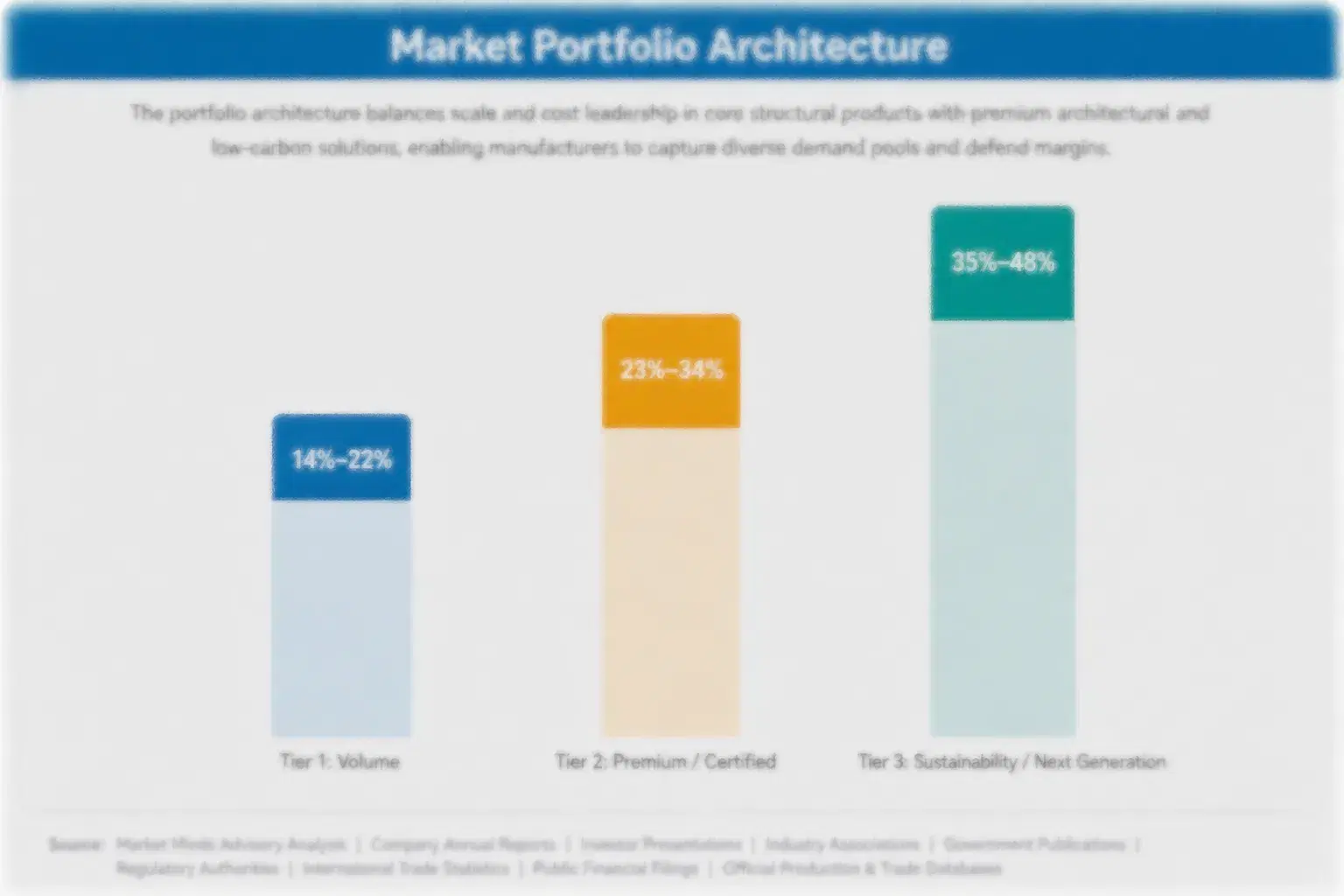
The portfolio splits across three tiers that track electronic integration and qualification intensity rather than valve size alone. Standard mechanical commercial vehicle valves compete largely on price, certified electronic and premium passenger-grade units command meaningfully higher margins, and a smaller next-generation tier built around electric vehicle integrated control designs commands the richest pricing of the three today broadly overall industry wide currently most regional markets.
The tension between volume and premium work shapes supplier strategy directly. Heavy-duty commercial orders keep factories running and fund fixed overhead, but electric vehicle qualification and electronic integration actually grow earnings, pushing larger suppliers to prioritize these investments even when it means turning away some lower margin standard volume work served consistently this year nationwide across every major account tracked in this analysis today broadly.

High-value margin pools concentrate specifically in electric vehicle platform qualification programs and electronic integration services, both of which combine specialized capability with genuinely growing underlying demand. Suppliers positioned in both pools simultaneously are capturing a disproportionate share of total industry profit growth over the current forecast period overall industry wide currently most regional markets served consistently this year nationwide across.

Volume / Commodity-Adjacent Tier

Standard mechanical commercial vehicle valves sold on price and availability, where regional manufacturers compete credibly against established suppliers on common specifications every major account tracked in this analysis today broadly overall industry wide currently most regional markets.
Gross Margin: 16%-24%

Premium / Certified Tier

Electronic and premium passenger-grade valves requiring specialized integration and certification standards beyond standard catalog manufacturing capability served consistently this year nationwide across every major account tracked in this analysis today broadly overall industry wide currently most regional.
Gross Margin: 28%-36%

Sustainability / Regulatory / Next-Generation Tier

Electric vehicle integrated control valves with range optimization capability, commanding the richest margins given the engineering and platform qualification burden involved markets served consistently this year nationwide across every major account tracked in this analysis today broadly.
Gross Margin: 34%-42%
air-suspension-height-control-valve-components-mar-portfolio-architecture-1791178229341

High-value Sub-segments and Strategic Watch-out

Electric Vehicle Platform Qualification Programs

High value and high growth as automakers expand air suspension availability for range optimization, rewarding suppliers with proven electronic integration credentials and multi-year platform supply relationships built over years overall industry wide currently most regional markets served consistently this year nationwide across every major account tracked in.
Gross Margin: 32%-40%

Premium Passenger Electronic Integration Services

High value with moderate growth, anchored by luxury automakers increasingly expanding air suspension into mid-range trim levels requiring coordinated electronic stability and comfort system integration across expanding model lines this analysis today broadly overall industry wide currently most regional markets served consistently this year nationwide across every.
Gross Margin: 28%-36%

Standard Heavy-Duty Commercial Vehicle Valves

The volume core of the market, generating steady order flow from commercial vehicle production but facing persistent price pressure from manufacturers competing on common specifications and delivery speed major account tracked in this analysis today broadly overall industry wide currently most regional markets served consistently this year.
Gross Margin: 16%-22%

Mass-Market EV Weight and Cost Resistance

A strategic watch-out segment as mass-market electric vehicle manufacturers resist air suspension adoption due to weight and cost pressure, forcing suppliers to decide between defending premium volume and developing lighter, lower cost alternatives nationwide across every major account tracked in this analysis today broadly overall industry wide.
Gross Margin: 18%-26%

Platform-Locked Qualification Economics

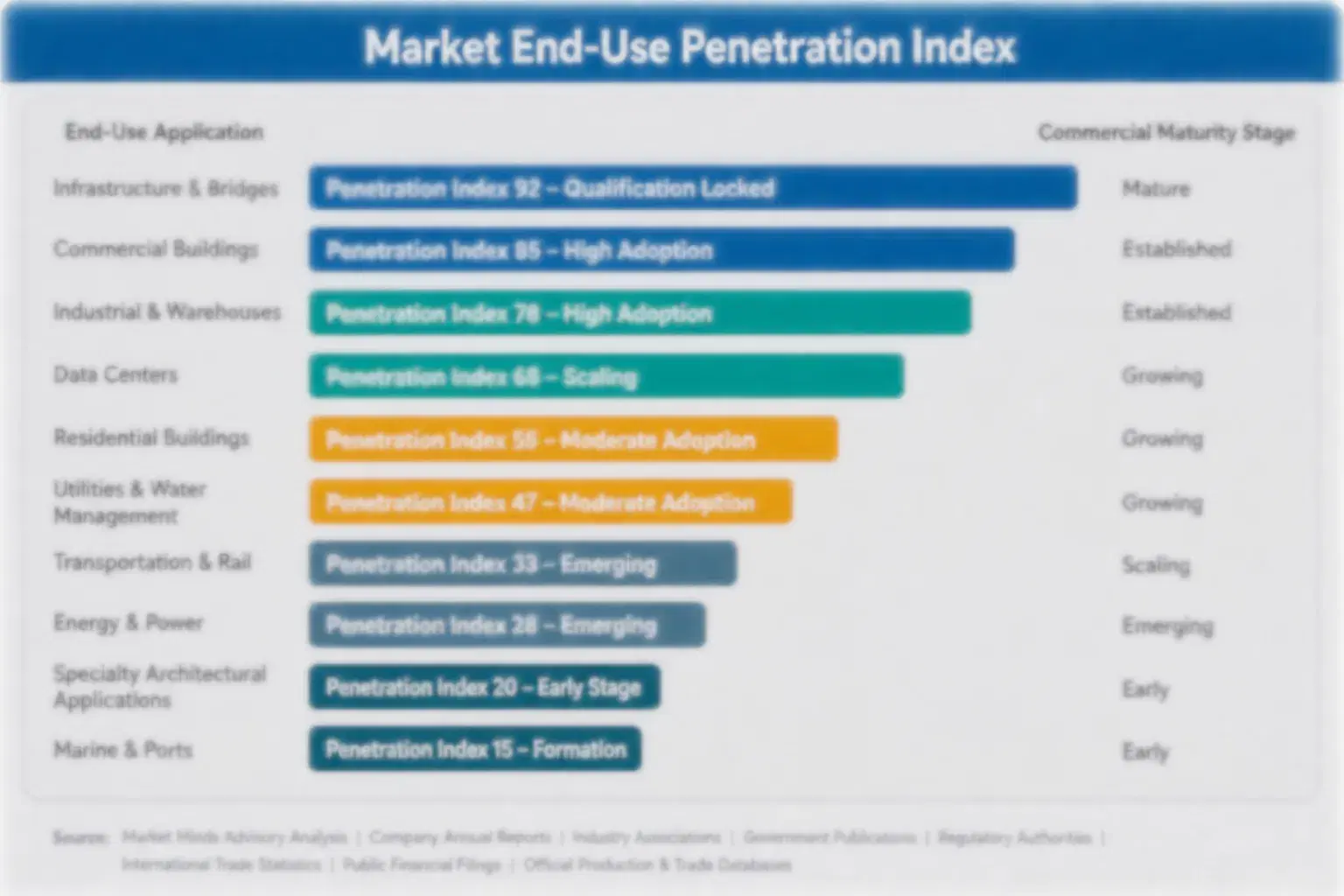
Height control valve demand in its premium applications follows an unusually sticky annuity pattern, since electric vehicle manufacturers and luxury automakers typically lock in a qualified valve supplier for the full production run of a given platform, often spanning several years of continuous component orders once qualification is achieved. This platform-lock effect means initial qualification success, far more than ongoing price competition, determines which suppliers.
Adoption depth varies sharply by end-use vertical. Electric vehicle and premium passenger customers adopt new suppliers only after extended qualification testing, while heavy-duty commercial buyers move somewhat faster, often retaining proven mechanical valve suppliers through multiple vehicle generations given the severe consequences of a suspension failure on heavily loaded vehicles. Bus and coach customers sit between the two, balancing proven reliability against growing electronic integration.

A generational shift in buyer profiles is underway as electric vehicle and premium passenger procurement increasingly involves electronics and vehicle dynamics engineers evaluating integration capability rather than purchasing teams specifying valves primarily on mechanical durability and unit price. This changes how contracts are won, rewarding suppliers who can demonstrate electronic integration performance over those competing on mechanical specifications alone currently.
air-suspension-height-control-valve-components-mar-end-use-penetration-index-1791178229529

Where the Next Decade's Margin Sits

These are among the four positions where our research anticipates prominent divergence between winners and laggards over the coming forecast period. Each is grounded in the demand model, the regulatory perimeter, and the announced capacity pipeline.
01 / ELECTRIC VEHICLE QUALIFICATION PRIORITY

Prioritize electric vehicle qualification over commercial volume

Suppliers chasing standard commercial vehicle volume are competing in the lowest margin tier of the market against capable regional manufacturers on near-identical specifications. Electric vehicle platform qualification carries certification and integration barriers that keep margins meaningfully higher and growing faster than any other segment tracked in this report. The decade's profit growth concentrates in this certified tier, not in commercial volume, so capital allocated toward electric vehicle qualification will outperform capital allocated toward broader commercial capacity expansion alone most regional markets served consistently this year.
02 / ELECTRONIC INTEGRATION INVESTMENT

Build electronic integration capability ahead of premium growth

Luxury automakers are increasingly expanding air suspension into mid-range trim levels requiring coordinated electronic stability and comfort system integration, rewarding suppliers who can demonstrate integration performance rather than standalone mechanical valve sales alone. Suppliers with integration capability are capturing a disproportionate share of premium contracts as availability expands across multiple vehicle model lines. Those without this capability risk losing the fastest growing premium segment to better-integrated competitors over the coming product launch cycle nationwide across every major account tracked in this analysis today broadly overall.
03 / CHINESE MARKET ENTRY

Expand Chinese presence ahead of electric vehicle growth peak

China carries the fastest growing height control valve demand of any country tracked in this report, driven by its combination of dominant commercial vehicle manufacturing, leading electric vehicle production volume, and growing luxury passenger vehicle market. Suppliers establishing qualified local presence now, before this growth wave peaks, preserve access to the single fastest growing country-level demand pool available in the category. Suppliers that wait risk losing this volume permanently to domestic Chinese competitors already building comparable capability today industry wide currently most regional markets served.
04 / COMMODITY RISK MANAGEMENT

Secure electronics agreements to protect electric vehicle margins

Intermittent semiconductor component shortages have repeatedly disrupted electronically controlled valve production and delivery schedules, eroding margin on exactly the certified, high value contracts the market rewards most heavily across electric vehicle and premium passenger applications. Annual purchase agreements with priority allocation transfer this risk away from suppliers toward component manufacturers better positioned to manage capacity planning across their broader customer base. Suppliers that fail to secure multi-year component agreements will keep absorbing supply disruptions that better-positioned peers have already priced out entirely consistently this year.

Engagement Snapshot From the Field

A live engagement with an industry participant carrying material or product regulatory and market exposure ahead of a defining policy shift, showing how our research translates into a defensible multi-year portfolio strategy.
MARKET MINDS ADVISORY · CLIENT ENGAGEMENT SUMMARY
Air Suspension Height Control Valve Components Producer Strategic Portfolio Review and Transition Roadmap 2026·Investment Scenario on Air Suspension Height Control Valve Components Exposure Evaluation 2025-26
CLIENT PROFILE
The client is an electric vehicle manufacturer launching a new premium platform expected to produce roughly 150,000 units annually at peak volume, evaluating height control valve supplier options during the platform's final design phase. Annual procurement budget allocated to suspension components was reported by the client at approximately 38 million dollars (client-reported, unverified by MMA) across the platform's planned production life nationwide.
STRATEGIC CHALLENGE
The client needed to select a valve supplier balancing manufacturing cost, electronic response time performance, and range optimization capability without delaying the platform's already tight production launch timeline ahead of a major market introduction across every major account tracked in this analysis today broadly overall industry wide currently most regional markets served consistently this year nationwide across.
MMA APPROACH
MMA benchmarked response time performance, electronic integration capability, and total cost of ownership across the supplier landscape using primary interviews with valve manufacturers and electric vehicle engineering teams, then modeled the risk-adjusted cost of each candidate supplier relationship over the platform's full production life every major account tracked in this analysis today broadly overall industry wide currently.
KEY FINDINGS
  1. Two of four candidate suppliers held sufficient electric vehicle qualification history to meet the platform's response time requirements without additional testing delays most regional markets served consistently this.
  2. The lowest-cost bidder lacked comparable electric vehicle qualification history, introducing meaningful schedule risk given mandatory range validation testing requirements year nationwide across every major account tracked in this.
  3. Locking in a multi-year supply agreement before final design freeze reduced quoted unit pricing by roughly 12 percent compared to post-freeze negotiation analysis today broadly overall industry wide.
  4. Suppliers offering dedicated integration engineering support reduced total validation testing time by an estimated 15 percent across the suspension system currently most regional markets served consistently this year.
CLIENT PROFILE
The client is an electric vehicle manufacturer launching a new premium platform expected to produce roughly 150,000 units annually at peak volume, evaluating height control valve supplier options during the platform's final design phase. Annual procurement budget allocated to suspension components was reported by the client at approximately 38 million dollars (client-reported, unverified by MMA) across the platform's planned production life nationwide.
STRATEGIC CHALLENGE
The client needed to select a valve supplier balancing manufacturing cost, electronic response time performance, and range optimization capability without delaying the platform's already tight production launch timeline ahead of a major market introduction across every major account tracked in this analysis today broadly overall industry wide currently most regional markets served consistently this year nationwide across.
MMA APPROACH
MMA benchmarked response time performance, electronic integration capability, and total cost of ownership across the supplier landscape using primary interviews with valve manufacturers and electric vehicle engineering teams, then modeled the risk-adjusted cost of each candidate supplier relationship over the platform's full production life every major account tracked in this analysis today broadly overall industry wide currently.
KEY FINDINGS
  1. Two of four candidate suppliers held sufficient electric vehicle qualification history to meet the platform's response time requirements without additional testing delays most regional markets served consistently this.
  2. The lowest-cost bidder lacked comparable electric vehicle qualification history, introducing meaningful schedule risk given mandatory range validation testing requirements year nationwide across every major account tracked in this.
  3. Locking in a multi-year supply agreement before final design freeze reduced quoted unit pricing by roughly 12 percent compared to post-freeze negotiation analysis today broadly overall industry wide.
  4. Suppliers offering dedicated integration engineering support reduced total validation testing time by an estimated 15 percent across the suspension system currently most regional markets served consistently this year.
RECOMMENDED STRATEGY
Phase 1: Phase 1 (Months 1-2): Shortlist candidate suppliers based on electric vehicle qualification history and response time performance track record overall. Phase 2: Phase 2 (Months 3-5): Negotiate multi-year supply agreement terms with the shortlisted supplier ahead of final platform design freeze deadline. Phase 3: Phase 3 (Months 6-10): Finalize integration engineering support arrangements and confirm production schedule alignment with the full market launch timing.
OUTCOME
The client secured a multi-year supply agreement with an estimated procurement cost savings of approximately 4 million dollars across the platform's production life (client-reported, unverified by MMA), while meeting its market introduction deadline without integration-related delays nationwide across every major account tracked in this analysis today broadly overall industry wide currently most.

Frequently Asked Questions

Foundational context covering the market sizes, CAGR, scope, country, region and competition that inform every finding below. This section is provided to cover basics and most often pre-purchase conversations, answered from the MMA Primary Research Dataset.

What is the current size of the Air Suspension Height Control Valve Components Market?

The air suspension height control valve components market was valued at approximately 1.1 billion dollars in 2025. This covers mechanical and electronic valves regulating air spring pressure for ride height control regional.

How large will the Air Suspension Height Control Valve Components Market be by 2036?

The market is projected to reach approximately 2.36 billion dollars by 2036. This represents roughly a 2.00 times expansion from the 2026 base value markets served consistently this year nationwide across every.

What is the CAGR for the Air Suspension Height Control Valve Components Market 2026 to 2036?

The market is expected to grow at a compound annual growth rate of 7.2 percent between 2026 and 2036. The bull case reaches 8.4 percent, while the bear case falls to 6.0.

Which segment is growing fastest?

Electric vehicle air suspension valves are the fastest growing segment at a 12.4 percent CAGR, roughly 1.72 times the overall market rate. This reflects accelerating adoption of automatic ride height adjustment for.

Who are the major companies in the Air Suspension Height Control Valve Components Market?

Leading suppliers include WABCO, Continental, Hitachi Astemo, Firestone Industrial Products, and Dunlop Systems and Components. Together these five suppliers hold roughly 46 percent of global unit volume major account tracked in this.

Which country is growing fastest?

China is the fastest growing country at a 10.2 percent CAGR, supported by its dominant commercial vehicle manufacturing base, leading electric vehicle production volume, and growing luxury passenger vehicle market analysis today.

Report Segmentation Architecture

The full report scope spans multiple orthogonal segmentation dimensions, with cross-tabulated demand data provided for each dimension pair. Coverage extends further to regional breakdowns, trend trajectories, and the competitive detail needed to support segment-level decision-making.
  • Mechanical Height Control Valves
  • Electronically Controlled Valves
  • Load Leveling Valves
  • Integrated Range Optimization Valves
  • Aftermarket Replacement Valves
  • Heavy-Duty Trucking
  • Trailers
  • Buses and Coaches
  • Passenger Cars and SUVs
  • Electric Vehicles
  • Original Equipment Manufacturer Supply
  • Tier One Automotive Supplier Channel
  • Distributor Channel Sales
  • Aftermarket Replacement Service

By Region

  • North America
  • Western Europe
  • East Asia
  • South Asia and Pacific
  • Latin America
  • Middle East and Africa
  • Eastern Europe

Scope, Methodology, and Coverage

Every figure in this report is reproducible from documented input assumptions. The scope below maps the historical period, the forecast horizon, the segmentation dimensions, and the countries covered, alongside the underlying primary and qualitative methodology.
Historical Period
2020 to 2025
Forecast Period
2026 to 2036
Base Year
2025 (USD billions; MMA Primary Research Dataset, October 2026)
Market Definition
This report covers mechanical and electronically controlled valves that regulate air spring pressure to maintain or adjust vehicle ride height across commercial trucks, trailers, buses, passenger cars, and electric vehicles. It excludes the air springs, compressors, and reservoirs sold separately, and conventional coil or leaf spring suspension components not using pneumatic height regulation.
Quantitative Units
USD billions (current prices); unit shipment volume by vehicle application where disclosed
Segmentation Dimensions
By Primary Market Dimension; By End-Use Industry; By Commercial Dimension; By Region
Regions Covered
North America, Western Europe, East Asia, South Asia and Pacific, Latin America, Middle East and Africa, Eastern Europe
Countries Covered
USA, China, Germany, France, UK, Japan, South Korea, India, Australia, Canada, Brazil, Mexico, Indonesia, Vietnam, Thailand, Malaysia, UAE, Saudi Arabia, South Africa, Turkey, Poland, Netherlands, Italy, Spain, Sweden, Switzerland, and additional markets relevant to this sector
Key Companies Profiled
WABCO, Continental, Hitachi Astemo, Firestone Industrial Products, Dunlop Systems and Components, Mando Corporation, Vibracoustic, Hendrickson, SAF-Holland, BWI Group, Meritor, Haldex, Bendix Commercial Vehicle Systems, Knorr-Bremse, Air Lift Company, Arnott, VB-Airsuspension, Westport Axle, ZF Friedrichshafen, Sumitomo Electric Industries
Quantitative Methodology
Primary survey, n=3,800 respondents, Q4 2025, six countries; demand-side model with trade association cross-validation
Qualitative Methodology
47 expert interviews, Q4 2025; applied to validate demand model assumptions, identify emerging dynamics, and assess competitive positioning
Report Format
PDF and XLSX data workbook (Word format preview document)
Publisher
Market Minds Advisory
Report Code
MMA-2026-AUT-915
Published
October 2026
Contact
sales@marketmindsadvisory.com | www.marketmindsadvisory.com

Purchase the full Air Suspension Height Control Valve Components Market Report (2026 to 2036).

The full report delivers a complete commercial and competitive assessment of the air suspension height control valve components market through 2036. It includes detailed segment-level forecasts across six application categories, country-level regional breakdowns for all seven covered regions, and competitive profiles of twenty qualified suppliers. The analysis draws on primary survey data from 3,800 respondents and 47 expert interviews conducted in the fourth quarter of 2025, supplemented by company disclosures and government trade data. Clients receive both the full written report and the underlying data tables broadly overall industry wide currently most regional markets served consistently this.
Six application segment forecasts to 2036
Seven-region demand concentration and growth share breakdown
Twenty qualified supplier competitive profiles and benchmarking
Input cost and electronics component exposure analysis
Portfolio margin tier benchmarking across three tiers
Downloadable data tables charts and summary exhibits

Built For The People Who Decide

From boardroom strategy to bench-side execution, this report is read cover-to-cover by leaders shaping the next decade of their industry, turning demand scenarios, market dynamics and valuation benchmarks into decisions.
CXOs/ Presidents/ VPs/ Managers
M&A and Corporate Development
Strategy Teams and R&D Heads
Procurement and Product Directors
Regulatory and Compliance Leaders
Investor Relations and Equity Analysts