

Market Minds Advisory
Ahiflower Oil Market

Ahiflower Oil Market: Ahiflower Oil Market. Plant-Based SDA Omega-3, Acreage Scarcity and Regulatory Approvals

Ahiflower oil is a plant-based omega-3 rich in stearidonic acid that converts to EPA better than flax, but scarce acreage, high prices and algal oil competition decide whether supplement and infant brands adopt it.

Lead Analyst

Published

September 2026

Make Smarter Decisions with Customized Research Insights

Request a free sample report and evaluate market opportunities, growth trends, and competitive dynamics relevant to your business needs.

2025 MARKET VALUE$0.1BMarket Size 2025
2036 FORECAST VALUE$0.2BBase Case , 2026 to 2036
CAGR 2026 TO 203613.0 %Bull 14.3% / Bear 11.7%
INCREMENTAL OPPORTUNITY$0.2BNet 10- year value creation
EXPANSION MULTIPLE3.40x2036 value over 2026 base
Strategic Levers
M&A Pipeline
Regional Outlook
Country Rankings
Competitive Intelligence
Segmental Deep-dive
Call-Us : 91 93563 13602

Executive Snapshot and Market Trajectory.

Ahiflower oil is cold-pressed from the seeds of Buglossoides arvensis, a small plant grown mainly in the United Kingdom and Canada. It is rich in stearidonic acid, an omega-3 that the body converts to EPA more efficiently than the omega-3 in flax. Supply is scarce, so it stays niche.
Infant Formula and Clinical Nutrition grows fastest as formula makers and clinical brands seek plant-based omega-3 sources with sustainability and allergen advantages, while dietary supplements still carry the largest sales. North America leads because American supplement brands and retailers buy the largest volumes, with Western Europe close behind. Gross margins run 30% to 52%, and seed supply, pressing yield and regulatory approvals shape profit.
Five groups hold about 58% of value on a plant-based omega-3 basis, led by Technology Crops International and large algal and specialty oil houses, so a very small grower base sits behind a handful of suppliers. EU novel food authorisation, United States GRAS status, health claim rules, non-GMO and organic standards and buyer audits govern positioning, and buyers check seed provenance, oxidation records and lot traceability before approving any supplier for supplement or infant programmes.
Market Definition
The market covers ahiflower oil, defined as refined and unrefined oil pressed from Buglossoides arvensis seed, sold as an ingredient and finished softgel, liquid and blended product to supplement, food and beverage, infant nutrition, personal care and pet nutrition buyers worldwide and valued at producer sales revenue. It excludes flaxseed, chia, hemp, algal and fish oils, borage and evening primrose oils and fatty acid concentrates from other sources.
Base Year Value
$0.1B in 2025 (MMA Primary Research Dataset, September 2026)
Forecast Period
2026 to 2036, eleven discrete annual values
CAGR
13.0% base case. Bull 14.3%. Bear 11.7%.
Fastest Growth Segment
Infant Formula and Clinical Nutrition: 18.2% CAGR
Fastest Growth Country
China: 17.0% CAGR
Fastest Growth Region
South Asia and Pacific: 15.0% CAGR
Largest Region
North America: 32% of 2025 global value
Market Leaders
Technology Crops International, DSM-Firmenich, Corbion, Nuseed, Croda. Source: MMA Analysis, company annual reports.
Primary Survey
n=3,800 procurement and R&D decision-makers, Q4 2025, six countries
Methodology
Demand-side build-up, cross-validated against public data, 47 expert interviews

Ahiflower Oil Market Forecast Scenarios

ahiflower-oil-market-size-forecast-scenario-1789981778902
From 2020 to 2025 global ahiflower oil sales grew at about 12.0% a year from a very small base. Supplement brands launched vegan omega-3 products with ahiflower, food and beverage makers tested fortification, and growers expanded contracted acreage in the United Kingdom and Canada. Growth was limited by seed supply and price, and buyers often switched to algal oil when delivery timing slipped.
The base case of 13.0% rests on three named mechanisms. Vegan and flexitarian supplement brands add plant-based SDA omega-3 to premium ranges, which lifts recurring volume at high prices. Infant formula and clinical nutrition makers qualify ahiflower for plant-forward formulas, which locks in multi-year supply. Growers add acreage and crushing capacity in the United Kingdom, Canada and the United States as contracts grow. Each mechanism is visible in brand launches and acreage announcements.
The bull case reaches 14.3% if clinical evidence on SDA conversion to EPA strengthens and acreage doubles without yield losses. The bear case falls to 11.7% if algal oil prices fall further and buyers switch to concentrated algal EPA and DHA. Both cases assume stable regulatory approvals and no contamination event. Neither case changes planned capacity.

Scarce Acreage, SDA Conversion Claims and Algal Competition Set Ahiflower Oil Returns

Ahiflower seed is harvested, dried and cold-pressed, and the crude oil is filtered or refined and stabilised with antioxidants such as tocopherols and rosemary. The oil contains about 17% to 20% stearidonic acid, 40% to 45% alpha-linolenic acid and some gamma-linolenic acid. Because these fatty acids oxidise quickly, processors use nitrogen flushing, dark bottles and cold storage.
MARKET CONCENTRATION58% CR5Top five suppliers hold well over half of sales
SDA CONTENT17-20%Portion of oil fatty acids that is stearidonic acid
PRICE PREMIUM3-5 timesTypical price multiple of ahiflower oil versus flaxseed oil
SEED OIL YIELD20-25%Portion of seed weight recovered as pressed oil
SUPPLEMENT CHANNEL SHARE64%Portion of category value sold to supplement brands
SHELF LIFE18-24 monthsTypical shelf life of refined oil with antioxidants
Value concentrates in three places. Dietary supplements carry the largest sales, sold as softgels, liquids and blends to vegan and health-minded buyers. Functional foods and beverages grow steadily as brands test omega-3 fortification, and personal care uses the oil in skin products. Infant formula and clinical nutrition grow fastest, where plant-based omega-3, allergen avoidance and sustainability claims matter to formula makers, and pet nutrition adds a small niche.
Supply is very concentrated. Seed grows on contracted farms in the United Kingdom and Canada, pressing and refining happen in a few plants, and finished oil reaches buyers through ingredient distributors and brand licences. Acreage is small and yield varies by season, lead times run eight to sixteen weeks, and a new buyer usually audits the supply chain for six to twelve months.
"Ahiflower oil has a real scientific story and an equally real supply problem. Buyers love SDA until they ask for tonnes, and the suppliers that can promise volume as well as evidence will decide whether this stays a niche or becomes a category."
Senior Analyst, Nutrition Ingredients and Specialty Oils Practice · MMA Ahiflower Oil Practice · September 2026

Market Trends

Vegan and Flexitarian Supplement Brands Seek Plant-Based Omega-3

Vegan and flexitarian supplement brands look for plant-based omega-3 alternatives to fish oil, and ahiflower's stearidonic acid converts to EPA at a higher rate than the alpha-linolenic acid in flax and chia. Dietary Supplements and Nutraceuticals grow about 12.0% a year, and gross margins run 34% to 50%. The trend needs credible clinical evidence, stable supply and clean-label positioning, and it rewards brands with research capability, while algal oil supplies direct EPA and DHA, and price premiums of 3 to 5 times over flax limit mainstream adoption. Brands with clinical evidence gain the most.
Market Impact: SDA converts at 10-15% to EPA

Infant Formula and Clinical Nutrition Makers Qualify Plant-Based Omega-3 Sources

Formula and clinical nutrition makers look for plant-based omega-3 sources that meet strict safety, allergen and sustainability rules, and ahiflower offers a novel plant option with traceable farms. Infant Formula and Clinical Nutrition grows about 18.2% a year, and gross margins run 38% to 52%. The trend needs regulatory approval, batch-level testing and long supply contracts, and it rewards suppliers with quality systems and clinical data, while qualification takes 18 to 36 months, and formula makers often prefer established algal DHA suppliers. Suppliers with clinical data and stable seed contracts gain the most.
Market Impact: approvals take 12-30 months

Market Opportunities and Growth Drivers

Plant-Based Diets and Sustainability Concerns Push Demand From Fish Oil

Consumers who avoid fish products, worry about overfishing or prefer plant-based supplements look for omega-3 options that do not come from the ocean. Plant-based diets have grown steadily in the United States and Europe, and vegan supplement launches rose after 2020. The driver rewards suppliers with credible sustainability claims, traceable farms and clean-label positioning, and it supports premium pricing, while algal oil already serves this need with direct EPA and DHA, and plant conversion to EPA remains limited at about 10% to 15%. Brands respond with clear sourcing stories and third-party testing that reassure sceptical shoppers.
Market Impact: new acreage takes 2-4 seasons

Novel Food Authorisation and GRAS Status Open Regulated Markets

Ahiflower oil has gained EU novel food authorisation and United States GRAS status, which allows use in supplements and foods in major markets, and further approvals in Canada and Asia support expansion. Regulatory clearance creates a barrier to copycat oils. The driver rewards suppliers with complete safety dossiers and documented composition, and it supports export contracts, while each new market approval takes 12 to 30 months and costs $0.5 million to $3 million. Suppliers with complete dossiers, composition data and safety studies can enter new markets faster than rivals that must start reviews from scratch.
Market Impact: studies take 1-3 years

Market Restraints and Challenges

Scarce Acreage and Yield Variability Limit Supply and Raise Prices

Ahiflower is grown on a small number of contracted farms, and total acreage is a fraction of flax or canola, so supply depends on a few harvests. Seed yields and oil content vary by season and weather, and prairie drought in 2021 cut oilseed yields across western Canada. The root cause is a new crop with limited breeding and agronomy experience. Suppliers respond with more grower contracts, breeding programmes and buffer stocks, though these steps take two to four seasons and cost $1 million to $5 million. Smaller buyers feel this most.
Market Impact: supplements grow 12.0% yearly

Algal Oil Competition and Modest EPA Conversion Restrict Premium Positioning

Algal oil supplies direct EPA and DHA in concentrated form and has larger commercial supply from suppliers such as DSM-Firmenich and Corbion, while ahiflower's SDA still needs conversion to EPA in the body, and conversion rates are limited. The root cause is biology and scale. Ahiflower suppliers respond with clinical studies, blends with algal oil and clear labelling of SDA content, though studies cost $0.5 million to $3 million each and take one to three years, and price premiums of 3 to 5 times over flax limit volume. Blends may bridge the gap.
Market Impact: infant nutrition grows 18.2% yearly
3 additional market trends, 2 additional growth drivers, and 4 additional restraints and challenges are covered in the full report. Contact sales@marketmindsadvisory.com to access the complete intelligence.

Segment CAGR and Growth Architecture

The global ahiflower oil market is segmented by end use, which shows where regulatory needs, pricing and buyer requirements differ. Five segments cover dietary supplements and nutraceuticals, functional foods and beverages, infant formula and clinical nutrition, personal care and cosmetics and pet nutrition and animal feed. Infant and food applications grow fastest, while supplements carry the largest sales.
ahiflower-oil-market-market-share-analysis-1789981779077

Infant Formula and Clinical Nutrition

Infant Formula and Clinical Nutrition is the fastest-growing segment at 18.2% a year, about 1.40 times the overall market rate. Formula and clinical nutrition makers look for plant-based omega-3 sources with traceable farms, allergen advantages and sustainability claims, and they accept prices well above flax oil. Gross margins of 38% to 52% reward suppliers with quality systems, safety dossiers and long contracts. Growth depends on regulatory approval, batch testing and clinical evidence, while qualification takes 18 to 36 months. Suppliers with certified supply chains, stable seed volumes and technical support hold the strongest positions with formula makers. Buyers also value lot traceability, oxidation data and dedicated storage on every shipment to formula plants.
CAGR 18.2%

Functional Foods and Beverages

Functional Foods and Beverages grows at 15.6% a year, about 1.20 times the overall market rate, because brands in plant milks, bars, yogurt and beverages test omega-3 fortification with plant-based sources that avoid fish taste. Buyers specify oxidative stability, taste and clean-label status tightly, and they sign small trial contracts before larger orders. Gross margins of 32% to 46% support suppliers with microencapsulation and stabilisation know-how. Growth depends on taste masking, shelf life and price, and suppliers with reliable supply, technical service and clean-label documents hold the strongest positions with food manufacturers in North America and Europe. Suppliers must also publish fatty acid profiles, since buyers compare oxidation stability before every trial order.
CAGR 15.6%
Full segment breakdown across 5 segments available in the complete report.

Regional Architecture and Country Demand Map

North America leads at 32% because American supplement brands and retailers buy the largest volumes and Canadian farms grow seed, while Western Europe holds 26% through novel food approval and British growers. East Asia holds 18%. South Asia and Pacific grows fastest as approvals spread.

North America

North America holds 32% share, at the top of its band, with growth at the global rate of 13.0%. American and Canadian supplement brands, natural retailers and online sellers buy ahiflower softgels and liquids, and Canadian farms grow part of the seed used by Technology Crops International and its partners. Buyers focus on GRAS status, cGMP supplement rules, non-GMO verification and third-party testing, and retailers review claims and label copy each year. Contracts are reviewed with brand owners and distributors in California, Colorado, Ontario and British Columbia, where most natural product buying decisions are made. Regional natural retailers in Colorado and California also review claims and label copy each year, and large accounts often dual-source with algal oil.
Share: 32% | CAGR: 13.0% (2026 to 2036)

Western Europe

Western Europe holds 26% share, at the top of its band, with growth of 11.5%. Because North America and Western Europe take the top two slots, the commercial reason is that both have the earliest regulatory approvals and largest vegan supplement markets, and British growers supply seed close to European brands. The United Kingdom, Germany and the Netherlands lead purchases. EU novel food authorisation, health claim rules and organic standards shape products, and growth trails the global rate as the region is more mature. Suppliers with EU dossiers and traceable British farms hold the strongest positions. Buyers also press for organic documents, sustainability data and third-party audits across each annual review cycle.
Share: 26% | CAGR: 11.5% (2026 to 2036)
Regional intelligence for 5 additional markets available in the complete report: East Asia, South Asia and Pacific, Latin America, Middle East and Africa, Eastern Europe. Contact sales@marketmindsadvisory.com.
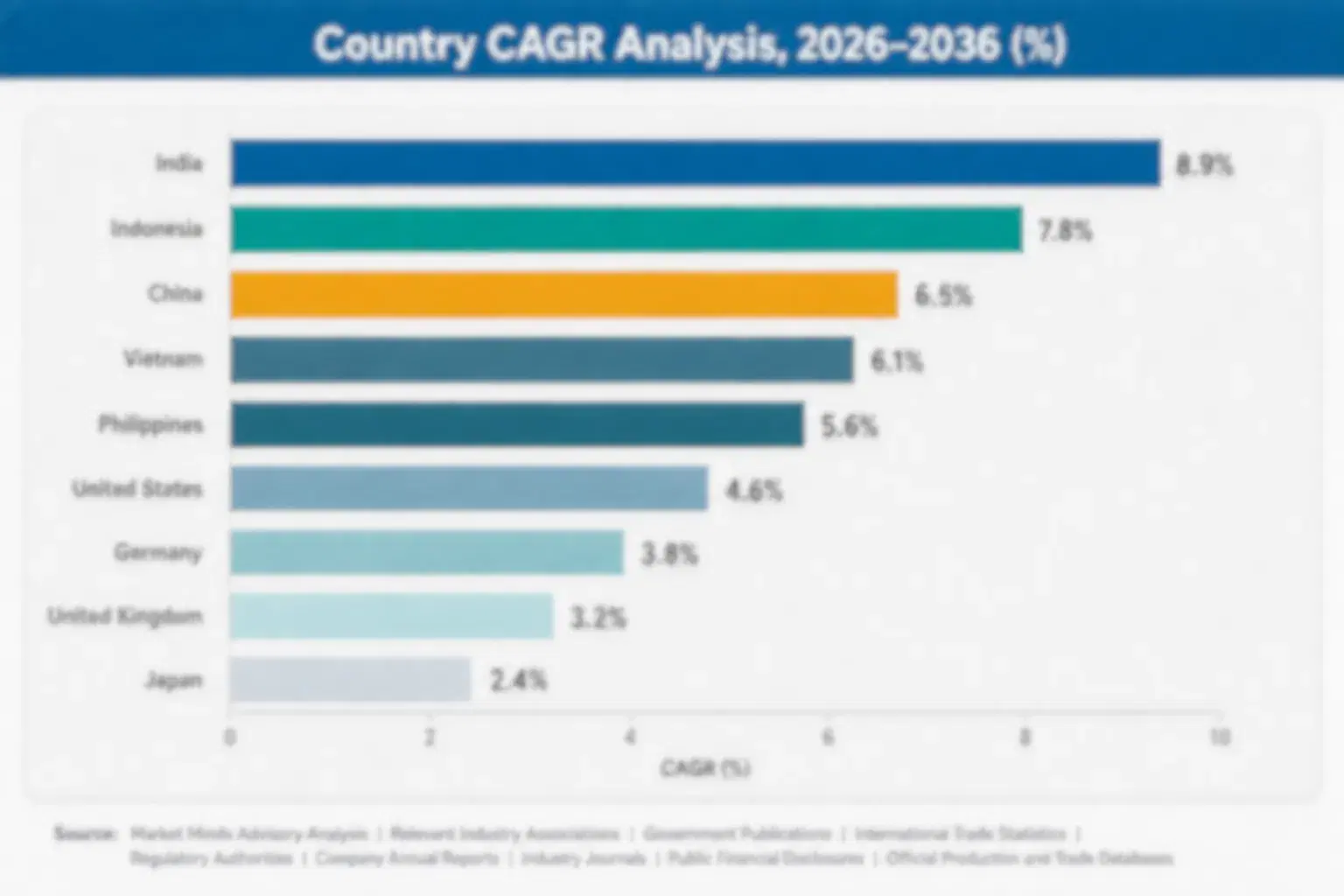
ahiflower-oil-market-country-cagr-analysis-1789981779254

Four Margin Routes for Ahiflower Oil Suppliers

Margin in ahiflower oil comes from seed supply security, clinical evidence, regulatory approvals and stable positioning against algal oil rather than volume alone. The routes below apply to growers, crushers and brand owners, and each can start inside one planning cycle, with clear measures in gross margin points and cost per kilogram. Payback usually runs three to five years.

Expanding Contracted Acreage With Grower Partnerships and Buffer Stocks

Seed supply limits growth, so suppliers that sign multi-season contracts with growers, fund agronomy support and hold buffer seed and oil stocks cut supply shortfalls by 30% to 50% and lift gross margin by three to five points. Programmes cost $1 million to $5 million over three seasons. Suppliers should share yield data, offer price floors and diversify across the United Kingdom and Canada, since drought and disease can cut a single harvest sharply, and buyers reward reliable delivery with longer contracts. Procurement teams should review acreage plans each quarter against weather forecasts.
Market Impact: grower contracts cut supply shortfalls by 30-50% annually

Funding Clinical Studies on SDA Conversion to Strengthen Premium Claims

Evidence supports price, so suppliers that fund independent studies on SDA conversion to EPA and omega-3 index effects strengthen claims and defend premiums of 3 to 5 times over flax. Each study costs $0.5 million to $3 million and takes one to three years. Suppliers should publish results, share data with brand partners and align claims with regulators, since unsupported claims invite enforcement, and formula and clinical buyers increasingly ask for peer-reviewed evidence before approving suppliers for long contracts. Communications teams should align claims with regulators and update label copy after each new publication.
Market Impact: clinical evidence defends premiums of 3-5 times annually

Qualifying Infant Formula and Clinical Nutrition Buyers With Certified Supply

Infant and clinical buyers pay for safety and traceability, so suppliers with quality systems, batch testing and full dossiers win multi-year supply worth 20% to 35% of volume at gross margins of 38% to 52%. Qualification costs $0.5 million to $2 million and takes 18 to 36 months. Suppliers should offer lot traceability, oxidation data and dedicated storage, since buyers audit supply chains before every renewal and remove suppliers that miss a single specification. Quality teams should also retest oxidation every month and share batch records with each customer every quarter to keep approvals current.
Market Impact: certified supply wins 20-35% of volume each year

Blending With Algal Oil to Offer Complete Omega-3 Profiles

Brands want EPA, DHA and plant-based positioning together, so suppliers that blend ahiflower with algal oil offer complete profiles and stretch scarce supply across 25% to 40% more finished units. Blend development costs $0.3 million to $1.5 million per product. Suppliers should test oxidation stability, publish fatty acid profiles and agree supply terms with algal partners, since brands compare price per serving, and blends allow ahiflower to compete with fish oil on total omega-3 content. Formulation teams should test blends across storage conditions and share stability data with brands before every product launch.
Market Impact: algal blends stretch supply across 25-40% more units

Who Controls the Margin Pool

The global ahiflower oil market is concentrated on a plant-based omega-3 basis, with a CR5 of 58%, because one specialist controls most ahiflower supply and a few large algal and specialty oil houses control competing plant-based omega-3. This assessment measures participants on estimated plant-based omega-3 oil sales value to ahiflower's target buyers, held constant across all players. Technology Crops International and DSM-Firmenich lead through supply and scale, Corbion, Nuseed and Croda follow, and the gap between the leader and the fifth player is wide.
Competition runs on four dimensions today: seed supply security, EPA and DHA content per serving, regulatory approvals and price per kilogram. The ahiflower specialist wins on novelty and SDA science, algal suppliers win on direct EPA and DHA at scale, and oilseed processors win on cost and availability. Buyers compare oxidation stability, fatty acid profile and documentation.

Emerging pressure comes from concentrated algal EPA oils at falling prices, from engineered canola omega-3 and from new plant sources such as camelina. Rankings shift where a supplier wins an infant formula qualification, secures acreage growth or funds clinical evidence, and consolidation may follow if scarce supply keeps limiting growth for ahiflower specialists.
ahiflower-oil-market-company-positioning-matrix-1789981779433

Competitive Moat and Risk Dimensions

TECHNOLOGY CROPS INTERNATIONAL

Moat: Ahiflower Supply and Science

Technology Crops International commercialised ahiflower oil, with contracted growers, pressing and refining partners and regulatory dossiers in major markets, and it markets ahiflower oil under its own brand to supplement and food makers. Its agronomy knowledge, composition data and clinical work give it credibility as the reference supplier, and early approvals create a barrier to entrants.
TECHNOLOGY CROPS INTERNATIONAL

Risk: Scale and Supply Concentration

Technology Crops International depends on a small acreage and a few harvests, so yield swings or drought can limit volume and delay delivery to buyers. Its scale is small next to algal oil houses, and high prices restrict mainstream adoption. Regulatory approvals in new markets take years and cost capital. Investors expect steady returns.
DSM-FIRMENICH

Moat: Algal Omega-3 Scale and Research

DSM-Firmenich is a global nutrition ingredient group with algal omega-3 oils under the life's brand, large fermentation capacity, clinical research and long relationships with infant formula and supplement makers. Its regulatory dossiers, quality systems and customer reach give it credibility with the most demanding buyers, and its scale supports lower prices and secure delivery for plant-based omega-3.
DSM-FIRMENICH

Risk: Price Pressure and Portfolio Complexity

DSM-Firmenich faces algal oil competition, customer concentration and fermentation cost pressure, and its integration of a large merger absorbs management attention. Plant-based rivals with novel stories can win niche brands, and infant formula makers negotiate hard on price. Investors expect steady returns. Currency swings also matter.

Players Tracked

Prominent Players

Technology Crops International
DSM-Firmenich
Corbion
Nuseed
Croda

Other Key Players

BASF
ADM
Cargill
Bunge Loders Croklaan
Aker BioMarine
Golden Omega
Evonik
Kerry Group
Stepan
Nordic Naturals
Barlean's
Clover Corporation
Natural Health Farm
Ocean Nutrition Canada
Solutex

Recent Developments

JANUARY 2026

Ahiflower Supplier Expands Contracted Acreage in Canada and the United Kingdom for Supplement and Infant Buyers

An ahiflower supplier expanded contracted acreage in Canada and the United Kingdom for supplement and infant buyers, according to company communications. It is an organic supply expansion, not an acquisition, and it tests demand growth. The contracts cover several seasons. Financial terms were not disclosed. Timing remains open.
Signal: Confirms leading suppliers are adding acreage because seed supply limits growth in a category with growing brand interest.
FEBRUARY 2026

Supplement Brand Launches Vegan Omega-3 Blend Combining Ahiflower Oil With Algal Oil for Complete Profiles

A supplement brand launched a vegan omega-3 blend combining ahiflower oil with algal oil, according to company communications. It is a product launch, not an acquisition, and it tests blend demand. The blend offers SDA, EPA and DHA. Sales terms were not disclosed. Timing remains open to change.
Signal: Shows brands are blending plant oils because complete omega-3 profiles compete better with fish oil on total content.
MARCH 2026

Research Group Publishes Clinical Study on SDA Conversion and Omega-3 Index Effects of Ahiflower Oil

A research group published a clinical study on SDA conversion and omega-3 index effects of ahiflower oil, according to journal reports. It is a scientific publication, not a product deal, and it tests the evidence base. The study measured blood omega-3 levels. Results were mixed. Funding terms were not disclosed.
Signal: Indicates suppliers are investing in evidence because premium pricing depends on credible conversion data for regulators and buyers.

Seed, Pressing and Stabilisation Costs

Contracted seed accounts for roughly 34% of production cost, pressing and refining about 18%, antioxidants, nitrogen flushing and cold storage about 8%, packaging and softgel encapsulation about 12%, and testing, regulatory and overheads about 28%. Seed comes from contracted farms in the United Kingdom and Canada, pressing from a few specialised plants, and packaging from glass and softgel converters. Prices differ sharply by harvest.
The clearest recent shock came in 2021 and 2022. Agriculture and Agri-Food Canada data show prairie drought in 2021 cutting oilseed yields across western Canada, while Eurostat data show energy and packaging costs rising across Europe, and small seed lots meant suppliers could not source alternatives quickly. Suppliers absorbed part of the increase because contract prices adjusted slowly, which compressed margins. Some relief came in later harvests.

The disadvantage falls on small brands and processors without long seed contracts or buffer stocks, because they cannot secure supply in poor harvest years and buy oil in small lots at higher prices. Exposure varies by player type: the leading supplier holds grower contracts, brand owners face allocation risk, and food makers testing fortification carry the largest supply disadvantage.
ahiflower-oil-market-cost-volatility-analysis-1789981779619

Multi-Season Grower Contracts and Price Floors

Suppliers sign multi-season contracts with growers and offer price floors to secure acreage and cut supply shortfalls of 30% to 50% in poor years. The main challenge is grower support cost and coordination, so suppliers share agronomy data and review acreage each season. Treasury teams report exposure to management monthly. Reviews occur each quarter with growers.

Buffer Seed and Oil Stocks

Suppliers hold buffer seed and oil stocks under nitrogen and cold storage to smooth supply across harvests. The main challenge is oxidation and storage cost, so suppliers rotate stock by first-in first-out rules and test peroxide values monthly. Approved lists stay current for each buyer, and insurance covers spoilage. Managers approve each stock decision monthly.

Multi-Region Acreage and Breeding Programmes

Suppliers spread acreage across the United Kingdom, Canada and the United States and fund breeding programmes to raise yield and oil content by 10% to 20%. The main challenge is time and capital, since new varieties take three to six seasons, so suppliers stage trials across regions. Results are reviewed each year with growers.

Portfolio Architecture for Margin Defence

Margins run from moderate returns on bulk oil sold to supplement brands to very strong returns on infant-grade oil and clinical blends sold with regulatory and technical support. Three tiers separate volume products, premium certified lines and next-generation solutions, and each draws on different seed access, evidence and certification capability in a market where one specialist supplies most oil. Margin gaps between tiers run to 20 points.
The tension between volume and premium is sharp. Bulk oil and softgels for supplements fill brand orders at moderate prices and face algal oil competition, while infant-grade and clinical products earn higher margins on smaller volumes and depend on certification, testing and long contracts. Suppliers that chase volume run into scarce seed supply, while premium-only suppliers struggle to build scale beyond a few large formula and clinical customers.

High-value pools concentrate in infant formula and clinical nutrition and in blended vegan omega-3 products for premium supplement brands. They gather where buyers pay for evidence, safety and traceability, not for the oil alone. Functional foods and personal care add a smaller pool, and suppliers may hold more than one, though each needs different documentation, stabilisation technology and buyer relationships.

Volume / Commodity-Adjacent

Refined ahiflower oil in bulk and standard softgels sold by weight to supplement brands and distributors. Buyers focus on price per kilogram and SDA content, contracts follow annual allocations, and differentiation is limited by scarce seed and shared pressing technology.
Gross Margin: 30%-40%

Premium / Certified

Organic, non-GMO and traceable ahiflower oil and algal blends sold to premium supplement and functional food brands. Buyers value evidence, oxidation stability and clean-label documents, and contracts run for one to three years with regular audits and specification reviews.
Gross Margin: 38%-50%

Sustainability / Regulatory / Next-Generation

Infant-grade and clinical ahiflower oil with full safety dossiers, batch testing and dedicated storage, sold to formula and clinical nutrition makers. Contracts depend on approvals, lot traceability and consistent delivery performance across seasons and regions.
Gross Margin: 42%-52%
ahiflower-oil-market-portfolio-architecture-1789981779809

High-value Sub-segments and Strategic Watch-out

Infant Formula and Clinical Nutrition

Infant formula and clinical nutrition combine the fastest growth with the strongest pricing, since formula makers accept gross margins of 38% to 52% for safety and traceability. Approvals, batch testing and dedicated supply chains form the entry barrier, and suppliers with clinical evidence and stable seed hold the strongest positions.
Gross Margin: 38%-52%

Functional Foods and Beverages

Functional foods and beverages deliver strong growth with premium pricing, since brands accept gross margins of 32% to 46% for plant-based omega-3 without fish taste. Stabilisation know-how and technical service limit competition, though shelf life and price restrain volume. Reviews occur each year. Trials precede orders.
Gross Margin: 32%-46%

Dietary Supplements and Nutraceuticals

Dietary supplements and nutraceuticals are the volume core, with value growing about 12.0% a year. Seed supply, evidence and brand positioning decide profit, and one specialist holds most ahiflower supply. Brands renew allocations yearly at prices linked to competing algal and flax oils across vegan and health-minded channels.
Gross Margin: 34%-50%

Personal Care and Cosmetics

Personal care and cosmetics are the strategic watch-out, since growth of about 11.0% a year trails the leaders, cosmetic buyers pay less than nutrition buyers and other plant oils compete. Suppliers should manage the line selectively and steer scarce oil toward infant and supplement buyers with clearer value.
Gross Margin: 28%-40%

Why Formula and Supplement Brands Reorder

Ahiflower oil demand behaves like an annuity attached to formula, supplement and clinical recipes. Once a brand qualifies the oil for a formula, reorders follow every quarter and switching means new stability trials, regulatory updates and audits that take 12 to 24 months. Retailers and clinics set annual ranges around evidence and sell-through, so suppliers with stable composition earn priority allocations.
Adoption stickiness differs by end-use vertical. Infant formula and clinical nutrition buyers are the deepest, since recipes, safety files and audits are built around approved suppliers. Supplement brands are moderately sticky, driven by evidence, price and supply reliability. Food and personal care buyers are more fluid, changing suppliers when a new oil or price appears, though brands with consistent quality hold repeat purchase for several seasons.

Buyer profiles are shifting between generations. Older buyers took fish oil for heart health on a doctor's advice, while younger buyers ask about plant-based sources, sustainability, EPA conversion and traceability, and follow research on social media. Formula makers, regulators and clinical researchers add a third group that sets safety, evidence and labelling expectations. Suppliers that publish clear composition and origin data win newer buyers and keep them through reformulations.
ahiflower-oil-market-end-use-penetration-index-1789981779994

MMA Verdict: Ahiflower Oil Strategy

These are among the four positions where our research anticipates prominent divergence between winners and laggards over the coming forecast period. Each is grounded in the demand model, the regulatory perimeter, and the announced capacity pipeline.
01 / ACREAGE EXPANSION STRATEGY

Expand Contracted Acreage and Buffer Stocks Before Supply Limits Stall Adoption

Seed supply limits growth, and multi-season grower contracts with buffer stocks cut supply shortfalls by 30% to 50%. Suppliers should invest $1 million to $5 million over three seasons, share yield data and diversify across the United Kingdom and Canada. Those that delay will lose brand accounts to algal oil over the next two years, while early movers hold reliable delivery, stronger margins and lasting buyer relationships across every harvest, allocation round and annual contract review with supplement and formula buyers.
02 / CLINICAL EVIDENCE STRATEGY

Fund Independent SDA Conversion Studies Before Algal Rivals Define Omega-3 Claims

Evidence supports price, and independent studies on SDA conversion strengthen claims and defend premiums of 3 to 5 times over flax. Each study costs $0.5 million to $3 million and takes one to three years, so suppliers should publish results and align claims with regulators. Those that delay will face weaker positioning over the next two years, while early movers hold credible claims, premium prices and stronger relationships across every regulatory review, buyer audit and annual brand meeting in Europe and North America.
03 / INFANT QUALIFICATION STRATEGY

Qualify Infant Formula and Clinical Buyers With Certified Supply Early

Infant and clinical buyers pay for safety and traceability, and certified supply with full dossiers wins multi-year contracts worth 20% to 35% of volume. Suppliers should invest $0.5 million to $2 million, offer lot traceability and dedicated storage and prepare for 18 to 36 months of qualification. Those that delay will lose qualification slots over the next two years, while early movers hold long contracts, premium margins and stronger buyer trust across every audit round, renewal and annual supplier review.
04 / BLEND PORTFOLIO STRATEGY

Blend With Algal Oil to Offer Complete Omega-3 Profiles Before Brands Choose

Brands want EPA, DHA and plant-based positioning together, and blends with algal oil stretch scarce supply across 25% to 40% more finished units. Suppliers should invest $0.3 million to $1.5 million per product, test oxidation stability and agree supply terms with algal partners. Those that delay will lose blend launches over the next two years, while early movers hold brand partnerships, wider volumes and stronger positioning against fish oil across every product launch, retailer review and annual planning cycle for management.

Engagement Snapshot From the Field

A live engagement with an industry participant carrying material or product regulatory and market exposure ahead of a defining policy shift, showing how our research translates into a defensible multi-year portfolio strategy.
MARKET MINDS ADVISORY · CLIENT ENGAGEMENT SUMMARY
Ahiflower Oil Producer Strategic Portfolio Review and Transition Roadmap 2026·Investment Scenario on Ahiflower Oil Exposure Evaluation 2025-26
CLIENT PROFILE
The client is a Canadian specialty oil supplier with annual sales near $25 million (client-reported, unverified by MMA), selling flax, hemp and ahiflower oils to supplement brands and food makers. About 12% of sales came from ahiflower oil, seed supply had limited growth, and management wanted a plan to expand supply and qualify infant and clinical buyers.
STRATEGIC CHALLENGE
Ahiflower margins sat near 33% (client-reported, unverified by MMA), a poor harvest had cut seed volume by about 30% and one formula buyer had left for algal oil. Management had to decide whether to add acreage, fund a clinical study or pursue infant qualification, with limited capital and one pressing plant. Key buyers wanted allocation assurance within nine months.
MMA APPROACH
MMA analysed sales, cost and yield data across 12 products, interviewed 10 buyers, growers and nutrition scientists, and ran a buyer survey on evidence, price and supply reliability across three countries. It modelled margin by segment and channel, compared acreage, evidence and qualification options by payback and execution risk, and tested each against yield and algal oil price scenarios.
KEY FINDINGS
  1. Multi-season grower contracts with price floors and buffer stocks would cut supply shortfalls by about 40% across three seasons (client-reported, unverified by MMA).
  2. An independent conversion study would strengthen claims and defend premiums, costing about $1.2 million and taking two years (client-reported, unverified by MMA).
  3. Infant formula qualification would open contracts worth about 25% of ahiflower revenue at margins above 42% across three years (client-reported, unverified by MMA).
  4. An ahiflower and algal oil blend would stretch supply across about 30% more units across the whole range and every plant in operation (client-reported, unverified by MMA).
CLIENT PROFILE
The client is a Canadian specialty oil supplier with annual sales near $25 million (client-reported, unverified by MMA), selling flax, hemp and ahiflower oils to supplement brands and food makers. About 12% of sales came from ahiflower oil, seed supply had limited growth, and management wanted a plan to expand supply and qualify infant and clinical buyers.
STRATEGIC CHALLENGE
Ahiflower margins sat near 33% (client-reported, unverified by MMA), a poor harvest had cut seed volume by about 30% and one formula buyer had left for algal oil. Management had to decide whether to add acreage, fund a clinical study or pursue infant qualification, with limited capital and one pressing plant. Key buyers wanted allocation assurance within nine months.
MMA APPROACH
MMA analysed sales, cost and yield data across 12 products, interviewed 10 buyers, growers and nutrition scientists, and ran a buyer survey on evidence, price and supply reliability across three countries. It modelled margin by segment and channel, compared acreage, evidence and qualification options by payback and execution risk, and tested each against yield and algal oil price scenarios.
KEY FINDINGS
  1. Multi-season grower contracts with price floors and buffer stocks would cut supply shortfalls by about 40% across three seasons (client-reported, unverified by MMA).
  2. An independent conversion study would strengthen claims and defend premiums, costing about $1.2 million and taking two years (client-reported, unverified by MMA).
  3. Infant formula qualification would open contracts worth about 25% of ahiflower revenue at margins above 42% across three years (client-reported, unverified by MMA).
  4. An ahiflower and algal oil blend would stretch supply across about 30% more units across the whole range and every plant in operation (client-reported, unverified by MMA).
RECOMMENDED STRATEGY
Phase 1: Phase 1 (Months 1-12): Sign multi-season grower contracts with price floors, build buffer stocks and start a clinical study on SDA conversion. Phase 2: Phase 2 (Months 13-30): Launch the algal blend with two brands, prepare the infant dossier and begin qualification with one formula maker. Phase 3: Phase 3 (Months 31-48): Extend acreage across two regions, publish study results and decide on further pressing capacity using demand data.
OUTCOME
Within 48 months, infant, blend and certified products reached 34% of ahiflower sales, margins rose by about six points and supply shortfalls fell sharply (client-reported, unverified by MMA). Two formula and clinical buyers signed multi-year agreements, and the blend range grew through supplement channels. Management approved further investment.

Frequently Asked Questions

Foundational context covering the market sizes, CAGR, scope, country, region and competition that inform every finding below. This section is provided to cover basics and most often pre-purchase conversations, answered from the MMA Primary Research Dataset.

What is the current size of the Ahiflower Oil Market?

The global ahiflower oil market was valued at $0.06 billion in 2025 on a producer sales revenue basis. Growth is driven by vegan omega-3 demand and infant nutrition interest, and held back by scarce acreage and algal oil competition.

How large will the Ahiflower Oil Market be by 2036?

The market is projected to reach $0.23 billion by 2036, up from $0.07 billion in 2026. The increase of $0.16 billion reflects acreage growth, infant formula qualification and blended products.

What is the CAGR for the Ahiflower Oil Market 2026 to 2036?

The market is forecast to grow at a 13.0% CAGR from 2026 to 2036. The bull case reaches 14.3% and the bear case 11.7%, depending on clinical evidence, acreage growth and algal oil prices.

Which segment is growing fastest?

Infant Formula and Clinical Nutrition is the fastest-growing segment at 18.2% CAGR, roughly 1.40 times the overall market rate. Functional Foods and Beverages follows at 15.6% CAGR.

Who are the major companies in the Ahiflower Oil Market?

Major companies include Technology Crops International, DSM-Firmenich, Corbion, Nuseed and Croda. BASF, ADM, Cargill, Aker BioMarine and Evonik also hold positions in competing plant-based omega-3 channels.

Which country is growing fastest?

China is growing fastest at about 17.0% CAGR, because infant formula demand, e-commerce supplements and regulatory review expand together. Japan and India follow from small bases.

Report Segmentation Architecture

The full report scope spans multiple orthogonal segmentation dimensions, with cross-tabulated demand data provided for each dimension pair. Coverage extends further to regional breakdowns, trend trajectories, and the competitive detail needed to support segment-level decision-making.

By Primary Market Dimension

  • Dietary Supplements and Nutraceuticals
  • Functional Foods and Beverages
  • Infant Formula and Clinical Nutrition
  • Personal Care and Cosmetics
  • Pet Nutrition and Animal Feed

By End-Use Industry

  • Supplement Brands
  • Food and Beverage Makers
  • Infant Formula Makers
  • Clinics and Hospitals

By Commercial Dimension

  • Bulk Ingredient Sales
  • Branded Finished Products
  • E-Commerce Sales
  • Distributor Sales
  • Contract Manufacturing

By Region

  • North America
  • Western Europe
  • East Asia
  • South Asia and Pacific
  • Latin America
  • Middle East and Africa
  • Eastern Europe

Scope, Methodology, and Coverage

Every figure in this report is reproducible from documented input assumptions. The scope below maps the historical period, the forecast horizon, the segmentation dimensions, and the countries covered, alongside the underlying primary and qualitative methodology.
Historical Period
2020 to 2025
Forecast Period
2026 to 2036
Base Year
2025 (USD billions; MMA Primary Research Dataset, September 2026)
Market Definition
The market covers ahiflower oil, defined as refined and unrefined oil pressed from Buglossoides arvensis seed, sold as an ingredient and finished softgel, liquid and blended product to supplement, food and beverage, infant nutrition, personal care and pet nutrition buyers worldwide and valued at producer sales revenue. It excludes flaxseed, chia, hemp, algal and fish oils, borage and evening primrose oils and fatty acid concentrates from other sources.
Quantitative Units
USD billions (producer sales revenue); kilograms and litres for volume references
Segmentation Dimensions
By End Use; By Customer Industry; By Commercial Dimension; By Region
Regions Covered
North America, Western Europe, East Asia, South Asia and Pacific, Latin America, Middle East and Africa, Eastern Europe
Countries Covered
United Kingdom, Canada, United States, Germany, France, Netherlands, Switzerland, Japan, China, South Korea, India, Australia, New Zealand, Singapore, Brazil, Mexico, Argentina, Chile, United Arab Emirates, Saudi Arabia, South Africa, Poland, and additional markets relevant to this sector
Key Companies Profiled
Technology Crops International, DSM-Firmenich, Corbion, Nuseed, Croda, BASF, ADM, Cargill, Bunge Loders Croklaan, Aker BioMarine, Golden Omega, Evonik, Kerry Group, Stepan, Nordic Naturals, Barlean's, Clover Corporation, Natural Health Farm, Ocean Nutrition Canada, Solutex
Quantitative Methodology
Primary survey, n=3,800 respondents, Q4 2025, six countries; demand-side model with trade association cross-validation
Qualitative Methodology
47 expert interviews, Q4 2025; applied to validate demand model assumptions, identify emerging dynamics, and assess competitive positioning
Report Format
PDF and XLSX data workbook (Word format preview document)
Publisher
Market Minds Advisory
Report Code
MMA-2026-AGR-244
Published
September 2026
Contact
sales@marketmindsadvisory.com | www.marketmindsadvisory.com

Purchase the full Ahiflower Oil Market Report (2026 to 2036).

The full report delivers a detailed assessment of the global ahiflower oil market through 2036, covering end-use, customer industry and regional forecasts, competitive benchmarking of leading ahiflower and plant-based omega-3 suppliers, and input cost analysis. It combines MMA primary research, including a six-country survey of 3,800 respondents and 47 expert interviews, with public statistical and company data. Analysts also model acreage, clinical evidence and algal oil price scenarios. Clients receive segment margin ranges, supply chain maps and a case study on growth strategy. Regulatory approval roadmaps are also included.
Ten-year end-use, customer and regional forecasts
Seed, pressing and stabilisation cost tracking
Competitive benchmarking of leading omega-3 suppliers
Novel food and GRAS approval tracker
Regional comparative analysis and forecasts included
Quarterly primary survey data update access

Built For The People Who Decide

From boardroom strategy to bench-side execution, this report is read cover-to-cover by leaders shaping the next decade of their industry, turning demand scenarios, market dynamics and valuation benchmarks into decisions.
CXOs/ Presidents/ VPs/ Managers
M&A and Corporate Development
Strategy Teams and R&D Heads
Procurement and Product Directors
Regulatory and Compliance Leaders
Investor Relations and Equity Analysts