

Market Minds Advisory
Abierixin Market

Abierixin Market: Abierixin Market. Research-Grade Supply, Development-Scale Demand, and Veterinary Approval Barriers Shape Nascent Growth.

Abierixin is a nascent polyether ionophore niche where research-grade supply dominates today, feed-additive development could add scale, and thin efficacy data, fermentation yields, and animal health regulation decide whether the compound leaves the laboratory.

Lead Analyst

Published

September 2026

Make Smarter Decisions with Customized Research Insights

Request a free sample report and evaluate market opportunities, growth trends, and competitive dynamics relevant to your business needs.

2025 MARKET VALUE$0.0BMarket Size 2025
2036 FORECAST VALUE$0.1BBase Case , 2026 to 2036
CAGR 2026 TO 203612.0 %Bull 13.4% / Bear 10.6%
INCREMENTAL OPPORTUNITY$0.0BNet 10- year value creation
EXPANSION MULTIPLE3.11x2036 value over 2026 base
Strategic Levers
M&A Pipeline
Regional Outlook
Country Rankings
Competitive Intelligence
Segmental Deep-dive
Call-Us : 91 93563 13602

Executive Snapshot and Market Trajectory.

Abierixin is a polyether ionophore antibiotic made by Streptomyces fermentation and related to ionophores used against coccidia in poultry. Today it sells mainly as a research-grade biochemical in small milligram lots. Growth depends on new efficacy data, scalable fermentation, and regulatory routes for any veterinary use.
Development-Scale Bulk Material grows fastest as animal health and pharmaceutical groups screen polyether ionophores against resistant coccidia, parasites, and cancer stem cell models and need gram to kilogram supply. North America holds the largest share, since United States research funding and reagent distribution sit there. Purity sets price. Yield sets cost. Published evidence sets direction. Buyers audit certificates. Sampling precedes every order. Lot records matter. Cold chain matters.
Competition is concentrated among a few research chemical suppliers that isolate or license natural product ionophores and sell them with certificates of analysis, while animal health incumbents hold related ionophores and watch the field. Feed additive law in the United States, European Union, and China governs any veterinary use. Isolation skill gates supply. Data gates commercial interest. Buyers check purity on every lot, and delayed delivery costs orders. Repeat buyers stay loyal to proven lots.
Market Definition
The market covers global sales of abierixin and closely related abierixin-class polyether ionophore material, valued at supplier level, including research-grade abierixin, high-purity analytical reference standards, development-scale bulk material, semi-synthetic analogues and derivatives, and fermentation broth extract and crude ionophore complex. The scope excludes approved ionophore feed additives such as monensin and salinomycin, finished animal health products, pharmaceuticals, and general fermentation services.
Base Year Value
$0.0B in 2025 (MMA Primary Research Dataset, September 2026)
Forecast Period
2026 to 2036, eleven discrete annual values
CAGR
12.0% base case. Bull 13.4%. Bear 10.6%.
Fastest Growth Segment
Development-Scale Bulk Material: 17.0% CAGR
Fastest Growth Country
China: 13.4% CAGR
Fastest Growth Region
South Asia and Pacific: 14.0% CAGR
Largest Region
North America: 34% of 2025 global value
Market Leaders
Cayman Chemical, Merck, MedChemExpress, Santa Cruz Biotechnology, BioAustralis. Source: MMA Analysis, company annual reports.
Primary Survey
n=3,800 procurement and R&D decision-makers, Q4 2025, six countries
Methodology
Demand-side build-up, cross-validated against public data, 47 expert interviews

Abierixin Market Forecast Scenarios

abierixin-market-size-forecast-scenario-1789845299360
Between 2020 and 2025, abierixin demand grew from a very small base as natural product screening revived, genome mining exposed overlooked polyethers, and catalogue suppliers listed more ionophores. Solvent and freight costs swung, milligram lots rose in price, and interest in coccidiosis resistance and cancer stem cell work pulled a few groups toward gram-scale supply. Volumes stayed tiny.
The base case rests on three commercial mechanisms. First, academic and industry screening programmes keep buying research-grade lots as natural product libraries expand. Second, testing laboratories and animal health developers add certified standards and gram-scale material. Third, specialist producers add fermentation and purification capacity, which lowers unit cost and widens supply. Suppliers plan strains, purification, and documentation around all three, and buyers plan around supplier credibility. Brands reward consistency over novelty. Supply contracts decide renewal.
The bull case needs positive efficacy data against resistant coccidia and a partner willing to fund a dossier, which would lift bulk demand. The bear case is a negative safety finding or a failed scale-up, which would cut development interest and leave only research sales. Delivery reliability decides supplier rankings. Margins follow sourcing discipline. Buyers review suppliers every season.

Research Supply, Scale-Up Economics, and Regulatory Barriers Set Abierixin Outcomes

Abierixin supply starts with Streptomyces strains held in culture collections, fermented in shake flasks or small stirred tanks for several days. Producers extract the broth with solvents, remove pigments and related polyethers by chromatography, and crystallise or freeze-dry the product. Catalogue suppliers repackage milligram lots and ship them cold. Titre, purification yield, and analytical proof of identity decide unit cost. Batches are small and rare.
MARKET CONCENTRATION55% CR5Leading five suppliers hold a high combined share
TYPICAL ORDER SIZE10-100 mgUsual research lot size bought by academic and industry laboratories
PURIFICATION COST SHARE38%Portion of goods cost taken by chromatography and solvent steps
TYPICAL PURITY GRADE95%+Usual purity level sold to research and reference customers
ASSUMED TITRE RANGE0.2-1 g/LTypical polyether titre reached in laboratory Streptomyces cultures
RESEARCH SALES SHARE82%Portion of current value sold as research grade material
Purity, identity proof, stability, and documentation decide value. Research buyers want certificates with NMR and mass spectrometry data, and reference standard buyers want ISO-accredited certification, which earns premiums of 50% to 200% over research grade. Specialists win on isolation skill, while catalogue houses win on reach. Suppliers with clean lot records win, since buyers cannot easily verify natural products. Reorders follow trust.
Buyers judge abierixin on evidence, purity, and availability. Academic laboratories want small lots at low cost, animal health developers want gram-scale supply with stable quality, and testing laboratories want certified standards. Price sensitivity is moderate in research and low in development, since nothing else replaces a specific compound in a screening programme. Delivery slots matter because projects wait on material.
"Abierixin is a compound in search of a use case. The suppliers who can make a gram of it cleanly, and prove what is in the vial, will get the first call when a screening result finally justifies scale, and the rest will still be selling milligrams."
Senior Analyst, Specialty Biochemicals and Animal Health Ingredients Practice · MMA Abierixin Practice · September 2026

Market Trends

Genome Mining Revives Interest in Overlooked Polyether Ionophores

Genome mining and machine learning tools now flag biosynthetic gene clusters for polyether ionophores in Streptomyces strains, which sends screening groups back to known but neglected compounds such as abierixin. Natural product screening libraries grow about 15% a year, and each new library adds demand for verified reference lots. The trend needs strain access, identity proof, and small-lot supply, and it rewards producers with well-characterised strains and clean analytical records. Batch records protect future sales. Cost control separates leaders from followers. Clear specifications build buyer trust. Small importers feel every input swing.
Market Impact: NIH budget near $47 billion
Poultry Coccidiosis Resistance Drives Search for New Anticoccidial Ionophores

Coccidiosis costs poultry producers over $3 billion a year, and resistance to older ionophores and chemical anticoccidials keeps rising in Asia, Latin America, and Europe. Animal health groups therefore screen related polyethers for activity and safety. The trend needs gram-scale supply, efficacy trials, and regulatory planning, and it rewards producers that supply material early to programmes with the strongest data, the clearest dosing, and credible development partners. Technical reach compounds over time. Brands reward consistency over novelty. Supply contracts decide renewal. Delivery reliability decides supplier rankings. Margins follow sourcing discipline. Buyers review suppliers every season.
Market Impact: gram lots earn 3-5 times premiums

Market Opportunities and Growth Drivers

Antimicrobial and Cancer Stem Cell Research Widens Ionophore Screening

Ionophores such as salinomycin and nigericin have been studied against resistant bacteria, parasites, and cancer stem cell models, and that work keeps academic and industry groups buying related polyethers. The US National Institutes of Health budget sits near $47 billion a year, and antimicrobial resistance remains a funded priority. The driver sustains research-grade demand and rewards suppliers with verified identity, stable lots, and quick delivery. Batch records protect future sales. Cost control separates leaders from followers. Clear specifications build buyer trust. Small importers feel every input swing. Technical reach compounds over time.
Market Impact: studies cost $1-3 million each

Development-Scale Supply Gaps Create Room for Specialist Producers

Most catalogue suppliers sell milligram lots, and gram or kilogram supply of polyether ionophores is scarce, so screening programmes that reach animal studies often stall on material. Gram-scale lots therefore earn large premiums per gram over milligram lots. The driver rewards producers with pilot fermenters and chromatography capacity, and it favours those that hold strains, validated methods, and quality records that development partners can audit. Brands reward consistency over novelty. Supply contracts decide renewal. Delivery reliability decides supplier rankings. Margins follow sourcing discipline. Buyers review suppliers every season. Batch records protect future sales.
Market Impact: approvals take 5-8 years

Market Restraints and Challenges

Thin Published Efficacy and Safety Data Limit Commercial Interest

Few peer-reviewed studies describe abierixin efficacy, dosing, or toxicity, so animal health and pharmaceutical groups hesitate to commit capital. The root cause is a history of research use only. Producers respond with sponsored studies and university collaborations, though each study costs $1 million to $3 million and takes one to two years, and most producers cannot fund several at once. Cost control separates leaders from followers. Clear specifications build buyer trust. Small importers feel every input swing. Technical reach compounds over time. Brands reward consistency over novelty. Supply contracts decide renewal. Delivery reliability decides supplier rankings.
Market Impact: screening libraries grow 15% yearly

Feed Additive Approval Rules Block Veterinary Use for Years

Any veterinary use needs approval as a feed additive or drug under United States FDA and European Union Regulation 1831/2003 processes, or under Chinese rules. The root cause is safety, residue, and efficacy dossiers. Producers respond by selling research material first and partnering with incumbents such as Elanco, though approvals take five to eight years and cost $5 million to $20 million. Margins follow sourcing discipline. Buyers review suppliers every season. Batch records protect future sales. Cost control separates leaders from followers. Clear specifications build buyer trust. Small importers feel every input swing.
Market Impact: coccidiosis costs over $3 billion
3 additional market trends, 2 additional growth drivers, and 4 additional restraints and challenges are covered in the full report. Contact sales@marketmindsadvisory.com to access the complete intelligence.

Segment CAGR and Growth Architecture

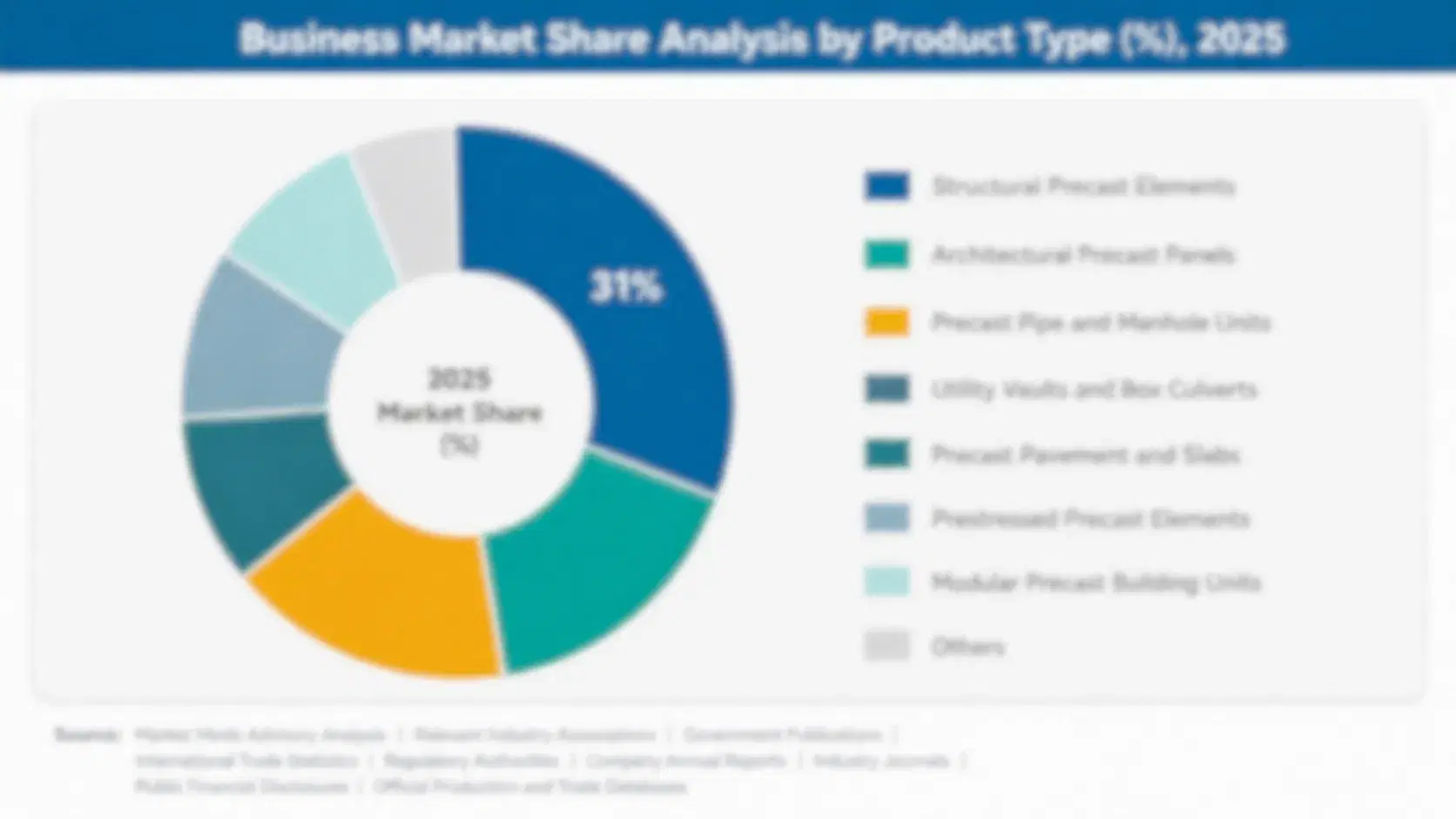
The global abierixin market is segmented by product form and grade, which shows where scale and purity create pricing power. Five segments cover research-grade material, high-purity analytical reference standards, development-scale bulk material, semi-synthetic analogues and derivatives, and fermentation broth extract and crude ionophore complex. Bulk material and analogues grow fastest as animal health and pharmaceutical screening programmes move
abierixin-market-market-share-analysis-1789845299532

Development-Scale Bulk Material

Development-Scale Bulk Material is the fastest-growing segment at 17.0% a year, about 1.42 times the overall market rate, from a very small base. Animal health and pharmaceutical groups need gram to kilogram supply for animal and formulation studies, and premiums of three to five times per gram over milligram lots support gross margins of 45% to 60%. Fermentation scale-up and purification yield are the main constraints. Producers with pilot capacity win. Technical reach compounds over time. Brands reward consistency over novelty. Supply contracts decide renewal. Delivery reliability decides supplier rankings. Margins follow sourcing discipline. Buyers review suppliers every season. Batch records protect future sales. Cost control separates leaders from followers. Clear specifications build buyer trust.
CAGR 17.0%

Semi-Synthetic Abierixin Analogues and Derivatives

Semi-Synthetic Abierixin Analogues and Derivatives grows at 14.8% a year, because screening groups want modified structures with better selectivity and safety, and buyers accept gross margins of 55% to 70% for custom analogues supplied with full characterisation. Chemistry skill and intellectual property clarity are the main constraints, since analogue programmes need freedom to operate. Producers with medicinal chemistry teams and clean documentation hold price better than followers. Small importers feel every input swing. Technical reach compounds over time. Brands reward consistency over novelty. Supply contracts decide renewal. Delivery reliability decides supplier rankings. Margins follow sourcing discipline. Buyers review suppliers every season. Batch records protect future sales. Cost control separates leaders from followers.
CAGR 14.8%
Full segment breakdown across 5 segments available in the complete report.

Regional Architecture and Country Demand Map

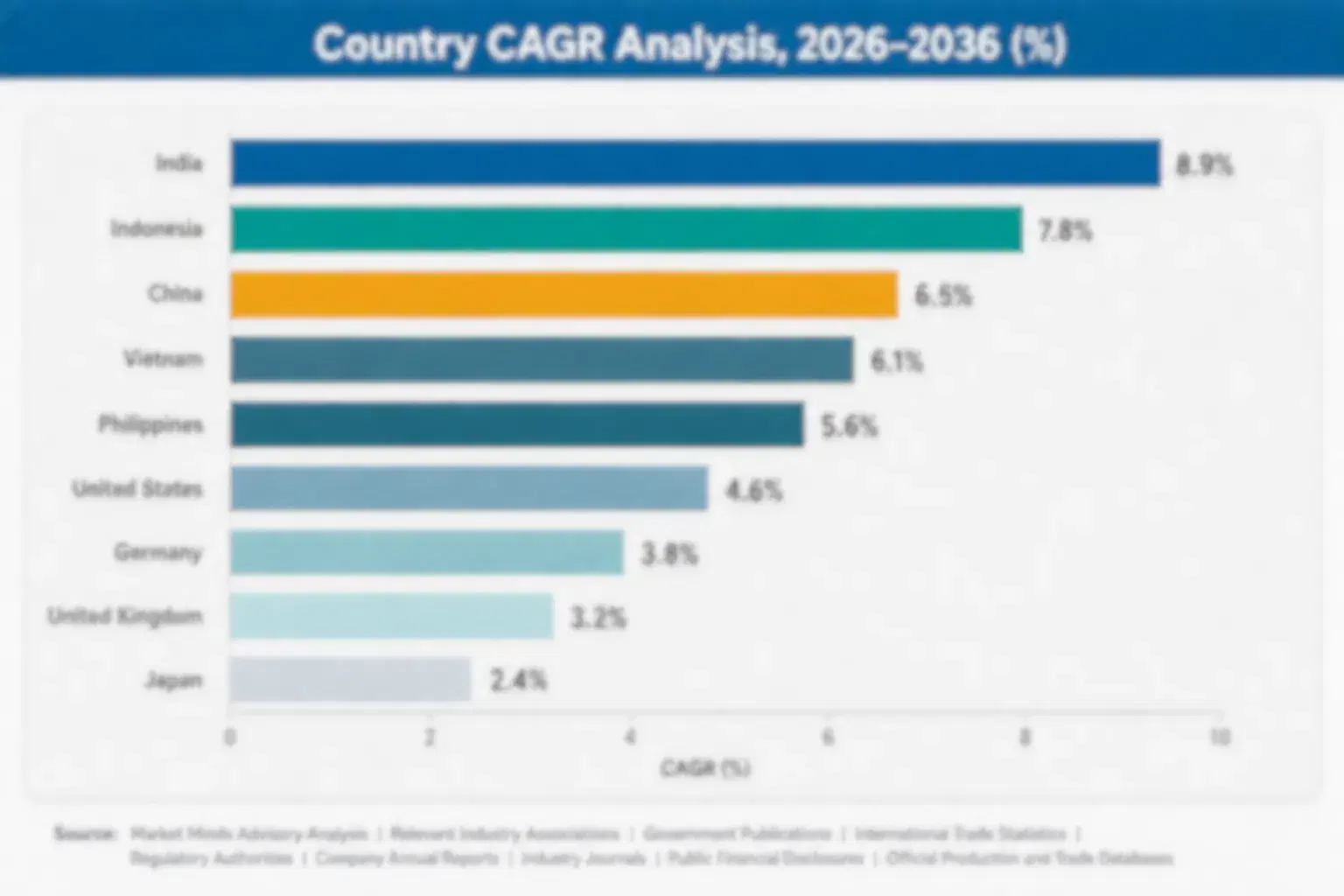
North America holds the largest share because United States research funding and reagent distribution concentrate demand there, so its share sits above the usual band. East Asia follows on Chinese supply and Japanese discovery, and Western Europe adds accredited standards and university demand. The other four regions are small

North America

North America holds 34% share, above its usual band, because United States research funding, university and biotechnology spending, and the densest reagent distribution network sit here: National Institutes of Health grants support natural product and antimicrobial screening, and Cayman Chemical, Santa Cruz Biotechnology, and Merck's US operations supply laboratories that order milligram lots. Animal health groups such as Elanco add development interest. Growth runs slightly above the global rate. Sparse published data, cold chain cost, and controlled shipping restrain margins, and buyers want identity proof with every lot. Clear specifications build buyer trust. Small importers feel every input swing. Technical reach compounds over time. Brands reward consistency over novelty. Supply contracts decide renewal.
Share: 34% | CAGR: 12.5% (2026 to 2036)

East Asia

East Asia holds 26% share, inside its band, because Chinese and China-linked suppliers such as MedChemExpress and TargetMol ferment, isolate, and sell natural products at scale, and Japanese and Korean institutes have a long record in Streptomyces discovery. China is also the largest poultry producer, which drives interest in new coccidiosis tools. Growth exceeds the global rate. Quality perception, shipping controls, and intellectual property doubts restrain margins, while suppliers add certificates and analytical proof to win Western buyers. Delivery reliability decides supplier rankings. Margins follow sourcing discipline. Buyers review suppliers every season. Batch records protect future sales. Cost control separates leaders from followers. Clear specifications build buyer trust. Small importers feel every input swing.
Share: 26% | CAGR: 13.0% (2026 to 2036)
Regional intelligence for 5 additional markets available in the complete report: Western Europe, South Asia and Pacific, Latin America, Middle East and Africa, Eastern Europe. Contact sales@marketmindsadvisory.com.
abierixin-market-country-cagr-analysis-1789845299710

Four Margin Routes for Abierixin Producers

Margin in abierixin comes from gram-scale supply, accredited standards, owned evidence, and analogue libraries rather than milligram catalogue volume. The routes below apply to specialist producers, catalogue houses, and animal health developers, and each can start inside one planning cycle, with clear measures in gross margin points, premiums per gram, and screening programmes served.

Scaling Fermentation and Purification to Gram and Kilogram Lots

Gram-scale abierixin earns premiums of three to five times per gram over milligram lots and gross margins of 45% to 60%, so producers that add pilot fermenters, larger chromatography columns, and validated methods report gross margin gains of 6 to 10 points on the mix. Pilot capacity costs $1 million to $4 million. A supply agreement with two screening programmes confirms demand. Technical reach compounds over time. Brands reward consistency over novelty. Supply contracts decide renewal. Delivery reliability decides supplier rankings. Margins follow sourcing discipline. Buyers review suppliers every season. Batch records protect future sales.
Market Impact: gram-scale supply earns premiums of 3-5 times per gram

Earning ISO 17034 Accreditation for Certified Reference Standards

Accredited reference standards earn premiums of 50% to 200% over research grade, and testing laboratories rarely switch once a supplier is specified. Producers that earn ISO 17034 accreditation, publish identity and stability data, and target residue laboratories in poultry and feed win repeat orders. Accreditation costs $0.3 million to $1 million. Producers should start with one compound and expand. Cost control separates leaders from followers. Clear specifications build buyer trust. Small importers feel every input swing. Technical reach compounds over time. Brands reward consistency over novelty. Supply contracts decide renewal. Delivery reliability decides supplier rankings.
Market Impact: accredited standards earn premiums of 50-200% over research grade

Funding Efficacy Studies to Open Animal Health Partnerships

Thin published data limit commercial interest, so producers that fund efficacy and safety studies against resistant coccidia and publish results open licensing talks with animal health groups. Studies cost $1 million to $3 million each and take one to two years. Producers should share costs with a university or partner, choose one poultry model, and keep data ownership clear for later negotiation. Margins follow sourcing discipline. Buyers review suppliers every season. Batch records protect future sales. Cost control separates leaders from followers. Clear specifications build buyer trust. Small importers feel every input swing.
Market Impact: sponsored studies cost $1-3 million and open partnerships

Building Semi-Synthetic Analogue Libraries for Screening Customers

Semi-synthetic analogues earn gross margins of 55% to 70% and give screening groups structures with better selectivity, so producers that build libraries of 20 to 50 analogues, characterise each, and sell them in sets win repeat orders. Library work costs $0.5 million to $2 million. Producers should confirm freedom to operate, protect novel structures, and offer discounted sets to early academic partners. Technical reach compounds over time. Brands reward consistency over novelty. Supply contracts decide renewal. Delivery reliability decides supplier rankings. Margins follow sourcing discipline. Buyers review suppliers every season. Batch records protect future sales.
Market Impact: analogue libraries earn gross margins of 55-70% overall

Who Controls the Margin Pool

The global abierixin market is concentrated, with a CR5 of 55%, and many small catalogue resellers and custom synthesis houses sit outside the leading five. This assessment measures participants on estimated abierixin-class sales value, held constant across all players. Cayman Chemical leads through breadth of natural product listings and documentation, while Merck, MedChemExpress, Santa Cruz Biotechnology, and BioAustralis follow, with a clear gap between the leader and the challengers.
Competition runs on four dimensions today: strain access and isolation skill, purity and analytical proof, lot size and delivery speed, and catalogue reach. Specialists win on isolation and documentation, while large catalogue houses win on reach and credit terms. Imitators relist compounds quickly, so premiums outside accredited standards and gram-scale supply erode within a season, and price competition appears in milligram research lots. Cost control separates leaders from followers.

Emerging pressure comes from Chinese producers adding fermentation scale, animal health incumbents screening their own ionophores, and contract manufacturers offering natural product scale-up. Rankings shift where a producer supplies the first gram-scale lot to a programme, earns accreditation, or funds a study that others cite. Chinese producers can move up quickly, since scale can outweigh catalogue brands.
abierixin-market-company-positioning-matrix-1789845299888

Competitive Moat and Risk Dimensions

CAYMAN CHEMICAL

Moat: Catalogue Breadth and Documentation

Cayman Chemical, a US biochemical supplier, lists thousands of natural products and lipids for research customers and supports them with certificates, spectral data, and technical service. Its catalogue breadth, quality records, and reputation among academic buyers give it credibility, and its reach supports early screening orders and repeat purchases from laboratories that prefer a single trusted supplier.
CAYMAN CHEMICAL

Risk: Scale and Cost Limits

Cayman Chemical is built for milligram supply, so gram and kilogram demand may go to producers with fermentation scale. Chinese suppliers can also undercut it on price for common research lots. Clear specifications build buyer trust. Small importers feel every input swing. Technical reach compounds over time.
MEDCHEMEXPRESS

Moat: Cost and Screening Library Reach

MedChemExpress, a research chemical supplier with US and Chinese operations, sells large compound libraries and bioactive molecules to screening groups and can supply several lot sizes at competitive cost. Its library reach, low pricing, and fast fulfilment give it strength with academic and industry buyers, and its Chinese sourcing links support access to fermentation and synthesis capacity.
MEDCHEMEXPRESS

Risk: Quality and Documentation Perception

MedChemExpress faces buyer doubts over identity proof and lot consistency for natural products, especially in regulated testing uses. Rivals with accredited standards and strong records can win high-value programmes. Brands reward consistency over novelty. Supply contracts decide renewal. Delivery reliability decides supplier rankings. Margins follow sourcing discipline.

Players Tracked

Prominent Players

Cayman Chemical
Merck
MedChemExpress
Santa Cruz Biotechnology
BioAustralis

Other Key Players

Enzo Life Sciences
AdipoGen Life Sciences
TargetMol
Toronto Research Chemicals
LGC Standards
Thermo Fisher Scientific
Tocris Bioscience
Abcam
Selleck Chemicals
Biosynth
Combi-Blocks
Focus Biomolecules
Elanco
Phibro Animal Health
Huvepharma

Recent Developments

JANUARY 2026

BioAustralis Extends Microbial Natural Product Range With Additional Polyether Ionophores

BioAustralis extended its microbial natural product range with additional polyether ionophores for research customers, adding analytical data for each lot. It is a catalogue expansion, not an acquisition, and it tests whether documented natural products earn premiums. Sales volumes were not disclosed. Buyers review suppliers every season.
Signal: Suggests specialist suppliers are widening polyether listings with better documentation to win screening groups seeking verified lots.
FEBRUARY 2026

Cayman Chemical Introduces Certified Reference Standards for Selected Ionophore Compounds

Cayman Chemical introduced certified reference standards for selected ionophore compounds, aimed at residue testing and analytical laboratories. It is a product line extension, and it tests whether accreditation supports premium pricing. Commercial terms were not disclosed. Batch records protect future sales. Cost control separates leaders from followers.
Signal: Indicates catalogue houses are moving into accredited standards, which raises the documentation bar for smaller ionophore suppliers.
MARCH 2026

MedChemExpress Reports Larger Lot Availability for Natural Product Ionophores

MedChemExpress reported larger lot availability for natural product ionophores, offering gram quantities on request. It is a supply expansion, not an acquisition, and it tests whether Chinese sourcing can serve development buyers. Volumes were not disclosed. Clear specifications build buyer trust. Small importers feel every input swing.
Signal: Shows catalogue suppliers are moving toward gram-scale supply, which narrows the scarcity premium that specialists have earned.

What Drives Abierixin Production Costs

Downstream purification accounts for roughly 38% of cost of goods, including solvents and chromatography media, fermentation media and utilities about 18%, analytical quality control and documentation about 16%, cold chain and hazardous shipping about 10%, and labour and overhead about 18%. Strains and media inputs come from culture collections and global chemical suppliers, while solvents come mainly from petrochemical producers in Asia and Europe.
The clearest recent shock came from solvents and laboratory supply chains. Acetonitrile and other chromatography solvents suffered price spikes and shortages in 2022 and 2023, and Thermo Fisher Scientific noted in its 2023 Form 10-K that supply chain and inflation pressures affected costs. Producers raised prices by 8% to 15% and some rationed milligram lots. A shortage can delay a whole batch by weeks. Buyers waiting on screening material feel it immediately.

The competitive disadvantage falls on small catalogue resellers, which buy finished material at wholesale, cannot verify identity, and carry no fermentation capacity. Specialist producers control strains, own purification skill, and spread analytical cost across many compounds. Exposure also varies by customer type, since academic buyers tolerate delay while testing laboratories and animal health developers do not. Stock policy separates them.
abierixin-market-cost-volatility-analysis-1789845300087

Securing Solvent Contracts and Recycling Systems

Producers sign annual contracts with solvent suppliers and install solvent recovery systems that recycle chromatography eluents. Contracts and recycling cut spot purchases by roughly a third and lower solvent cost per gram by 15% to 25%. The main challenge is capital for recovery equipment, so smaller producers share systems or use contract purification partners. Supply contracts decide renewal.

Writing Price Adjustment Terms Into Supply Agreements

Producers write price adjustment terms into development supply agreements that follow solvent and freight indices with caps and floors. Terms cut margin swings by 10% to 20% in volatile years. The main challenge is buyer acceptance, so producers publish index sources, offer volume discounts, and pair pricing with delivery guarantees for critical programme material. Delivery reliability decides supplier rankings.

Improving Titre and Yield Through Strain Development

Producers invest in strain improvement and fermentation control that raise titre and cut purification load per gram. Upgrades can double yield within two years and cut cost per gram by 20% to 35%. The main challenge is skill and time, so producers partner with universities and culture collections and keep detailed batch records for every improved strain.

Portfolio Architecture for Margin Defence

Margins run from moderate returns on crude ionophore complex and catalogue research lots to strong returns on accredited standards, gram-scale supply, and analogues sold with documentation. Three tiers separate volume products, certified premium lines, and next-generation formats, and each tier draws on different customer groups, fermentation scale, and evidence paths in a very small nascent market. Buyers review suppliers every season.
The tension between volume and premium is sharp. Research-grade catalogue lots protect brand reach and customer relationships but face price pressure from Chinese suppliers, while accredited standards, bulk material, and analogues earn higher margins on tiny volumes and depend on scale-up skill, documentation, and customer trust. Producers that run only catalogue volume struggle to fund pilot capacity, while producers that run only development supply lack the everyday orders to cover fixed cost.

High-value pools concentrate in gram-scale development material sold to animal health and pharmaceutical programmes and in accredited standards sold to testing laboratories. They gather where buyers pay for supply certainty, identity proof, and speed rather than milligrams. Analogue libraries add further value, since screening groups ask for structure variety and clean characterisation. Batch records protect future sales. Clear specifications build buyer trust.

Volume / Commodity-Adjacent Tier

Research-grade abierixin in milligram lots and crude ionophore complex sold through catalogues and distributors to academic laboratories at moderate margins, with price competition from Chinese suppliers and long stock cycles. Small importers feel every input swing.
Gross Margin: 30%-45%

Premium / Certified Tier

High-purity analytical reference standards with accredited certification, documented identity, and stability data, sold to testing laboratories and regulated developers that require reliable delivery and traceable records. Technical reach compounds over time. Brands reward consistency over novelty.
Gross Margin: 50%-65%

Sustainability / Regulatory / Next-Generation Tier

Development-scale bulk material and semi-synthetic analogues with validated methods, full characterisation, and clear intellectual property, sold to animal health and pharmaceutical programmes that pay for supply certainty. Supply contracts decide renewal. Delivery reliability decides supplier rankings.
Gross Margin: 55%-70%
abierixin-market-portfolio-architecture-1789845300278

High-value Sub-segments and Strategic Watch-out

Development-Scale Bulk Material

Development-scale bulk material combines the fastest growth with strong pricing, since animal health and pharmaceutical programmes pay three to five times per gram over milligram lots for supply certainty. Fermentation scale-up and purification yield limit competition, and producers with pilot capacity win. Volume compounds as screening results turn into
Gross Margin: 45%-60%

High-Purity Analytical Reference Standards

High-purity analytical reference standards deliver steady growth and premium pricing, since testing laboratories pay 50% to 200% premiums over research grade for accredited certification. Accreditation cost and documentation form the entry barrier, and producers with clean records win. Repeat orders build because laboratories rarely switch suppliers once specified.
Gross Margin: 50%-65%

Research-Grade Abierixin

Research-grade abierixin is the volume core, sold in milligram lots to academic and industry laboratories at moderate margins. Value grows about 10.6% a year, and purity proof, delivery speed, and catalogue reach decide profit. Producers anchor sales on repeat academic customers and consolidated distributor orders. Margins follow sourcing discipline.
Gross Margin: 30%-45%

Fermentation Broth Extract and Crude Ionophore Complex

Fermentation broth extract and crude ionophore complex is the strategic watch-out, since growth of about 8.0% a year trails the market, uses are limited to early screening, and buyers prefer purified material. Producers should manage this line for cash and redirect fermenter time toward purified and bulk grades.
Gross Margin: 15%-28%

Why Screening Programmes Keep Reordering Compounds

Abierixin demand behaves like a small annuity attached to active screening programmes and testing methods. Once a laboratory qualifies a supplier whose identity proof and lot consistency it trusts, it repeats the order whenever a project needs material, and switching means new verification work and possible delays. Buyers use last quarter's certificates and delivery record to fix renewals, so producers with clean records earn steadier orders than sellers
Adoption stickiness differs by end-use vertical. Testing laboratories are the deepest, since reference standards are written into methods and change only when supply or quality fails. Animal health developers follow programme milestones. Academic laboratories are moderate and depend on grants, while contract research organisations are shallow and switch on price and speed. Buyers review suppliers every season. Batch records protect future sales. Supply contracts decide renewal.

Buyer profiles are shifting between generations. Older researchers bought compounds on catalogue familiarity and price, while younger teams ask for full analytical proof, digital certificates, fast delivery, and data on strain origin. Animal health developers add a third group that demands scalable supply before committing. Producers that publish analytical data and offer fast sampling win younger buyers and keep them as screening
abierixin-market-end-use-penetration-index-1789845300464

MMA Verdict on Abierixin Strategy

These are among the four positions where our research anticipates prominent divergence between winners and laggards over the coming forecast period. Each is grounded in the demand model, the regulatory perimeter, and the announced capacity pipeline.
01 / BULK SUPPLY POSITIONING

Scale Gram-Level Supply Before Animal Health Screeners Choose Rival Producers

Development-Scale Bulk Material grows at 17.0% a year, about 1.42 times the overall market rate, and producers that scale fermentation and purification to gram and kilogram lots earn premiums of three to five times per gram over milligram catalogue lots. Winners will invest $1 million to $4 million in pilot fermenters and chromatography, and sign supply terms with two screening programmes. Producers that stay at milligram scale will lose the fastest-growing demand, and rivals with bulk capability will capture it across the forecast decade.
02 / REFERENCE STANDARD STRATEGY

Earn Reference Standard Accreditation Before Testing Laboratories Standardise on Rival Suppliers

Accredited reference standards earn premiums of 50% to 200% over research grade, while testing laboratories choose one supplier per compound and rarely switch. Producers should invest $0.3 million to $1 million in ISO 17034 accreditation, publish full identity and stability data, and target residue testing laboratories serving poultry and feed producers. Those that delay will find the standard already set by a rival, and producers with accredited materials will hold repeat orders, price, and long-term trust for the whole forecast decade.
03 / EVIDENCE FUNDING STRATEGY

Fund Efficacy Studies Before Animal Health Partners Look Elsewhere for Ionophores

Thin published data limit commercial interest, while sponsored efficacy and safety studies cost $1 million to $3 million each and take one to two years. Producers should fund studies against resistant coccidia in poultry, publish results openly, share costs with a university or animal health partner, and use the data to open licensing talks. Those that wait for others to publish will lose position, and producers with owned evidence will hold negotiating power, supply terms, and partner interest across every programme.
04 / REGULATORY PATHWAY STRATEGY

Map Feed Additive Pathways Before Committing Capital to Veterinary Scale-Up

Feed additive approvals in the United States, European Union, and China take five to eight years and cost $5 million to $20 million per dossier, so no producer should assume veterinary volume. Producers should stage capital, sell research and reference material first, partner with an incumbent such as Elanco, Phibro, or Huvepharma for regulatory support, and model veterinary revenue only after a dossier is accepted. Those that build ahead of approval will hold idle capacity, and producers with staged plans will keep cash for the winning programme.

Engagement Snapshot From the Field

A live engagement with an industry participant carrying material or product regulatory and market exposure ahead of a defining policy shift, showing how our research translates into a defensible multi-year portfolio strategy.
MARKET MINDS ADVISORY · CLIENT ENGAGEMENT SUMMARY
Abierixin Producer Strategic Portfolio Review and Transition Roadmap 2026·Investment Scenario on Abierixin Exposure Evaluation 2025-26
CLIENT PROFILE
The client is a mid-sized animal health development company with annual sales near $70 million (client-reported, unverified by MMA), screening polyether ionophores for poultry anticoccidial use. It bought milligram lots from catalogues, had no gram-scale source, and had two screening programmes stalled on material supply. Delivery reliability decides supplier rankings. Margins follow sourcing discipline. Buyers review suppliers every season.
STRATEGIC CHALLENGE
Two leads needed gram-scale supply for animal studies, catalogue lots varied in purity between batches, and regulatory planning was unclear. Management needed to decide whether to fund a producer, build in-house fermentation, or license a lead to a partner, with limited capital and a six-month decision window. Batch records protect future sales.
MMA APPROACH
MMA analysed sourcing, cost, and programme data across eight leads, interviewed nine producers, catalogue suppliers, and regulatory advisers, and ran a buyer survey on purity, lot size, and delivery across three countries. It modelled cost per gram by scale, tested regulatory timelines, and ranked options by payback and execution risk. Cost control separates leaders from followers.
KEY FINDINGS
  1. A funded gram-scale supply agreement could cut cost per gram by about 60% against catalogue lots (client-reported, unverified by MMA). Clear specifications build buyer trust.
  2. Accredited standards from the producer would support residue methods needed for any later dossier. Small importers feel every input swing. Technical reach compounds over time.
  3. Owning fermentation would cost $6 million and take three years, which was too slow for the two leads. Brands reward consistency over novelty. Supply contracts decide renewal.
  4. Staged funding tied to efficacy milestones would limit exposure if data proved weak. Delivery reliability decides supplier rankings. Margins follow sourcing discipline. Buyers review suppliers every season.
CLIENT PROFILE
The client is a mid-sized animal health development company with annual sales near $70 million (client-reported, unverified by MMA), screening polyether ionophores for poultry anticoccidial use. It bought milligram lots from catalogues, had no gram-scale source, and had two screening programmes stalled on material supply. Delivery reliability decides supplier rankings. Margins follow sourcing discipline. Buyers review suppliers every season.
STRATEGIC CHALLENGE
Two leads needed gram-scale supply for animal studies, catalogue lots varied in purity between batches, and regulatory planning was unclear. Management needed to decide whether to fund a producer, build in-house fermentation, or license a lead to a partner, with limited capital and a six-month decision window. Batch records protect future sales.
MMA APPROACH
MMA analysed sourcing, cost, and programme data across eight leads, interviewed nine producers, catalogue suppliers, and regulatory advisers, and ran a buyer survey on purity, lot size, and delivery across three countries. It modelled cost per gram by scale, tested regulatory timelines, and ranked options by payback and execution risk. Cost control separates leaders from followers.
KEY FINDINGS
  1. A funded gram-scale supply agreement could cut cost per gram by about 60% against catalogue lots (client-reported, unverified by MMA). Clear specifications build buyer trust.
  2. Accredited standards from the producer would support residue methods needed for any later dossier. Small importers feel every input swing. Technical reach compounds over time.
  3. Owning fermentation would cost $6 million and take three years, which was too slow for the two leads. Brands reward consistency over novelty. Supply contracts decide renewal.
  4. Staged funding tied to efficacy milestones would limit exposure if data proved weak. Delivery reliability decides supplier rankings. Margins follow sourcing discipline. Buyers review suppliers every season.
RECOMMENDED STRATEGY
Phase 1: Phase 1 (Months 1-6): Sign a funded supply agreement with one producer and agree purity and lot specifications. Batch records protect future sales. Phase 2: Phase 2 (Months 7-24): Run efficacy studies on gram-scale material and build analytical methods with standards. Cost control separates leaders from followers. Phase 3: Phase 3 (Months 25-42): Decide on licensing or dossier filing based on data, and review supply cost quarterly. Clear specifications build buyer trust.
OUTCOME
Within 42 months, gram-scale supply reached two programmes, cost per gram fell by 58%, and one lead advanced to a dossier discussion (client-reported, unverified by MMA). The client held stockouts below 3%, avoided $6 million of fermentation capital, and kept programme cost within budget. Small importers feel every input swing.

Frequently Asked Questions

Foundational context covering the market sizes, CAGR, scope, country, region and competition that inform every finding below. This section is provided to cover basics and most often pre-purchase conversations, answered from the MMA Primary Research Dataset.

What is the current size of the Abierixin Market?

The global abierixin market was valued at $0.02 billion in 2025 on a supplier-value basis, almost entirely from research-grade sales. Growth depends on efficacy data, scale-up, and regulatory routes.

How large will the Abierixin Market be by 2036?

The market is projected to reach $0.070 billion by 2036, up from $0.022 billion in 2026. The increase of $0.047 billion reflects bulk supply, accredited standards, and analogue libraries.

What is the CAGR for the Abierixin Market 2026 to 2036?

The market is forecast to grow at a 12.0% CAGR from 2026 to 2036, from a very small base. The bull case reaches 13.4% and the bear case 10.6%, depending on efficacy data and scale-up success.

Which segment is growing fastest?

Development-Scale Bulk Material is the fastest-growing segment at 17.0% CAGR, roughly 1.42 times the overall market rate, from a very small base. Semi-Synthetic Abierixin Analogues and Derivatives follows at 14.8% CAGR each year.

Who are the major companies in the Abierixin Market?

Major companies include Cayman Chemical, Merck, MedChemExpress, Santa Cruz Biotechnology, and BioAustralis. Enzo Life Sciences, TargetMol, LGC Standards, Elanco, and Huvepharma also hold relevant positions through catalogues and animal health.

Which country is growing fastest?

China is growing fastest at about 13.4% CAGR, because Chinese suppliers are adding fermentation scale and its poultry sector drives interest in new anticoccidial tools. The United States remains the largest buyer.

Report Segmentation Architecture

The full report scope spans multiple orthogonal segmentation dimensions, with cross-tabulated demand data provided for each dimension pair. Coverage extends further to regional breakdowns, trend trajectories, and the competitive detail needed to support segment-level decision-making.

By Primary Market Dimension

  • Research-Grade Abierixin
  • High-Purity Analytical Reference Standards
  • Development-Scale Bulk Material
  • Semi-Synthetic Abierixin Analogues and Derivatives
  • Fermentation Broth Extract and Crude Ionophore Complex

By End-Use Industry

  • Academic and Government Research
  • Animal Health Development
  • Pharmaceutical Discovery
  • Analytical and Residue Testing
  • Contract Research Organisations

By Commercial Dimension

  • Catalogue Sales
  • Development Supply Agreements
  • Distributor Sales
  • Licensed Supply Arrangements
  • Custom Order Channels

By Region

  • North America
  • East Asia
  • Western Europe
  • South Asia and Pacific
  • Latin America
  • Middle East and Africa
  • Eastern Europe

Scope, Methodology, and Coverage

Every figure in this report is reproducible from documented input assumptions. The scope below maps the historical period, the forecast horizon, the segmentation dimensions, and the countries covered, alongside the underlying primary and qualitative methodology.
Historical Period
2020 to 2025
Forecast Period
2026 to 2036
Base Year
2025 (USD billions; MMA Primary Research Dataset, September 2026)
Market Definition
The market covers global sales of abierixin and closely related abierixin-class polyether ionophore material, valued at supplier level, including research-grade abierixin, high-purity analytical reference standards, development-scale bulk material, semi-synthetic analogues and derivatives, and fermentation broth extract and crude ionophore complex. The scope excludes approved ionophore feed additives such as monensin and salinomycin, finished animal health products, pharmaceuticals, and general fermentation services.
Quantitative Units
USD billions (supplier value); grams and kilograms for volume references
Segmentation Dimensions
By Product Form and Grade; By End-Use Industry; By Commercial Dimension; By Region
Regions Covered
North America, East Asia, Western Europe, South Asia and Pacific, Latin America, Middle East and Africa, Eastern Europe
Countries Covered
United States, Canada, Germany, United Kingdom, France, Switzerland, China, Japan, South Korea, India, Australia, Brazil, Mexico, Poland, and additional markets relevant to this sector
Key Companies Profiled
Cayman Chemical, Merck, MedChemExpress, Santa Cruz Biotechnology, BioAustralis, Enzo Life Sciences, AdipoGen Life Sciences, TargetMol, Toronto Research Chemicals, LGC Standards, Thermo Fisher Scientific, Tocris Bioscience, Abcam, Selleck Chemicals, Biosynth, Combi-Blocks, Focus Biomolecules, Elanco, Phibro Animal Health, Huvepharma
Quantitative Methodology
Primary survey, n=3,800 respondents, Q4 2025, six countries; demand-side model with trade association cross-validation
Qualitative Methodology
47 expert interviews, Q4 2025; applied to validate demand model assumptions, identify emerging dynamics, and assess competitive positioning
Report Format
PDF and XLSX data workbook (Word format preview document)
Publisher
Market Minds Advisory
Report Code
MMA-2026-CHM-597
Published
September 2026
Contact
sales@marketmindsadvisory.com | www.marketmindsadvisory.com

Purchase the full Abierixin Market Report (2026 to 2036).

The full report delivers a detailed assessment of the global abierixin market through 2036, covering product form, end-use, and regional forecasts, competitive benchmarking of leading suppliers, and input cost analysis. It combines MMA primary research, including a six-country survey of 3,800 respondents and 47 expert interviews, with public statistical and company data. Analysts also model scale-up scenarios, regulatory timelines, and screening demand. Clients receive segment margin ranges, sourcing maps, and a case study on sourcing strategy. Supply agreement and evidence funding frameworks are also included for planning.
Ten-year product form and end-use demand forecasts
Solvent, titre, and purification cost tracking
Competitive benchmarking of top twenty suppliers
Feed additive and reference standard rule tracker
Regional supply chain comparative analysis included
Quarterly primary survey data update access

Built For The People Who Decide

From boardroom strategy to bench-side execution, this report is read cover-to-cover by leaders shaping the next decade of their industry, turning demand scenarios, market dynamics and valuation benchmarks into decisions.
CXOs/ Presidents/ VPs/ Managers
M&A and Corporate Development
Strategy Teams and R&D Heads
Procurement and Product Directors
Regulatory and Compliance Leaders
Investor Relations and Equity Analysts