Market Minds Advisory
2 Loop FIBC Bags Market

2 Loop FIBC Bags Market by Type, Application and Region, 2026-2036

India's dominant global FIBC export manufacturing scale pushes conductive and food-grade formats toward mandatory specification, forcing legacy uncoated woven incumbents to requalify across most chemical bulk shipping contracts this coming cycle worldwide.

Lead Analyst

Bilal Shaikh

Published

November 2026

Make Smarter Decisions with Customized Research Insights

Request a free sample report and evaluate market opportunities, growth trends, and competitive dynamics relevant to your business needs.

2025 MARKET VALUE$1.2BMarket Size 2025
2036 FORECAST VALUE$2.3BBase Case , 2026 to 2036
CAGR 2026 TO 20366.2 %Bull 7.4% / Bear 5.0%
INCREMENTAL OPPORTUNITY$1.1BNet 10- year value creation
EXPANSION MULTIPLE1.82x2036 value over 2026 base
Strategic Levers
M&A Pipeline
Regional Outlook
Country Rankings
Competitive Intelligence
Segmental Deep-dive
Call-Us : 91 93563 13602

2 Loop FIBC Bags Demand Outlook

Global 2 loop FIBC bags demand keeps climbing as India's dominant export manufacturing scale reshapes chemical and agricultural bulk shipping procurement each production cycle, pushing converters toward higher safety-grade infrastructure investment each operating season broadly across most markets worldwide today, reinforced by rising bulk commodity trade volume overall.
Conductive and anti-static 2-loop FIBC grows fastest, since rising demand for explosion-safe handling performance across additional chemical and pharmaceutical bulk categories increasingly pushes converters toward engineered conductive-fabric formats that legacy uncoated woven FIBC cannot match on static-discharge-consistency performance, particularly among Indian and Vietnamese producers pursuing faster qualification timelines across export markets worldwide this decade and into the next cycle broadly across most regional channels today, reinforcing demand further and widening margins across most markets.
South Asia and Pacific commands the largest share of global demand, a position built through India's uniquely scaled FIBC export manufacturing base concentrated around Gujarat's converting cluster, and domestic bag producers maintaining concentrated formulation presence in bulk bag development, a gap that keeps widening each production cycle given the region's dominant role in global bulk bag export innovation relative to other producing regions, reinforced further by.
Market Definition
This report covers the global 2 Loop FIBC Bags Market, woven polypropylene flexible intermediate bulk containers with two opposite-corner lifting loops, typically rated 500 to 2000 kilograms, used for bulk transport of powders, granules, chemicals, minerals, and agricultural commodities. It excludes four-loop, cross-corner, and single-loop FIBC designs, FIBC liners, and small-format woven sacks below bulk weight classes. The polypropylene woven bags and sacks market is a natural companion read, sized by MMA at USD 5.2 billion in 2025 with 4.4% annual growth ahead.
Base Year Value
$1.2B in 2025 (MMA Primary Research Dataset, October 2026)
Forecast Period
2026 to 2036, eleven discrete annual values
CAGR
6.2% base case. Bull 7.4%. Bear 5.0%.
Fastest Growth Segment
Conductive/Anti-Static 2-Loop FIBC: 9.4% CAGR
Fastest Growth Country
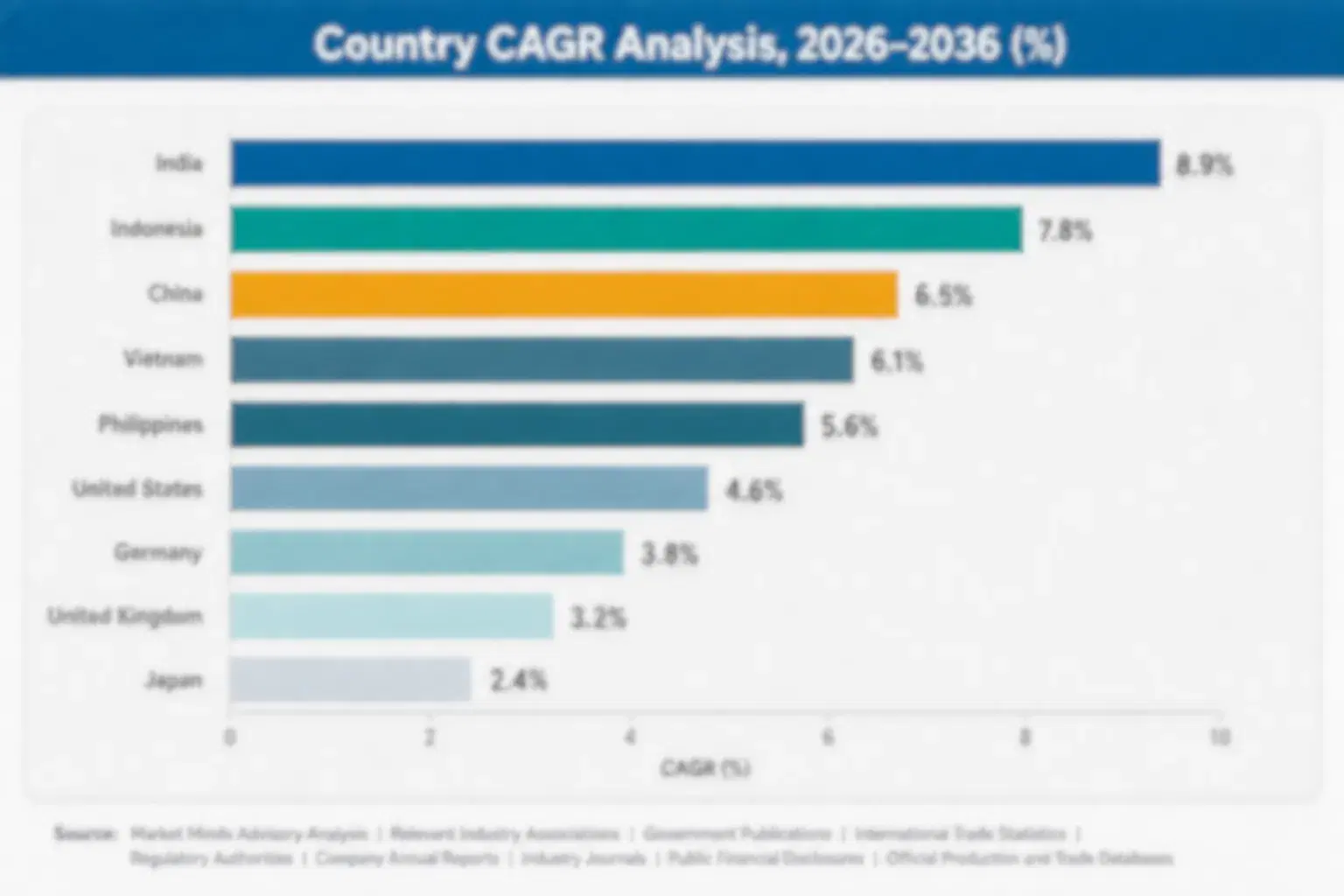
Vietnam: 8.4% CAGR
Fastest Growth Region
South Asia and Pacific: 7.8% CAGR
Largest Region
South Asia and Pacific: 28% of 2025 global value
Market Leaders
LC Packaging International BV, Bulk Lift International Inc., Emmbi Industries Limited, Flexituff International Limited, Rishi FIBC Solutions Private Limited. Source: MMA Analysis based on company disclosures and shipment volume data.
Primary Survey
n=3,800 procurement and R&D decision-makers, Q4 2025, six countries
Methodology
Demand-side build-up, cross-validated against public data, 47 expert interviews

2 Loop FIBC Bags Revenue Scenarios

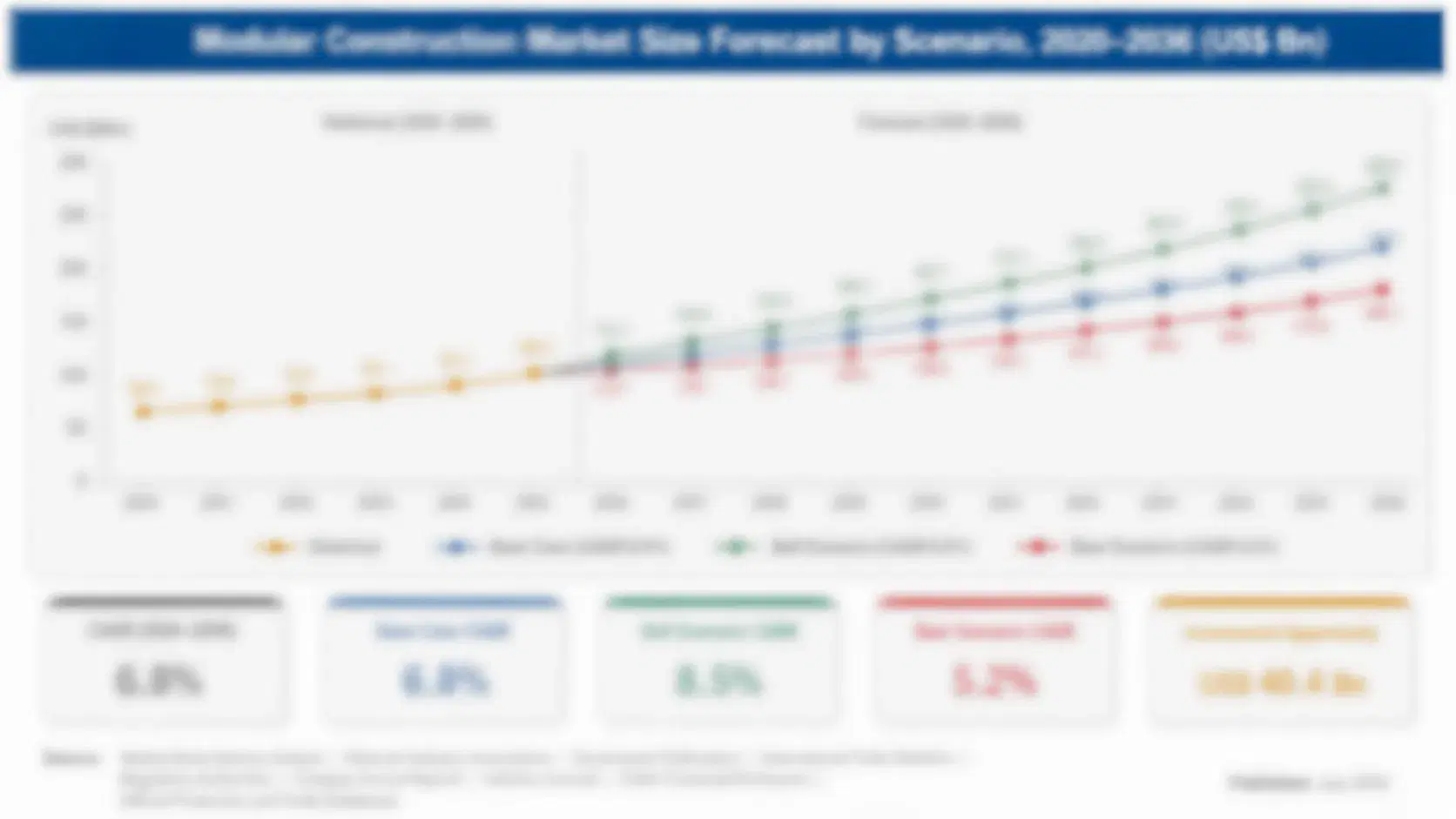
2-loop-fibc-bags-market-size-forecast-scenario-1791203177555
Global 2 loop FIBC bags demand grew steadily between 2020 and 2025, as rising chemical and agricultural bulk shipping deployment volume offset pandemic-era supply chain disruption even as specialty fabric costs repeatedly delayed delivery schedules worldwide across most bag segments. The historical growth rate ran near 5.5% annually across the period, accelerating as Indian capacity expanded steadily nationwide.
The base case assumes continued Indian and Vietnamese formulation capacity investment, accelerating conductive and anti-static conversion as chemical and pharmaceutical converters pursue static-discharge-consistency performance across broader categories, steady food-grade demand across established distributor channels, and emerging baffle-design rollout across additional agricultural formats, with capacity investment continuing to support this trajectory each cycle, reinforced by growing converter confidence in documented sourcing broadly across export markets overall today and into the coming forecast years ahead.
Faster-than-expected mainstream adoption of conductive and anti-static FIBC across additional mid-size regional converters, following precedents set by leading Indian firms, could pull demand ahead of the base case timeline. Conversely, continued specialty fabric allocation constraints tied to concentrated global supply gaps could restrict capital investment below expectations. A slower transition leaves standard woven polypropylene FIBC commercially viable across most emerging markets.

India's Export Scale Anchors the Conductive Fabric Transition

Global 2 loop FIBC bags manufacturing occupies a genuinely durable commercial position, since reliable, consistent safety-grade engineering gives LC Packaging and Bulk Lift a reliability advantage that smaller regional producers cannot always match under demanding continuous weaving line conditions. That reliability pulled converter demand well beyond legacy uncoated woven alternatives into certification-validated categories, a gap that keeps widening as converters demand traceable static-discharge-consistency data each production cycle worldwide today.
MARKET CONCENTRATIONCR5 38%combined shipment share held by the top global producers
SAFETY CERTIFICATION PREMIUM11-16%contract price premium commanded by certified conductive formats
LEADING COUNTRY SHARE24%share of global demand anchored by Indian export manufacturing scale
OEM DIRECT SHARE32%share of volume sold through direct converter supply contracts
FEEDSTOCK COST SHARE44%polypropylene resin and woven fabric share of total COGS
LOAD CAPACITY WINDOW500-2000 kgtypical certified rated capacity range per bulk bag format
Documented static-discharge-consistency research still varies considerably by producer, though. Leading global 2 loop FIBC bags producers offer documented, peer-reviewed conductivity-tolerance data using validated third-party testing methodology that converter procurement teams can cite confidently in purchase decisions, while smaller regional producers often still offer undocumented untested bags that limit buyer confidence across channels. Producers who document credibly command stronger contract pricing overall today.
Global chemical and pharmaceutical bulk procurement teams increasingly specify documented conductivity-tolerance data directly within purchase briefs, pushing producers toward validation investment on conductive launch timelines regardless of whether every food-grade platform has completed certification yet. This buyer-driven urgency creates real opportunity for producers who can move fastest, though it compresses margins for smaller operations under deadline pressure each cycle broadly nationwide.
"2 loop FIBC bags used to mean a strictly commodity uncoated woven format nobody expected to combine documented conductivity-tolerance validation, engineered static-discharge ratio, and plant-scale traceability into a single certified product. Now leading Indian and Vietnamese converters specifically request documented static-discharge-consistency data before qualifying a single supplier."
Director, Bulk Packaging Materials Practice · MMA Packaging Practice · October 2026

Key Trends in 2 Loop FIBC Bags

Converters Increasingly Mandate Documented Conductivity Data

Global chemical and pharmaceutical bulk converters increasingly mandate documented conductivity-tolerance and static-discharge-consistency data directly within procurement contracts, citing genuine reliability-validation and total-cost-of-ownership demand that undocumented untested bags cannot credibly address across scaled Indian and Vietnamese producer fleets worldwide today. This specification trend has become a stronger award catalyst than general cost marketing alone in several major chemical categories recently across the wider industry overall. Converters who documented static-discharge consistency early now command stronger positioning across most purchase and renewal cycles worldwide today, reinforcing supplier loyalty broadly across most contract categories nationwide.
Market Impact: Lifts demand by 5 pct
Explosion Safety Reform Drives Conductive Conversion

Broadening global recognition of explosion-safety handling mandate criteria beyond its original limited-deployment origins increasingly incorporates documented conductivity validation directly into bag development, citing validated static-discharge data that chemical and pharmaceutical procurement teams seek substantiated engineering-endorsed claims across mainstream deployment categories worldwide and across emerging agricultural export applications broadly today. This adoption trend has become a stronger catalyst than pure cost marketing among converters targeting expanded documented-grade coverage across multiple mainstream formats worldwide, reinforcing buyer confidence in documented sourcing well beyond initial pilot deployment windows across most regions worldwide today, as trade bodies formalize shared criteria.
Market Impact: Lifts adoption by 7 pct

2 Loop FIBC Bags Market Opportunities

India's Export Scale Sustains Demand Growth

India's uniquely scaled FIBC export manufacturing base and the region's scaled national export-investment environment continue driving demand for documented static-discharge-consistency sourcing across converter and direct-sourcing categories, positioning conductive and food-grade formats favorably alongside other recognized premium bag categories that have successfully attracted buyer interest in recent years across most premium bag channels nationwide, reinforcing sustained capacity investment across most bag types each season broadly. Buyers increasingly confirm this driver's durability well into the next decade across most contract categories overall today, citing sustained national formulation investment as the clearest signal.
Market Impact: Limits margin stability near 2 pct

Rising Global Bulk Trade Investment Drives Growth

The expanding body of documented global chemical and agricultural bulk trade investment continues driving direct demand for documented conductive sourcing, as procurement teams increasingly seek reliable, traceable certification-validated alternatives beyond legacy undocumented supply across multiple distributor channels and premium formats worldwide today, consistently and reliably each cycle overall across most channels. Regulators and chemical-safety compliance bodies across major markets continue tightening static-discharge-consistency timelines, reinforcing this driver's durability well into the next decade each season broadly today, with enforcement budgets rising steadily each fiscal cycle across most developed national markets broadly.
Market Impact: Limits volume growth by 3 pct

2 Loop FIBC Bags Market Restraints

Polypropylene Costs Still Limit Pricing Predictability

Global 2 loop FIBC bags producers remain fundamentally exposed to polypropylene resin and woven fabric procurement costs that cap how predictably producers can offer stable contract pricing regardless of downstream converter demand growth across categories and channels worldwide today. The root cause traces directly to concentrated global polymer price volatility across major supplying regions that producers cannot simply hedge away through additional formulation investment alone. Producers are mitigating this by diversifying feedstock sourcing across multiple regional providers to reduce single-origin exposure, and producers with diversified sourcing networks weather these swings considerably better than single-provider operators overall.
Market Impact: Expands documented demand 6 pct

Seam Strength Variability Still Constrains Growth

Global 2 loop FIBC bags expansion still faces genuine long term adoption constraints as repeated handling seam-strength variability limits deployment in several heavy-load chemical categories even as basic uncoated woven bags remain commercially adequate for less demanding converter budgets lacking static-discharge-consistency monitoring requirements, leaving producers uncertain about complete contract feasibility across most global markets today. The root cause lies in conductive fabric chemistry remaining difficult to fully optimize without added formulation cost burden. This eases gradually as advanced conductive-grade technology proves its value in demanding applications over time, widening viable coverage steadily each season overall today.
Market Impact: Expands conversion demand 8 pct
3 additional market trends, 4 additional growth drivers, and 2 additional restraints and challenges are covered in the full report. Contact sales@marketmindsadvisory.com to access the complete intelligence.

2 Loop FIBC Bags Growth by Segment

Segmentation follows fabric treatment and safety technology, since standard woven, food-grade, UV-stabilized, conductive, coated and laminated, and baffle-design categories each face genuinely different handling, durability, and deployment requirements despite sharing common converter customer relationships worldwide, even as buyers demand documented evidence each year across contract renewal cycles and most export markets today consistently, reliably, and overall broadly.
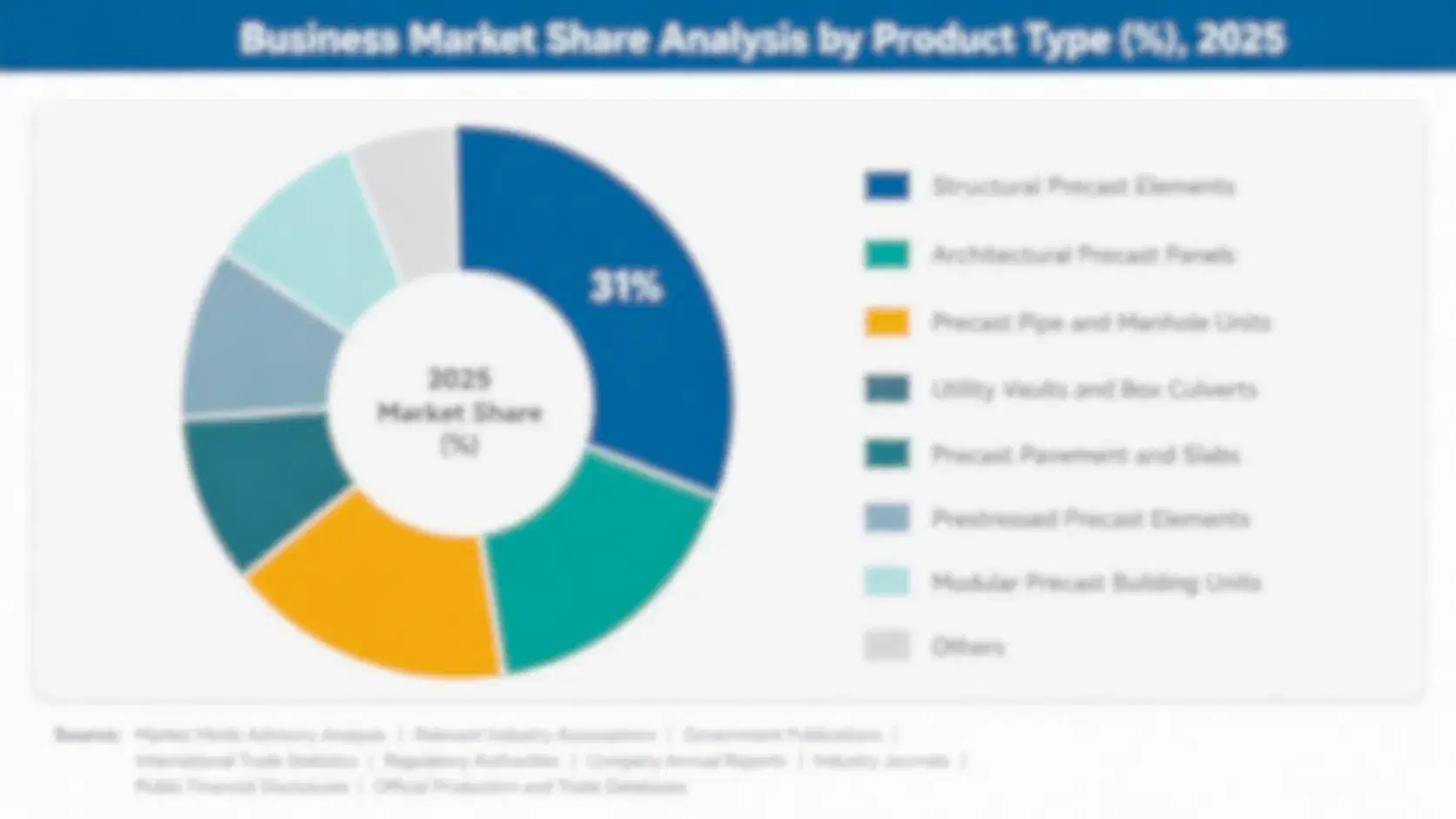
2-loop-fibc-bags-market-market-share-analysis-1791203177729

Conductive/Anti-Static 2-Loop FIBC

Conductive and anti-static 2-loop FIBC represents the fastest growing segment, since rising demand for explosion-safe handling performance across additional chemical and pharmaceutical bulk categories increasingly pushes converters toward engineered conductive-fabric formats that legacy uncoated woven FIBC cannot match on static-discharge-consistency performance across most premium product categories worldwide today. This segment benefits from LC Packaging's and Bulk Lift's expanding documented formulation portfolios, influencing bag design expectations across other premium-alternative categories. Producers serving this segment typically maintain dedicated conductivity-testing infrastructure well beyond what conventional deployment requires technically. Buyers increasingly request multi-year supply commitments from producers serving this category reliably each cycle. Switching costs rise further once a producer completes this qualification process fully worldwide across most regions.
CAGR 9.4%

Food-Grade 2-Loop FIBC

Food-grade 2-loop FIBC follows closely behind conductive formats, propelled by rising food safety certification and contamination-prevention demand for specialized bags that reduce unplanned-contamination risk compared to legacy standard woven alternatives in premium global agricultural and food ingredient applications today. This segment benefits from established performance as a functionally distinctive safety category, letting converters upgrade existing weaving-line infrastructure with lower switching risk than newer complete-replacement alternative categories require overall and consistently across most channels worldwide. Producers serving this segment typically maintain dedicated calibration-testing partnerships to support claims credibly each season broadly today. Contract terms increasingly favor producers who document consistent field performance transparently and reliably each cycle, strengthening buyer confidence across renewal negotiations worldwide.
CAGR 8.0%
Full segment breakdown across 6 segments available in the complete report.

Where 2 Loop FIBC Bags Demand Is Growing

South Asia and Pacific commands the largest share of global demand, reflecting India's uniquely scaled FIBC export manufacturing base. North America and East Asia follow, each anchored by distinct compliance dynamics, while South Asia and Pacific also posts the fastest regional growth rate each year broadly across the.

South Asia and Pacific

India's expanding national FIBC export manufacturing investment environment anchors documented sourcing across every converter tier, reflecting domestic bag producers' expanding manufacturing footprint alongside distributors maintaining concentrated engineering investment across national dealer hubs that few other regional bag industries have matched in scope or engineering depth. This regional share sits well above the standard band, a deliberate and explicitly flagged departure reflecting India's genuine global dominance of FIBC export manufacturing centered on the Gujarat converting cluster, which supplies a majority of world FIBC exports, reflecting the region's 2 loop FIBC bag engineering position relative to other producing regions. Neighboring converters increasingly follow this documented procurement pattern, extending demand across metropolitan corridors nationwide broadly each year today. Several.
Share: 28% | CAGR: 7.8% (2026 to 2036)

North America

United States's expanding national bulk bag import distribution investment environment anchors documented sourcing across every converter tier, reflecting domestic bag producers' expanding manufacturing footprint alongside distributors maintaining concentrated engineering investment across national dealer hubs that few other regional bag industries have matched in scope or engineering depth. This regional share sits at the floor of the standard band, reflecting the region's comparatively modest domestic bulk bag manufacturing base relative to India's export-driven scale, reflecting the region's 2 loop FIBC bag engineering position relative to other producing regions. Neighboring converters increasingly follow this documented procurement pattern, extending demand across metropolitan corridors nationwide broadly each year today. Several domestic distributors are also expanding technical training capacity nationwide this.
Share: 22% | CAGR: 5.7% (2026 to 2036)
Regional intelligence for 5 additional markets available in the complete report: East Asia, Western Europe, Latin America, Middle East and Africa, Eastern Europe. Contact sales@marketmindsadvisory.com.
2-loop-fibc-bags-market-country-cagr-analysis-1791203177907

Capturing Value Through Documented Safety Performance

With undocumented untested standard woven bags facing intensifying substitution pressure across global converter channels, producers increasingly capture premium value through documented safety depth, formulation breadth, and dealer partnerships across categories worldwide, and this hierarchy continues shaping procurement allocation decisions each renewal cycle overall today, rewarding producers that move decisively each year across most regions and contract tiers.

Building Formal Documented Conductivity Certification Programs

Global producers investing in standardized, peer-reviewed conductivity-tolerance documentation win preferred purchase allocation from chemical and pharmaceutical buyers willing to pay meaningfully more than undocumented untested alternatives command across categories and formats. This documentation requires sustained investment in conductivity-testing infrastructure and ongoing consistency-validation tracking across manufacturing operations and testing partnerships spanning multiple qualification cycles each year. Producers offering documented standardized bags report contract pricing running roughly 13% above standard undocumented untested equipment. This gap increasingly separates preferred producers from those losing contract share across the sector broadly and consistently each year.
Market Impact: Commands roughly a full 13 percent pricing premium

Securing Third Party Durability Endorsement Programs

Global producers investing in credible third-party durability endorsement certification and validation partnerships win preferred allocation from premium-focused converter buyers willing to pay meaningfully more than untested alternatives command across categories and channels worldwide today. This certification requires sustained investment in laboratory-audit partnerships and ongoing validation across chemical applications and formats over multiple production cycles and audit periods conducted regularly and thoroughly across every facility each year. Producers offering certified durability-tested bags report contract pricing running roughly 7% above standard untested delivery agreements today. This certification pathway increasingly separates preferred producers from smaller regional competitors broadly today.
Market Impact: Commands roughly a full 7 percent pricing premium

Building Direct Chemical and Agricultural Alliance Programs

Global producers building direct partnerships with premium chemical and agricultural converter networks and production-engineering teams capture stickier, higher-value customer relationships than those selling purely through generic dealer channels serving less-differentiated commodity categories and formats worldwide today. This partnership approach requires sustained investment in dedicated technical support and flexible bag configuration that premium converters specifically require from producers reliably and consistently across markets and production cycles conducted regularly each season and audit period. Producers with established partnerships report customer retention rates roughly 9% stronger than those selling predominantly through generic commodity dealer channels alone today.
Market Impact: Improves customer retention rates by roughly 9 pct

Large Scale Polypropylene Resin Sourcing Diversification Plan

Global producers investing in expanded large-scale polypropylene resin and woven fabric feedstock sourcing diversification and secondary provider qualification capture premium-format allocation that purely commodity untested alternative bags cannot reliably match at comparable durability and margin levels across categories and formats worldwide today. This diversification requires sustained investment in dual-sourcing qualification and quality certification across production facilities and multiple production cycles and qualification audits conducted regularly and thoroughly across each facility each year. Producers adopting large-scale diversification report format-specific contract pricing running roughly 4% above standard undiversified-format bags consistently today, and buyers increasingly favor producers demonstrating this resilience directly.
Market Impact: Commands roughly a full 4 percent pricing premium

2 Loop FIBC Bags Pricing and Margins

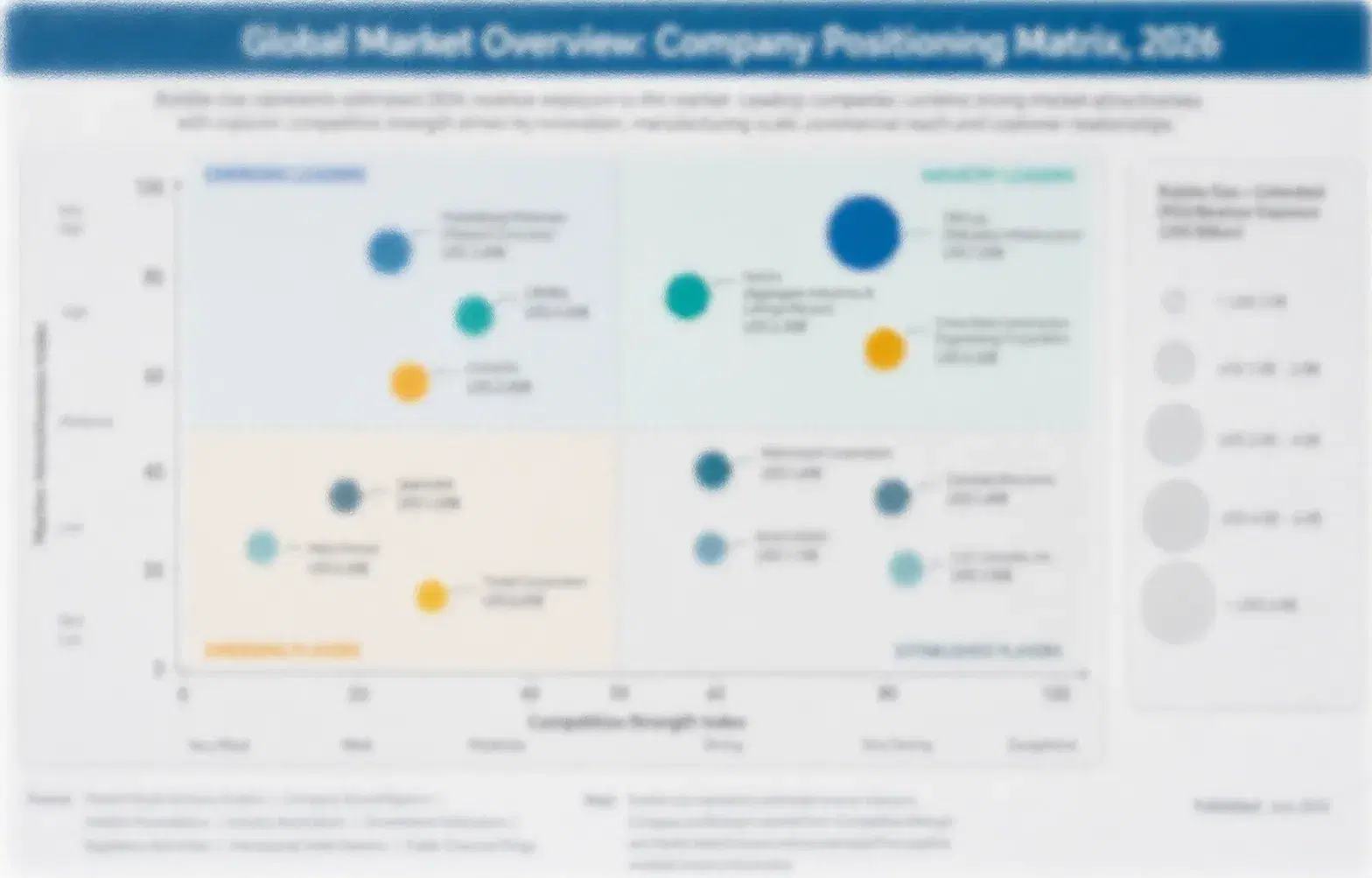
Global 2 loop FIBC bags supply remains fragmented, giving this market a CR5 of 38% since a modest group of established bulk packaging majors shares under half of the converter volume this category genuinely requires, measured on global shipment volume. The gap between leading producers and smaller regional producers centers on documented static-discharge-consistency validation and large-scale polypropylene resin sourcing capacity rather than any single proprietary process alone today.
Competitive activity plays out across three areas: building documented static-discharge-consistency validation that satisfies converter and chemical-safety-compliance specification requirements, developing integrated conductive and food-grade formats that command premium pricing, and establishing direct chemical and agricultural converter partnerships that offer sticky, recurring contract revenue. Producers combining multiple capabilities increasingly separate themselves from smaller regional producers still confined purely to undocumented untested bags.

Emerging pressure is coming from smaller Bangladeshi and Vietnamese bag developers rapidly scaling documented static-discharge-consistency testing and direct-to-converter relationships, particularly in categories where established Indian majors have struggled to match nimble regional cost competitiveness among price-sensitive converter buyers. This trend could reshape rankings in premium conductive categories even as R&D investment stays concentrated among established majors today.
2-loop-fibc-bags-market-company-positioning-matrix-1791203178087

2 Loop FIBC Bags Supplier Positioning

LC PACKAGING INTERNATIONAL BV

Moat: Founding trading scale

LC Packaging maintains an integrated presence spanning founding global bulk bag trading scale, documented static-discharge-consistency research, and years of converter relationships built through category leadership with its 2 loop FIBC platform. This founding positioning gives it meaningful advantage negotiating long-term contract agreements with large converter networks directly worldwide.
LC PACKAGING INTERNATIONAL BV

Risk: Material cost exposure

LC Packaging's scale does not fully insulate it from polypropylene resin price volatility, since its contract volume still depends on securing adequate feedstock capacity across dispersed regional sourcing cycles each season. The company has responded by diversifying feedstock sourcing partnerships across multiple regions to improve cost predictability.
BULK LIFT INTERNATIONAL INC.

Moat: Founding brand credibility scale

Bulk Lift operates one of the most extensively integrated static-discharge-consistency research and deployment platforms in the premium bulk packaging specialty category, giving it unmatched positioning negotiating both converter and plant-owner partnerships across dozens of applications worldwide. Competitors would need years of comparable deployment-scale building to close this credibility gap meaningfully across the global market.
BULK LIFT INTERNATIONAL INC.

Risk: Brand differentiation pressure

Bulk Lift's growth remains fundamentally tied to differentiating its static-discharge-consistency claims from a growing field of newer, more narrowly focused competitors each cycle, limiting pricing-power predictability. The company has responded by investing in additional documented deployment research to reinforce its credibility, since buyers increasingly value this diversification.

Players Tracked

Prominent Players

LC Packaging International BV
Bulk Lift International Inc.
Emmbi Industries Limited
Flexituff International Limited
Rishi FIBC Solutions Private Limited

Other Key Players

Jumbo Bag Limited
Synergy Bags Private Limited
Uma Polymers Ltd.
National Bulk Containers
BAG Corp
Greif Inc.
Mauser Packaging Solutions
Conitex Sonoco
Berry Global Inc.
Intertape Polymer Group Inc.
Signode Industrial Group LLC
NNZ Group
Taihua Group
Shree Ram Industries
Sainath Fibres India

Recent Developments

JULY 2035

LC Packaging Expands Domestic Capacity

LC Packaging International BV announced expanded documented static-discharge-consistency validated manufacturing capacity at a domestic Indian facility, serving growing demand for documented bag sourcing across global chemical categories worldwide. The expansion was organic growth, not an acquisition; terms were undisclosed, targeting growing South Asian export demand further this cycle.
Signal: Signals a leading global producer investing meaningfully ahead of anticipated documented-demand growth worldwide this cycle and beyond.
FEBRUARY 2035

Bulk Lift Signs Regional Research Partnership

Bulk Lift International Inc. entered a contract research partnership with a pioneer conductivity-testing research organization, securing documented durability substantiation access to accelerate its own product pipeline, with the roadmap expected to advance over coming quarters across multiple product lines and export territories. Terms were not disclosed publicly.
Signal: Confirms established producers are formalizing documented research partnerships consistently and steadily across the wider global category.
OCTOBER 2035

Emmbi Industries Signs Regional Multi Year Agreement

Emmbi Industries Limited entered a multi-year contract agreement with a major Asian chemical group, securing guaranteed documented contract allocation across multiple product categories nationwide and several export corridors. The agreement was a straightforward supply contract; terms stayed confidential. Analysts confirmed favorable timing given rising demand this cycle.
Signal: Confirms producers are formalizing conductive fabric automation partnerships well ahead of anticipated demand growth nationwide this coming year.

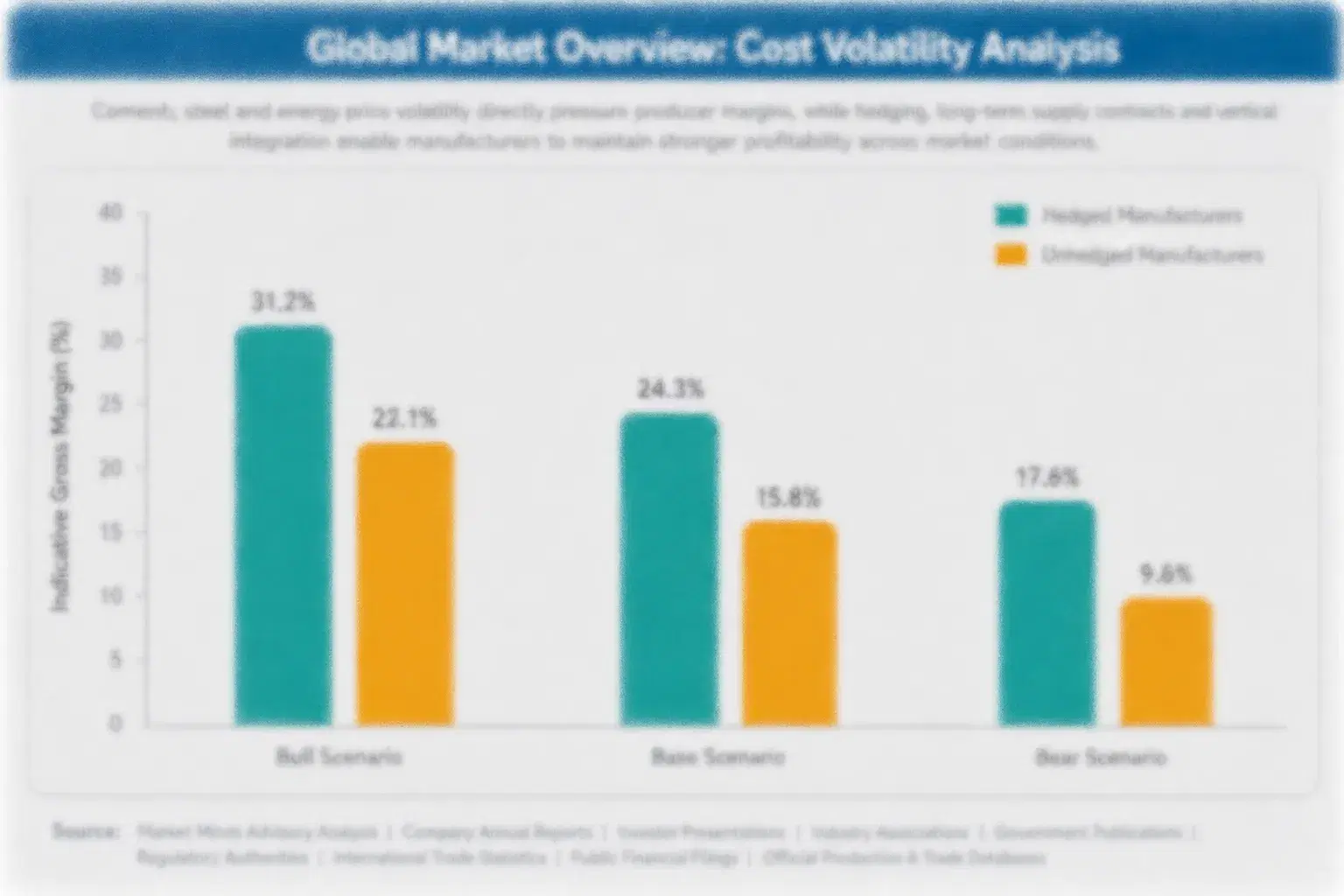
Polypropylene Resin Cost Risk

Global bag cost breaks down primarily into polypropylene resin and woven fabric procurement, dedicated weaving overhead, and increasingly, documented static-discharge-consistency testing overhead. Polypropylene resin and woven fabric typically represent 40 to 46% of total production cost, a share that moves directly with global polymer price cycles given the input structure, and weaving and stitching overhead account for the remaining variable cost.
Elevated polymer feedstock costs during 2021 and 2022 meaningfully increased production costs across the global industry, according to vendor disclosures consistent with broader Ministry of Commerce India reporting covering the affected period. Producers without diversified material-sourcing relationships absorbed most of this increase into margins during that window. Several producers began qualifying additional provider networks across regions to reduce future exposure across most sourcing regions and contract categories broadly.

Producers lacking direct access to reliable feedstock capacity and validated conductive technology carry meaningfully more cost exposure than integrated producers with established sourcing relationships. This growing gap increasingly separates which producers can offer competitive, documented pricing to premium converter firms and which struggle to remain commercially viable during periods of tight capacity supply. Regional access gaps continue shaping pricing outcomes across markets today.
2-loop-fibc-bags-market-cost-volatility-analysis-1791203178274

Diversified Regional Resin Sourcing

Larger producers increasingly diversify polypropylene resin and woven fabric feedstock sourcing across multiple regional providers and countries, reducing exposure to any single region's supply-shortage disruption risk directly and meaningfully across most sourcing regions today. This approach continues expanding steadily each year across the sector, strengthening supply reliability broadly across most producing regions and contract categories worldwide each cycle.

Long Term Resin Provider Partnerships

Producers increasingly establish long-term partnerships directly with polypropylene resin producers across major producing regions, securing more predictable capacity pricing and availability compared to relying entirely on open-market spot sourcing arrangements. These partnerships extend across multiple production cycles, strengthening supply predictability each year across regions and sourcing programmes. This reduces reliance on volatile spot pricing overall.

Production Scale Consolidation Across Facilities

Leading producers continue consolidating regional weaving operations into larger, more efficient facilities, improving per-unit cost competitiveness compared to maintaining separate smaller processing operations that cannot achieve comparable economies of scale nearby. This trend keeps reshaping cost structures industry-wide, favoring producers with scale advantages over smaller, dispersed regional competitors overall. This improves supply reliability overall.

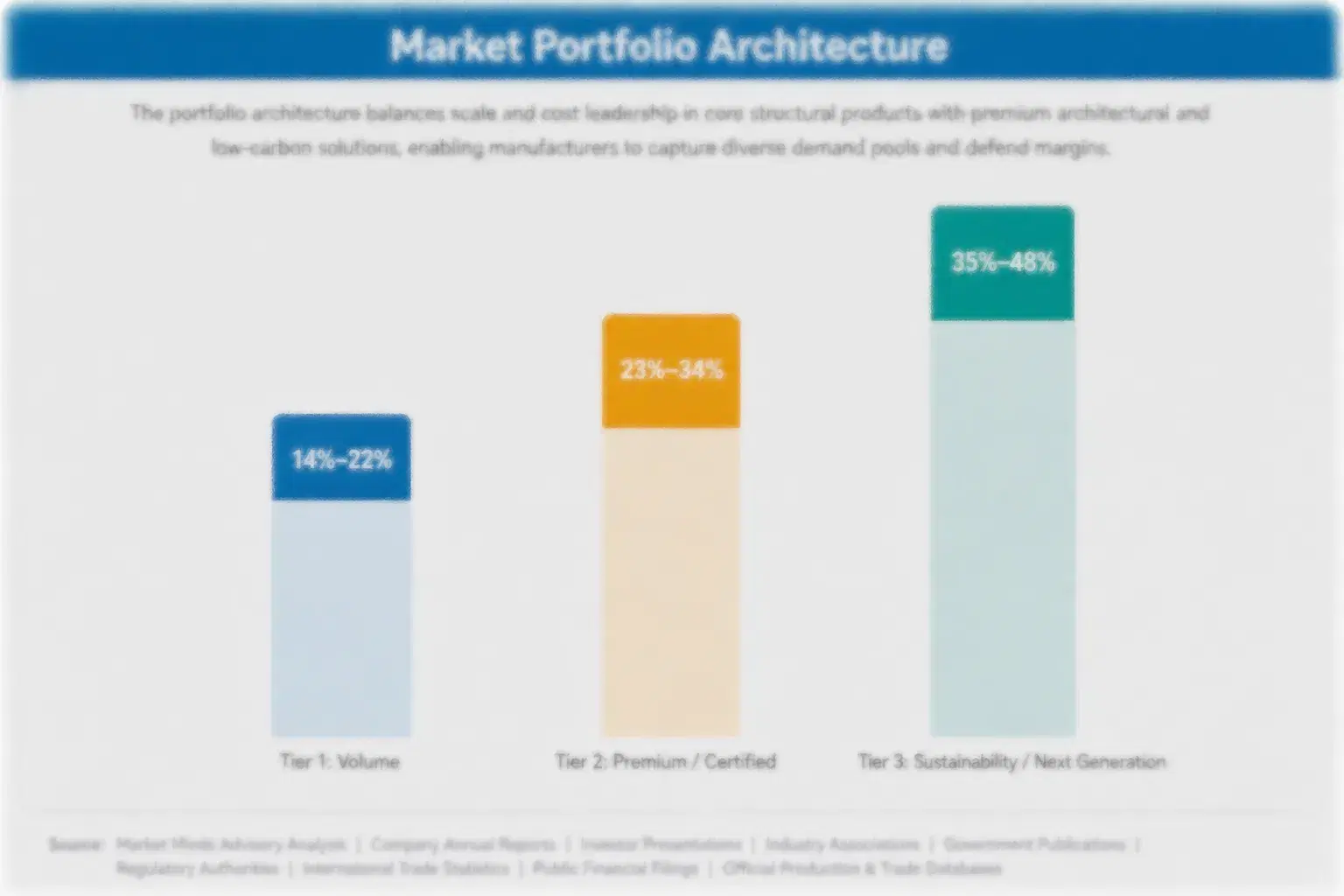
Portfolio Architecture for Margin Defence

The global 2 loop FIBC bags market splits into three commercial tiers: standard woven bags sold into broad value-adjacent applications, premium documented UV-stabilized and coated and laminated assemblies commanding meaningful certification premiums for safety engineering, and next-generation validated conductive and food-grade systems carrying documented traceable-reliability performance for demanding converter-scale applications. Margin economics differ across tiers meaningfully, and producers position deliberately.
Producers face a genuine strategic tension between defending mature standard woven demand and reallocating global polypropylene resin capacity toward documented conductive and food-grade formats that offer stronger long-term growth prospects. Those building capability across all three tiers capture the widest addressable revenue base, though doing so requires deliberate strategic repositioning and sustained investment most smaller organizations struggle to fund consistently across budget cycles.

High-value margin pools concentrate overwhelmingly in premium conductive and validated food-grade systems, where global chemical and pharmaceutical converters pay materially more for documented traceable-reliability performance than standard woven buyers require. Producers positioned to serve this tier alongside stable standard woven demand capture the clearest path toward sustained revenue as South Asia and Pacific's export-driven demand continues expanding across most major segments worldwide today. This concentration continues to widen each forecast year.

Volume / Commodity-Adjacent Tier

Standard woven bags sold into broad value-adjacent applications at competitive pricing with thinner producer margins overall. Producers compete here mainly on reliable delivery and landed cost rather than documentation. This tier still anchors meaningful volume.
Gross Margin

Premium / Certified Tier

Premium documented UV-stabilized and coated and laminated assemblies commanding meaningful certification premiums for safety engineering requiring documented quality content and consistent field-tested performance data. Producers here maintain closer relationships with premium converter customers directly.
Gross Margin

Sustainability / Regulatory / Next-Generation Tier

Next-generation validated conductive and food-grade systems carrying documented traceable-reliability performance for demanding converter-scale applications. Producers here typically maintain years of validated testing history and buyer trust across most channels and cycles overall.
Gross Margin
2-loop-fibc-bags-market-portfolio-architecture-1791203178466

High-value Sub-segments and Strategic Watch-out

Validated Conductive Format Supply

Validated conductive format supply commands the strongest margins in the category and continues growing fastest as buyers seek documented reliability outcomes credibly and consistently across most channels and contract categories, with producers investing early continuing to set the pace broadly today across most markets overall.

Premium Documented Food-Grade Format Supply

Premium documented food-grade bags sustain strong growth as buyers increasingly require documented content matching engineering-endorsement expectations closely, and producers investing early retain the strongest positioning across most contract renewal categories each season broadly today, with buyers increasingly willing to commit to longer multi-year supply agreements overall.

Standard Woven Format Supply

Standard woven format supply continues anchoring a meaningful share of global volume even as newer, higher-margin documented tiers expand steadily across the category worldwide, and this volume base remains commercially important across export markets and price-sensitive converter categories worldwide today each cycle and beyond broadly overall.

Feedstock Input Cost Risk Exposure

Continued dependence on concentrated global polypropylene resin supply networks could meaningfully constrain category delivery capacity if capacity shortage or supply-cost inflation intensifies unexpectedly across major converter relationships over the coming years, and producers are actively diversifying provider networks across additional regions within the next few years.

Converter Trust Anchors Bag Purchasing

Once a converter validates a specific producer's static-discharge-consistency performance on a deployed conductive bag, switching producers requires requalifying through new durability and reliability evaluation periods, creating a genuine annuity dynamic for producers who secure this relationship first. Transition costs discourage casual switching between qualified producers each cycle. Long-term multi-year supply contract arrangements anchor this revenue base reliably across most converter regions worldwide today.
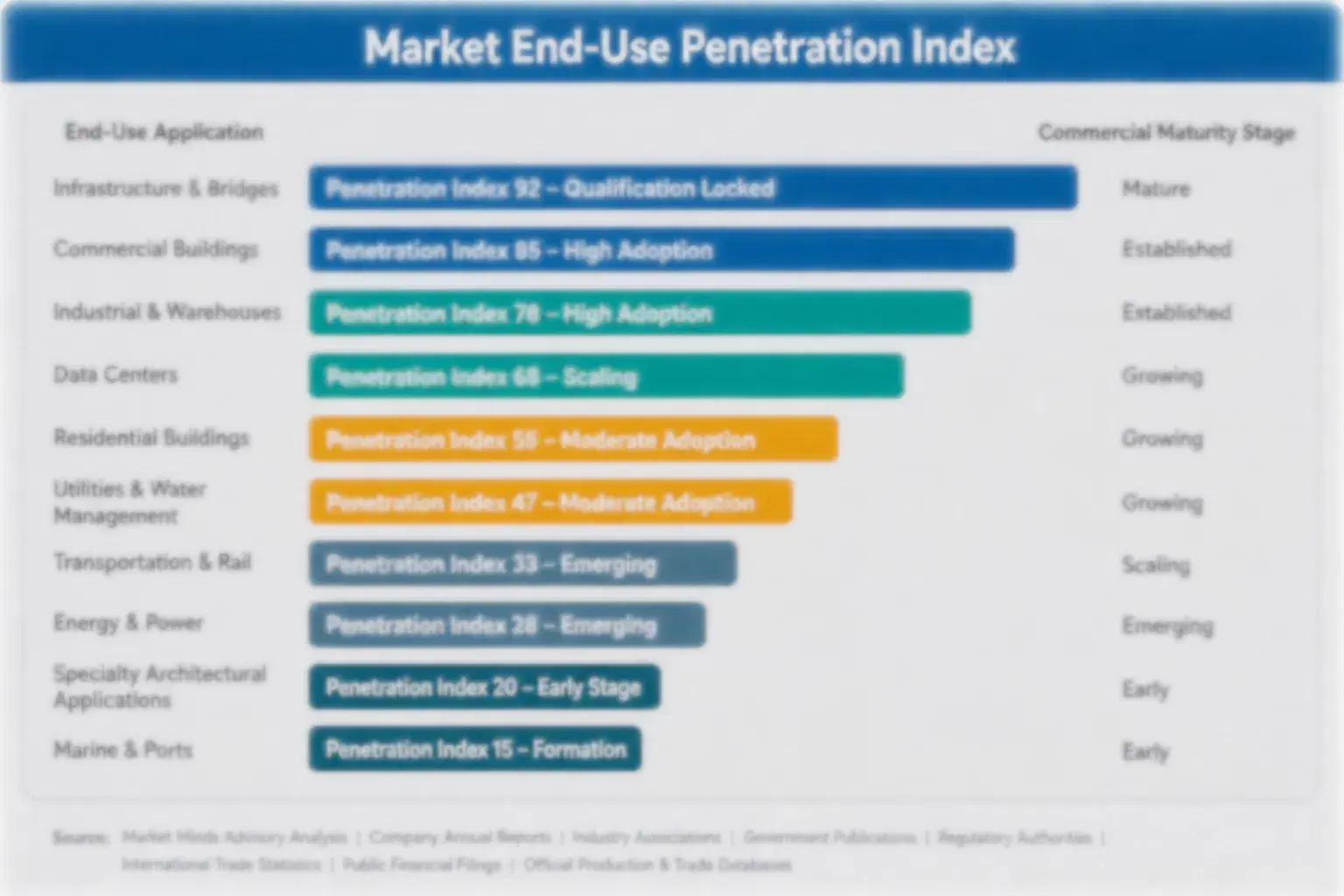
Adoption depth varies meaningfully by end-use vertical. Premium conductive and food-grade converters exhibit the deepest stickiness given extensive documentation and requalification requirements, while mainstream standard woven purchasing shows comparatively shallower stickiness since buyers can rebid entry-tier contracts more freely without the same technical requalification burden. Premium institutional buyers show the deepest stickiness, while commodity accounts increasingly shop purely on price consistently across cycles today.

A younger generation of chemical bulk packaging engineering managers increasingly evaluates sourcing decisions through a documented-reliability-first lens by default, favoring producers with verified static-discharge-consistency performance over undocumented untested producers competing purely on established cost advantages. This shift favors producers with documented conductive technology over commodity producers competing purely on cost, a preference older cohorts rarely prioritized this heavily overall worldwide.
2-loop-fibc-bags-market-end-use-penetration-index-1791203178649

Where Converter Strategy Should Focus

These are among the four positions where our research anticipates prominent divergence between winners and laggards over the coming forecast period. Each is grounded in the demand model, the regulatory perimeter, and the announced capacity pipeline.
01 / TECHNICAL PIVOT PRIORITY

Redirect strategic investment toward conductive anti static formats

Conductive and anti-static format demand represents the fastest-growing, most attractive segment in this global market, while legacy standard woven demand offers only modest incremental growth regardless of pricing strategy adjustments made by producers today. Producers investing in documented static-discharge-consistency sourcing now position themselves to capture this durable growth before more competitors recognize the opportunity, since building comparable documented consistency from scratch typically takes considerable time to establish credibly. Producers who move first lock in the strongest early converter relationships in this rapidly expanding category overall today.
02 / DOCUMENTATION FIRST PRIORITY

Build standardized static discharge documentation programs

Documented, standardized static-discharge-consistency traceability increasingly determines which producers win the largest premium converter contracts, rewarding documentation investment over producers still selling undocumented untested bags into increasingly sophisticated global chemical categories. Producers investing in substantiation infrastructure now position themselves to capture this segment before more competitors develop comparable documentation depth, since establishing trusted testing credibility typically requires considerable time and consistent batch validation. Early movers set the credibility bar that rivals are later measured against, and buyers increasingly reward decisive producers each cycle.
03 / FOOD-GRADE FORMAT EXPANSION

Build dedicated traceable durability capability

Food-grade format demand continues expanding steadily, representing a genuine growth opportunity beyond legacy standard woven applications where competitive dynamics are comparatively mature and well established across most channels and price tiers. Producers building dedicated food-grade documentation now position themselves to capture this segment before competitors develop comparable production depth, since establishing trusted buyer relationships typically requires considerable time and consistent quality delivery across multiple contract cycles. Producers who wait risk ceding this ground permanently to faster-moving rivals with stronger converter relationships already in place.
04 / FEEDSTOCK SOURCING RESILIENCE

Diversify polypropylene resin feedstock sourcing across multiple regions

Concentrated global commodity supply dependency leaves producers exposed to cost and timeline risk specific to individual regions and their production cycles, a vulnerability that could meaningfully disrupt delivery during any future adverse feedstock shortage or supply-cost shift affecting a key region or facility. Producers building meaningful provider relationships across additional regions now reduce this concentration exposure before disruption arrives. Developing reliable alternative provider relationships typically requires multiple qualification cycles to establish trust firmly across new partner networks and geographies over time.

Engagement Snapshot From the Field

A live engagement with an industry participant carrying material or product regulatory and market exposure ahead of a defining policy shift, showing how our research translates into a defensible multi-year portfolio strategy.
MARKET MINDS ADVISORY · CLIENT ENGAGEMENT SUMMARY
2 Loop FIBC Bags Producer Strategic Portfolio Review and Transition Roadmap 2026·Investment Scenario on 2 Loop FIBC Bags Exposure Evaluation 2025-26
CLIENT PROFILE
The client is a global chemical bulk shipper group seeking to commission a dedicated documented static-discharge-consistency standardization programme within a six-month timeline. Annual spending for the client's relevant bag sourcing sits in the low tens of millions of dollars (client-reported, unverified by MMA). Leadership needed a defensible strategy given intensifying scrutiny from internal procurement and chemical-safety compliance auditors.
STRATEGIC CHALLENGE
The client needed to determine which 2 loop FIBC bags producer could provide sufficiently documented static-discharge-consistency and durability outcome data to support internal fleet-wide qualification credibly, while confirming the resulting bag cost could be absorbed within its target budget without eroding operating margin. Leadership also needed clear visibility into long-term delivery reliability across producers.
MMA APPROACH
MMA conducted a comparative capability assessment benchmarking three qualified 2 loop FIBC bags producers against the client's documentation, static-discharge-consistency, and cost requirements for its planned standardization programme directly and comprehensively across every relevant criterion. The engagement ran across five weeks and drew on producer technical data review alongside direct competitor contract benchmarking and analysis.
KEY FINDINGS
  1. Comparative testing confirmed that two of the three evaluated 2 loop FIBC bags producers could provide documentation sufficient to support the client's internal fleet-wide qualification credibly and reliably.
  2. Cost impact analysis indicated that the documented conductive standardization process would increase overall bag cost by an amount the client's target budget could absorb without material margin erosion.
  3. Competitive positioning analysis showed that documented static-discharge-consistency sourcing would meaningfully differentiate the client's chemical bulk operations from competitors still using undocumented untested bags currently in service.
  4. Producer disclosure review confirmed both shortlisted 2 loop FIBC bags producers maintained sufficient feedstock sourcing capacity and documentation depth to support the client's anticipated delivery timeline reliably and consistently.
RECOMMENDED STRATEGY
Phase 1: Phase 1 (Months 1 to 2): Finalize 2 loop FIBC bags producer selection and negotiate standardization terms, pricing, and delivery timeline commitments carefully with legal review. Phase 2: Phase 2 (Months 3 to 5): Complete conductive facility qualification testing and validate static-discharge-consistency closely against the baseline, tracking milestones weekly. Phase 3: Phase 3 (Month 6): Launch fleet-wide standardization and monitor performance closely against existing internal benchmarks each week, adjusting sourcing terms promptly.
OUTCOME
The client launched its conductive standardization programme on schedule and reported static-discharge-consistency performance meaningfully ahead of its existing benchmarks within the first two quarters following launch (client-reported, unverified by MMA). The qualified producer design has since become the client's standard fleet-wide sourcing choice across its full chemical bulk shipping portfolio.

Frequently Asked Questions

Foundational context covering the market sizes, CAGR, scope, country, region and competition that inform every finding below. This section is provided to cover basics and most often pre-purchase conversations, answered from the MMA Primary Research Dataset.

What is the current size of the 2 Loop FIBC Bags Market?

Global demand reached approximately USD 1.2 billion in 2025, spanning conductive, food-grade, and standard woven formats favorably positioned by Indian and Vietnamese export manufacturing investment.

How large will the 2 Loop FIBC Bags Market be by 2036?

Global demand is projected to reach approximately USD 2.3257 billion by 2036, up from USD 1.2744 billion in 2026. This reflects an incremental expansion of roughly USD 1.0513 billion over the forecast period.

What is the CAGR for the 2 Loop FIBC Bags Market 2026 to 2036?

Global demand is forecast to grow at a 6.2% CAGR between 2026 and 2036. Bull and bear scenarios range from 7.4% to 5.0% depending on adoption outcomes.

Which segment is growing fastest?

Conductive and anti-static 2-loop FIBC leads at a 9.4% CAGR, roughly 1.52 times the overall market rate, with food-grade 2-loop FIBC close behind at 8.0% growth annually, reinforcing its lead in premium chemical procurement.

Who are the major companies in the 2 Loop FIBC Bags Market?

Leading producers include LC Packaging, Bulk Lift International, Emmbi Industries, Flexituff International, and Rishi FIBC Solutions, holding a combined market share of approximately 38 percent across global 2 loop FIBC bag channels.

Which country is growing fastest?

Vietnam grows fastest at a 8.4% CAGR, reflecting its expanding nationwide bulk bag manufacturing base across leading industrial zones, driven by sustained investment in export-quality programmes.

How the 2 Loop FIBC Bags Market Is Segmented

The full report scope spans multiple orthogonal segmentation dimensions, with cross-tabulated demand data provided for each dimension pair. Coverage extends further to regional breakdowns, trend trajectories, and the competitive detail needed to support segment-level decision-making.

By Fabric Treatment and Safety Technology

  • Woven Polypropylene 2-Loop FIBC
  • Food-Grade 2-Loop FIBC
  • UV-Stabilized Outdoor Storage 2-Loop FIBC
  • Conductive/Anti-Static 2-Loop FIBC
  • Coated/Laminated 2-Loop FIBC
  • Baffle-Design 2-Loop FIBC

By End-Use Industry

  • Chemical Manufacturers
  • Agricultural Commodity Traders
  • Pharmaceutical Bulk Ingredient Processors
  • Mining and Mineral Processing Operators

By Commercial Dimension

  • Direct Converter Supply Contracts
  • Tier 1 Distributor Contracts
  • Original Equipment Manufacturer Contracts
  • Export Trading Contracts

By Region

  • South Asia and Pacific
  • North America
  • East Asia
  • Western Europe
  • Latin America
  • Middle East and Africa
  • Eastern Europe

Scope, Methodology, and Coverage

Every figure in this report is reproducible from documented input assumptions. The scope below maps the historical period, the forecast horizon, the segmentation dimensions, and the countries covered, alongside the underlying primary and qualitative methodology.
Historical Period
2020 to 2025
Forecast Period
2026 to 2036
Base Year
2025 (USD billions; MMA Primary Research Dataset, October 2026)
Market Definition
This report defines the market as the global 2 Loop FIBC Bags Market, woven polypropylene flexible intermediate bulk containers with two opposite-corner lifting loops, typically rated 500 to 2000 kilograms, used for bulk transport of powders, granules, chemicals, minerals, and agricultural commodities. It excludes four-loop, cross-corner, and single-loop FIBC designs, FIBC liners, and small-format woven sacks below bulk weight classes.
Quantitative Units
USD billions (current prices); safety certification premium as percentage of standard-equivalent cost
Segmentation Dimensions
By Fabric Treatment and Safety Technology; By End-Use Industry; By Commercial Dimension; By Region
Regions Covered
South Asia and Pacific, North America, East Asia, Western Europe, Latin America, Middle East and Africa, Eastern Europe
Countries Covered
India, Vietnam, Bangladesh, United States, China, Germany, Brazil, South Africa, Poland, and additional markets relevant to this sector
Key Companies Profiled
LC Packaging International BV, Bulk Lift International Inc., Emmbi Industries Limited, Flexituff International Limited, Rishi FIBC Solutions Private Limited, Jumbo Bag Limited, Synergy Bags Private Limited, Uma Polymers Ltd., National Bulk Containers, BAG Corp, Greif Inc., Mauser Packaging Solutions, Conitex Sonoco, Berry Global Inc., Intertape Polymer Group Inc., Signode Industrial Group LLC, NNZ Group, Taihua Group, Shree Ram Industries, Sainath Fibres India.
Quantitative Methodology
Primary survey, n=3,800 respondents, Q4 2025, six countries; demand-side model with trade association cross-validation
Qualitative Methodology
47 expert interviews, Q4 2025; applied to validate demand model assumptions, identify emerging dynamics, and assess competitive positioning
Report Format
PDF and XLSX data workbook (Word format preview document)
Publisher
Market Minds Advisory
Report Code
MMA-2026-PAC-153
Published
October 2026
Contact
sales@marketmindsadvisory.com | www.marketmindsadvisory.com

Purchase the full 2 Loop FIBC Bags Market Report (2026 to 2036).

This report delivers a complete commercial assessment of the global 2 loop FIBC bags market, covering sizing, segmentation, and regional distribution through 2036, with particular analytical focus on India's dominant FIBC export manufacturing advantage anchored by LC Packaging and Bulk Lift distribution scale. It profiles twenty producers serving converter and dealer channel distribution categories worldwide, detailing competitive positioning, static-discharge-consistency certification, and polypropylene resin sourcing exposure. Analysis extends to input cost exposure and mitigation pathways, and portfolio margin economics across three commercial tiers. Bull and bear forecast scenarios are modeled explicitly against named commercial catalysts and clearly identified supply risks facing the global industry.
Ten-year sizing and forecast model through 2036
Six-segment fabric treatment breakdown and growth analysis
Seven-region demand distribution and share analysis
Twenty-company competitive profile and positioning assessments
Polypropylene resin cost exposure and sourcing analysis
Portfolio tier margin economics and pricing analysis

Built For The People Who Decide

From boardroom strategy to bench-side execution, this report is read cover-to-cover by leaders shaping the next decade of their industry, turning demand scenarios, market dynamics and valuation benchmarks into decisions.
CXOs/ Presidents/ VPs/ Managers
M&A and Corporate Development
Strategy Teams and R&D Heads
Procurement and Product Directors
Regulatory and Compliance Leaders
Investor Relations and Equity Analysts